China Top Under Rack Robot Manufacturers & Wholesalers Serving Pattaya
Laser SLAM under-rack AMRs, jacking robots, autonomous forklifts and smart warehouse AGVs—engineered in Shenzhen with ±5 mm navigation, optional ±2 mm QR docking and ±0.05 mm composite-arm repeatability for Pattaya hotels, cold-chain warehouses, retail distribution and EEC factories.
8 Under-Rack Robot & Autonomous Handling Configurations for Pattaya Buyers
Under-rack robots are not a single SKU. They are low-profile AMRs or stacker AGVs that drive beneath a rack, shelf, pallet carrier or roll cage, lift it and move it without fixed tracks. For Pattaya buyers, the real selection question is which payload, lift height, docking tolerance and service model can survive a 24/7 high-season cycle. These eight factory-direct configurations cover light development platforms through 2,000 kg pallet handling.
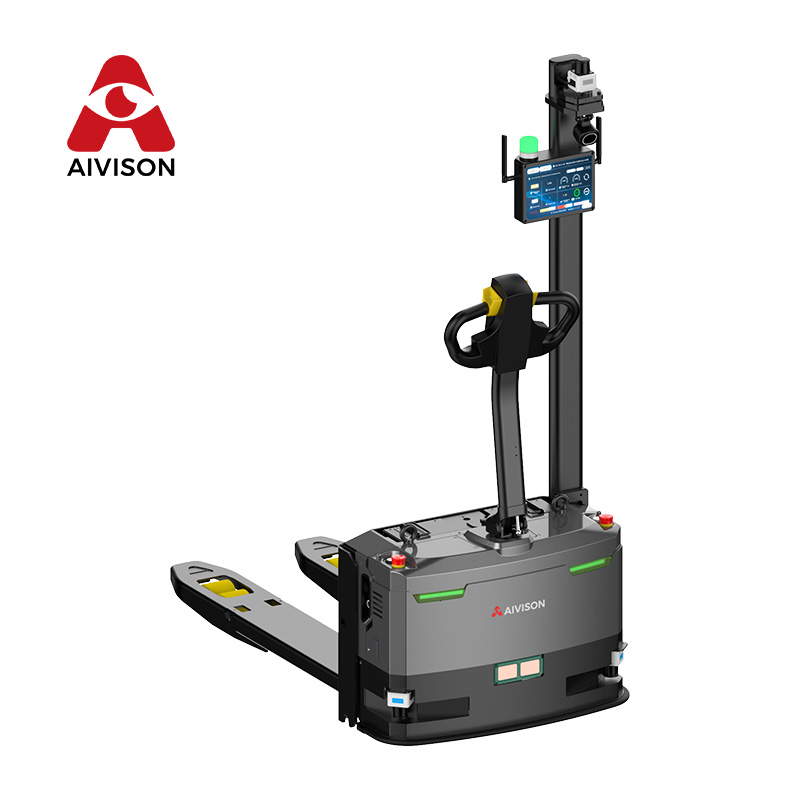
Aivison Stacker Truck Pallet Stacker Forklift Agv 1.5 Ton Autonomous Forklift Smart Deliver AMR Robot
Recommended where Pattaya warehouses need pallet transfer without a fixed conveyor. A 1.5-ton autonomous stacker can lift, move and dock pallets while laser SLAM keeps routes flexible during seasonal rack relayouts.

Humanoid Robot Chassis Dual 7-DOF Arms Laser SLAM Omnidirectional Navigation ROS2 Open Platform AMR
A dual 7-DOF humanoid chassis with omnidirectional laser SLAM and ROS2. Best for system integrators and industrial labs that want a development platform for hotel-service, medical-device or electronics inspection prototypes before scaling a production fleet.

New Warehouse Autonomous Cars agv Robot 2000kg Load Capacity Stacker agv Robot
A 2,000 kg stacker AGV for beverage, building-material and palletized food distribution. In Pattaya’s high-season warehouses, it suits long horizontal hauls where operator availability fluctuates but pallet dimensions are stable.
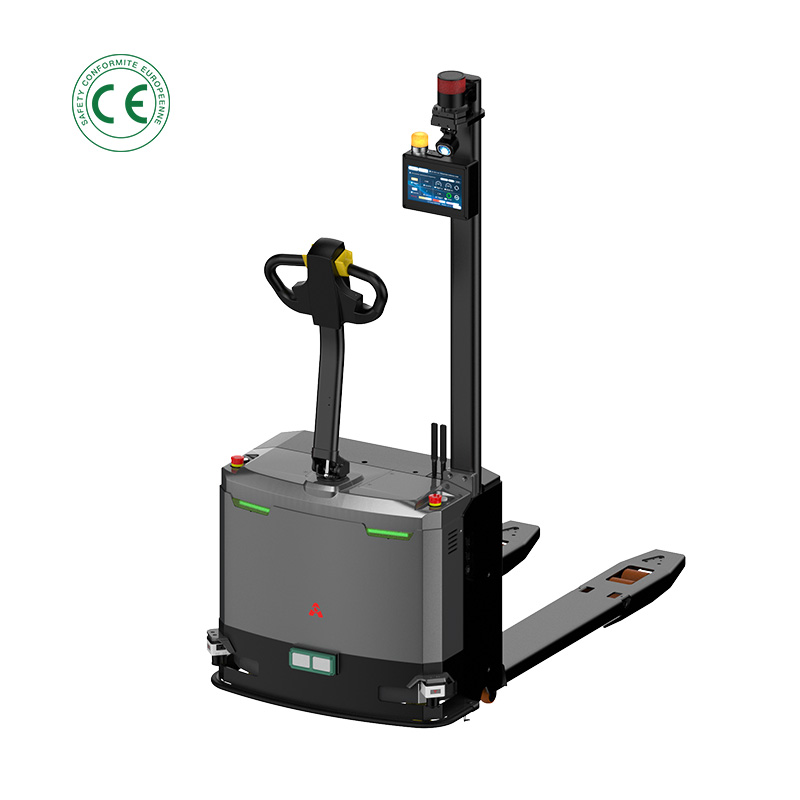
CE Certification Industrial AMR AGV Robot for Warehouse Automation Autonomous Material Handling Logistics
A general-purpose industrial AMR for mixed warehouse flows. CE-marked configurations support export projects; final electrical and safety integration should be confirmed for Thailand’s 220–230 V / 50 Hz sites.
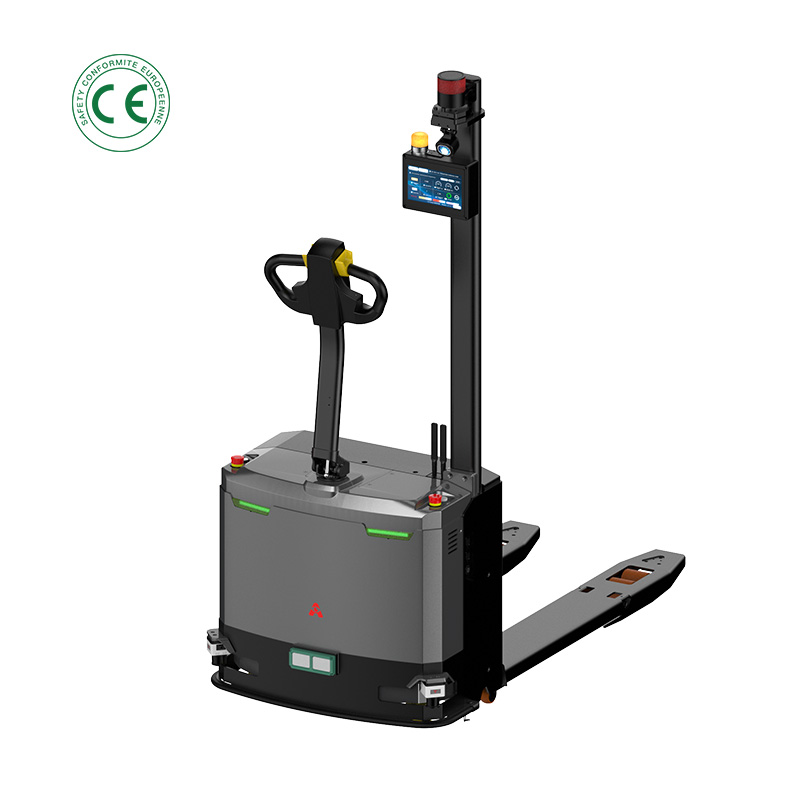
Autonomous Mobile Robot AMR AGV Forklift Pallet Stacker CE Certificate for Smart Warehouse and Production Line Automation
An AMR forklift and pallet stacker for smart warehouse and production-line automation. A good bridge between storage and line-side staging; QR docking can add ±2 mm precision at conveyor and machine interfaces.

AGV AMR Autonomous Forklift Smart Version Auto Mobile Transfer Stacker Robot
A smart autonomous transfer stacker for reconfigurable warehousing. Recommended when rack rows and pick faces change after promotions or seasonal layouts, because laser SLAM avoids fixed magnetic tape and floor codes.
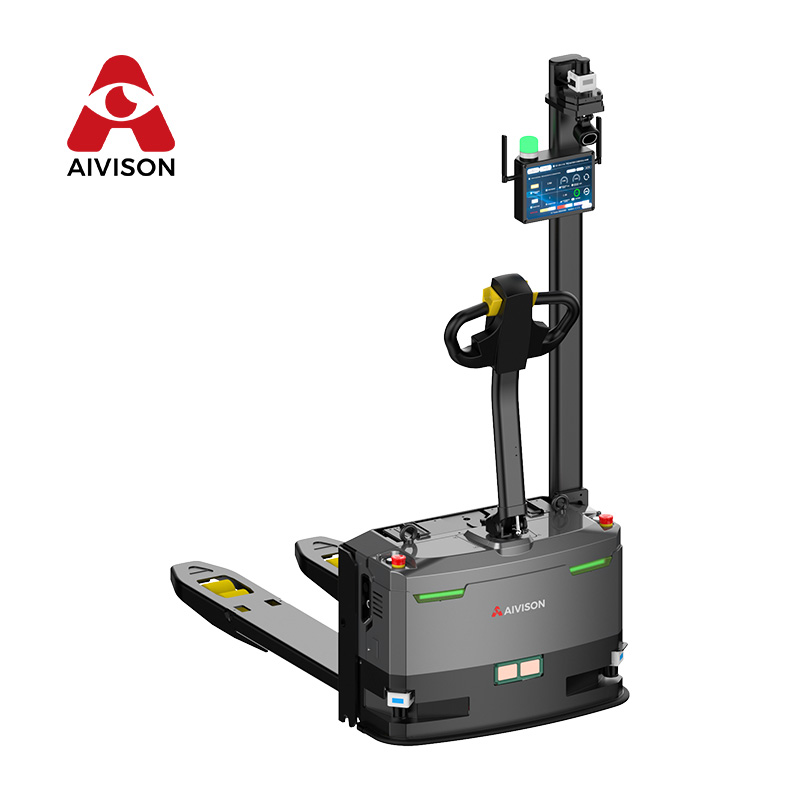
Laser SLAM Navigation Automated Guided Vehicle Forklift agv 1500kg Load Capacity
A 1,500 kg laser SLAM AGV forklift for pallet and rack movement. A practical option for Laem Chabang cross-dock warehouses that need pallet transfer between receiving, storage and dispatch without floor reconstruction.
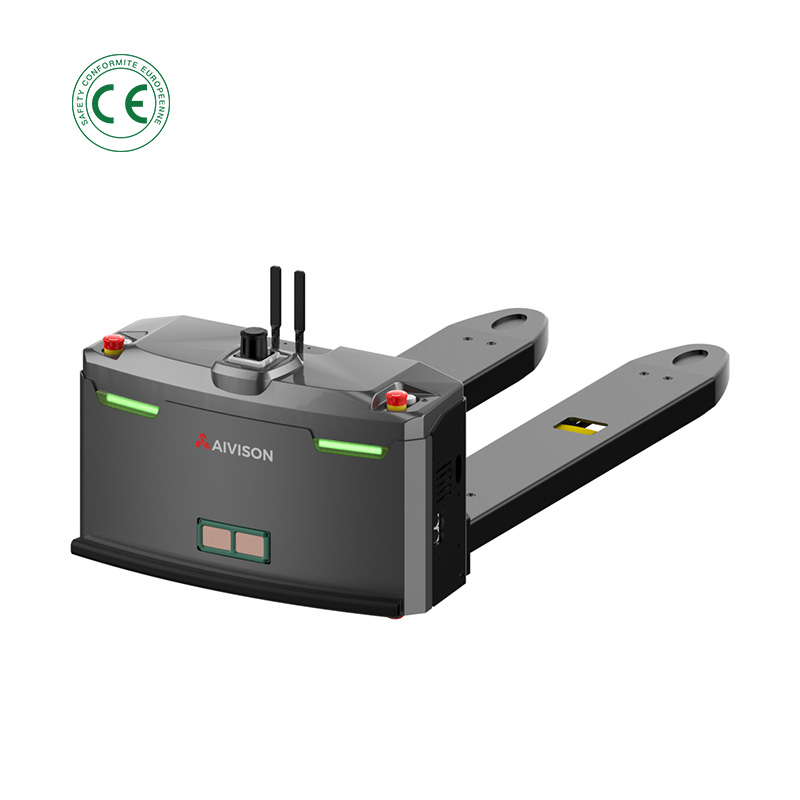
AMR Automated Warehouse Robot Logistics Automatic Industrial Logistics Robots AMR Robot
An automated warehouse logistics AMR for distributors piloting their first automated fleet. Pair it with smart charging and fleet scheduling to support continuous replenishment; start with one route, measure the gain and then scale.
Where Under-Rack Robots Fit in Pattaya’s Real Operating Environment
Pattaya is more than a tourism market. Its operating map includes resort back-of-house logistics, seafood and cold-chain distribution, retail replenishment, Laem Chabang port warehousing and EEC factories in Chonburi and Rayong. The strongest automation cases are repetitive horizontal moves with stable pick-up and drop-off points.
Hotels, Resorts & Back-of-House Logistics
Pattaya hotels and resorts move linen carts, banquet racks, housekeeping supplies and F&B stock through service corridors shared with staff and guests. A low-profile jacking AMR can lift standardized roll cages or shelf carts during night shifts, reducing repetitive pushing without blocking guest areas. Before piloting, confirm floor thresholds, lift height, noise level and route timing.
Cold Chain, Seafood & Food Distribution
Seafood, frozen food and beverage distributors around Pattaya and Laem Chabang need repeatable movement from cold room to staging. Robots are not automatically cold-rated. Buyers should request condensation management, IP-rating review, battery-temperature validation and wet-floor braking tests. Use AMRs for horizontal transfers and keep manual quality checks at temperature boundaries.
Retail, Duty-Free & E-Commerce Fulfilment
Tourist seasons create sharp order spikes. A mixed fleet of under-rack AMRs and smart forklifts can replenish shelves and dispatch pallets without rebuilding racking. The highest ROI usually comes from repeatable put-away and replenishment routes, not one-off moves. Pilot a single zone, measure travel distance and operator touch points, then expand during a controlled shoulder season.
Automotive Parts & EEC Manufacturing
Chonburi and Rayong suppliers serving the Eastern Economic Corridor use line-side delivery, kitting and finished-goods transfer. A ±5 mm laser SLAM base with optional QR docking can connect to conveyors and machines. For high-value assemblies, ask for factory acceptance testing with your actual rack, load and docking fixture before shipment.
Medical Devices, Supplies & Healthcare Logistics
Pattaya’s medical tourism and hospital supply chains require clean, traceable movement. Composite robots with a 6-axis arm can reach ±0.05 mm repeatability for precision tasks, but the entire cell—gripper, fixture and station—must be validated. Start with horizontal cart transport, then add arm modules only after the workflow is stable.
Port-Adjacent Warehousing & Cross-Docking
Laem Chabang is a regional gateway. Warehouses handling import and export pallets often have mixed traffic, floor transitions and shifting storage lanes. A 1.5–2 t autonomous stacker with dynamic obstacle avoidance can reduce empty travel, while fleet scheduling manages traffic and charging. Confirm aisle width, floor flatness and Wi-Fi coverage before sizing the fleet.
Pattaya Automation Trends That Affect Under-Rack Robot Selection
Buyers in Pattaya and the wider Chonburi–Rayong corridor are not simply copying warehouse automation projects from Bangkok. They are adapting them to tourism peaks, coastal humidity, port-driven inventory swings and a shortage of experienced forklift operators.
High-season labour flexibility
Hotel, retail and food distributors need capacity that scales before peak arrivals. Laser SLAM AMRs can be redeployed to new routes faster than fixed conveyors or magnetic-tape AGVs.
EEC and port logistics growth
Laem Chabang, Chonburi and Rayong continue to push 24/7 material flow. Cross-dock and line-side projects increasingly ask for mixed fleets, automatic charging and multi-robot scheduling.
Precision at the station, not everywhere
Buyers now separate ±5 mm transfer routes from ±2 mm QR docking stations and ±0.05 mm composite-arm tasks. Matching precision to the task avoids unnecessary floor infrastructure.
Serviceability and documentation
Export buyers compare spare-parts lists, FAT reports, electrical standards, CE-marked configurations and remote engineering support before they compare headline price.

A Shenzhen AMR Manufacturer Built Around Real Production Lines
Shenzhen Marnix Intelligent Technology Co., Ltd. draws on about ten years of AGV engineering experience to build autonomous mobile robots that drop into existing factories with minimal disruption—for end users and for the system integrators who serve them.
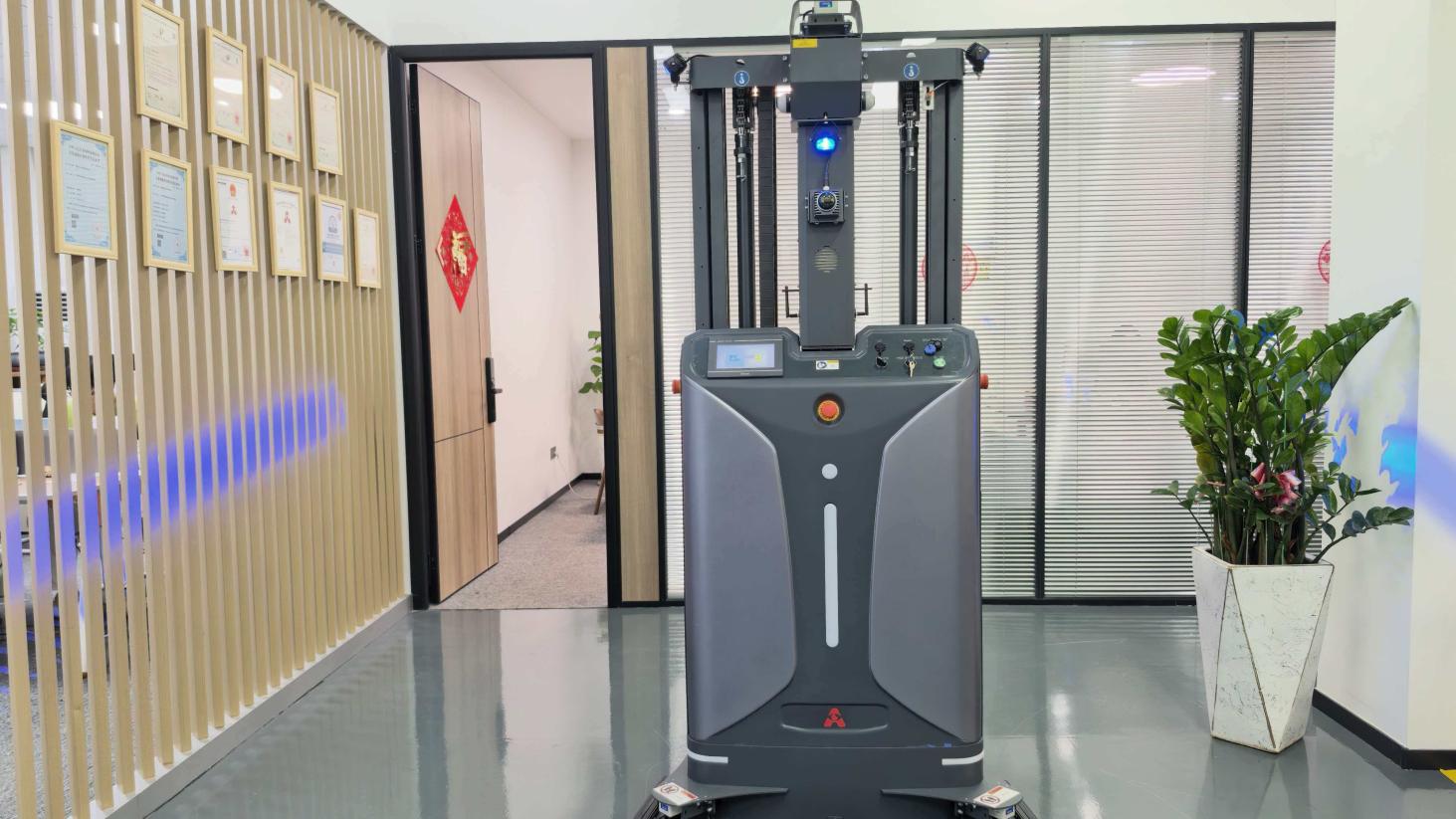
The portfolio includes laser SLAM AMRs, jacking robots, smart forklifts, pallet AMRs, composite robots and compatible intelligent charging docks. Robots are coordinated by an intelligent scheduling system over indoor Wi-Fi, enabling simultaneous task assignment, traffic control and automatic charging. This matters for Pattaya projects because one supplier can align the chassis, top module, charging strategy and fleet software instead of forcing the buyer to integrate unrelated components.
Complete AMR portfolio
Jacking robots, smart forklifts, pallet AMRs, composite robots and charging docks from one manufacturing source.
SLAM lidar + vision
Trackless mapping, dynamic obstacle avoidance and Wi-Fi fleet scheduling support mixed human and vehicle traffic.
Built around the line
Custom top mechanisms can connect robots directly to production equipment rather than forcing a standard fit.
Tested before shipment
Multi-stage inspections and operational stress tests target stable uptime in mission-critical environments.
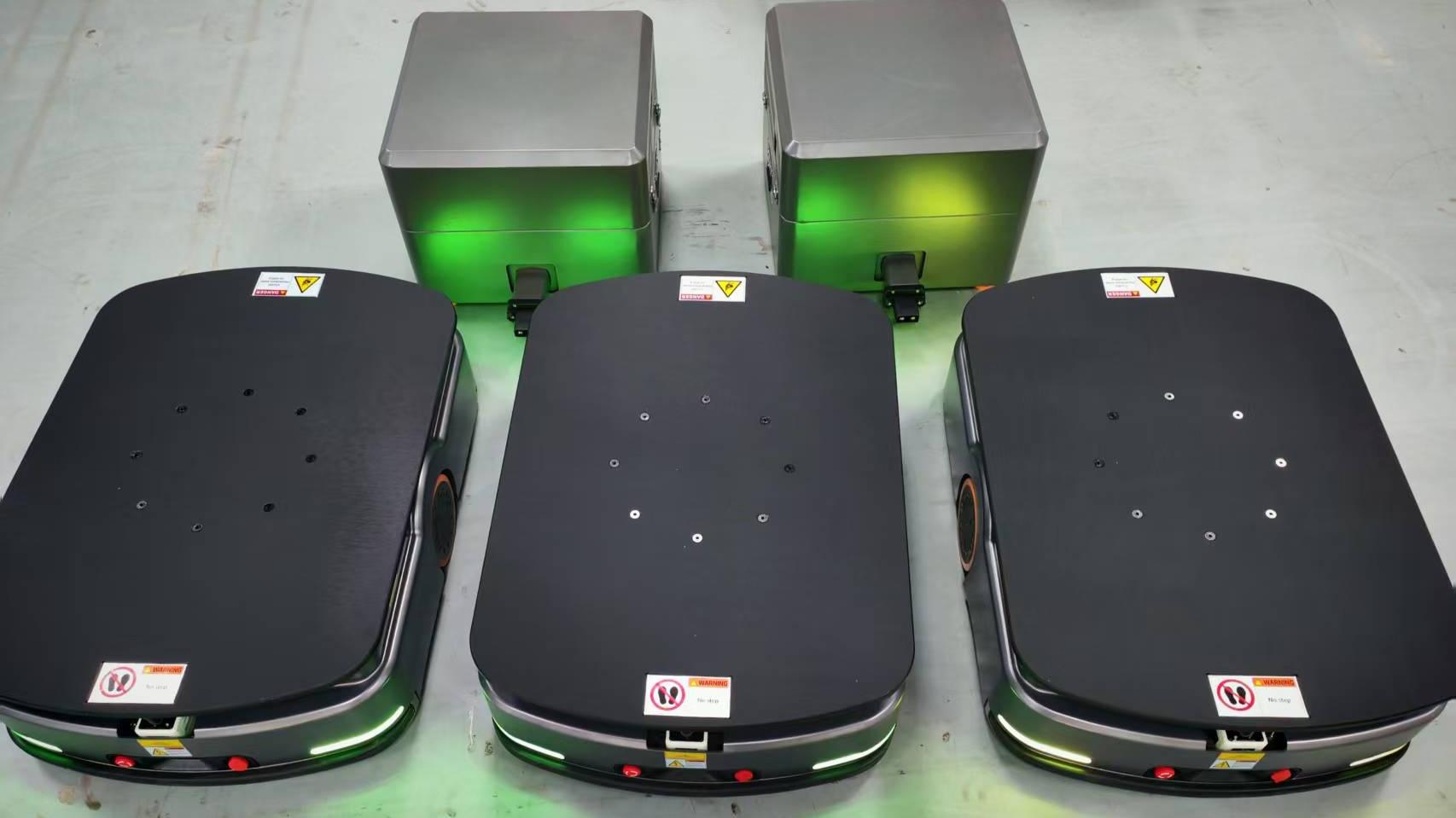
Choose the Right Precision Level for Each Pattaya Station
Most buyers over-specify navigation. Use this guide to match accuracy to the task and avoid unnecessary floor infrastructure costs. A hotel linen route, a cold-room transfer lane and a semiconductor-style assembly station should not be specified with the same tolerance.
| Configuration | Accuracy | Floor setup | Best for Pattaya / EEC projects |
|---|---|---|---|
| Laser SLAM on natural features | ±5 mm | None—no tape, reflectors or floor codes | Warehouse transfer, hotel back-of-house carts, retail replenishment, line-side delivery and frequent layout changes. |
| SLAM + QR code camera | ±2 mm | QR labels only where precision is needed | High-shelf storage, conveyor handover, machine docking and cold-room door transfer where repeatability matters. |
| Composite AMR + 6-axis arm | ±0.05 mm | Station calibration | Medical device, electronics and precision assembly tasks; suitable for integrators building higher-value automation cells. |
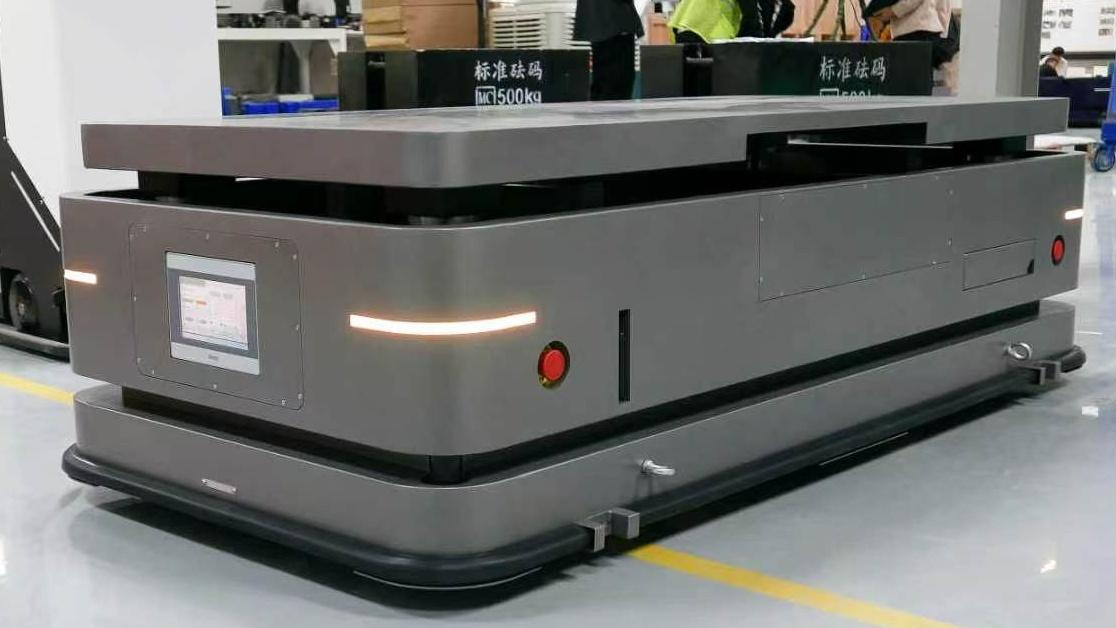
Jacking unit
Rack, shelf and roll-cage lifting transport for under-rack handling.
Forklift forks
Pallet picking, camera assist and 1.5–2 t autonomous stacker options.
Roller conveyor
Automatic load transfer for PCB, electronics and assembly lines.
6-axis robotic arm
Composite precision tasks with ±0.05 mm repeatability.
QR code camera
Upgrade selected docking stations from ±5 mm to ±2 mm.
Fleet scheduling + charging
Wi-Fi multi-robot dispatch and intelligent charging docks for 24/7 duty.
What to Prepare Before Requesting an Under-Rack Robot Proposal
From the inputs used in factory acceptance tests and export deployments, these six data points determine most robot selection decisions. Sharing them upfront shortens evaluation from weeks to days and reduces the risk of a redesign after shipment.
Load profile
Maximum weight, footprint, centre of gravity and rack condition for every item to be moved.
Site layout
A CAD drawing or sketch with aisle widths, doors, slopes, floor transitions, lifts and charging locations.
Throughput target
Missions per hour, peak periods and daily operating hours; these set fleet size and charging dock count.
Docking precision
Where ±5 mm is enough and where ±2 mm QR assist or arm-level precision is required.
Utilities and Wi-Fi
Thailand typically uses 220–230 V / 50 Hz; confirm plugs, charging room ventilation and indoor Wi-Fi coverage.
Equipment interfaces
Conveyors, machines, shelving and safety zones the robot must hand over to, plus any top-module requirement.
Questions Local Buyers Ask Before Ordering Under-Rack Robots from China
These are the practical questions raised by warehouse owners, hotel engineering teams, EEC suppliers and system integrators comparing Chinese AMR manufacturers and wholesalers for Pattaya projects.
Are you a manufacturer or a trading company?
Shenzhen Marnix Intelligent Technology Co., Ltd. is a manufacturer of laser SLAM AMRs, jacking robots, smart forklifts, composite robots and charging docks. It supports OEM, ODM and integrator projects rather than reselling a fixed catalogue only. Product-specific configuration should still be confirmed in the quotation and technical agreement.
Can you supply wholesalers, distributors or system integrators?
Yes. The factory supports customization of chassis, payload and top mechanisms such as jacking units, roller conveyors, forklift forks and 6-axis arms. For distributors and integrators, the practical starting point is a target application, expected annual volume, spare-parts plan and service responsibilities in Thailand.
Do you have local service in Pattaya or Thailand?
Marnix is based in Shenzhen, so Pattaya projects are typically served through direct export sales plus local integrator or service-partner arrangements. Before ordering, ask for a written service scope covering remote diagnostics, commissioning support, spare-parts lead time and who performs on-site maintenance in Thailand.
Can the robots handle Pattaya humidity and heat?
Pattaya’s coastal humidity demands a project-specific review. Buyers should request IP-rating confirmation, condensation management, battery and charging temperature validation, and wet-floor braking tests where cold rooms or open loading bays are involved. A pilot route in the actual building is more reliable than a headline specification alone.
What electrical standard should we prepare?
Thailand commonly uses 220–230 V / 50 Hz, but plugs and site distribution vary. Provide the charging-room voltage, phase, breaker capacity and plug type in the inquiry. The factory should confirm the charger configuration, earthing and ventilation requirements for the exact robot and battery package.
How long does delivery take to Laem Chabang or Pattaya?
Lead time depends on whether the project uses a standard platform or a custom top module, plus battery, charger, documentation and factory acceptance testing. A realistic quotation should separate manufacturing time, FAT schedule, export packing and sea or land freight to Laem Chabang before final delivery to Pattaya.
Do we need strong Wi-Fi for a robot fleet?
Single-robot missions can often run with onboard mapping, but multi-robot scheduling, traffic control and automatic charging are coordinated over indoor Wi-Fi. Provide an access-point map and signal survey. If coverage is weak, a local integrator can add access points before commissioning; do not assume the robot can fix an unreliable network.
How do we start a project evaluation?
Send the payload, rack drawing, site layout, aisle widths, throughput target, docking precision, operating hours, voltage and destination port to the factory. A short video of the actual route is also useful. The fastest path is to request a quote with these inputs and ask for a recommended configuration, spare-parts list and FAT checklist.
Get a Factory-Direct Under-Rack Robot Proposal for Pattaya
Share your rack dimensions, load weight, aisle layout, docking tolerance and target throughput. The engineering team can then recommend a laser SLAM AMR, autonomous stacker, smart forklift or custom composite robot configuration—and clarify the export, charging and service requirements for Thailand.
OEM / ODM · Integrator support · Factory acceptance testing · Export documentation · Pattaya and EEC project evaluation