China Top Pallet Jacking Robot Factory & Exporters for the Caloocan Market
Laser SLAM jacking robots, smart forklifts, pallet AMRs and fleet scheduling systems engineered for Caloocan warehouses, factories, loading bays and CAMANAVA logistics operations.
8 Pallet Handling, AMR and Automation Platforms for Caloocan Buyers
These platforms cover pallet jacking, autonomous forklift handling, conveyor-line transfer, warehouse logistics and advanced composite automation. Each product link is preserved for direct evaluation.
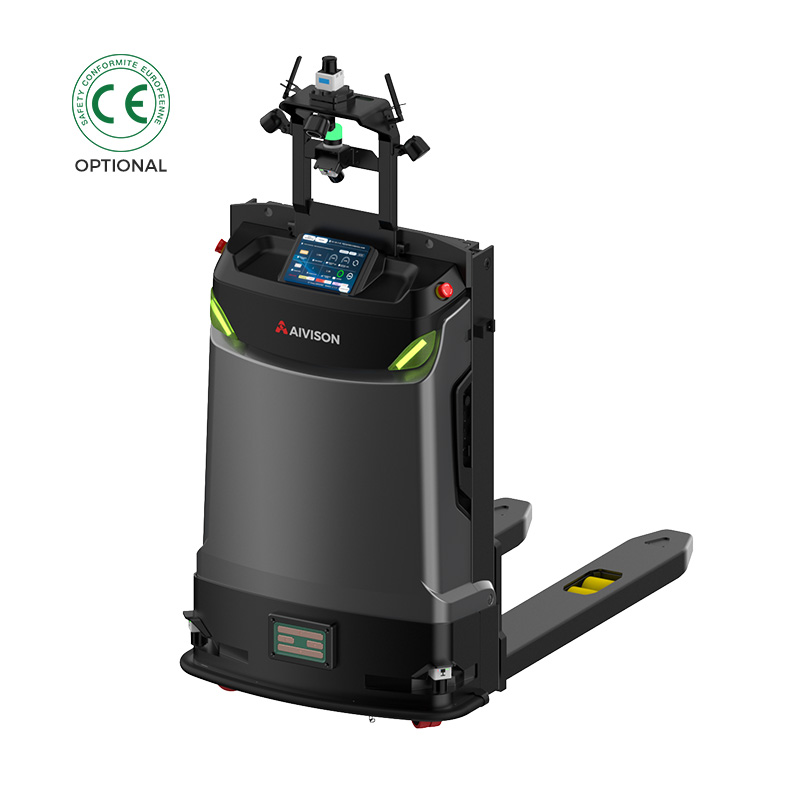
AGV AMR Warehouse Automatic Guided Vehicle 1500kg 2000kg AGV Robot Forklift
For medium-duty pallet transfer, container stripping support and repetitive warehouse routes in Caloocan facilities where fixed tracks are impractical.
View product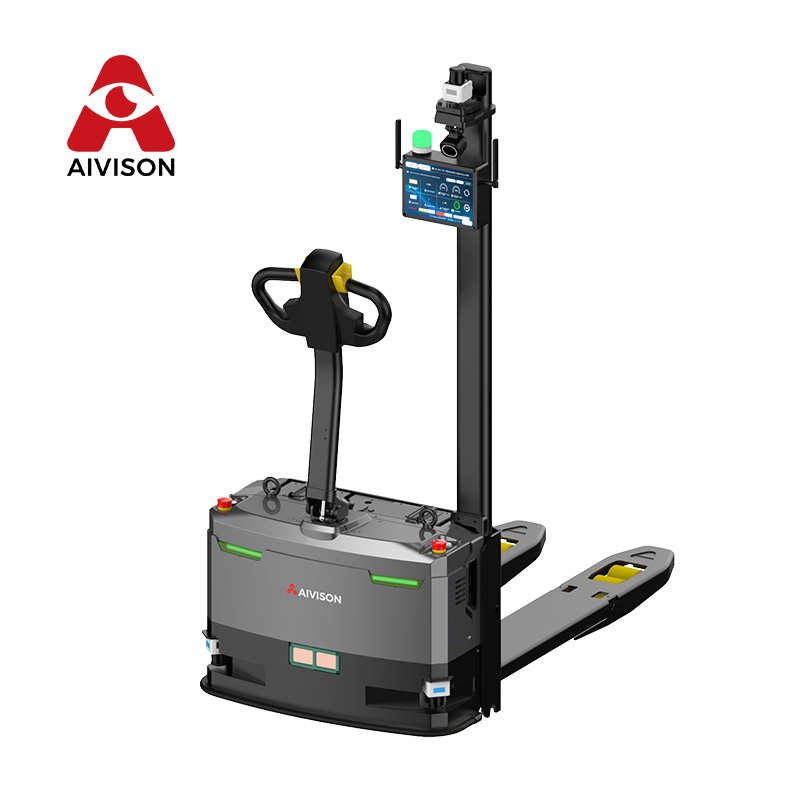
Aivison AGV Forklift High Quality Industrial Unmanned Pallet Forklift
An industrial automated forklift for put-away and replenishment tasks, suitable for local warehouses seeking consistent pallet movement across shifts.
View product
AI-Ready Humanoid Robot Chassis Dual 7-DOF Arms Omnidirectional Drive ROS2 Laser SLAM Open Development Platform
For integrators and research teams in Metro Manila developing advanced service or composite automation; supports ROS2, laser SLAM and omni drive.
View product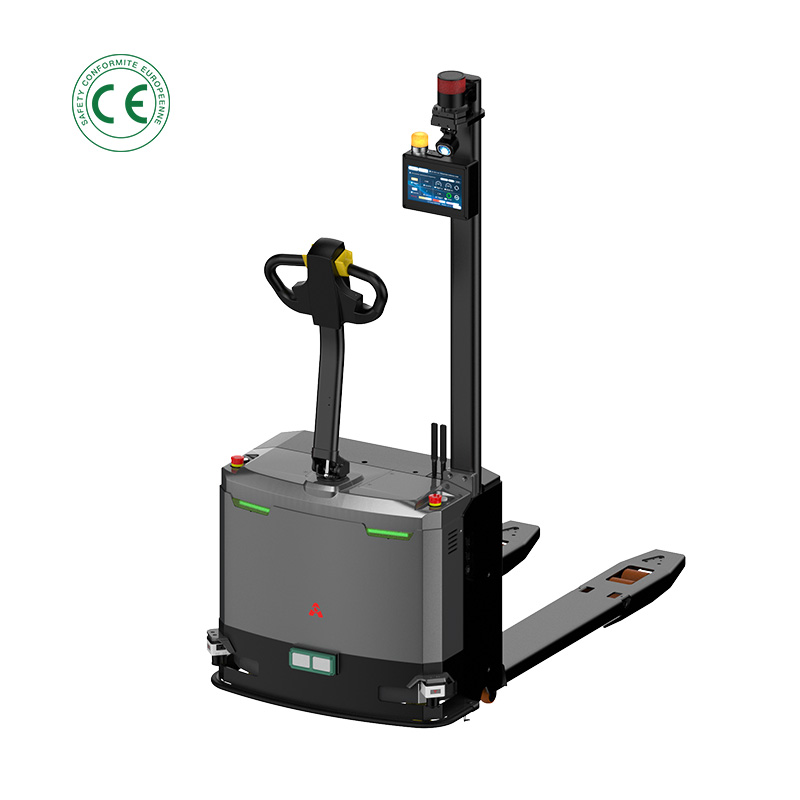
CE Certification Industrial AMR AGV Robot for Warehouse Automation Autonomous Material Handling Logistics
A general warehouse automation AMR for autonomous logistics, designed around laser navigation and flexible deployment without major floor works.
View product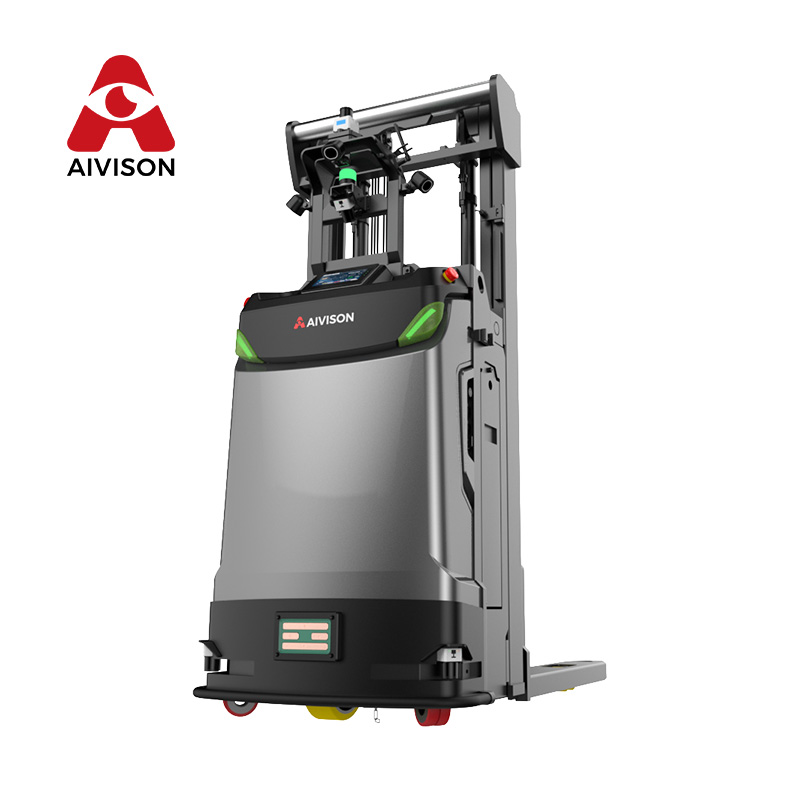
Autonomous Mobile Robots (AMR) Implement Cargo Transportation Between Warehouse and Conveyor Line
Useful in Caloocan production and e-commerce sites that need repeatable transfer between storage areas, packing benches and conveyor interfaces.
View product
Heavy Load 2000KG Load Forklift Laser Guide AMR for Warehouse Pallet
A heavier-duty laser-guided forklift AMR for pallet transport where conventional manual forklift cycles limit throughput or create safety bottlenecks.
View product
Omnidirectional Service Humanoid Robot Chassis Dual 7-DOF Arms Laser SLAM Navigation for Hospitality and Retail
An advanced service-robot chassis for hospitality, retail demonstration and R&D projects; not a basic pallet jack, but valuable for multi-format automation.
View product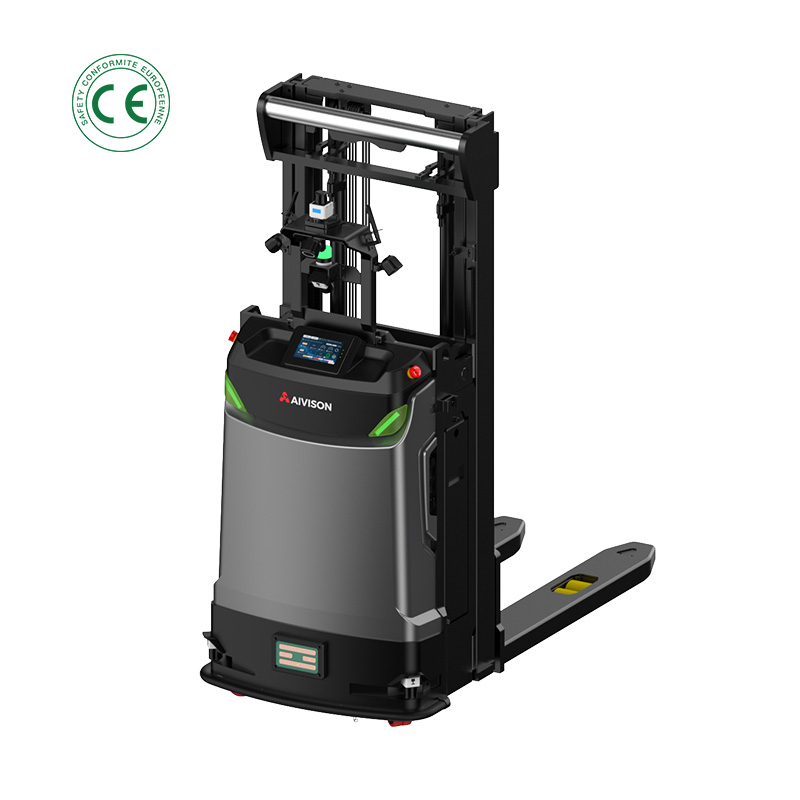
Aivison AMR Robot Whicle Automated Warehouse Automatico agv Logistics Industrial Guided Vehicles
A flexible AMR vehicle for automated warehouse logistics, suitable for repetitive transport tasks and mixed fleets managed by scheduling software.
View productWhy Pallet Jacking Robots Are Moving from Trial to Standard Equipment in Caloocan
Caloocan is not a generic warehouse market. It sits inside the CAMANAVA corridor, close to North Harbor and the Port of Manila, and combines trading warehouses, food distribution, plastics, printing, metal fabrication, auto parts, e-commerce fulfillment and light manufacturing. That mix creates a very specific pallet-handling problem: short, repetitive trips; tight aisles; mixed pedestrian and forklift traffic; and pressure to keep goods moving across two or three shifts.
For local buyers, the strongest business case for a pallet jacking robot is rarely “full lights-out automation.” It is usually recovering wasted pallet touches: moving finished goods from a packing line to staging, stripping cartons from a 40HQ container into warehouse locations, replenishing pick faces, or transferring pallets between receiving, storage and dispatch. In Caloocan’s dense industrial and commercial zones—including Grace Park, Sangandaan, Bagong Barrio, Monumento, Camarin and the wider CAMANAVA belt—many facilities cannot justify floor reconstruction. That is why laser SLAM navigation matters: the robot maps the existing environment instead of requiring magnetic tape, reflectors or extensive cabling.
The local operating environment also rewards practical engineering. Humidity, heat, dust from roads, occasional flooding near low-lying streets, uneven expansion joints and Wi-Fi dead spots can challenge any automation project. A responsible supplier should therefore assess the actual route, not only the payload. The project should define which routes are indoor, which loading bays are covered, where pallets are staged, how forklift traffic crosses robot lanes, and where operators need physical or virtual safety zones. Marnix’s approach is to match navigation accuracy to the station: ±5 mm laser SLAM for general transfer, ±2 mm QR assist where docking precision matters, and ±0.05 mm composite repeatability for arm-based machine tending or inspection tasks.
From an SEO and procurement perspective, Caloocan buyers often compare “China factory” and “exporter” offers on price alone. That is a risky shortcut. A pallet jacking robot is a system of chassis, lifting unit, safety sensors, battery, charging dock, fleet software and after-sales support. The quotation should reveal payload, lifting height, navigation method, safety configuration, charging strategy, fleet size, commissioning scope, spare parts and documentation. When these items are transparent, the lowest headline price may not be the lowest total cost. A factory with direct engineering control can usually customize the top module and resolve integration issues faster than a trading intermediary that does not build the robot.
Caloocan Demand Signals
- Port-linked receiving and container stripping near North Harbor and Manila Port routes.
- Multi-level storage and high-shelf pallet positioning in compact warehouses.
- Repetitive line-side delivery for printing, plastics, food, auto parts and electronics.
- Two-shift and three-shift operations that need predictable pallet cycle times.
Match Navigation Accuracy to the Real Caloocan Workstation
Over-specifying precision increases cost and project complexity. Under-specifying it creates docking failures. Use this simple selector before requesting a factory quotation.
Best for general pallet movement, line-side delivery, receiving-to-staging routes and warehouses that change layout from time to time.
For high-shelf storage, precision docking, conveyor handover and stations where the robot must repeat the same stop point every cycle.
For advanced integration with 6-axis arms, machine tending, inspection and production tasks beyond simple pallet transport.
Caloocan Application Scenarios: From North Harbor Freight to Line-Side Delivery
These are practical deployment patterns for local warehouses, factories and distribution centers. Each scenario should be validated by a site survey, route mapping and safety-zone design.
Container Stripping and Receiving
Pallet jacking robots can move received pallets from covered loading bays to staging or put-away zones, reducing forklift congestion during peak container arrivals from North Harbor and Manila Port routes.
High-Shelf and Multi-Level Storage
For warehouses in Grace Park, Sangandaan and nearby districts using selective racking, QR-assisted docking can deliver the repeatability needed for high-shelf pallet stations.
Line-Side Replenishment
Printing, plastics, auto parts and electronics operations can use AMRs for scheduled line-side replenishment, keeping operators supplied without repeated manual pallet trips.
Food, Grocery and Cold-Chain Support
Pallet transfer between receiving, blast chillers and dispatch can be standardized, provided condensation, floor friction, temperature limits and safety sensors are reviewed by the supplier.
E-commerce Fulfillment in CAMANAVA
Automated pallet movement between inbound, pick-face replenishment and outbound staging helps smaller fulfillment centers cope with order spikes without expanding aisle space.
Mixed Pedestrian and Forklift Traffic
Laser SLAM robots with dynamic avoidance can be configured with virtual zones, speed limits and warning indicators for facilities where people, hand pallet trucks and forklifts share the same floor.
What Is Changing Pallet Handling in Caloocan and Metro Manila
The buying conversation is shifting from “Can a robot move a pallet?” to “Can the robot improve flow without creating a new bottleneck?”
1. Labor Flexibility and Shift Stability
Pallet handling is repetitive, physically demanding and vulnerable to absences. Caloocan operators increasingly evaluate AMRs as a way to stabilize two- or three-shift pallet cycles while reassigning people to picking, checking and value-added tasks.
2. Integration with WMS and Production Flows
Buyers now ask how the robot connects to WMS, ERP, conveyors and production equipment. Fleet scheduling over indoor Wi-Fi, task call buttons, automatic charging and simple handover logic are becoming part of the standard scope.
3. Safety, Mixed Traffic and ESG Reporting
Efficient indoor transport reduces unnecessary forklift movements, pallet damage and congestion. At the same time, safety scanners, warning lights and zone rules matter more as robots operate near people and manual pallet trucks.
4. Modular Robots and Local Integrator Support
Instead of buying isolated machines, Caloocan businesses increasingly prefer modular chassis with jacking units, roller conveyors, forks or arms. This lets a local integrator adapt the robot to a process now and extend it later.
How to Evaluate a China Pallet Jacking Robot Factory Before You Import to Caloocan
Use this six-part procurement checklist to compare factories, exporters and integrators on technical fit and total project risk—not only unit price.
01. Load, Rack and Pallet Profile
Provide maximum pallet weight, rack footprint, center of gravity, bottom clearance, pallet type and whether the robot must lift, tow or fork. A jacking robot and an AMR forklift solve different problems.
02. Site Layout and Floor Reality
Share CAD or sketches with aisle widths, doors, slopes, expansion joints, floor flatness, lifts, ramps and charging locations. In Caloocan, also note covered versus open areas and any flood-prone routes.
03. Throughput and Fleet Sizing
Missions per hour, peak periods and travel distance determine fleet size and charging strategy. A quote that ignores peak throughput may look cheaper but fail during dispatch hours.
04. Accuracy by Station
Define where ±5 mm laser SLAM is enough and where ±2 mm QR-assisted docking or ±0.05 mm arm-level repeatability is required. Precision should be engineered only where the process needs it.
05. Electrical, Wi-Fi and Safety
Confirm voltage, plug type, charging room, battery strategy, Wi-Fi coverage, access-point load and emergency-stop rules. For Philippine sites, verify 220 V/60 Hz requirements and spare-part availability.
06. Commercial and Import Terms
Compare EXW, FOB Shenzhen/Yantian and CIF Manila terms; ask for HS code guidance, commercial invoice, packing list, bill of lading and certificate of origin where applicable. Clarify warranty, commissioning, training and remote support.
Practical note for Caloocan buyers: request an English HMI, wiring diagram, maintenance schedule, spare-parts list and a commissioning plan before placing the purchase order. Confirm with your customs broker how duties, VAT and port charges apply to your HS classification and Incoterm.
Why Marnix Is a Credible Pallet Jacking Robot Partner for Caloocan Projects
Shenzhen Marnix Intelligent Technology Co., Ltd. combines direct manufacturing, laser SLAM engineering and customization for end users and system integrators.
About Ten Years of AGV Experience
Our team draws on roughly a decade of AGV engineering and manufacturing experience in Shenzhen, with robots deployed in factories and warehouses across multiple industries.
Complete AMR and Jacking Robot Portfolio
Jacking robots, smart forklifts, pallet AMRs, composite robots and compatible charging docks come from one source, which simplifies mixed-fleet projects and spare-parts planning.
Laser SLAM, QR and Composite Precision
Laser SLAM reaches ±5 mm without auxiliary tracks; an optional QR camera raises docking precision to ±2 mm; composite robots with a 6-axis arm reach ±0.05 mm repeatability.
Intelligent Fleet Scheduling over Wi-Fi
Multiple robots can be coordinated through a scheduling system over indoor Wi-Fi, supporting simultaneous task assignment, traffic control and automatic charging with compatible docks.
Manufacturer-Level Customization
Chassis, payload, jacking units, roller conveyors, forklift forks and arms can be engineered around the process rather than forcing a standard model into an unsuitable line.
Multi-Stage Quality Testing
Intelligent inspections and operational stress tests are used to reduce failure risk before shipment. This matters for overseas buyers who need uptime after commissioning.
Verified Credentials and Trade History
Our credentials include an onsite supplier assessment by TÜV Rheinland, supplier status with a Fortune 500 company, transparent credit and transaction records, and service to 200+ manufacturers across three continents.
Integrator and After-Sales Support
We support system integrators and end users with product selection, customization, documentation, remote troubleshooting and spare-parts planning for long-term operation.
Caloocan Buyer FAQ: Pallet Jacking Robots, Importing and Local Deployment
Straight answers for procurement teams comparing Chinese factories, exporters and integrators.
Is a pallet jacking robot suitable for a Caloocan warehouse with uneven floors and tight aisles?
Often yes, but the site must be surveyed. Laser SLAM robots can map existing environments without magnetic tape, reflectors or floor QR codes, which reduces floor modification. However, aisle width, floor flatness, expansion joints, ramps, drainage cuts and mixed forklift traffic must be reviewed. A factory should recommend route limits, speed zones and safety scanners after seeing the layout.
What shipping terms and documents should we discuss when importing from China to Manila?
Compare EXW, FOB Shenzhen or Yantian, and CIF Manila terms with your freight forwarder. Typical documents include commercial invoice, packing list and bill of lading; certificate of origin may apply depending on the shipment and origin rules. Confirm HS classification, duties, VAT and port charges with your customs broker before placing the order.
Can the robot be supplied for Philippine electrical requirements and English operation?
Yes, electrical requirements should be confirmed during quotation. Philippine sites typically use 220 V/60 Hz, so provide the facility voltage, plug type and charging-room plan. For operator use, request an English HMI, alarm descriptions, maintenance manual and spare-parts list. Remote commissioning support is also useful for first deployment.
How many robots does a Caloocan warehouse need?
Fleet size depends on missions per hour, travel distance, pallet exchange time, charging strategy and peak periods. A single robot may be sufficient for dedicated line-side delivery, while receiving and dispatch peaks may require two or more robots plus an automatic charging dock. The quotation should be based on a route and throughput study, not only the number of pallets per day.
How do you handle high humidity, heat and dust in Metro Manila?
The application review should identify humidity, temperature, dust, water exposure and cleaning methods. Protected sensors, suitable IP ratings where required, battery operating limits and a maintenance schedule should be agreed. For covered loading bays and indoor warehouses, the main design focus is usually dust control, floor friction, Wi-Fi reliability and safe traffic separation rather than outdoor-rated construction.
How can I compare Chinese pallet jacking robot exporters fairly?
Ask each supplier to provide the same technical package: payload, lifting height, navigation accuracy, safety sensors, battery and charging method, fleet software, WMS/ERP interface, warranty, spare parts, lead time, Incoterm and commissioning scope. A direct factory with engineering control can often customize the jacking unit or top module, while a trading company may add communication layers and delay technical decisions.
Request a Caloocan-Specific Pallet Jacking Robot Proposal
Share your pallet weight, aisle width, racking type, throughput target, loading-bay layout and preferred Incoterm. Our engineering team will recommend the right jacking robot, AMR forklift or fleet configuration for your site.
Get a QuoteShenzhen Marnix Intelligent Technology Co., Ltd. · Laser SLAM AMR, jacking robot, smart forklift and charging dock manufacturer · info@marnixbot.com