China Top Industrial Mobile Robot Arm Manufacturer & Wholesalers in Houston
Laser SLAM AMRs, autonomous forklifts, jacking robots, dual-arm mobile platforms and intelligent charging docks for Houston warehouses, Port of Houston 3PL operations, energy manufacturing, industrial distribution and Texas Medical Center logistics.
Years in AGV Engineering
Shenzhen-based R&D and manufacturing experience across mobile robot platforms and top-module customization.
Laser SLAM Accuracy
Trackless navigation on natural features, with optional QR assist for ±2 mm docking precision.
Manufacturers Served
Deployments across three continents for end users, system integrators and wholesale procurement partners.
Core Industries
Semiconductor, 3C electronics, lithium battery, photovoltaic, automotive parts, PCB, textile and medical devices.
Factory-Direct Mobile Robot Supply for Houston’s Warehouse, Port and Energy Economy
For Houston buyers evaluating China top industrial mobile robot arm manufacturers and wholesale supply partners, the decision is not only about payload and price. It is about whether the robot can be mapped, scheduled, maintained, integrated and documented in a real operating environment.
Shenzhen Marnix Intelligent Technology Co., Ltd. builds laser SLAM autonomous mobile robots, jacking robots, smart forklifts, composite mobile robots and compatible intelligent charging docks from one engineering base. For Houston automation projects, that matters because local operations are rarely simple, single-process installations. A 3PL near the Port of Houston may need an AMR that moves pallets between trailer doors and high-bay racking. An energy-equipment manufacturer may need a jacking robot feeding line-side racks. A medical-device, electronics or research operation may need a dual-arm mobile platform that combines mobility with robotic manipulation. This page is written as a buyer-focused white paper: it explains how to match platforms to Houston use cases, how to judge a manufacturer versus a wholesaler, what local trends are driving adoption, and what Houston procurement teams usually ask before requesting a quote.
The strongest automation programs avoid unnecessary infrastructure. Marnix robots use laser SLAM navigation on natural features, so standard deployments do not require magnetic tape, reflectors or floor QR codes. Where a station needs tighter handover, a QR scanning camera can raise accuracy to ±2 mm. For composite mobile robots with a 6-axis arm, repeatability reaches ±0.05 mm. That tiered precision approach lets Houston buyers use the right configuration for each station instead of over-specifying the entire fleet. The result is a lower floor-upgrade burden, faster layout changes and a more practical path for warehouses that cannot stop operations for long installation windows.
Share your load profile, Houston floor plan, throughput target and docking precision needs. Our engineering team will recommend a robot configuration and fleet size.
Inquire NowWhy Houston Buyers Need a Different Mobile Robot Evaluation
Houston is not one market. It is a port-driven logistics region, an energy and petrochemical capital, a manufacturing base, a medical center and a fast-growing distribution market. Mobile robots must work across very different traffic patterns.
Port and Cross-Dock Pressure
Houston facilities often manage trailer arrivals, pallet staging, high-bay storage and urgent outbound loads in the same shift. A robot must navigate narrow lanes, mixed traffic and changing drop zones without requiring floor reconstruction.
Energy and Industrial MRO
Energy, petrochemical and equipment manufacturers move spare parts, valves, tooling and heavy components through high-value flows. Safety, route discipline and reliable handover matter more than showroom speed.
Manufacturing and Fabrication
Houston fabrication and assembly operations need line-side delivery that keeps takt time stable. Jacking robots, pallet AMRs and custom top modules can reduce manual moves without forcing a full conveyor rebuild.
Medical and Controlled Logistics
Houston’s medical and research ecosystem rewards traceability, gentle handling and repeatable docking. Dual-arm mobile robot platforms can support controlled handling tasks when the full safety and integration case is validated.
Where Industrial Mobile Robots Fit Houston Operations
Use these scenarios to narrow the platform list before requesting a formal proposal.
Port of Houston 3PL and Cross-Dock Flow
Autonomous forklifts, 1.5-ton stacker robots, 800 kg pallet stackers and heavy-load 2,000 kg AMRs can support trailer-to-staging and staging-to-rack movement. The best starting point is usually a single repetitive lane with clear handover points, then fleet expansion after Wi-Fi coverage and traffic rules are proven.
Energy Equipment and Spare-Parts Warehousing
Heavy industrial spare parts often require stable pallet handling and careful route planning. Laser SLAM AMRs map existing aisles without adding floor reflectors, while QR labels can be reserved for high-shelf or precision docking positions. This is important where production or maintenance teams cannot tolerate long layout shutdowns.
Houston Fabrication and Line-Side Delivery
Jacking robots can drive under racks, lift and deliver components to assembly zones. The 300 kg light AMR pallet robot fits lighter material flow where full-size forklifts are impractical. Custom roller conveyors, lift units and 6-axis arms can connect the mobile platform directly to workcells.
Medical, Electronics and Controlled Handling
Dual 7-DOF arm mobile platforms combine omnidirectional movement with robotic manipulation. They are relevant for controlled assembly, research logistics and precision handling where the buyer must validate cycle time, safety, fixture design and station calibration before deployment.
High-Shelf and Precision Docking
High-shelf storage and tight handover points often justify QR-assisted navigation at selected stations only. The fleet can run at ±5 mm in normal transit and switch to ±2 mm positioning where the process truly requires it, avoiding unnecessary floor labels across the whole route.
Wholesale and Integrator Projects
System integrators and wholesale buyers in Houston can source multiple robot categories from one manufacturer: AMRs, jacking robots, autonomous forklifts, composite platforms and charging docks. Shared navigation logic and fleet software simplify mixed-fleet proposals and spare-parts planning.
Trends Shaping Houston Automation Decisions
Houston buyers are moving from “Can a robot move a pallet?” to “Can this fleet remain productive through labor changes, layout changes and seasonal peaks?”
Labor Continuity and Safety
Houston warehouse and manufacturing operations face shift variability, turnover and safety pressures. Robots take over repetitive long-distance moves so skilled staff can focus on exception handling, quality and equipment uptime. Buyers should still plan traffic rules, pedestrian zones and dock interactions carefully.
Nearshoring and Reconfigurable Automation
Supply-chain shifts continue to expand Houston-area distribution and manufacturing footprints. Leaders avoid fixed automation that becomes obsolete after a layout change. Trackless SLAM robots support remapping and mixed top modules, so a fleet can be adjusted as product lines, racking or dock schedules evolve.
Factory-Direct and Integrator Partnerships
Houston procurement teams increasingly compare factory-direct manufacturers with local integrators. The strongest model combines a manufacturer that can customize chassis and top modules with a local integration partner who understands site safety, electrical interfaces and commissioning. Evidence such as TÜV Rheinland onsite assessment, trade history and Fortune 500 supply records helps reduce sourcing risk.
8 Industrial Mobile Robot & Mobile Robot Arm Platforms
These are the core platforms most relevant to Houston warehouse, manufacturing, research and integration projects. All product URLs are preserved from the supplied series.

AGV AMR Autonomous Forklift Smart Version Auto Mobile Transfer Stacker Robot
Houston fit: trailer-to-rack transfer, mixed pallet loads and cross-dock runs where floor rework is unacceptable. Discuss fork entry, pallet quality and aisle width during evaluation.
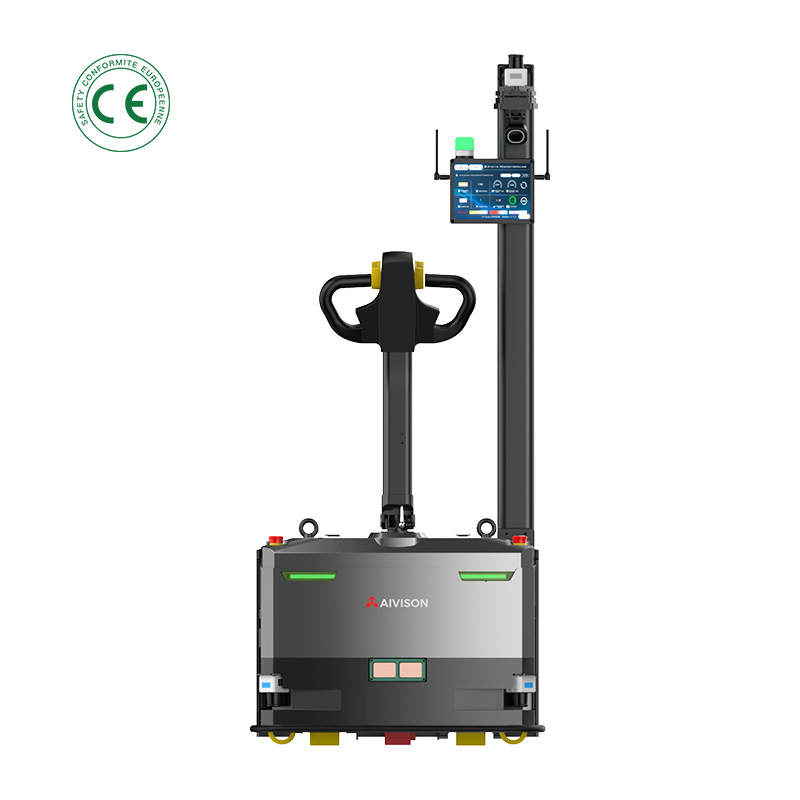
Autonomous Mobile Robot AGV CE Laser SLAM Navigation for Material Handling and Logistics
Houston fit: 3PL and warehouse material handling that needs fast mapping, trackless routes and repeatable transport. Optional QR assist can be reserved for precision stations.

Humanoid Robot Chassis Dual 7-DOF Arms Laser SLAM Omnidirectional Navigation ROS2 Open Platform AMR
Houston fit: research, electronics and controlled assembly cells that need mobile manipulation. Buyers should validate safety, fixture design, ROS2 integration and station calibration.
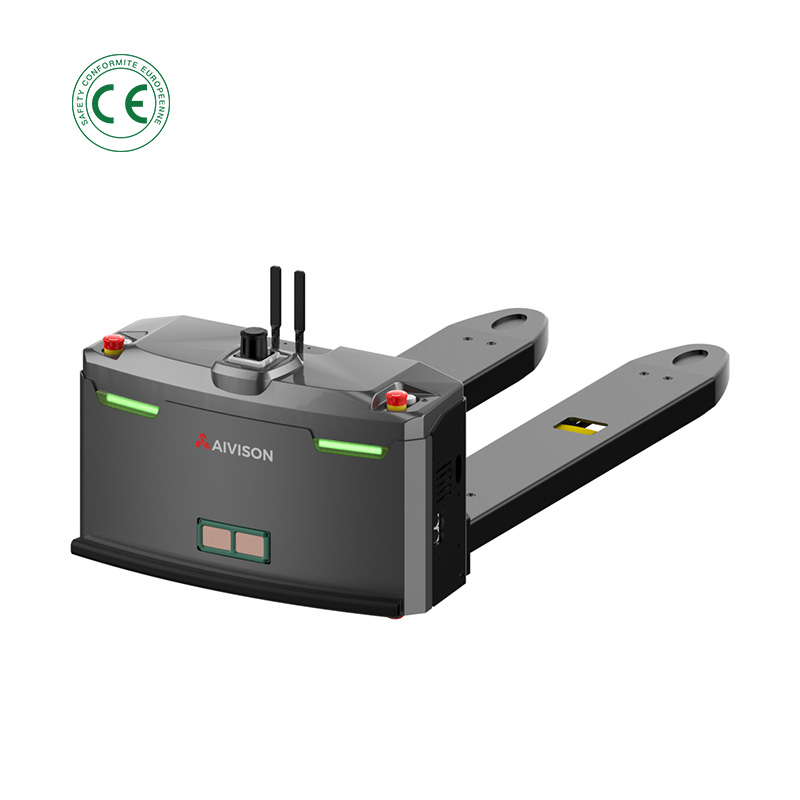
AMR Automated Warehouse Robot Logistics Automatic Industrial Logistics Robots AMR Robot
Houston fit: distribution centers and warehouses optimizing receiving-to-storage flow. Plan Wi-Fi coverage, charging dock placement and peak throughput before fleet sizing.

Heavy Load 2000KG Load Forklift Laser Guide AMR for Warehouse Pallet
Houston fit: heavy pallets, dense storage and energy-related equipment moves. Confirm rack tolerances, floor flatness, fork dimensions and traffic rules before deployment.
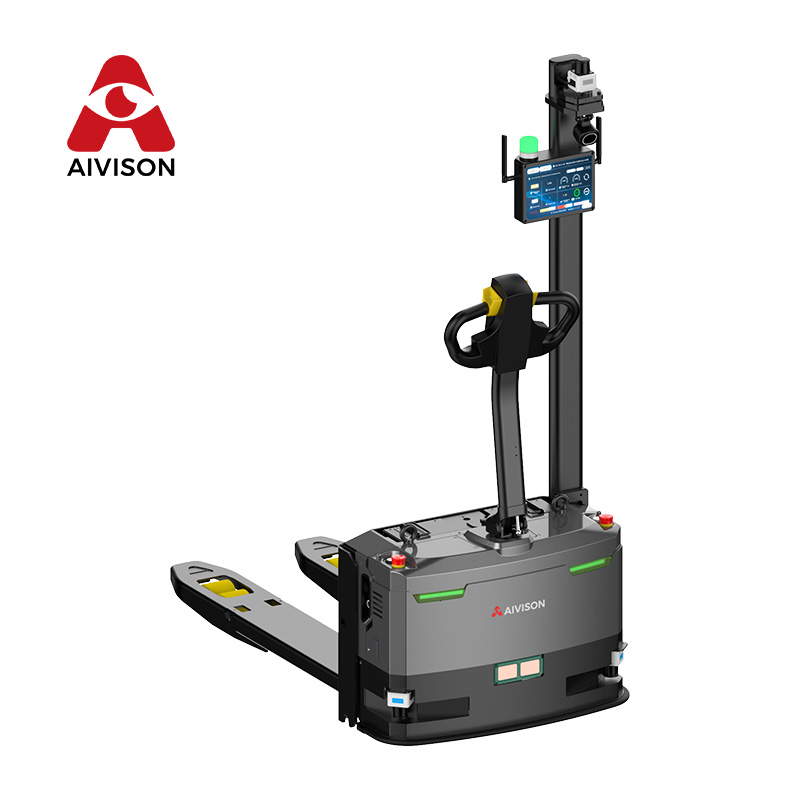
Aivison Stacker Truck Pallet Stacker Forklift Agv 1.5 Ton Autonomous Forklift Smart Deliver AMR Robot
Houston fit: stacker and pallet delivery tasks in warehouses and production support areas. Evaluate lift height, pallet condition, aisle clearance and handover tolerances.

Omnidirectional Humanoid Robot Chassis Dual 7-DOF Arms Laser SLAM Autonomous Warehouse AMR Mobile Platform
Houston fit: flexible manufacturing and research environments needing a mobile base plus dual-arm manipulation. Request a task-level feasibility review, not only a chassis datasheet.

Warehouse Stacker CE Forklift AGV 800kg Load Capacity Light AMR Pallet
Houston fit: lighter pallet handling, line-side replenishment and warehouse zones where compact robots improve flow without blocking aisles. Match payload, lift height and floor conditions.
Need help shortlisting the right platform for a Houston warehouse, port-adjacent 3PL, fabrication line or research facility? Send your load and layout inputs to our engineering team.
Inquire NowManufacturer Advantages for Integrators and Wholesale Buyers
Buying direct from a China-based manufacturer can be an advantage only when engineering depth, customization, test evidence and export support are visible.
Complete Mobile Robot Portfolio
Jacking robots, smart forklifts, pallet AMRs, composite robots, dual-arm platforms and compatible intelligent charging docks come from one source. This simplifies procurement for distributors, integrators and wholesale buyers who need mixed-fleet proposals.
SLAM Precision Without Floor Rework
Laser SLAM delivers ±5 mm positioning on natural features without auxiliary tracks or reflectors. Add a QR code scanning camera for ±2 mm docking, or specify composite robots with 6-axis arms for ±0.05 mm repeatability in precision assembly tasks.
Manufacturer-Level Customization
Custom top modules include jacking units, roller conveyors, forklift forks and 6-axis arms. Chassis, payload and interface engineering can be aligned with production equipment rather than forcing a standard platform into a non-standard process.
Evidence and Quality Systems
Credentials include TÜV Rheinland onsite supplier assessment, verified trade records, Fortune 500 supply experience and more than 200 manufacturers served across three continents. Multi-stage intelligent inspections and operational stress tests target high uptime before shipment.

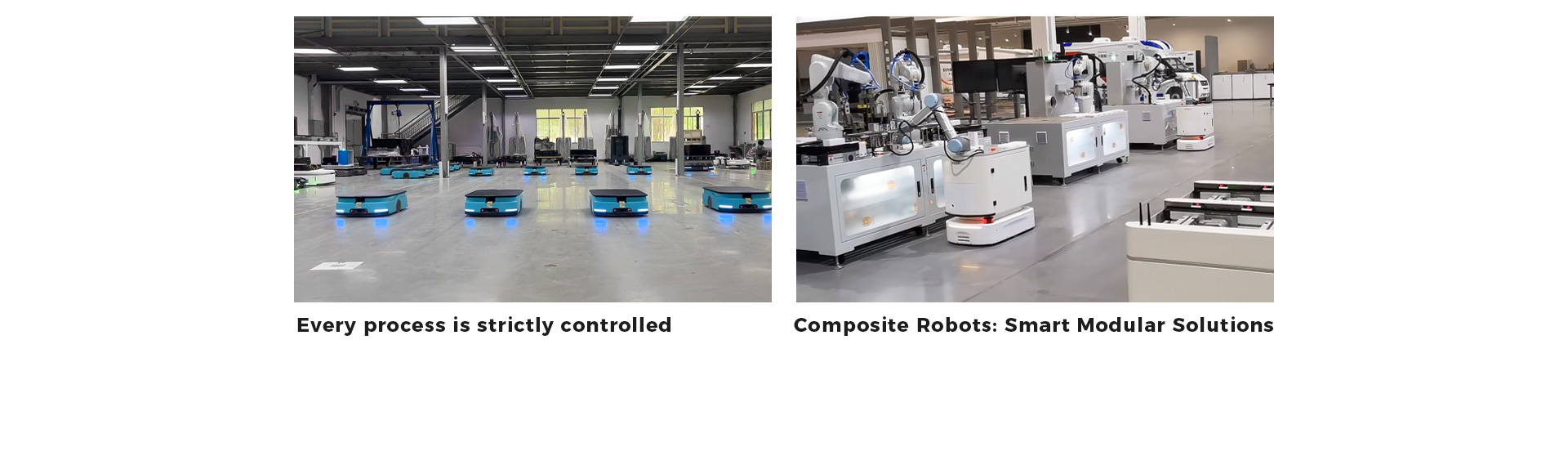
Match Navigation Precision to Each Houston Station
Most automation projects over-specify navigation and then pay for unnecessary floor infrastructure. Use a station-by-station precision plan instead.
Best for warehouse transfer, line-side delivery, trailer-to-staging routes and changing layouts. No magnetic tape, reflectors or floor codes are required for standard navigation.
Best for high-shelf storage, precision docking and stations where handover tolerance matters. QR labels are added only at selected positions, not across the entire route.
Best for semiconductor, medical-device, electronics and precision assembly tasks where the robot arm and station calibration define repeatability. Full task validation is required.
| Configuration | Accuracy | Floor Setup | Best Houston Fit |
|---|---|---|---|
| Laser SLAM natural-feature navigation | ±5 mm | No tape, reflectors or floor QR codes for standard transit | 3PL cross-dock, warehouse transfer, line-side delivery, reconfigurable layouts |
| SLAM plus QR code camera | ±2 mm | QR labels only at precision docking stations | High-shelf storage, automated handover, tighter pallet positioning |
| Composite AMR with 6-axis arm | ±0.05 mm | Station calibration and safety validation | Medical devices, electronics, semiconductor-adjacent handling and precision assembly |
Houston-specific note: field performance depends on floor condition, Wi-Fi quality, aisle design, pallet condition, payload, docking method and traffic rules. Validate these inputs with the manufacturer and local integrator before ordering.
Questions Houston Buyers Ask Before Sourcing Mobile Robots
Direct answers for procurement teams comparing a China-based manufacturer, a wholesaler, or a local system integrator.
Are you a Houston-based wholesaler or a China manufacturer?
We are Shenzhen Marnix Intelligent Technology Co., Ltd., a China-based manufacturer of mobile robots and top modules. For Houston projects, we supply factory-direct equipment and wholesale support to end users, distributors and system integrators. Local installation and service can be coordinated with a Houston-area integrator when required.
Which robot should a Port of Houston 3PL evaluate first?
Start with the simplest repetitive lane: for example, trailer-to-staging or staging-to-rack transfer. An autonomous forklift or pallet AMR is often the first candidate if pallets dominate the flow and aisle widths are stable. Measure peak loads, pallet condition, floor flatness, Wi-Fi coverage and dock handover tolerance before choosing a model.
Do we need to modify the warehouse floor?
Standard laser SLAM navigation maps the existing environment and does not require magnetic tape, reflectors or floor QR codes across the route. QR labels can be added only at stations that need ±2 mm docking precision. The site should still be reviewed for floor condition, slopes, door transitions and traffic zones.
Can dual-arm mobile robot platforms support Houston research or medical work?
Dual 7-DOF arm platforms with laser SLAM and omnidirectional navigation can support controlled handling and research tasks. They are not an off-the-shelf medical-certified solution by default. Buyers should request a task-level feasibility review covering safety, fixtures, cycle time, ROS2 integration, calibration and validation.
What evidence should a Houston buyer request before ordering?
Request navigation accuracy confirmation, load and lift-height calculations, layout review notes, Wi-Fi requirements, charging strategy, fleet scheduling assumptions, spare-parts list, export documentation, TÜV Rheinland onsite assessment evidence, trade history and reference applications. Ask for the exact acceptance criteria for docking and throughput.
How do we start a project evaluation?
Send your payload profile, Houston floor plan or sketch, aisle widths, throughput target, docking precision, Wi-Fi coverage notes and equipment interfaces. Email info@marnixbot.com or use the inquiry button below. Our engineers will recommend a configuration and identify what must be confirmed by the local integrator.
Request a Houston Mobile Robot Project Review
Tell us what moves, how far, how often and where the handover must be precise. We will match the right AMR, autonomous forklift, jacking robot, dual-arm platform or charging dock to your Houston operating conditions.
Inquire NowInclude payload, aisle width, route length, docking tolerance, Wi-Fi readiness and peak throughput. Email: info@marnixbot.com