8 Autonomous Forklift & AMR Systems for Calgary Buyers
Calgary is not a generic warehouse market. A 3PL in Balzac may need high-mix pallet movement in a leased building it cannot modify; a food distributor near Calgary International Airport may need cold-chain discipline and tight delivery windows; an energy-sector supply yard in Rocky View may move heavy maintenance kits through mixed forklift traffic; and a building-products distributor in Foothills may face seasonal peaks with less temporary labour. These eight systems are the core configurations we recommend when comparing China suppliers for the Calgary market.
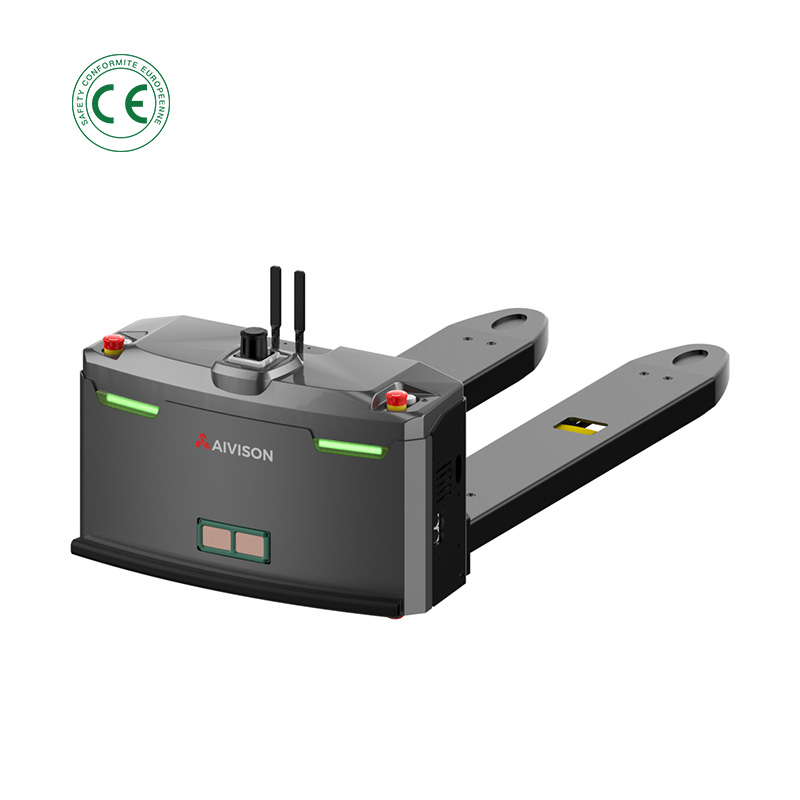
AMR Automated Warehouse Robot Logistics Automatic Industrial Logistics Robots AMR Robot
A general-purpose warehouse AMR for pallet and rack transfer. Best for Calgary 3PLs and regional distribution centres that need flexible route changes without floor magnets or tape.

Omnidirectional Mobile Manipulator AMR Dual 7-DOF Arms ±0.03 mm Repeatability Laser SLAM Humanoid Robot Base
A dual 7-DOF mobile manipulator with laser SLAM and humanoid robot base. Best for high-value kitting, inspection and precision assembly where a moving arm must hand parts to machines.

Omnidirectional Humanoid Robot Chassis Dual 7-DOF Arms Laser SLAM Autonomous Warehouse AMR Mobile Platform
An omnidirectional humanoid robot chassis with dual 7-DOF arms. Best for laboratories, medical device assembly and advanced manufacturing pilots in Alberta.

AGV AMR Autonomous Forklift Smart Version Auto Mobile Transfer Stacker Robot
A smart autonomous forklift stacker for pallet transfer, truck-to-rack movement and repetitive stacking. Best for Calgary warehouses replacing empty travel time while keeping a supervisor in the loop.

Hot Selling Logistics Navigation Detector Sensor Lidar Manufacturers Direct Sales
Navigation LiDAR and sensor supply for integrators and maintenance teams. Best for Calgary system integrators who build or maintain robot fleets and need a direct sensor source.
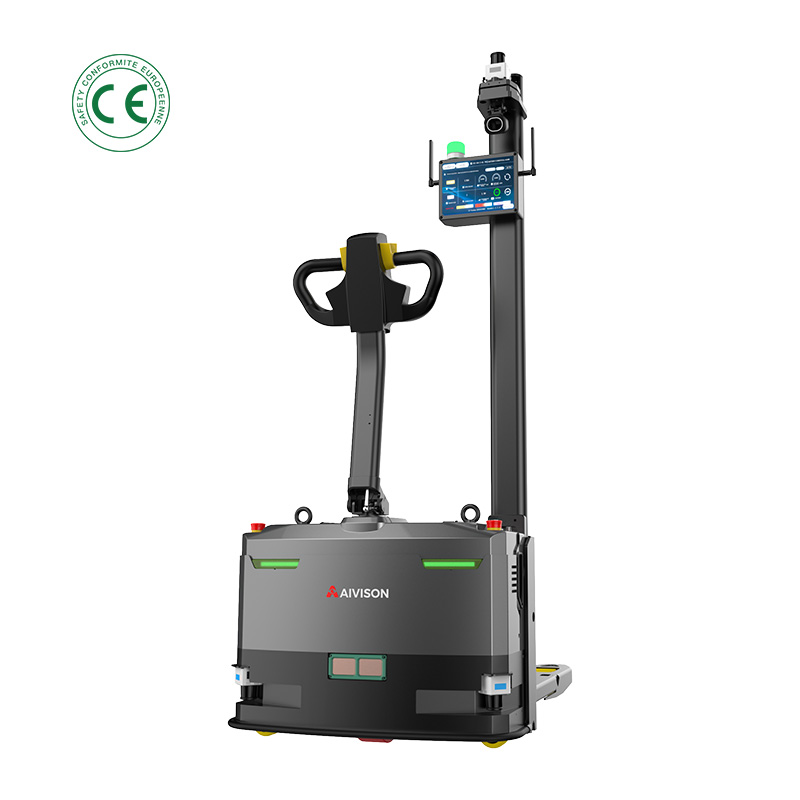
AIVISON CE Laser SLAM Navigation AGV 1500kg Warehouse Lifting Operations
A 1500 kg laser SLAM lifting AGV for warehouse lifting operations. Best for food distribution, building materials and heavy pallet flow where CE-marked lifting performance matters.
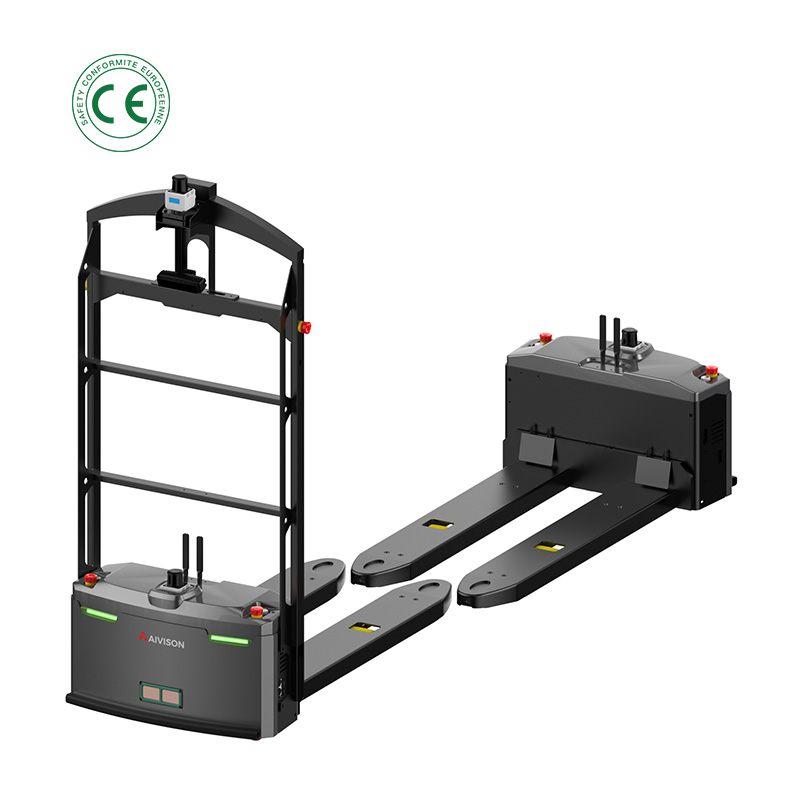
Aivison Customized 800kg Warehouse AGV Robot Lithium Battery AMR
An 800 kg customized warehouse AGV with lithium battery. Best for narrow aisles, e-commerce fulfilment and brownfield Calgary sites that cannot dedicate a full forklift lane.
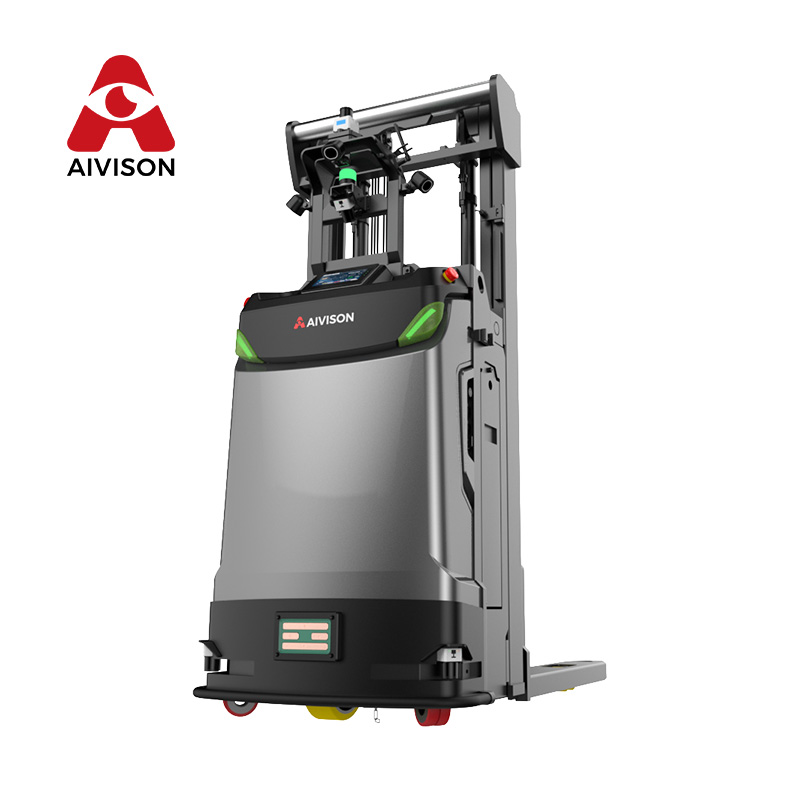
Autonomous Mobile Robots (AMR) Implement Cargo Transportation Between Warehouse and Conveyor Line
An AMR for cargo transportation between warehouse and conveyor line. Best for connecting receiving, conveyor sortation and outbound staging without manual pallet handling.
Why Calgary Buyers Compare Chinese Autonomous Forklift Suppliers
For years, Calgary buyers treated imported warehouse robots as a price experiment. That has changed. The strongest Chinese suppliers are now manufacturers with SLAM engineering, fleet software, charging ecosystems and custom top-module capability—not catalog resellers.
The real question is not whether China is cheaper. It is whether the total cost to deploy in Calgary is lower after freight, currency, commissioning, training, spare parts and downtime risk are counted. A supplier that cannot map a leased Calgary building, support a local integrator or supply a critical LiDAR sensor quickly is expensive at any purchase price.
What a Serious China Supplier Must Prove
Calgary procurement teams should ask for factory evidence, not just a product sheet. A credible autonomous forklift supplier should show laser SLAM mapping on natural features, QR-assisted docking only where ±2 mm is required, safety scanner logic, fleet scheduling over industrial Wi-Fi, and a practical spare-parts list. Marnix’s positioning is manufacturer-level: about ten years of AGV engineering experience in Shenzhen, custom chassis and top modules, and a product range that includes jacking robots, smart forklifts, pallet AMRs, composite robots and intelligent charging docks.
Independent verification matters because the Calgary market includes oil and gas supply chains, food distribution and 3PL contracts where insurance, safety and traceability questions arrive early. Marnix has completed an onsite supplier assessment by TÜV Rheinland and serves as a supplier to a Fortune 500 company, with credit and transaction records available for review.
How to Read the Quotation
Ask every supplier to separate the quotation into robot, top module, battery, charging dock, freight to Western Canada, commissioning support, training, spare parts and warranty. Then ask two harder questions: What happens when a LiDAR fails in a peak week? Who performs the floor survey and Wi-Fi validation before the purchase order?
Where Autonomous Forklifts and AMRs Fit in the Calgary Market
Local fit is decided by aisles, racking, floor transitions, trailer interfaces, staffing patterns and winter operations—not by a generic automation promise.
Balzac, Rocky View and Foothills Distribution Centres
Regional distribution centres around Calgary need flexible pallet movement across leased buildings. Laser SLAM AMRs map existing aisles without magnets or tape, so route changes follow warehouse layout changes rather than construction projects.
Cold Chain and Food Distribution
Cold-chain facilities face condensation, freezer-to-dock temperature swings and tight delivery windows. A 1500 kg lifting AGV or autonomous forklift can handle repetitive pallet moves while a heated charging bay and scheduled lens cleaning protect uptime.
Energy, Mining and Industrial Supply Yards
Calgary-area energy supply chains move valves, maintenance kits, pipe fittings and heavy pallets through mixed traffic. Camera-assisted fork entry and defined indoor-outdoor transition zones reduce mis-picks without claiming unmodified outdoor autonomy.
Construction and Building Materials
Building-products warehouses in southern Alberta often face seasonal peaks and repetitive stacking. A smart autonomous forklift stacker can take predictable put-away and replenishment runs while operators manage exceptions and quality checks.
Agriculture Equipment and Parts Distribution
Seasonal parts demand can spike quickly. An 800 kg warehouse AGV or conveyor-interface AMR can move cartons and palletized parts between storage and dispatch, helping Calgary distributors flex capacity without adding permanent headcount.
3PL E-commerce and Reverse Logistics
High-SKU 3PLs need fast handovers between receiving, conveyor sortation and outbound staging. AMR-to-conveyor solutions reduce manual pallet handling, while fleet scheduling coordinates routes as volumes change across shifts.
| Calgary Site Type | Typical Constraint | Recommended Configuration | Local Engineering Note |
|---|---|---|---|
| Regional DC / 3PL | High-mix pallet movement, leased space | Laser SLAM AMR + autonomous forklift | Use natural-feature mapping; add QR labels only at precision docking stations. |
| Cold storage / food | Condensation, freezer doors, tight delivery windows | 1500 kg lifting AGV with Li-ion battery | Plan a heated charging zone and a scheduled LiDAR-window cleaning routine. |
| Industrial supply yard | Heavy maintenance kits, mixed forklift traffic | Smart autonomous forklift with camera assist | Define transition zones and keep human-controlled outdoor traffic separated. |
| Manufacturing / automotive | Just-in-time line delivery | Jacking AMR plus fleet scheduling | Validate Wi-Fi coverage and machine handover points before layout sign-off. |
| Medical / electronics | Precision, contamination control | Dual-arm mobile manipulator or QR-assisted AMR | Match repeatability to the task; not every station needs ±0.05 mm capability. |
Choose the Precision Level Calgary Warehouse Operations Need
Most buyers over-specify navigation. The smart approach is to use ±5 mm laser SLAM for general transfer, ±2 mm QR assist only at high-precision docking points, and composite arm-level precision only where the process truly needs it.
Technology Choices That Affect Throughput
- Laser SLAM on natural features: maps existing walls, columns and fixed assets; no auxiliary tracks, reflectors or floor QR codes are required for general navigation.
- QR code camera option: raises docking precision to ±2 mm only where the robot must align with high racks, lifts or machine interfaces.
- Composite robotics: combines autonomous mobility with modular top mechanisms such as 6-axis arms, roller conveyors and jacking units; arm-level repeatability can reach ±0.05 mm for advanced assembly.
- Fleet scheduling over industrial Wi-Fi: coordinates simultaneous task assignment, traffic control and automatic charging with compatible smart charging docks.
Calgary Market Trends Shaping Autonomous Forklift Demand
Over the next three to five years, the Calgary market is likely to reward suppliers who can support brownfield retrofits, mixed human-robot traffic and evidence-based safety reviews—not just low purchase prices.
Labour Competition from Energy and Construction
Calgary warehouses compete for labour with higher-wage sectors. Repetitive pallet travel and line-side replenishment are becoming the first tasks delegated to AMRs and autonomous forklifts, while skilled operators focus on exceptions.
Brownfield Retrofit Before New Construction
Many Calgary facilities are leased or already optimized around existing racking. Laser SLAM reduces the need for floor infrastructure, making brownfield automation more practical than conveyor-heavy rebuilds.
Cold-Chain and Energy-Aware Charging
Food distribution and temperature-controlled warehouses need charging strategies that avoid freezer-driven battery stress. Li-ion opportunity charging and heated charging zones are becoming part of the design brief, not an afterthought.
Safety, Traceability and Insurer Scrutiny
Alberta employers must document risk assessments and worker safety. Robot logs, e-stops, safety scanners, speed zones and traffic rules should be specified before deployment so that operations, maintenance and insurers see the same evidence.
Marnix Advantages: Engineering Evidence for Calgary Buyers
Shenzhen Marnix Intelligent Technology Co., Ltd. is a manufacturer of laser SLAM AMRs, jacking robots, smart forklifts and intelligent charging docks. The advantage is not a slogan; it is the combination of customization, navigation precision, fleet control and third-party verification.
Manufacturer-Level Customization
Chassis, payload, jacking units, roller conveyors, forklift forks and 6-axis arms can be engineered around the load and handover point instead of forcing a standard machine into the process.
Navigation Without Floor Rework
Laser SLAM delivers ±5 mm positioning without tape, reflectors or floor codes. Add QR scanning only at stations that need ±2 mm docking precision, which protects leased Calgary buildings from unnecessary modifications.
Fleet Scheduling and Charging Ecosystem
Multiple robots are coordinated by an intelligent scheduling system over indoor Wi-Fi, with compatible charging docks supporting automatic recharge and coordinated multi-robot dispatch.
Quality Verified Before Shipment
Multi-stage inspections and operational stress tests target reliable uptime. Marnix has served 200+ manufacturers across three continents and supplies both end users and system integrators.
How to Move from Calgary Inquiry to a Working Robot Fleet
A successful deployment is decided before the purchase order. Load data, floor layout, throughput, docking precision, Wi-Fi coverage and equipment interfaces should be reviewed as one engineering package.
Discovery and Load Profile
Confirm pallet weight, rack footprint, centre of gravity, aisle widths, dock conditions, peak throughput and the people and vehicles sharing the route.
Configuration and Simulation
Select laser SLAM, QR assist or composite robotics; define top modules, battery strategy, charging locations and fleet size for the Calgary site.
Factory Acceptance and Shipment
Run functional tests, prepare spare parts and documentation, then coordinate ocean freight to Western Canada and inland transport to Calgary.
Commissioning and Support
Map the site, train operators and maintenance staff, validate safety zones, and establish remote diagnostics plus a critical spare-parts plan.
Load Data
Maximum weight, dimensions and centre of gravity for every rack, pallet or carrier.
Site Layout
CAD drawing with aisle widths, doors, slopes, expansion joints, elevators and dock levelers.
Throughput Target
Missions per hour, shift patterns and peak periods to size the fleet and charging docks.
Docking Precision
Where ±5 mm is sufficient and where ±2 mm QR assist or arm-level precision is required.
Wi-Fi and Power
Access-point coverage, dead zones, charging locations and available electrical capacity.
Equipment Interfaces
Conveyors, machines, shelving and WMS/MES handover requirements plus top-module needs.
Questions Calgary Buyers Ask Before Buying from a China Supplier
Straight answers from the engineering and supplier-qualification perspective. For a specific Calgary project, share your payload, layout and throughput with our team.
Are Chinese autonomous forklift suppliers suitable for Calgary businesses?
Yes, when the supplier is qualified like any other capital-equipment vendor. Compare manufacturer versus trading company, request factory acceptance test evidence, confirm laser SLAM performance, review safety scanners and e-stops, check spare-parts availability, and identify who will support the site in Western Canada. Marnix builds AMRs, autonomous forklifts, jacking robots and charging docks, has about ten years of AGV engineering experience, and has completed an onsite assessment by TÜV Rheinland.
Do autonomous forklifts require floor modification in a Calgary warehouse?
Standard laser SLAM navigation does not require magnetic tape, reflectors or floor QR codes. That matters for leased Calgary buildings. However, floor condition still matters: potholes, loose debris, steep ramps, damaged expansion joints and poorly adjusted dock levelers should be corrected. QR labels are only added at stations where ±2 mm docking precision is needed.
How does winter weather affect AMR and autonomous forklift performance in Calgary?
Most warehouse robots operate indoors, but Calgary winter conditions affect trailer floors, dock doors, condensation and battery temperature. Plan a heated or temperature-controlled charging zone, keep open dock doors away from primary robot routes, clean LiDAR windows on a schedule, and confirm the IP rating and operating temperature range for the exact model. Outdoor yard autonomy should be specified separately and not assumed.
What lead time should Calgary buyers plan for delivery and commissioning?
Lead time depends on customization, battery configuration, certification requirements, ocean freight to Vancouver or Prince Rupert, customs clearance, rail or truck transport to Calgary, and site readiness. Ask for a project schedule with separate dates for factory acceptance test, shipment, site survey, mapping, commissioning and training. A spare-parts kit ordered with the robots is usually cheaper than an emergency shipment later.
Can the supplier support service and spare parts in Western Canada?
Support should be designed before the purchase order. For Calgary projects, confirm remote diagnostics, training for local maintenance staff, a recommended critical-spares list, and whether a Western Canada system integrator will handle first-line service. Marnix provides global service support and integrator-oriented products; the most reliable model is usually manufacturer engineering plus a qualified local service partner.
Is CE marking enough for Alberta electrical and safety requirements?
CE marking is not the same as CSA certification. Alberta’s authority having jurisdiction, electrical code requirements, insurer expectations and site safety review may require CSA, cUL or a field evaluation for the installed equipment. Some Marnix models carry CE marking, but Calgary buyers should confirm the exact certification path with their engineer, insurer and AHJ before ordering.
How should Calgary buyers compare total cost of ownership?
Compare more than the robot price. Include freight, duties, site survey, integration, Wi-Fi upgrades, charging docks, battery replacement planning, spare parts, training, local service, downtime risk and the cost of future layout changes. A laser SLAM system that avoids floor reconstruction may have a better three-year total cost than a cheaper tracked system that disrupts a leased Calgary facility.
Which system is best for a high-mix 3PL in Calgary?
Most high-mix Calgary 3PLs start with an 800 kg warehouse AGV for carton and pallet transfer, add an AMR-to-conveyor interface for sortation handover, and introduce an autonomous forklift where pallet stacking or rack work dominates. If racking is high and docking is tight, evaluate QR-assisted ±2 mm docking. A pilot with one or two robots and clear fleet scheduling metrics is usually the fastest way to validate the business case.
Ready to Compare Autonomous Forklift Options for Calgary?
Share your load profile, layout, throughput target, docking tolerance and Wi-Fi conditions. Our engineers can recommend the right AMR, autonomous forklift or composite robot configuration and prepare a practical proposal for the Calgary market.
Send an Inquiry