Eight Electronics Handling & Intralogistics Platforms for Cologne Buyers
A search for “China best electronics handling robot manufacturer & wholesalers for Cologne” usually mixes three supply models: a pure trading wholesaler, a factory-backed manufacturer and a system integrator. The eight platforms below are recommended starting points from the Marnix portfolio. Every product URL is preserved exactly as supplied; each platform can be specified with laser SLAM, QR-assisted docking or custom top mechanisms.
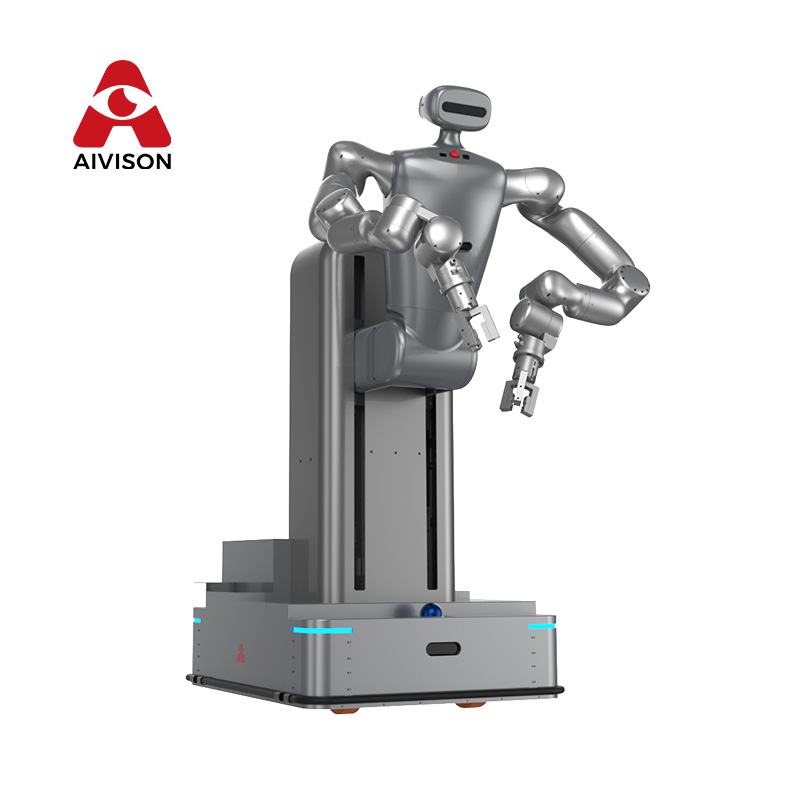
Omnidirectional Service Humanoid Robot Chassis Dual 7-DOF Arms Laser SLAM Navigation for Hospitality and Retail
For Cologne retail showrooms, electronics demo spaces and visitor centres that need a mobile service platform with dual-arm dexterity and laser SLAM navigation.
View product
Hot Selling Logistics Navigation Detector Sensor Lidar Manufacturers Direct Sales
A direct-from-manufacturer LiDAR sensing option for logistics navigation, obstacle detection and route mapping in mixed Cologne warehouse traffic.
View product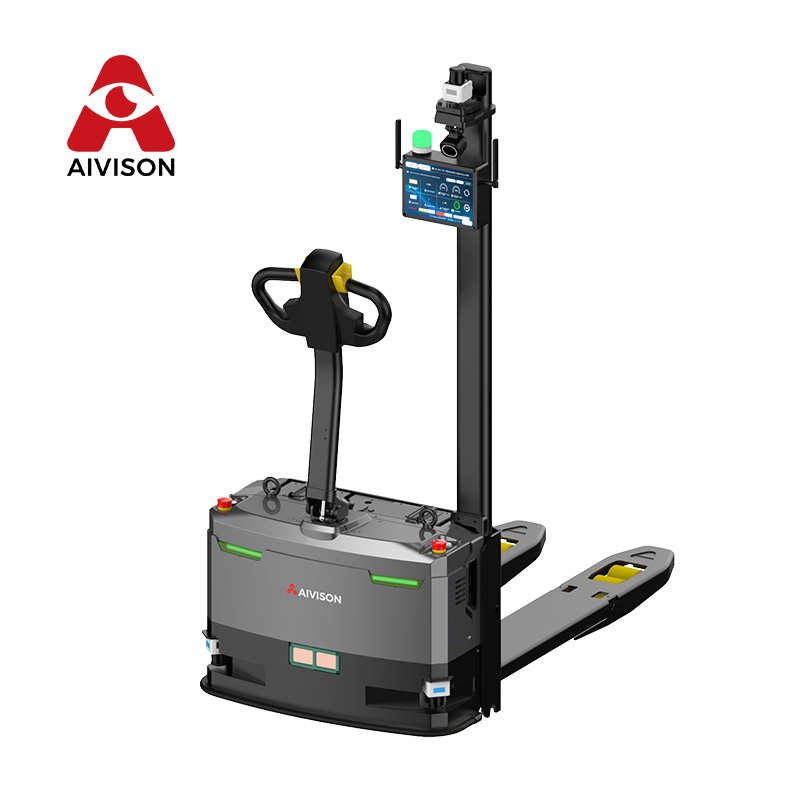
Aivison AGV Forklift High Quality Industrial Unmanned Pallet Forklift
A pallet-handling AGV forklift for repetitive put-away, replenishment and dispatch tasks where Cologne warehouses need predictable cycle times.
View product
Aivison Stacker Truck Pallet Stacker Forklift AGV 1.5 Ton Autonomous Forklift Smart Deliver AMR Robot
A 1.5-ton autonomous stacker concept for narrow-aisle storage, line-side delivery and smart material movement in high-mix production areas.
View product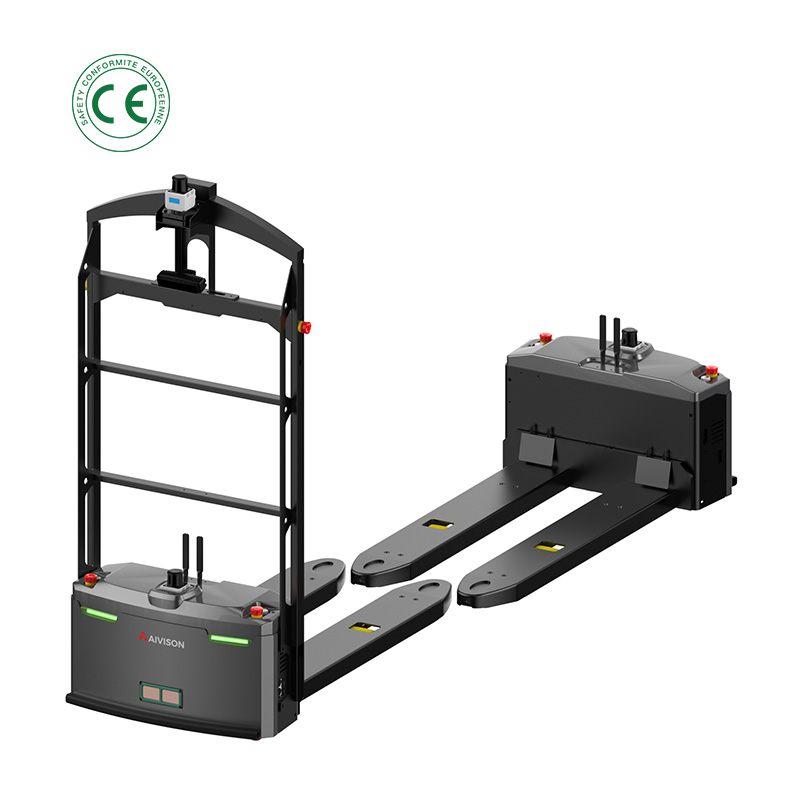
Aivison Customized 800kg Warehouse AGV Robot Lithium Battery AMR
An 800 kg customized warehouse AMR with lithium battery power for electronics line-side logistics, component kitting and warehouse transfers.
View product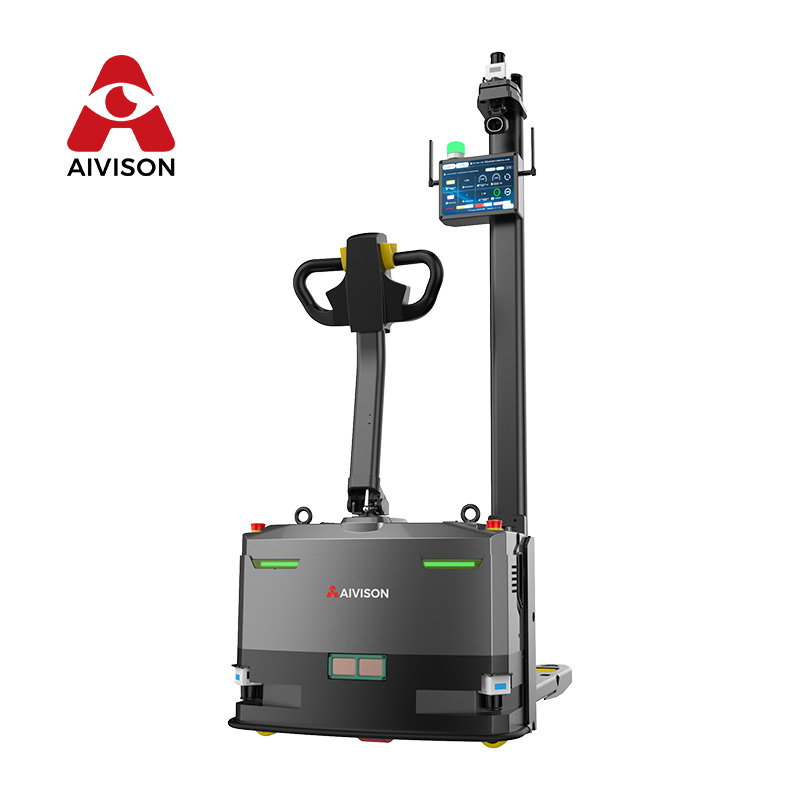
Customizable 1500KG Traction Capacity AGV Autonomous Mobile Robot Amr with Lidar Guided Sensor
A customizable 1500 kg traction AMR for towed carts, mobile racks and heavy component flows where floor layout changes are frequent.
View product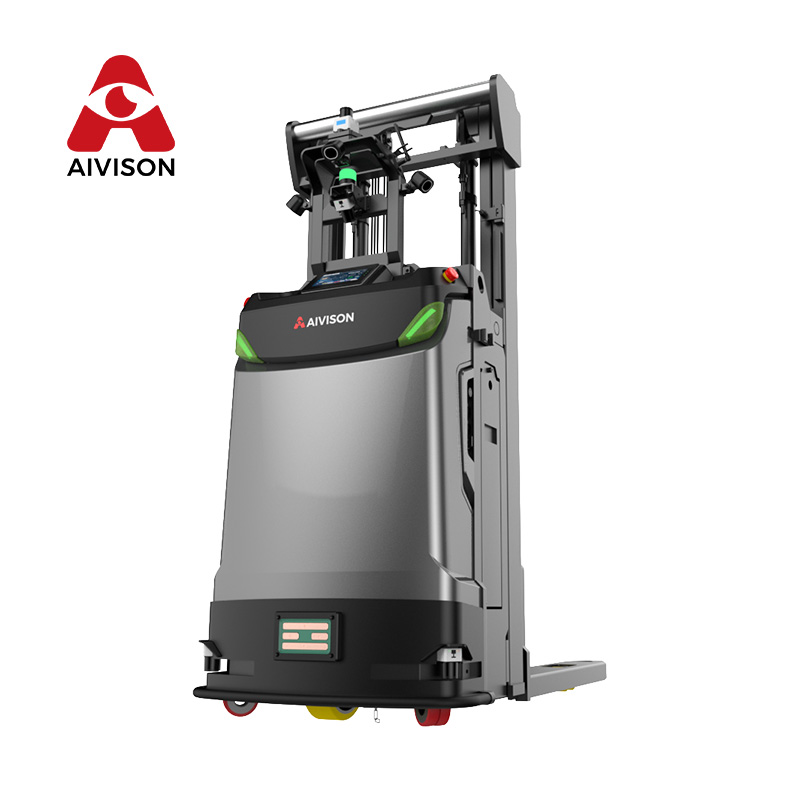
Autonomous Mobile Robots (AMR) Implement Cargo Transportation Between Warehouse and Conveyor Line
For warehouse-to-conveyor handovers, this AMR platform reduces manual transfer points and supports scheduled, repeatable material flow.
View product
Laser SLAM Navigation Automated Guided Vehicle Forklift agv 1500kg Load Capacity
A laser SLAM AGV forklift with 1500 kg load capacity for pallet movement in Cologne warehouses and production halls without fixed tracks.
View productWhat “Best” Should Mean for a Cologne Electronics Buyer
The phrase “China best electronics handling robot manufacturer & wholesalers for Cologne” contains several intents at once: factory capability, price benchmarking, German-market compliance, local application fit and after-sales confidence. The strongest buying decision separates those intents instead of treating “best” as a certificate.
Manufacturer, Not Only Wholesaler
A pure wholesaler can quote a catalogue item quickly. A manufacturer-backed project can customize chassis height, payload interface, top modules and fleet software around the actual Cologne line layout. For electronics handling, this engineering access usually matters more than a one-off unit price.
Precision Matched to Task
Most stations do not need floor QR codes. Laser SLAM at ±5 mm covers warehouse transfer and line-side delivery; QR-assisted docking raises accuracy to ±2 mm; composite robots with a 6-axis arm reach ±0.05 mm repeatability for semiconductor and medical device work. Over-specifying creates unnecessary infrastructure cost.
Evidence for EU Procurement
Cologne buyers should ask for CE documentation, an EU Declaration of Conformity, risk assessment support and the applicable safety standards for driverless industrial trucks. Marnix’s TÜV Rheinland onsite assessment, Fortune 500 supplier record and 200+ manufacturer deployments provide third-party starting points for due diligence.
Information-gain note: In Cologne and the wider Rhine-Ruhr region, the “best” robot is rarely the one with the highest headline speed. It is the platform that fits existing fire-compartment routes, goods-lift dimensions, Wi-Fi coverage, work-safety rules and mixed pedestrian traffic while still delivering the scheduled throughput.
Cologne and Rhine-Ruhr Application Scenarios
Cologne is not a generic logistics market. It sits inside a dense industrial belt with electronics suppliers, automotive operations, medical technology, trade fairs, river freight and cross-border road networks. The application fit changes by site.
Electronics Assembly & Test
For high-mix electronics assembly around Cologne and NRW, AMRs move magazines, kits and subassemblies between test benches, manual cells and conveyor endpoints. Re-mapping is faster than fixed conveyors when product families change.
Automotive Supplier Logistics
Cologne’s automotive ecosystem includes vehicle operations and tiered suppliers. Autonomous forklifts and traction AMRs reduce empty travel and support just-in-time component supply without adding floor magnets or reflectors.
Trade Fairs & City Logistics
Koelnmesse events and dense city logistics create temporary material flows and constrained corridors. Mobile robot platforms can be re-tasked after events, while compact AMRs support back-of-house transport in retail and distribution sites.
Medical & Laboratory Logistics
Cologne’s medical technology and research environment benefits from quiet, repeatable transfer of trays, consumables and device components. Composite robots combine mobility with robotic arms for precision handover at calibrated stations.

Development Trends Shaping Cologne Robot Procurement
German buyers are not only comparing payload and speed. They are evaluating compliance evidence, retrofit effort, software integration, energy use and the ability to keep production running while automation is introduced.
Compliance-Led Selection
CE marking, risk assessment, safety functions, EMC and radio conformity for wireless modules are moving earlier into the buying process. A robot supplier that can provide documentation and engineering answers shortens the Cologne approval cycle.
Labour Flexibility & Shift Uptime
Specialist labour availability and shift design continue to push repetitive transport toward automation. The value case is strongest where robots remove walking, waiting and empty trips rather than simply replacing a task in isolation.
High-Mix, Low-Volume Production
Electronics and automotive suppliers in NRW increasingly run smaller batches. Reconfigurable AMRs with custom top modules suit this better than fixed conveyors, because routes and handover stations can change without floor rework.
Fleet Software & Digital Integration
Buyers ask how robots connect to WMS, MES and production equipment. Indoor Wi-Fi fleet scheduling, task assignment, traffic control and automatic charging are now part of the technical evaluation, not an afterthought.
Why a Factory-Backed Electronics Handling Robot Source Matters
Shenzhen Marnix Intelligent Technology Co., Ltd. combines about ten years of AGV engineering with a portfolio that spans jacking robots, smart forklifts, pallet AMRs, composite robots and intelligent charging docks. For Cologne projects, that breadth reduces the risk of stitching together incompatible suppliers.
Complete AMR Portfolio
One source for jacking robots, pallet AMRs, smart forklifts, composite mobile robots and charging docks. Mixed fleets share a navigation core and fleet software, so escalations from pilot to full line do not require a new vendor stack.
LiDAR + Vision Precision
Laser SLAM on natural features delivers ±5 mm positioning without tape or reflectors. Adding a QR scanning camera raises docking accuracy to ±2 mm where required. Composite robots with 6-axis arms reach ±0.05 mm repeatability.
Manufacturer-Level Customization
Chassis dimensions, payload, jacking units, roller conveyors, forklift forks, 6-axis arms and charging strategies can be engineered around the process. This is especially valuable for integrators who need a repeatable platform with project-specific top modules.
Verified Quality & After-Sales
Multi-stage intelligent inspection, operational stress testing, TÜV Rheinland onsite assessment, Fortune 500 supplier experience and support for system integrators worldwide. The objective is uptime, not a one-time shipment.

Match Navigation Accuracy to Each Cologne Station
Navigation accuracy is one of the most common sources of cost drift in AMR projects. Use a station-by-station map: ±5 mm for general transfer, ±2 mm for precision docking, ±0.05 mm repeatability only where the process truly requires robotic-arm-level handover.
| Configuration | Accuracy | Floor Setup | Best Fit |
|---|---|---|---|
| Laser SLAM on natural features | ±5 mm | No tape, reflectors or floor codes | Warehouse transfer, line-side delivery, frequent layout changes, Cologne retrofit buildings |
| SLAM plus QR code camera | ±2 mm | QR labels only at precision stations | High-shelf storage, precision docking, wafer handling, test-equipment handover |
| Composite robot: AMR plus 6-axis arm | ±0.05 mm | Station calibration | Semiconductor, medical device assembly and high-value electronics processes |
Evidence Cologne Procurement Teams Can Review
Experience, expertise, authoritativeness and trust are not slogans. They are documents, assessment records, deployment patterns and engineering answers that survive a German supplier review.

TÜV Rheinland Onsite Assessment
Company premises and operations assessed by an independent inspection body.

Fortune 500 Supplier Record
Procurement contract experience assessed through independent trade records.
200+ Manufacturers Served
Deployments across semiconductor, electronics, battery, PV, automotive and medical sectors.
Integrator-Ready Customization
Top modules, interfaces and fleet support for system integrators building Cologne automation projects.

What to Prepare Before Requesting a Cologne AMR Proposal
From project experience, six inputs determine most of the robot selection. Sharing them upfront shortens evaluation from weeks to days and reduces the risk of a supplier quoting a platform that cannot fit the building or the takt time.
Load Profile
Maximum weight, footprint, centre of gravity and condition of racks, pallets, magazines or carriers to be moved.
Site Layout
CAD drawing or sketch with aisle widths, doors, slopes, goods lifts, fire compartments and pedestrian zones.
Throughput Target
Missions per hour, peak periods, shift pattern and expected growth. This sets fleet size and charging dock count.
Docking Precision
Which stations need ±5 mm, which need ±2 mm QR assist and whether any process truly needs arm-level repeatability.
EU Compliance Scope
Required CE documentation, safety functions, risk assessment support, EMC and radio conformity for wireless modules.
Equipment Interfaces
Conveyors, machines, shelving, WMS/MES handover logic, Wi-Fi coverage and any top-module requirements.
ROI model used by procurement teams: annual net benefit = displaced labour hours × loaded hourly cost + throughput uplift × contribution margin − robot depreciation or lease − service − energy − integration − floor and safety modifications. For Cologne operations, include shift premiums, space constraints and the cost of production interruptions during commissioning.
Common Local Procurement Questions
These are the questions Cologne buyers most often ask when comparing Chinese electronics handling robot manufacturers, wholesalers and automation integrators.
Is a Chinese manufacturer or a Cologne wholesaler the better choice?
For standard, urgent replacement units, a wholesaler may be faster. For electronics handling projects that require layout mapping, custom top modules, fleet software and EU compliance documentation, a factory-backed manufacturer usually provides more engineering depth and traceability. Compare total project cost, not only unit price.
What EU compliance documents should we request?
Ask for the CE marking basis, EU Declaration of Conformity, applicable safety standards for driverless industrial trucks, risk assessment support, EMC documentation and radio conformity for wireless modules. Where the robot is integrated into a larger machine or line, clarify who assumes final conformity responsibility.
Can the robot work in an existing Cologne building without floor modification?
Yes for standard laser SLAM navigation: the robot maps natural features and operates without magnetic tape, reflectors or floor QR codes. QR labels are only added at stations that need ±2 mm docking accuracy. This matters for older Cologne buildings where floor works or production downtime are costly.
How do we calculate ROI and total cost of ownership?
Model displaced labour hours, shift premiums, throughput uplift, quality improvements, energy, service, integration, charging infrastructure and safety modifications. The strongest Cologne business cases involve repetitive transport over multiple shifts, not isolated one-off moves.
How are multiple robots and charging managed?
An intelligent scheduling system coordinates tasks, traffic and charging over indoor Wi-Fi. Compatible intelligent charging docks support autonomous recharge. For mixed fleets, clarify route priorities, lift usage, pedestrian zones and peak-hour rules before commissioning.
What is the fastest way to start a project evaluation?
Send the load profile, site layout, throughput target, docking precision needs, EU compliance scope and equipment interfaces. Use the inquiry button on this page to start a technical dialogue with the Marnix team; include whether you are an end user, wholesaler or system integrator.
Send Your Cologne Electronics Handling Requirements
Share your payload, layout, throughput, docking precision and compliance scope. Marnix engineers will recommend a practical robot configuration and highlight the data needed for a Cologne procurement review.