What Seattle Buyers Actually Need from an Automatic Charging Pile Supplier
Most searches for China best automatic charging pile manufacturers are not looking for a stand-alone box. Buyers are sourcing the recharge point that keeps an AMR, AGV, autonomous forklift or composite robot available through two or three shifts. In the Seattle–Tacoma–Bellevue metro, that requirement is shaped by expensive floor space, tight labor availability, mixed forklift traffic, aerospace-grade traceability expectations and a strong push to reduce wasted energy.
For that reason, evaluate a charging pile by total fleet availability, not by headline power alone. Docking tolerance, approach clearance, charging queue logic, connector wear, thermal management in cold rooms, network integration and spare-parts response matter more than a single specification. Marnix approaches the category with about ten years of AGV engineering, laser SLAM navigation at ±5 mm, QR-assisted positioning at ±2 mm and composite robot repeatability to ±0.05 mm. These capabilities do not replace the charger, but they make the robot-to-dock handshake more repeatable.
Seattle buying teams should also request documentation that survives internal review: site drawings, electrical coordination notes, safety logic, maintenance access and a realistic commissioning plan. Shortlist a supplier that can discuss the robot, the dock, fleet scheduling and after-sales support as one system.
Marnix at a Glance
- Shenzhen Marnix Intelligent Technology Co., Ltd. builds laser SLAM AMRs, jacking robots, smart forklifts, composite robots and intelligent charging docks.
- Onsite supplier assessment by TÜV Rheinland and a procurement contract with a Fortune 500 company, verified through third-party records.
- Custom chassis and top modules: jacking units, roller conveyors, forklift forks and 6-axis robotic arms.
- Fleet scheduling over indoor Wi-Fi with automatic charging coordination for multi-robot operations.
Where Automatic Charging Piles Earn Their Place in the Seattle Metro
Seattle-area automation projects rarely share one operating pattern. Use the application context to choose the right dock placement, charging strategy and robot platform instead of copying a generic warehouse layout.
Port, Cross-Dock & Kent Valley Distribution
For freight flowing through the Port of Seattle and Port of Tacoma into Kent, Auburn and Sumner warehouses, charging piles should sit near cross-dock lanes where robots can opportunity-charge between trailer moves. Plan approach clearance around pallet staging and peak drayage hours.
Aerospace & Precision Supply Chains
Everett, Renton and surrounding aerospace suppliers often need traceable, repeatable movement without disrupting production. Place charging infrastructure away from precision assembly zones, control traffic aisles and use fleet scheduling for predictable handover.
Cold Chain & E-Commerce Fulfillment
Seattle, Sumner and Auburn fulfillment sites face high labor churn and tight delivery windows. For cold rooms, keep charging assets in dry transition zones where condensation, ice and freezer-airlock traffic can be controlled; confirm battery thermal strategy with the robot supplier.
Advanced Manufacturing & Robotics Labs
Bellevue, Redmond and Seattle robotics teams testing humanoid chassis, dual-arm AMRs or open ROS2 platforms need safe recharge without slowing development. Specify lockout points, clear egress and remote status visibility for engineering teams.
Why Marnix Is Shortlisted Among China Automatic Charging Pile Manufacturers for Seattle Projects
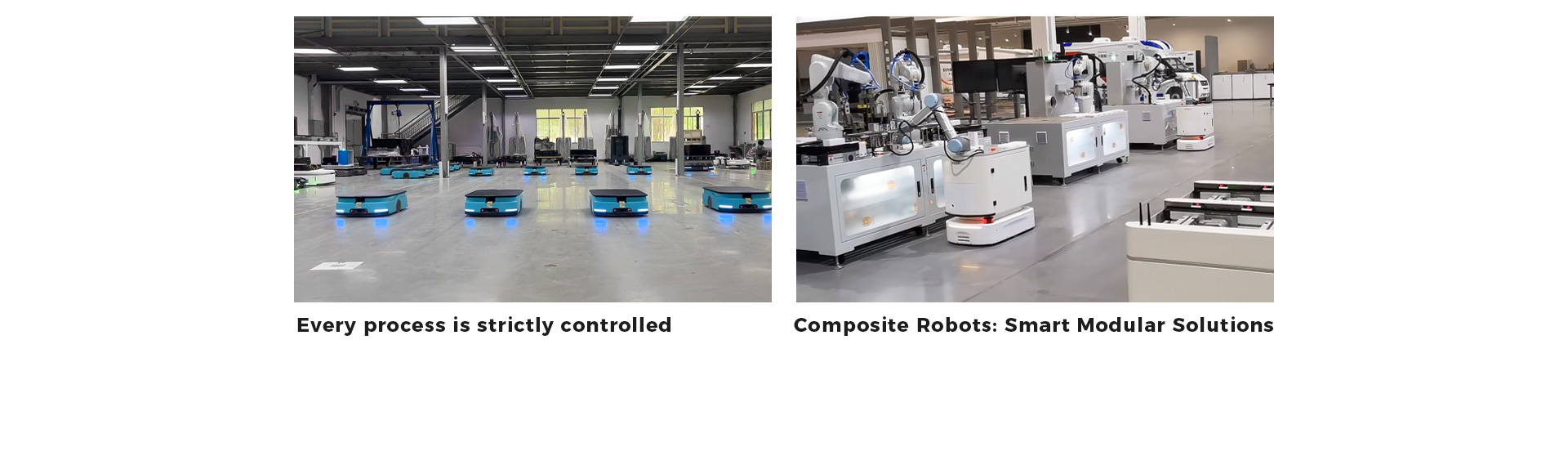
A charging pile is only as useful as the fleet it supports. Marnix combines mobile robot engineering, fleet software and custom top-module design, so Seattle buyers can evaluate the charging event inside the full material-flow system.
Manufacturer-Level Customization
Chassis, payload and upper mechanisms can be engineered around your process, including jacking, roller, fork and 6-axis arm modules. That flexibility helps align the robot approach with the charging pile location rather than forcing a standard fit.
Precision That Supports Repeatable Docking
Laser SLAM reaches ±5 mm without floor tape, reflectors or QR codes. Add a QR scanning camera where ±2 mm station accuracy is required, and use composite robots at ±0.05 mm repeatability for high-precision handovers.
Fleet Scheduling & Charging Orchestration
An intelligent scheduling system over indoor Wi-Fi coordinates task assignment, traffic control and automatic charging. Seattle sites with tight aisles and mixed equipment benefit from planned charge windows instead of unmanaged queues at the pile.
Verified Supplier Credibility
Third-party onsite assessment by TÜV Rheinland, Fortune 500 supplier status, transparent credit and transaction records, plus more than 200 manufacturers served across three continents support procurement due diligence.

Charging-Pile-Ready AMR, AGV and Smart Forklift Platforms
These eight platforms are the most relevant starting points when a Seattle project requires automatic recharging, fleet coordination and a clear path from robot selection to dock placement.

Humanoid Robot Chassis Dual 7-DOF Arms Laser SLAM Omnidirectional Navigation ROS2 Open Platform AMR
Advanced humanoid AMR platform for robotics R&D, dual-arm manipulation and open development teams in Seattle and Bellevue.
View product details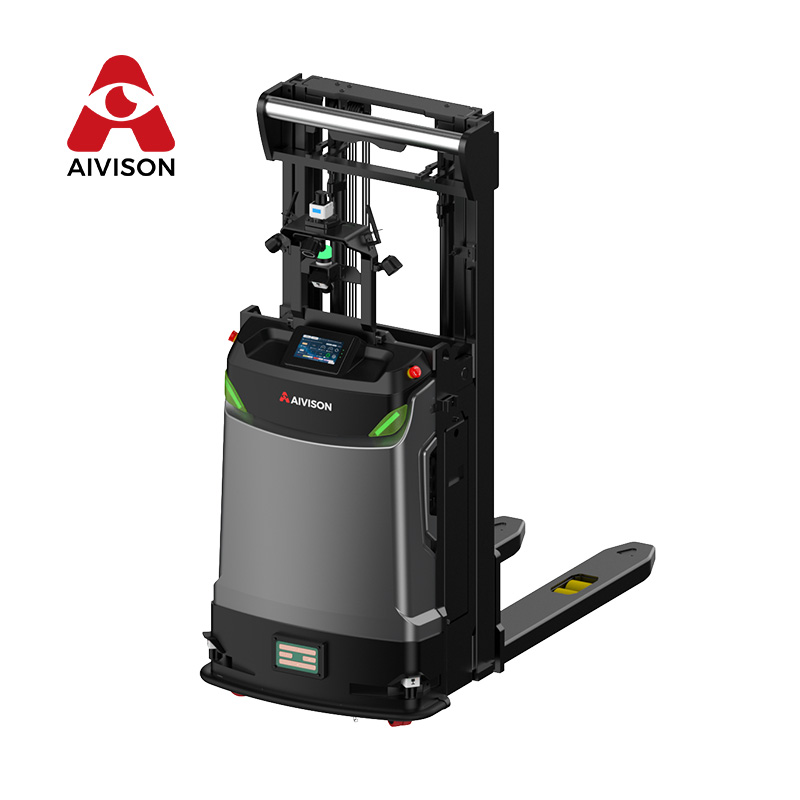
Heavy Load 2000KG Load Forklift Laser Guide AMR for Warehouse Pallet
High-payload pallet handling platform for distribution centers where charging placement must respect forklift traffic and safe approach lanes.
View product details
Laser SLAM Navigation Automated Guided Vehicle Forklift agv 1500kg Load Capacity
SLAM-navigated AGV forklift for warehouses with mixed traffic. Pair with charge scheduling that protects peak outbound windows.
View product details
Omnidirectional Humanoid Robot Chassis Dual 7-DOF Arms Laser SLAM Autonomous Warehouse AMR Mobile Platform
Omnidirectional platform for tight-aisle flexibility. Reduced approach clearance can simplify placement around existing Seattle facilities.
View product details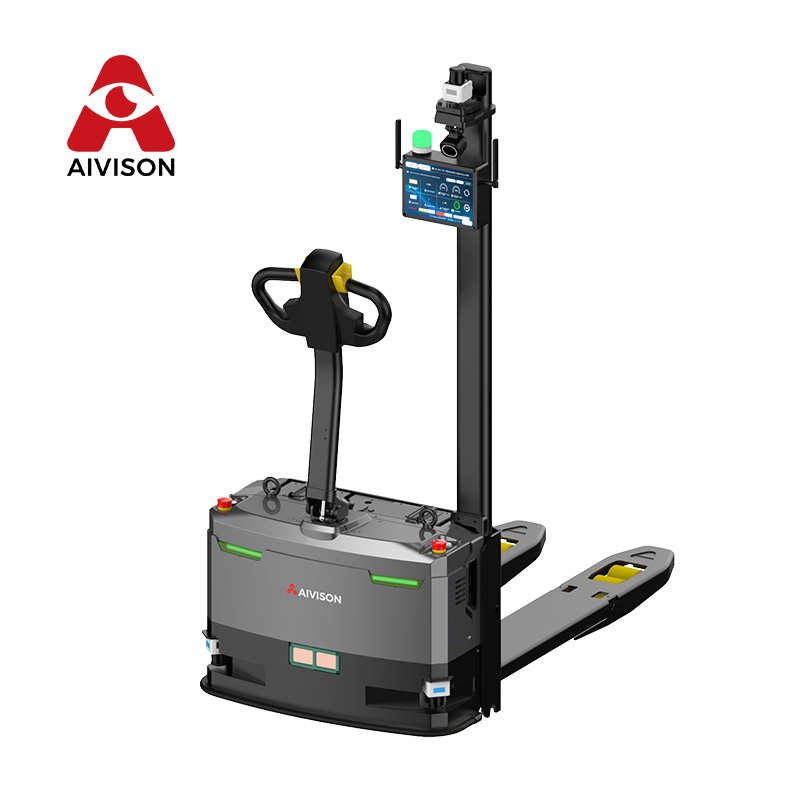
Aivison AGV Forklift High Quality Industrial Unmanned Pallet Forklift
Industrial unmanned pallet forklift for repetitive transfer tasks where fleet uptime and reliable recharge windows drive labor savings.
View product details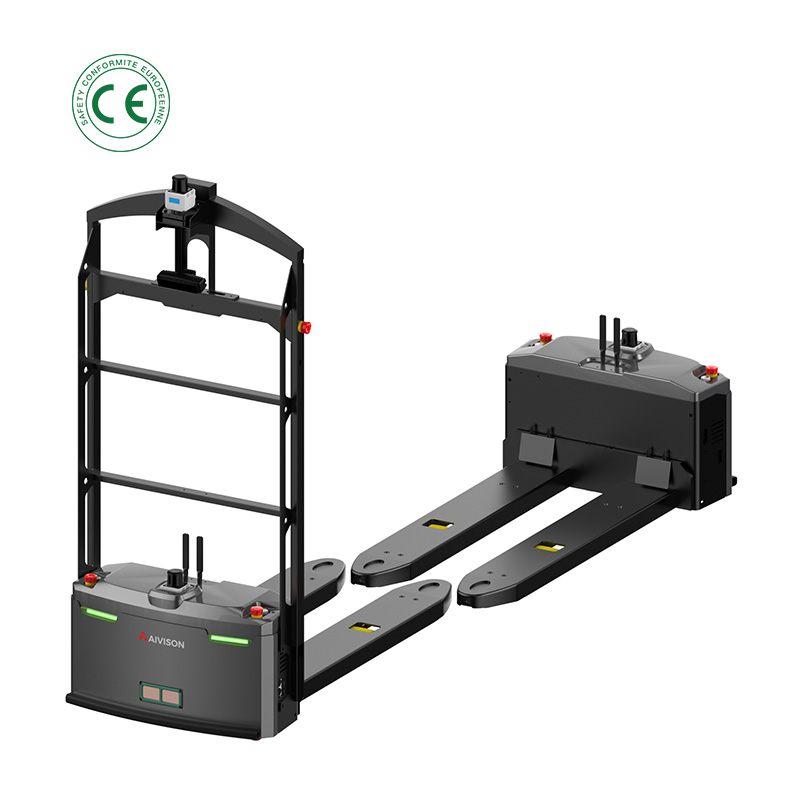
Aivison Customized 800kg Warehouse AGV Robot Lithium Battery AMR
Customized 800 kg warehouse AMR for light-to-medium pallet flow. Lithium battery strategy and charging windows should be defined during layout review.
View product details
AI-Ready Humanoid Robot Chassis Dual 7-DOF Arms Omnidirectional Drive ROS2 Laser SLAM Open Development Platform
Open development platform for AI and robotics teams that need a charging-aware mobile base for rapid experimentation.
View product details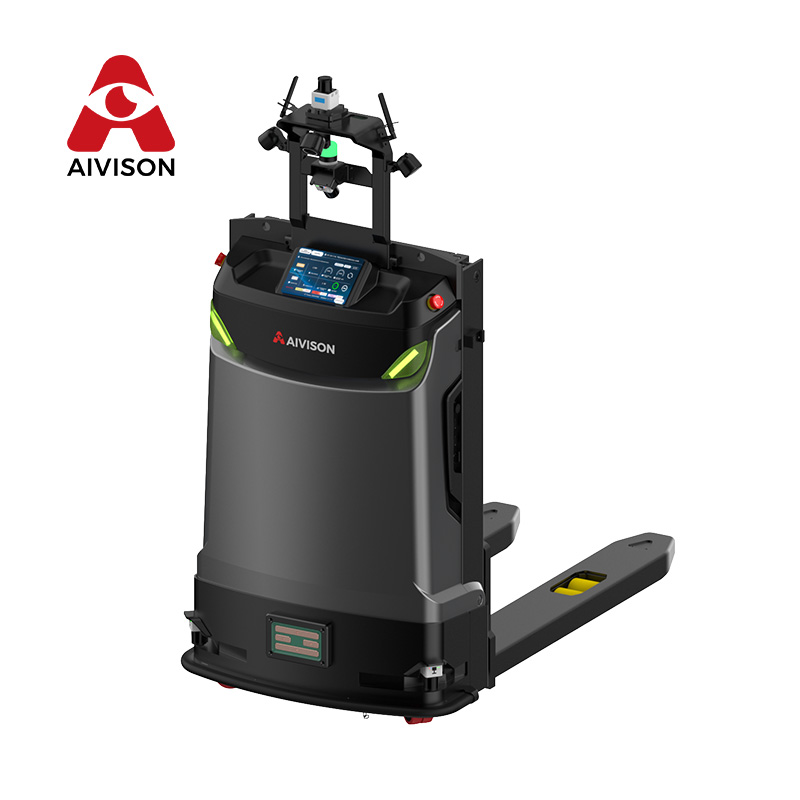
AGV AMR Autonomous Forklift Smart Version Auto Mobile Transfer Stacker Robot
Autonomous stacker and transfer robot for smart warehouses. Ideal where compact charging infrastructure supports continuous pallet movement.
View product detailsEach platform can be reviewed with automatic charging coordination, fleet scheduling and top-module customization for the intended Seattle site.
Local Trends That Change How You Specify an Automatic Charging Pile
The Seattle metro is not a low-cost warehouse market. Charging infrastructure has to justify floor space, support labor stability and make energy use visible to operations and sustainability teams.
Space Is the Constraint, Not Just Power
In Kent Valley, SODO and urban Seattle facilities, every square foot has an alternative use. Place charging piles at the edge of pick modules or near fleet staging areas, and verify approach lanes so robots do not block forklift traffic during peak periods.
Mixed Fleets and Mixed Traffic Are Normal
Seattle operations often combine AMRs, AGVs, manual forklifts, pallet jacks and people in the same aisle. Charging assets need clear signage, safe egress, collision-aware routing and a dispatch rule that prevents several robots from converging at once.
Energy Visibility Is Part of Procurement
Demand charges, sustainability reporting and fleet availability all point toward scheduled opportunity charging instead of unmanaged plug-in habits. Ask for charge-event logs, power-failure recovery logic and a plan for avoiding peak-demand collisions with other facility loads.
Match Precision to the Station, Not the Whole Factory
Over-specifying every route increases cost and complexity. Use natural-feature SLAM for normal transfer, QR assistance at precision stations and composite robots only where the handover truly requires millimeter-level repeatability.
What to Prepare Before Requesting an Automatic Charging Pile Proposal
From project experience, these six inputs determine most of the robot and charging-pile selection. Sharing them early shortens review from weeks to days.
Dock Approach Geometry
Provide aisle widths, turning radius, door openings, slopes and the intended charging-pile footprint. Include pallet staging and forklift traffic near the dock.
Electrical Coordination
Document available voltage, distance to the electrical room, disconnect strategy and site permitting requirements. Final electrical design should be reviewed by a licensed local contractor.
Charging Logic & Fleet Size
Share missions per hour, peak periods, shift patterns and battery capacity. These inputs set the number of robots, charge windows and reserve capacity at each pile.
Safety, Egress & Fire Review
Show emergency exits, sprinkler clearance, fire lanes and pedestrian routes. The charging area must remain serviceable and must not create a blocked egress path.
Cold-Room and Condensation Conditions
For freezer or transition rooms, define temperature, humidity, door cycles and cleaning routines. Confirm battery thermal strategy and dock placement with the robot supplier.
Service, Spares & Network Coverage
Map Wi-Fi coverage and identify who will own first-line checks. Request spare-parts lists, remote support process and expected response times for Seattle operations.
How Seattle Buyers Can Compare China Automatic Charging Pile Manufacturers
Use evidence, not adjectives. The strongest supplier response explains how the robot reaches the dock, how the fleet avoids charging queues and how the project will be supported after commissioning.
| What to Verify | Why It Matters in Seattle | Evidence to Request |
|---|---|---|
| Company identity and onsite assessment | Procurement teams need a verifiable manufacturing base, not a trading intermediary with unclear engineering responsibility. | TÜV Rheinland onsite assessment report, business license, factory photos, production and test process. |
| Robot-to-dock docking test | Approach repeatability affects uptime more than a charger nameplate rating, especially in mixed-traffic aisles. | Test video, positioning method, tolerance statement, recovery behavior after a missed approach. |
| Fleet scheduling and charging queue logic | Unmanaged charging can create traffic jams or leave high-priority robots waiting during peak periods. | Scheduling architecture, task-priority rules, charge-window logic, multi-robot demonstration. |
| Electrical and safety documentation | Seattle-area projects require local electrical coordination, permitting review and clear maintenance access. | Drawings, component specifications, disconnect plan, safety logic, commissioning checklist. |
| Custom top-module capability | Existing conveyors, racks and production equipment rarely match a generic robot layout. | Engineering examples for jacking, roller, fork or 6-axis arm modules and interface drawings. |
| After-sales and spare-parts plan | Fleet uptime depends on fast diagnosis and clear ownership after handover. | Warranty terms, recommended spares, remote support process, escalation path for Seattle users. |
Marnix supports this review with third-party onsite assessment, Fortune 500 supplier history, credit and transaction records, and engineering documentation for integrators and end users.
Common Questions from Seattle Buyers Sourcing in China
Direct answers for project teams comparing automatic charging pile manufacturers and mobile robot suppliers for the Seattle market.
What is an automatic charging pile, and is it different from a standard forklift charger?
An automatic charging pile is a recharge point designed for unattended robot docking. The robot approaches, aligns and starts charging without a person plugging in. The important procurement factors are approach tolerance, connector alignment, charge-window control, thermal safety, maintenance access and integration with fleet scheduling. A standard forklift charger may supply power, but it does not automatically solve robot docking and queue management.
Can Marnix supply both the robot and the automatic charging pile for a Seattle project?
Marnix manufactures laser SLAM AMRs, jacking robots, smart forklifts, composite mobile robots and intelligent charging docks. The project can be reviewed as an integrated robot, dock and fleet-scheduling system, or as a robot supply package for a system integrator managing the local installation.
Which Seattle industries benefit first from automatic charging piles?
Warehouse and cross-dock operations tied to the Port of Seattle and Port of Tacoma, e-commerce fulfillment, cold-chain facilities, aerospace supply chains, electronics and advanced manufacturing, and robotics R&D teams often benefit first. The common factor is repetitive material movement where robot availability directly affects labor productivity.
How should we handle voltage, permits and electrical installation in Washington State?
Share your available voltage, distance to the electrical room, disconnect requirements and site permitting process at the inquiry stage. Final electrical design should be reviewed by a licensed local contractor and the authority having jurisdiction. Our engineering team can provide equipment drawings and specifications for that local review; installation compliance remains a site-specific responsibility.
Do Marnix robots need floor tape, reflectors or QR codes to reach the charging pile?
No. Standard laser SLAM navigation maps natural features and does not require auxiliary tracks, reflectors or floor QR codes. QR labels can be added only at stations that need ±2 mm docking precision. This helps Seattle facilities avoid extensive floor rework when layouts change.
How do you prevent robots from queuing at the same charging pile?
Fleet scheduling assigns charge windows and task priorities over indoor Wi-Fi. The layout plan should also include enough approach space and, where practical, more than one recharge location so that a single missed approach or maintenance event does not stop the fleet.
What should we specify for cold storage or freezer-adjacent charging areas?
Define temperature, humidity, door cycles, washdown practices and whether the pile will sit in a freezer or a dry transition zone. Many Seattle cold-chain projects place charging equipment outside the coldest zone and use opportunity charging during normal pallet moves. Confirm battery thermal strategy and manufacturer limits before finalizing the layout.
How do we start a Seattle project evaluation with Marnix?
Send your load profile, site layout, throughput target, shift pattern, docking precision, voltage availability, Wi-Fi coverage and target go-live date. Our engineers will recommend a robot mix, charging-pile placement logic and the next technical questions. Use the Inquire Now button below or email info@marnixbot.com.
Send Your Seattle Layout, Fleet Duty Cycle and Power Constraints
Share your pallet or rack footprint, aisle widths, shift pattern, proposed charging-pile location, available voltage and target go-live date. Marnix will respond with a practical robot-and-dock configuration for review by your Seattle engineering and operations team.
Project documentation and questions: info@marnixbot.com