Eight CE-Ready AGV and AMR Platforms for Bien Hoa Integrators
These eight platforms are the practical starting point for controller selection, fleet design and localization in Vietnam. Each can be discussed as a complete vehicle or as a controlled mechanical platform for distributors and integrators who need a CE-ready base. Final controller logic, safety functions, top module, voltage package and CE marking responsibilities are confirmed against your route, load, floor and docking tolerance.
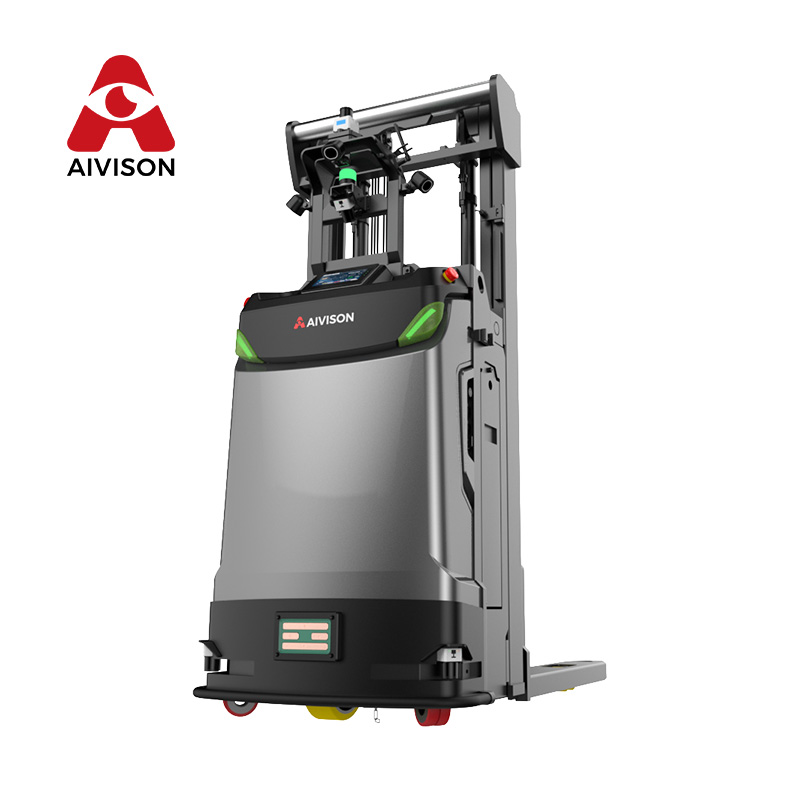
Autonomous Mobile Robots (AMR) Implement Cargo Transportation Between Warehouse and Conveyor Line
A conveyor-to-warehouse AMR concept that shows how navigation control, station I/O and automatic handover work together. Recommended for electronics, packaging and component lines in Bien Hoa where conveyor synchronization defines cycle time.
- Laser SLAM base with optional station QR
- Conveyor interface planning
- CE documentation review per project
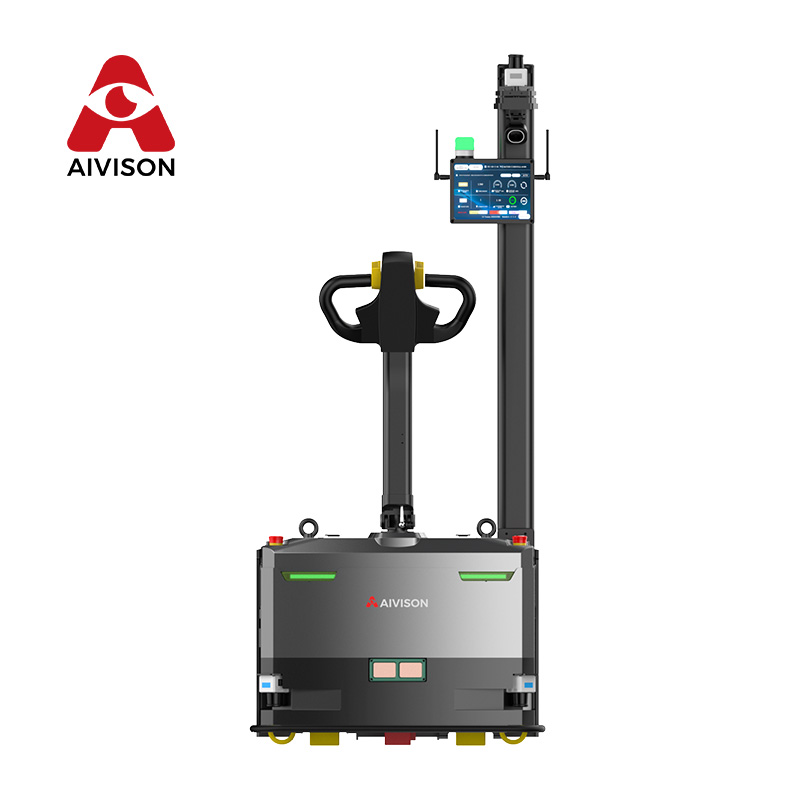
China Factory Movable Pallet Agv Robot Rack Shelf for Intelligent Robot Warehouse
A movable pallet rack platform for intelligent warehouse flow. It suits rack-lifting routes where the controller must hold a stable map around steel shelving, narrow aisles and mixed forklift traffic.
- Rack and pallet transport logic
- Fleet traffic control support
- Custom top-interface options

New Warehouse Autonomous Cars agv Robot 2000kg Load Capacity Stacker agv Robot
A 2000 kg stacker platform for higher-throughput warehouse projects. The controller layer can be specified for high-bay docking, lifting interlocks and reduced speed zones in shared aisles.
- 2000 kg class stacker configuration
- High-bay docking planning
- Safety-zone logic options
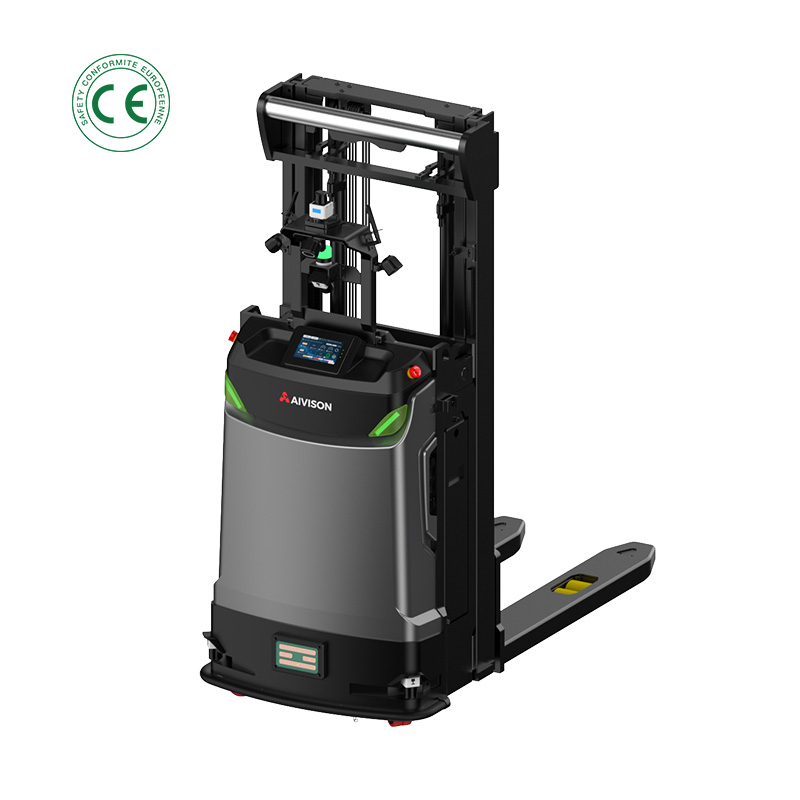
Aivison AMR Robot Whicle Automated Warehouse Automatico agv Logistics Industrial Guided Vehicles
An industrial warehouse AGV platform for repetitive logistics. It is a practical base for 3PL, automotive parts and general factory transfer where routes change and re-mapping speed matters.
- Warehouse-to-line transfer focus
- Multi-robot scheduling compatibility
- Custom chassis and payload options

Customizable 1500KG Traction Capacity AGV Autonomous Mobile Robot Amr with Lidar Guided Sensor
A 1500 kg traction AMR with lidar guidance for integrators who need a customizable chassis and controller stack. Suitable for towing, route-based transfer and line-side replenishment.
- 1500 kg traction class
- Lidar-guided navigation base
- OEM and integrator configuration

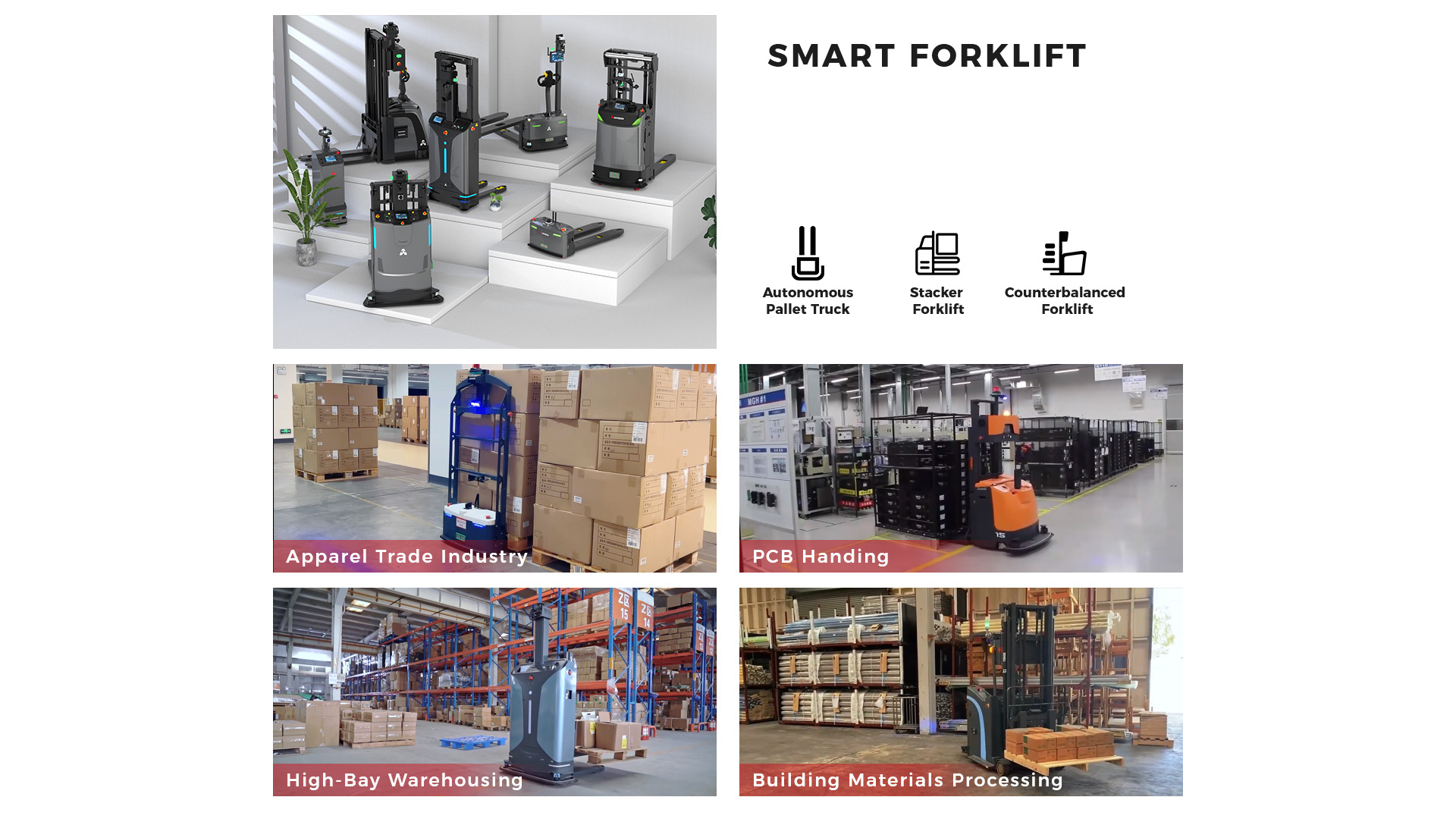
Warehouse Robot Robotics 2000KG CE Warehousing Automatic Forklift Stacking AGV
A CE-configured 2000 kg stacking AGV and forklift platform for projects where global buyers require traceable safety logic, documentation and change control.
- CE configuration discussion
- Forklift stacking workflow
- Vision and safety options
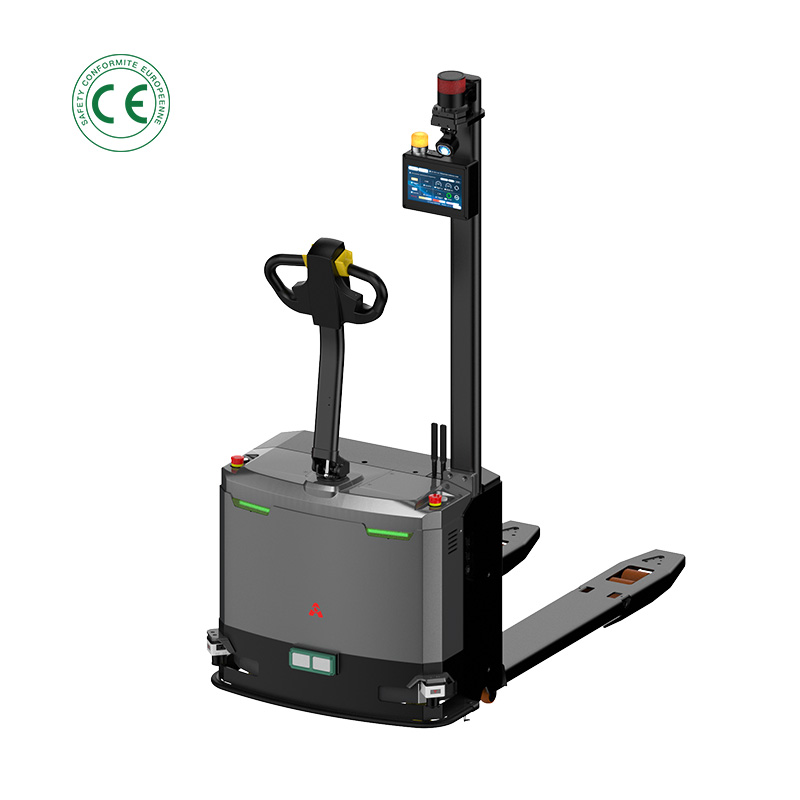
CE Certification Industrial AMR AGV Robot for Warehouse Automation Autonomous Material Handling Logistics
A CE-focused industrial AMR and AGV platform for warehouse automation and material handling. Best used where the controller, fleet interface and safety configuration are reviewed as one system.
- CE-ready project package
- Warehouse automation interface
- Fleet-controller compatibility

High-performance Intelligent Smart Automated Guided Vehicle 2000kg AMR Robot
A high-performance 2000 kg intelligent AMR platform for demanding cycles. It suits volume projects requiring repeatable fleet hardware, spare-parts planning and a local support strategy.
- 2000 kg AMR platform
- High-cycle warehouse duty
- Volume wholesaler support
Not every route needs the same controller. Send a CAD layout, load drawing, throughput target and docking tolerance. Our engineers will return a configuration with matching navigation, safety and top-module options for the Bien Hoa project.
Send an InquiryWhat a CE-Certified AGV Controller Must Deliver in Bien Hoa
Bien Hoa City and the surrounding Dong Nai industrial corridor sit inside one of Vietnam’s most concentrated manufacturing belts. Electronics assembly, automotive parts, packaging, textile and footwear supply chains, food processing and third-party logistics all compete for floor space, skilled operators and reliable inbound material flow. A buyer searching for a CE certified AGV controller supplier and wholesaler for the Bien Hoa market is usually not buying a single board. They are buying a route to fewer stoppages, safer traffic, traceable documentation and a support model that can survive the first year of operation.
An AGV controller is a layered system: deterministic motion control, navigation and mapping, safety monitoring, station I/O, battery and charging management, and fleet scheduling. Each layer can be technically correct yet still fail commercially if the supplier does not understand the local environment. Bien Hoa projects often combine existing buildings with new automation, mixed human and forklift traffic, Vietnamese and English operating teams, 380 V three-phase power for production equipment and different Wi-Fi quality across warehouses and workshops. A controller package that ignores these realities creates hidden engineering cost long before the first production shift.
This guide is written from the perspective of Shenzhen Marnix Intelligent Technology Co., Ltd., a mobile robotics manufacturer with about ten years of AGV engineering experience, roughly ±5 mm laser SLAM navigation, ±2 mm QR-assisted docking and composite robot repeatability down to ±0.05 mm. It is written for end users, but it is especially relevant to wholesalers and system integrators in Bien Hoa who must compare factory price, CE evidence, software integration and after-sales exposure at the same time.
Information-gain note for procurement teams: a CE declaration for a controller or robot platform does not automatically CE-mark the final integrated machine. The final risk assessment, guard design, integration validation and technical file remain part of the machine builder’s responsibility. Reliable suppliers make this boundary clear before purchase, not after delivery.
Match Precision, Safety and Documentation to the Station
Most automation projects over-specify the whole route because one station needs high precision. A stronger design isolates precision where it is required and keeps the rest of the route simple.
Precision capability comparison
Bar length represents relative precision capability, not speed. Higher precision usually increases station control, calibration and validation effort.
Recommended use: ±5 mm for warehouse transfer and line-side delivery; ±2 mm for high-bay docking and precision handover; ±0.05 mm for composite assembly support. Final values depend on floor condition, calibration and load.
Station fit matrix for Bien Hoa projects
Define Intended Use
Payload, route, aisle width, speed limits, operator interaction and station handover must be described before controller selection.
Assess Risk
Safety functions, emergency stop, detection zones, lift protection and restart behavior must match the integrated machine.
Verify Power and EMC
Confirm voltage, grounding, charger compatibility and electromagnetic environment for the Vietnamese site.
Build the Technical File
Keep drawings, components, declarations, validation records and change history in a form global customers can audit.
Where AGV and AMR Controllers Create Value in Bien Hoa
Local deployment succeeds when the robot system matches the actual building, the real load and the way Vietnamese operators escalate problems.

Electronics and Industrial-Park Line-Side Logistics
For electronics assembly and component manufacturing in Bien Hoa industrial parks, the controller must handle frequent route changes, line-side call buttons, buffer locations and clean handover to conveyors or racks. Laser SLAM reduces floor modification, while QR can be reserved for precise docking at selected workstations. This is especially useful when a tenant cannot alter the leased factory floor.
Automotive Parts and High-Bay Warehousing
Automotive and precision-mechanics suppliers need repeatable delivery to sequenced racks, packaging areas and high shelves. The controller must coordinate lift interlocks, fork or jacking logic, obstacle detection and conservative speed rules. A practical architecture combines ±5 mm route navigation with ±2 mm QR-assisted docking only at the rack face, reducing cost while protecting high-value loads.
3PL, Packaging and Warehouse Transfer
Third-party logistics warehouses around Bien Hoa and the HCMC corridor face variable SKUs, seasonal peaks and mixed forklift traffic. A fleet controller that manages task assignment, traffic zones, charging schedules and handover records becomes more valuable than raw speed. Mapping can be updated as storage blocks change, and route logic can be adjusted without installing magnetic tape.

Textile, Footwear and General Manufacturing
Textile, footwear and general manufacturing operations often move bulky or awkward loads between floors, staging areas and packing lines. The value case is not only labor savings. It is stable takt time, fewer manual handling incidents, predictable replenishment and the ability to run scheduled transfers during peak export periods. Charging strategy and spare-parts availability matter as much as payload.
What Bien Hoa Buyers Are Changing in 2025 and Beyond
The market is moving from one-off showroom automation toward controller-level standardization, traceability and repeatable integration.
FDI Supplier Localization
Global manufacturers in Dong Nai increasingly ask local suppliers to document safety, change control and component traceability. A controller package with clear CE boundaries and technical files is easier to approve than a low-cost kit with unclear responsibility.
Flexible Layouts and Re-Mapping
Warehouse leases, production line changes and new product introductions make fixed tape or reflector systems less attractive. Laser SLAM allows re-mapping when racks move, while QR labels remain only at precision stations.
Labor Stability and 24/7 Duty
Operators are not only expensive to recruit; they are difficult to keep on repetitive night shifts. Automatic charging, low-failure fleet hardware and simple escalation paths are becoming selection criteria alongside purchase price.
CE Documentation and Buyer Audits
European, Japanese, Korean and U.S. customers increasingly audit Vietnamese factories. A CE certificate alone is not enough. They expect risk assessment, safety validation, model history and clear integration boundaries.
WMS and MES Integration
Automation projects are no longer isolated robot purchases. Vietnamese warehouses want task creation from WMS logic, while factories expect call signals from MES, PLCs or line-side stations. Interface planning should happen before the controller is frozen.
Energy and Charging Strategy
Battery capacity alone is not an energy plan. Peak throughput, opportunity charging, charger placement and spare-battery philosophy determine how many robots are truly available during a shift.
Why Marnix Is a Credible AGV Controller Partner for Bien Hoa
Shenzhen Marnix Intelligent Technology Co., Ltd. supports both end users and system integrators with mobile robot platforms, customized top modules and export documentation from a single engineering base.
Marnix draws on about ten years of AGV engineering experience and manufactures laser SLAM autonomous mobile robots, jacking robots, smart forklifts, composite mobile robots and intelligent charging docks. Our robots are used in semiconductor, 3C electronics, lithium battery, photovoltaic, automotive parts, PCB, textile and medical device environments. For Bien Hoa, that experience matters because projects often require a supplier who can discuss both standard robot platforms and local integration realities.
We are not a catalogue-only trader. Our team works on chassis design, top-module customization, fleet scheduling, precision docking and quality validation. That manufacturer-level view helps wholesalers avoid over-promising a standard robot for an application that actually needs a modified load interface, different safety logic or a separate charging strategy.
Credibility signals include: about ten years of AGV engineering, verified onsite supplier assessment by TÜV Rheinland, supply to a Fortune 500 company through independent assessment, more than 200 manufacturers served across three continents, and support for both end users and system integrators.
Precision Without Floor Rework
Laser SLAM maps existing environments without tape or reflectors. Add QR only where ±2 mm handover is needed, protecting lease terms and construction budgets.
Manufacturer-Level Customization
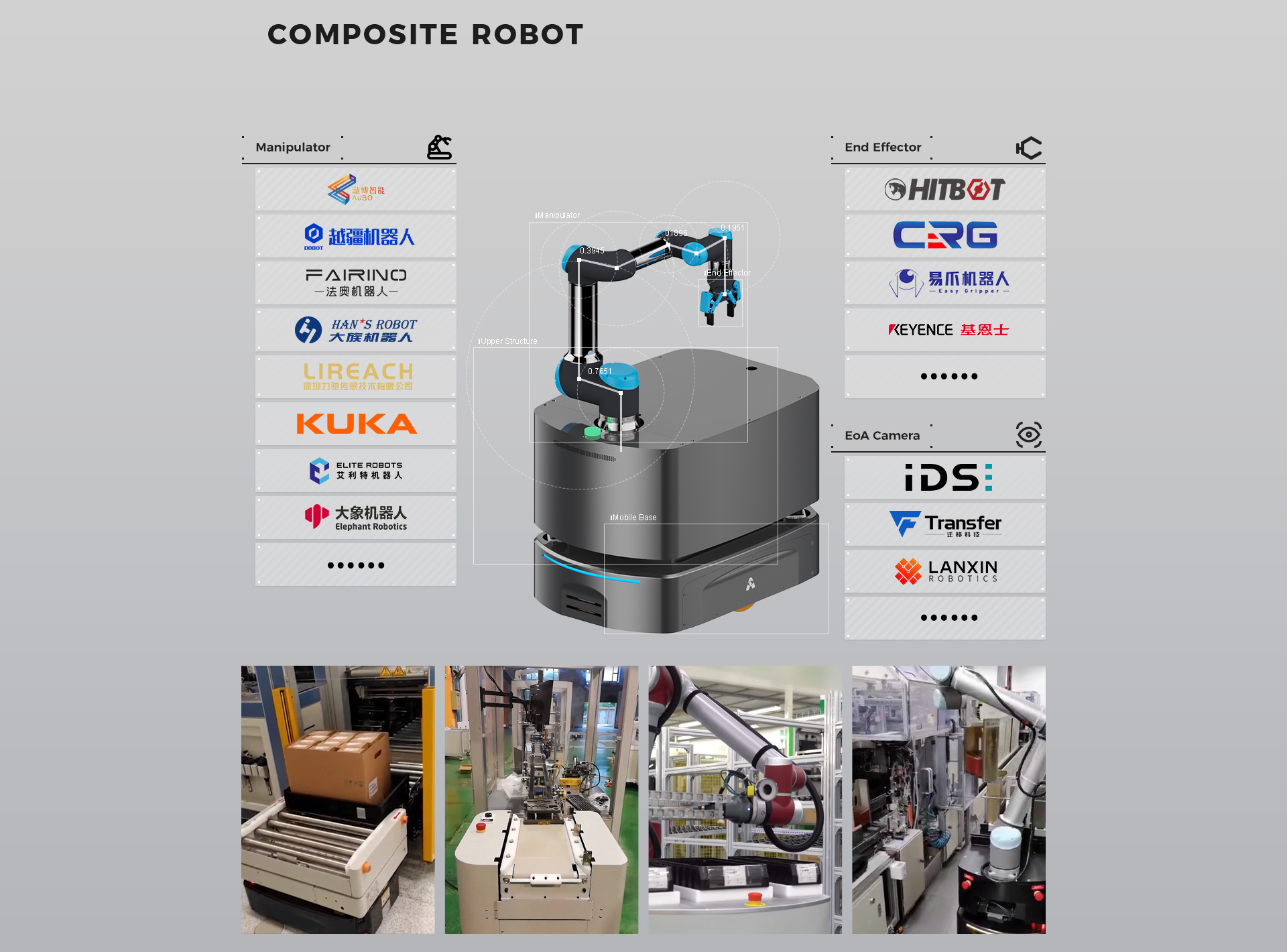
Chassis, payload interface, jacking unit, roller conveyor, forklift forks and robotic-arm modules can be engineered around the real production line.
Wi-Fi Fleet Scheduling
Multiple robots can be coordinated over indoor Wi-Fi for simultaneous task assignment, traffic control and automatic charging with compatible docks.
Composite Robotics Capability
For demanding assembly support, composite mobile robots combine mobility with 6-axis arms and multi-layer synchronization for ±0.05 mm repeatability.
Quality and Verification
Multi-stage inspection and operational stress testing target stable uptime before shipment, supported by independent supplier assessment records.
Integrator and Wholesaler Support
Project registration, configuration control, spare-parts planning, training and documentation help local partners support the installed base.
Built for Distributors and System Integrators Serving Bien Hoa
Wholesalers in Vietnam do not only need a lower unit price. They need repeatable BoMs, spare parts, technical answers and a manufacturer who respects the integrator’s customer relationship.
Controller Kits and Complete Units
Discuss complete AGV/AMR platforms, controlled chassis, or selected controller components for integration into your own mechanical design.
Documentation and Spare Parts
Export packing, model records, manuals, selected spare modules and change-control information can be planned into the wholesale agreement.
Training and Technical Escalation
Support your engineers with mapping, route planning, safety-zone setup, fleet workflow and first-line troubleshooting.
Project Registration
Protect approved integrator-led opportunities with agreed configuration, pricing validity and support commitments.
For the Bien Hoa market, the most practical cooperation model is usually a staged one. Start with a pilot route or a controller evaluation unit, validate the floor and operator workflow, then scale the fleet after measuring cycle time and uptime. This reduces the risk of buying too many robots before the Wi-Fi, charging locations, traffic rules and station handover logic are proven. It also gives the local integrator a credible reference before expanding to additional industrial parks in Dong Nai.
We support both English and Vietnamese project communication planning. Final language for HMI, alarms and operator instructions is confirmed per project. Import clearance, duty and local transport are normally handled with the buyer’s customs broker or nominated forwarder, while Marnix prepares the required commercial and technical documents. Shipping can be arranged to Bien Hoa via HCMC ports and onward transport, with final logistics confirmed at quotation stage.
What to Prepare Before You Request an AGV Controller Quote
From project experience, these six inputs determine most of the selection. Sharing them upfront shortens evaluation from weeks to days.
Load and Interface
Maximum load, rack or pallet footprint, center of gravity, lifting point, conveyor height or fork entry requirement.
Route and Floor
CAD layout, aisle widths, doorways, slopes, elevators, floor condition, charging location and restricted zones.
Throughput and Peaks
Missions per hour, peak periods, shift pattern and acceptable waiting time. This determines fleet size and charger count.
Docking Precision
Where ±5 mm is enough, where QR-assisted ±2 mm is needed and whether an arm or tool requires tighter calibration.
Power and Network
Available voltage, charger location, grounding practice, Wi-Fi coverage and any existing WMS, MES or PLC interface.
Local Support Plan
Who provides first-line service, spare-parts holding, operator training and escalation to the factory engineering team.
Common Questions from Bien Hoa Buyers
Straight answers for factory owners, distributors and integrators comparing AGV controller and AMR suppliers.
Is a CE certificate for an AGV controller enough for the whole machine?
No. A component or platform can be supplied with CE-related declarations and documentation, but the final integrated AGV or production machine must be assessed as a whole. The machine builder remains responsible for the final risk assessment and technical file. We clarify this boundary before the project starts.
Can Marnix supply wholesalers with controller kits as well as complete robots?
Yes. We can discuss complete AMR/AGV platforms, controlled chassis or selected controller and navigation packages depending on the integrator’s capability and volume. The final scope depends on safety responsibility, local assembly and after-sales arrangements.
Do we need to install magnetic tape or reflectors on the factory floor?
Normally no. Laser SLAM maps natural features in the existing environment, so no auxiliary track is required. QR labels are only added at stations where ±2 mm docking is needed. This is attractive for leased factories in Bien Hoa where floor modification may be restricted.
Can the system integrate with an existing WMS, MES or PLC?
Integration is project-specific. We review the required task creation, call signals, handover confirmation and error handling with your automation team. Interface options may include API-based fleet integration or industrial I/O depending on the configuration; the exact interface list is frozen during technical review.
What about voltage and power conditions in Vietnam?
Many industrial sites in Bien Hoa use 380 V three-phase power, while other equipment may be 220 V single-phase. The charger, controller power supply and grounding design must be confirmed for the actual site. We ask for the available voltage, frequency and charger location before finalizing the quotation.
How do you support installation and service in Bien Hoa?
Support can be delivered through remote engineering, documentation, operator training and a trained local partner or integrator. For critical projects, commissioning support can be planned. Spare-parts recommendations and first-line troubleshooting procedures are agreed before shipment.
Can we start with one pilot unit before ordering a fleet?
Yes, a pilot is often the right approach. Validate the route, Wi-Fi, charger location, docking station and operator workflow first. Once cycle time and uptime are measured, the fleet size and controller configuration can be scaled with less risk.
Who handles customs clearance and import logistics?
Import clearance and duty are normally handled by the buyer’s customs broker or nominated forwarder. Marnix prepares commercial documents, packing lists and relevant technical documentation. Shipping can be coordinated to Ho Chi Minh City ports and onward to Bien Hoa, with final terms confirmed in the quotation.
Ready to Specify a CE-Ready AGV Controller for Bien Hoa?
Send your CAD layout, load drawing, route cycle requirement, docking tolerance and target voltage. Our engineering team will help you compare platform options, controller scope and documentation requirements before you commit to a fleet.