8 CE-Ready AGV & AMR Systems for Portland Charging Infrastructure
Each platform below can be specified with Marnix intelligent charging docks, Wi-Fi fleet scheduling and export-ready documentation. Product links are preserved for direct technical review.
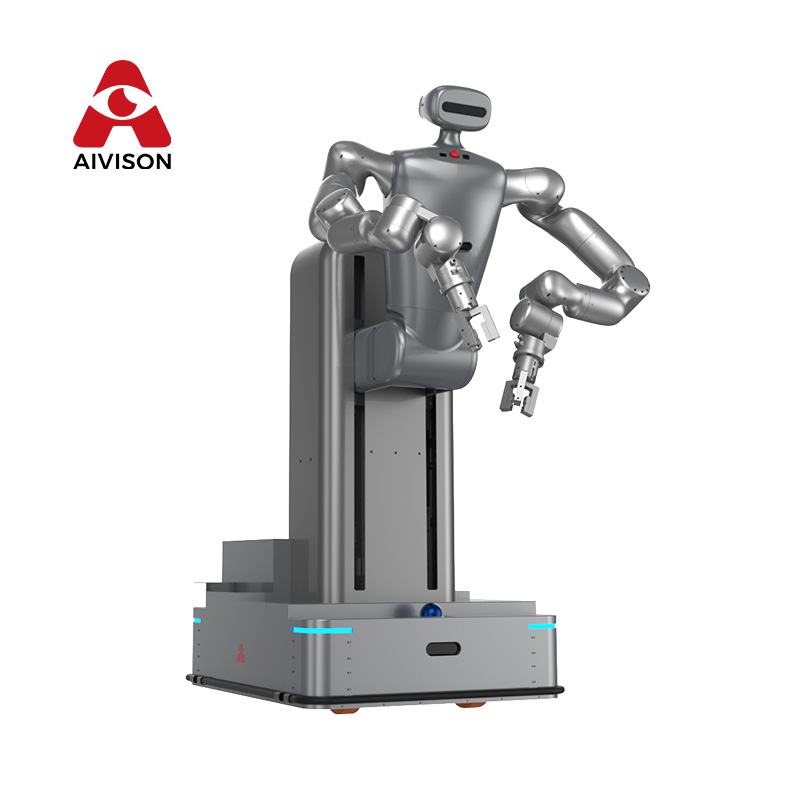
Omnidirectional Service Humanoid Robot Chassis Dual 7-DOF Arms Laser SLAM Navigation for Hospitality and Retail
For Portland retail backrooms, hotel service logistics and mixed public environments where quiet, precise movement and scheduled charging matter.
View Product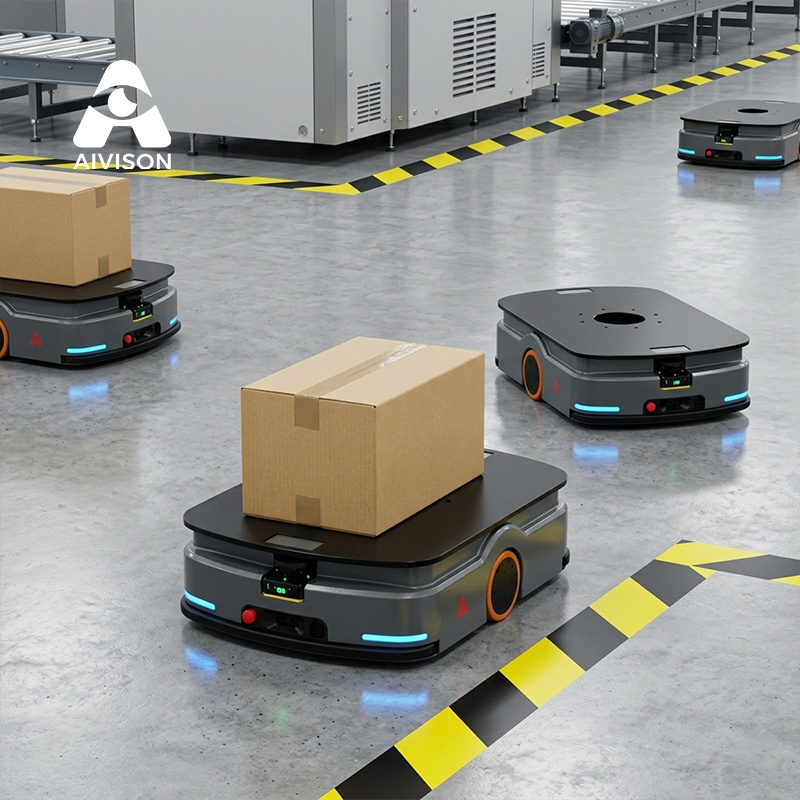
Autonomous Mobile AMR Robot 300kg Payload Laser Guided AGV for Carry Goods in Factory
A compact AMR for light material handling in Portland facilities where aisles are tight and overnight charging is part of the shift plan.
View Product
Omnidirectional Humanoid Robot Chassis Dual 7-DOF Arms Laser SLAM Autonomous Warehouse AMR Mobile Platform
An integrator-ready mobile platform for automation teams building custom handling cells in Portland’s electronics and medical device supply chains.
View Product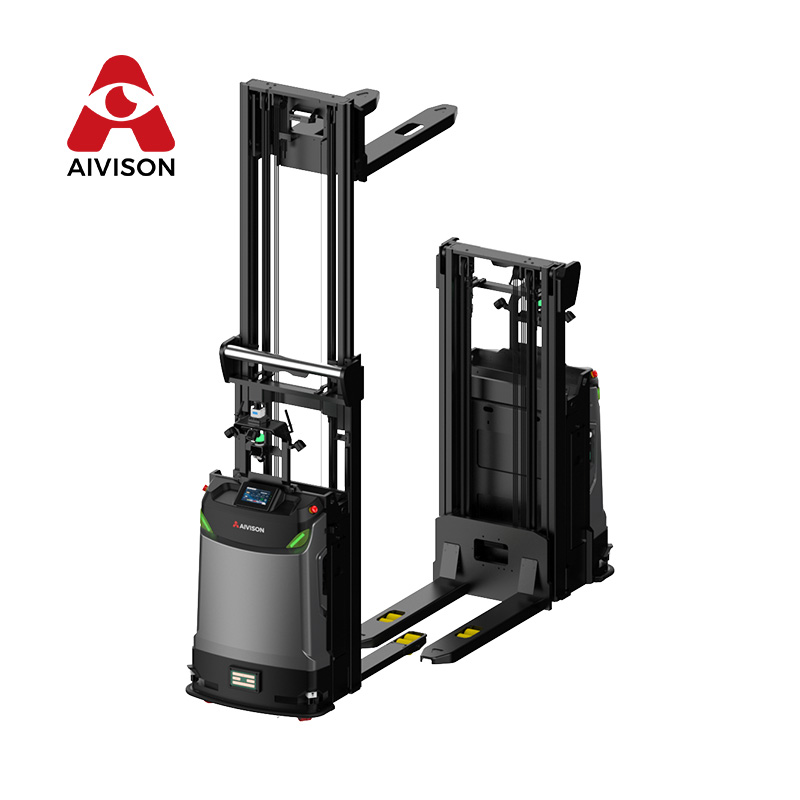
High Precision agv Forklift Full Servo Motor Controlled Laser Forklift with Heavy Load 2000kg
Heavy-duty pallet handling for Columbia Corridor warehouses and Portland distribution sites where 24/7 charging uptime is critical.
View Product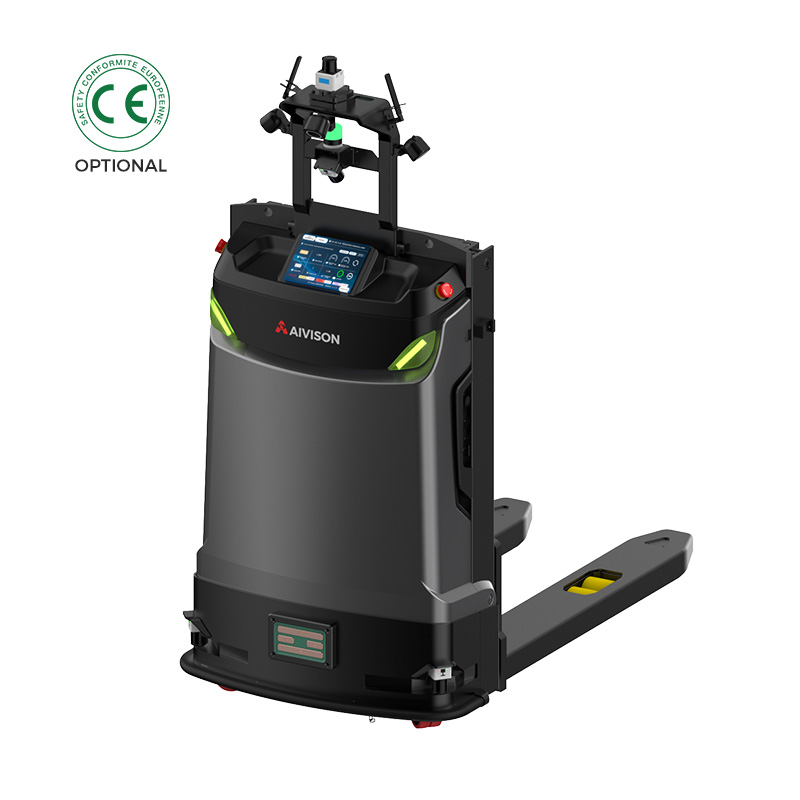
China Factory Automated Mobile Robot SLAM Lifting Wholesale AGV Chassis Vehicle
A wholesale AGV chassis for OEMs and system integrators who need reliable SLAM navigation with charging-dock compatibility.
View Product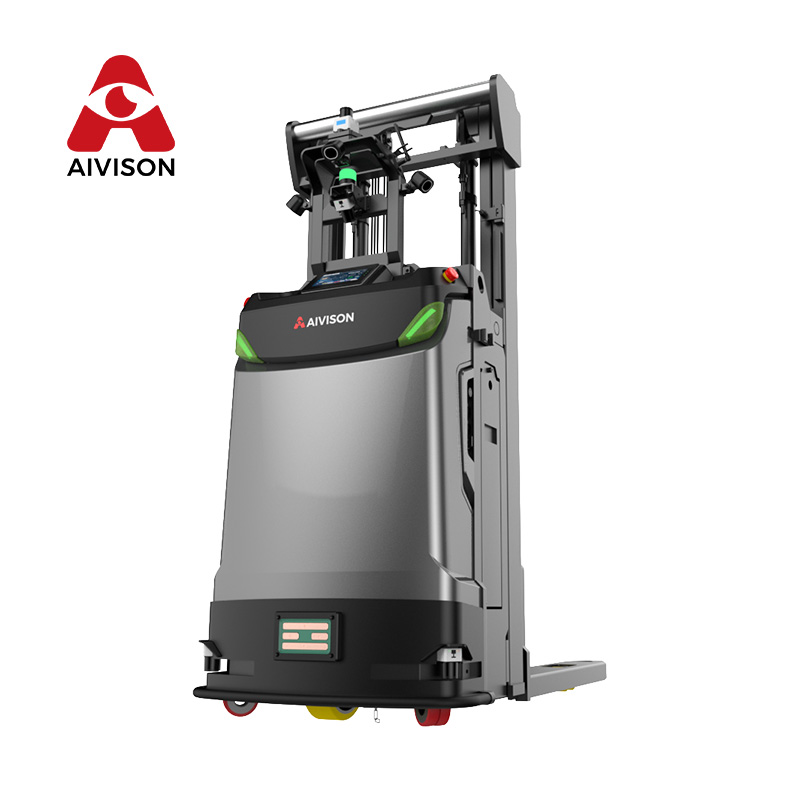
Autonomous Mobile Robots (AMR) Implement Cargo Transportation Between Warehouse and Conveyor Line
Designed for repeatable warehouse-to-conveyor handoffs, with opportunity charging that keeps line-side deliveries on takt time.
View Product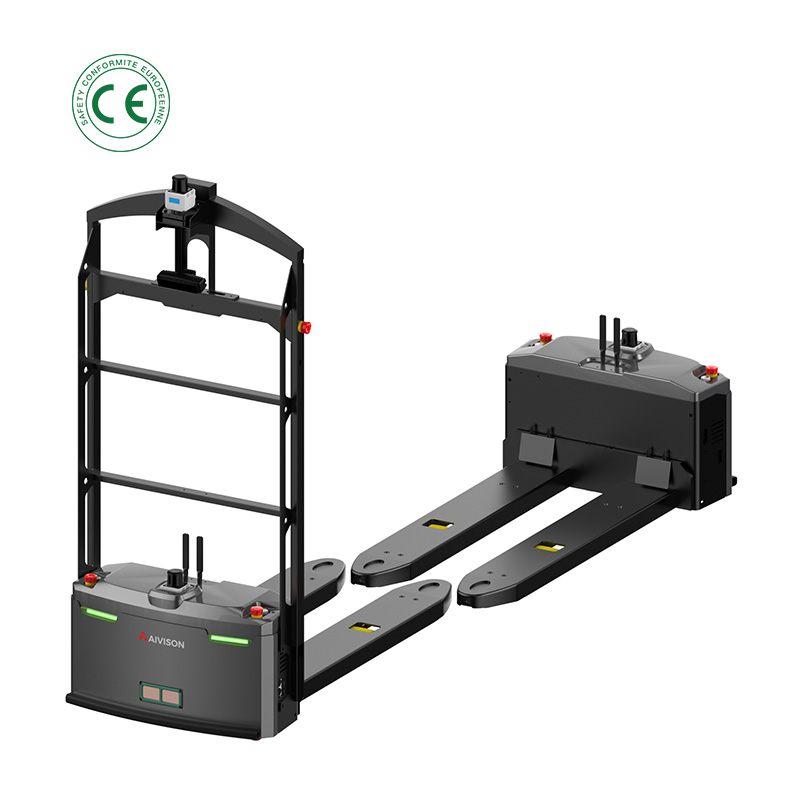
Aivison Customized 800kg Warehouse AGV Robot Lithium Battery AMR
An 800kg lithium-battery AMR for scalable warehouse transport, suited to multi-dock charging strategies and mixed-fleet scheduling.
View Product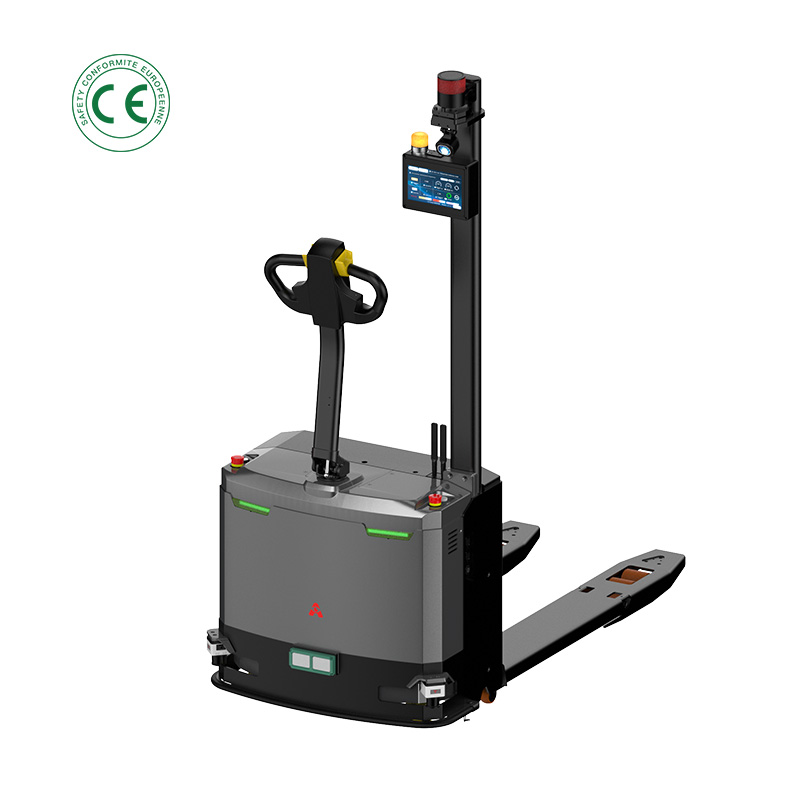
Autonomous Mobile Robot AMR AGV Forklift Pallet Stacker CE Certificate for Smart Warehouse and Production Line Automation
CE-certificate pallet stacker configuration for Portland buyers who need documented compliance and production-line integration.
View ProductWhat Portland Buyers Should Expect from a CE Certified AGV Charging Station Exporter
Portland’s industrial geography is unusually varied. A single procurement team may support a semiconductor supplier in Hillsboro, a distribution center near the Columbia Corridor, a precision fabricator in Tualatin, and a cold-chain operation reached through the I-5 and I-84 freight network. That diversity changes the meaning of a simple phrase like “AGV charging station.” For a Portland buyer, the charging station is not a generic power accessory. It is the scheduled energy interface between a lithium battery, a mobile robot, a fleet controller, a building electrical system, and a maintenance team. The exporter or wholesaler you choose therefore affects uptime, safety documentation, spare-parts strategy, and the ability to scale from one robot to a mixed fleet.
Marnix approaches charging infrastructure as part of the robot ecosystem. The same engineering logic that supports laser SLAM navigation at ±5 mm and QR-assisted docking at ±2 mm must also support reliable automatic charging. A fleet that can map a Portland warehouse without magnetic tape or reflectors should not be forced into a manual charging routine that erodes the value of automation. That is why Marnix combines autonomous mobile robots, jacking robots, smart forklifts, composite platforms and intelligent charging docks with Wi-Fi fleet scheduling, so multiple robots can be dispatched, routed and recharged as a coordinated system.
CE certification is sometimes treated as a marketing badge. In a serious export or wholesale program, it is a documentation and configuration discipline. Portland companies may request CE-related documentation because they re-export equipment, integrate systems for global customers, or standardize procurement across sites. A credible supplier should be ready to discuss the declaration of conformity, electromagnetic compatibility considerations, charger input and output specifications, battery communication, docking contact protection, and the site-level electrical review that remains the buyer’s responsibility. CE marking does not replace local electrical codes or site engineering, but it gives the procurement team a structured compliance file to review before the equipment reaches Portland.
For wholesalers and integrators, the real test is configuration discipline. A charging station program must answer practical questions: How many docks are needed for one-shift versus three-shift operation? Which robots require opportunity charging versus overnight charging? Where should docks be placed to avoid blocking fire lanes, pedestrian routes or loading doors? What happens when a robot arrives at a dock already occupied? How are charging faults reported to the fleet controller? Can the same dock family support a 300kg AMR, an 800kg warehouse platform, a 2000kg servo forklift and a composite robot with a 6-axis arm? Marnix’s answer is a modular approach: one navigation and fleet software core, many top modules, and charging configurations matched to the actual duty cycle rather than to a catalog headline.
The local payoff is measurable. In Portland’s mixed-traffic facilities, robots often share aisles with people, pallet jacks, forklifts and conveyors. A well-planned charging station reduces unnecessary travel to a remote charger, keeps lithium batteries within their preferred operating window, and makes maintenance predictable. It also protects the automation investment by allowing a facility to start with a small fleet and add docks, robots and top modules as volume grows. That is the information advantage a Portland buyer should demand from an exporter or wholesaler: not just a charger price, but a documented path from first deployment to fleet-scale charging.
Where AGV Charging Demand Is Growing in the Portland Metro
Portland is not one automation market. It is a network of specialized corridors with different payloads, cleanliness requirements and shift patterns.
Hillsboro & Beaverton: Precision Electronics
Semiconductor, electronics and medical-device suppliers require quiet, clean and precise movement. Charging docks are often placed outside controlled zones, so robots need reliable return-to-dock behavior, remote status monitoring and ±2 mm QR docking where station handover demands it.
- Cleanroom-adjacent charging planning
- QR-assisted docking for metrology and wafer carriers
- Fleet scheduling for mixed human and robot traffic
Columbia Corridor: Pallet Flow & Distribution
Warehouses near the Port of Portland, the Columbia Corridor and the I-84 freight axis are under pressure to move pallets faster without adding forklift labor. Heavy-duty AMR forklifts and 800kg warehouse platforms need charging strategies that protect throughput during peak outbound windows.
- 2000kg servo forklift AMR options
- Opportunity charging near staging lanes
- Auto charging for 24/7 distribution cycles
Tualatin, Wilsonville & Gresham: Mixed Manufacturing
Advanced manufacturing and food or cold-chain operations need robots that can handle layout changes without floor rework. Laser SLAM maps existing environments, while QR labels are reserved for the few stations that require higher precision. Charging docks can be positioned to match shift changes and sanitation routines.
- Trackless deployment with minimal disruption
- Dynamic obstacle avoidance in shared aisles
- Charging placement aligned to shift patterns
Portland Application Scenarios for AGV Charging Stations
From cleanroom buffers to pallet staging lanes, the charging station should be selected by workflow, not by floor area alone.
Hillsboro Cleanroom-to-Metrology Transfer
A composite mobile robot carries carriers between a cleanroom buffer and metrology. The charging dock sits outside the controlled zone, with remote charge status in the fleet controller. QR-assisted docking is used only at the transfer station, while the robot navigates the remainder of the route by laser SLAM.
Columbia Corridor Pallet Staging
A distribution center uses a 2000kg servo laser forklift for heavy pallet moves and an 800kg warehouse AMR for replenishment. Charging docks are placed near staging lanes so robots can opportunity-charge between outbound waves without walking back to a distant charger.
Tualatin Line-Side Conveyor Handoff
A production line uses an AMR to move cargo between warehouse and conveyor line. The robot docks at the conveyor, transfers the load, then returns to an automatic charging dock during the next takt window. This reduces idle time and keeps line-side inventory stable across shifts.
Charging Station Planning Guide for Portland Facilities
Use this matrix as a starting point, then verify dock count with an energy and route simulation based on your actual missions per hour.
| Fleet Profile | Charging Strategy | Recommended Marnix Platform Fit | Portland Use Case |
|---|---|---|---|
| 24/7 pallet flow | Multiple docks near staging lanes; opportunity charging between outbound waves; spare dock capacity for peak season. | 2000kg servo laser AGV forklift; 800kg warehouse AGV; AMR forklift pallet stacker. | Columbia Corridor distribution, Port of Portland freight, I-84 logistics hubs. |
| Cleanroom-adjacent precision | Dock outside controlled zone; remote charge status; QR-assisted docking only at precision stations. | Omnidirectional humanoid chassis; composite mobile robot; ±2 mm QR camera configuration. | Hillsboro semiconductor, Beaverton electronics, medical device assembly. |
| Line-side light material handling | Opportunity charging at line-end; compact dock footprint; fleet scheduling to avoid charger queues. | 300kg laser-guided AMR; SLAM lifting AGV chassis; conveyor-to-warehouse AMR. | Tualatin and Wilsonville production lines, Gresham fabrication cells. |
| Integrator & wholesale program | Modular dock family; documented configuration; spare components; multi-project rollout support. | Wholesale AGV chassis; custom composite platforms; intelligent charging docks. | Portland system integrators serving Oregon, Washington and Pacific Northwest clients. |
What to Confirm Before Ordering a CE Certified Charging Station
These four checks prevent most deployment delays after the equipment arrives in Portland.
Electrical & Compliance File
Confirm charger input and output, CE-related documentation, battery communication, and site-level electrical coordination before purchase.
Fleet Protocol & Charge Strategy
Define missions per hour, opportunity charging windows, dock ratio and Wi-Fi coverage across the robot operating area.
Safety Integration
Review dynamic obstacle avoidance, docking contact protection, emergency stop logic and battery handling procedures with your EHS team.
Spare Parts & Service
Plan for charging contacts, cables, docking sensors and training. A wholesaler should provide a clear spare-parts list and escalation path.

Why Marnix Fits Portland’s Export & Wholesale Channel
Marnix combines manufacturer-level customization with documented quality, navigation precision and fleet charging support.
About Ten Years of AGV Engineering
Shenzhen-based R&D and manufacturing experience focused on autonomous mobile robots, jacking robots, smart forklifts and intelligent charging docks.
Precision Navigation Without Floor Rework
±5 mm laser SLAM on natural features, ±2 mm with QR camera assistance, and ±0.05 mm repeatability for composite robots with 6-axis arms.
Verified Supplier Confidence
TÜV Rheinland onsite assessment, Fortune 500 supplier experience, and transparent credit and trade records support serious procurement review.
OEM, ODM & Wholesale Support
Custom chassis and top modules including jacking units, roller conveyors, forklift forks and robotic arms, with intelligent charging docks and fleet scheduling.
Questions Local Buyers Ask About AGV Charging Stations
Direct answers for warehouse operators, manufacturers and system integrators evaluating CE certified charging infrastructure for the Portland market.
Can a CE certified charging station be shipped to Portland and connected to local power?
CE-related documentation supports export and compliance review, but the final electrical configuration must still be checked against the site’s local requirements. Share your building voltage, phase, protection scheme and docking layout so the charger configuration can be reviewed with your local electrical contractor.
Are Marnix robots compatible with the intelligent charging docks?
Yes. Marnix designs AMR, jacking robot, smart forklift and composite robot platforms alongside intelligent charging docks and Wi-Fi fleet scheduling. The fleet controller can coordinate task assignment, traffic control and automatic charging for multi-robot deployments.
Do we need to modify the warehouse floor for charging or navigation?
Standard laser SLAM navigation maps existing natural features, so no magnetic tape, reflectors or floor QR codes are required. QR labels are added only at stations where ±2 mm docking precision is needed. Charging docks still require a suitable, level and protected location.
How many charging docks should a Portland warehouse plan for?
Dock count depends on duty cycle, battery capacity, mission length, shift pattern and whether opportunity charging is allowed. A single-shift operation may need fewer docks than a 24/7 pallet flow site. Use the selection matrix above as a starting point, then confirm with an energy and route simulation.
Can Marnix customize robots and charging configurations for integrators?
Yes. As a manufacturer, Marnix customizes chassis and top modules such as jacking units, roller conveyors, forklift forks and 6-axis arms. Wholesalers and system integrators can discuss multi-project rollouts, spare-parts planning and documentation needs.
How do we start a project evaluation for the Portland market?
Share your payload, layout, throughput target, docking precision needs, Wi-Fi coverage and charger location constraints. The Marnix team can then recommend a robot and charging-dock configuration. Use the contact button on this page or email info@marnixbot.com to begin.
Plan a CE Certified AGV Charging Station Rollout for Portland
Send your fleet size, shift pattern, floor plan and docking precision requirements. Marnix will help match AGV/AMR platforms, charging docks and export documentation to your Portland project.
Contact Us