Düsseldorf’s Intralogistics Opportunity Is Not a Generic Automation Story
Düsseldorf is a gateway to one of Europe’s densest logistics and manufacturing corridors. Within a 45–60 minute drive, buyers operate in Neuss, Duisburg, Krefeld, Mönchengladbach, Wuppertal and the wider Rhine-Ruhr region. These sites combine dense pallet flows, high land costs, mixed manual and automated traffic, and increasing difficulty in staffing repeatable forklift tasks.
A Counterbalance Forklift Is a Load-Handling Concept, Not a One-Size Robot Class
An autonomous counterbalance forklift combines a counterbalance load-handling principle with onboard perception, mapping, route planning and fleet control. It can be assigned repeatable pallet moves from a WMS, ERP or fleet supervisor while consistently applying speed limits, exclusion zones and handover rules. However, Düsseldorf buyers should not assume that a counterbalance configuration is always the lowest-cost way to automate a single line-side move.
In many warehouses, an AMR pallet stacker, lifting AGV or jacking robot is better where the route is fixed, the load is lighter, or the objective is to eliminate floor infrastructure rather than replicate a manned truck. The right answer depends on aisle width, load centre, racking, floor flatness, throughput, shift pattern and how often the layout changes.
Why Exporters and Wholesalers Must Localize the Specification
The Düsseldorf market is not served well by a catalogue-only approach. German buyers expect documented safety logic, predictable spare-parts support, clear CE responsibilities and a realistic discussion of residual risk. A wholesaler that cannot answer questions about EN 1175, ISO 3691-4, DGUV operating rules, Wi-Fi handover, fire doors, lift interfaces and emergency-stop behaviour will slow down the project before technical evaluation begins.
Marnix approaches this market with a manufacturer’s perspective: Shenzhen Marnix Intelligent Technology Co., Ltd. draws on about ten years of AGV engineering experience and supplies laser SLAM AMRs, jacking robots, smart forklifts, pallet stackers, composite robots and charging docks. The company reports more than 200 manufacturers served across three continents, ±5 mm SLAM accuracy on natural features, ±2 mm accuracy with QR assist at selected stations, and ±0.05 mm repeatability for composite robots using a six-axis arm.
Typical Düsseldorf Project Weighting
Illustrative weighting based on typical project scoping conversations; not a statistical survey.
Six Local Trends Reshaping Autonomous Forklift Procurement in Düsseldorf
The Düsseldorf buyer in 2025–2026 is more informed than the buyer of five years ago. Most requests now include questions about safety standards, WMS integration, residual risk and total cost of ownership. The following trends most often change the final specification.
1. Labour availability and shift flexibility
Demographic change and competition for skilled warehouse staff make repetitive pallet moves harder to cover. Buyers increasingly look for robots that can take over predictable transfer routes while staff focus on exceptions, quality checks and customer-specific handling.
2. Safety documentation and mixed traffic
Autonomous forklifts rarely operate in isolation. They share doors, crossings, charging areas and pedestrian zones with manual trucks, pallet handlers and visitors. Düsseldorf buyers expect a risk-assessment conversation covering warning fields, speed zones, emergency stops, blind corners and traffic rules.
3. Space cost and high-bay pressure
Land and rent in the Düsseldorf–Neuss corridor encourage denser storage and narrower aisles. That raises the value of compact AMR stackers, lifting AGVs and forklift platforms that can work with existing racking. Precision is also becoming more important at handover points.
4. Smaller batches and faster changeovers
E-commerce, 3PL contracts and multi-channel distribution create more SKUs and more layout changes. Laser SLAM reduces dependence on floor tape or reflectors, allowing routes to be re-mapped when racking, pick stations or handover points move.
5. WMS, ERP and conveyor integration
A robot fleet is no longer an island. Buyers ask how tasks are assigned, how mission status is reported and how the robot handshakes with conveyors, production machines, lifts and shelving. Fleet scheduling over indoor Wi-Fi becomes part of the evaluation, not an afterthought.
6. Energy, charging and serviceability
Energy costs and uptime targets make charging strategy visible in the business case. Opportunity charging, compatible charging docks, battery options, spare-parts kits and remote diagnostics are now common requirements in Düsseldorf requests.
Where Autonomous Counterbalance Forklifts and AMR Pallet Stackers Fit in Düsseldorf
The strongest business case is usually not “replace every forklift.” It is a focused redesign of repetitive, measurable flows where safety, staffing or space pressure is already visible.
Rhine-Ruhr 3PL and Cross-Docking
Third-party logistics operators in Neuss, Duisburg and the Port of Düsseldorf corridors handle high volumes of pallet receipt, staging, put-away and dispatch. Autonomous forklifts and pallet stackers can standardise repetitive journeys between receiving, buffer lanes and outbound gates while staff manage exceptions and value-added services.
Best-fit platforms: 1500–2000 kg stacker AGVs, counterbalance-style pallet forklifts, fleet scheduling.
Automotive, EV and Supplier Parks
Düsseldorf and the wider NRW region support automotive, electric-vehicle and component supply chains. Line-side delivery must respect takt time, container sequencing, pedestrian routes and production handover logic. Laser SLAM plus optional QR assist gives planners a way to separate general transfer accuracy from precision docking.
Best-fit platforms: 1500 kg lifting AGVs, QR-assisted ±2 mm docking, custom top modules.
Food, Consumer Goods and Ambient Warehousing
Fast-moving consumer goods operations often need repetitive pallet movement across shifts with strict traffic rules. The goal is predictable flow, fewer damaged pallets and less dependence on manual truck availability. Smooth acceleration, safe obstacle detection and clear charging strategy matter more than maximum speed.
Best-fit platforms: 2000 kg warehouse stacker AGVs, autonomous pallet forklifts, auto-charging docks.
Electronics, Machinery and Contract Manufacturing
Contract manufacturers and electronics suppliers often combine conveyors, machines and racking in tight footprints. An AMR with a roller conveyor or lifting module can connect warehouse and conveyor line without forcing a full layout rebuild. For harder automation problems, composite robots with six-axis arms push repeatability to ±0.05 mm.
Best-fit platforms: AMR conveyor transport, lifting AGVs, composite mobile robots.
A Düsseldorf Buyer’s Selection Matrix: Counterbalance Forklift or AMR Pallet Stacker?
Düsseldorf warehouses rarely need a single accuracy level everywhere. Over-specifying QR codes or floor infrastructure adds cost and change-control burden; under-specifying precision creates mis-picks and damaged racking. Separate transfer routes from docking points before choosing the platform.
| Configuration | Typical accuracy | Floor infrastructure | Best-fit use |
|---|---|---|---|
| Laser SLAM on natural features | ±5 mm | No tape, reflectors or floor QR codes | Warehouse transfer, line-side replenishment, frequent layout changes |
| Laser SLAM + QR camera | ±2 mm | QR labels only at precision stations | High-shelf storage, automated docking, conveyor handover |
| Composite robot with six-axis arm | ±0.05 mm | Station calibration required | Semiconductor, medical device and precision assembly tasks |
| Autonomous counterbalance forklift class | Configuration-specific | Depends on fleet and site safety concept | Pallet handling where fork entry and counterbalance load handling are essential |
What to specify before requesting a quotation
Eight Recommended Platforms for Düsseldorf Wholesalers and Integrators
These platforms are suitable for wholesale distribution, export projects and integrator-led deployments. Product URLs are preserved from the original catalogue so that technical teams can review exact configurations.
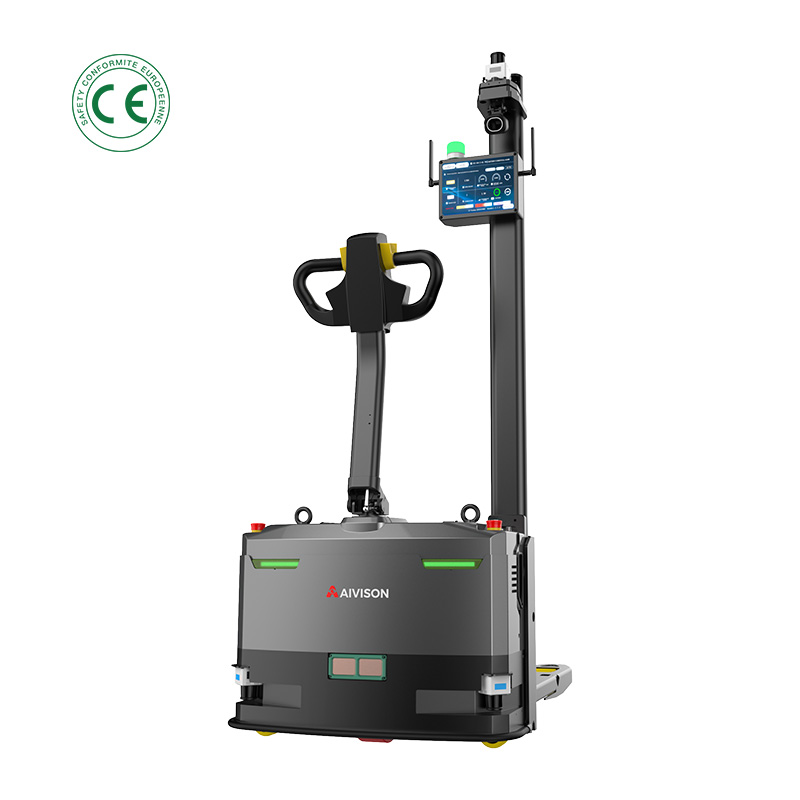
AIVISON CE Laser SLAM Navigation AGV 1500 kg Warehouse Lifting
A flexible lifting platform for pallet and rack transfer where natural-feature SLAM is sufficient and floor infrastructure should be avoided.
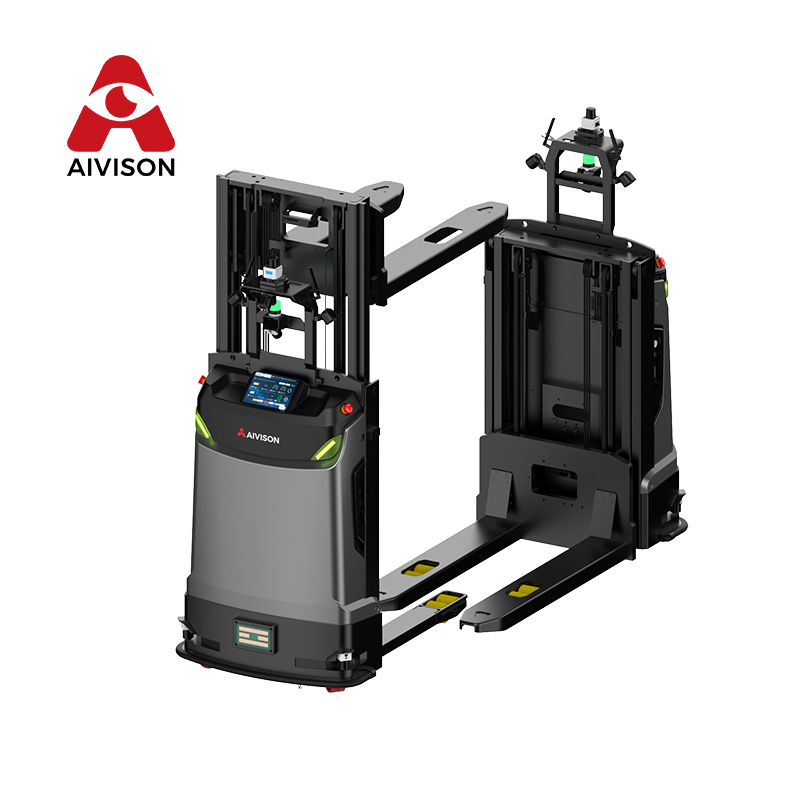
Autonomous Warehouse 2000 kg Stacker AGV Robot
A higher-capacity stacker platform for repetitive put-away, replenishment and dispatch flows in Düsseldorf distribution centres.
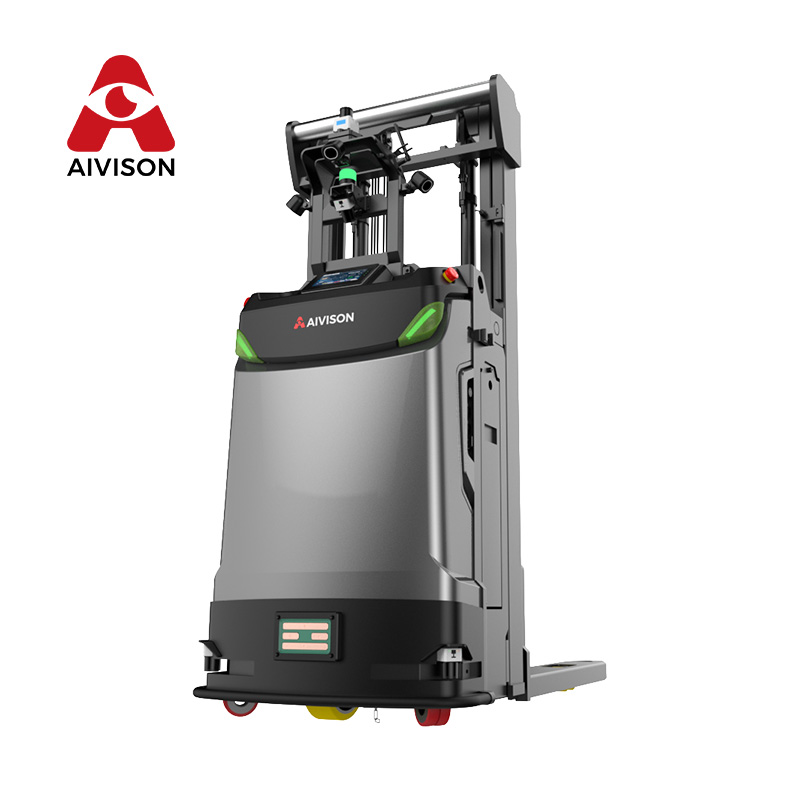
AMR Cargo Transport Between Warehouse and Conveyor Line
Connects storage and production with automated load transfer, reducing manual travel between conveyors, buffers and warehouse zones.
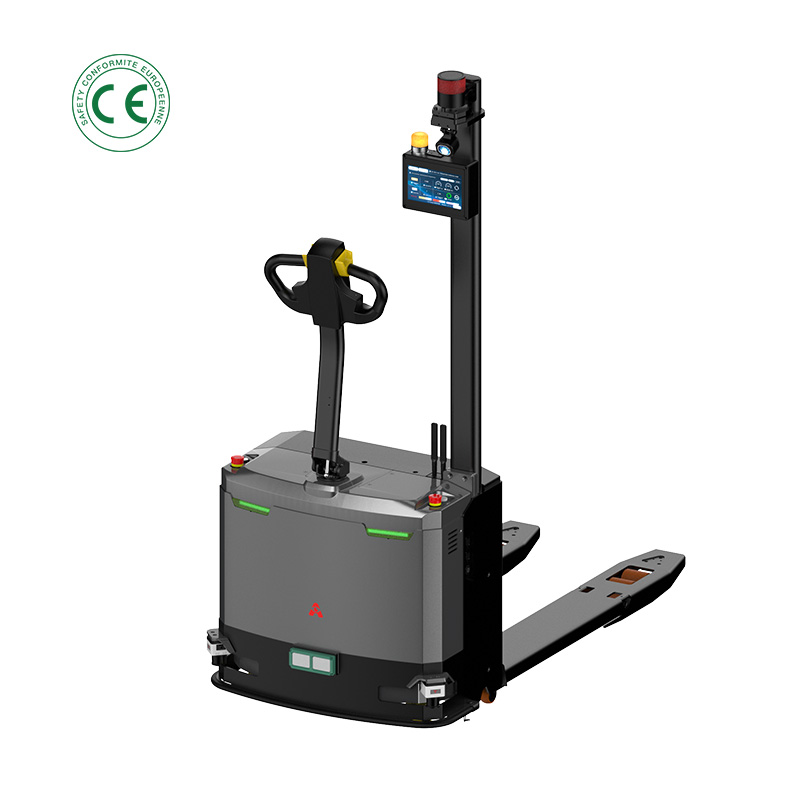
CE-Certified AMR Forklift Pallet Stacker for Smart Warehousing
Fork-based pallet handling for Düsseldorf sites that need flexible automation with documented CE-ready configuration options.

Logistics Navigation LiDAR Sensor – Direct-Sales Supply
A component option for integrators and wholesalers building or servicing autonomous navigation systems for local projects.
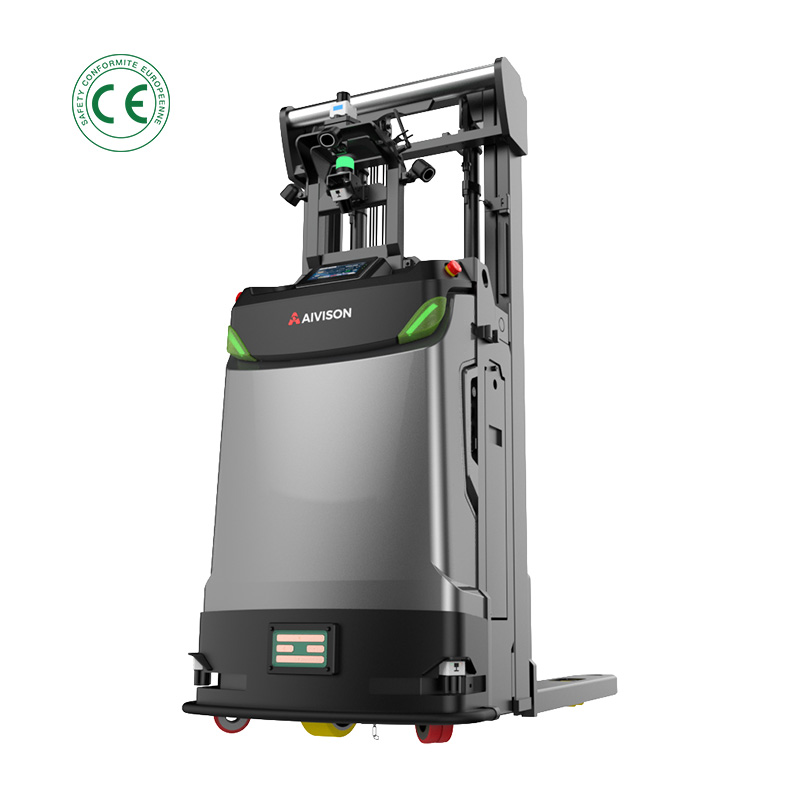
Smart 2000 kg Laser-Navigation Reach AGV Warehouse Robot
For higher-throughput logistics tasks where a 2000 kg reach platform and laser navigation improve storage density.
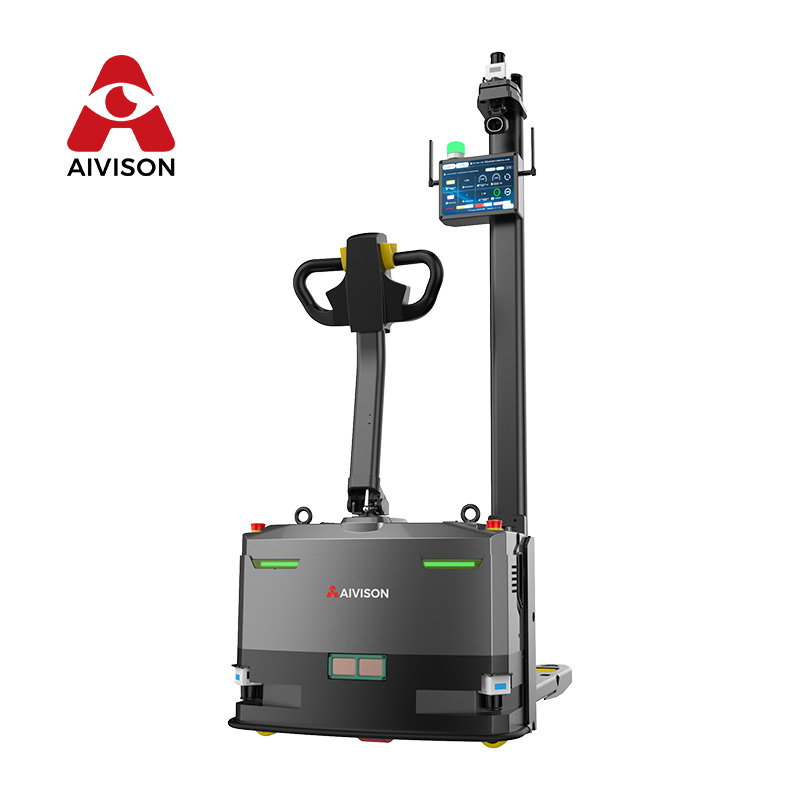
Customizable 1500 kg Lidar-Guided AGV / AMR
Useful for wholesalers serving varied customer layouts where traction capacity, chassis configuration or top module must be adapted.
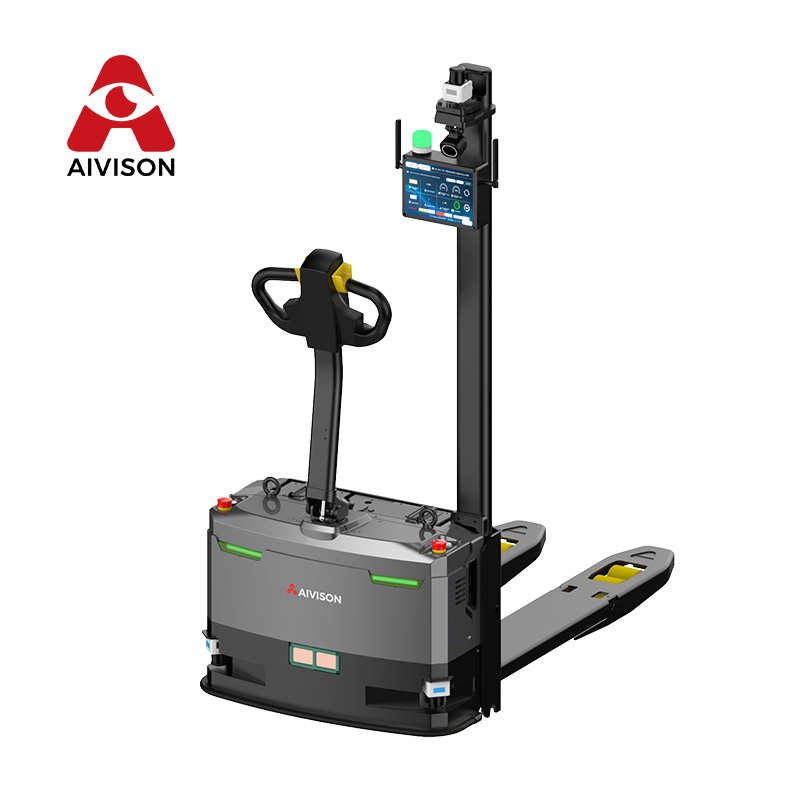
AIVISON Industrial Unmanned Pallet Forklift
An unmanned pallet forklift platform for Düsseldorf buyers seeking a counterbalance-style load-handling concept with autonomous route execution.
Why Marnix Is a Credible Export and Wholesale Partner for the Düsseldorf Market
Wholesalers and integrators need more than a product list. They need engineering support, stable configurations, documentation and a supplier that understands how Düsseldorf projects are evaluated.
Manufacturer-Level Engineering
About ten years of AGV engineering experience with a portfolio that includes laser SLAM AMRs, jacking robots, smart forklifts, pallet stackers, composite robots and charging docks.
Precision Without Floor Rework
±5 mm laser SLAM on natural features avoids auxiliary tracks and floor QR codes. QR assist can be added only where ±2 mm docking is required, keeping infrastructure focused.
Custom Modules for Integrators
Chassis and top modules can be adapted with jacking units, roller conveyors, forklift forks and six-axis arms to connect directly with production equipment.
Independent Verification
Marnix has completed an onsite supplier assessment by TÜV Rheinland and reports supplier status for a Fortune 500 company, with credit, transaction and trade records available for review.

Built Around Real Production Lines, Not Catalogue Assumptions
Shenzhen Marnix Intelligent Technology Co., Ltd. supports end users and system integrators with robots that are engineered for existing factories with minimal disruption. The fleet is coordinated by an intelligent scheduling system over indoor Wi-Fi, enabling simultaneous task assignment, traffic control and automatic charging with compatible smart charging docks.
- Multi-stage intelligent inspections and operational stress testing before shipment.
- Composite robots combine mobility with six-axis arms and roller modules for harder automation tasks.
- Applications across semiconductor, 3C electronics, lithium battery, photovoltaic, automotive parts, PCB, textile and medical device production.
How to Scope a Düsseldorf Deployment Without Over-Specifying
A good autonomous forklift project starts with flow data, not a product model. These four steps shorten evaluation and reduce the risk of buying more precision, fleet size or infrastructure than the site needs.
1. Define the Load and Route
Record maximum load, pallet footprint, load centre, rack beam deflection, pick height, drop height and route length. Separate regular transfer routes from precision docking points.
2. Map Safety and Site Constraints
Mark aisle widths, blind corners, fire doors, lifts, gates, pedestrian zones, charging areas and mixed-fleet crossings. Agree the traffic concept before selecting robot speed and sensor fields.
3. Choose Navigation and Top Module
Use ±5 mm SLAM for general transfer, ±2 mm QR assist for demanding handover, or a composite configuration where arm-level repeatability is required. Then select forks, lifting, roller or custom modules.
4. Validate With a Focused Pilot
Test the real pallet condition, Wi-Fi roaming, peak traffic, charging cycle and handover logic. Define spare parts, training, documentation and escalation before scaling to a multi-robot fleet.
Düsseldorf Buyer Questions for Autonomous Forklift Suppliers
These are the questions that most often arise in Düsseldorf wholesale, integrator and end-user evaluations. Clear answers shorten the path from initial inquiry to a realistic technical proposal.
Can an autonomous counterbalance forklift work in an existing Düsseldorf warehouse without floor tracks?
Yes, when the platform uses laser SLAM on natural features. Standard SLAM maps the existing environment and does not require magnetic tape, reflectors or floor QR codes. QR labels are added only at stations where ±2 mm docking precision is needed, which keeps infrastructure focused and reduces change-control effort.
Which safety and compliance points should a Düsseldorf buyer verify?
Buyers should request the applicable CE documentation, risk-assessment support, electrical safety information and a clear discussion of EN 1175, ISO 3691-4 and DGUV requirements where relevant. The final safety concept must cover mixed traffic, warning fields, speed zones, emergency stops, manual override and residual-risk ownership.
How do you support export and delivery to the Düsseldorf region?
Projects are quoted with export documentation, packing specifications, configuration records and recommended spare-parts lists. Delivery can be coordinated for Düsseldorf, Neuss, Duisburg and wider NRW destinations according to the agreed commercial terms and the buyer’s preferred freight forwarder.
What information is needed for a meaningful quotation?
Provide maximum load, load centre, pallet or rack dimensions, aisle widths, route layout, required throughput, docking accuracy, handover equipment, Wi-Fi coverage, charging strategy and shift pattern. A CAD drawing or clear sketch is more useful than a generic request for “an autonomous forklift.”
Can multiple robots share the same warehouse and charging area?
Yes. Marnix robots can be coordinated by an intelligent scheduling system over indoor Wi-Fi, enabling simultaneous task assignment, traffic control and automatic charging with compatible smart charging docks. The site traffic concept should still define priority zones, parking rules and emergency procedures.
Can the robots be customised for wholesale or integrator projects?
Yes. As a manufacturer, Marnix customises chassis and top modules such as jacking units, roller conveyors, forklift forks and six-axis robotic arms. Wholesalers and system integrators can request configuration support, training, spare-parts planning and documentation packages for their own customer projects.
For a Düsseldorf-specific review, prepare your layout, load profile, throughput target and docking precision. These four inputs determine most of the platform selection, fleet size and charging strategy.
Request a Düsseldorf-Specific Feasibility Review
Share your aisle widths, load profile, handover points and throughput target. Our engineering team can recommend whether an autonomous counterbalance forklift, pallet stacker AGV, lifting AMR or composite robot is the most suitable configuration for your Rhine-Ruhr project.