Tijuana · Baja California · Cross-Border Automation

Automatic Charging Pile Factory & Suppliers Serving the Tijuana Market

A practical, factory-direct guide for Tijuana manufacturers, 3PL warehouses and system integrators evaluating automatic charging infrastructure for AMR, AGV and smart forklift fleets.

Laser SLAM ±5 mm QR assist ±2 mm Composite robot ±0.05 mm Wi-Fi fleet scheduling
Recommended Product Platforms

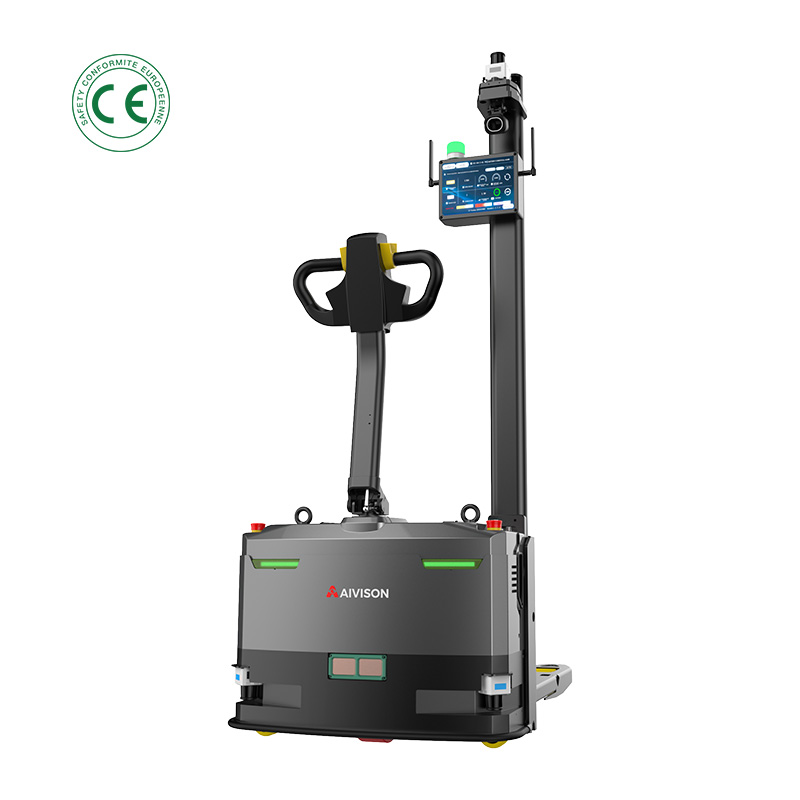
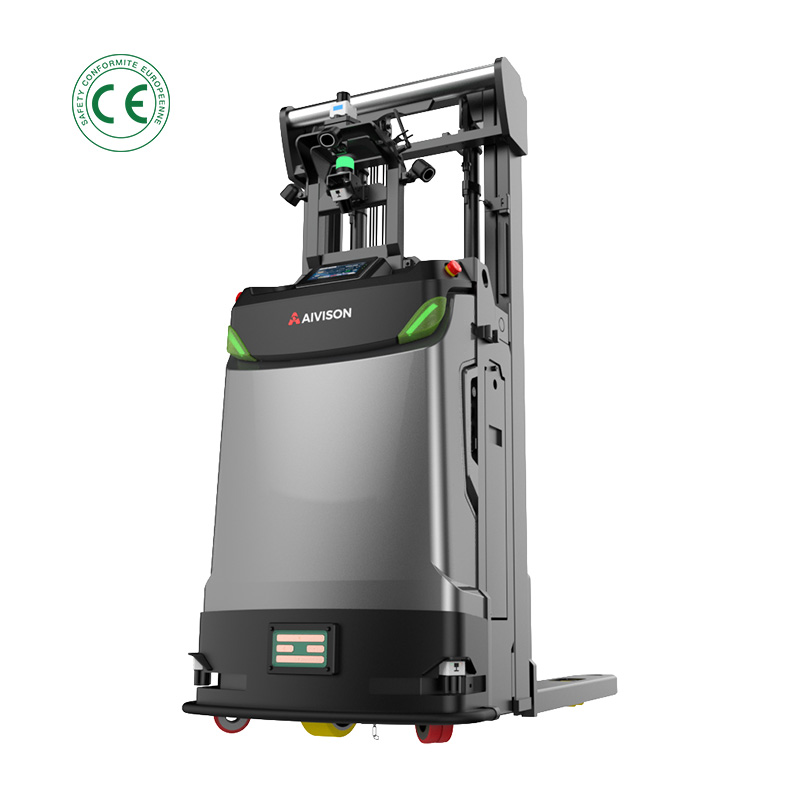
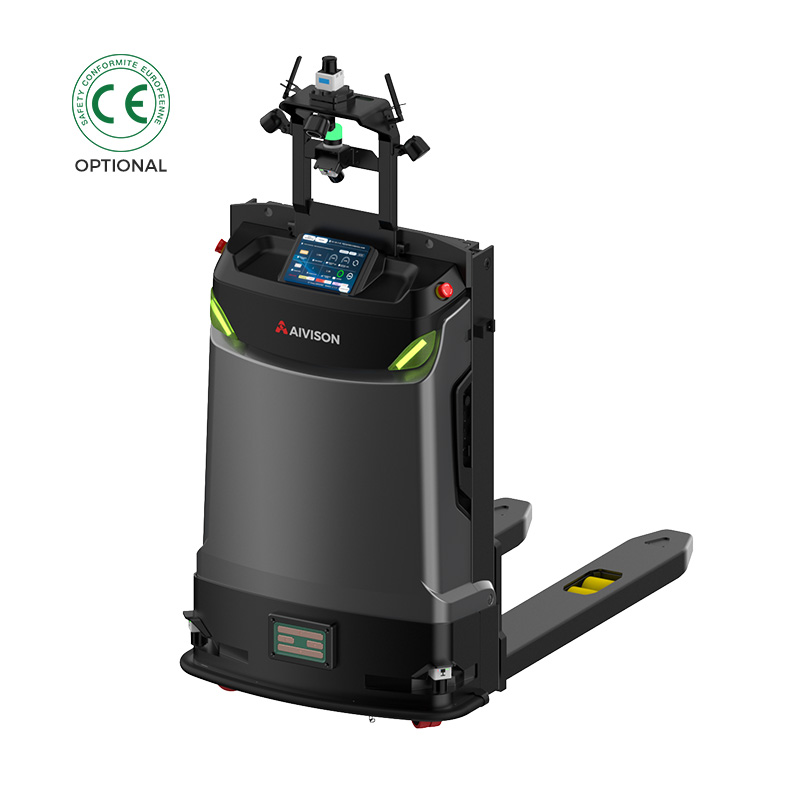
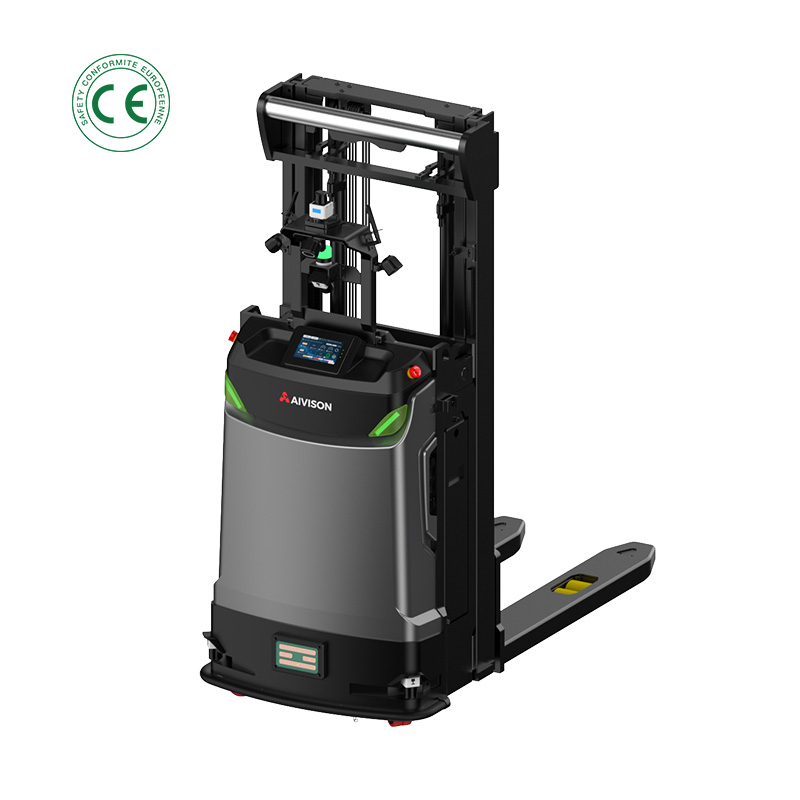
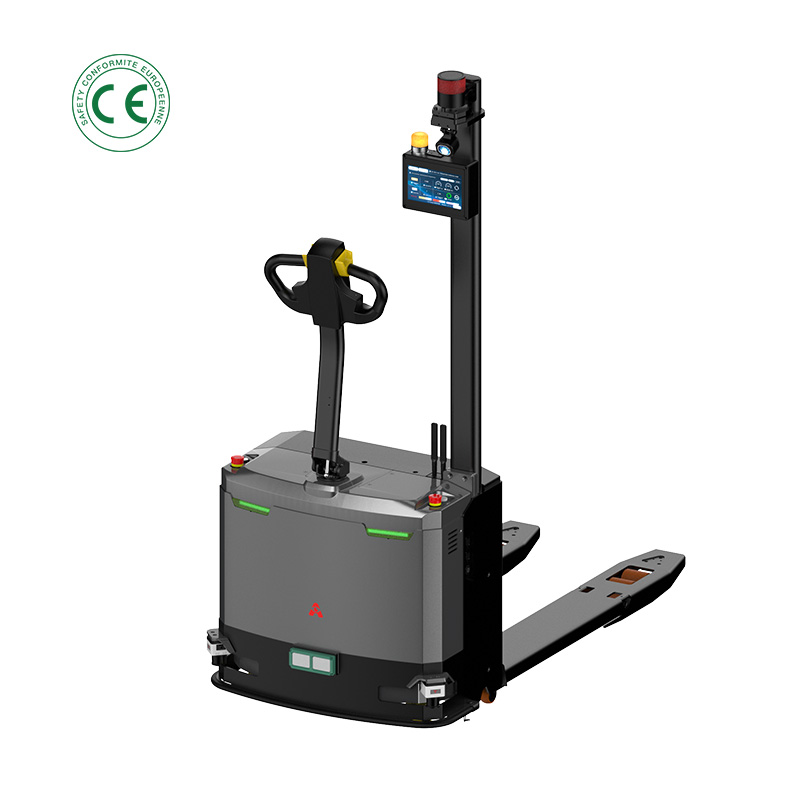
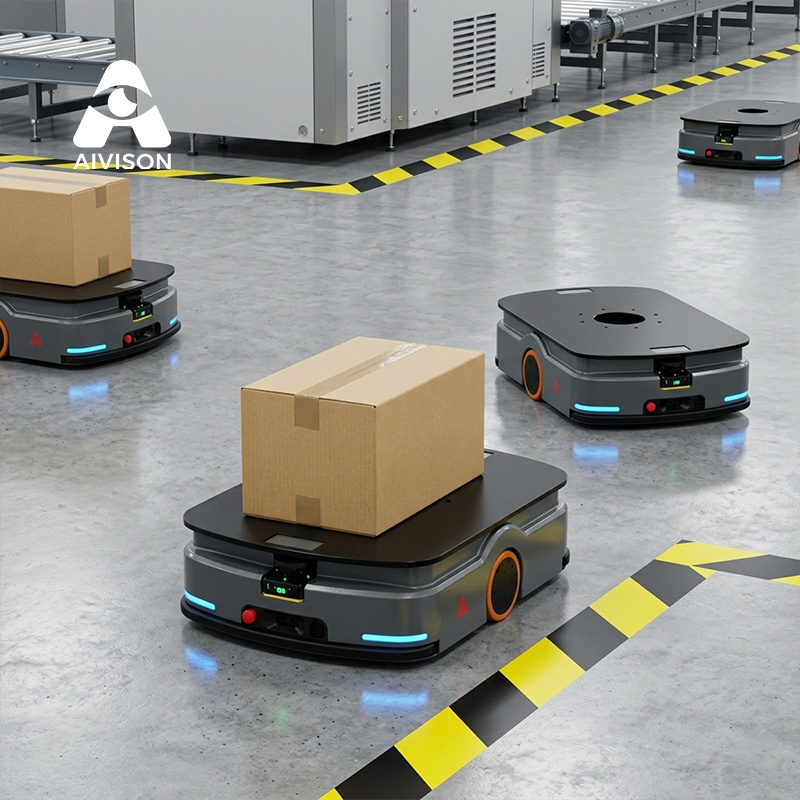
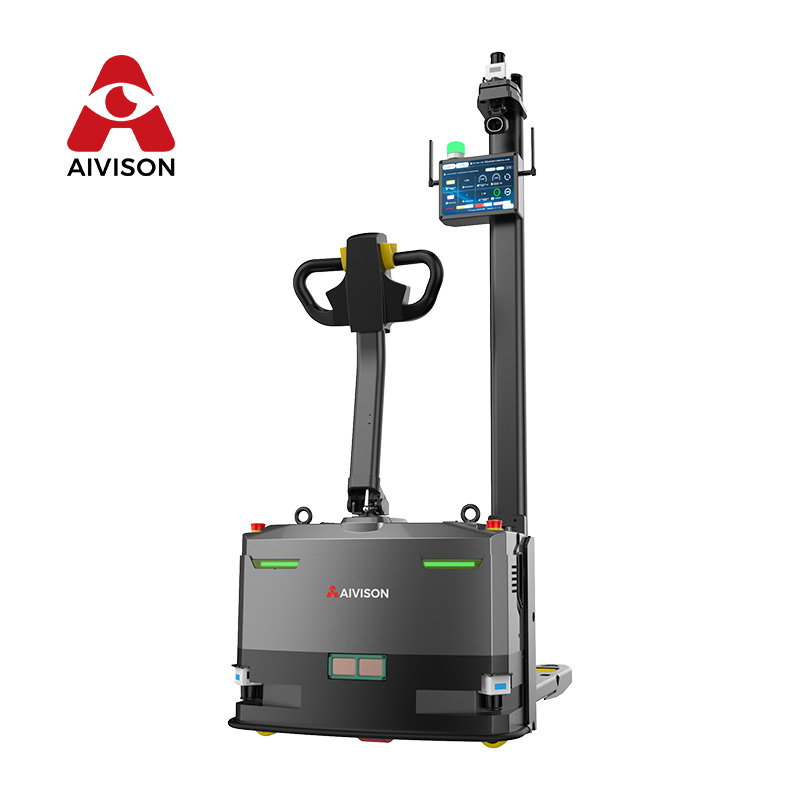
Automatic Charging Pile-Ready Mobile Robot Platforms for Tijuana Material Flow

These eight platforms from Shenzhen Marnix Intelligent Technology Co., Ltd. share the same SLAM navigation, fleet control and charging-dock ecosystem. For Tijuana buyers, that means one supplier conversation can cover the robot, the top module, the charging strategy and the service plan.

10+Years in AGV Engineering

Shenzhen-based R&D and manufacturing experience for mobile robotics.

±5 mmLaser SLAM Accuracy

No magnetic tape, reflectors or floor QR codes required for standard routing.

200+Manufacturers Served

End users and system integrators across three continents.

8Core Industries

Semiconductor, 3C electronics, lithium battery, photovoltaic, automotive, PCB, textile and medical devices.

Tijuana Market Brief

Why Tijuana Buyers Are Searching for Automatic Charging Pile Factories Now

In the Tijuana market, the phrase automatic charging pile can describe two related but different products: an industrial charging dock for autonomous mobile robots and AGVs, or a larger electric-vehicle charging station. For maquiladoras, 3PLs and system integrators in Baja California, the most useful interpretation is the industrial one: a factory-direct automatic charging pile that keeps AMR fleets, jacking robots and smart forklifts working across multiple shifts without manual battery handling.

The procurement logic is changing. Nearshoring, USMCA supply-chain shifts and cross-border logistics growth are pushing Tijuana plants to automate repetitive material movement while keeping building modifications low. A laser SLAM AMR can map an existing floor and start work without laying magnetic tape. An automatic charging pile then becomes the uptime control point: if the dock is undersized, poorly located or incompatible with fleet scheduling, the robot’s productivity disappears at the exact moment the line needs it most.

That is why a credible automatic charging pile factory and supplier serving the Tijuana market should be evaluated as part of a complete material-flow system, not as an isolated accessory. The supplier should be able to discuss payload, aisle width, shift pattern, Wi-Fi coverage, docking precision, electrical supply, spare parts and local integrator support in one engineering conversation.

Factory-direct advantage: Marnix builds the AMR chassis, custom top modules, fleet scheduling software and compatible intelligent charging docks from one Shenzhen manufacturing base, reducing the coordination risk that appears when robot and charger come from unrelated suppliers.

Definition for Tijuana Project Teams

An automatic charging pile for industrial robots is usually a smart charging dock that lets an AMR, AGV or smart forklift connect autonomously when its state of charge falls below a threshold. It is not the same as a public EV fast charger. It is sized around robot battery voltage, current, duty cycle, fleet software and safety logic. For Tijuana buyers, the correct specification depends on the actual robot fleet, shift schedule and electrical room layout.

Automotive / medical export manufacturing94%
Cross-border warehouse & 3PL demand88%
AMR charging infrastructure readiness81%
Local integrator availability86%

Indicative planning index based on Marnix cross-border project discussions, not a certified market statistic.
Localized Applications

Tijuana Application Scenarios for Automatic Charging Pile and AMR Fleets

Tijuana’s manufacturing base is not a generic warehouse market. It combines export-oriented production, multi-shift operations, cross-border logistics and a dense supplier ecosystem. Each environment places different demands on automatic charging infrastructure.

Automotive Parts and Harness Plants

Line-side delivery, kitting carts and finished-goods transfer run against fixed takt times. A jacking robot or 1500 kg traction AGV can move racks between zones, while an automatic charging dock placed near break areas or buffer zones allows opportunity charging between missions. In Tijuana plants with tight aisles, the ability to re-map routes without floor rework is often more valuable than maximum speed.

Medical Device Assembly

Medical device and life-science production in the Tijuana border region demands repeatable handover and clean material flow. Laser SLAM offers ±5 mm navigation, while a QR scanning camera can raise docking accuracy to ±2 mm where stations need tighter positioning. For advanced integrators, a composite mobile robot with a 6-axis arm can reach ±0.05 mm repeatability for precision tasks.

3C Electronics and PCB Production

Electronics assembly often mixes manual stations, conveyors and testing equipment. A 300 kg AMR or roller-conveyor top module can connect islands of automation. The charging pile should be located away from precision inspection stations to avoid traffic disruption, and fleet scheduling should assign charging windows based on battery state and production priority.

Cross-Border Warehouses and 3PLs

Warehouses serving the Otay Mesa border corridor need fast receiving, staging and dispatch. Pallet AMRs and smart forklifts can reduce travel time, but the charging strategy must survive peak inbound waves. Multi-robot scheduling over indoor Wi-Fi, automatic charging docks and a local spare-parts plan are essential for 24/7 fulfillment operations.

Tijuana Market Trends

Local Trends That Affect Automatic Charging Infrastructure Decisions

Semantic search intent in this market is not only “where to buy a charging pile.” Buyers want to understand nearshoring, electrical standards, cross-border service and integration risk before they request a quote.

Nearshoring and USMCA

More production is moving into Baja California to shorten North American supply chains. The result is pressure to scale material flow quickly, often in buildings not designed for fixed automation. Trackless AMR and flexible charging docks fit that retrofit reality.

Multi-Shift Uptime Pressure

High labor turnover and night-shift staffing make consistent material delivery difficult. Automatic charging piles keep fleets available across breaks and shift changes, reducing dependence on manual battery swaps or dedicated charging labor.

Cross-Border Logistics Flow

Warehouses near Tijuana’s border crossings need predictable staging and dispatch. Automated pallet movement reduces congestion inside the building, while a well-placed charging dock prevents a single low-battery robot from blocking outbound loading.

Electrical Standards

Mexico uses 127/220 V and 60 Hz in many facilities, and plant electrical rooms differ widely. Final installation should be confirmed by a licensed local electrician. A factory supplier should provide clear voltage, current and grounding requirements before shipment.

Documentation and Training

Tijuana projects often involve U.S. headquarters, Mexican plant teams and Chinese manufacturers. English/Spanish documentation, clear acceptance criteria and remote technical support reduce miscommunication during installation and handover.

Integrator Ecosystem

System integrators serving Tijuana and San Diego need modular robot platforms, not closed black boxes. Custom top modules, charging docks and fleet software should be documented well enough for local integrators to support commissioning and service.

Buyer Specification Guide

How to Specify an Automatic Charging Pile for a Tijuana Factory

Use this matrix in your request for quotation. It turns a vague “charging pile price” inquiry into an engineering brief that a factory and a local integrator can both evaluate.

Specification AreaWhy It Matters in TijuanaWhat to Request from the Supplier
Electrical supplyFacility voltage, phase, grounding and breaker capacity vary between industrial parks and older buildings.Confirm robot battery voltage, dock input range, maximum current, grounding requirements and electrical drawings for review by a licensed local electrician.
Duty cycle and fleet sizeMulti-shift production needs enough charging capacity to avoid queueing near the dock.Share missions per hour, shift pattern, battery capacity and planned fleet size; request simulation of opportunity-charging windows.
Docking precisionSome stations need only ±5 mm navigation, while high-shelf or machine handover may need ±2 mm or better.Specify whether standard laser SLAM is sufficient or whether a QR scanning camera / composite robot is required.
Communication and schedulingAutomatic charging must coordinate with task priority and traffic control, not simply charge first-come-first-served.Request Wi-Fi fleet scheduling details, charge-threshold logic, task preemption rules and interface documentation.
Safety and installationThe dock sits in mixed human and vehicle traffic, often with limited wall space.Ask for clearance dimensions, protective barriers, emergency-stop logic, thermal monitoring and installation checklist.
Service and spare partsCross-border lead times can slow a project if critical parts are not planned.Request recommended spare-parts kit, remote diagnostic process, English documentation, warranty terms and integrator training materials.
Factory Advantages

Marnix Factory Advantages for Tijuana Automation Projects

Shenzhen Marnix Intelligent Technology Co., Ltd. is a mobile robot manufacturer with about ten years of AGV engineering experience. The following advantages matter when a Tijuana buyer is comparing an automatic charging pile factory and supplier.

Manufacturer-Level Engineering

Marnix designs and builds laser SLAM AMRs, jacking robots, smart forklifts, composite mobile robots and intelligent charging docks. Factory-direct communication shortens the loop between application question and engineering answer.

Navigation Accuracy Choices

Standard laser SLAM reaches ±5 mm without auxiliary tracks or QR codes. A QR scanning camera raises docking to ±2 mm, and composite robots with a 6-axis arm deliver ±0.05 mm repeatability for precision assembly.

Charging Docks in the Same Ecosystem

Compatible intelligent charging docks support autonomous recharging for AGV and AMR fleets. For Tijuana buyers, this reduces the risk of mismatched battery, dock and fleet software responsibilities.

Custom Top Modules

Jacking units, roller conveyors, forklift forks and 6-axis arms can be engineered around the production interface. This flexibility is valuable when a Tijuana line cannot be redesigned around a standard robot.

Verified Credentials

Marnix has completed a TÜV Rheinland onsite assessment, is a supplier to a Fortune 500 company, and has served more than 200 manufacturers across three continents. Credit, trade history and assessment records are available for procurement review.

Integrator and Global Service Support

Marnix supplies robots and complete solutions to system integrators worldwide. For Tijuana, project support can be coordinated with local integrators, English documentation and remote engineering review, while global service resources handle ongoing technical questions.

TÜV Rheinland Onsite Assessment Supplier to Fortune 500 200+ Manufacturers Served CE-Certified Product Options
Supplier Evaluation

What a Tijuana Integrator Should Verify Before Ordering

Price alone will not reveal whether an automatic charging pile supplier can support a cross-border project. Evaluate these six areas before placing a pilot order.

1. Real Factory Capability

Confirm that the supplier manufactures the chassis, top module and charging dock as part of a controlled production process. Ask for onsite assessment records, production photos and product-specific test reports rather than generic catalog claims.

2. Navigation and Docking Evidence

Request documented accuracy levels: ±5 mm for laser SLAM, ±2 mm with QR assist, and ±0.05 mm for composite arm platforms. The charging strategy must match the robot’s navigation accuracy and station design.

3. Charging and Battery Logic

Ask how charge thresholds are set, how tasks are preempted, how queueing is prevented and what happens during a power interruption. A charging pile is only useful if fleet software treats energy as a scheduling constraint.

4. Cross-Border Documentation

Prepare electrical drawings, CE-related documents where applicable, packing lists and installation manuals for review. Tijuana buyers should have the final electrical connection approved by a licensed local electrician.

5. Spare Parts and Service Path

Identify which parts should be stocked locally, how remote diagnostics work and who provides first-line support. For Tijuana, a practical service path may combine the Shenzhen factory, a U.S. or Mexico-based integrator and the plant maintenance team.

6. Pilot Acceptance Criteria

Define success before the pilot: missions per shift, average charging time, docking success rate, blocked-route incidents and operator intervention rate. This protects both the plant and the supplier from subjective acceptance debates.

Deployment Roadmap

From Shenzhen Factory to Tijuana Factory Floor

A disciplined four-step path keeps the project focused on uptime, safety and measurable labor savings.

01

Requirement Capture

Share load profile, aisle widths, shift pattern, voltage, docking precision, throughput target and any equipment interfaces. A CAD sketch or layout image is enough to begin.

02

Simulation and Layout

Map routes, pick-up and drop-off points, charging dock locations and traffic rules. Confirm whether standard SLAM, QR assist or a composite platform is appropriate.

03

Pilot and Acceptance

Run a limited fleet in the real Tijuana environment. Measure docking success, charging behavior and operator interaction against pre-agreed criteria.

04

Scale and Service

Add robots and charging docks, integrate fleet scheduling, stock recommended spare parts and train local maintenance staff for long-term support.

Tijuana Buyer FAQ

Questions Tijuana Buyers Ask About Automatic Charging Piles and AMR Fleets

Direct answers from Marnix engineering practice, written for plant managers, procurement teams and system integrators serving the Tijuana market.

What is an automatic charging pile in this context?

For industrial robots, an automatic charging pile is usually a smart charging dock that an AMR, AGV or smart forklift connects to autonomously. It is different from a public EV charging station. The dock is specified around robot battery voltage, current, duty cycle, fleet software and safety logic.

Can the charging dock work with Tijuana electrical supply?

Many facilities in Mexico use 127/220 V and 60 Hz, but building-level conditions vary. Share your electrical drawings and have a licensed local electrician confirm the final connection. Marnix can provide input voltage, current, grounding and installation requirements for review before shipment.

Do AMR robots require floor modification before installation?

No for standard laser SLAM. The robot maps natural features and navigates without magnetic tape, reflectors or floor QR codes. QR labels are added only at stations where ±2 mm docking precision is needed. This is especially useful in Tijuana buildings that cannot pause production for floor work.

How does automatic charging affect fleet uptime?

Automatic charging allows opportunity charging between missions. Fleet scheduling software decides which robot should charge, when, and for how long, based on task priority and battery state. Correctly sized charging capacity prevents queues and keeps multi-shift operations moving.

What navigation accuracy can Marnix robots achieve?

Laser SLAM on natural features reaches ±5 mm without auxiliary tracks or floor codes. Adding a QR scanning camera raises accuracy to ±2 mm. Composite robots with a 6-axis arm can reach ±0.05 mm repeatability for semiconductor, medical device and precision assembly tasks.

Which Tijuana industries are the best fit for these systems?

Automotive parts, medical devices, 3C electronics, PCB assembly, cross-border warehousing and 3PL operations are strong fits. Marnix also serves semiconductor, lithium battery, photovoltaic, textile and other manufacturing sectors where repetitive material flow can be automated.

Can Marnix customize a robot for our production line?

Yes. As a manufacturer, Marnix customizes chassis and top modules such as jacking units, roller conveyors, forklift forks and 6-axis robotic arms. The goal is to connect directly with production equipment instead of forcing the line to adapt to a standard robot.

How do we start a Tijuana project evaluation?

Send your load profile, layout sketch, throughput target, shift pattern, docking precision, electrical supply and preferred timeline. Marnix engineering can recommend a robot and charging-dock configuration, then define a pilot plan and acceptance criteria for your Tijuana site.

Request a Tijuana Project Review

Share your layout, payload, shift schedule, electrical supply and docking precision target. Our engineering team will recommend the right AMR platform, charging strategy and pilot scope for the Tijuana market.

info@marnixbot.com Shenzhen, Guangdong, China Cross-border project support