Munich Is Not a Generic AMR Market — Charging Infrastructure Decides Fleet Uptime
For Munich buyers, an automatic charging pile is not an isolated accessory. It is the energy interface that determines how many robots can run, how quickly they recover between missions, and how reliably a Bavarian factory can sustain mixed-model production without adding manual battery handling.
From charging pile to fleet energy strategy
An automatic charging pile—often called an automatic charging dock or charging station—combines mechanical guidance, electrical contacts and fleet software. In a Munich project, the real question is not only “which dock?” but “which operating pattern?” Opportunity charging during short breaks, overnight charging, and peak-throughput strategies require different dock counts, placement and safety zones.
Retrofit without floor rework
Many Munich factories cannot pause production for track installation. Laser SLAM maps natural features, so standard routes can be commissioned without magnetic tape or reflectors. QR labels are added only at stations that need higher docking precision. This matters for older industrial buildings, multi-tenant facilities and sites where layout changes are frequent.
Supplier selection beyond price per dock
A low-cost charging pile can become expensive if its contacts, guidance tolerances and communication logic are not matched to the robot. Munich procurement teams increasingly evaluate the complete chain: robot, charging dock, fleet controller, spare parts, documentation and integration support. This is where a manufacturer with in-house AMR engineering provides measurable information gain.
Where Munich Buyers Apply Automatic Charging Piles and AMRs
Munich and the wider Bavarian industrial belt combine precision manufacturing, automotive engineering, electronics, battery innovation, medical technology and high-value logistics. Each environment changes the charging strategy.
Automotive and supplier networks
In the Munich automotive ecosystem, line-side replenishment must respect takt time and mixed-model production. AMRs with automatic charging docks can move small load carriers, pallets and sequenced parts between supermarkets and assembly stations. Routing can be changed without floor reconstruction, while opportunity charging reduces the need for manual battery exchange.
Battery, electronics and clean assembly
Battery module and electronics production requires stable material flow and careful handling. Jacking robots, pallet AMRs and composite mobile robots can support line-side logistics, buffer transfer and inspection handover. For clean assembly, ±2 mm QR-assisted docking can be introduced only at critical stations rather than across the whole route.
Medical devices and laboratories
Medical device manufacturing around Munich demands traceable transfer and high repeatability. Composite AMRs with 6-axis arms can reach ±0.05 mm repeatability for selected processes. Automatic charging piles keep fleets ready between shifts, while fleet scheduling coordinates robot traffic in constrained laboratory or cleanroom corridors.
Warehousing and contract logistics
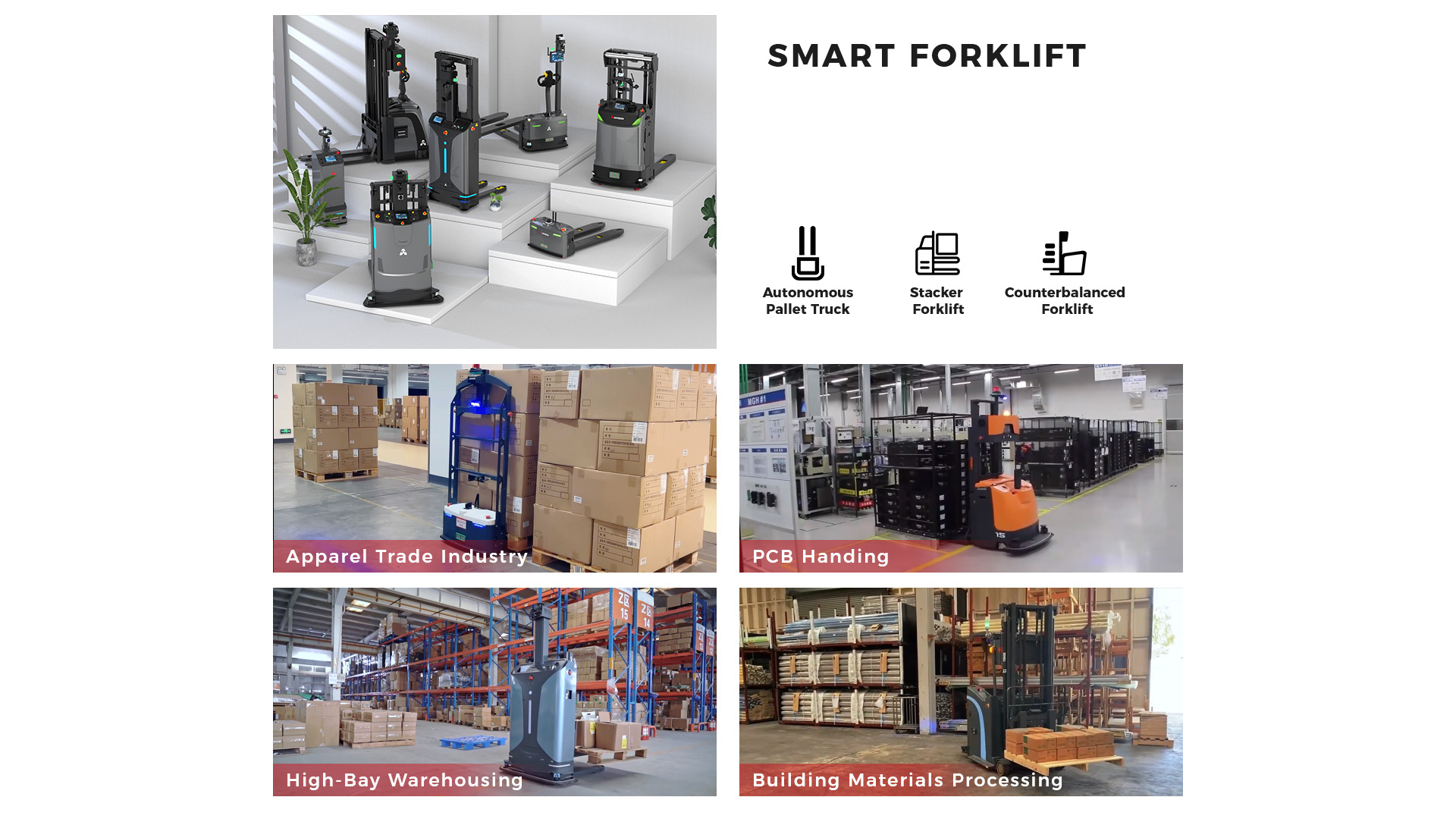
Munich logistics operators handle high-SKU inventories and time-sensitive dispatch. AMR fleets can connect receiving, storage and dispatch without fixed conveyors. Automatic charging docks are placed near high-demand zones to reduce travel to energy. For high-shelf storage, QR-assisted positioning can be applied selectively where lift or shelf docking demands tighter tolerance.



Four Local Trends That Change Charging Pile Specification
Munich procurement teams are not only buying robots. They are buying uptime, safety documentation and a material-flow system that can survive layout changes, labor shortages and energy-cost pressure.
Flexible, trackless automation
Bavarian factories increasingly prefer trackless AMRs because production layouts change faster than fixed infrastructure can adapt. A charger and route map should be reconfigurable when a line is rebalanced or a warehouse zone is repurposed.
Energy-aware opportunity charging
High energy costs make right-sized batteries and smart opportunity charging more attractive than oversized batteries. The goal is to charge during natural idle windows, avoid peak-load conflicts and keep the fleet available for rush orders.
German safety and interface expectations
German sites expect clear risk assessment, CE documentation where applicable, emergency-stop logic, traffic rules and integration boundaries. For charging piles, contact protection, floor marking and access control should be reviewed with the site safety team.
Labor flexibility and 24/7 duty
Skilled labor shortages push Munich operations toward automation that supports people rather than replacing entire workflows. AMRs handle repetitive transport, while automatic charging reduces manual battery handling and keeps shifts predictable.
Choose the Right Precision Level Before You Size the Charging Pile
Most buyers over-specify navigation or under-specify charging. Use this practical guide to match accuracy to the task and avoid unnecessary floor infrastructure costs.

| Configuration | Accuracy | Floor setup | Munich use case |
|---|---|---|---|
| Laser SLAM on natural features | ±5 mm | No tape, reflectors or floor codes | Warehouse transfer, line-side delivery, mixed traffic and frequent layout changes |
| SLAM plus QR code camera | ±2 mm | QR labels only where precision is needed | High-shelf storage, precision docking, wafer handling and machine handover |
| Composite robot with 6-axis arm | ±0.05 mm | Station calibration | Semiconductor, medical device assembly and high-value inspection |
| Automatic charging dock integration | Fleet-based | Power, floor marking and safety zone | Opportunity charging, overnight charging and multi-robot dispatch |
Dock count follows duty cycle
Calculate missions per hour, average travel distance, idle windows, battery capacity and acceptable state of charge. A high-throughput Munich line may need more charging access than a low-volume warehouse, even with the same robot count.
Safety and interfaces are site-specific
Review power supply, contact protection, emergency access, floor marking and communication with the fleet controller. For German projects, confirm CE documentation, risk-assessment responsibility and integration limits in writing.
Placement beats raw charger power
A well-placed charging dock near recurring waiting or handover zones can improve availability more than a larger charger in a remote corner. Fleet software should coordinate charging with task priority and traffic control.
8 AMR Platforms for Munich Automatic Charging and Material Flow Projects
Every platform below can be evaluated with automatic charging docks, fleet scheduling and engineer-to-order top modules. Product links are preserved for direct technical review; for commercial clarification, use the quote button.
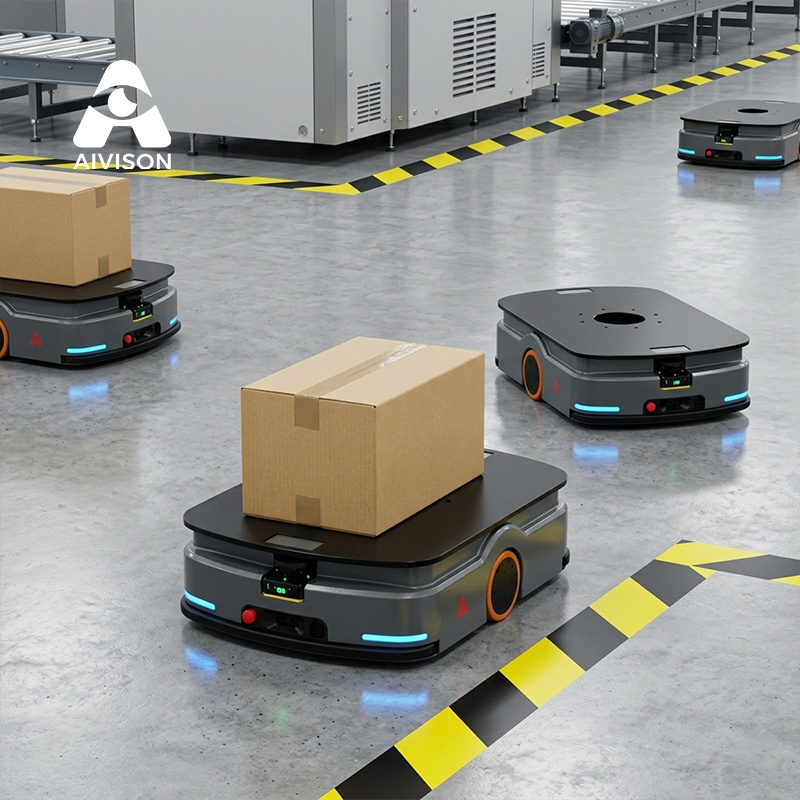
Autonomous Mobile AMR Robot 300kg Payload Laser Guided AGV for Carry Goods in Factory
A compact light-payload platform for electronics, medical assembly and narrow-aisle replenishment. Suitable for Munich sites that need frequent, short-distance transfers with automatic opportunity charging.
High-performance Intelligent Smart Automated Guided Vehicle 2000kg AMR Robot
Heavy-duty AMR for pallet and large-carrier transfer in production and warehouse zones. A strong fit for Bavarian automotive suppliers and machinery producers that need stable throughput and scheduled charging.
Smart Transport Robotic with Laser Navigation Reach 2000KG AGV Logistics Robots Warehouse Robot AMR
Laser-navigation transport robot for logistics and warehouse flows. Designed for repetitive goods movement where automatic charging docks and Wi-Fi fleet scheduling reduce idle time.
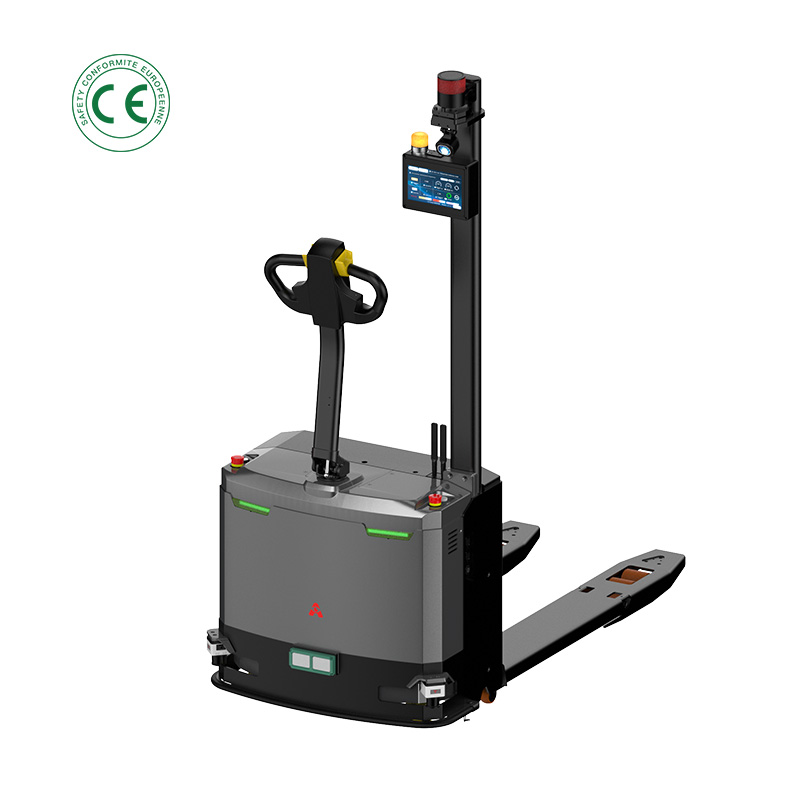
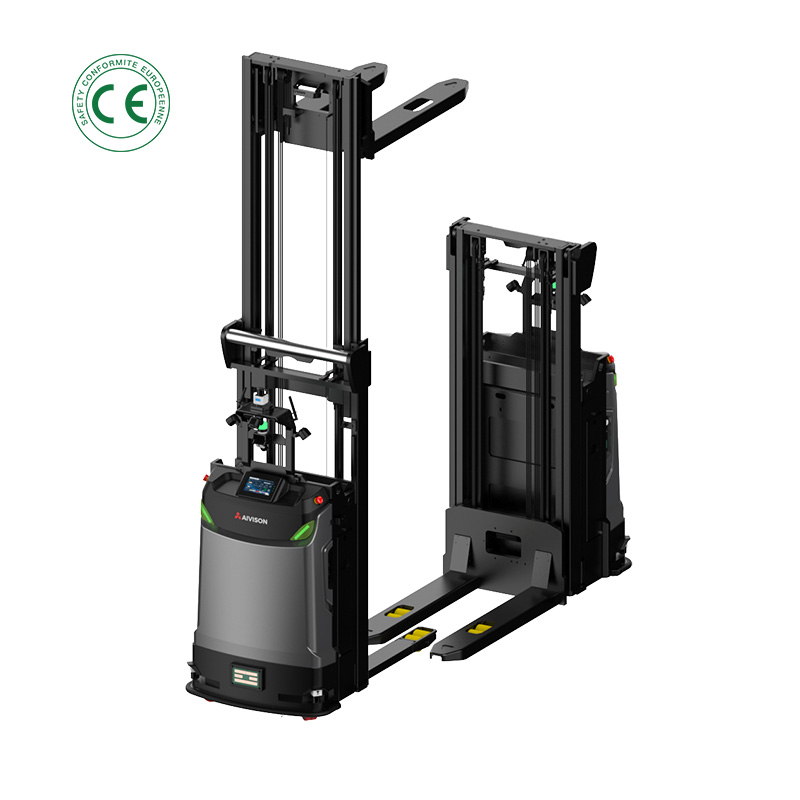
Autonomous Mobile Robot AMR AGV Forklift Pallet Stacker CE Certificate for Smart Warehouse and Production Line Automation
A CE-certified AMR forklift concept for pallet handling, stacking and production-line automation. Useful where Munich buyers want to reduce manual forklift traffic while keeping pallet workflows familiar.
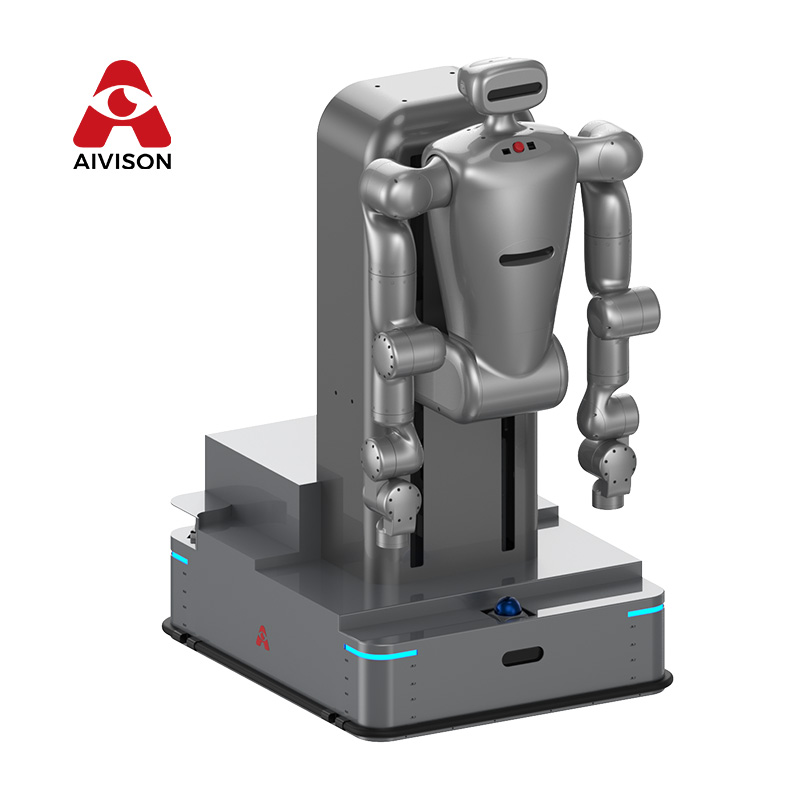
Omnidirectional Mobile Manipulator AMR Dual 7-DOF Arms ±0.03 mm Repeatability Laser SLAM Humanoid Robot Base
High-precision mobile manipulator for research, inspection and complex handover tasks. The omnidirectional base and dual arms support advanced Munich automation projects that require mobility plus manipulation.
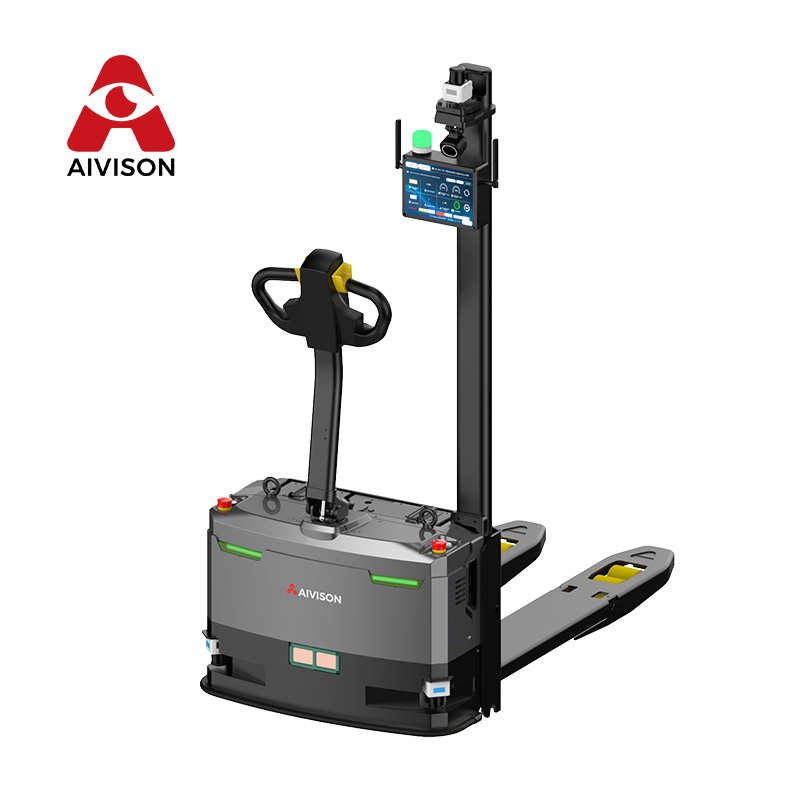
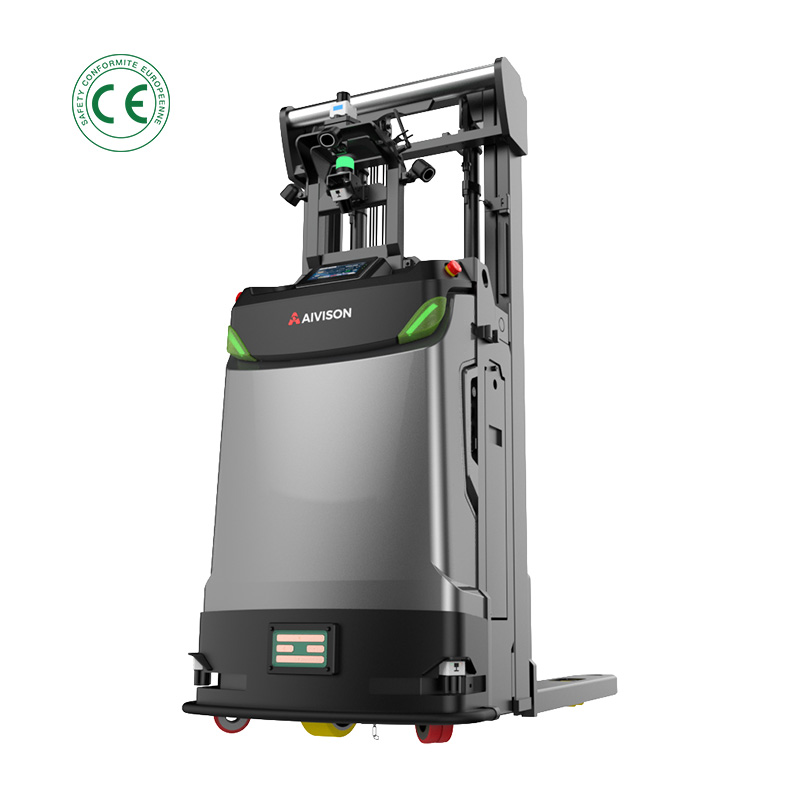
Aivison AGV Forklift High Quality Industrial Unmanned Pallet Forklift
Industrial unmanned pallet forklift for repetitive handling and warehouse automation. A practical option for Munich logistics operations that need to automate standard pallet movements with clear safety boundaries.
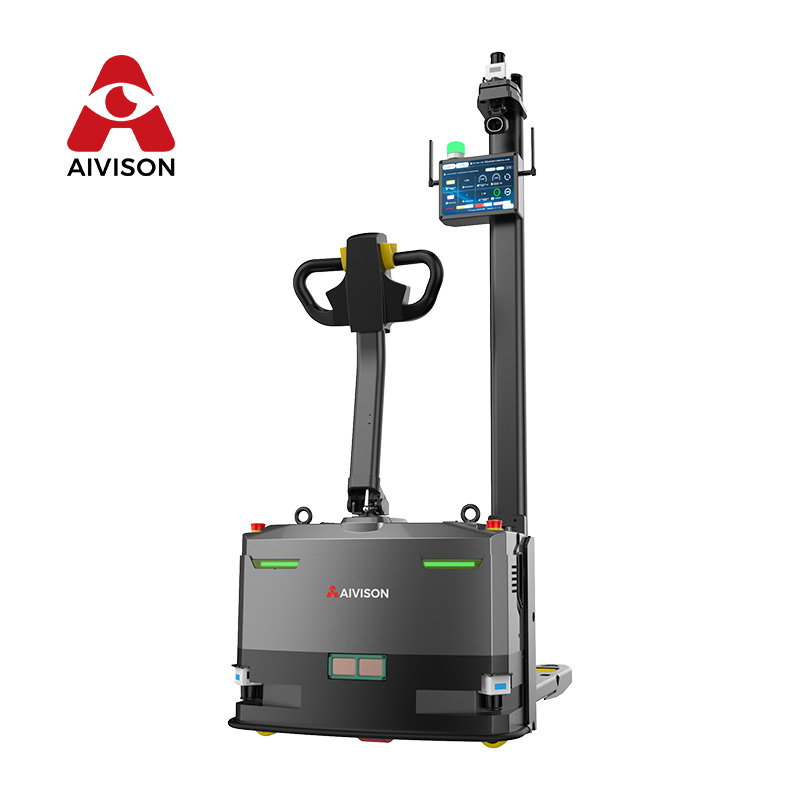
Customizable 1500KG Traction Capacity AGV Autonomous Mobile Robot Amr with Lidar Guided Sensor
A customizable traction platform for carts, racks and production-line delivery. Munich integrators can specify top modules and charging strategy around the existing load carrier rather than changing the process.

AI-Ready Humanoid Robot Chassis Dual 7-DOF Arms Omnidirectional Drive ROS2 Laser SLAM Open Development Platform
An open development platform for AI, ROS2 and humanoid robotics research. Suitable for Munich universities, R&D teams and integrators building advanced manipulation or service-robot prototypes.
Manufacturer Advantages for Munich AMR and Charging Pile Projects
Shenzhen Marnix Intelligent Technology Co., Ltd. builds laser SLAM AMRs, jacking robots, smart forklifts, composite mobile robots and intelligent charging docks. The advantage is not a single catalogue item—it is the ability to engineer the robot, charging interface and fleet workflow as one system.
About ten years of AGV engineering
Our team has accumulated roughly a decade of AGV experience. That practical knowledge matters when a Munich buyer needs a layout reviewed, a charging strategy validated or a top module adapted to a non-standard rack.
Laser SLAM plus QR precision options
Standard laser SLAM reaches ±5 mm without auxiliary tracks. A QR scanning camera raises precision to ±2 mm at selected stations, and composite robots with a 6-axis arm can reach ±0.05 mm repeatability for specialized processes.
Complete charging ecosystem
Automatic charging docks can be specified with the robot fleet, including compatible docking logic and fleet scheduling. This reduces interface risk between the charging pile supplier, robot supplier and integration team.
Wi-Fi fleet scheduling
Robots are managed by an intelligent scheduling system over indoor Wi-Fi, enabling simultaneous task assignment, traffic control and automatic charging with compatible smart charging docks.
Independent assessment and quality focus
Marnix has undergone onsite supplier assessment by TÜV Rheinland and is a supplier to a Fortune 500 company. Multi-stage intelligent inspection and extensive operational testing are built into the route from assembly to shipment.
Manufacturer-level customization
Custom chassis, jacking units, roller conveyors, forklift forks and 6-axis arms can be engineered around the production interface. For Munich integrators, this means more freedom to match the robot to the line instead of forcing the line to match a standard robot.
 TÜV Rheinland onsite assessment
 Supplier to Fortune 500
 Verified supplier capability
How to Move from Requirement to a Munich-Ready AMR and Charging Pile Proposal
From our project experience, a small set of inputs determines most of the robot selection and charging layout. Sharing them upfront shortens evaluation from weeks to days.
Share the load and route
Provide maximum load, rack or pallet footprint, aisle widths, doors, slopes, lift points and any floor restrictions. Add a CAD sketch or video walk-through if available.
Define throughput and precision
State missions per hour, peak periods and the stations where ±5 mm, ±2 mm or arm-level precision is truly required. Avoid precision where it adds cost without process value.
Review the charging strategy
Map natural idle windows, break areas, shift changes and handover zones. Then size the automatic charging piles, battery capacity and opportunity-charging logic around the duty cycle.
Validate interface and documentation
Confirm Wi-Fi coverage, MES/WMS or equipment interfaces, safety responsibilities and CE documentation needs. The final proposal should include spares and commissioning support.
Common Questions About Automatic Charging Piles and AMR Suppliers
These are the questions Munich buyers most often ask during early technical and commercial screening.
What is an automatic charging pile, and how does it work with an AMR fleet?
In AMR and AGV projects, an automatic charging pile is an automatic charging dock or station. The robot parks at the dock, the contacts engage, and the fleet software monitors charging status before releasing the robot for the next mission. The important engineering questions are contact alignment, dock placement, power availability, safety zones and how charging is scheduled against task priority. The charger and robot should be evaluated together, not as unrelated purchases.
How many automatic charging piles does a Munich fleet need?
The number is calculated from missions per hour, average travel distance, battery capacity, acceptable state of charge, shift patterns and available idle windows. A high-throughput Munich production line may need more frequent opportunity charging than a low-volume warehouse. The right answer is a fleet simulation or engineering calculation, not a fixed ratio. Marnix reviews payload, layout, throughput and charging windows together before recommending a dock count.
Can Marnix supply only the charging pile, or must we buy the complete AMR system?
Most successful projects treat the charging pile, robot and fleet controller as one interface. Where a project requires dock replacement or fleet expansion, compatible charging docks can be quoted with the AMR system. For a new Munich deployment, we recommend defining the complete energy and dispatch strategy so that the charging pile does not become the bottleneck after commissioning.
Do Marnix robots require floor QR codes or magnetic tape?
No for standard laser SLAM routes. The robot maps natural features and navigates without auxiliary tracks, reflectors or floor QR codes. QR labels can be added only at stations that need tighter docking precision, for example ±2 mm handover points. This keeps most of the Munich floor flexible while allowing precision where the process truly requires it.
What should German buyers review for CE documentation, safety and integration?
German sites typically need a clear risk assessment, emergency-stop logic, traffic rules and documented integration boundaries. CE-related documentation and declarations should be confirmed for the exact robot and configuration being purchased. The charging dock location should also be reviewed with the site safety team for contact protection, access control and floor marking. Marnix provides configuration information to support the buyer’s engineering and safety review.
Can the robots connect to MES, WMS or a VDA 5050-type environment?
Interface requirements should be reviewed during engineering. Munich factories often operate a mix of WMS, MES, PLC and fleet-control systems, and the correct interface depends on the existing architecture. Marnix can discuss task dispatch, status feedback and equipment handover requirements; the final interface scope must be documented in the project specification.
How do we start a Munich project evaluation?
Send your payload, floor layout, throughput target, docking precision, Wi-Fi coverage and equipment interfaces through the quote button or to info@marnixbot.com. Our team will help translate those inputs into a recommended robot platform, charging strategy and next-step proposal. Early technical clarity reduces the risk of buying an automatic charging pile that is either undersized or disconnected from the real fleet workflow.
Specify a Munich-Ready AMR and Automatic Charging Pile Project
Share your payload, layout, throughput and precision requirements. Marnix will propose a robot configuration, charging strategy and route to a practical factory acceptance plan.