8 Automated Material Handling Systems for Columbus Distribution, 3PL and Production Teams
For Columbus, Ohio, buyers comparing automated material handling suppliers and wholesalers, the right decision is not simply the lowest robot price. It is the system that fits existing aisles, pallet standards, Wi-Fi coverage, conveyor handoffs, safety routines and peak-season flexibility. These eight Marnix platforms cover the material-flow gaps we most often see in Central Ohio.
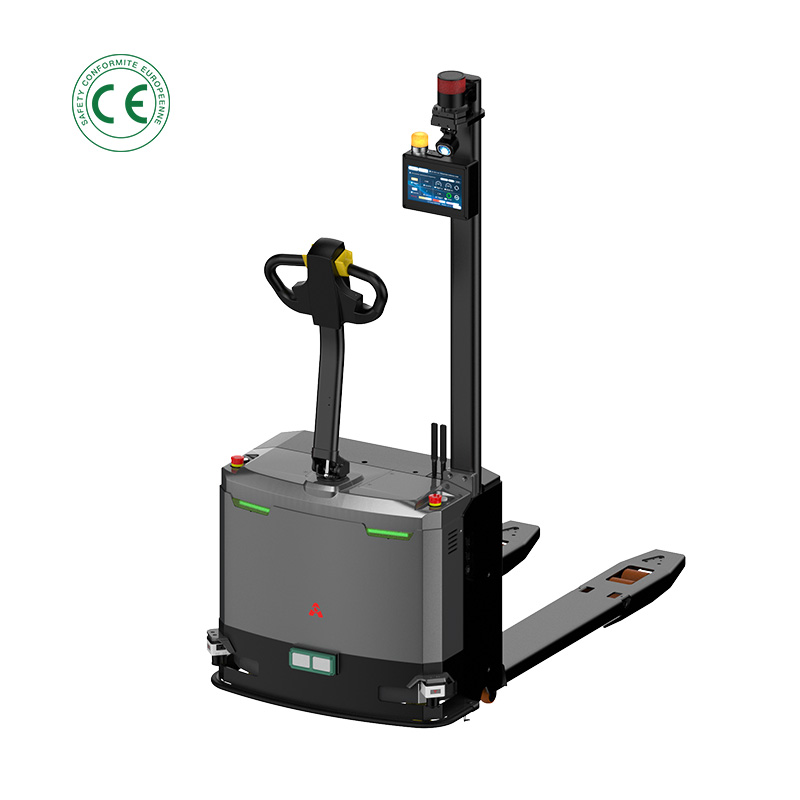
CE Certification Industrial AMR AGV Robot for Warehouse Automation Autonomous Material Handling Logistics
A trackless, general-purpose AMR for warehouse transfers, replenishment and conveyor handoff. Laser SLAM maps natural features, so existing aisles can be mapped without magnetic tape or reflector grids.
Columbus fit: flexible material movement for 3PLs and distribution centers near the Rickenbacker logistics corridor and the I-70/I-71 network.

Warehouse Robot Robotics 2000KG CE Warehousing Automatic Forklift Stacking AGV
A 2,000 kg-class automated stacking forklift for repetitive pallet staging, rack feeding and outbound buffer handling, built around predictable cycle times.
Columbus fit: ideal for distribution operations that need heavy pallet movement without committing to fixed conveyors or full AS/RS infrastructure.
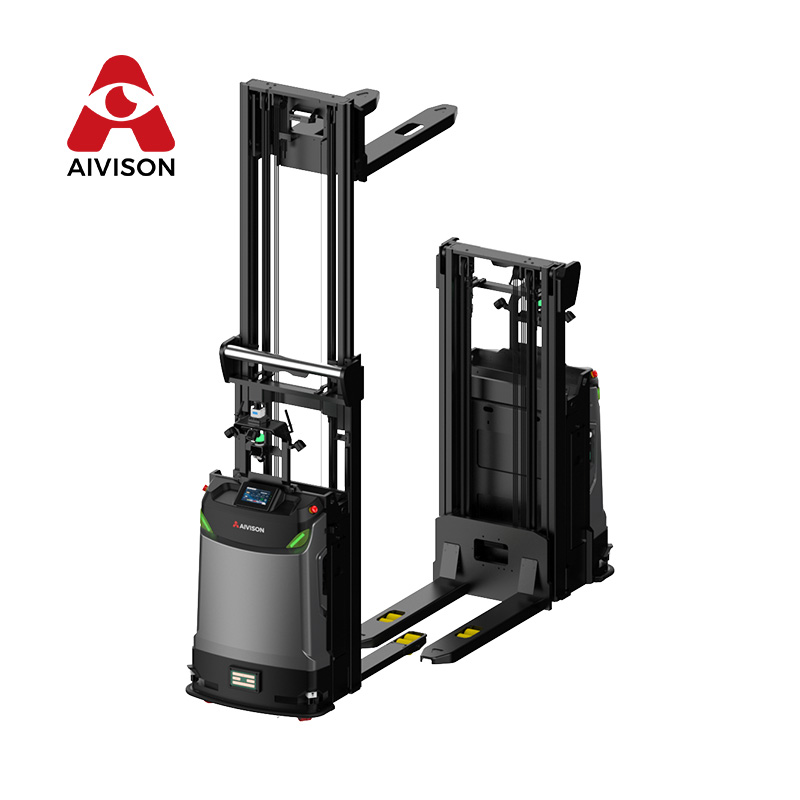
High Precision agv Forklift Full Servo Motor Controlled Laser Forklift with Heavy Load 2000kg
Full servo motor control supports accurate fork entry and load placement for racking where small positioning errors can become costly damage.
Columbus fit: recommended for high-tolerance racking, dense pallet storage and production-adjacent warehouses where pallet quality varies.

Omnidirectional Mobile Manipulator AMR Dual 7-DOF Arms ±0.03 mm Repeatability Laser SLAM Humanoid Robot Base
A high-precision composite robot platform combining omnidirectional mobility with dual 7-DOF arms for machine tending, assembly support and station-to-station manipulation.
Columbus fit: suited to advanced manufacturing pilots, research programs and integrators developing higher-value automation around Central Ohio.

New Warehouse Autonomous Cars agv Robot 2000kg Load Capacity Stacker agv Robot
A 2,000 kg autonomous stacker robot for inbound and outbound flow, WIP staging and buffer management where repetitive pallet moves consume skilled labor.
Columbus fit: a practical first automation step for warehouses around Columbus that want to stabilize pallet movement before scaling a full fleet.

Humanoid Robot Chassis Dual 7-DOF Arms Laser SLAM Omnidirectional Navigation ROS2 Open Platform AMR
An open ROS2 mobile manipulator platform for robotics developers, university labs, system integrators and advanced manufacturing teams that need to build custom applications.
Columbus fit: valuable for Central Ohio R&D and engineering teams that prefer an open platform over a closed, single-purpose robot.
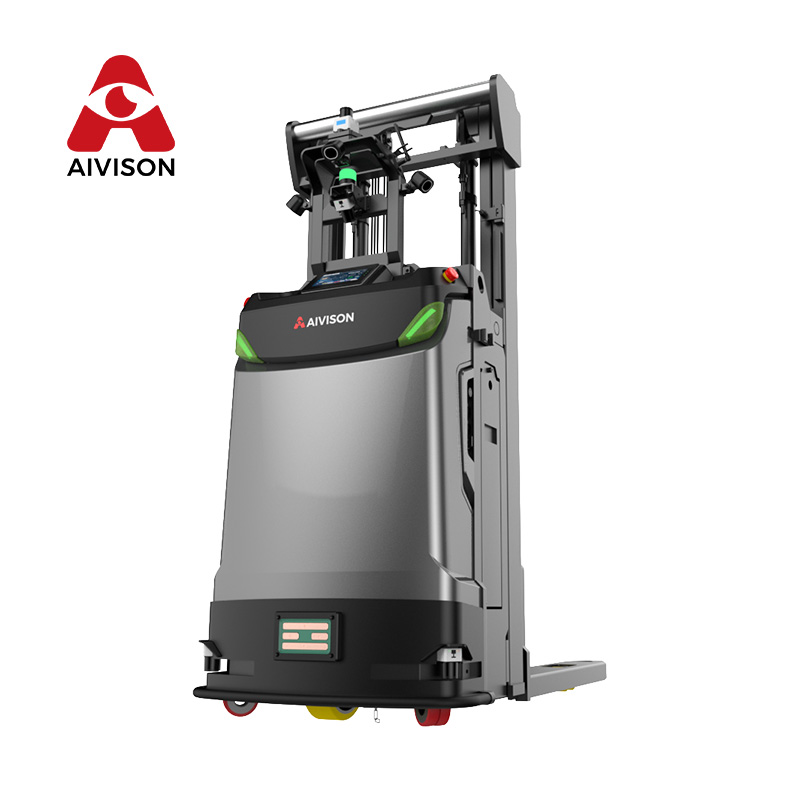
Autonomous Mobile Robots (AMR) Implement Cargo Transportation Between Warehouse and Conveyor Line
A conveyor-integration AMR solution for transferring goods between storage, staging and fixed conveyor lines with reduced manual handling.
Columbus fit: useful for e-commerce fulfillment, parcel sortation and manufacturing sites where fixed conveyors are already part of the process.

Automatic Handling CE Certificate 2000kg Forklift Robot Vehicle Laser AGV for Large Load Goods-carrying
A large-load automatic forklift robot for heavy goods carrying, trailer staging and repetitive long-distance pallet transport inside the site.
Columbus fit: well matched to Central Ohio operations that move bulky loads and want to reduce forklift traffic in shared pedestrian zones.
Why Columbus Buyers Need More Than a Catalog Wholesaler
Central Ohio is a serious material-flow market. Decisions made around Rickenbacker, I-270 and the region’s industrial corridors deserve engineering evidence, not generic product sheets.
The Columbus Region has become a Midwest distribution and advanced-manufacturing node. The area’s combination of air cargo access, interstate corridors, 3PL campuses, e-commerce fulfillment centers, automotive suppliers, electronics operations, medical-device production and growing technology talent creates a wide range of material handling requirements. A warehouse in one part of Franklin County may need 24/7 pallet staging, while a production line in a neighboring county may need ±2 mm docking or a mobile manipulator for machine tending.
That is why the phrase automated material handling suppliers and wholesalers for the Columbus market should be evaluated in terms of application fit. A buyer needs a supplier who can explain where laser SLAM is sufficient, where QR-assisted precision is justified, how fleet scheduling will work over indoor Wi-Fi, what top module connects to the existing conveyor or rack, and how spare parts and commissioning support will be handled after the purchase order. Marnix approaches Columbus projects from that engineering-first perspective.
As a Shenzhen-based manufacturer with about ten years of AGV experience, Marnix supplies laser SLAM AMRs, jacking robots, smart forklifts, composite mobile robots, autonomous stackers and intelligent charging docks. For Columbus end users, the value is factory-level customization and direct technical communication. For wholesalers and system integrators serving Central Ohio, the value is a product platform that can be adapted with jacking units, roller conveyors, forklift forks and 6-axis robotic arms rather than forced into a standard catalog configuration.

What Marnix Brings to a Columbus Material Handling Project
Columbus procurement teams compare suppliers on five practical questions: can the robot fit the site, can the supplier customize it, can the fleet be coordinated, can quality be verified, and can the partner support integrators?
Factory-Level Engineering Depth
About ten years of AGV manufacturing experience supports chassis, payload and top-module customization instead of a one-size-fits-all catalog approach.
Precision Without Floor Rework
Laser SLAM delivers ±5 mm positioning without magnetic tape, reflectors or floor QR codes. Add a QR scanning camera only where ±2 mm docking is required.
Complete AMR Portfolio
Jacking robots, pallet AMRs, smart forklifts, autonomous stackers, composite robots and compatible smart charging docks come from one manufacturing source.
Fleet Coordination Over Wi-Fi
An intelligent scheduling system supports simultaneous task assignment, traffic control and automatic charging for multi-robot operations.
Quality and Verified Credentials
Multi-stage intelligent inspections and thousands of operational stress tests support reliability. TÜV Rheinland onsite assessment and Fortune 500 supplier records strengthen due diligence.
Integrator and Wholesale Support
OEM and integrator support includes custom top modules, documentation and factory engineering communication for dealers and automation partners serving Columbus.
Where Automated Material Handling Fits in Columbus Operations
Columbus is not a single buying environment. The right robot depends on whether the site is a multi-client 3PL, a high-bay warehouse, a production line or a mixed-traffic distribution floor.
3PL and Multi-Client Fulfillment
Laser SLAM AMRs and stackers can move pallets between receiving, staging and pick zones without dedicated floor tracks. When client layouts change, routes can be re-mapped without shutting down the building for floor reconstruction.
E-commerce Peak and Returns
Central Ohio fulfillment operations face seasonal spikes and returns processing. A modular AMR fleet can be scaled by adding robots and charging docks, while QR assist can improve precision at selective handoff stations.
High-Shelf and Pallet Storage
For racking and high-shelf storage, ±5 mm SLAM navigation handles most transfer work. Where rack tolerances are tight, a QR code camera can raise docking accuracy to ±2 mm only at the stations that need it.
Warehouse-to-Conveyor Handoff
Conveyor-integration AMRs connect storage and staging with fixed conveyors. This reduces manual carrying and keeps handoff points supplied without adding fixed conveyor runs to every aisle.
Production-Line Replenishment
Jacking robots and smart forklifts deliver line-side materials at stable takt time. Optional roller conveyors, forklift forks or robotic arms create a direct interface with production equipment.
Advanced Manufacturing and Composite Robotics
Composite mobile robots combine autonomous mobility with 6-axis arms or dual 7-DOF arms. For semiconductor, electronics, medical-device and precision assembly work, this supports machine tending and ±0.05 mm repeatability applications.
Market Trends Shaping Automated Material Handling Decisions in Central Ohio
Buyers are moving from isolated robot demonstrations to production-grade material flow. These four trends are changing how Columbus teams evaluate suppliers.
Brownfield-First Automation
Existing buildings are being retrofitted, not rebuilt. Trackless laser SLAM reduces the need for floor tape, reflectors and QR grids, shortening deployment and preserving layout flexibility.
Mixed Fleets and Software Integration
Columbus buyers increasingly ask how robots connect with WMS, MES, conveyors and existing forklifts. Fleet scheduling, open ROS2 options and modular interfaces matter as much as payload.
Labor Resilience and Safety
High turnover and mixed pedestrian traffic push teams toward robots that handle repetitive pallet moves while reducing forklift congestion in shared zones.
Modular Scaling for Peak Seasons
Rather than automating an entire site at once, many operations start with one or two robots, validate the workflow, then add docks, top modules and additional vehicles as volume grows.
Match Navigation Accuracy to the Columbus Site, Not the Demo
Over-specifying precision adds cost and complexity. Use the lowest precision level that reliably completes the task, then add QR assist or composite robotics only where the process demands it.
| Configuration | Accuracy | Floor Setup | Best Use in Columbus |
|---|---|---|---|
| Laser SLAM on natural features | ±5 mm | No tape, reflectors or floor QR codes | Warehouse transfer, line-side delivery, 3PL replenishment and sites with changing layouts |
| SLAM + QR code camera | ±2 mm | QR labels only where precision is needed | High-shelf storage, precision docking, conveyor handoff and wafer handling |
| Composite robot with 6-axis arm | ±0.05 mm | Station calibration | Semiconductor, medical-device and precision assembly applications |
Proof Columbus Procurement Teams Can Audit
Automation suppliers should be evaluated like production equipment vendors. Certification, third-party assessment, trade history and factory testing are part of the buying decision.
TÜV Rheinland Onsite Assessment
Company premises and operations verified through an independent onsite supplier assessment.
Fortune 500 Supplier Record
Procurement contract with a Fortune 500 company, assessed by independent third parties.
Verified Multispecialty Supplier
Low-MOQ customization and multi-category robot procurement capability for varied project scopes.
Credit and Trade Transparency
Credit index, transaction level and trade capacity records support supplier due diligence.

What to Prepare Before Requesting an AMR Proposal for Columbus
From project experience, six inputs determine most of the robot selection. Sharing them upfront shortens evaluation from weeks to days and reduces the risk of a mismatched quote.
Weight, footprint and center of gravity
Define the maximum pallet, rack or carrier weight, along with load dimensions and whether loads are stable during acceleration and braking.
Aisles, doors, slopes and elevator points
Provide a CAD drawing or marked-up floor plan showing aisle widths, no-go zones, charging locations, door types and any ramps or lifts.
Missions per hour and peak periods
Fleet size and charging ratio depend on real cycle time, peak volume, shift patterns and how much buffer inventory the operation can tolerate.
Where ±5 mm is enough and where it is not
Identify stations that truly require ±2 mm QR assist or robotic-arm precision. This avoids unnecessary floor labels and project cost.
Access points and coverage quality
Fleet scheduling depends on reliable indoor Wi-Fi. Share a coverage map and note dead zones, steel racking interference or roaming issues.
Conveyors, machines and existing forklifts
List every handoff point, PLC interface, safety zone and top-module requirement so the robot can connect to the process rather than work around it.
Common Questions from Columbus Material Handling Buyers
These are the questions procurement, operations and engineering teams ask most often when comparing automated material handling suppliers and wholesalers.
Are you a local Columbus supplier or a direct manufacturer?
Marnix is a Shenzhen-based manufacturer of AMRs, AGVs, jacking robots, smart forklifts and mobile manipulators. For Columbus projects, we support end users directly and collaborate with wholesalers and system integrators who handle local integration, installation and service. This keeps engineering communication close to the factory while giving buyers a practical local deployment path.
What robot should a Columbus 3PL or warehouse start with?
Most operations begin with a general-purpose laser SLAM AMR, a 2,000 kg autonomous stacker or a smart forklift, depending on pallet flow and racking. If conveyor handoff is the main bottleneck, the conveyor-integration AMR is often more suitable. We recommend starting with one repeatable route, proving cycle time and safety, then scaling the fleet.
Do we need to modify the floor or install QR codes everywhere?
No. Standard laser SLAM maps the existing environment and reaches ±5 mm without magnetic tape, reflectors or floor QR codes. QR labels are added only at stations that require ±2 mm docking precision. This is important for Columbus brownfield warehouses where production cannot stop for floor reconstruction.
Can the robots integrate with our WMS, MES, conveyors and existing forklifts?
Yes, integration is planned around the project. Marnix supports fleet scheduling over indoor Wi-Fi, custom top modules such as roller conveyors and robotic arms, and engineering communication for integrators. For sites with existing WMS or MES workflows, the project team defines the task interface and handoff logic during the evaluation stage.
How are quality and precision verified before shipment?
Robots pass multi-stage intelligent inspections and operational stress tests before factory acceptance. Navigation accuracy is specified by configuration: ±5 mm laser SLAM, ±2 mm with QR assist, and ±0.05 mm repeatability for composite robots with a 6-axis arm. Product-specific platforms such as the dual 7-DOF manipulator list ±0.03 mm repeatability for appropriate applications.
What is the fastest way to get a Columbus project proposal?
Share your load profile, site layout, throughput target, docking precision, Wi-Fi coverage and equipment interfaces. With those inputs, the engineering team can recommend a robot configuration, estimate fleet size and outline the path from feasibility to factory acceptance and shipping to Central Ohio. Use the inquiry button below to start the review.
Request a Columbus Project Review
Tell us what moves, how far, how often and where precision matters. Marnix will map your requirement to a laser SLAM AMR, smart forklift, jacking robot, autonomous stacker or composite mobile robot configuration.
Direct manufacturer support for Central Ohio: info@marnixbot.com