8 AMR, AGV and Robotic Platforms for Can Tho Fleet Projects
Configure a mixed fleet from one manufacturing source. Each product link below is preserved exactly; where a platform fits a Can Tho workflow, request a layout review covering payload, aisle width, throughput, docking tolerance and charging strategy.

Hot Selling Logistics Navigation Detector Sensor Lidar Manufacturers Direct Sales
Navigation sensing for logistics AMRs, suitable for integrators and fleet builders that need direct manufacturer communication on detection hardware.
View platform →
Humanoid Robot Chassis Dual 7-DOF Arms Laser SLAM Omnidirectional Navigation ROS2 Open Platform AMR
Advanced humanoid chassis for robotics R&D, flexible handling research and open-platform development with omnidirectional movement.
View platform →
AI-Ready Humanoid Robot Chassis Dual 7-DOF Arms Omnidirectional Drive ROS2 Laser SLAM Open Development Platform
AI-ready development platform for universities, automation labs and system integrators prototyping service or collaborative robotics.
View platform →
AGV AMR Autonomous Forklift Smart Version Auto Mobile Transfer Stacker Robot
Smart autonomous forklift platform for pallet transfer, stacking and repetitive warehouse movement in mixed-traffic operations.
View platform →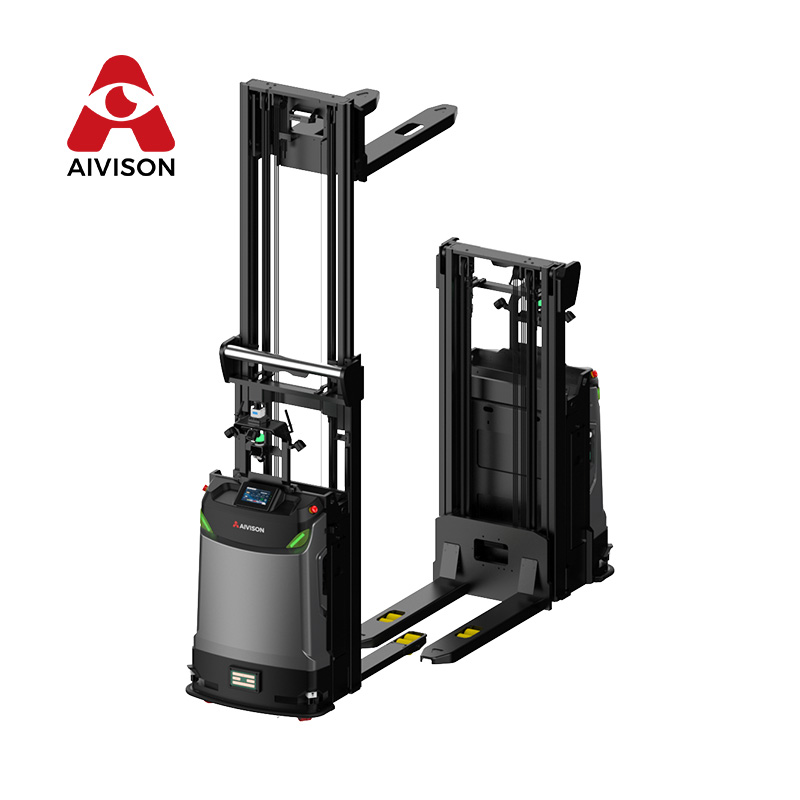
High Precision agv Forklift Full Servo Motor Controlled Laser Forklift with Heavy Load 2000kg
Heavy-load laser forklift with servo control for Can Tho warehouses moving dense pallets, finished goods and industrial materials.
View platform →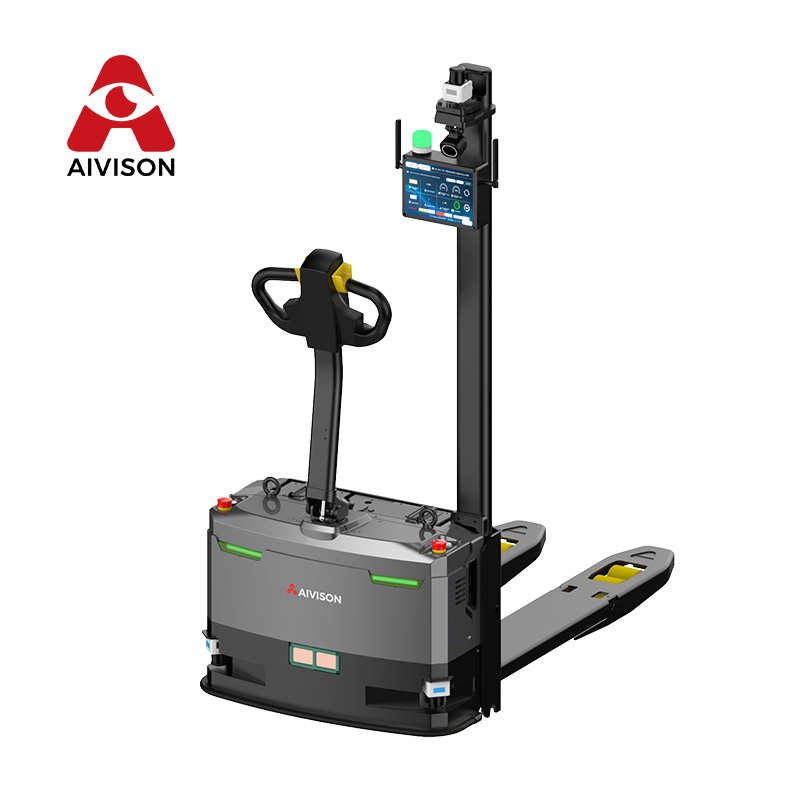
Aivison AGV Forklift High Quality Industrial Unmanned Pallet Forklift
Industrial unmanned pallet forklift for high-frequency handling where repeatability, safety and fleet dispatching matter.
View platform →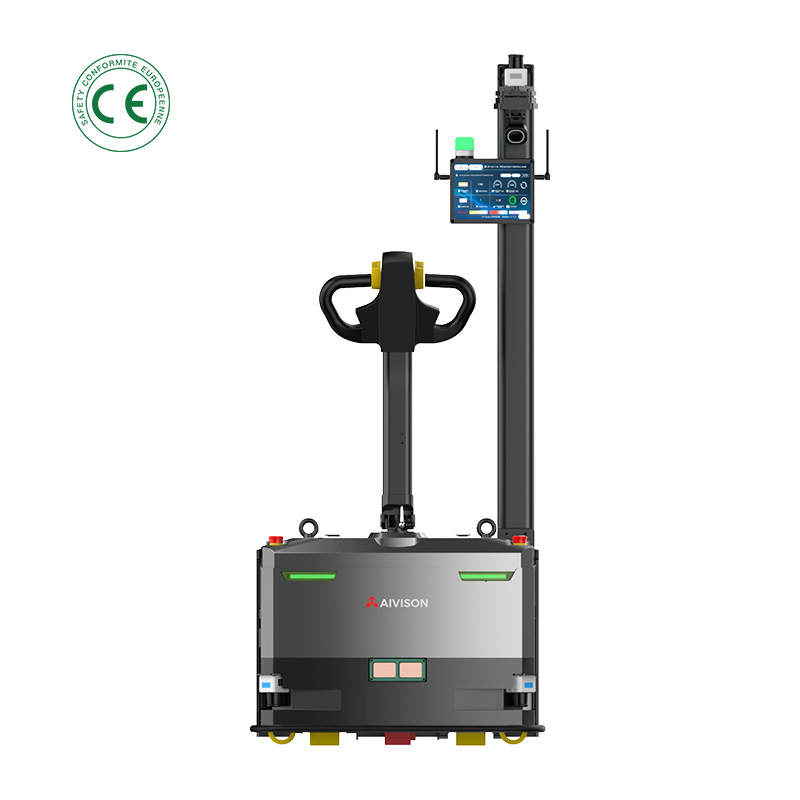
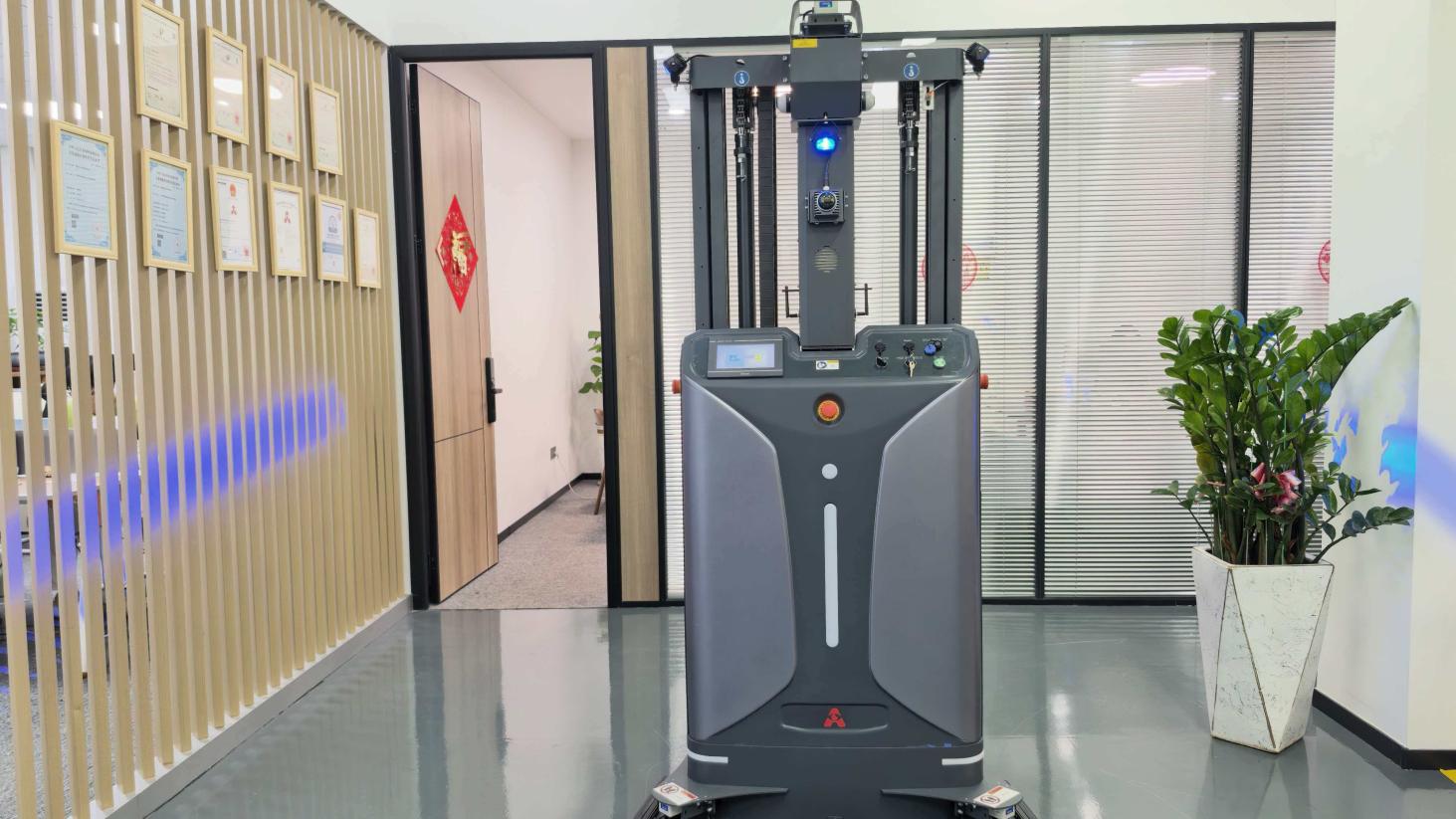
Autonomous Mobile Robot AGV CE Laser SLAM Navigation for Material Handling and Logistics
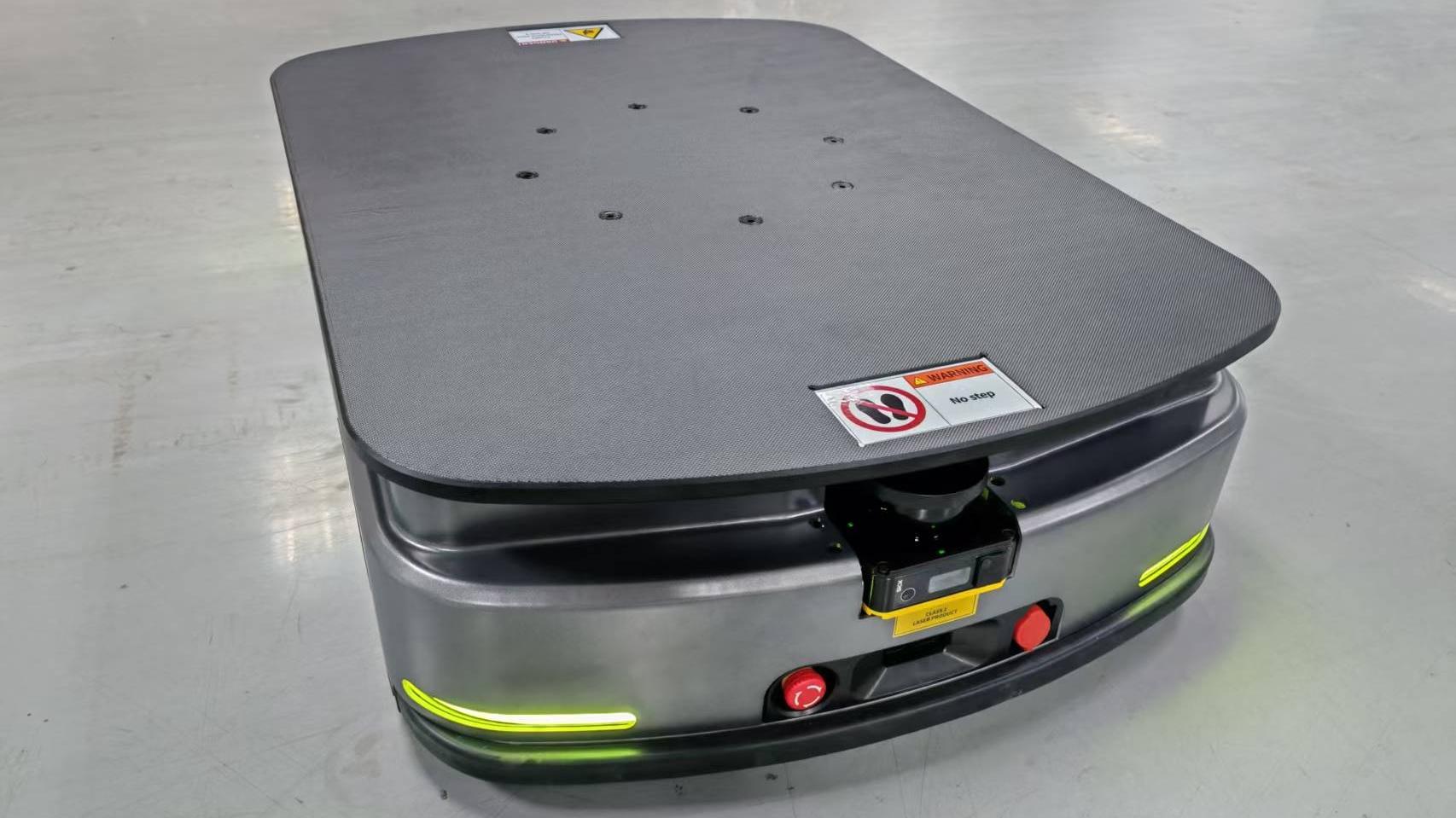
Core laser SLAM AMR platform for line-side delivery, warehouse transfer and coordinated material handling fleets.
View platform →
Omnidirectional Service Humanoid Robot Chassis Dual 7-DOF Arms Laser SLAM Navigation for Hospitality and Retail
Service-oriented humanoid chassis for hospitality, retail and customer experience pilots where safe navigation and flexibility converge.
View platform →What AMR Fleet Management Means for Can Tho Manufacturers and Wholesalers
Can Tho is more than a destination on a logistics map. As the Mekong Delta’s commercial and transport gateway, the city connects industrial parks such as Tra Noc, Hung Phu, Thot Not and O Mon with river corridors, road freight and Can Tho Port. For food processing, rice, aquaculture, textiles, footwear, light manufacturing, warehousing and port-adjacent distribution, the real bottleneck is rarely a single slow robot. The bottleneck appears when people, pallet trucks, forklifts, racks, charging points and production schedules are not coordinated as one material-flow system.
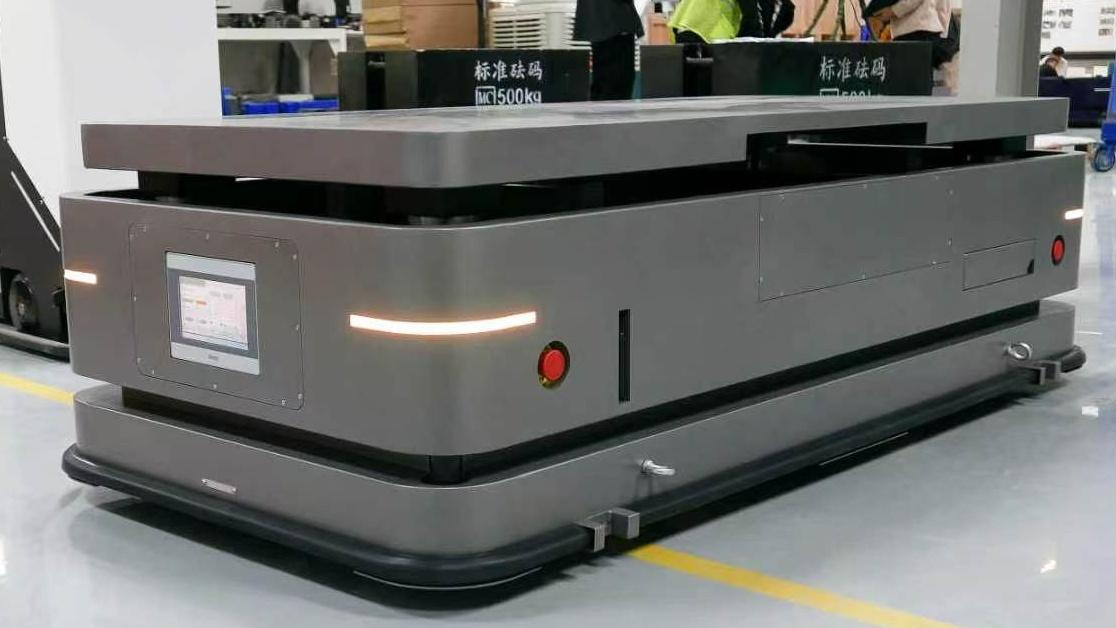
AMR fleet management turns individual autonomous mobile robots into a managed operating layer: laser SLAM mapping, indoor Wi-Fi dispatching, traffic control, task sequencing, automatic charging and top-module customization. A Can Tho factory may begin with two jacking robots moving racks from line-side storage, add a pallet AMR for finished goods, and later introduce a smart forklift for trailer loading or high-bay transfer. Because the platforms share a navigation core, the mixed fleet can operate from common maps and dispatch rules instead of remaining a collection of isolated machines.
Shenzhen Marnix Intelligent Technology Co., Ltd. is a direct manufacturer and wholesaler with about ten years of AGV engineering experience. According to the company’s published credentials, Marnix has served more than 200 manufacturers across three continents, has been assessed onsite by TÜV Rheinland, and offers low-MOQ customization for eligible projects. For Can Tho buyers, this translates into three practical advantages: direct engineering communication, OEM/ODM flexibility for local integrators, and a precision ladder that helps avoid unnecessary floor reconstruction while still meeting critical docking tolerances.

Six Can Tho Trends Driving Demand for Managed AMR Fleets
Search intent around AMR fleet management in Can Tho often begins with a specific pain point—labour turnover, line-side stock-outs, forklift congestion, cold-chain traceability or a new warehouse. The strategic trend is a shift from isolated automation to coordinated material flow.
Mekong Delta logistics gateway growth
Can Tho’s port, river and road links support cross-docking, distribution and warehouse expansion. A fleet approach scales better than adding manually driven pallet trucks during peak season.
Food, rice and aquaculture processing
Repetitive pallet movement, hygiene procedures and traceability pressure make scheduled AMR transfer attractive—provided top modules, cleaning routines and safety rules are defined before deployment.
Industrial park layout changes
In Tra Noc, Hung Phu and nearby zones, production lines and storage zones evolve. Laser SLAM re-maps routes without magnetic tape or major floor rework, reducing changeover friction.
Mixed-traffic safety expectations
People, forklifts, trucks and carts share the same floor. Dynamic obstacle avoidance plus Wi-Fi traffic control helps prevent congestion at intersections, doors and handover points.
Labour flexibility and 24/7 uptime
Shift stability and peak throughput are recurring procurement concerns. Auto charging, opportunity charging and fleet dispatching keep robots productive across changing shift patterns.
Local integrator ecosystems
Vietnamese system integrators need manufacturer-level support for custom chassis, rollers, forks and arms. OEM/ODM collaboration lets integrators deliver localized automation without building robots from scratch.
Localized AMR Applications in and around Can Tho
Use these scenarios as an evaluation framework, not a one-size-fits-all blueprint. Payload, aisle width, floor condition, Wi-Fi coverage and handover precision should be validated during the site review.
Tra Noc and Hung Phu intra-logistics
Move raw materials, packaging and finished goods between warehouses, staging areas and production lines using jacking robots, pallet AMRs or smart forklifts.
Cold-chain and food factory transfer
For temperature-controlled operations, the battery, sensors and materials must be validated against the target temperature band. AMRs can reduce repeated pallet movement and stabilize line-side supply.
Textile and footwear line-side delivery
Racks, totes and WIP carriers can be scheduled from central storage to workstations, reducing manual push-cart traffic and improving replenishment timing.
Warehouse and port-adjacent distribution
Use ±5 mm laser SLAM for general transfer and add QR-assisted ±2 mm docking only where high-shelf storage or machine handover requires tighter precision.
Electronics and light assembly support
Component and WIP transfer can be supported by AMRs with roller, conveyor or lifting modules, connecting islands of automation without rebuilding the entire line.
Hospitality and retail service pilots
Can Tho’s tourism and service economy creates controlled environments for omnidirectional service humanoid chassis pilots, always subject to safety review, supervision and clear operating boundaries.
Match Navigation Precision to the Work, Not the Hype
Most Can Tho projects do not need millimetre precision at every station. The right design uses the least infrastructure that still protects quality, cycle time and safety.
Laser SLAM on natural features reaches ±5 mm positioning without magnetic tape, reflectors or floor QR codes. Add a QR scanning camera only at stations that need ±2 mm docking. Composite robots with a 6-axis arm can reach ±0.05 mm repeatability when the workstation is calibrated. Over-specifying every aisle inflates cost and maintenance; under-specifying one critical handover can stop the line.
| Configuration | Accuracy | Floor Setup | Typical Can Tho Use |
|---|---|---|---|
| Laser SLAM on natural features | ±5 mm | No tape, reflectors or floor codes | Warehouse transfer, line-side delivery, work-in-process movement, changing layouts |
| SLAM plus QR code scanning camera | ±2 mm | QR labels only where precision docking is needed | High-shelf storage, machine handover, precise pallet docking |
| Composite robot with 6-axis arm | ±0.05 mm | Station calibration | Semiconductor, medical device assembly and precision pick-and-place |
Fleet management is the layer that turns these configurations into one operating system. Onboard lidar and safety sensors handle immediate perception; indoor Wi-Fi scheduling assigns tasks, controls traffic and coordinates charging; top modules such as jacking units, roller conveyors, forklift forks or robotic arms connect the robot to the real process. Before quoting, engineers should check aisle widths, door clearances, floor flatness, Wi-Fi coverage, charger locations and handover heights. Can Tho buyers should also decide who owns dispatching data: an existing WMS/MES interface, a stand-alone fleet controller or a phased manual-to-automatic plan. Without that ownership, a fleet project becomes an expensive demonstration.
Dynamic obstacle avoidance
Supports safer operation in mixed human, forklift and cart traffic.
Wi-Fi fleet scheduling
Coordinates simultaneous task assignment, traffic control and dispatching.
Automatic charging
Works with compatible intelligent charging docks for continuous duty cycles.
Illustrative Fleet-Readiness Weighting Before an AMR Quote
A productive RFQ is an operating brief, not a model-number list. This illustrative weighting shows why layout and throughput data matter as much as robot specifications.
Illustrative evaluation weighting only, not a performance claim or a substitute for engineering review.
Why Marnix Is a Direct Manufacturer & Wholesaler for Can Tho Fleets
Can Tho buyers and Vietnamese integrators need more than a catalogue. They need a manufacturing partner that can explain navigation trade-offs, customize top modules and support a fleet after commissioning.
About ten years of AGV engineering
Shenzhen Marnix Intelligent Technology Co., Ltd. draws on roughly a decade of AGV manufacturing experience, with R&D and production focused on mobile robots and navigation systems.
One source for mixed fleets
Jacking robots, pallet AMRs, smart forklifts, composite robots, humanoid chassis platforms and intelligent charging docks can be specified from one factory-side team.
SLAM-first, retrofit-friendly
±5 mm laser SLAM navigation avoids auxiliary tracks and floor QR codes in standard transfer zones. QR labels are added only at stations that need ±2 mm docking precision.
OEM/ODM top modules
Customization covers chassis and top mechanisms such as jacking units, roller conveyors, forklift forks and 6-axis robotic arms, helping integrators connect robots to real production equipment.
Multi-stage quality protocol
Published manufacturing practice includes multi-stage intelligent inspections and operational stress testing aimed at near-zero failure rates before shipment.
Verified trade credentials
Published credentials include onsite assessment by TÜV Rheinland, verified multispecialty supplier status, Fortune 500 procurement history and service to more than 200 manufacturers across three continents.


Can Tho Procurement Guide: What to Send Before an AMR Quote
From project experience, six inputs determine most fleet decisions. Sharing them upfront shortens engineering review from weeks to days and helps avoid an undersized or over-specified system.
Load profile
Maximum weight, rack or pallet footprint, centre of gravity and whether loads are stable during acceleration, lifting and turning.
Site layout
CAD drawing or sketch with aisle widths, doors, slopes, lift or elevator points, charging locations and any floor condition concerns.
Throughput target
Missions per hour, peak periods, shift patterns and available charging windows. These inputs drive fleet size and charger count.
Docking precision
Identify where ±5 mm is enough and where ±2 mm QR assist or arm-level precision is required. Precision should be station-specific.
Infrastructure review
Wi-Fi coverage, access-point placement, floor flatness, power availability at charging points and site safety rules should be checked early.
Equipment interfaces
Conveyors, machines, racks, WMS/MES integration, handover heights and custom top-module needs should be described in the first RFQ.
Local Procurement FAQs from Can Tho Buyers
Straight answers for manufacturers, warehouse operators and system integrators evaluating AMR fleet management in Can Tho and the Mekong Delta.
Can Marnix supply AMR fleets to Can Tho and the Mekong Delta?
Marnix supplies autonomous mobile robots, jacking robots, smart forklifts and charging docks worldwide. For a Can Tho project, the practical starting point is a remote engineering review using your layout, payload, throughput, docking precision and Wi-Fi conditions. Shipment and commissioning scope can then be confirmed with your local integrator or project team.
Do we need magnetic tape, reflectors or floor QR codes throughout the factory?
No for standard laser SLAM navigation. Marnix AMRs can map natural features and operate at ±5 mm without auxiliary tracks or floor codes. QR labels are added only at stations where ±2 mm docking precision is required, such as high-shelf storage or precise machine handover.
Which robot should a Can Tho factory buy first?
Start with the highest-frequency, most repetitive transfer that has a stable route and clear handover. Many projects begin with a jacking robot or pallet AMR for line-side logistics, then add autonomous forklifts for pallet handling or high-bay transfer. A mixed fleet can share navigation and scheduling logic when the platforms are planned together.
Can Vietnamese system integrators request custom top modules?
Yes. As a manufacturer, Marnix customizes chassis and top modules such as jacking units, roller conveyors, forklift forks and 6-axis robotic arms. This is relevant for integrators building localized automation projects that must connect directly to production equipment.
How is pricing and MOQ determined for a Can Tho project?
Pricing depends on robot configuration, payload, top module, charger count and project scope. Low-MOQ customization is available for verified projects, while final MOQ depends on chassis and customization requirements. The fastest path is to submit the required payload and layout information through the inquiry button.
How do we start a fleet evaluation or request an engineer review?
Send your load profile, CAD or sketch layout, throughput target, docking tolerance, Wi-Fi coverage notes and equipment interfaces. You can also email info@marnixbot.com. The team can recommend a mixed fleet configuration and explain whether ±5 mm, ±2 mm or ±0.05 mm precision is appropriate for each station.
Start Your Can Tho AMR Fleet Evaluation
Share your payload, layout, throughput, docking precision and Wi-Fi conditions. Our engineers will recommend a mixed fleet configuration and charging plan aligned with your production flow—not a generic catalogue selection.
Email: info@marnixbot.com