8 AMR Platforms for Medan Charging-Pile and Material-Flow Projects
For Medan buyers comparing AMR charging pile suppliers and wholesalers, the charger is only one part of the decision. The larger question is whether the charging dock, robot chassis, fleet software, top module and spare-parts plan work together. Marnix supports that full evaluation, from single-robot deployments to mixed fleets coordinated over indoor Wi-Fi.
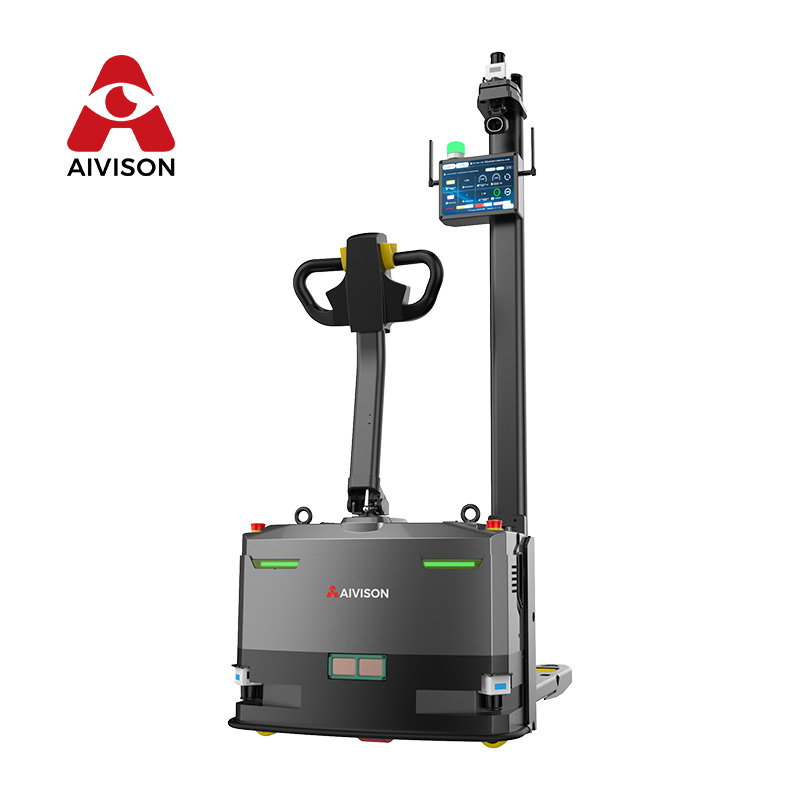
Customizable 1500KG Traction Capacity AGV Autonomous Mobile Robot Amr with Lidar Guided Sensor
For heavy tugger routes, pallet transfer and repetitive hauling between warehouse zones, with LiDAR-guided navigation and charging-dock compatibility for continuous shifts.

Aivison Stacker Truck Pallet Stacker Forklift Agv 1.5 Ton Autonomous Forklift Smart Deliver AMR Robot
An autonomous forklift option for pallet handling, stacker work and dispatch lanes where manual forklift travel can be reduced and charging windows planned around shift changes.
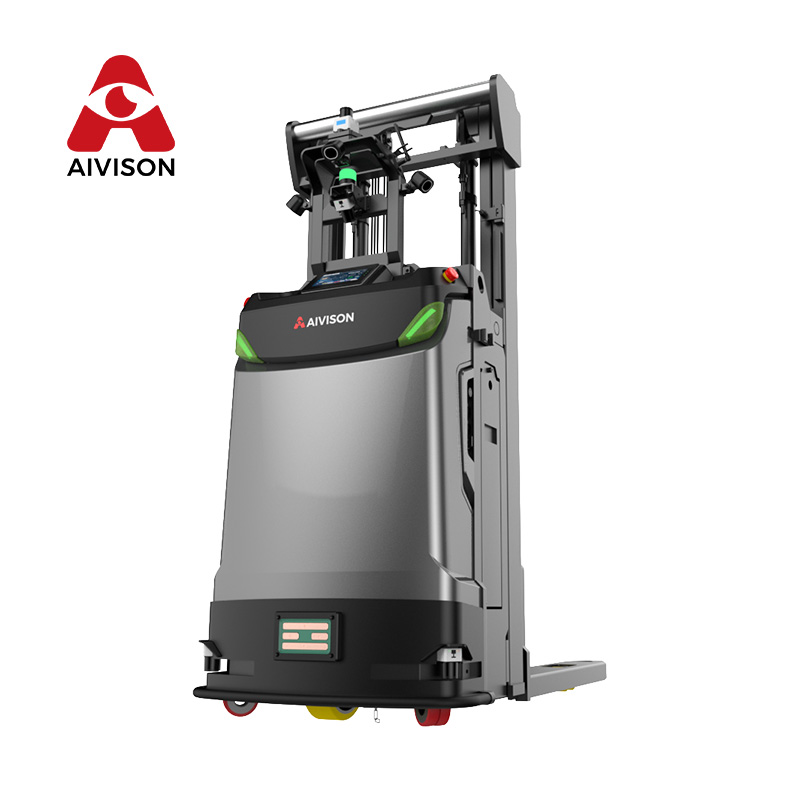
Autonomous Mobile Robots (AMR) Implement Cargo Transportation Between Warehouse and Conveyor Line
Bridge warehouse and conveyor-line handover points with repeatable dispatch, flexible route mapping and opportunity charging between missions.

Hot Selling Logistics Navigation Detector Sensor Lidar Manufacturers Direct Sales
Navigation and detection sensor supply for integrators building or maintaining AMR/AGV fleets, useful when Medan projects require component-level procurement and service planning.

Omnidirectional Humanoid Robot Chassis Dual 7-DOF Arms Laser SLAM Autonomous Warehouse AMR Mobile Platform
A high-flexibility mobile platform for advanced warehouse research, automation labs and precision handling tasks requiring omnidirectional movement and Laser SLAM positioning.
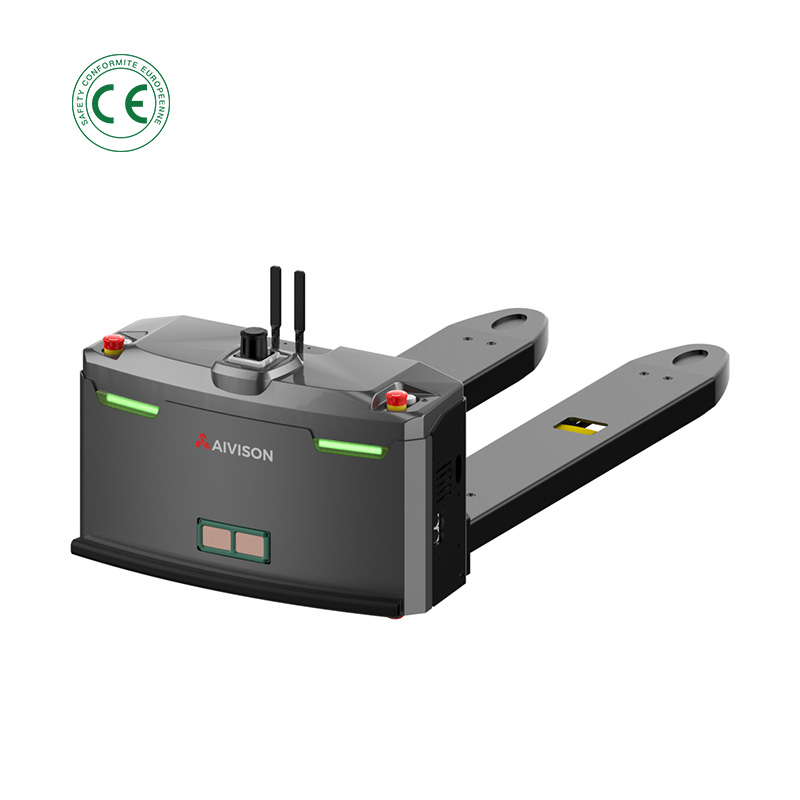
AMR Automated Warehouse Robot Logistics Automatic Industrial Logistics Robots AMR Robot
For scheduled warehouse transfers, receiving-to-storage movement and dispatch support where the charging strategy must match 24/7 duty cycles.

Humanoid Robot Chassis Dual 7-DOF Arms Laser SLAM Omnidirectional Navigation ROS2 Open Platform AMR
An open-platform AMR for integrators requiring ROS2 development freedom, omnidirectional navigation and a charging plan that can support research or production pilots.
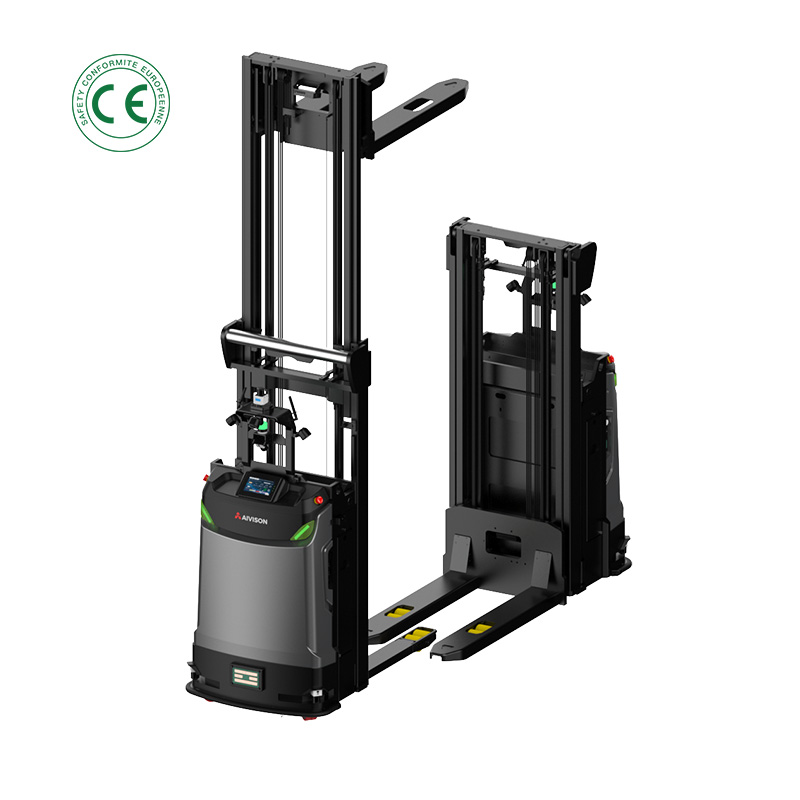
Factory AMR Robot AGV Robot Laser 2000kg Forklift AGV for Industrial Material Handling
A 2000 kg laser forklift AGV for industrial material handling, pallet movement and heavier warehouse flows where charging docks should be placed near high-frequency dispatch zones.

A Shenzhen AMR Manufacturer Built Around Real Production Lines
Shenzhen Marnix Intelligent Technology Co., Ltd. draws on about ten years of AGV engineering experience to build autonomous mobile robots, jacking robots, smart forklifts, composite mobile robots and intelligent charging docks. For Medan projects, that matters because the charging pile, robot and fleet controller should be engineered as one system rather than assembled from unrelated parts.
Marnix supports both end users and system integrators. Chassis and top modules can be customized with jacking units, roller conveyors, forklift forks and 6-axis robotic arms so the robot connects directly with production equipment. Standard laser SLAM navigation reaches ±5 mm without auxiliary tracks; a QR code camera raises docking accuracy to ±2 mm; composite robots with a 6-axis arm reach ±0.05 mm repeatability.
Charging-Compatible Portfolio
AMR platforms, jacking robots, smart forklifts and intelligent charging docks can be quoted as a coordinated fleet, not as isolated equipment.
Precision Without Floor Rework
Laser SLAM maps the existing environment. QR labels are added only where ±2 mm docking precision is genuinely needed.
Fleet Scheduling + Auto Charging
An intelligent scheduling system coordinates multiple robots over indoor Wi-Fi, including task assignment, traffic control and compatible smart charging docks.
Verified Supplier Credentials
TÜV Rheinland onsite assessment, Fortune 500 supplier experience and transparent trade records support deeper procurement due diligence.
Where AMR Charging Piles and Mobile Robots Fit in Medan
Medan's industrial and logistics footprint stretches from Kawasan Industri Medan and the Belawan corridor to Deli Serdang, Tanjung Morawa, Binjai and Tebing Tinggi. The strongest AMR business case appears where repeated pallet movement, line-side replenishment and shift-based dispatch compete with limited aisle space or variable manual travel time.
Warehouse & Distribution
Use AMR transfer routes between receiving, storage and dispatch, with charging docks placed near high-frequency zones. Laser SLAM avoids magnetic tape and supports layout changes as SKU flow evolves.
Food, Beverage & Agri-Processing
For repetitive material movement around processing zones and finished-goods staging, robots can reduce manual travel while charging schedules are aligned with sanitation and shift routines.
Line-Side & High-Bay Storage
Jacking robots, pallet AMRs and smart forklifts can support line-side delivery and high-shelf positioning, with ±2 mm QR assist only where docking precision demands it.
Medan Automation Trends That Affect Charging-Pile Selection
Local buyers are not choosing robots in isolation. They are comparing uptime, spare-part response, operator training and power reliability. These practical trends shape how AMR charging infrastructure should be specified.
Shift Flexibility
Factories and warehouses need predictable material flow across shifts. Opportunity charging during idle windows can reduce the need for oversized batteries or unnecessary charger count.
Mixed Fleets
Rather than replacing every manual process at once, Medan projects often start with one route, then add robots and charging docks as ROI becomes visible. Shared fleet software matters early.
Tropical Operations
For Medan and North Sumatra, discuss humidity, ventilation, dust, floor flatness, power quality and local maintenance routines during the site survey, not after installation.
How to Match AMR Charging Piles to Medan Duty Cycles
The right charging pile count is not simply one charger per robot. It depends on route length, mission frequency, battery capacity, opportunity charging windows, shift breaks, facility layout and whether the fleet is coordinated by a scheduling system.
| Medan Use Case | Recommended AMR Platform | Charging Strategy | Local Planning Note |
|---|---|---|---|
| Warehouse transfer near Belawan or KIM | Laser SLAM AMR, pallet AMR or 1500 kg traction AMR | Opportunity charging | Place charging docks near dispatch lanes so robots recharge between scheduled missions without long detours. |
| High-shelf storage | SLAM AMR with optional QR camera | ±2 mm dock support | Add QR labels only at precision stations; keep main aisles tape-free for simpler maintenance. |
| Pallet handling and stacking | 1.5 ton autonomous forklift or 2000 kg laser forklift AGV | Shift-change charging | Plan charging windows around loading peaks and confirm floor conditions for fork entry and pallet recognition. |
| Line-side production feeding | Jacking robot, roller-conveyor AMR or custom industrial AGV | Central charging corridor | Confirm machine handover height, conveyor interface and communication protocol before finalizing top modules. |
| Precision assembly or lab pilot | Composite robot with 6-axis arm or omnidirectional humanoid chassis | Dedicated charging station | Use a higher-precision layout and calibrate the robot arm at the station; charging should not interrupt sensitive tasks. |
What to Prepare Before Requesting a Medan Quotation
From Marnix project experience, six inputs determine most of the technical and commercial direction. Sharing them upfront shortens evaluation from weeks to days and reduces back-and-forth between procurement, engineering and operations.
Load Profile
Maximum weight, rack or pallet footprint, center of gravity and whether the robot must lift, tow, fork or convey.
Site Layout
CAD drawing or sketch with aisle widths, doors, slopes, elevator or lift points, charging locations and high-traffic intersections.
Throughput Target
Missions per hour, peak periods and daily operating hours. This helps size the robot fleet and charging-pile count.
Docking Precision
Identify where ±5 mm is sufficient and where ±2 mm QR assist or robot-arm-level ±0.05 mm repeatability is required.
Wi-Fi & Power
Share access-point coverage, power quality considerations and preferred charging areas for fleet scheduling and automatic charging.
Equipment Interfaces
List conveyors, machines, shelving or safety systems the robot must hand over to, plus any custom top-module requirement.
AMR and Charging-Pile Supply for Demanding Medan Sectors
Marnix robots are used in semiconductor, 3C electronics, lithium battery, photovoltaic, automotive parts, PCB, textile and medical device environments. For Medan buyers, the same platform logic applies: define the material, route, docking precision and charging window, then select the chassis and top module around that process.
Common Questions from AMR Charging Pile Buyers in Medan
These are the questions procurement teams, factory engineers and system integrators most often raise when comparing suppliers for Medan projects.
Are you an AMR charging pile supplier, robot manufacturer or wholesaler for Medan?
Marnix is a Shenzhen-based manufacturer of AMR platforms, jacking robots, smart forklifts, composite robots and intelligent charging docks. For Medan buyers, we support direct procurement, system-integrator projects, OEM/ODM discussion and multi-unit fleet planning rather than treating the charging pile as a standalone commodity.
Can charging docks be supplied together with the robot fleet?
Yes. Charging docks can be quoted with compatible Marnix robots and fleet scheduling. This is the preferred route when uptime, automatic charging and traffic coordination matter, because charger placement, battery strategy and dispatch rules can be reviewed together.
What information is needed for a Medan-specific quotation?
Share the load profile, layout drawing, aisle widths, throughput target, operating hours, docking precision, Wi-Fi coverage, power conditions and any machine or conveyor interfaces. Confirm the expected Incoterms, delivery point and spare-parts plan so the commercial proposal matches the technical scope.
Do the robots require floor QR codes or magnetic tape?
Standard laser SLAM navigation maps existing natural features and reaches ±5 mm without auxiliary tracks, reflectors or floor QR codes. QR labels are added only at stations where ±2 mm docking precision is required. This reduces floor modification and makes future layout changes easier.
How should Medan buyers plan spare parts and after-sales support?
For multi-shift operations, agree on a recommended spare-parts list, remote diagnostic process, operator training and escalation path during quotation. Marnix customer service and project support teams coordinate technical questions, specifications and documentation throughout the project.
Can robots be customized for local production processes?
Yes. As a manufacturer, Marnix customizes chassis and top modules such as jacking units, roller conveyors, forklift forks and 6-axis robotic arms to connect directly with production equipment. This is especially relevant for integrators building projects around existing conveyor, machine or shelving layouts.
How are multiple robots and charging piles coordinated?
The fleet is managed by an intelligent scheduling system over indoor Wi-Fi, enabling simultaneous task assignment, traffic control and automatic charging with compatible smart charging docks. Charging docks should be positioned according to real mission density, not only by floor-plan convenience.
What shipping terms are commonly discussed for Medan?
Buyers often ask to compare Incoterms such as FOB or CIF Belawan, and sometimes DDP subject to review. The final choice depends on project volume, spare-parts scope, installation responsibility and the buyer's customs arrangements. Include your preferred terms in the inquiry so the proposal is commercially clear.
Which industries are the best fit for AMR charging infrastructure in North Sumatra?
The strongest fit is usually repetitive material movement with predictable routes: warehouse transfer, line-side replenishment, pallet handling, high-shelf storage and finished-goods staging. Marnix platforms also serve semiconductor, 3C electronics, lithium battery, PV, automotive parts, PCB, textile and medical device projects.
Request a Medan-Specific AMR Charging Pile & Robot Proposal
Send your load profile, warehouse or factory layout, throughput target, docking precision and charging requirements. Marnix engineers can recommend the right AMR platform, charging dock configuration, top module and fleet scheduling approach for your Medan site.