Eight AGV and AMR Platforms Supported by Our San Francisco Spare-Parts Program
The platforms below are not passive catalog listings. Each is a modular asset with maintainable LiDAR, drive, lift, fork, battery and control units. For a San Francisco buyer, the real question is not only which robot fits the aisle, but which parts ecosystem keeps it available through peak shifts.
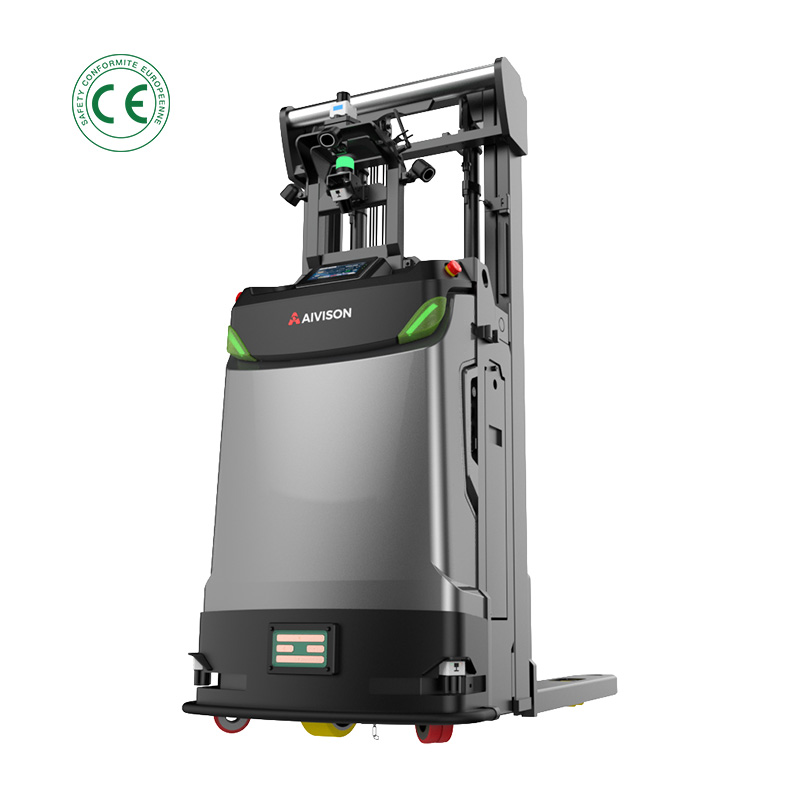
Smart Transport Robotic with Laser Navigation Reach 2000KG AGV Logistics Robots Warehouse Robot AMR
A 2,000 kg payload platform for pallet and rack transfer in multi-shift warehouses. Suitable for Bay Area 3PLs that need laser SLAM navigation and a practical list of spare LiDAR, drive and charging modules.
View Product Details
Omnidirectional Humanoid Robot Chassis Dual 7-DOF Arms Laser SLAM Autonomous Warehouse AMR Mobile Platform
A mobile manipulator base with dual 7-DOF arms and laser SLAM for high-mix electronics, lab automation and advanced assembly pilots. Spare-part planning should include arm controllers, grippers and safety scanners.
View Product Details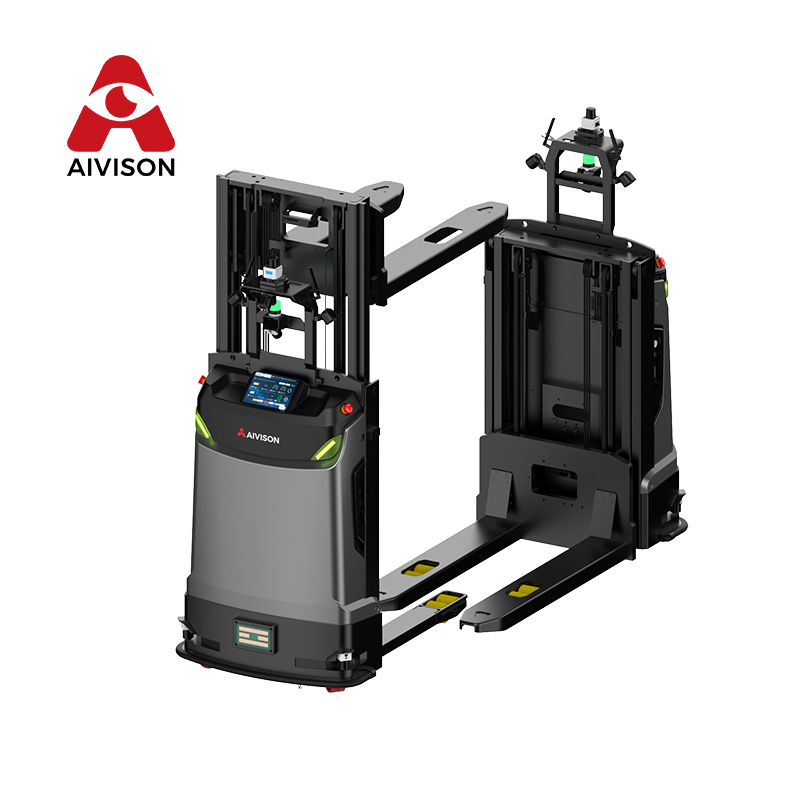
New Warehouse Autonomous Cars agv Robot 2000kg Load Capacity Stacker agv Robot
An autonomous stacker for high-bay pallet handling and repetitive warehouse moves. Critical spares usually include mast sensors, fork-position sensors, drive units and safety devices, especially for high-throughput East Bay warehouses.
View Product Details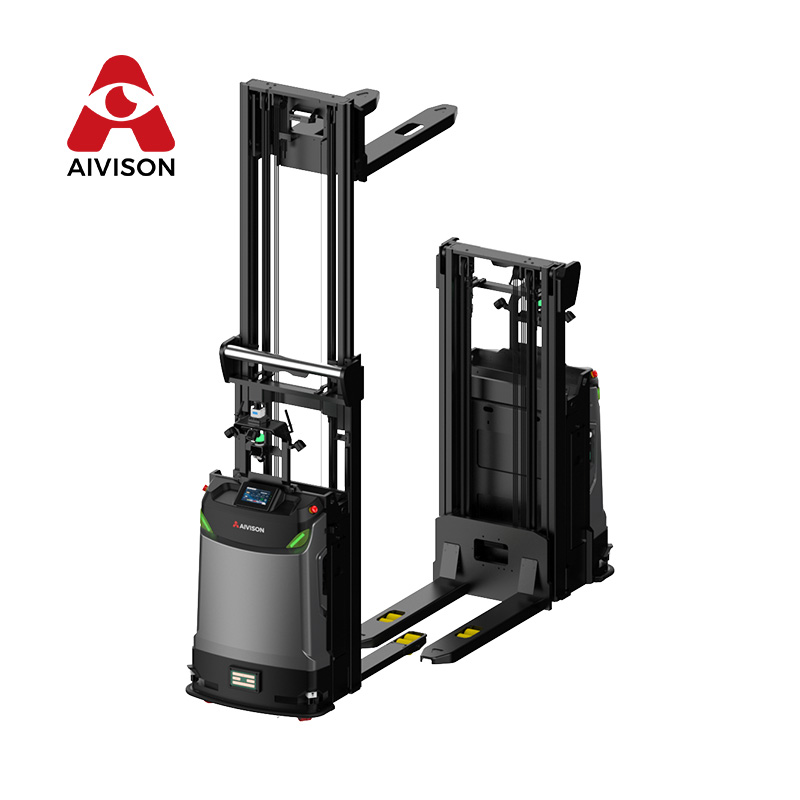
High Precision agv Forklift Full Servo Motor Controlled Laser Forklift with Heavy Load 2000kg
A full-servo laser forklift for precise fork entry and smooth pallet handling. Motor drivers, encoders, forks and hydraulic lift components are high-priority spares when the line cannot tolerate repeated manual recovery.
View Product Details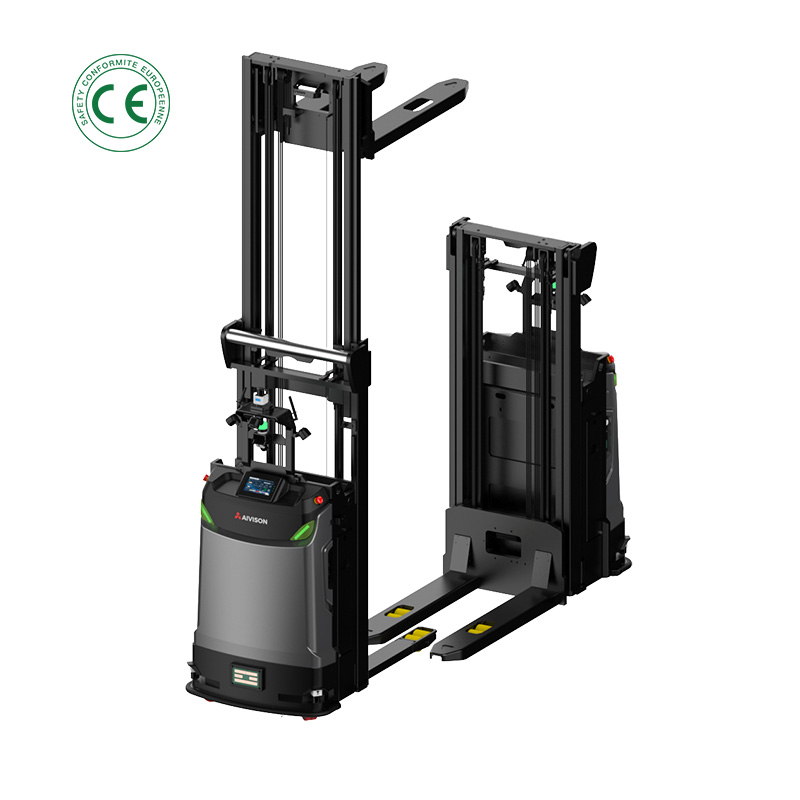
High-performance Intelligent Smart Automated Guided Vehicle 2000kg AMR Robot
A high-performance platform for repeatable line-side and warehouse transport. Use QR assist only at tight docking stations, and stock the parts that most often affect uptime: LiDAR, drive wheels, battery contacts and safety sensors.
View Product Details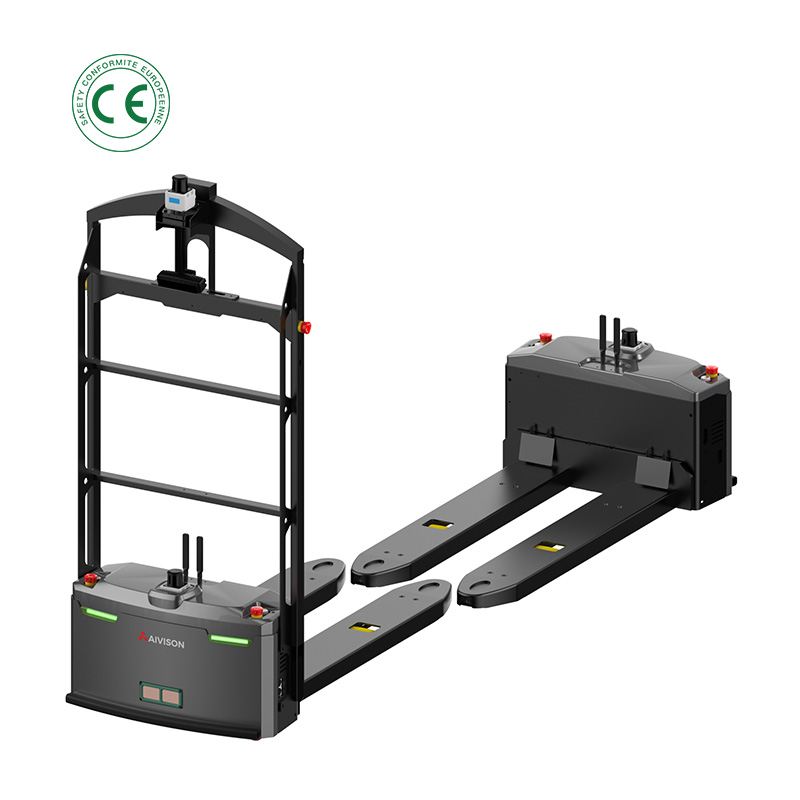
Warehouse Stacker CE Forklift AGV 800kg Load Capacity Light AMR Pallet
A lighter pallet stacker for narrow aisles and constrained urban facilities. It is a sensible match for older San Francisco buildings where full-size forklifts are difficult to deploy; stock lift actuators, charging contacts and navigation sensors.
View Product Details
Hot Selling Logistics Navigation Detector Sensor Lidar Manufacturers Direct Sales
Direct-sales navigation detector sensor for logistics robots. For spare-parts buyers, LiDAR units and calibration support are often the fastest route to restoring navigation after impact, contamination or aging-related degradation.
View Product Details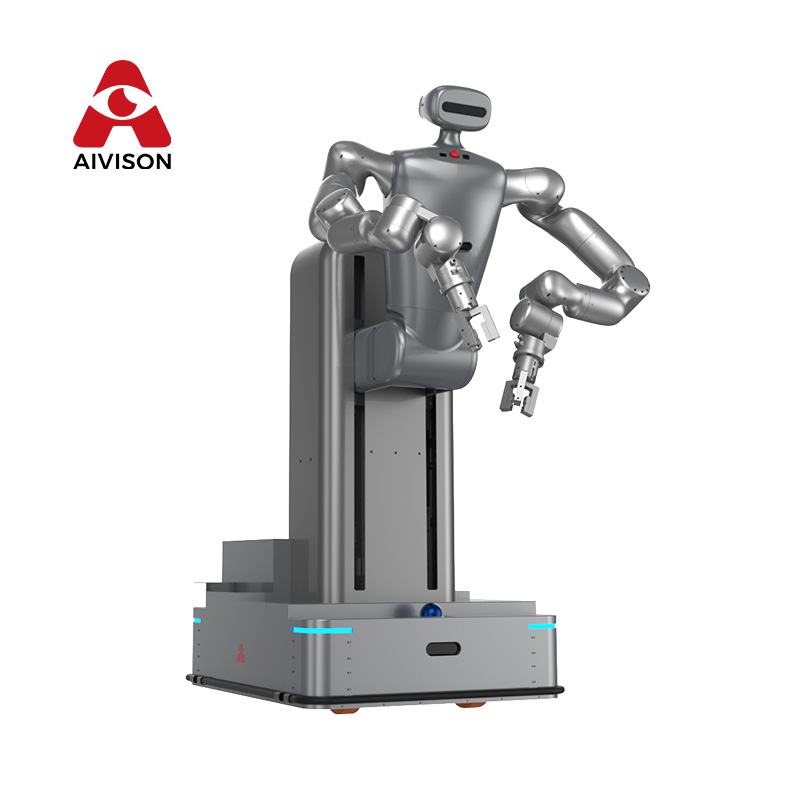
Omnidirectional Service Humanoid Robot Chassis Dual 7-DOF Arms Laser SLAM Navigation for Hospitality and Retail
An omnidirectional service humanoid chassis for hospitality, retail and guided-service pilots. For San Francisco retail and hospital environments, define spare batteries, arm components and safety-sensor replacement rules before deployment.
View Product DetailsNeed a compatibility check for an existing fleet or a mixed-brand project? Get a Quote
Executive Summary: The San Francisco Buyer’s Real Problem Is Uptime
San Francisco is a market where a robot’s value is tested by minutes, not by brochure pages. Rent is high, labor is scarce and expensive, and many facilities were never designed for automation. A spare-part strategy that assumes every docking point needs extreme precision, or that ignores how a part will be calibrated after arrival, can create hidden costs that exceed the price difference between suppliers. The right AGV spare parts exporter and wholesaler for the San Francisco market therefore needs three capabilities at the same time: application knowledge, factory-level part traceability, and an export process that supports Bay Area integrators and maintenance teams.
This guide is written from the perspective of Shenzhen Marnix Intelligent Technology Co., Ltd., a manufacturer with about ten years of AGV engineering experience. It is not a generic parts list. It explains which platforms suit which Bay Area use cases, how to match navigation accuracy to station requirements, which spare parts should be planned before deployment, and what local buyers usually ask before they issue a purchase order.
Information Gain: What This Guide Adds
- Station-level precision matching: use ±5 mm laser SLAM for general transfer, ±2 mm QR assist only where docking demands it, and ±0.05 mm composite-robot repeatability for precision assembly.
- Spare-part criticality matrix: a practical way to decide which parts to stock by application rather than by catalog category.
- San Francisco deployment context: urban micro-fulfillment, Peninsula biotech, South Bay electronics, East Bay logistics and North Bay food distribution require different support models.
- Quote-ready project inputs: the six data points that shorten engineering review from weeks to days.
Why San Francisco Buyers Source AGV Spare Parts Through a Specialized Exporter
“San Francisco” is not a single warehouse market. When buyers search for AGV spare parts in San Francisco, they often operate across the wider Bay Area. A distributor in San Francisco proper may support compact back-of-house retail automation, while an integrator in the Peninsula may serve biotech cleanrooms, and a 3PL near the Port of Oakland may need 2,000 kg pallet-handling platforms. Treating all of these as one market leads to either over-specified robots or under-supported fleets.
Facility constraints matter. Many Bay Area buildings combine leased space, multi-tenant docks, freight elevators and mixed pedestrian-vehicle traffic. Robots must be mapped quickly, and replacement parts must be swappable without floor rework. That is why a wholesale parts supplier should understand the navigation configuration, payload class and docking precision of each station, not merely quote a part number.
Compliance and documentation also matter. Importers need a commercial invoice, packing list, HS code guidance, product data sheets and, where relevant, battery transport documentation. We can prepare export documents from our Shenzhen factory, while final import classification and duties should be confirmed with your customs broker. For buyers, that division of responsibility is not a detail; it is part of total cost of ownership.

Factory engineering support matters after the robot is installed: mapping, part identification, calibration guidance and export documentation all affect Bay Area uptime.
Where San Francisco Bay Area Buyers Use AGV and AMR Spare Parts Most
The Bay Area’s automation demand is diverse. The same AGV platform may be specified very differently depending on whether it serves a cleanroom, a cold-chain warehouse or a compact urban fulfillment center.
Urban San Francisco Micro-Fulfillment
Compact AMRs and 800 kg pallet stackers fit narrow aisles, freight elevators and back-of-house retail spaces. Stock drive wheels, LiDAR units, charging contacts and lift actuators because recovery space is limited.
Peninsula Biotech and Medical Devices
Cleanroom-adjacent material transfer favors stable navigation and documented maintenance. Composite robots with a 6-axis arm can reach ±0.05 mm repeatability; plan spare safety scanners, arm controllers and servo components.
South Bay Semiconductor and Electronics
High-shelf storage and wafer-adjacent handling often need ±2 mm QR-assisted docking rather than full-floor QR grids. Keep QR cameras, LiDAR sensors and control boards available for fast swap.
East Bay 3PL and Port-Adjacent Logistics
Pallet throughput dominates. The 2,000 kg stacker and servo forklift are strong candidates; forks, mast sensors, drive motors, batteries and chargers should be reviewed as uptime-critical inventory.
North Bay Food and Cold-Chain Facilities
Condensation and temperature transitions can stress sensors and batteries. Confirm environmental protection per model with the factory, and define maintenance intervals for safety scanners, charging contacts and battery packs.
Advanced Manufacturing and Machine Tending
Custom top modules—roller conveyors, jacking units, forklift forks and arms—connect robots to machines. Keep I/O boards, rollers, actuators and calibration fixtures on the critical-spares list.

Localized Trends Reshaping AGV Spare Parts Demand in San Francisco
Procurement behavior in the Bay Area is changing. Buyers increasingly ask for factory-backed documentation, faster engineering response and a clearer link between spare-part stock and service-level targets.
Labor Cost and Same-Day Pressure
High operating costs make unscheduled downtime more expensive. Buyers now ask suppliers to identify critical spares before the first robot is installed, not after a breakdown.
Smaller, More Flexible Sites
Micro-fulfillment and urban back-of-house operations favor compact AMRs and 800 kg stackers. The parts strategy shifts toward modular drive, lift and sensor units that can be swapped in tight spaces.
Cleanroom and Traceability Discipline
Biotech, semiconductor and medical-device projects ask for calibration records, part traceability and disciplined change control. A low-cost part without documentation is rarely a real saving.
Battery Safety and TCO
Battery transport, charging compatibility and replacement cycles are now part of total cost of ownership. Spare batteries should be ordered with compatible chargers and clear handling instructions.
Match Navigation Precision to the Station Before You Buy Spare Parts
Most spare-part waste begins with an inaccurate specification. Use this matrix as a planning aid, then confirm the final list with our engineers and your maintenance team.
| Application | Navigation Configuration | Typical Platform | Wholesale Spare Parts to Discuss |
|---|---|---|---|
| Bulk pallet and rack transfer | Laser SLAM on natural features · ±5 mm | 2000 kg AMR, stacker AGV, intelligent AMR | LiDAR navigation sensor, drive wheels, drive motors, battery pack, charging contacts |
| High-shelf docking and cart handover | Laser SLAM + QR code camera · ±2 mm | Jacking robots, pallet stackers, warehouse AMRs | QR camera, lift actuator, safety scanner, controller board, fork-position sensor |
| Line-side precision assembly | Composite robot with 6-axis arm · ±0.05 mm | Dual-arm mobile platform, composite mobile robot | Arm controller, servo driver, gripper, calibration kit, safety scanner |
| Urban retail and hospitality service | Laser SLAM with omnidirectional movement | Service humanoid chassis, light AMR | Battery pack, wheel modules, safety sensors, arm components, charging dock parts |
Planning note: floor joints, elevator transitions, Wi-Fi coverage, payload center of gravity and duty cycle can change the final recommendation. The table is not a guarantee of fit for every San Francisco site.
Recommended AGV Spare Parts to Stock for Bay Area Deployments
A useful spare-parts list is organized by failure impact, not by catalog chapter. The following categories are the first places San Francisco buyers should look when planning uptime.
LiDAR and Navigation Sensors
Laser SLAM performance depends on clean, calibrated sensors. Keep at least one compatible LiDAR or navigation detector for high-duty fleets, and confirm mounting and calibration procedures before an incident occurs.
Drive Motors, Gearboxes and Wheels
Drive modules are wear items in continuous pallet flow. Stock the motor-gearbox assembly or wheel module appropriate to the payload class; do not assume a 2,000 kg AMR and an 800 kg stacker share the same drive spares.
Battery Packs and Charging Components
Batteries, charging contacts and smart charging docks should be specified together. For San Francisco buyers, confirm transport documentation, storage conditions and charger compatibility before ordering spare packs.
Jacking Lift Mechanisms
For jacking robots, lift actuators, position sensors and mechanical guides are essential. A spare lift unit can turn a stopped line-side delivery into a short maintenance task instead of a production interruption.
Forks, Rollers and Top Modules
Smart forklifts and custom AMRs rely on forks, roller conveyors, mast sensors and I/O modules. Keep the module most exposed to pallet impact and misalignment, especially in high-throughput 3PL operations.
Control Boards and Safety Devices
Safety scanners, emergency-stop circuits, controllers and QR cameras should be matched to the exact model and firmware. For mixed fleets, share the nameplate and existing configuration so compatibility can be reviewed before shipment.
Marnix as an AGV Spare Parts Exporter and Engineering Partner
San Francisco buyers need more than a low unit price. They need a manufacturer that can identify the part, explain the configuration and support the integrator after export.
10+ Years of AGV Engineering
About ten years of AGV manufacturing experience in Shenzhen, with R&D and production focused on practical factory deployment.
±5 mm Laser SLAM, ±2 mm QR Assist
Natural-feature laser SLAM avoids floor infrastructure; QR cameras can be added only at stations that require ±2 mm docking precision.
Composite Robots to ±0.05 mm
Mobile platforms can be combined with 6-axis arms and roller systems for precision assembly, with multi-layer synchronization protocols.
Complete AMR Portfolio
Jacking robots, smart forklifts, pallet AMRs, composite robots and charging docks from one source simplify part sourcing and fleet planning.
Manufacturer-Level Customization
Chassis, payload and top modules can be engineered around your process instead of forcing a standard robot into an awkward station.
Wi-Fi Fleet Scheduling
An intelligent scheduling system coordinates multi-robot task assignment, traffic control and automatic charging across compatible fleets.
Quality Protocol and Scale
Multi-stage intelligent inspections and operational stress tests support near-zero failure targets; our robots are used by 200+ manufacturers across three continents.
Verified Credentials
Onsite supplier assessment by TÜV Rheinland, supplier relationship with a Fortune 500 company, verified multispecialty supplier status and transparent credit records.
Questions Local Buyers Ask Before Ordering AGV Spare Parts
These are the practical questions we receive from Bay Area integrators, maintenance managers and procurement teams.
Can you supply spare parts for a mixed-brand AGV fleet or a robot bought elsewhere?
We focus on Marnix platforms and compatible modules, but we can review third-party requests when you provide the nameplate, photos, sensor model, controller information, firmware details and wiring configuration. We will not promise blind compatibility. The responsible approach is an engineering review before quotation, especially for LiDAR, batteries, safety scanners and control boards.
What export documents are typically needed for a San Francisco delivery?
A typical shipment includes a commercial invoice, packing list, product data sheets and HS code suggestions. Battery-containing products may require additional transport documentation depending on the shipping method. We prepare the export document pack; import classification, duties and final customs clearance should be confirmed with your customs broker or freight forwarder. Incoterms and delivery scope are confirmed in the quotation.
How fast can AGV spare parts ship from Shenzhen to the Bay Area?
Lead time is SKU-specific. A common LiDAR or controller may be available sooner than a customized lift module or a battery pack. We quote lead time by part number after reviewing the robot model, serial information and required documentation. Expedited freight can be discussed, but we do not make a blanket same-day or fixed-day promise before the part is identified.
Do Marnix robots require magnetic tape, reflectors or floor QR codes?
No auxiliary tracks or reflectors are required for standard laser SLAM navigation. The robot maps natural features in your existing environment. QR labels are added only at stations where ±2 mm docking precision is needed. This matters in San Francisco because leased buildings and multi-tenant facilities often restrict floor modification. Final requirements still depend on floor quality, transitions, ramps and Wi-Fi coverage.
Can the robots integrate with our WMS, MES or existing conveyors?
Integration depends on the project. Fleet scheduling and task dispatch operate over indoor Wi-Fi, and custom top modules can connect to production equipment. However, WMS/MES connectivity, PLC handshakes and conveyor interfaces must be reviewed against your protocols. Share the interface documents and station layout early; do not assume plug-and-play compatibility without an engineering check.
What should I send to get an accurate spare-parts or platform quote?
Send the robot model or nameplate photo, serial number if available, a list of affected stations, the required payload, floor layout, throughput target, docking precision and any existing part numbers. For mixed fleets, include photos of the sensor, drive unit and controller labels. This allows us to recommend a compatible part or platform and state the lead time honestly.
What to Send with Your San Francisco AGV Spare-Parts Inquiry
Sharing these six inputs helps our engineers separate a quick replacement from a configuration change.
Serial and Nameplate Data
Model, serial number, production year, controller version and clear photos of the part to be replaced.
Station and Layout
CAD sketch or photos showing aisle width, doors, elevators, slopes, docking points and mixed traffic.
Load Profile
Maximum weight, rack or pallet footprint, center of gravity and whether the load is stable during transport.
Throughput Target
Missions per hour, peak periods and shift pattern; this determines fleet size, battery strategy and spare-part buffer.
Docking Precision
Where ±5 mm is sufficient, where ±2 mm QR assist is needed, and whether a 6-axis arm requires ±0.05 mm repeatability.
Wi-Fi and Interfaces
Access-point coverage, WMS/MES or PLC protocols, conveyor handshakes and any planned floor or rack changes.
Get a Factory-Backed AGV Spare-Parts Quote for San Francisco
Send your robot model, serial number, layout and spare-part list. Our Shenzhen engineering team will review navigation configuration, compatibility and export requirements, then respond with a practical quotation and lead-time estimate.
Get a Quote Typical response scope: platform recommendation, spare-part identification, export document checklist and commercial terms subject to final engineering review.