Eight AGV and AMR Platforms for Denpasar Buyers
Product selection should start with load, floor finish, aisle width, handover precision and charging strategy. The eight platforms below use Marnix’s SLAM navigation core and industrial drive-wheel assemblies; each can be quoted with spare wheels, charging docks and fleet scheduling for Denpasar warehouses, hotel supply operations and light manufacturing.
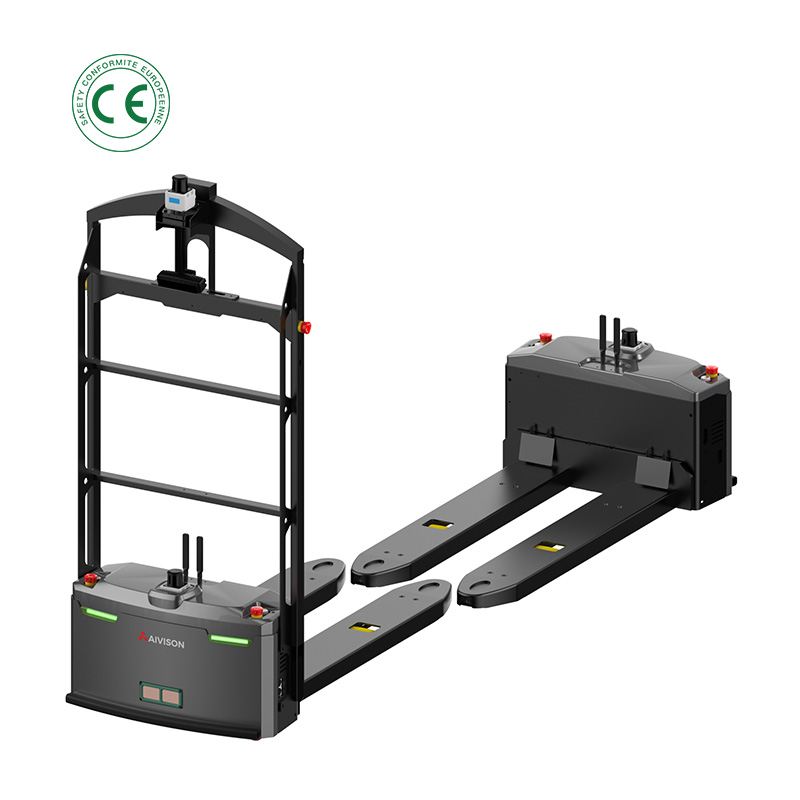
Warehouse Stacker CE Forklift AGV 800kg Load Capacity Light AMR Pallet
An 800 kg light pallet stacker for Denpasar F&B, retail and hotel-supply warehouses. Match the drive-wheel tread, fork height and ramp capability to your pallet type and floor transitions.
View product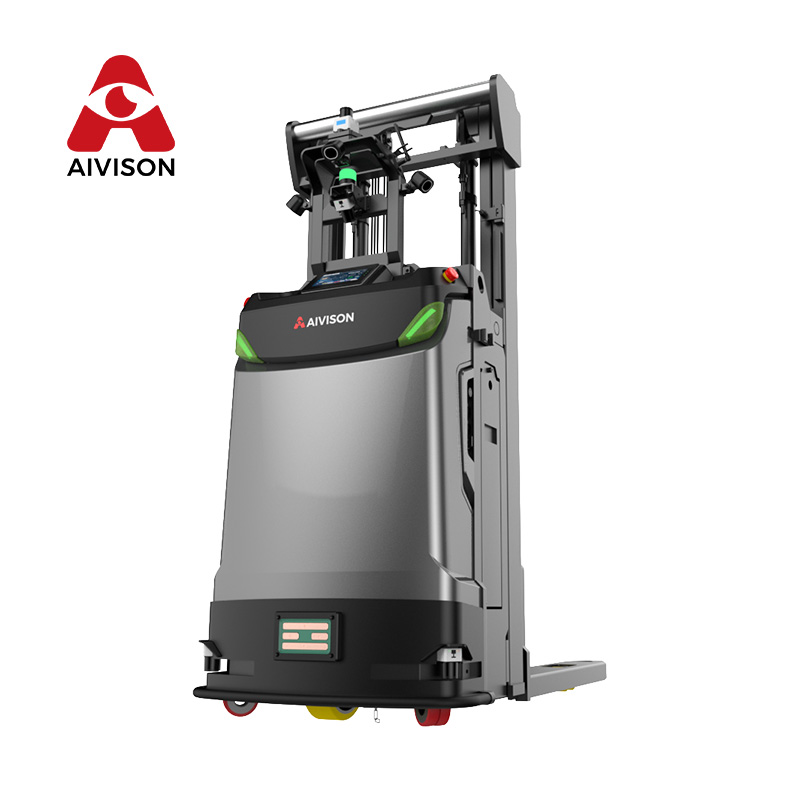
Autonomous Mobile Robots (AMR) Implement Cargo Transportation Between Warehouse and Conveyor Line
Repeatable handover between receiving, storage and conveyor lines. For Bali distribution centres, specify wheel grip for sealed concrete, dock levellers and wet-weather entry zones.
View product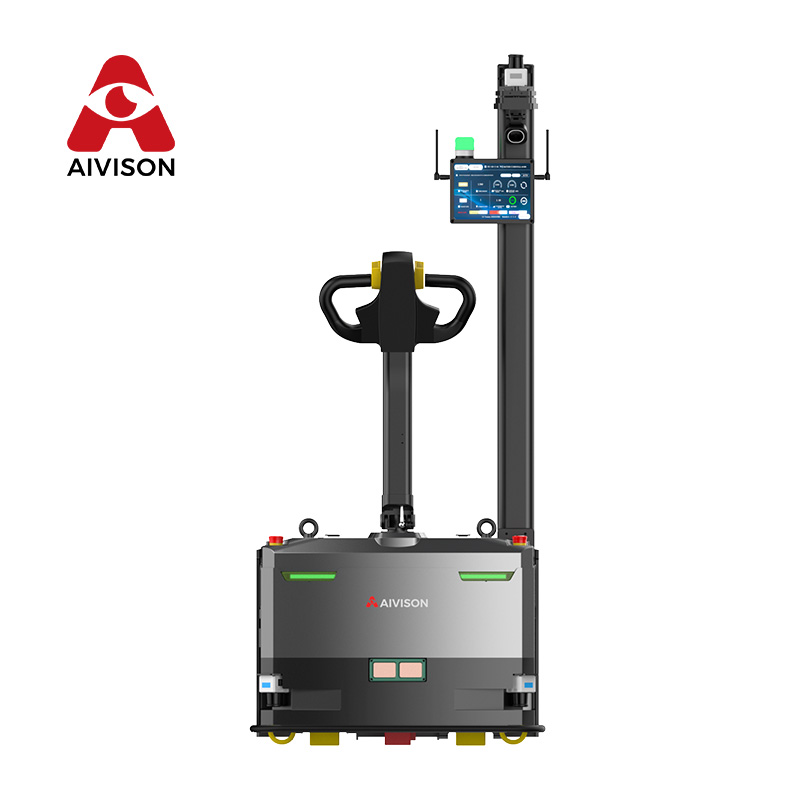
China Factory Movable Pallet Agv Robot Rack Shelf for Intelligent Robot Warehouse
A movable rack platform for high-density storage. A practical option where Denpasar site rent is high and rack positions need to change without fixed floor infrastructure.
View product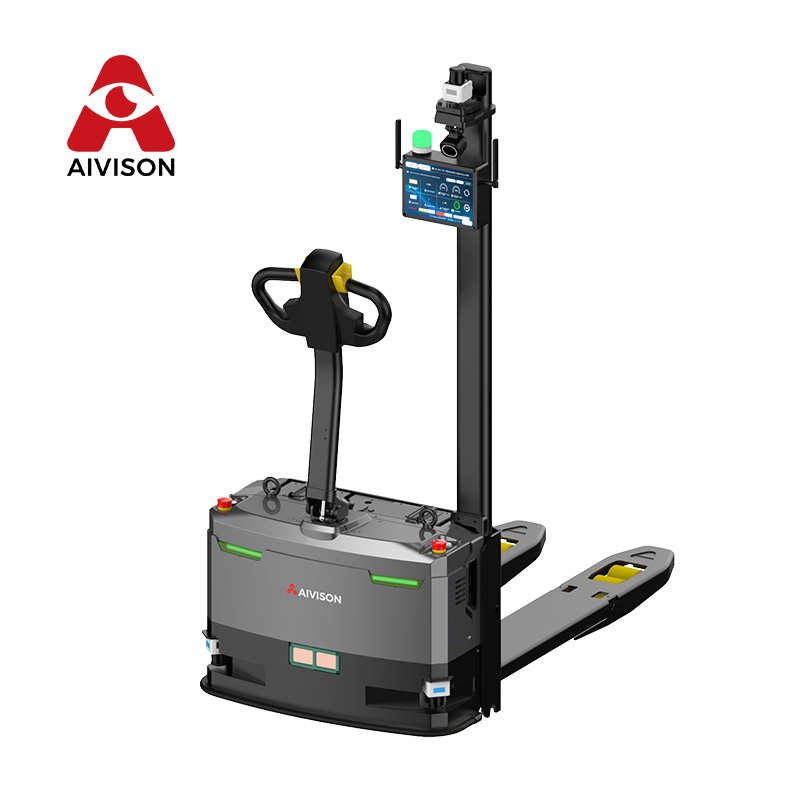
Aivison AGV Forklift High Quality Industrial Unmanned Pallet Forklift
An unmanned pallet forklift for repetitive 24/7 movement. Before selection, survey aisle width, floor joints, battery-charging space and pedestrian traffic in the shared operating area.
View product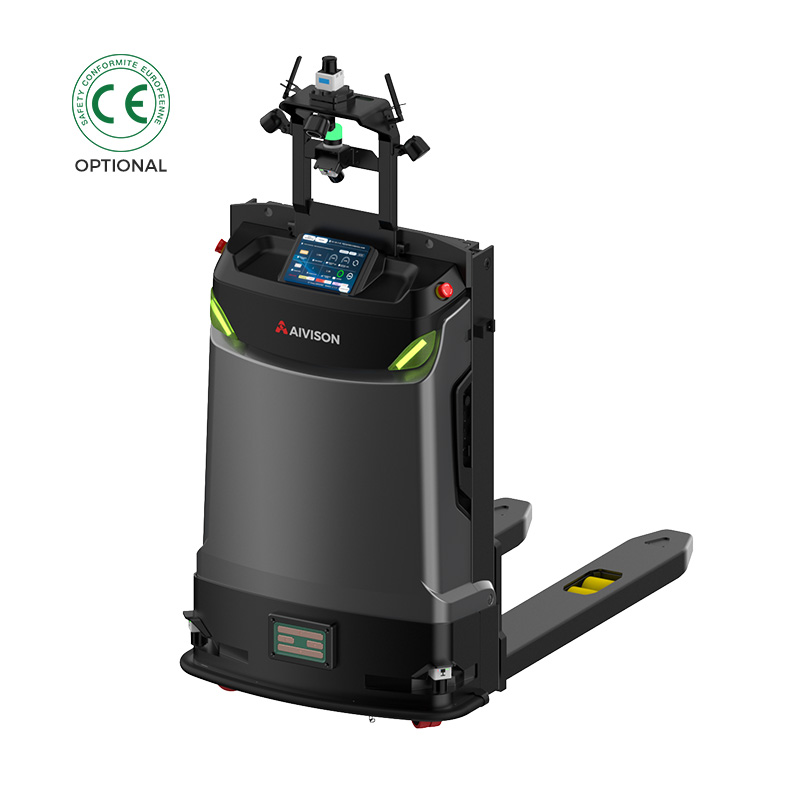
AGV AMR Warehouse Automatic Guided Vehicle 1500kg 2000kg AGV Robot Forklift
A heavier 1500–2000 kg AGV/AMR forklift for building materials, imported stock and dense pallet loads. Drive-wheel load rating, braking and floor protection become critical at this payload.
View product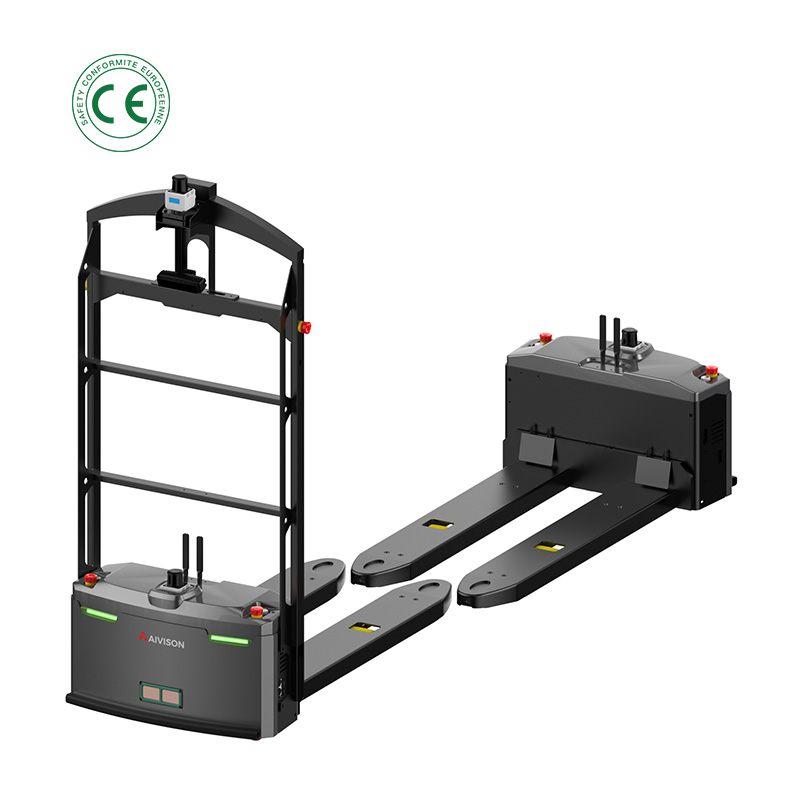
Aivison Customized 800kg Warehouse AGV Robot Lithium Battery AMR
A customized 800 kg lithium-battery AMR for multi-shift warehouse work. Plan charging windows, humidity protection and spare-wheel replacement alongside daily throughput targets.
View product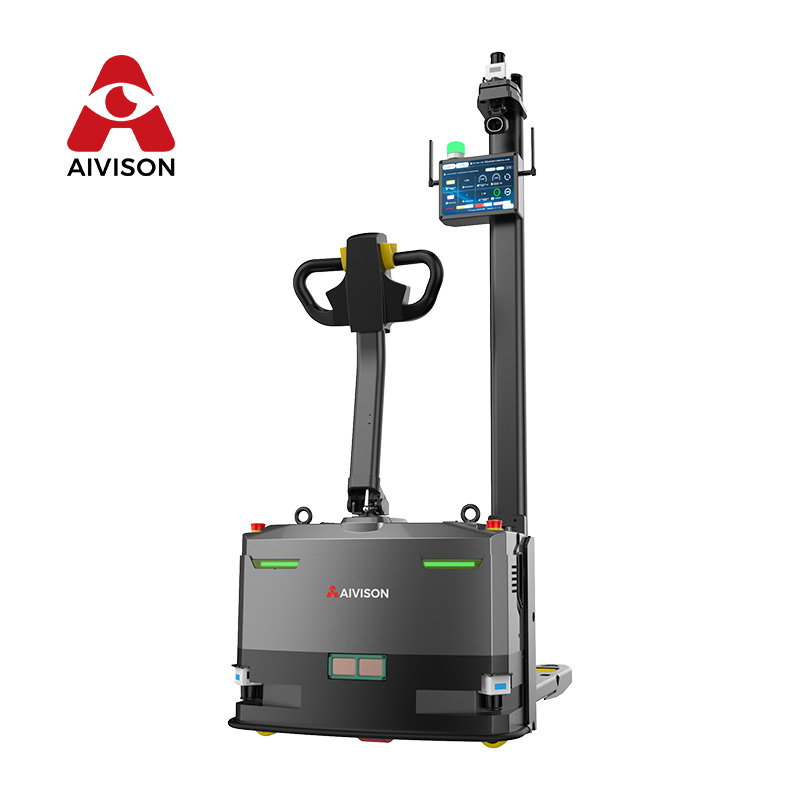
Customizable 1500KG Traction Capacity AGV Autonomous Mobile Robot Amr with Lidar Guided Sensor
A lidar-guided 1500 kg traction AMR for mixed human and vehicle traffic. Suited to busy depots and transfer hubs where routes change and fixed floor guidance is impractical.
View product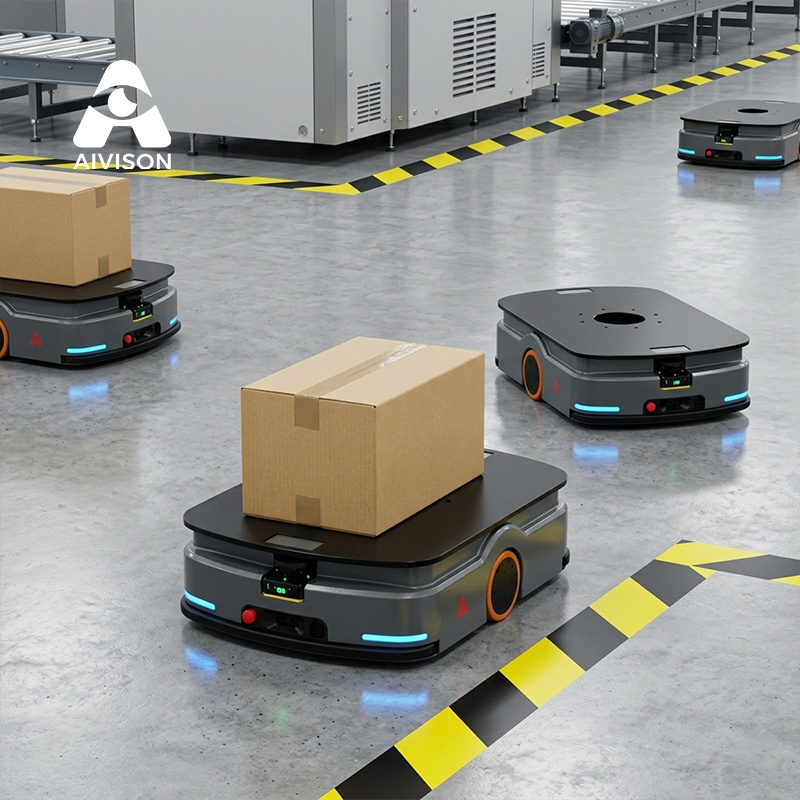
Autonomous Mobile AMR Robot 300kg Payload Laser Guided AGV for Carry Goods in Factory
A compact 300 kg laser-guided AMR for light goods, electronics, packaging and small workshops. Ideal where full-size forklifts cannot manoeuvre safely or economically.
View productAGV Drive Wheels: The Traction Component That Decides Uptime in Denpasar
An AGV drive wheel is not a commodity accessory. It is the component that transfers motor torque into traction, maintains odometry, supports braking stability and determines whether a robot can enter a hotel service corridor, a refrigerated store, a sealed-concrete warehouse or a ramp beside a loading bay. In Denpasar, a single robot route can include polished tile, ceramic pavers, steel dock plates, expansion joints, wet laundry floors and coastal humidity. Those conditions change the way a wheel grips, wears and marks the floor.
For a wholesale buyer, the lowest price per wheel can be misleading. A slightly more durable tread compound or a better-sealed hub may avoid premature flat spots, floor marking, motor overload and navigation drift. Marnix’s engineering approach is to start with the floor and load profile, then match the wheel tread, durometer, hub, motor, gearbox and encoder to the task. The same engineering team that builds laser SLAM AMRs, jacking robots and smart forklifts uses this logic when configuring complete systems for end users and system integrators.
Load and Axle Pressure
State the rated payload, dynamic impact, center of gravity and any uneven loading. An 800 kg robot does not apply an 800 kg load to every wheel; the axle and floor profile determine the real wheel load.
Floor Finish and Contamination
Sealed concrete, epoxy, ceramic tile, timber-look pavers and steel plates behave differently. Water, cleaning chemicals, dust, sand and food residue can change friction enough to affect braking and docking.
Tread Compound and Hardness
Non-marking polyurethane may suit hospitality floors, while higher-friction rubber may be preferable on ramps or wet transitions. Confirm hardness, abrasion resistance and floor-marking risk with a sample.
Motor, Gearbox and Encoder
The drive-wheel assembly must match torque, speed, acceleration, braking and encoder resolution. A mechanically correct wheel that overloads the motor can still shorten service life and reduce positioning reliability.
Mounting and Service Access
Bolt pattern, hub width, keyway, drop height and removal clearance affect maintenance time. Spare-wheel replacement should be possible without dismantling the whole drive unit.
Humidity and Coastal Corrosion
For sites near Benoa, Sanur or other coastal parts of Bali, specify sealed bearings, corrosion protection and a maintenance interval that reflects humid air, salt exposure and washdown routines.
| Operating environment | Wheel and tread direction | Watch-out | Typical platform fit |
|---|---|---|---|
| Sealed concrete warehouse | Wear-resistant PU or rubber; confirm load rating and floor protection | Expansion joints, dock edges, dust and pallet debris | 800 kg stacker, 1500 kg traction AMR |
| Polished tile or hospitality back-of-house | Non-marking PU or rubber; gentle acceleration and braking setup | Cleaning chemicals, wet floors, tile lippage | 300 kg AMR, 800 kg lithium-battery AMR |
| Wet or coastal transition zones | Higher-grip tread; sealed bearings and corrosion-resistant hub option | Salt air, standing water, ramp transitions and washdown | 1500 kg lidar-guided AMR, unmanned pallet forklift |
| Precision docking station | Wheel choice plus optional QR camera; calibrate floor and station | Over-specifying QR everywhere instead of only at critical stations | ±2 mm QR configuration; ±0.05 mm composite robot for higher-end assembly |
Information gain for buyers: ask for a wheel recommendation based on floor samples, load drawings and a route video. A catalog-only quotation is not enough for tropical, mixed-floor sites.

Where AGV Drive Wheels and Mobile Robots Fit in Denpasar
Denpasar is a service-led urban market surrounded by resort, retail, logistics and light manufacturing activity. Robots must fit real floors and real traffic — not an idealised factory plan.
Warehouse and Distribution Hubs
Retail, FMCG and e-commerce distributors around the Sunset Road and By Pass Ngurah Rai corridors need faster pallet movement without floor reconstruction. Laser SLAM navigation avoids magnetic tape and fixed QR tracks, while wheel selection protects sealed concrete and dock areas.
Hotel, Resort and Laundry Supply
Properties in Sanur, Kuta and Jimbaran manage amenities, linen, food and beverage replenishment under tight service windows. Non-marking wheels, quiet operation and compact 300–800 kg robots are often more relevant than maximum payload.
Port-adjacent and Freight Warehouses
Imported goods move through Benoa and nearby forwarders before reaching Denpasar warehouses. Robots operate inside devanning, bonded and transfer warehouses where ramps, steel plates and mixed forklift traffic place high demands on traction and braking.
Light Manufacturing and Workshops
Packaging, electronics, apparel and building-material workshops often use narrow aisles and shared pedestrian space. The 300 kg laser-guided AMR and 800 kg pallet platforms can reduce manual transfer while keeping routes flexible as production layouts change.
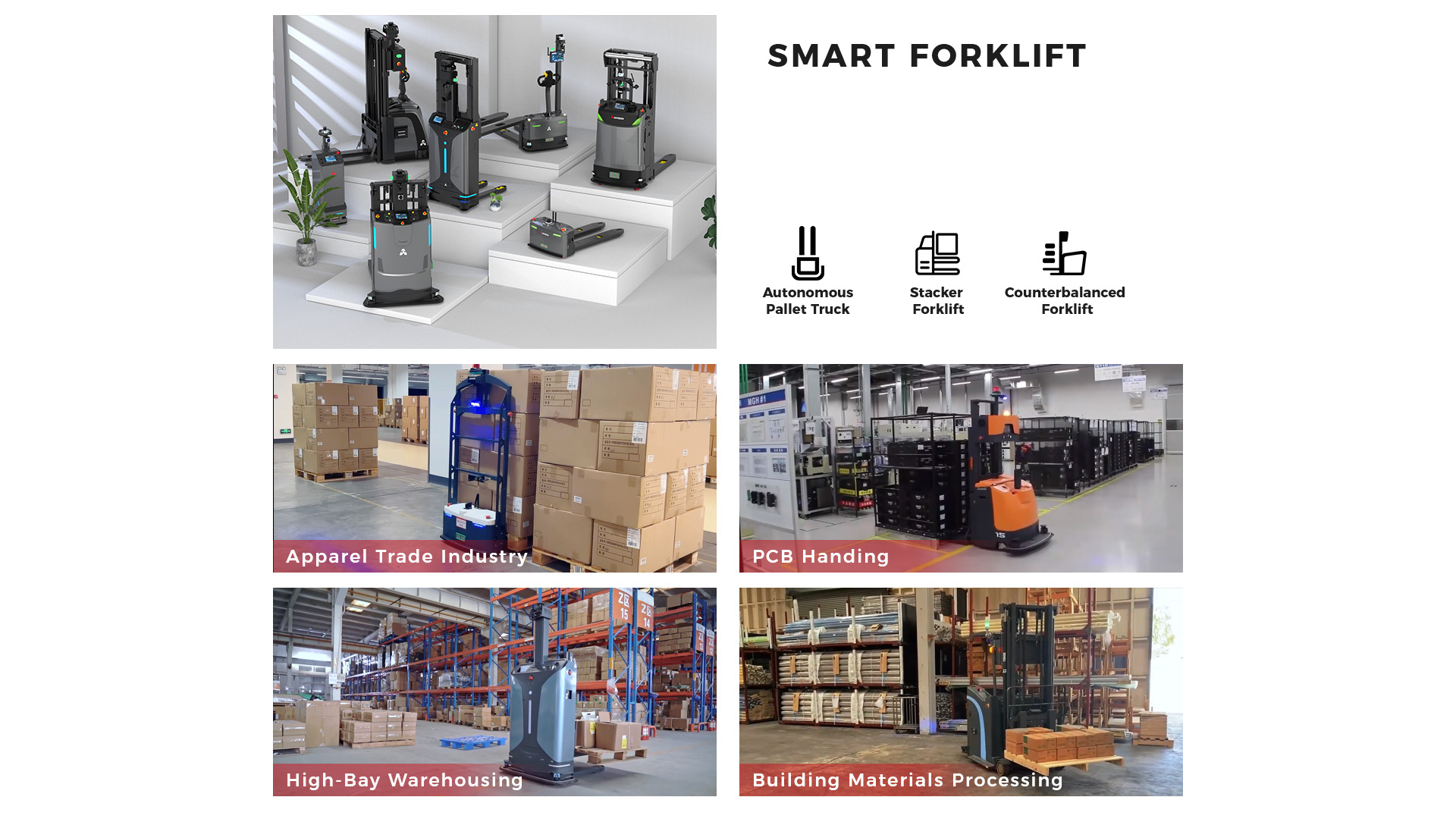
What Is Changing in Denpasar Automation Procurement
Buyers are not simply replacing carts with robots. They are responding to space costs, service expectations, tropical maintenance and integrator-led project delivery.
Retrofit-first Projects
High land costs and busy operations make floor closure expensive. Laser SLAM mapping on natural features lets robots start in existing buildings without magnetic tape, reflectors or floor QR codes.
Longer Service Windows
Hotel, retail and logistics operations increasingly expect evening and weekend replenishment. Automatic charging, fleet scheduling and low-failure drive systems support longer operating windows.
Tropical Maintenance Planning
Humidity, cleaning chemicals and coastal air influence bearing seals and tread life. Buyers now ask for spare wheels, inspection intervals and corrosion protection at the quotation stage.
Integrator-led Procurement
Automation contractors combine robots with racks, conveyors and warehouse software. They need predictable interfaces, spare-part availability and OEM support for drive-wheel and chassis customization.
Six Site-Survey Inputs That Shorten a Denpasar AGV Quote
From project experience, a small set of inputs determines most robot and drive-wheel selection decisions. Sharing them at the first inquiry shortens evaluation from weeks to days and reduces the risk of over-specifying navigation hardware.
01. Load Profile
Maximum weight, rack or pallet footprint, center of gravity and whether loads are stable. Include any pallet overhang and the heaviest daily movement.
02. Site Layout
A CAD drawing or sketch with aisle widths, doors, slopes, elevator or lift points, floor transitions and any restricted mixed-traffic zones.
03. Throughput Target
Missions per hour, peak periods and shift pattern. This sets fleet size, charging-dock count and battery strategy more accurately than daily pallet count alone.
04. Docking Precision
Identify where ±5 mm is enough and where ±2 mm QR assist is required. Avoid adding floor codes at every station when only a few handover points need high precision.
05. Wi-Fi and Power
Existing access points, dead zones, charging area, 220 V / 50 Hz supply and humidity control. For Denpasar sites, ventilation and cleaning routines matter too.
06. Equipment Interfaces
Conveyors, machines, racks or shelving the robot must connect to, plus any top-module requirement such as rollers, forks, jacking units or a 6-axis arm.
Why Marnix Is a Practical AGV Drive Wheel Manufacturer and Wholesaler for Denpasar
Shenzhen Marnix Intelligent Technology Co., Ltd. draws on about ten years of AGV manufacturing experience to build autonomous mobile robots that fit existing facilities with minimal disruption. The company serves end users and system integrators, and its product range includes laser SLAM AMRs, jacking robots, smart forklifts, composite mobile robots and intelligent charging docks. For Denpasar buyers, that means one engineering source can discuss the complete robot, the drive-wheel interface and the spare-part plan instead of treating them as separate purchases.
The company’s public credentials include a TÜV Rheinland onsite supplier assessment, credit and transaction records, trade capacity and trade history. Its profile also cites a Fortune 500 supplier relationship. These are useful E-E-A-T signals because importers can review third-party verification before committing to a project.
Manufacturer-level Customization
Chassis, payload, wheel assembly and top modules can be engineered around your line, rack or conveyor instead of forcing a standard fit.
Complete Payload Range
From 300 kg compact AMRs to 800 kg pallet stackers and 1500–2000 kg forklift platforms, with smart charging docks and spare-wheel planning.
No Floor Rework Required
Laser SLAM reaches ±5 mm on natural features. Optional QR labels are used only at precision stations, helping Denpasar sites avoid disruptive floor installation.
Composite Robotics
Mobile platforms can combine with roller conveyors, jacking units, forklift forks or 6-axis arms. Composite robots reach ±0.05 mm repeatability for demanding assembly tasks.
Fleet Scheduling and Charging
Indoor Wi-Fi scheduling coordinates multi-robot dispatch, traffic control and automatic charging through compatible intelligent charging docks.
Verified Export Support
TÜV Rheinland onsite assessment, credit index, transaction level and trade-history records are available for review before you commit to a Denpasar project.
Company: Shenzhen Marnix Intelligent Technology Co., Ltd. — Room 102, Building P, No. 163 Ban Xuegang Avenue, Shenzhen, Guangdong, China.
Contact: info@marnixbot.com | Review credentials: TÜV Rheinland onsite assessment, credit index, transaction level, trade capacity and trade history are published on marnixbot.com.
AGV Drive Wheel, Robot and Procurement Questions
Practical answers for importers, distributors, system integrators and factory owners evaluating automation for Denpasar and greater Bali.
Are you an AGV drive wheel manufacturer or a trading company?
Shenzhen Marnix Intelligent Technology Co., Ltd. is an intelligent equipment manufacturer with AGV and AMR engineering experience. Its product range includes SLAM AMRs, jacking robots, smart forklifts, composite mobile robots and charging docks. Public credentials include a TÜV Rheinland onsite assessment and trade-history records.
Can I buy drive wheels separately from complete robots?
For compatible OEM, integrator or spare-part programmes, drive-wheel assemblies can be specified around load, floor, tread, hub, motor, encoder and mounting requirements. Share a drawing, route video and floor sample so the recommendation matches the real Denpasar operating environment.
What is the MOQ for a Denpasar order?
MOQ depends on whether you need a standard robot, a low-MOQ customized drive-wheel assembly or a mixed spare-part order. The company’s profile lists low-MOQ customization and multi-category robot procurement capability. The fastest route is to request a catalog and state whether the first project is a trial, a fleet rollout or an integrator supply programme.
How are robots and wheel assemblies shipped to Denpasar, Bali?
Shipments are typically arranged by sea or air to Benoa or Ngurah Rai, with a local customs broker handling clearance. Provide the consignee, commercial invoice, packing list and HS-code requirements. Confirm 220 V / 50 Hz power, charging space and delivery access before the final quotation.
Which wheel tread is best for polished hotel floors?
Non-marking polyurethane or rubber is usually the starting point, but the final compound depends on cleaning chemicals, floor coating, ramp transitions and robot braking settings. Test a sample wheel on the actual floor if markings are a concern. For wet laundry areas, a higher-grip tread may be more important than ultra-soft tread.
Do your robots need magnetic tape or floor QR codes?
No for standard laser SLAM navigation. Marnix AMRs reach ±5 mm positioning on natural features without magnetic tape, reflectors or floor QR codes. QR labels are added only at stations that need ±2 mm docking precision. Composite robots with a 6-axis arm reach ±0.05 mm repeatability for higher-end assembly tasks.
How many robots will my Denpasar warehouse need?
Calculate missions per hour, peak demand, travel distance, handover time and charging windows. Fleet-scheduling software coordinates multiple robots over indoor Wi-Fi, so the answer is not simply “one robot per route.” A site survey with load profile, aisle width and throughput targets shortens the calculation.
What about spare parts, warranty and local support?
Warranty terms depend on the robot and drive-wheel configuration. For Denpasar operations, keep a recommended spare-wheel set and wear parts on site. Remote diagnostics, documentation, integrator training and replacement-part planning should be agreed at the quotation stage to reduce downtime.
Request a Denpasar-Specific AGV Drive Wheel & Robot Catalog
Send your payload, floor finish, aisle width, throughput target and docking precision. The Marnix team can recommend a complete AMR platform, a compatible drive-wheel assembly or a mixed fleet configuration for your Bali project.