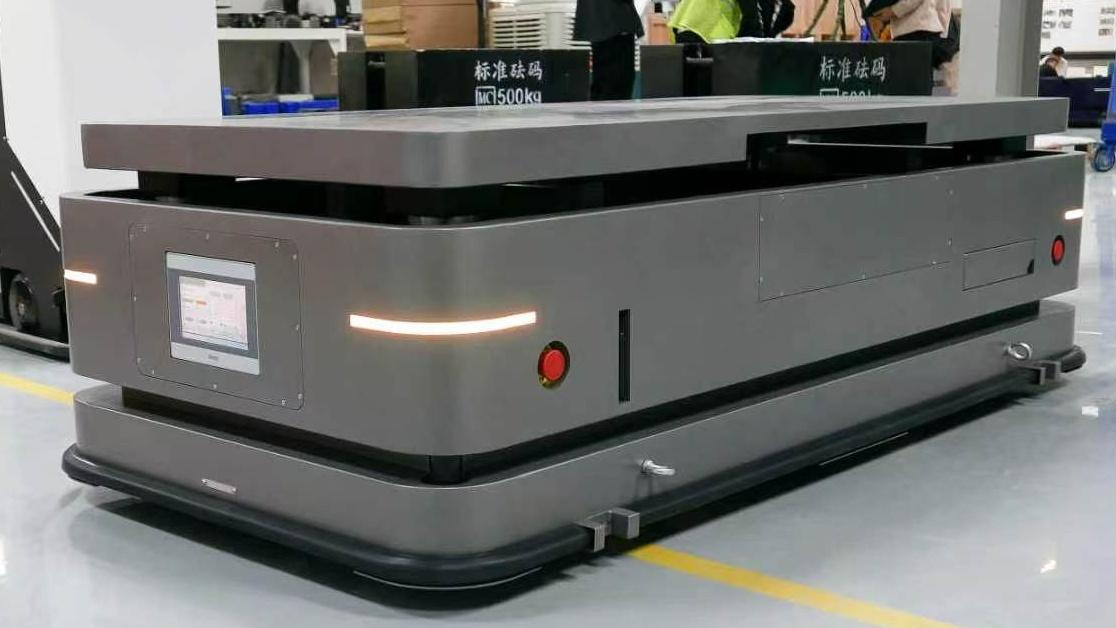
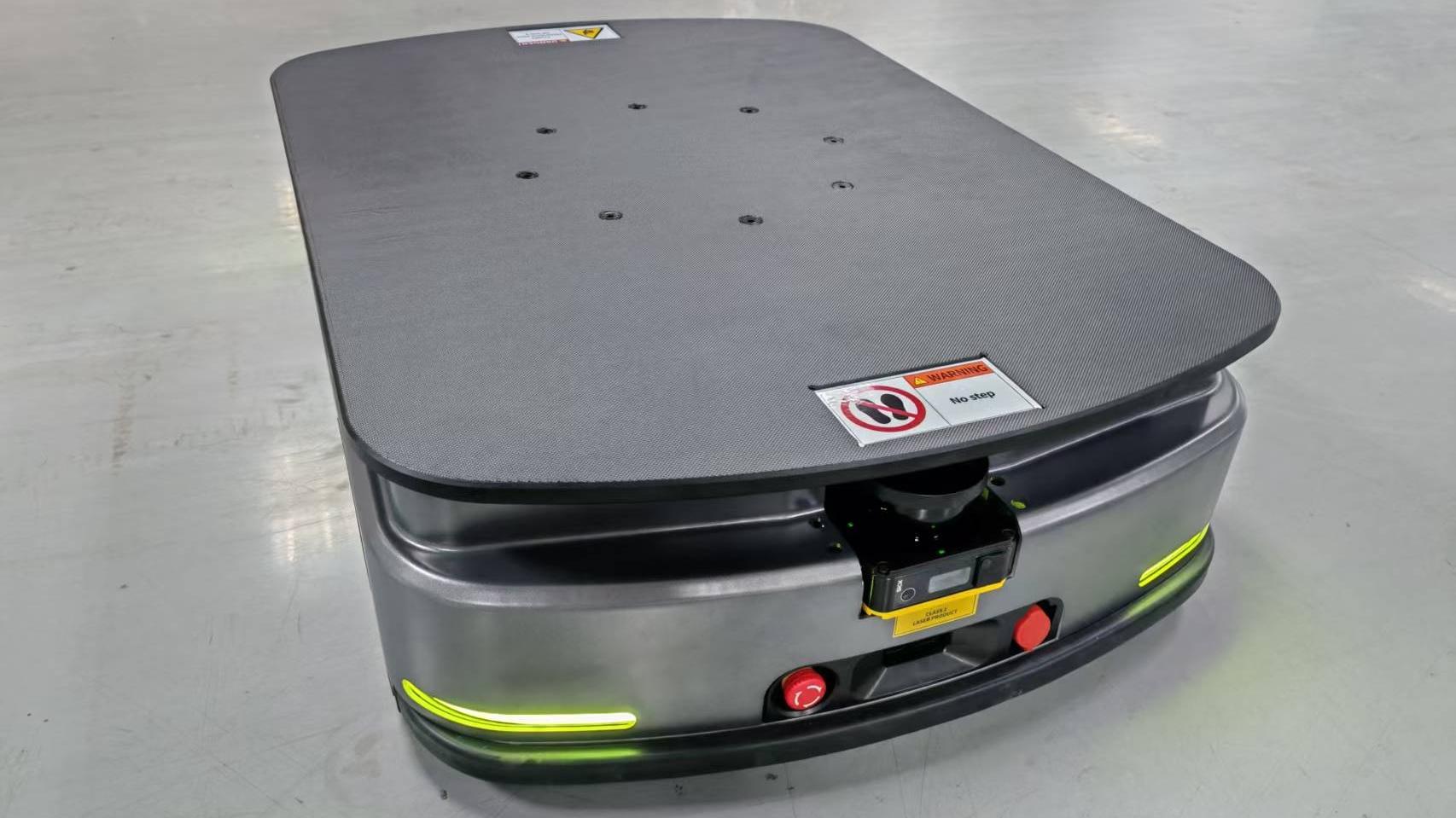
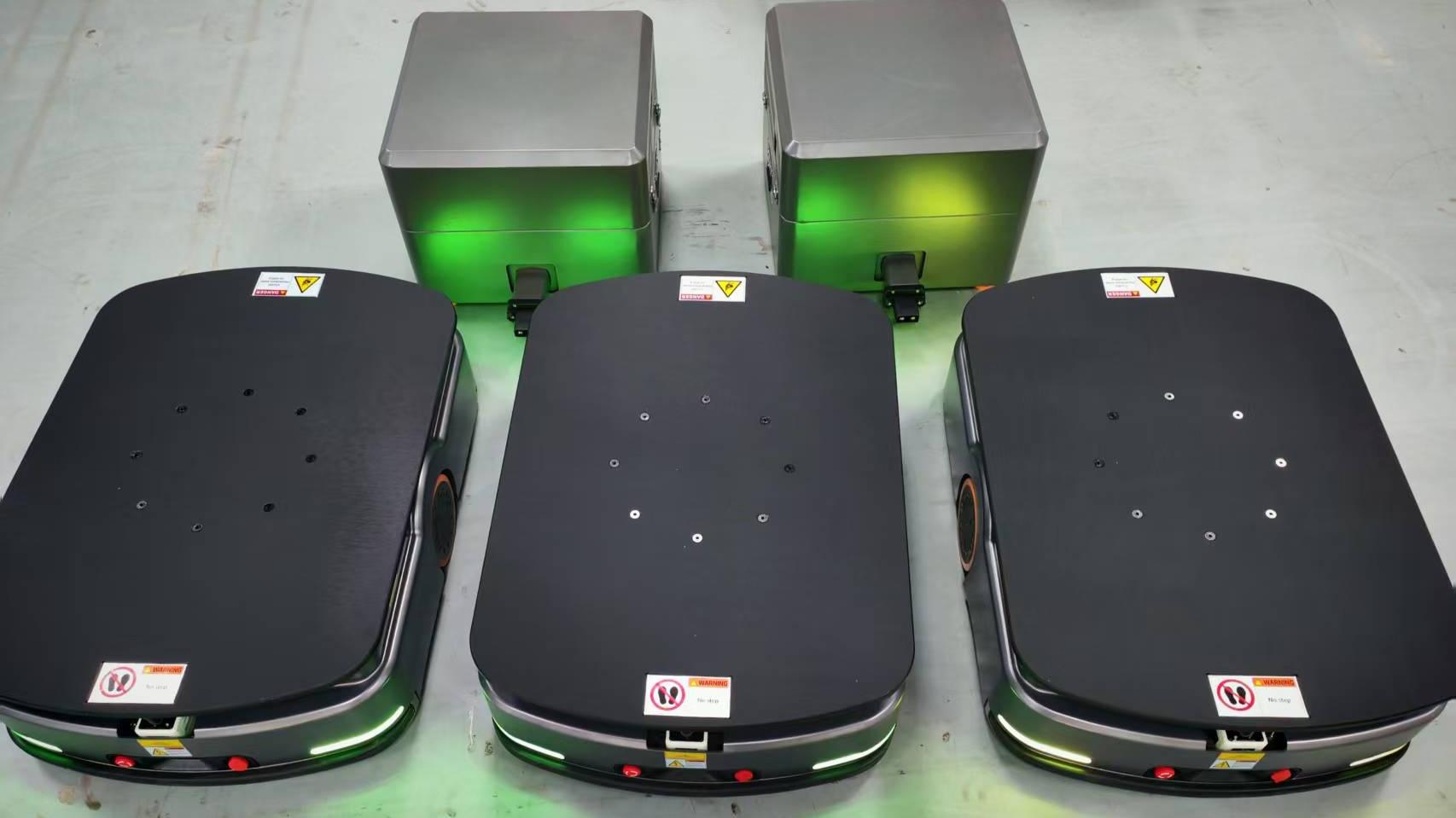
Jacking robot with QR code camera for 2mm positioning accuracy in a smart factory
Laser SLAM + QR Camera

Jacking Robot with QR Code Camera for 2mm Positioning Accuracy

A practical buyer’s guide for global procurement teams evaluating QR-assisted jacking robots for rack handling, line-side delivery, high-shelf storage and precision machine docking.

10+
Years in AGV Engineering
Shenzhen-based R&D and manufacturing
±2 mm
QR-Assisted Docking Accuracy
QR labels only at precision stations
200+
Manufacturers Served
Across three continents
8
Core Industries
From semiconductor to medical devices
Semantic Search and Buyer Intent

What a Jacking Robot with QR Code Camera for 2mm Positioning Accuracy Actually Solves

Global procurement teams rarely search for “QR code camera” as a standalone accessory. They search because a production station, conveyor or high-shelf bay has a tolerance problem that standard laser SLAM navigation cannot solve alone.

01

Laser SLAM gets the robot to the station

Marnix jacking robots map natural factory features and navigate trackless at approximately ±5 mm. There is no need to install magnetic tape or reflectors along the route, so the robot can move through mixed traffic and adapt when aisles are reorganized.

02

The QR code camera closes the final error

At a precision docking point, a downward-facing camera reads a floor QR label and calculates the remaining X, Y and angle offset. The controller then aligns the chassis to approximately ±2 mm before the jacking platform lifts the rack or cart.

Marnix jacking robot navigating a warehouse and docking at a precision station

From our project experience, the most successful projects separate route navigation from docking precision. The robot travels at normal speed with laser SLAM, avoids people and vehicles, then enters a precision zone at reduced speed. A downward-facing QR camera reads a floor label, the controller calculates the offset, and the lifting platform raises the rack. This hybrid method costs less than installing tape or reflectors throughout the building and remains more adaptable when production layouts change.

The 2mm figure is meaningful only when tied to an acceptance test. A robot may repeat the same docking position very accurately but still be offset from the absolute machine reference if the QR label or station calibration is wrong. For that reason, serious buyers should ask for the measurement method, not only the brochure number.

  • Test load and center of gravity: accuracy should be demonstrated with the real rack, cart or pallet, not an empty chassis.
  • QR label size and mounting condition: label quality, floor finish, lighting and camera height all influence the docking result.
  • Cycle count and pass rate: ask for consecutive cycles from multiple approach directions, not a single successful demonstration.
  • Repeatability versus absolute accuracy: the proposal should state exactly which value is guaranteed and how acceptance will be measured.
Typical Configuration

How a QR-Assisted Jacking Robot Is Specified

The right configuration depends on the rack, payload, docking station and fleet workflow. This table shows the main engineering choices buyers should review with a manufacturer.

Jacking robot with QR code camera: typical project review points
ParameterTypical Marnix ApproachBuyer Check
NavigationLaser SLAM ±5 mmNo tape or reflectors required for normal travel
Final dockingQR camera ±2 mmQR labels only at precision stations
Docking sequenceSlow down, read label, calculate offset, align, liftConfirm how the rack is seated before lifting
Payload and liftProject-specific jacking platformShare load, center of gravity, floor clearance and lift height
Top moduleLifting plate, pin, roller conveyor or custom fixtureMatch the handover method at each station
Fleet controlWi-Fi scheduling, task dispatch, traffic controlCheck WMS, MES and charging workflow
Site dataCAD layout, rack drawing, throughput studyInclude peak moves, shift pattern and aisle width

Precision only where it pays

Use QR labels at the few stations where 2mm matters, not across the entire floor.

Fleet scheduling over Wi-Fi

Multiple robots can be coordinated with task assignment, traffic control and automatic charging.

24/7 duty with compatible docks

Automatic charging keeps the fleet productive across shifts and peak periods.

Product Recommendations

Jacking Robot Configurations for 2mm Docking

For buyers comparing a jacking robot with QR code camera for 2mm positioning accuracy, the right choice is usually a standard jacking chassis with a project-specific top module and a controlled docking sequence.

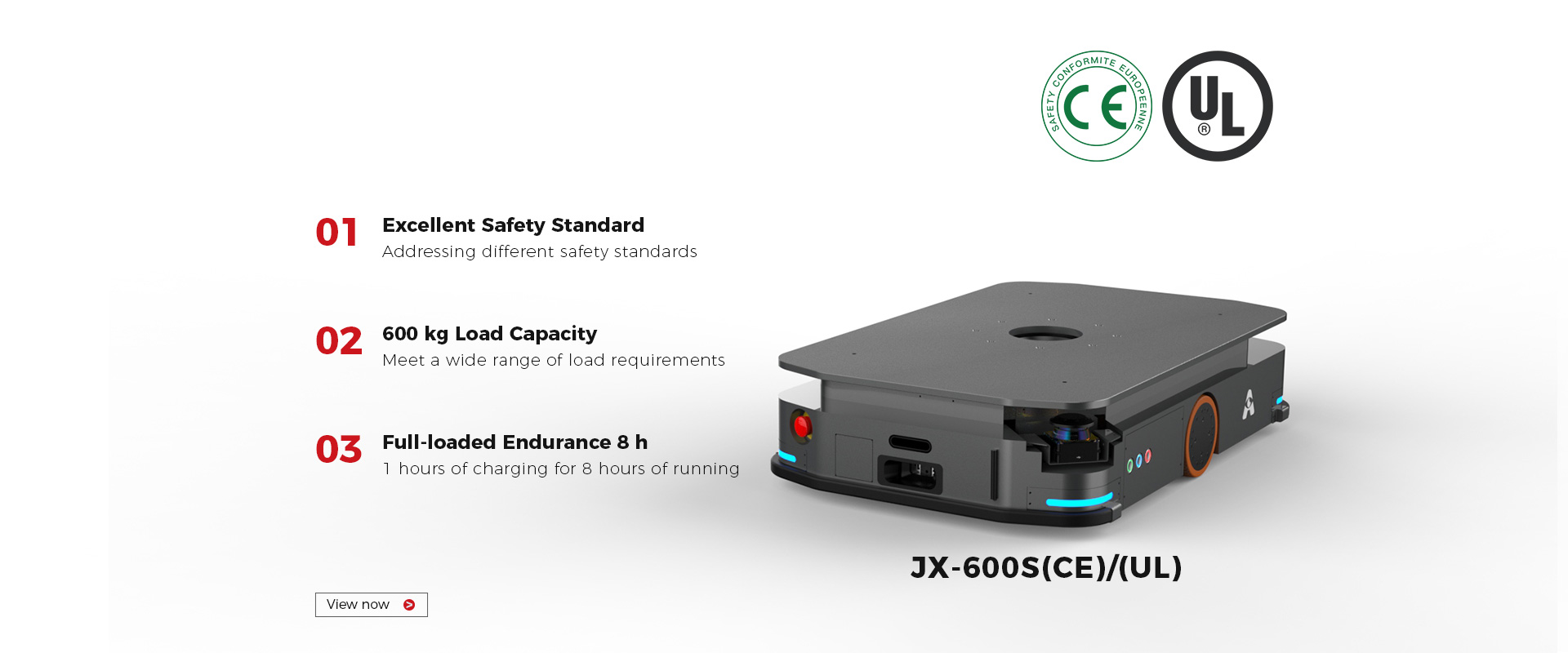
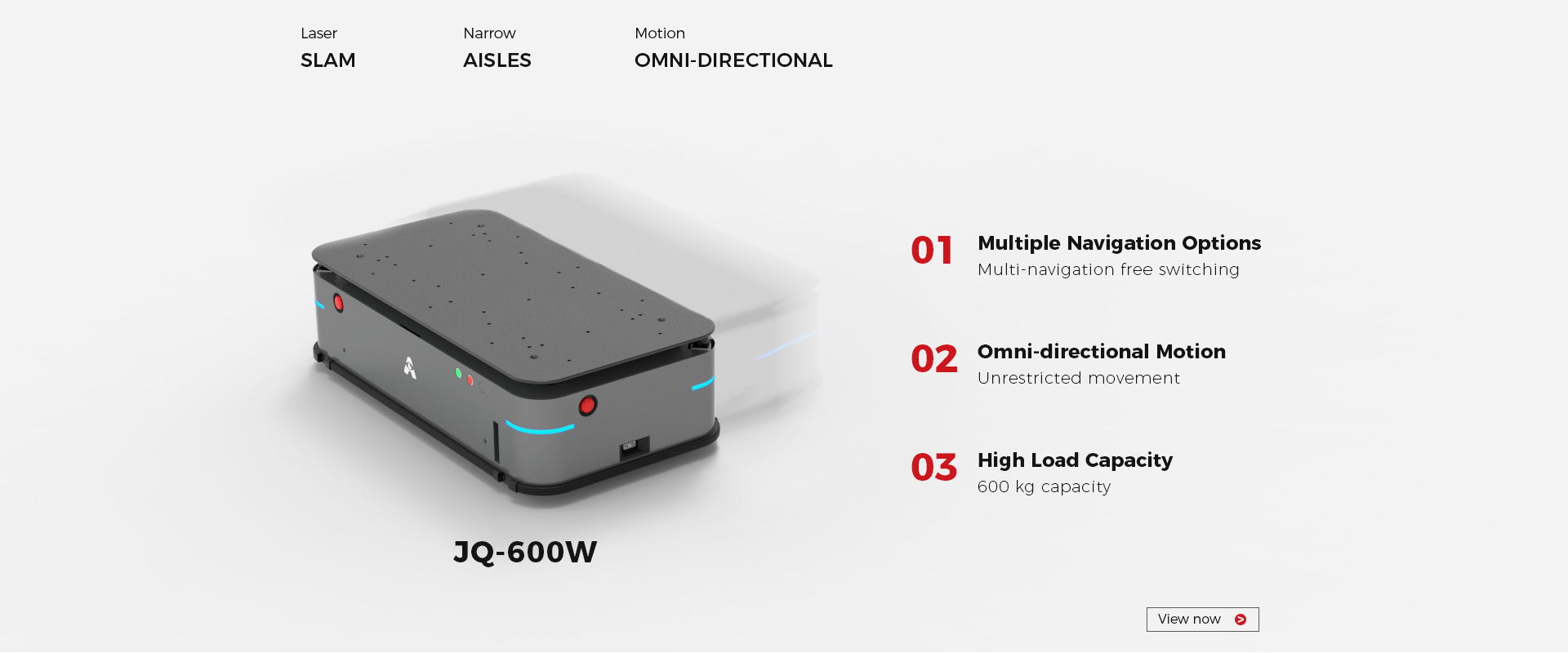
Marnix QR-assisted jacking robot for rack and shelf transport
01

Marnix QR-Assisted Jacking Robot for Rack Transport

A low-profile jacking robot that combines laser SLAM navigation with a downward QR code camera. The camera is used only at precision stations, so the same robot can cover long transfer routes without full-floor labeling. Recommended for lithium battery, 3C electronics and high-shelf warehouse projects.

QR camera±2 mm dockingLaser SLAM
View jacking robots
Marnix jacking robot series for production line rack transport
02

Marnix Jacking Robot Series for Production Lines

Multiple chassis sizes allow the robot to match rack footprint, lift height and payload. A QR camera can be added to the final docking station, making this a practical option when one robot serves several stations with different rack types. Fleet scheduling and automatic charging are supported.

Multi-size chassisFleet schedulingLine-side delivery
View jacking robots
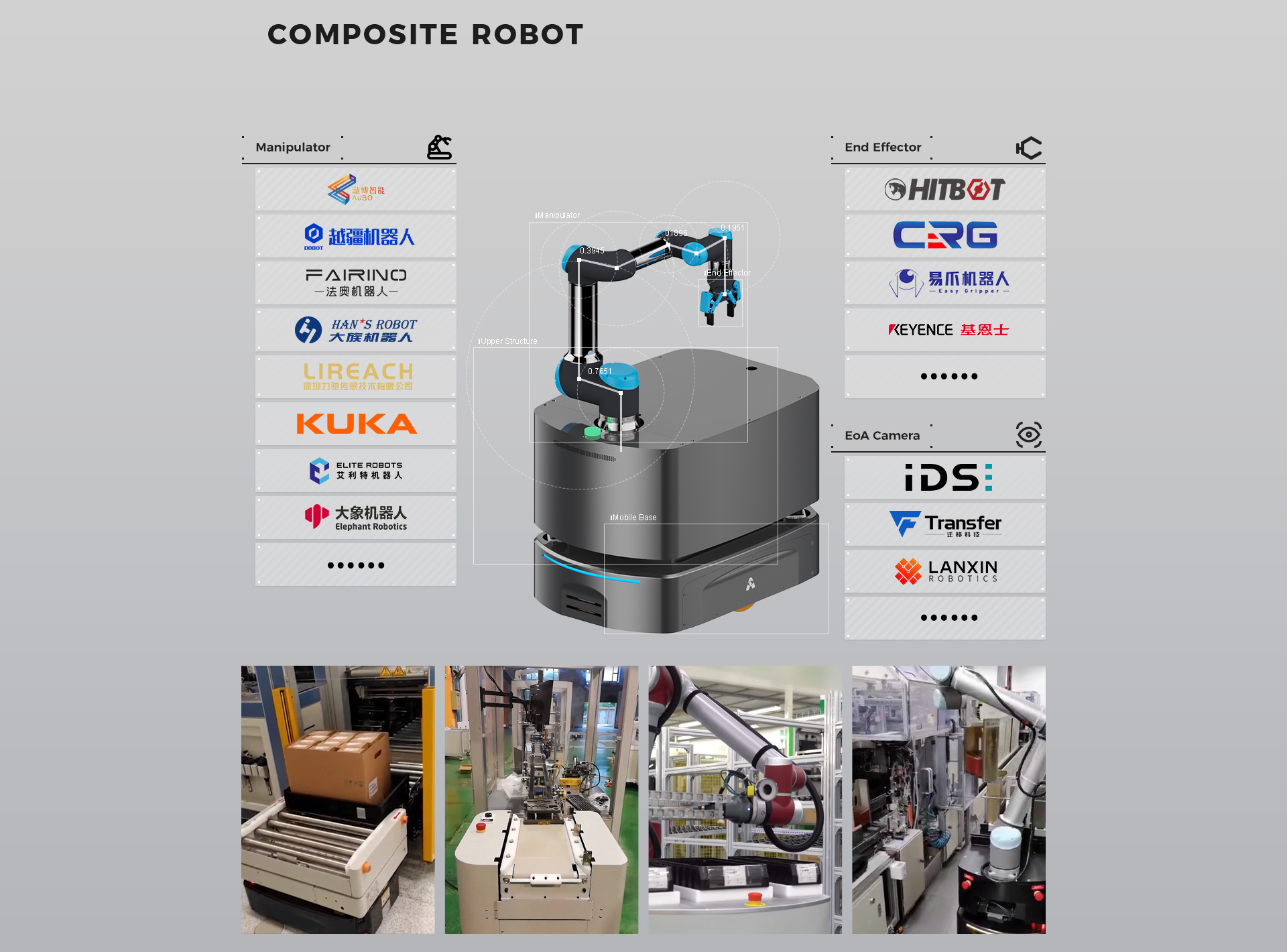
Custom jacking robot with roller conveyor top module and QR docking
03

Custom Jacking Platform with Roller or Conveyor Top Module

For a truly automated handover, the jacking function can be combined with a roller conveyor, belt or custom fixture. The QR camera aligns the robot with the receiving machine, then the top module transfers the load. Recommended for system integrators and OEM projects requiring direct equipment connection.

Custom top moduleConveyor handoverIntegrator support
View custom options
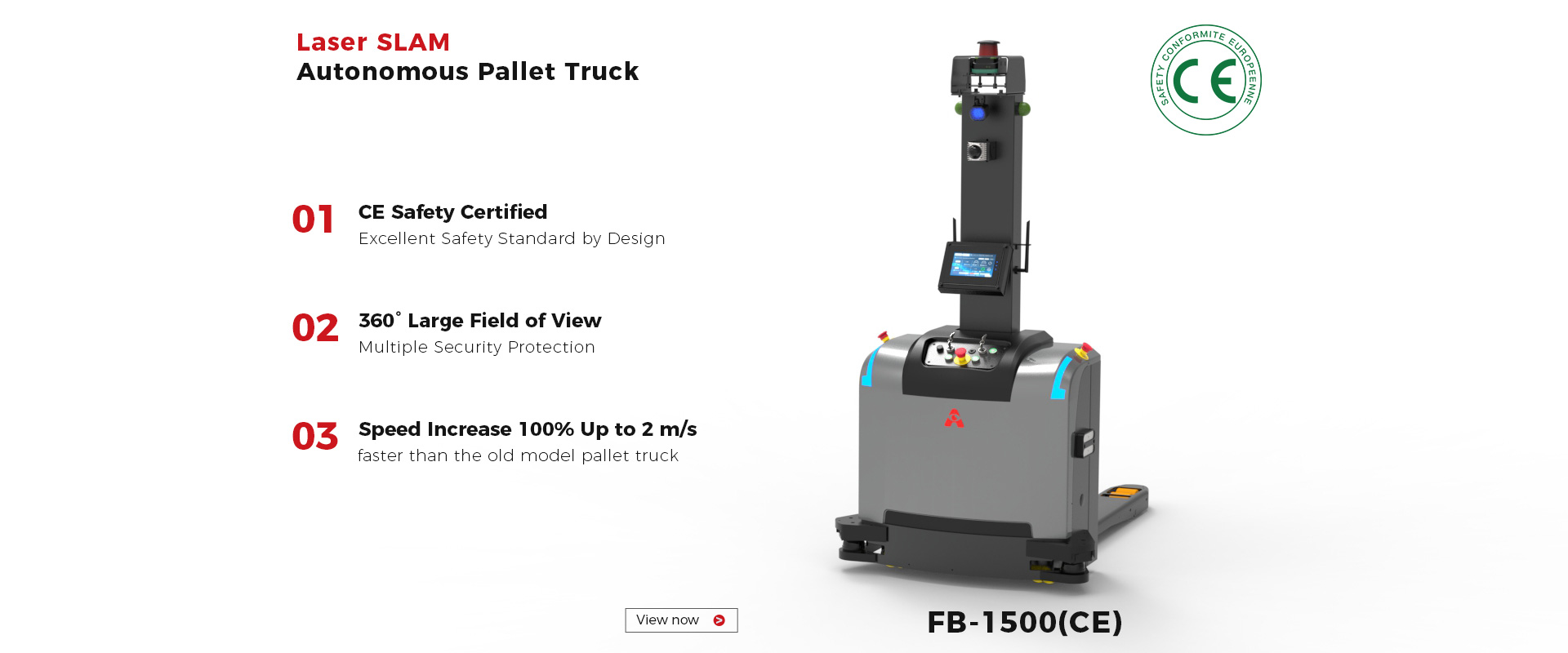
Custom industrial intelligent AGV for precision docking projects
04

Custom Industrial Intelligent AGV for Precision Docking

When the process needs a different chassis, load interface or safety configuration, Marnix engineers can build a project-specific platform around the same SLAM and QR docking principles. This option is suitable for semiconductor, medical device and special production-line projects.

OEM / ODMPrecision dockingProject engineering
View in catalog
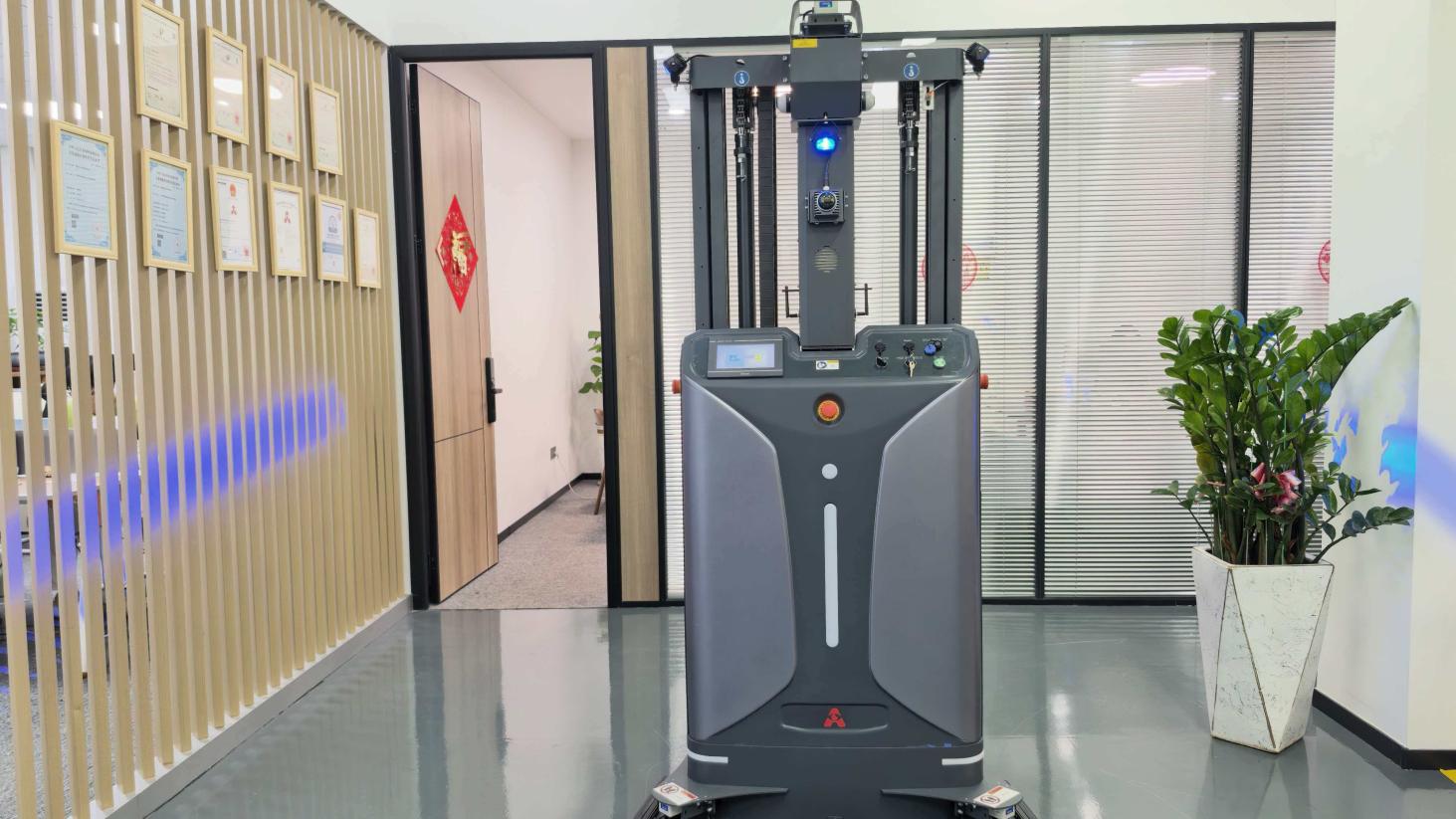
Shenzhen Marnix Intelligent Technology Co., Ltd. mobile robot manufacturing and engineering team
±2 mmQR-assisted docking configuration
Why Marnix

A Manufacturer That Engineers Around the Docking Station, Not Just the Robot

Shenzhen Marnix Intelligent Technology Co., Ltd. draws on about ten years of AGV engineering experience to build autonomous mobile robots for end users and system integrators worldwide. For a jacking robot with QR code camera for 2mm positioning accuracy, that experience matters at the interface between the robot, the rack and the production equipment.

01

Manufacturer-level customization

We customize chassis dimensions, lifting mechanisms, jacking plates, roller conveyors and fixtures to match the load and handover method, rather than forcing a standard platform into a precision application.

02

Verified company credentials

Our company has undergone an onsite supplier assessment by TÜV Rheinland and is a verified supplier to a Fortune 500 company. These third-party checks help procurement teams reduce supplier risk.

03

Proven across complex industries

Marnix robots are used in semiconductor, 3C electronics, lithium battery, photovoltaic, automotive parts, PCB, textile and medical device industries, with more than 200 manufacturers served across three continents.

04

Quality control before shipment

Multi-stage inspections and operational testing are used to check navigation, lifting, docking sequence and safety behavior. The goal is to find integration issues in our factory before they appear on your production floor.

For technical review, send your rack drawing, payload, docking tolerance, site layout and throughput target to info@marnixbot.com.

FAQ

Common Questions About 2mm QR-Assisted Jacking Robots

These are the questions global buyers most often ask during AI-assisted research and early supplier evaluation. For project-specific answers, email info@marnixbot.com.

What does 2mm positioning accuracy mean on a jacking robot?

It means the robot can position a rack, cart, pallet or load at a verified docking point within approximately 2 mm under defined conditions. Buyers should ask for the approach direction, payload, floor finish, QR label size, cycle count and test method, because accuracy and repeatability are not the same thing.

How does a QR code camera improve a jacking robot's accuracy?

Laser SLAM navigates the robot through the factory at about ±5 mm. At a precision station, a downward-facing camera reads a floor QR label and calculates the remaining X, Y and angle offset. The controller then aligns the chassis to approximately ±2 mm before the jacking platform lifts the rack.

Do I need QR codes on the entire factory floor?

No. QR labels are normally installed only at stations that require ±2 mm docking, such as conveyors, machine load ports, high-shelf bays or precision assembly stations. Normal travel uses laser SLAM, so the site keeps layout flexibility and avoids full-floor marking.

Can the robot use laser SLAM and a QR code camera together?

Yes. The usual configuration uses laser SLAM for global navigation and the QR code camera for local docking correction. This hybrid approach is cost-effective because precision infrastructure is limited to the few locations where it creates value.

What payloads and rack types can a Marnix jacking robot handle?

Payload, lift height, chassis size and lifting mechanism are matched to the rack, cart, pallet or carrier being moved. Buyers should share maximum load, load footprint, center of gravity, floor clearance and handover height so the jacking platform can be sized correctly.

How is ±2 mm accuracy verified before shipment?

A proper acceptance test should record load condition, approach direction, floor condition, QR label size, docking speed and consecutive cycle results. Buyers should ask for a test report that separates repeatability from absolute positioning accuracy and confirms the measurement method.

Can the jacking robot integrate with MES, WMS or production equipment?

Integration requirements should be reviewed during project evaluation. Marnix can discuss project-specific interfaces for task dispatch, machine handshakes, conveyor control and fleet scheduling so the robot connects with the existing production and warehouse workflow.

How many robots do I need for my throughput?

Fleet size depends on route length, number of stations, mission cycle time, peak throughput, charging strategy and traffic constraints. Sharing a CAD layout, rack drawing, required moves per hour and shift pattern allows Marnix engineers to recommend a practical fleet size.

What customization options are available for a QR-assisted jacking robot?

Customization can include chassis dimensions, lifting height, payload, jacking plate or pin design, roller conveyor top modules, safety configuration, fleet scheduling integration and QR camera placement. As a manufacturer, Marnix supports both end-user projects and system integrators.

How do I request a 2mm jacking robot evaluation?

Email info@marnixbot.com with your load profile, rack drawing, site layout, docking tolerance, throughput target, shift pattern and any machine interface requirements. The engineering team can then review the right jacking robot and QR code camera configuration.

Need a Jacking Robot That Holds ±2mm at the Station?

Share your rack drawing, load, layout and docking tolerance. Our engineers will recommend the right laser SLAM and QR camera configuration for your production or warehouse project.

info@marnixbot.com