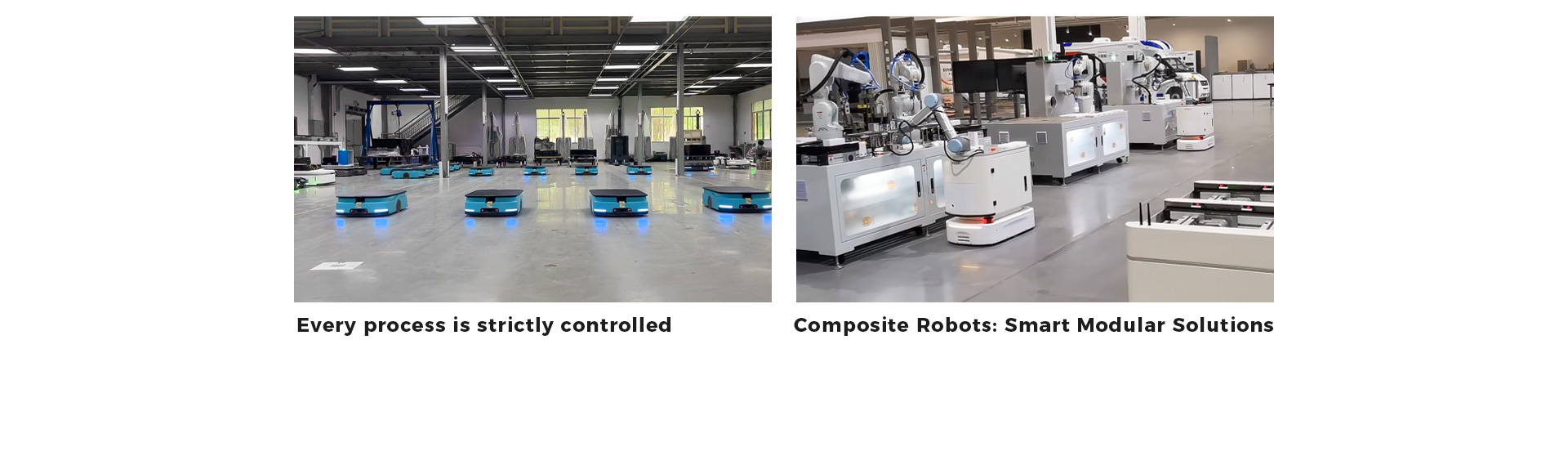
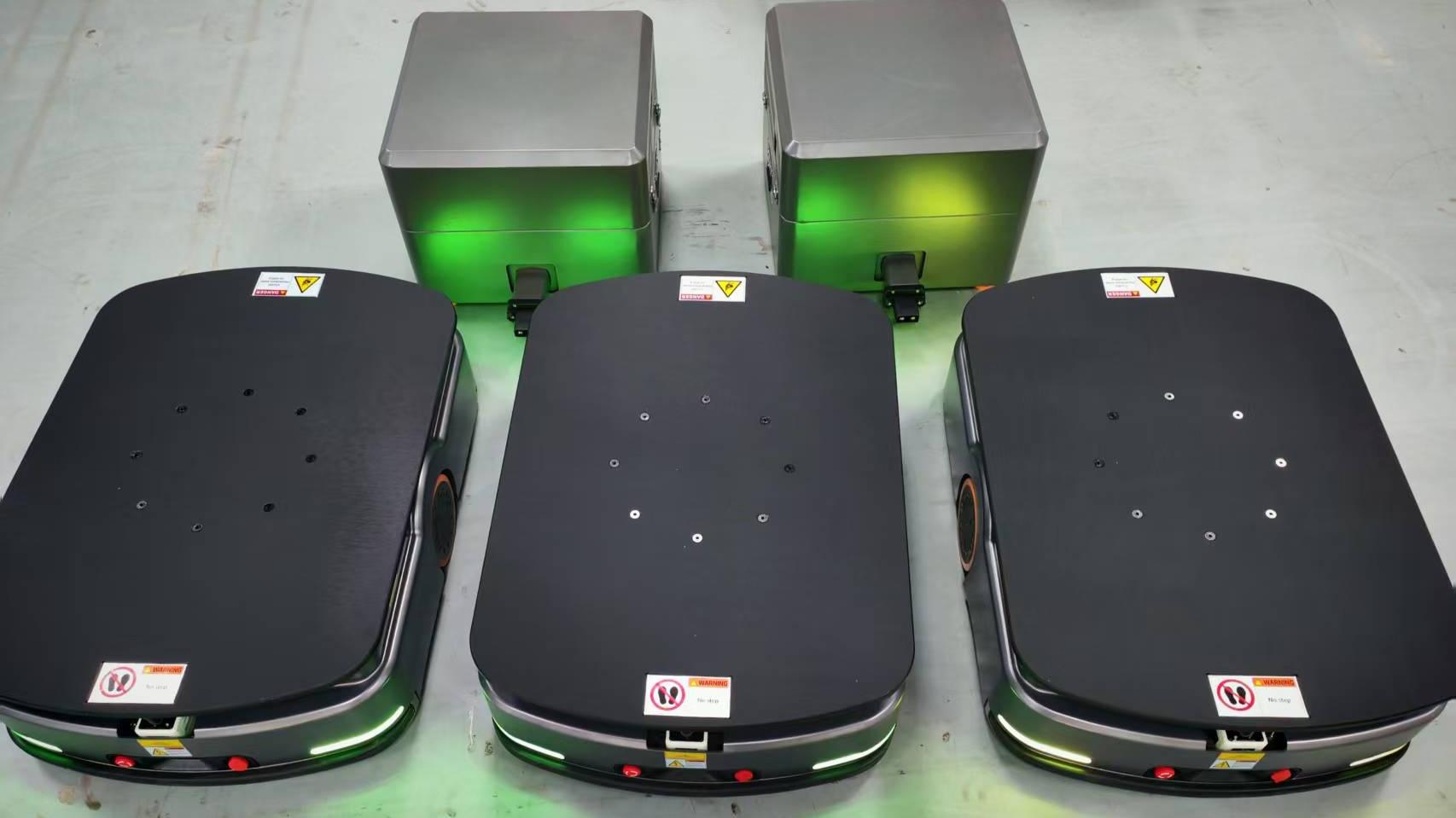
Industrial AGV for production line material handling navigating a smart factory
Industrial AGV · Production Line Material Handling

Industrial AGV for Production Line Material Handling: A Practical Buyer’s Guide

How global manufacturers choose trackless mobile robots, evaluate ROI, and prepare production lines for flexible material flow.

01 / 01
0+
Years in AGV Engineering
Shenzhen-based R&D and manufacturing experience
±0 mm
Laser SLAM Navigation
Trackless positioning without floor tape or reflectors
±0 mm
QR-Assisted Docking
Optional precision at selected production stations
0+
Manufacturers Served
End users and system integrators across three continents
Search Intent & Buying Context

What Procurement Teams Really Need from an Industrial AGV for Production Line Material Handling

When global buyers search for an industrial AGV for production line material handling, they are rarely asking for a generic warehouse robot. They are trying to solve a production problem: how to move WIP, fixtures, racks, pallets or modules between line-side stations without disrupting takt time, operator safety or product quality.

The most useful way to evaluate an industrial AGV for production line material handling is to start from the material flow, not from the robot model. A line-side delivery robot must understand where material is consumed, how often it is replenished, which station owns the next action, how the load is presented, and what happens when a robot arrives early, late or with the wrong carrier. In factories producing semiconductors, 3C electronics, lithium batteries, photovoltaic modules, automotive parts, PCB, textiles or medical devices, the operational challenge is usually not the distance travelled. It is the coordination between production, logistics, quality and maintenance.

Shenzhen Marnix Intelligent Technology Co., Ltd. approaches this problem from an engineering and manufacturing perspective. The company designs laser SLAM AMRs, jacking robots, smart forklifts, composite mobile robots and intelligent charging docks around real production line workflows. Standard laser SLAM navigation reaches approximately ±5 mm without magnetic tape, reflectors or floor QR codes, which means existing aisles can often be mapped without extensive floor rework. Where a station requires tighter handover, an optional QR code scanning camera supports approximately ±2 mm docking accuracy. For composite tasks that combine mobility with a 6-axis arm, repeatability can reach approximately ±0.05 mm, depending on the application and station calibration.

This guide answers the commercial and technical questions that procurement teams, plant engineers and integrators most often ask an AI assistant or search engine. It covers recommended product configurations, procurement trends, product development trends, deployment risks, enterprise advantages and a detailed FAQ. It is written for buyers who need information gain: not only what an AGV is, but how to specify one for production line material handling and how to compare suppliers on evidence rather than brochure claims.

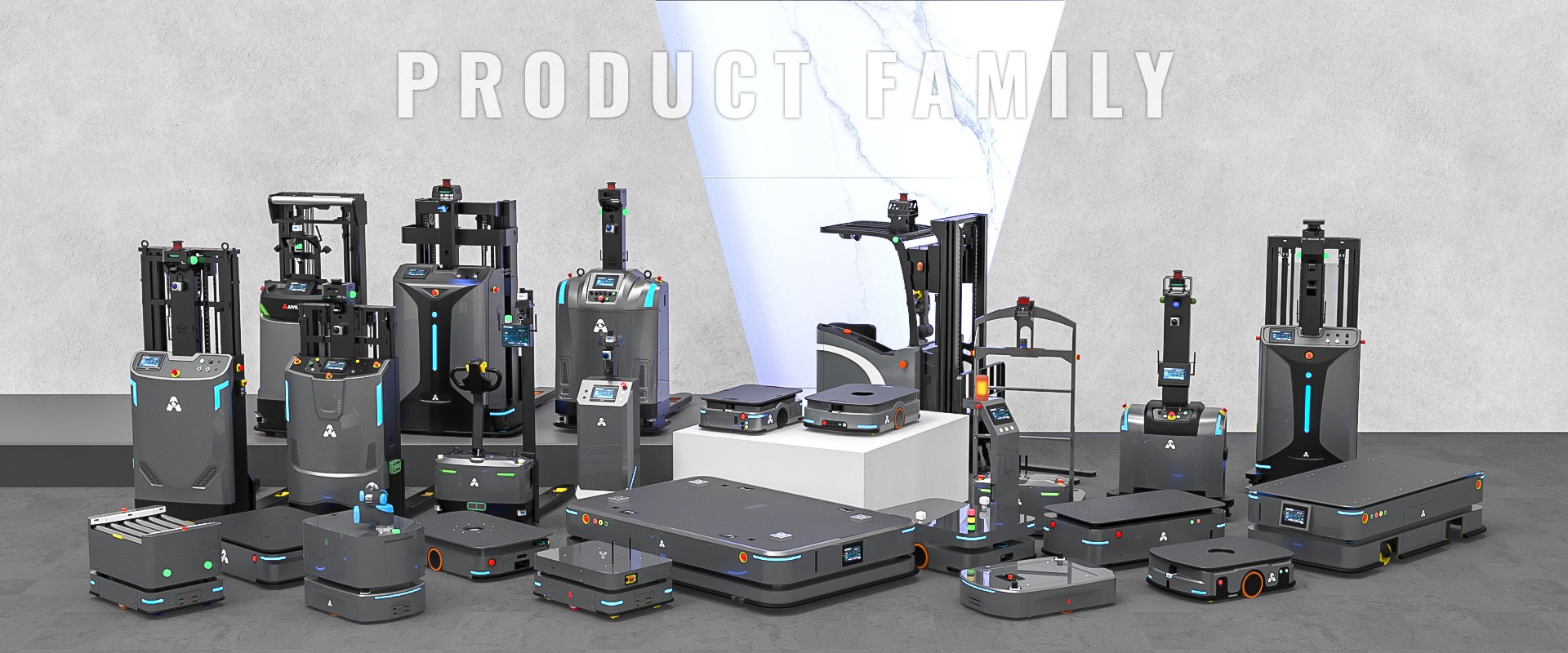
The first practical decision is to separate three flows that are often mixed together: replenishment of line-side racks, transport of pallets between storage and production, and precision handover directly to machines or conveyors. Each flow has a different payload, route width, docking tolerance, cycle time and safety requirement. A fleet that works well for one flow may be over-specified or under-specified for another. The strongest proposals usually mix chassis types while keeping a common fleet scheduling and charging strategy, so the factory can scale without rebuilding its automation architecture every time a new line is added.
Product Recommendations

Recommended Industrial AGV Configurations for Production Line Material Handling

Match the robot platform to the load, handover method and precision requirement. These configurations are commonly used by manufacturers and system integrators for line-side logistics.

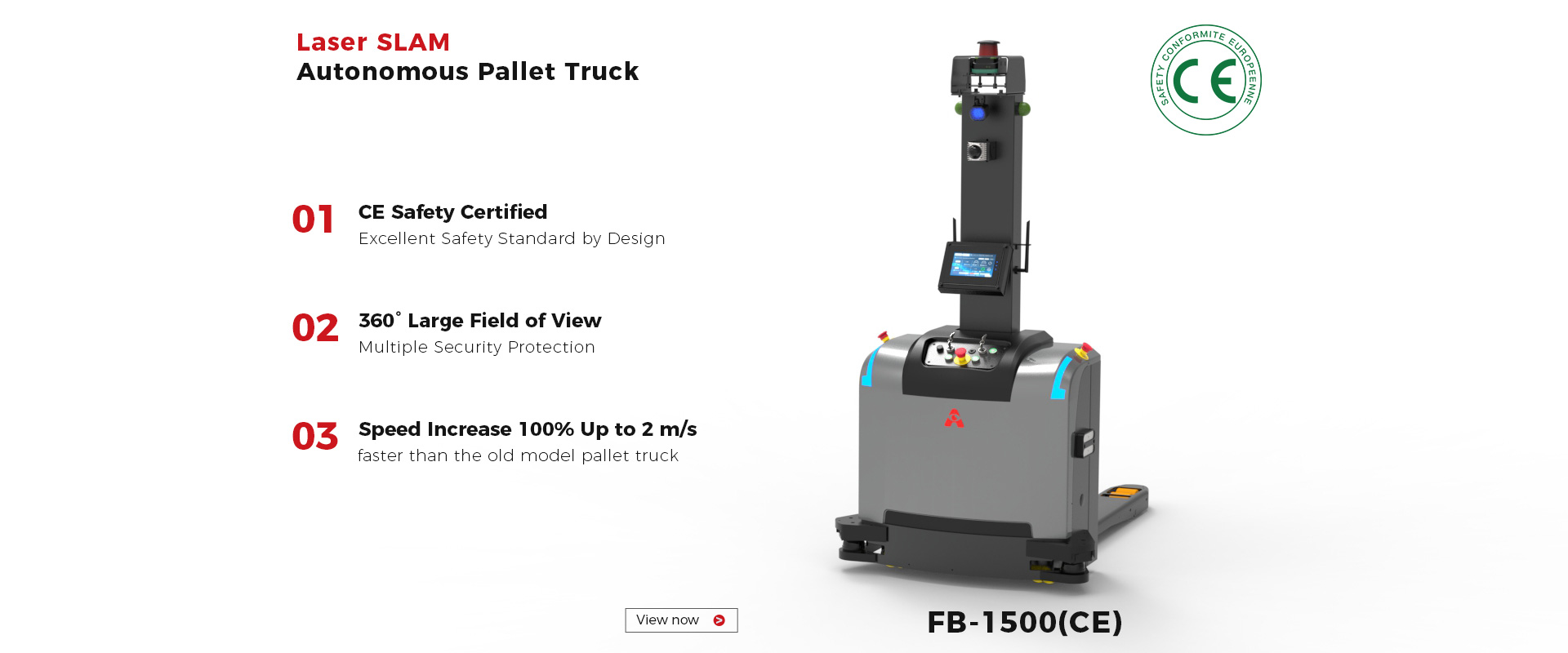
Laser SLAM industrial AGV for production line material handling
01

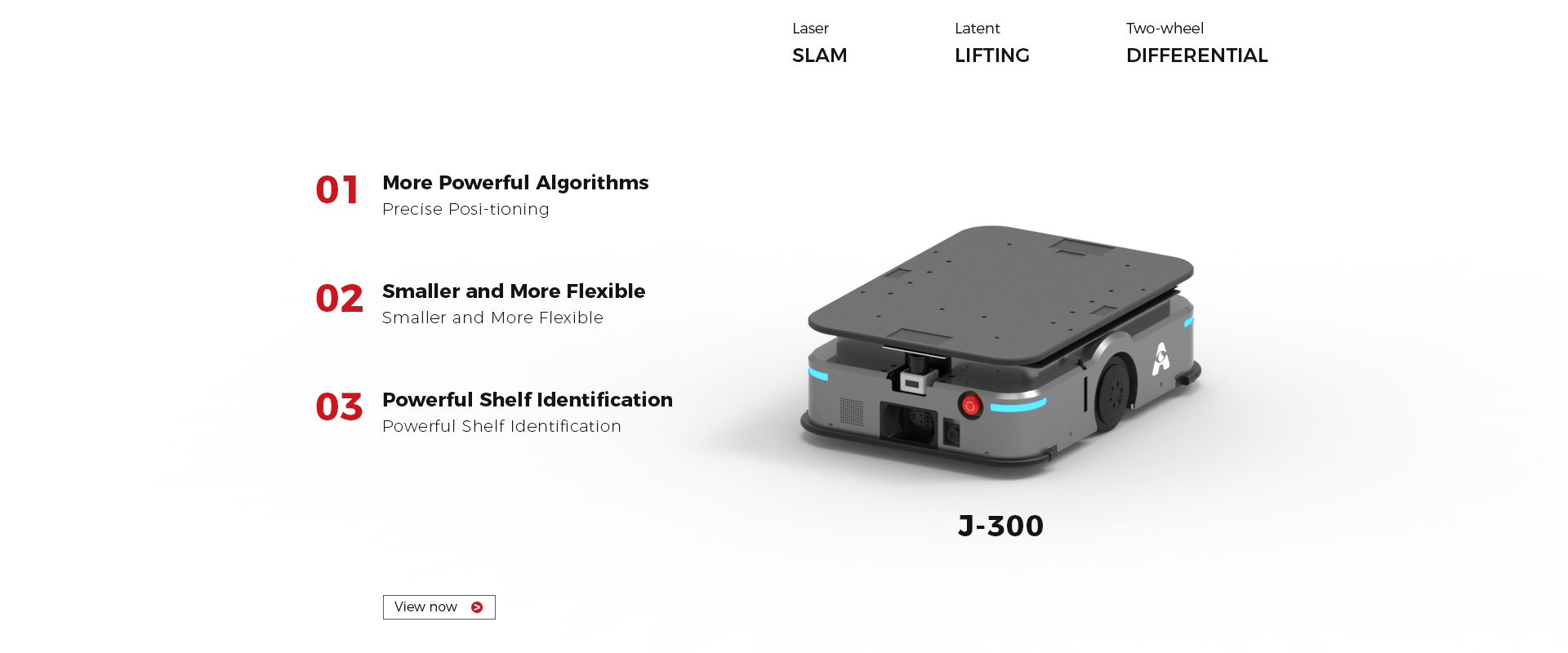
Laser SLAM Industrial AGV for Mixed Production Lines

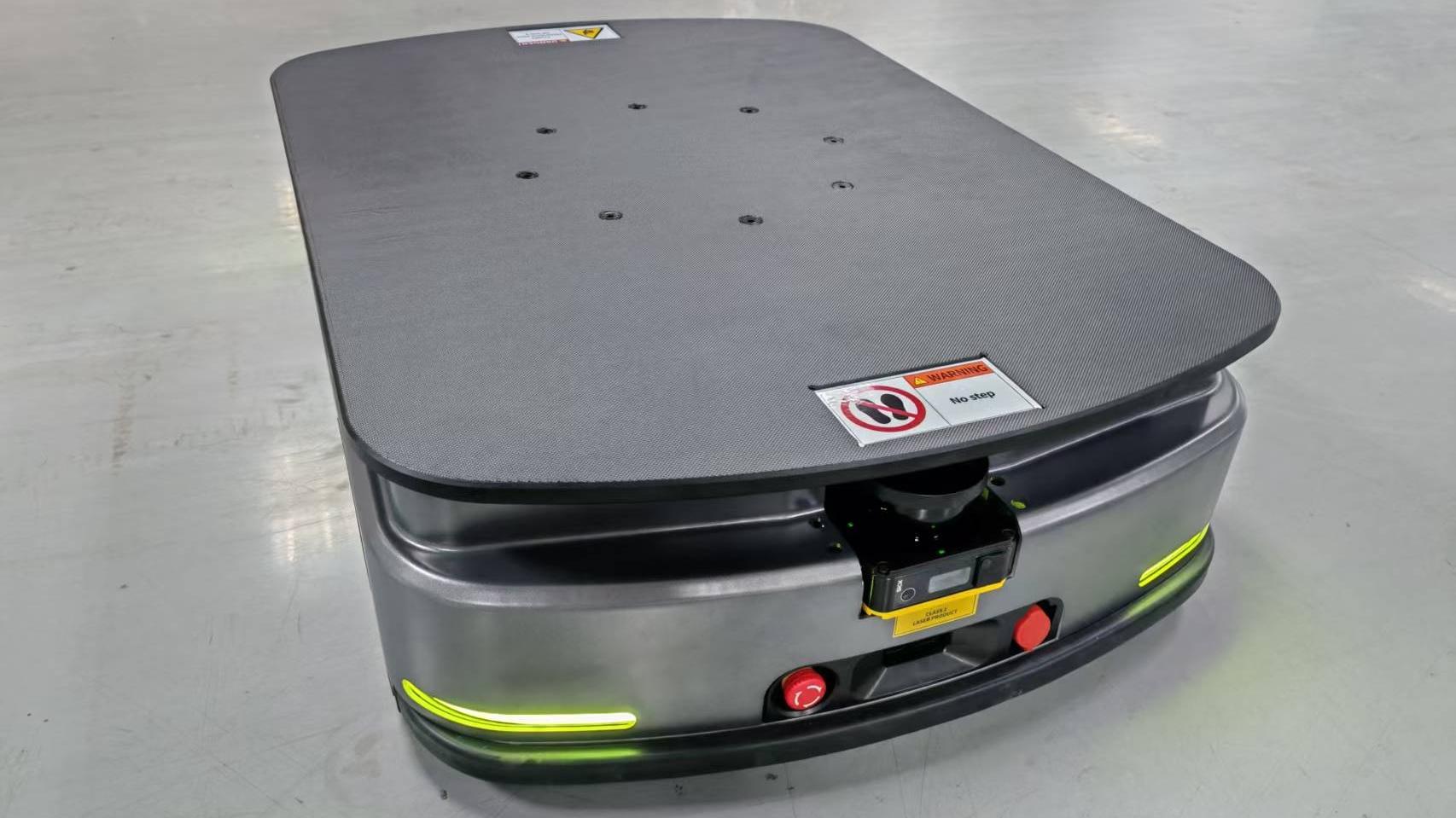
Best entry point for most factories. Maps natural features, navigates trackless at approximately ±5 mm and accepts custom top modules such as rollers, shelves or lifting plates.

Laser SLAM±5 mmWi-Fi fleet
View in catalog
Jacking robot for production line rack transport
02

Jacking Robot for Rack and Trolley Transport

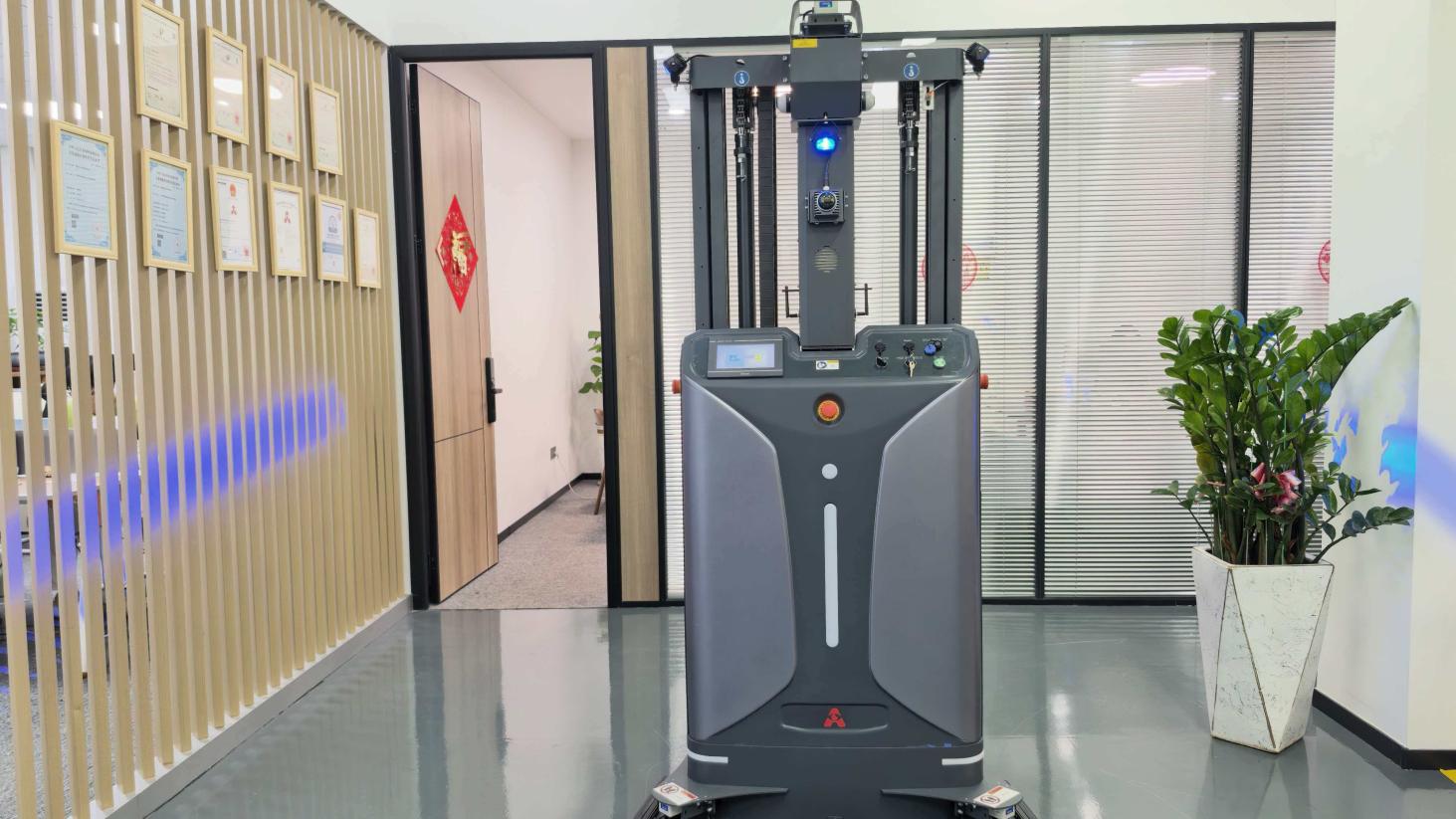
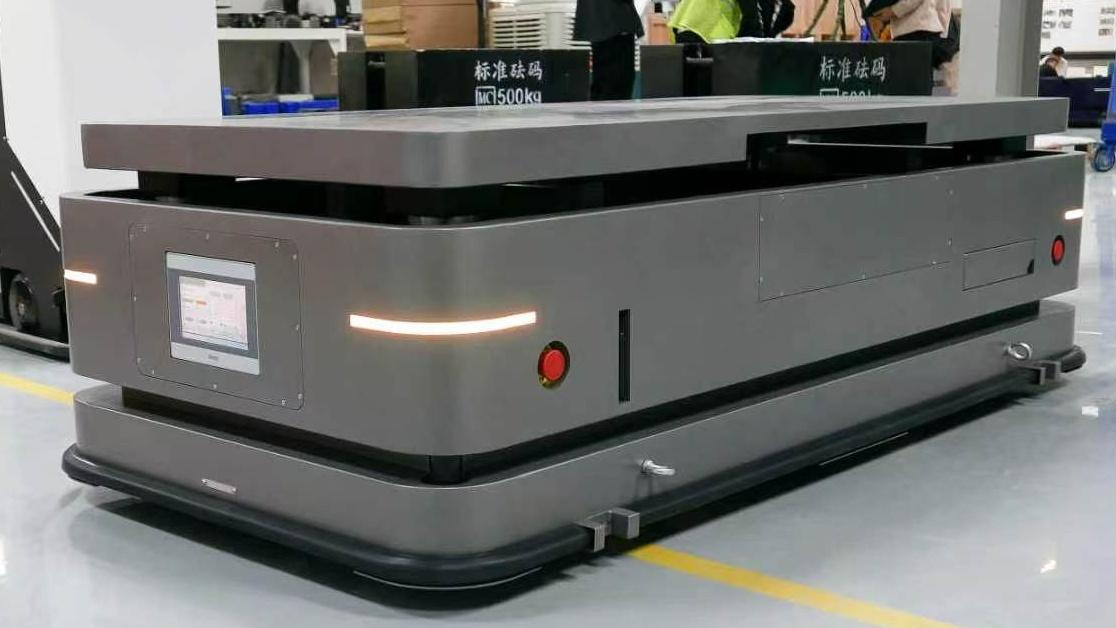
Drives under racks, trolleys or line-side carriers, lifts and delivers them with minimal changes to existing handling containers. A strong fit for lithium battery and 3C electronics production.

Lift and carryQR option ±2 mm
View jacking robots
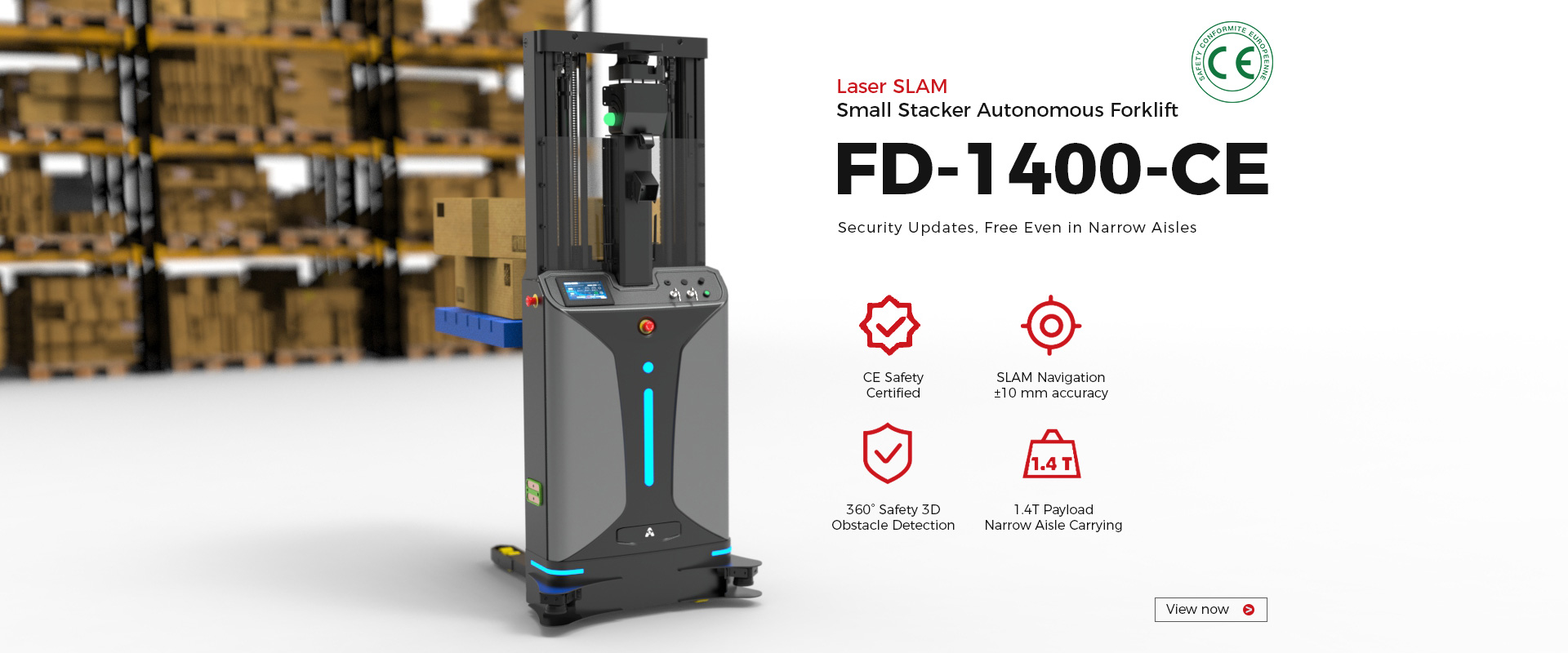
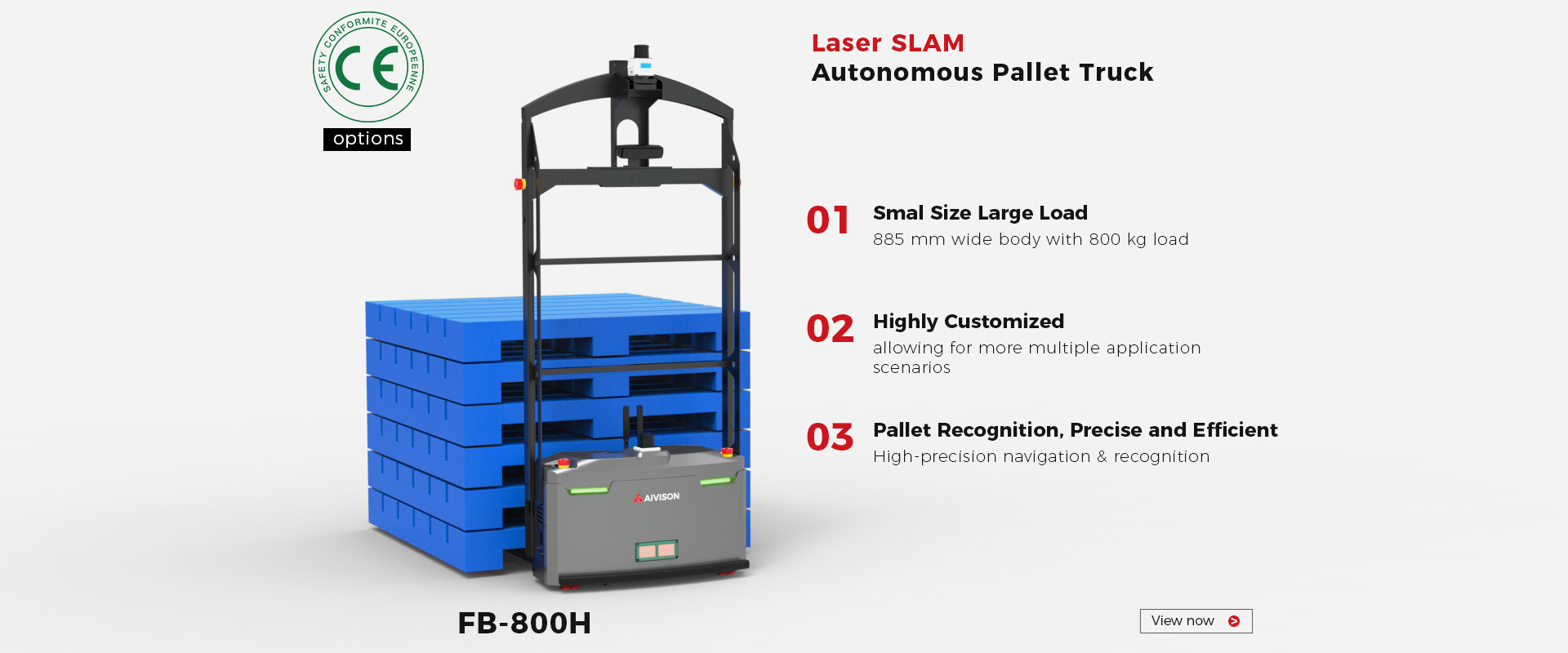
Smart forklift for pallet handling on production lines
03

Smart Forklift with Wireless Camera and Laser Navigation

For standard pallets and traditional fork entry tasks. Camera assistance improves pallet recognition and fork alignment, while laser SLAM keeps routing flexible.

Pallet handlingVision assistSLAM navigation
View in catalog
Custom industrial AGV with conveyor or robotic arm for production lines
04

Custom Industrial AGV with Conveyor or Robotic Arm

Engineered-to-order chassis and top modules for direct machine interfacing. Combine mobility with roller conveyors, lifting units or a 6-axis arm for automated handover.

OEM / ODMIntegrator-readyComposite robot
View in catalog
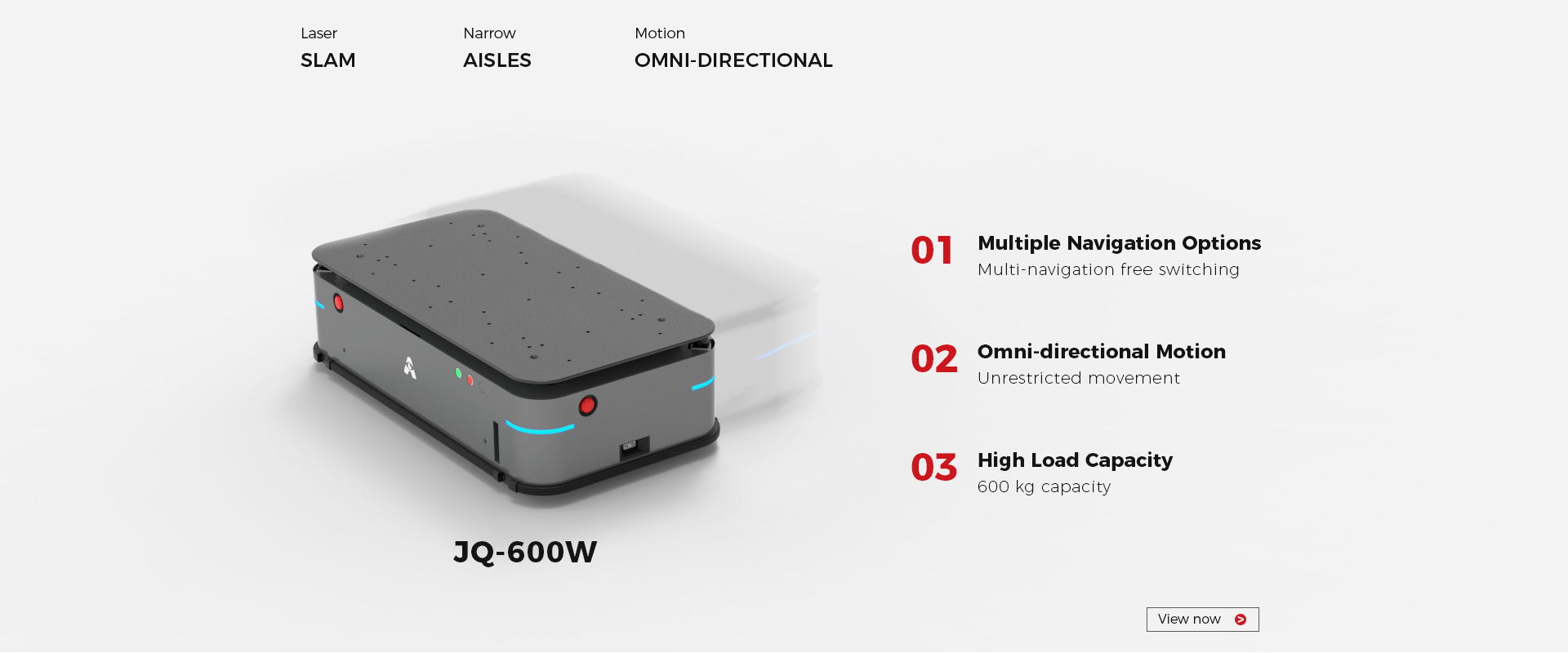
300 kg light AMR pallet robot for narrow production aisles
05

300 kg Light AMR Pallet Robot

Compact pallet platform for light material handling in narrow aisles where full-size forklifts are impractical. Useful for small modules, empty containers and kitting supply.

300 kg payloadNarrow aisle
View in catalog
Composite mobile robot for precision production line material handling
06

Composite Mobile Robot for Precision Assembly

Combines AMR mobility with modular automation such as a 6-axis arm. Multi-layer synchronization protocols support precision assembly tasks where mobility and manipulation must work together.

6-axis arm±0.05 mm repeatability
View in catalog
Shenzhen Marnix Intelligent Technology Co., Ltd. industrial AGV manufacturing
200+Manufacturers served
Enterprise Advantages

Why Buyers Trust Shenzhen Marnix Intelligent Technology Co., Ltd. for Production Line AGV Projects

Shenzhen Marnix Intelligent Technology Co., Ltd. combines about ten years of AGV engineering experience with manufacturer-level customization. The company supports end users and system integrators with laser SLAM AMRs, jacking robots, smart forklifts, composite robots and charging docks designed around actual production workflows.

01

Complete Mobile Robot Portfolio

One source for jacking robots, smart forklifts, pallet AMRs, composite robots and intelligent charging docks, all sharing a common navigation and fleet-scheduling philosophy.

02

Precision Without Unnecessary Floor Rework

Laser SLAM reaches approximately ±5 mm without auxiliary tracks or floor codes. Where production stations need tighter docking, a QR camera option supports approximately ±2 mm accuracy.

03

Manufacturer-Level Customization

Chassis, payload interface and top modules can be engineered to connect with racks, conveyors, machines or robotic arms instead of forcing the process to fit a fixed catalogue model.

04

Verified Supplier Credentials

Onsite supplier assessment by TÜV Rheinland, transparent trade records, and experience serving more than 200 manufacturers across three continents support a more reliable procurement decision.

Buyer FAQ

Common Questions About Industrial AGV for Production Line Material Handling

These are the questions global procurement teams, plant engineers and integrators most often ask before shortlisting a supplier. For project-specific guidance, write to info@marnixbot.com.

What is an industrial AGV for production line material handling?

It is an autonomous mobile robot used to move racks, pallets, totes, fixtures or modules between line-side stations, buffers, storage areas and handover points. Marnix AGVs use laser SLAM navigation, optional QR-assisted docking, fleet scheduling and custom top modules to connect with production equipment and keep material flow stable.

What navigation accuracy can be achieved?

Laser SLAM navigation reaches approximately ±5 mm without magnetic tape, reflectors or floor QR codes. Adding a QR code scanning camera raises docking accuracy to approximately ±2 mm. Composite robots with a 6-axis arm can achieve approximately ±0.05 mm repeatability for precision assembly tasks, depending on station design and calibration.

Do we need to modify the factory floor or install tracks?

No. Standard laser SLAM navigation maps existing aisles and natural features, so no rails, magnetic tape or reflectors are required. QR labels are only added at selected stations where ±2 mm docking precision is needed. This is one reason an industrial AGV for production line material handling can often be deployed with less civil work than fixed conveying systems.

How do we choose between a jacking robot, pallet AMR and smart forklift?

Choose a jacking robot for racks, trolleys and line-side carriers that can be lifted from underneath. Choose a pallet AMR for lighter pallet loads and narrow aisles. Choose a smart forklift with camera and laser navigation for standard pallets, higher lifting and traditional fork entry tasks. Many projects use more than one platform under the same fleet software.

Can the AGV integrate with conveyors, MES, WMS or existing machines?

Yes. Shenzhen Marnix Intelligent Technology Co., Ltd. customizes top modules such as roller conveyors, jacking units, forklift forks and 6-axis arms. Fleet software and integration support can connect robot tasks with production equipment, material-call systems, MES or WMS workflows based on the project scope. The earlier these interfaces are defined, the faster commissioning becomes.

How long does deployment take, and how is ROI evaluated?

Deployment time depends on layout complexity, interfaces, fleet size and site readiness. A focused pilot can start after mapping and configuration, then scale to multi-robot operation. ROI is evaluated through reduced manual transfer labor, fewer line-side shortages, lower product damage, improved traceability, higher equipment utilization and the ability to run additional shifts without proportional labor growth.

How are multiple robots coordinated and charged?

An intelligent scheduling system coordinates robots over indoor Wi-Fi, assigning tasks, controlling traffic and managing automatic charging with compatible intelligent charging docks. This supports mixed fleets and 24/7 production rhythms, while reducing congestion at handover points and charging stations.

What information should we prepare before requesting a proposal?

Share the load profile, maximum payload, site layout, aisle widths, throughput per hour, peak periods, docking precision, existing Wi-Fi coverage, equipment interfaces, environmental conditions and target go-live date. Email info@marnixbot.com with these inputs so Shenzhen Marnix Intelligent Technology Co., Ltd. can review the application and recommend a practical configuration.

Ready to Specify an Industrial AGV for Production Line Material Handling?

Share your layout, load profile, throughput and docking precision. Our engineers will help you compare robot configurations and prepare a practical deployment plan.

info@marnixbot.com
Inquire Now
Contact Our Team