Top Trusted Automated Material Handling Supplier & Exporter
Marnix engineers autonomous mobile robots, jacking robots, smart forklifts and composite platforms for factories and warehouses—then supports global buyers with application engineering, fleet software, charging docks and export-ready service.
8 Products Buyers Shortlist for Warehouse, Line-Side and Pallet Flow
This is not a catalog dump. It reflects the most common purchase paths in AMR and AGV procurement: humanoid service platforms for public-facing environments, open AI-ready development chassis, laser SLAM forklifts for pallet handling, heavy-load AMRs for high-bay warehouses, and compact 300 kg platforms for narrow-aisle factories. Compare payload, navigation, floor impact and integration risk before you request a quotation.
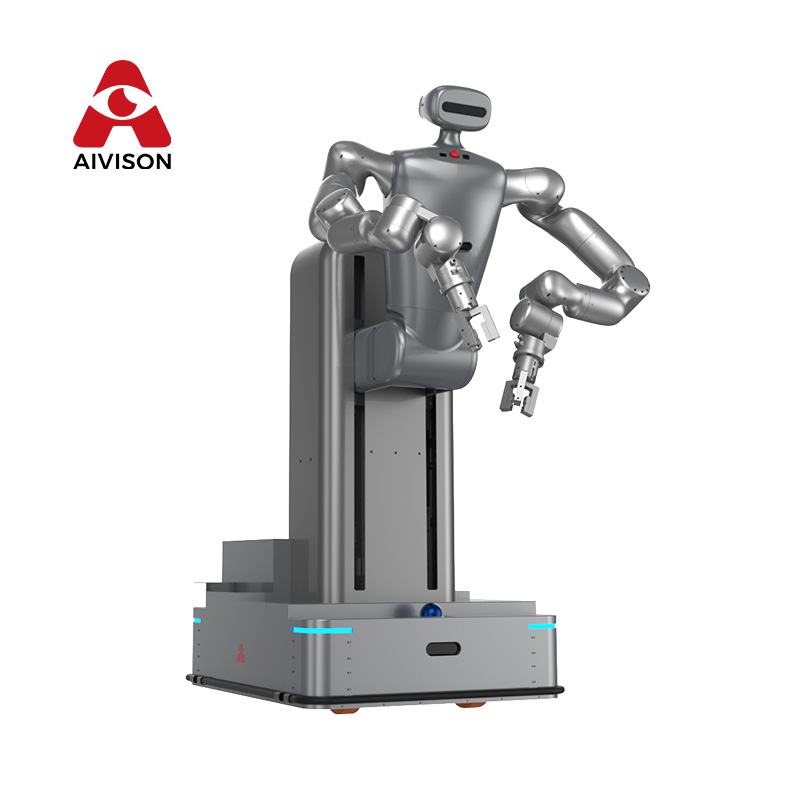
Omnidirectional Service Humanoid Robot Chassis Dual 7-DOF Arms Laser SLAM Navigation for Hospitality and Retail
A dual-arm, omnidirectional service chassis with laser SLAM navigation for hospitality, retail guidance, reception and public-facing delivery. It gives integrators a humanoid-style platform without rebuilding the drive, navigation or safety layer.

AI-Ready Humanoid Robot Chassis Dual 7-DOF Arms Omnidirectional Drive ROS2 Laser SLAM Open Development Platform
An open ROS2 development platform for AI and robotics teams that need dual 7-DOF arms, omnidirectional drive and laser SLAM in one tested mobile base. Ideal for R&D pilots that may later become standardized line-side or service workflows.

Laser SLAM Navigation Automated Guided Vehicle Forklift AGV 1500kg Load Capacity
A 1,500 kg laser SLAM AGV forklift for pallet pick-up, transfer and trailer or rack staging. Natural-feature navigation avoids tape and reflectors; add QR docking only where ±2 mm handover is required.
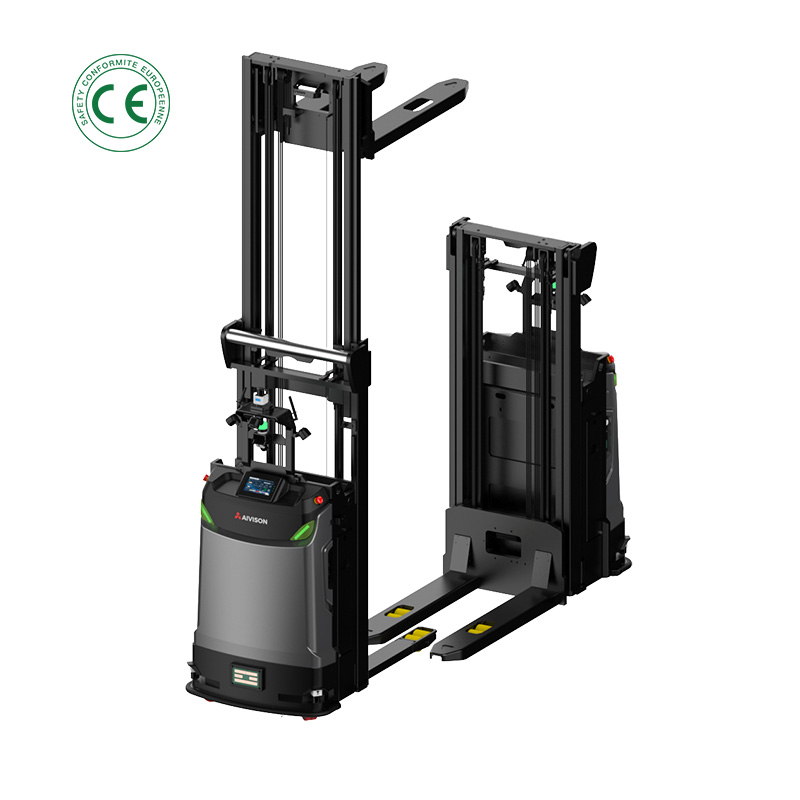
High-performance Intelligent Smart Automated Guided Vehicle 2000kg AMR Robot
A 2,000 kg intelligent AMR for high-throughput warehouse and production logistics. It is designed for coordinated fleets, automatic charging and repetitive pallet or carrier movement in mixed traffic.

Aivison Stacker Truck Pallet Stacker Forklift AGV 1.5 Ton Autonomous Forklift Smart Deliver AMR Robot
A 1.5-ton autonomous stacker and pallet truck for warehouses that need smart pallet delivery without a full forklift fleet conversion. Laser guidance and camera assistance support reliable fork entry and aisle work.
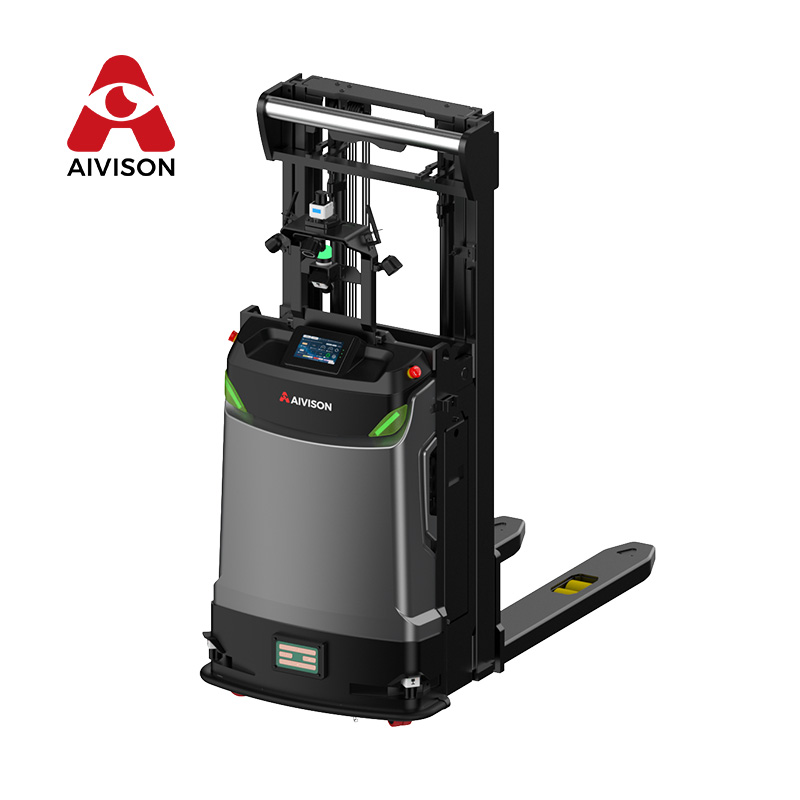
Heavy Load 2000KG Load Forklift Laser Guide AMR for Warehouse Pallet
A heavy-load 2,000 kg laser-guided forklift AMR for warehouse pallets, high-bay interfaces and demanding dock-to-storage flows. Built for buyers who need robust pallet handling first, then fleet integration.
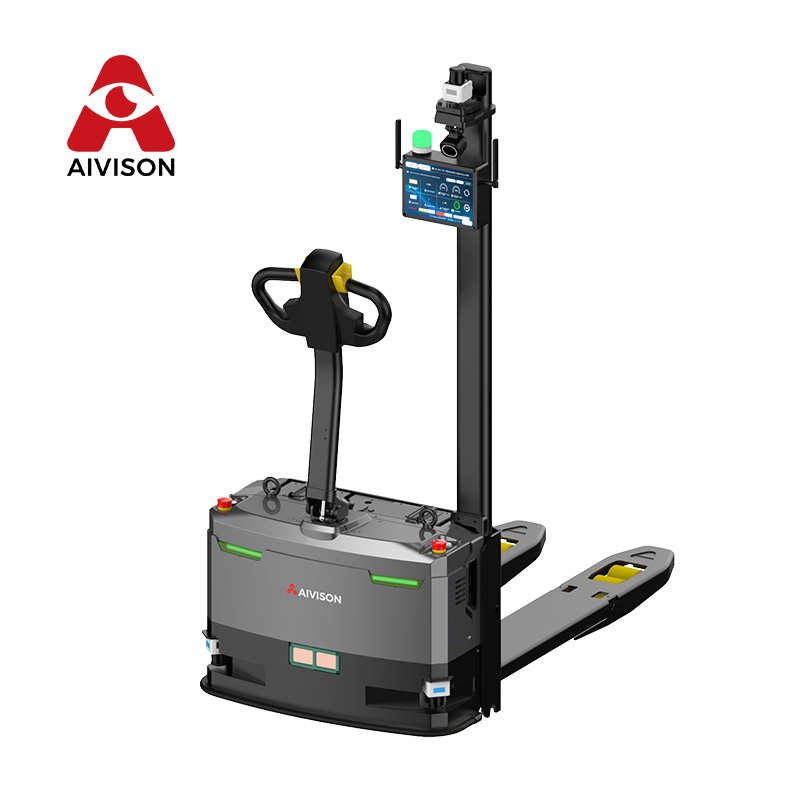
Aivison AGV Forklift High Quality Industrial Unmanned Pallet Forklift
An industrial unmanned pallet forklift for repetitive, safety-sensitive pallet moves. It suits buyers replacing routine forklift tasks with a more predictable autonomous flow and documented fleet control.
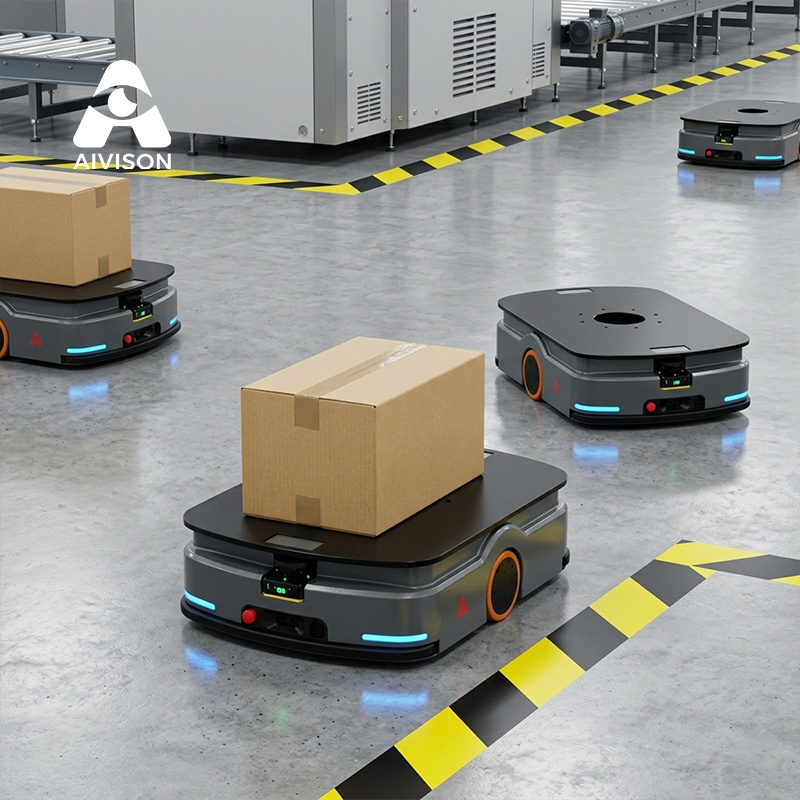
Autonomous Mobile AMR Robot 300kg Payload Laser Guided AGV for Carry Goods in Factory
A 300 kg payload laser-guided AMR for light goods transport in factories, workshops and narrow aisles. It is a practical first automation step where full-size forklifts are too large or too costly to deploy.
Why Marnix Is a Top Trusted Automated Material Handling Supplier & Exporter
Shenzhen Marnix Intelligent Technology Co., Ltd. is not a trading intermediary. We design and manufacture laser SLAM autonomous mobile robots, jacking robots, smart forklifts, composite mobile robots and intelligent charging docks from our Shenzhen base. That manufacturing role matters to procurement teams because it shortens the loop between application requirement, chassis design, top-module customization, test protocol and export documentation.
The company draws on about ten years of AGV engineering experience. Our robots are used by more than 200 manufacturers across three continents, and we supply both end users and system integrators who need one reliable hardware and software platform across multiple projects. For buyers, the practical outcome is less floor modification, faster integration and a clearer path from pilot to fleet.
- Complete AMR portfolio: jacking robots, smart forklifts, pallet AMRs, composite robots and compatible intelligent charging docks from one source.
- SLAM lidar and vision fusion: robots are coordinated by an intelligent scheduling system over indoor Wi-Fi for simultaneous multi-robot dispatch.
- Precision without floor rework: ±5 mm with natural-feature laser SLAM; ±2 mm with QR scanning at docking; ±0.05 mm repeatability for composite robots with a 6-axis arm.
- Manufacturer-level customization: flexible engineering of chassis, payload and top mechanisms to match your process rather than forcing a standard fit.

Engineering Depth
About ten years of AGV and AMR engineering, with in-house design, integration and customization rather than resale-only supply.
Precision Architecture
Laser SLAM at ±5 mm, QR-assisted docking at ±2 mm and composite arm repeatability at ±0.05 mm for demanding stations.
Integrator Readiness
Custom top modules including jacking units, roller conveyors, forklift forks and 6-axis arms, plus Wi-Fi fleet scheduling.
Export Confidence
TÜV Rheinland onsite assessment, Fortune 500 supplier procurement experience and verifiable trade records support due diligence.
Match Navigation Accuracy to Station Economics, Not to a Brochure
Most buyers over-specify navigation. A useful procurement question is not “What is the highest accuracy available?” but “Which accuracy is required at each handover, and what does that precision cost to install and maintain?”
| Configuration | Accuracy | Floor Setup | Best For |
|---|---|---|---|
| Laser SLAM using natural features | ±5 mm | No tracks, reflectors or floor codes | Warehouse transfer, line-side delivery, frequent layout changes |
| SLAM plus QR code scanning camera | ±2 mm | QR labels only where precision is needed | High-shelf storage, precision docking, wafer handling |
| Composite robot with 6-axis arm | ±0.05 mm | Station calibration | Semiconductor and medical device assembly |
For a white-paper-level view, think in terms of precision by exception. Use ±5 mm SLAM for transit corridors, reserve ±2 mm QR docking for conveyors, racks and machines, and reserve ±0.05 mm composite robotics for value-added assembly steps. This approach reduces floor infrastructure, lowers change-management cost and keeps future layout changes practical.
Automated Material Handling Procurement Trends: What Will Change Before the Next Capex Cycle
Procurement teams are moving away from buying a single robot as a standalone asset. They are buying a measured flow: pallets per hour, line-side replenishment reliability, docking accuracy, uptime, service response and documentation that satisfies export and compliance review.
Outcome-Based RFQs
RFQs increasingly ask for moves per hour, peak throughput, handover reliability and recovery time, not only payload and top speed. Suppliers that can model the workflow will outperform those that only quote a chassis.
Mixed-Fleet Orchestration
Warehouses rarely use one robot type for every task. Buyers want jacking robots, forklifts and light AMRs to share maps, traffic rules and task queues through one scheduling layer over indoor Wi-Fi.
Risk-Adjusted TCO
Sticker price is giving way to total cost of ownership: floor changes, Wi-Fi upgrades, operator training, spare parts, charging docks, integration labor and change-management time.
Precision by Exception
Sophisticated buyers accept ±5 mm for transit and reserve QR-assisted ±2 mm docking only where machines require it. This prevents unnecessary floor labels and reduces maintenance burden.
Export-Ready Evidence
Independent onsite assessment, Fortune 500 supplier experience, verified transaction records and transparent trade capacity are becoming scored criteria in supplier selection.
Modular Pilots That Scale
Instead of full-factory retrofits, buyers start with one aisle, one line-side loop or one pallet flow, then scale the same chassis, software and charging infrastructure across the site.
Product Development Trends in Automated Material Handling
The next generation of AMR and AGV systems will be judged less by how a single robot moves and more by how quickly it can be adapted, charged, scheduled and connected to production equipment.
Composite Robots Move Into Production
Autonomous mobility is being combined with 6-axis arms, roller conveyors and multi-layer synchronization. Marnix composite platforms reach ±0.05 mm repeatability for semiconductor and medical device production.
Open AI-Ready Platforms
ROS2 and open development chassis shorten integration cycles for AI teams. Dual 7-DOF arms and omnidirectional drive let integrators test perception, manipulation and service workflows on a tested base.
Sharper Payload Segmentation
Buyers no longer accept one oversized forklift for every task. The portfolio now spans 300 kg light AMRs, 1.5-ton autonomous stackers, 1,500 kg SLAM forklifts and 2,000 kg heavy-load AMRs.
Opportunity Charging and Uptime
Battery strategy is shifting from simply larger batteries to intelligent charging docks, opportunity charging and fleet-level energy planning that keeps robots productive across multiple shifts.
Safety in Mixed Traffic
Dynamic obstacle avoidance, coordinated traffic control and predictable recovery behaviors are becoming software features, not optional add-ons, as robots share floors with people and forklifts.
Top Modules as the Differentiator
Jacking units, roller conveyors, forklift forks and robotic arms allow the same navigation core to serve very different workflows. Custom top modules are becoming the fastest route to project-specific ROI.

Proven in Mixed-Traffic Warehouses and Complex Production Lines
Warehouses, high-bay storage and production lines are difficult because people, forklifts and robots share the same floor. The value of a supplier is demonstrated in how the system handles that complexity after installation.

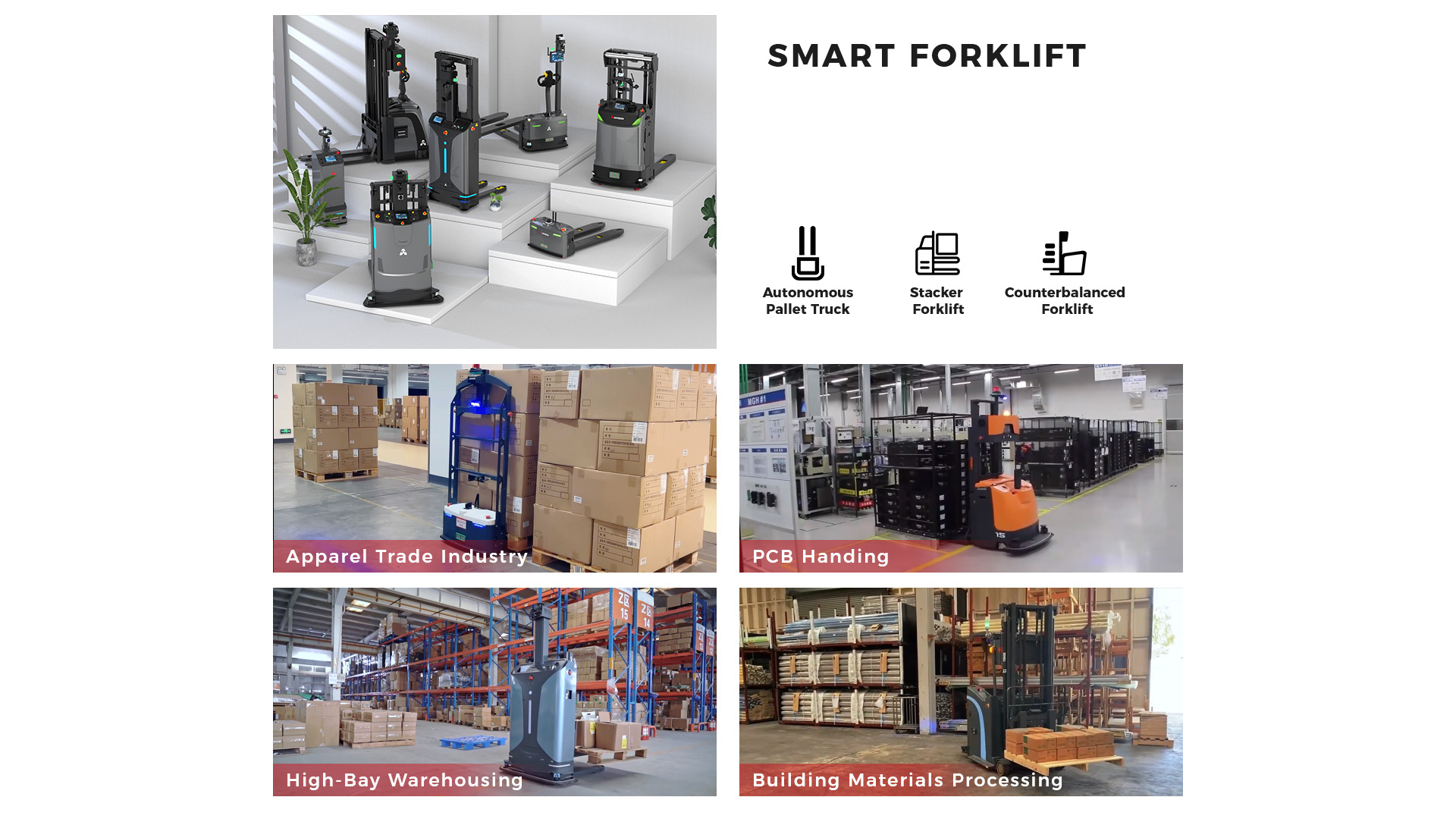
Warehouse and High-Shelf Logistics
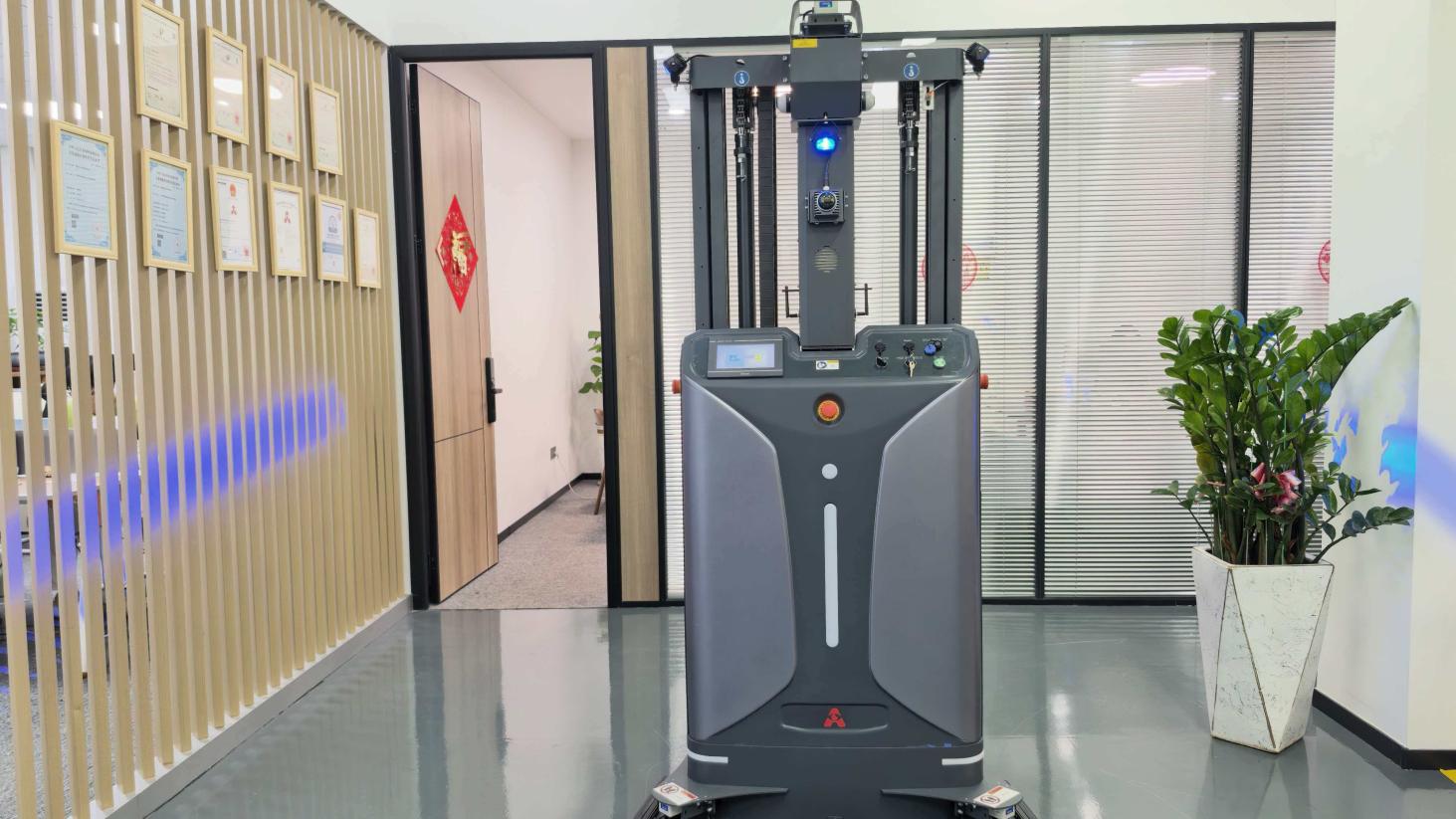
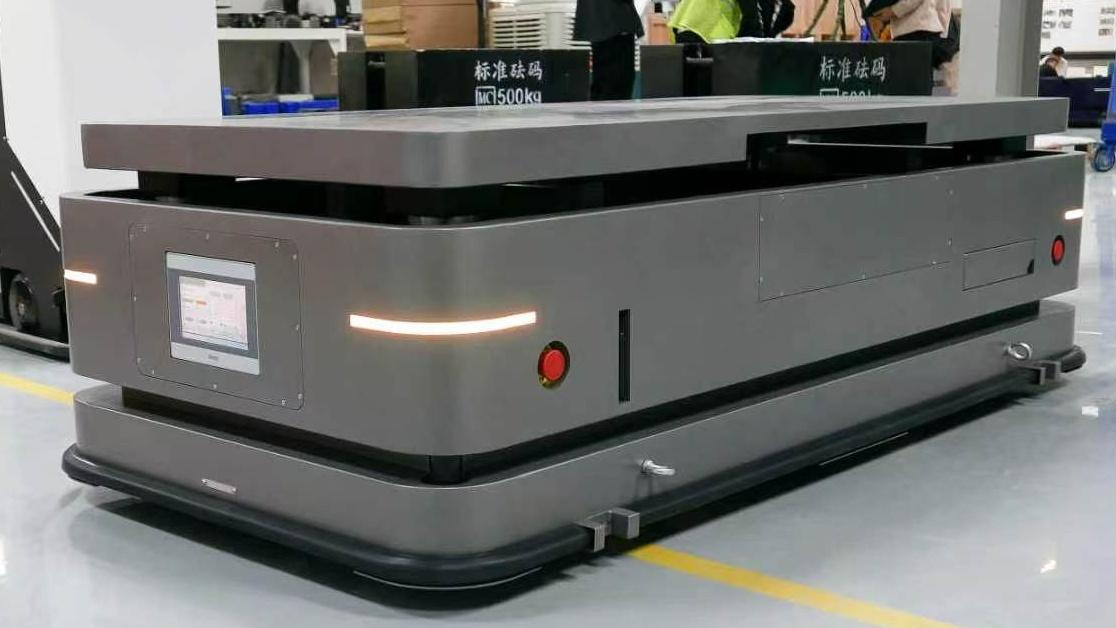
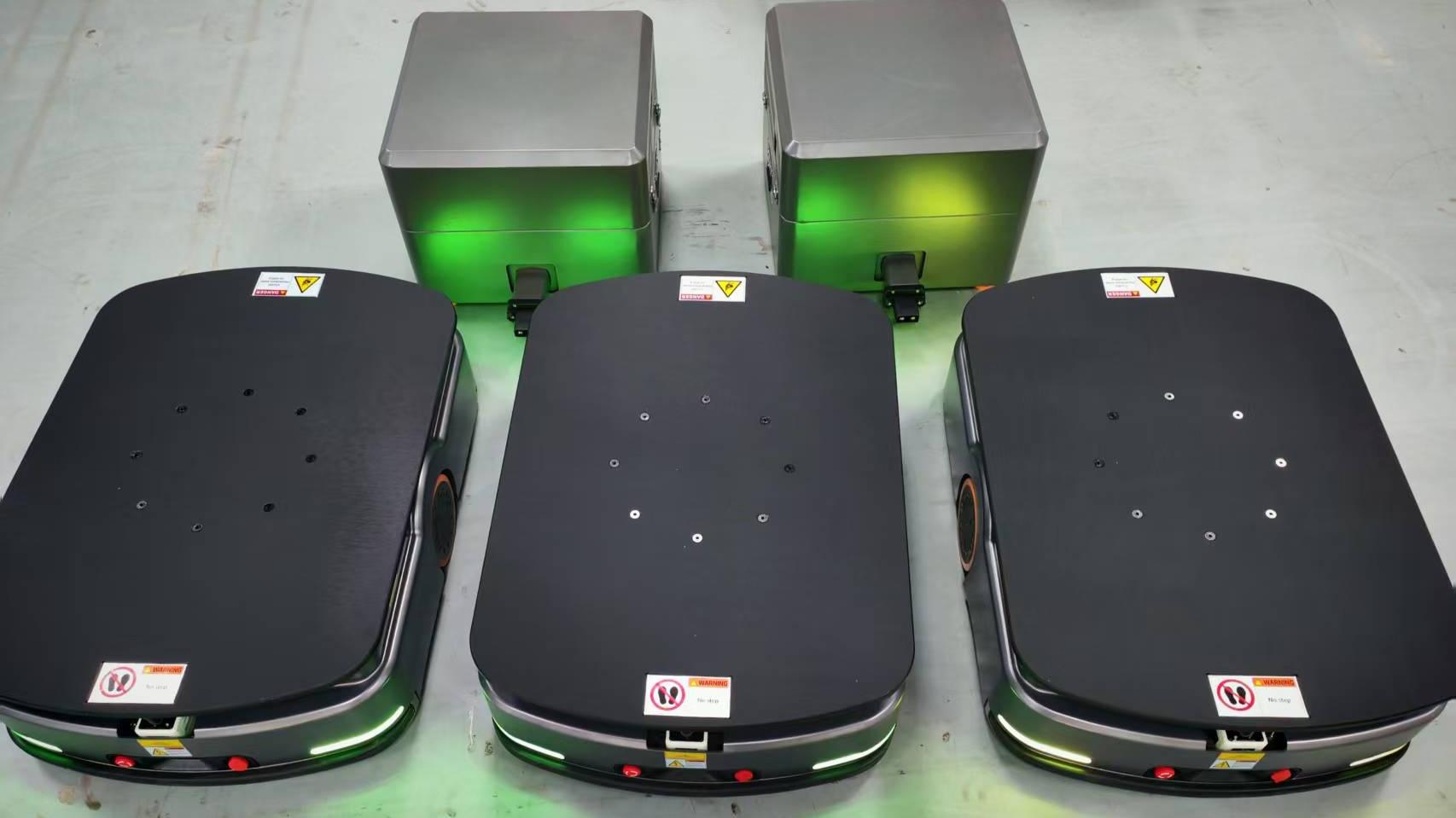
Designed for sites that cannot stop operations for installation. Laser SLAM maps the existing environment, while dynamic obstacle avoidance adapts to mixed human and vehicle traffic. Millimeter-level docking meets high-shelf positioning demands, and automatic charging supports 24/7 operation with a low failure target.
- Dynamic avoidance: safe operation in shared human and vehicle traffic.
- Precision docking: ±2 mm QR assist is available only where the station needs it.
- 24/7 duty: intelligent charging docks and fleet scheduling support continuous material flow.

Independent Evidence Shortens Supplier Due Diligence
Trust is not a slogan. It is a set of verifiable facts that allow procurement, engineering and compliance teams to approve a supplier with less risk.
TÜV Rheinland Onsite Assessment
Company premises and operations have been verified by an independent inspection body, giving overseas buyers a documented starting point for supplier approval.
Fortune 500 Supplier
A procurement contract with a Fortune 500 company, assessed by independent third parties, supports claims of reliability, documentation discipline and delivery capability.
Verified Multispecialty Supplier
Low-MOQ customization and multi-category robot procurement capability help integrators consolidate suppliers without sacrificing application fit.
Credit & Transaction Records
Transparent credit index, transaction level history and trade capacity records on Alibaba.com let buyers review export experience before committing a capital budget.
What to Prepare Before You Request a Material Handling Robot Quote
From project experience, six inputs determine most of the robot selection. Sharing them upfront shortens technical evaluation from weeks to days and reduces the risk of a mismatched quotation.
Load Profile
Maximum weight, footprint and center of gravity of racks, pallets or carriers to be moved. Include the empty load as well as the heaviest load.
Site Layout
A CAD drawing or sketch with aisle widths, doors, slopes, elevator or lift points, charging locations and any restricted zones for robots.
Throughput Target
Missions per hour and peak-period demand. This determines fleet size, charging dock count and whether a single aisle pilot can scale.
Docking Precision
Where ±5 mm is sufficient and where ±2 mm QR assist or ±0.05 mm arm-level precision is required. Precision by exception usually lowers total cost.
Wi-Fi and Power
Existing access points, coverage quality and charging power availability across the robot operating area. Fleet scheduling depends on stable indoor Wi-Fi.
Equipment Interfaces
Conveyors, machines or shelving the robot must hand over to, plus any top-module needs such as jacking units, roller conveyors, forks or robotic arms.
Automated Material Handling Supplier FAQ for Global Buyers
Direct answers from our engineering team. For project-specific review, send your load, layout, throughput and precision requirements with your catalog request.
What makes Marnix a trusted automated material handling supplier and exporter?
Marnix combines about ten years of AGV engineering with in-house manufacturing, custom top-module development and export support. The company has been assessed onsite by TÜV Rheinland, has Fortune 500 supplier procurement experience and maintains transparent trade and credit records. More importantly, the robot portfolio covers real procurement paths from 300 kg light AMRs to 2,000 kg heavy-load forklifts.
What navigation accuracy do Marnix AMRs achieve?
Using laser SLAM on natural features, Marnix AMRs reach ±5 mm positioning without magnetic tape, reflectors or floor QR codes. Adding a QR code scanning camera raises accuracy to ±2 mm at selected docking stations. Composite robots with a 6-axis arm reach ±0.05 mm repeatability for precision assembly and handling.
Do I need to modify my factory floor?
No. Standard laser SLAM navigation maps your existing environment, so no auxiliary tracks or codes are required for transit. QR labels are only added at stations where ±2 mm docking precision is needed. This keeps installation fast and makes future layout changes less expensive.
Can Marnix customize robots for my production line?
Yes. As a manufacturer, Marnix customizes chassis and top modules such as jacking units, roller conveyors, forklift forks and 6-axis robotic arms to connect directly with production equipment. This is especially useful for integrators who need a repeatable platform but project-specific material interfaces.
How are multiple robots coordinated?
An intelligent scheduling system manages the fleet over indoor Wi-Fi, handling simultaneous task assignment, traffic control and automatic charging through compatible smart charging docks. The same software layer helps mixed fleets of jacking robots, forklifts and light AMRs work together.
Which industries use Marnix robots?
Semiconductors, 3C electronics, lithium batteries, photovoltaics, automotive parts, PCB, textiles and medical devices, serving both end users and system integrators. Typical projects include cleanroom logistics, line-side delivery, pallet handling, high-shelf storage and composite assembly support.
How do I start an export project and request a catalog?
Use the Get Catalog button on this page, or email info@marnixbot.com with your payload, floor layout, throughput and docking precision requirements. For export projects, include destination country, preferred shipping terms and any documentation or compliance requirements your internal team needs to review.
What should be included in an RFQ?
Include load weight and dimensions, rack or pallet type, aisle width, route map, required moves per hour, peak periods, docking accuracy, Wi-Fi coverage, charging locations, machine interfaces and preferred top module. If a full automation concept is not yet defined, include the target workflow and let the supplier propose the configuration.
Build a Lower-Risk Business Case for Automated Material Handling
Share your load, layout, throughput, docking precision and floor conditions. Our engineers will recommend the right robot configuration and provide the catalog needed for your next procurement review.
Get Catalog Export project review · OEM and integrator support · Application engineering · Fleet and charging planning