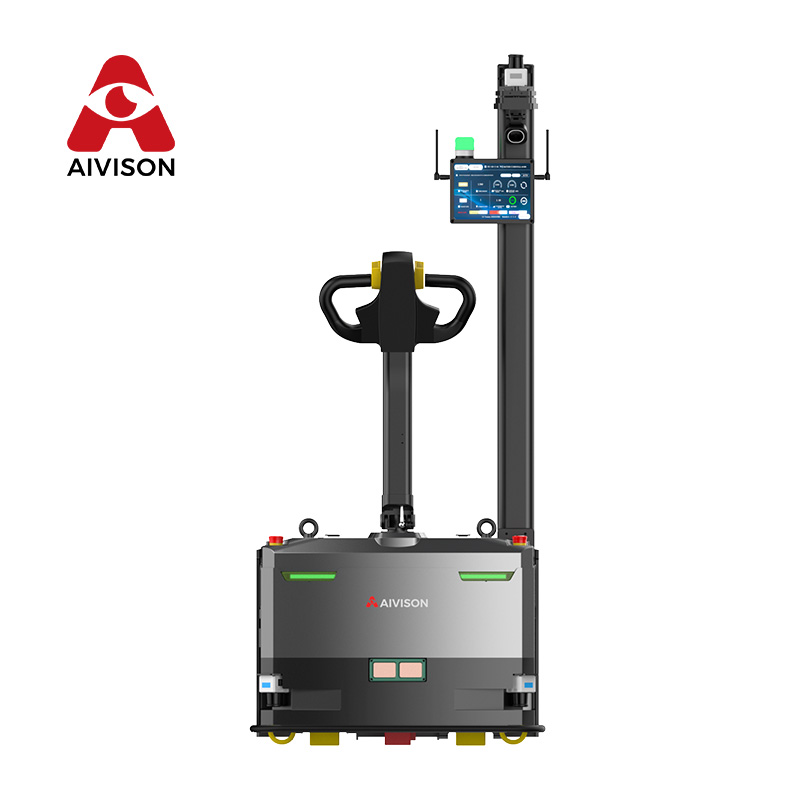
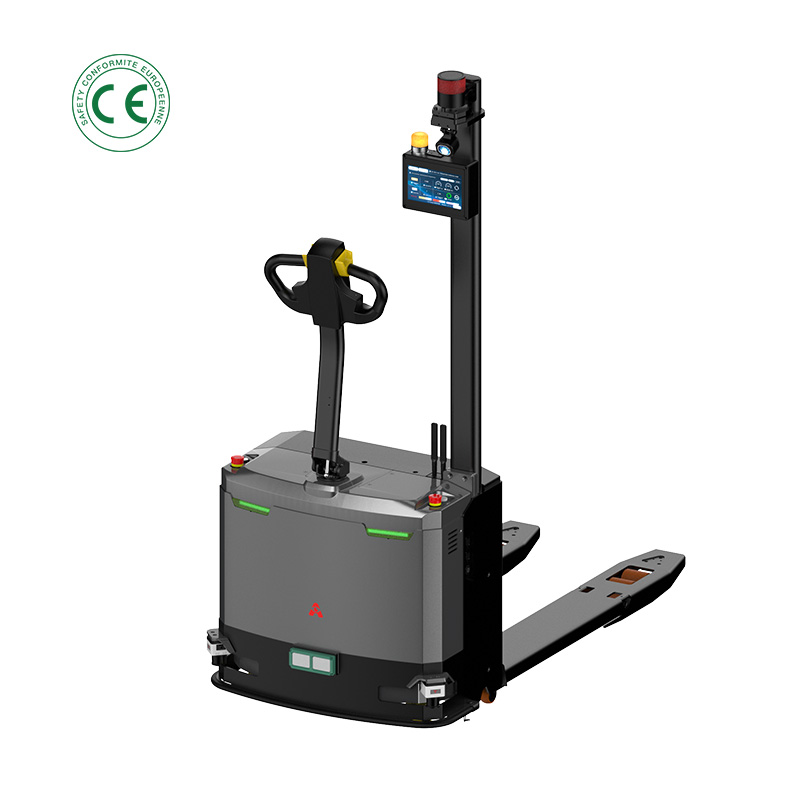
Laser SLAM · ±5 mm · Shenzhen Manufacturer & Exporter

Top 10 Logistics Robot Supplier & Exporter

Laser SLAM AMRs, jacking robots, pallet trucks and 2-tonne autonomous forklifts engineered in Shenzhen and shipped to 200+ manufacturers across three continents.

10+ Years in AGV Engineering Shenzhen-based R&D, assembly and testing
±5 mm SLAM Navigation Accuracy No tape, no reflectors, no floor codes
200+ Manufacturers Served End users and system integrators worldwide
8 Core Industries Semiconductor cleanrooms to textile warehouses
Supplier Profile & Information Gain

Why Global Buyers Shortlist Marnix as a Logistics Robot Supplier and Exporter

Shenzhen Marnix Intelligent Technology Co., Ltd. is not a trading desk. We are a manufacturer with roughly a decade of AGV engineering behind us, an in-house chassis and top-module build, and an independently audited facility — the three things that most often decide whether an automation project reaches commissioning or stalls at the pilot stage.

Ten Years of AGV Engineering

Our team has been building automated guided vehicles for about ten years. The same engineers who tuned motion control and fleet scheduling for lithium battery and 3C electronics lines now configure every machine in this catalogue.

Precision Without Floor Rework

Natural-feature laser SLAM hits ±5 mm with no magnetic tape, reflectors or floor QR codes. A QR scanning camera lifts docking stations to ±2 mm, and composite robots with a 6-axis arm reach ±0.05 mm repeatability.

Manufacturer-Level Customisation

Because we build the chassis ourselves, deck height, payload, lifting stroke and the top mechanism — jacking unit, roller conveyor, forklift forks, robotic arm — are engineered around your process rather than retro-fitted to a catalogue item.

Wi-Fi Fleet Scheduling

Robots share one intelligent scheduling system over indoor Wi-Fi, so simultaneous task assignment, traffic control and automatic return-to-dock charging are handled at fleet level, not robot by robot.

Independently Verified Supplier

Onsite supplier assessment by TÜV Rheinland, a procurement contract with a Fortune 500 company, and verified multispecialty supplier status. The evidence exists before you place a deposit, not after.

Export Experience & Lifecycle Support

Deployments across three continents, documentation packs for customs and CE marking, and an integrator support team covering specification, spares and after-sales response.

Product Recommendations

Eight Logistics Robot Platforms, From 300 kg to 2,000 kg

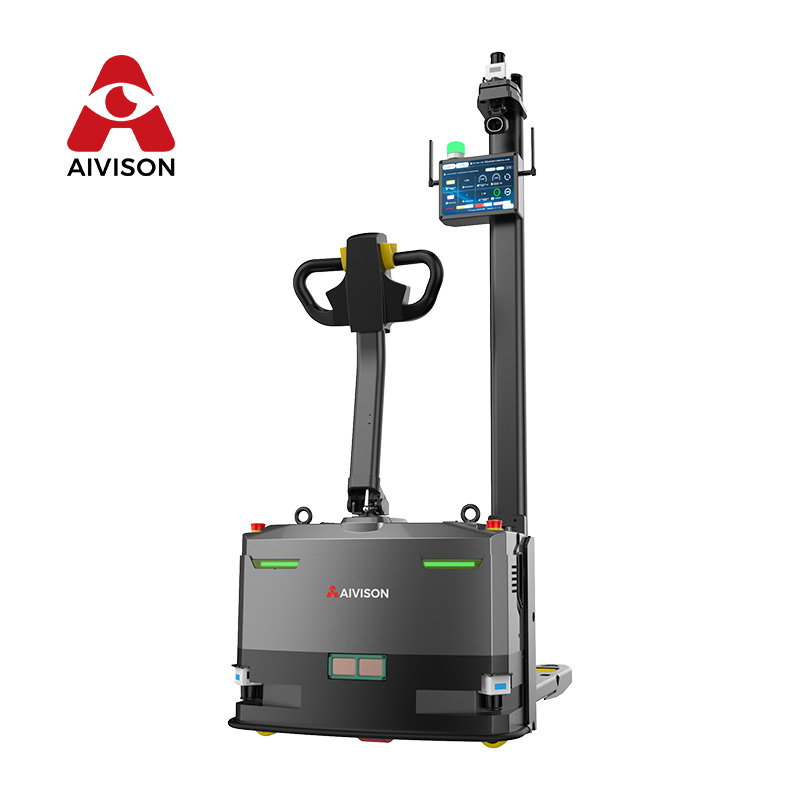
Every platform below shares one SLAM navigation core and one fleet controller, which means a mixed fleet works together from day one. Payloads run from a 300 kg light pallet AMR to a 2,000 kg autonomous forklift, covering receiving, high-bay storage, line-side delivery and finished-goods dispatch.

Category Map

The Top 10 Logistics Robot Categories Buyers Actually Specify

When procurement teams write an RFQ, the requirement almost always lands on one of these ten hardware archetypes. Mapping each archetype to a real task is a far more reliable selection method than comparing spec sheets side by side.

1. Laser SLAM AGV / AMR

General-purpose trackless transport that maps the existing site, so layout changes mean re-mapping, not re-flooring.

2. Jacking Robot

Slides under a rack, cart or trolley, lifts it and drives away. The workhorse of line-side logistics.

3. Pallet Truck AMR

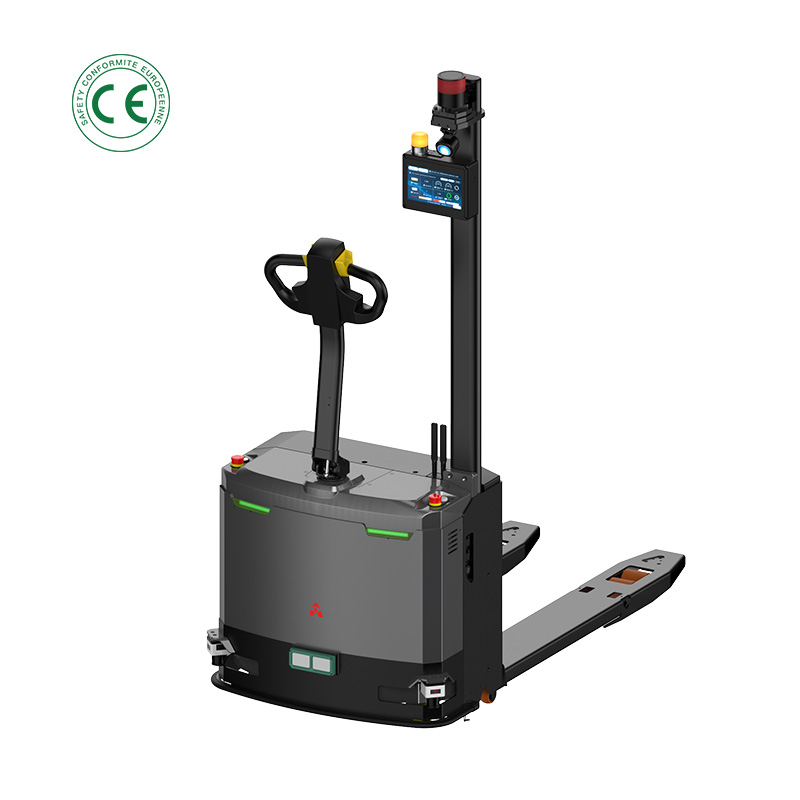
Flat-floor pallet movement with a low fork profile and a tight turning radius for congested docks.

4. Autonomous Forklift

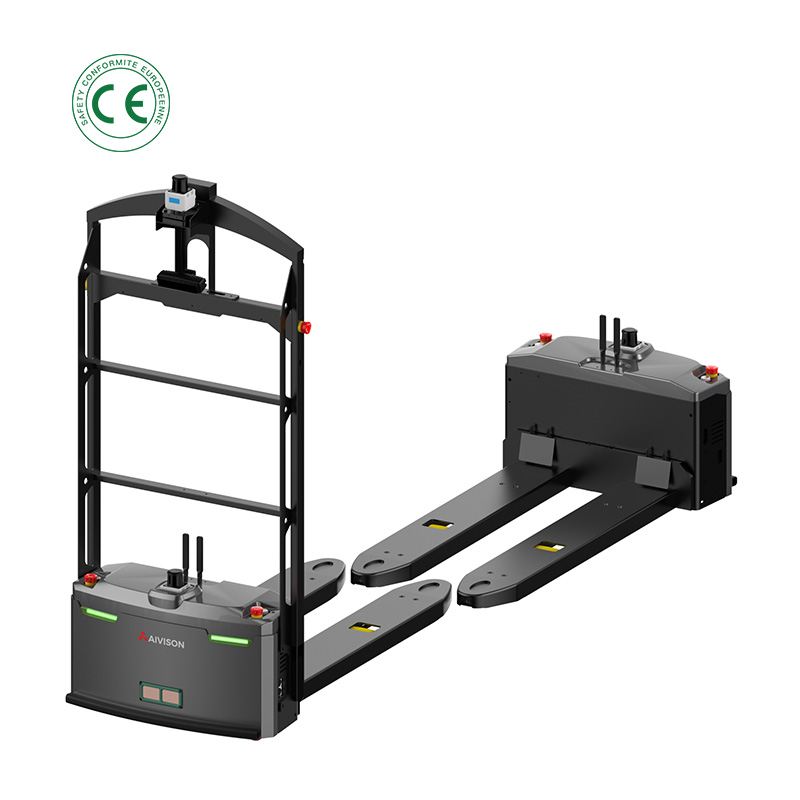
Takes on pallet de-stacking, put-away and high-shelf work that would otherwise need a trained driver.

5. Towing AGV

Hauls a train of carts behind a hitch — still the most economical option for long, fixed delivery loops.

6. Composite Mobile Manipulator

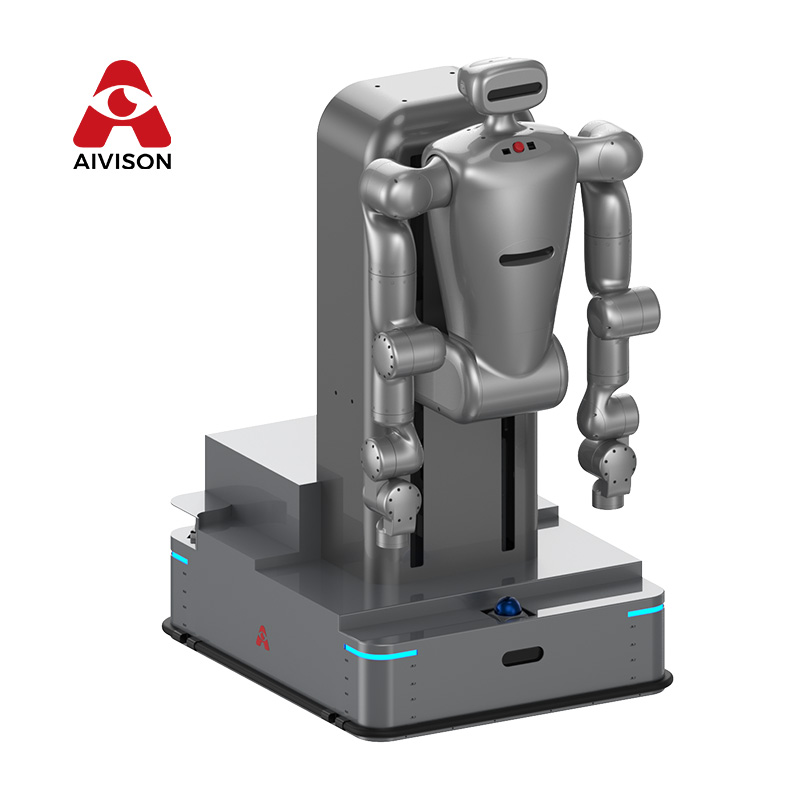
A mobile base carrying a 6- or 7-axis arm for machine tending, sampling and assembly handover.

7. Roller-Top AMR

Docks against a conveyor, transfers the load and leaves — the standard interface for PCB and SMT lines.

8. Goods-to-Person Rack Robot

Brings the shelf to the picker instead of the picker to the shelf, shrinking walking time per order line.

9. QR-Assisted Hybrid AMR

Natural-feature SLAM for travel, floor markers only at the few stations that genuinely need ±2 mm.

10. Intelligent Charging Dock

Turns idle time into charging time. Dock-to-robot ratio decides whether a fleet really runs around the clock.

Procurement Outlook 2025 – 2030

How Logistics Robot Purchasing Is Changing

Requirements that were considered advanced three years ago are now default line items in most RFQs we receive. These six shifts explain why the cheapest quoted unit price so rarely wins the order.

From AGV Budgets to AMR Budgets

Fixed-path vehicles need tape, magnets or reflectors installed before the first mission runs. Buyers now price the cost of that floor work — and the cost of removing it during the next line change — directly against the AMR premium.

Total Cost of Ownership Modelling

Five-year models now include energy, spares, dock hardware, Wi-Fi upgrades, integration labour and downtime risk. A robot that is 12% cheaper at purchase can be 20% more expensive to own.

Interoperability as a Clause

Multi-vendor fleets are becoming normal. Interface specifications in the VDA 5050 family and open fleet APIs are increasingly written into tender documents rather than negotiated afterwards.

Safety Documentation Before Purchase Order

CE marking, risk assessment records and compliance with the ISO 3691-4 framework for driverless industrial trucks are now requested at the technical clarification stage, not at handover.

Scaling From Pilot to Fleet

A 5-robot pilot and a 50-robot rollout are different engineering problems. Wi-Fi capacity, traffic zoning and dock ratio are now specified up front, because retrofitting them later is the classic cost overrun.

Service Capability Scored as a Bid Item

Spare-part lead times, remote diagnostics, firmware update policy and the availability of a local integrator network are now weighted scoring criteria in many tenders — not negotiable extras.

Product Development Trends

What the Next Generation of AGV and AMR Platforms Will Carry

Six development directions that are already shipping on our production platforms — and that you should expect to see in any credible 2026 specification.

Multi-Sensor Fusion as Standard

Lidar alone struggles with glass, pallet wrap and low-reflectivity racking. Production platforms are moving to lidar plus 3D vision plus IMU fusion, cross-checking each sensor so a single blind spot never stops a mission.

Precision Without Infrastructure

±2 mm docking used to mean floor markers everywhere. Hybrid architectures keep natural-feature SLAM for travel and apply visual markers only at the handful of stations where millimetre handover genuinely matters.

Plug-and-Play Top Modules

One chassis, many payload interfaces. Jacking units, roller conveyors, forklift forks and lift decks are being standardised so an integrator can reconfigure a robot in the field instead of ordering a new one.

Composite Robotics at Arm-Level Accuracy

Multi-layer synchronisation between base and arm has pushed composite mobile robots to ±0.05 mm repeatability, moving them from demonstration halls into semiconductor and medical-device production.

Dynamic Obstacle Avoidance in Mixed Traffic

Sites increasingly share floor space between people, manual forklifts and robots. Real-time re-planning, not pre-programmed detours, is the capability that keeps throughput stable at shift change.

Energy Management and Smart Docking

Opportunity charging, battery-health tracking and dock scheduling now decide fleet availability far more than nominal runtime figures on a datasheet.

Accuracy Benchmark: Match the Precision to the Task

Most buyers over-specify navigation. Choose the lowest precision level that satisfies the docking requirement and avoid unnecessary floor infrastructure spend.

Laser SLAM on natural features±5 mm
No tape, no reflectors, no floor codes — ideal for warehouse transfer, line-side delivery and layouts that change often.
SLAM + QR code camera±2 mm
QR labels only at precision stations — high-shelf storage, precision docking and wafer handling.
Composite robot with 6-axis arm±0.05 mm
Station-calibrated multi-layer synchronisation for semiconductor and medical-device assembly.
Buyer's Checklist

What to Prepare Before You Request a Logistics Robot Quotation

From our project files, four inputs determine most of the robot selection. Sharing them at first contact shortens evaluation from several weeks to a few days.

Load Profile

Maximum weight, footprint and centre of gravity for every rack, pallet or carrier, plus any load overhang that affects stability.

Site Layout & Wi-Fi

A CAD drawing or sketch with aisle widths, doorways, ramps, lift interfaces — plus the coverage quality of existing access points across the operating area.

Throughput & Takt Time

Missions per hour at average and at peak. This single number sets fleet size, charging-dock count and the buffer you will need at shift change.

Docking Precision

Where ±5 mm is sufficient and where ±2 mm QR assist or arm-level precision is genuinely required — plus the conveyor, machine or rack interface the robot must meet.

Ask for a navigation demonstration on your own floor plan

A supplier that can explain exactly how their SLAM behaves in your narrowest aisle, at your busiest intersection, is a supplier that has done this before.

Request the fleet-scheduling architecture, not just the robot datasheet

Traffic control, task priority rules and charging policy are what determine realised throughput once the tenth robot joins the fleet.

Confirm the documentation package

CE marking, risk assessment, wiring diagrams, commissioning records and spare-parts list. If a supplier hesitates here, the delivery is likely to be just as vague.

Agree the service model in the contract

Remote diagnostics access, response time, firmware update cadence and who holds the critical spares in your region.

Verified Applications

Where These Logistics Robots Already Run

More than 200 manufacturers across three continents put these platforms into environments where people, manual forklifts and robots share the same floor.

Semiconductor

Cleanroom-compatible transport for wafer and magazine handling.

3C Electronics

Line-side delivery and finished-product transfer across assembly lines.

Lithium Battery

Jacking robots for cell, module and pack line logistics.

Photovoltaic

Vision-guided forklift handling for module and glass logistics.

Automotive Parts

Pallet handling AMRs for high-volume parts warehousing.

PCB

Custom roller-conveyor AMRs docking directly to SMT equipment.

Textile

Warehouse transport across yarn, fabric roll and finished-goods zones.

Medical Devices

Composite robots for assembly handover at ±0.05 mm repeatability.

Frequently Asked Questions

Logistics Robot Procurement FAQ

Straight answers from the engineering team that commissions these machines. If your question is not covered here, send us the requirement directly.

What navigation accuracy can these robots achieve?

Using laser SLAM on natural features, the robots reach ±5 mm positioning accuracy without magnetic tape, reflectors or floor QR codes. Adding a QR code scanning camera raises docking accuracy to ±2 mm, and composite robots with a 6-axis arm reach ±0.05 mm repeatability.

Do I need to modify my factory floor before deployment?

No. Standard laser SLAM navigation maps your existing environment, so no auxiliary tracks or floor codes are required. QR labels are only added at the few stations that need ±2 mm docking precision.

Can the robots be customised for my production line?

Yes. As a manufacturer we customise chassis and top modules — jacking units, roller conveyors, forklift forks and 6-axis robotic arms — so the robot connects directly to your process equipment instead of forcing a line change.

How are multiple robots coordinated on one site?

An intelligent scheduling system manages the fleet over indoor Wi-Fi, handling simultaneous task assignment, traffic control and automatic charging through compatible smart charging docks.

Which industries are already using these platforms?

Semiconductor, 3C electronics, lithium battery, photovoltaic, automotive parts, PCB, textile and medical device manufacturing — serving both end users and system integrators.

How long does a typical deployment take?

Most line-side projects run mapping and configuration in days once the site is ready; the longer path is usually customer-side preparation such as Wi-Fi coverage, aisle clearance and interface definition. Sharing layout and throughput data early is what shortens the whole programme.

Do you supply system integrators as well as end users?

Yes. Integrators are a core part of our business. We provide the robot platform, fleet software, documentation and top-module engineering, and your team delivers the station-level integration to the customer.

How do I start a project evaluation?

Send your payload, floor layout, throughput target and docking precision requirement through the inquiry button on this page. An engineer will come back with a recommended configuration, fleet size and dock count.
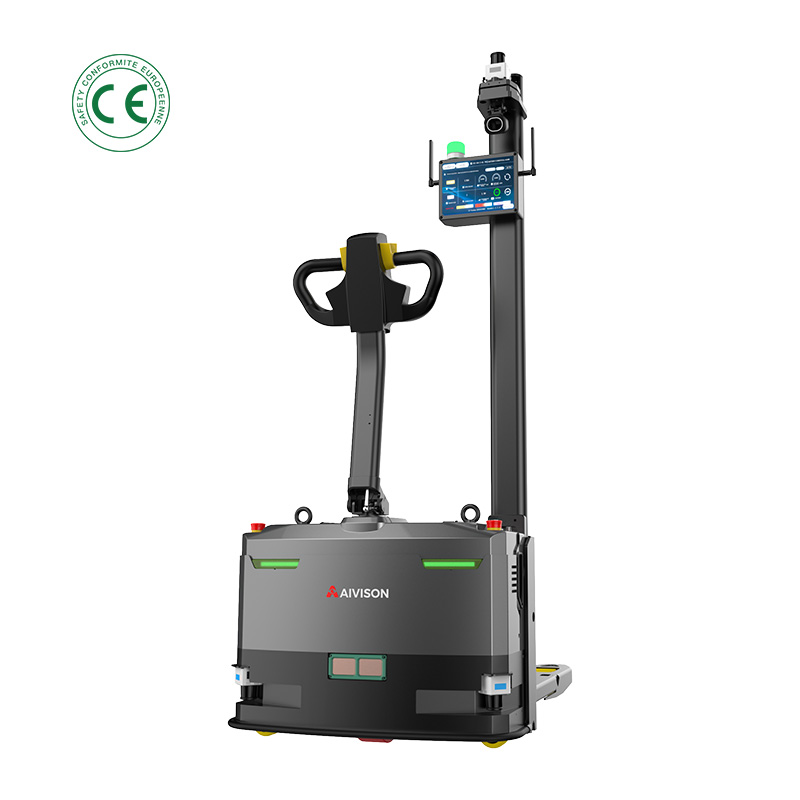
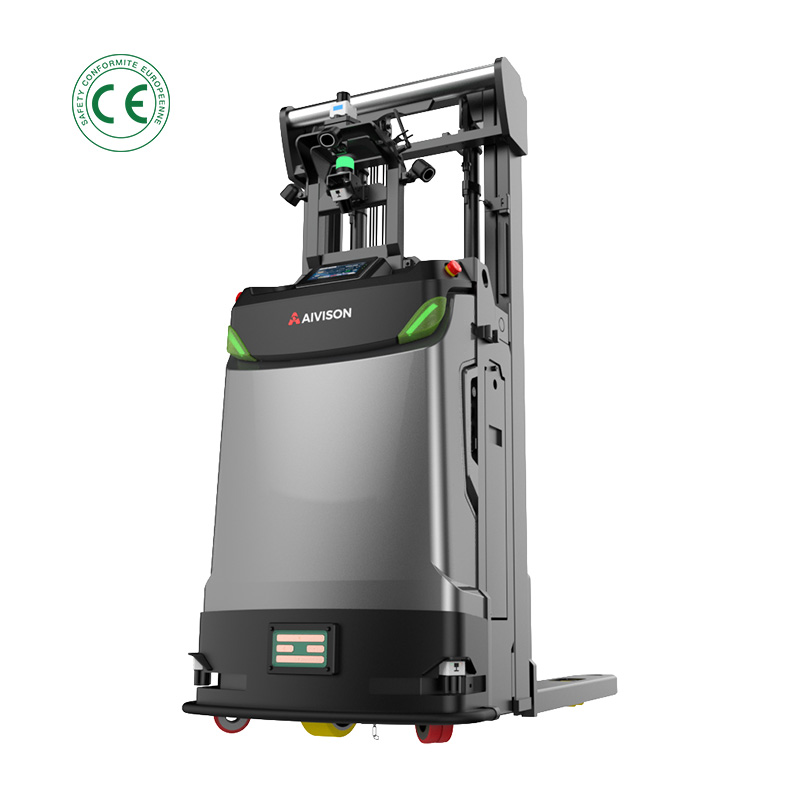
Ready to Specify Your Logistics Robot Fleet?

Share your load profile, layout and throughput target. Our engineers will return a recommended chassis, top module, fleet size and charging-dock count — with the navigation precision you actually need, not the highest number on the datasheet.

Send an Inquiry
info@marnixbot.com