8 Automation Platforms to Evaluate Before You Shortlist a Factory
Automated guided cart sourcing is no longer a simple vehicle purchase. The shortlist below presents eight production-ready platforms from a Shenzhen manufacturer with about ten years of AGV engineering experience. Use them as a reference for payload, navigation, docking precision, and top-module flexibility.

Omnidirectional Service Humanoid Robot Chassis Dual 7-DOF Arms Laser SLAM Navigation for Hospitality and Retail
Dual-arm service platform for guided interaction, light handling, and service workflows in hospitality, retail, and public-facing environments.
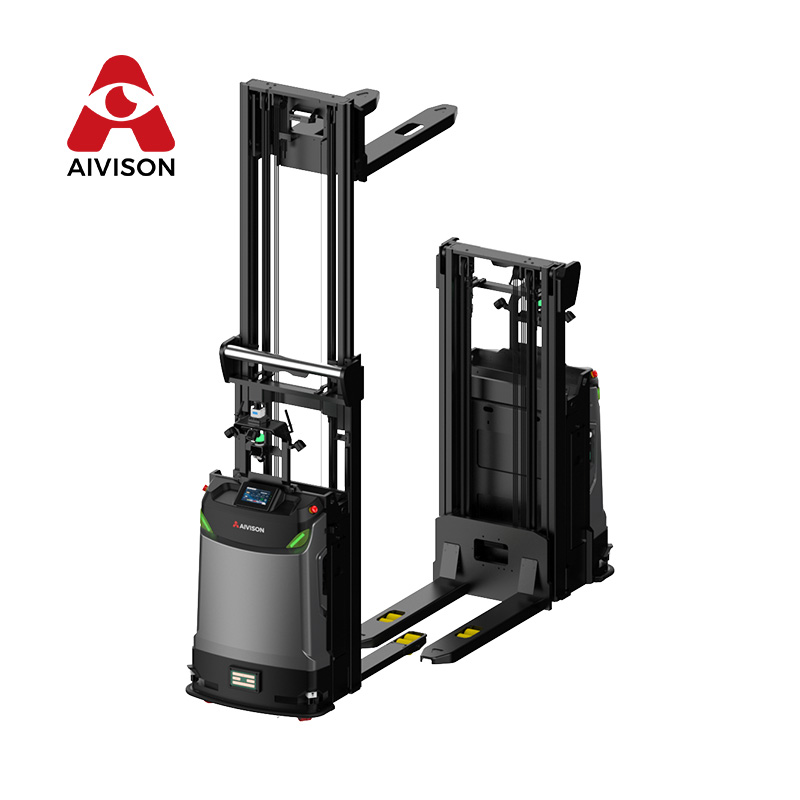
High Precision agv Forklift Full Servo Motor Controlled Laser Forklift with Heavy Load 2000kg
2,000 kg laser-guided forklift for pallet handling, trailer loading, and aisle transfer where full-servo control and repeatable positioning matter.
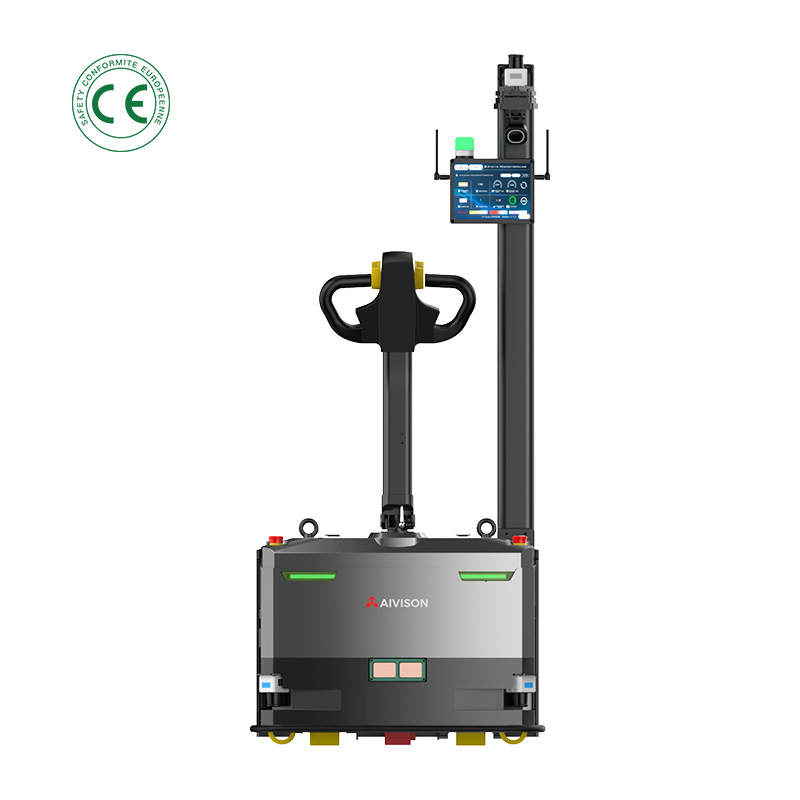
Autonomous Mobile Robot AGV CE Laser SLAM Navigation for Material Handling and Logistics
General-purpose CE laser SLAM AMR for warehouse transfer, line-side delivery, and logistics routes that need fast mapping and low floor rework.
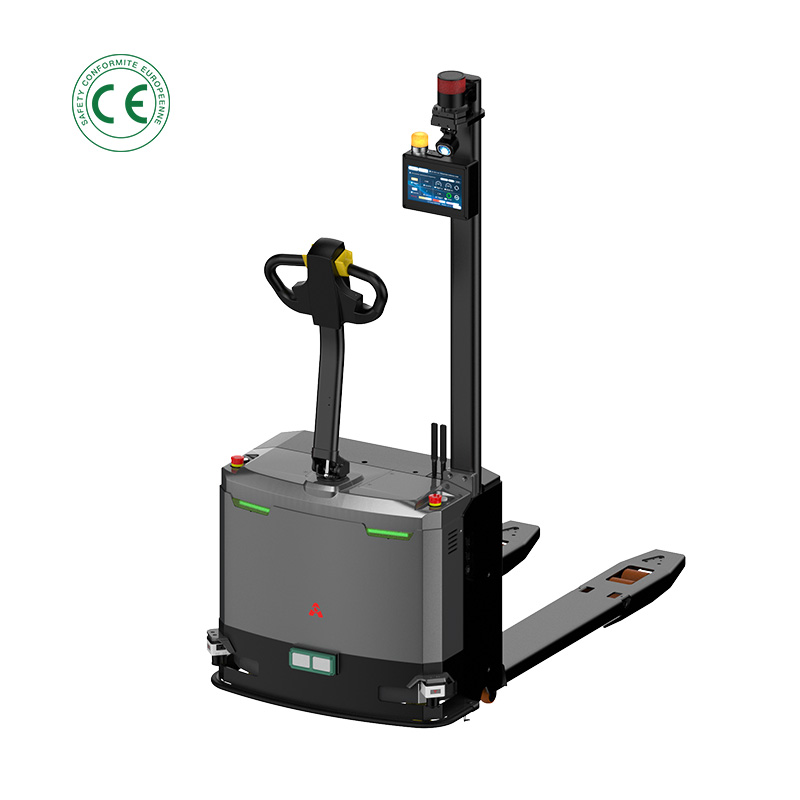
CE Certification Industrial AMR AGV Robot for Warehouse Automation Autonomous Material Handling Logistics
Industrial warehouse AMR for repetitive transport, inventory movement, and automated material flow between storage and dispatch zones.

Omnidirectional Humanoid Robot Chassis Dual 7-DOF Arms Laser SLAM Autonomous Warehouse AMR Mobile Platform
Omnidirectional AMR base with dual arms for tasks that combine mobility with manipulation, station tending, and flexible warehouse workflows.
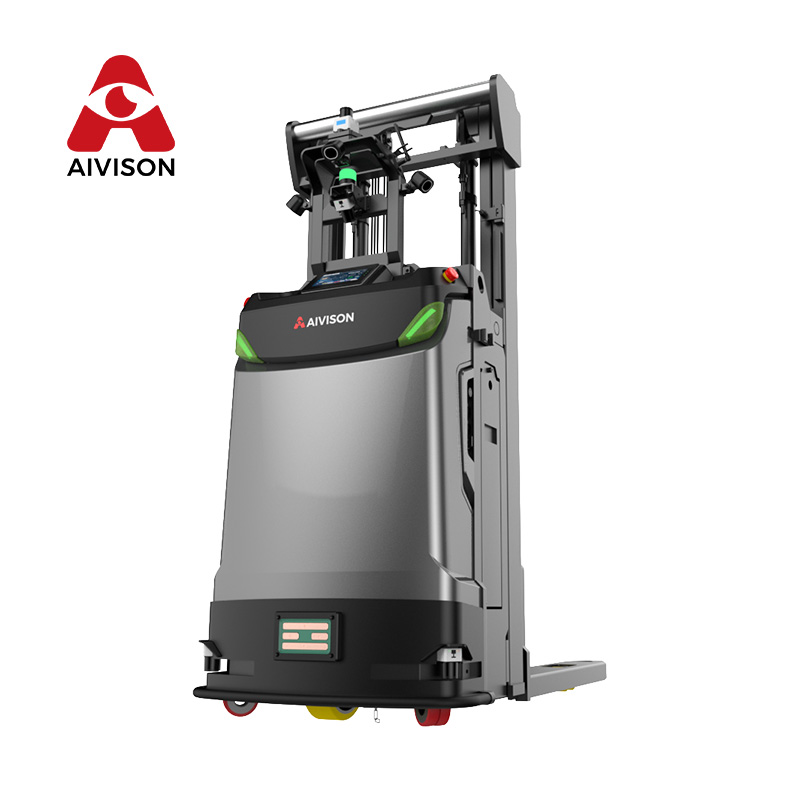
Autonomous Mobile Robots (AMR) Implement Cargo Transportation Between Warehouse and Conveyor Line
AMR cargo transportation between warehouse and conveyor line, designed for repeated handovers and production-line material replenishment.
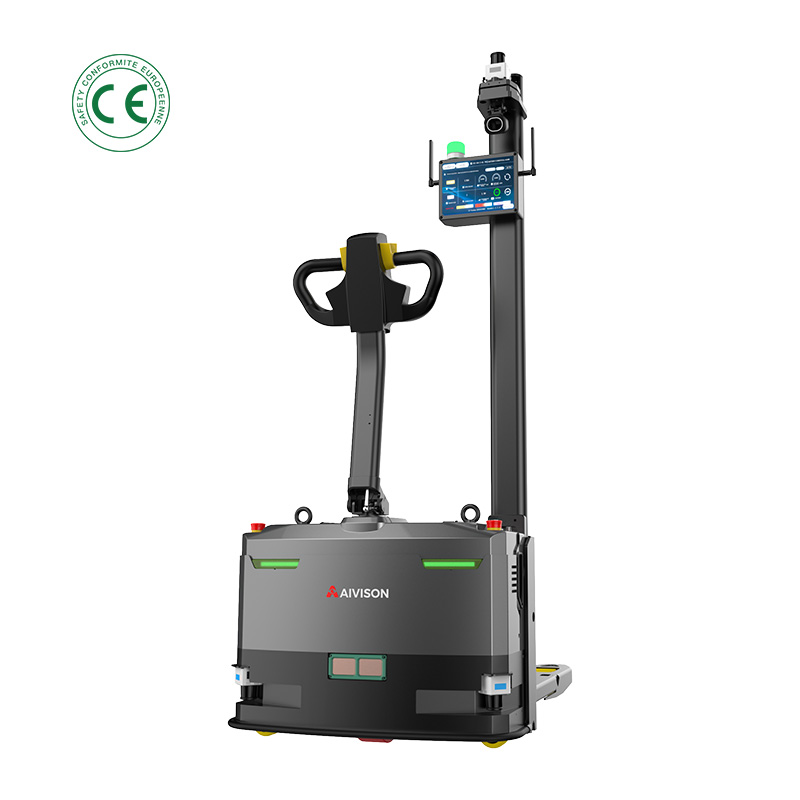
AIVISON CE Laser SLAM Navigation AGV 1500kg Warehouse Lifting Operations
1,500 kg lifting AGV for warehouse operations, rack movement, and station transfers where a low-profile chassis and stable lifting are essential.
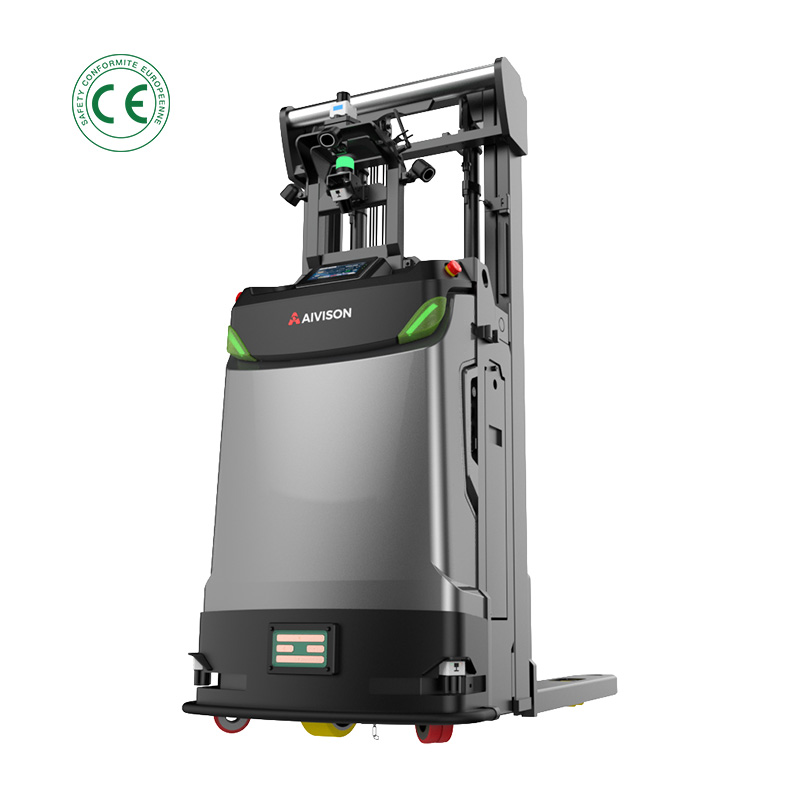
Smart Transport Robotic with Laser Navigation Reach 2000KG AGV Logistics Robots Warehouse Robot AMR
2,000 kg laser-navigation AGV/AMR for logistics transport, heavy pallet movement, and warehouse applications with demanding throughput targets.
What “Top 10” Should Mean in Automated Guided Cart Procurement
The phrase Top 10 Automated Guided Cart Factories & Suppliers is usually searched by buyers who already know they need automation but do not yet know how to separate a reliable factory from a catalogue trader. A credible shortlist is not a list of paid badges. It is an evidence set: navigation accuracy, payload range, floor-readiness, safety logic, fleet software, spare-parts depth, commissioning support, and the supplier’s ability to customize the robot around the real production line.
This guide is written from the perspective of a manufacturer that builds laser SLAM AMRs, jacking robots, smart forklifts, composite mobile robots, and intelligent charging docks. Shenzhen Marnix Intelligent Technology Co., Ltd. has about ten years of AGV engineering experience and supplies both end users and system integrators. We disclose that context because E-E-A-T is not a badge; it is a chain of verifiable engineering decisions, inspection records, delivery experience, and transparent limitations.
For buyers, the strategic question has shifted. In 2020, many projects compared “AGV versus manual cart.” In 2025 and beyond, the comparison is “fixed-path cart versus laser SLAM AMR versus QR-assisted hybrid versus composite mobile robot.” The difference is not cosmetic. It changes infrastructure cost, changeover time, safety validation, fleet scalability, and total cost of ownership.
Top 10 Automated Guided Cart Factories & Suppliers: Capability Profiles to Verify
A strong shortlist usually contains several supplier types, not just one. The ten profiles below reflect what experienced automation buyers actually evaluate when they move from an internal business case to a factory audit.
Laser SLAM AMR / AGC factory
Must demonstrate natural-feature mapping, dynamic obstacle avoidance, and ±5 mm navigation without magnetic tape or reflectors.
Jacking robot specialist
Look for low-profile chassis design, rack compatibility, lift stability, and line-side delivery experience in 3C or lithium battery production.
Smart forklift supplier
Verify fork entry reliability, pallet recognition, camera assist, heavy-load stability, and safety derating for mixed human traffic.
Heavy-payload AGV factory
Ask for servo control evidence, braking performance, load-center calculations, and repeatability data at maximum payload.
Composite robot integrator
Check 6-axis arm integration, multi-layer synchronization, tooling design, and ±0.05 mm repeatability in production conditions.
Cleanroom and ESD supplier
For semiconductor, PCB, and medical devices, request material selection, particle control, grounding, and cleanroom-compatible maintenance procedures.
QR + SLAM hybrid provider
QR labels should be used selectively at precision stations, not across the entire floor. Confirm ±2 mm docking and camera maintenance access.
Fleet software and charging ecosystem
Require evidence of Wi-Fi fleet scheduling, traffic control, task optimization, and automatic charging dock compatibility.
OEM / ODM top-module factory
Can the supplier customize rollers, conveyors, forks, lifting units, or arms without redesigning the entire mobile platform?
Global service and spares partner
Check spare-parts lists, remote diagnostics, commissioning documentation, training, and response-time commitments before signing.
Navigation precision ladder: match accuracy to the station
Accuracy is a cost driver. The right configuration is the lowest-cost configuration that reliably meets the process requirement.
| Evaluation area | Basic evidence | Advanced evidence | Why it matters |
|---|---|---|---|
| Navigation | Mapping report, obstacle test, route change procedure | ±5 mm repeatability log and QR-assisted ±2 mm docking record | Determines floor rework, layout flexibility, and commissioning duration |
| Payload and stability | Rated load, center-of-gravity limits, braking data | Full-load acceleration, emergency-stop, and slope test evidence | Prevents unsafe operation and premature mechanical wear |
| Fleet control | Wi-Fi architecture, task assignment, traffic rules | Multi-robot scheduling simulation and charging-dock optimization | Protects throughput as the fleet grows from pilot to scale |
| Customization | Top-module catalogue and interface drawings | OEM/ODM project examples, mechanical and electrical co-design | Reduces integration risk when connecting to conveyors, racks, or machines |
| Serviceability | Spare-parts list, training plan, response process | Remote diagnostics, local service partner, documented maintenance intervals | Controls downtime and lifecycle cost after warranty |
How Automated Guided Carts and AMRs Are Evolving Through 2030
Product roadmaps are moving toward modular intelligence: one proven navigation core, multiple top modules, and tighter integration with production equipment.
SLAM + vision fusion
Lidar remains the backbone for positioning, but vision adds pallet recognition, QR-assisted docking, and better decision-making in dynamic mixed traffic.
Thinner jacking platforms
Lower chassis heights allow robots to enter standard racks and carts without bespoke fixtures, reducing deployment cost in 3C and lithium battery lines.
Composite mobile robots
AMR mobility is being combined with roller conveyors, lifting units, and 6-axis arms to connect directly with machines and reduce manual handover.
Open fleet orchestration
Buyers increasingly expect one scheduling layer to coordinate multiple robot types, charging docks, and material-flow rules without vendor lock-in.
Functional safety and cleanroom fit
Safety field configuration, ESD control, particle minimization, and cleanroom-compatible materials are becoming procurement requirements, not options.
Energy management and opportunity charging
Battery chemistry, charging-dock placement, and opportunity charging strategy now determine whether a 24/7 operation can hit availability targets.
Future Purchasing Trends for AGC, AGV, and AMR Projects
Buying behavior is shifting from capex-led equipment selection to lifecycle-led automation partnerships. The winning supplier will be the one that can prove outcomes, not just quote a vehicle.
TCO over purchase price
Procurement teams will compare installation, floor modification, integration, uptime, energy, spare parts, and service response—not only the robot’s unit price.
Pilot-to-scale contracts
Rather than approving a full fleet at once, buyers will fund a measured pilot and release scale-up only after throughput, safety, and reliability KPIs are met.
Mixed-fleet interoperability
Factories rarely standardize on one robot type. Scheduling software, traffic control, and charging infrastructure must support mixing jacking robots, forklifts, and transfer AMRs.
Modular top modules
Instead of customizing every chassis, buyers will select proven bases and configure rollers, forks, lifting units, or arms for each station.
Safety and cybersecurity evidence
Risk assessments, emergency-stop validation, access control, and network segmentation will move into the commercial terms of automation projects.
Service-level agreements and financing
Robotics-as-a-service, extended warranty, remote monitoring, and guaranteed spare-parts availability will help CFOs convert automation into a predictable operating cost.
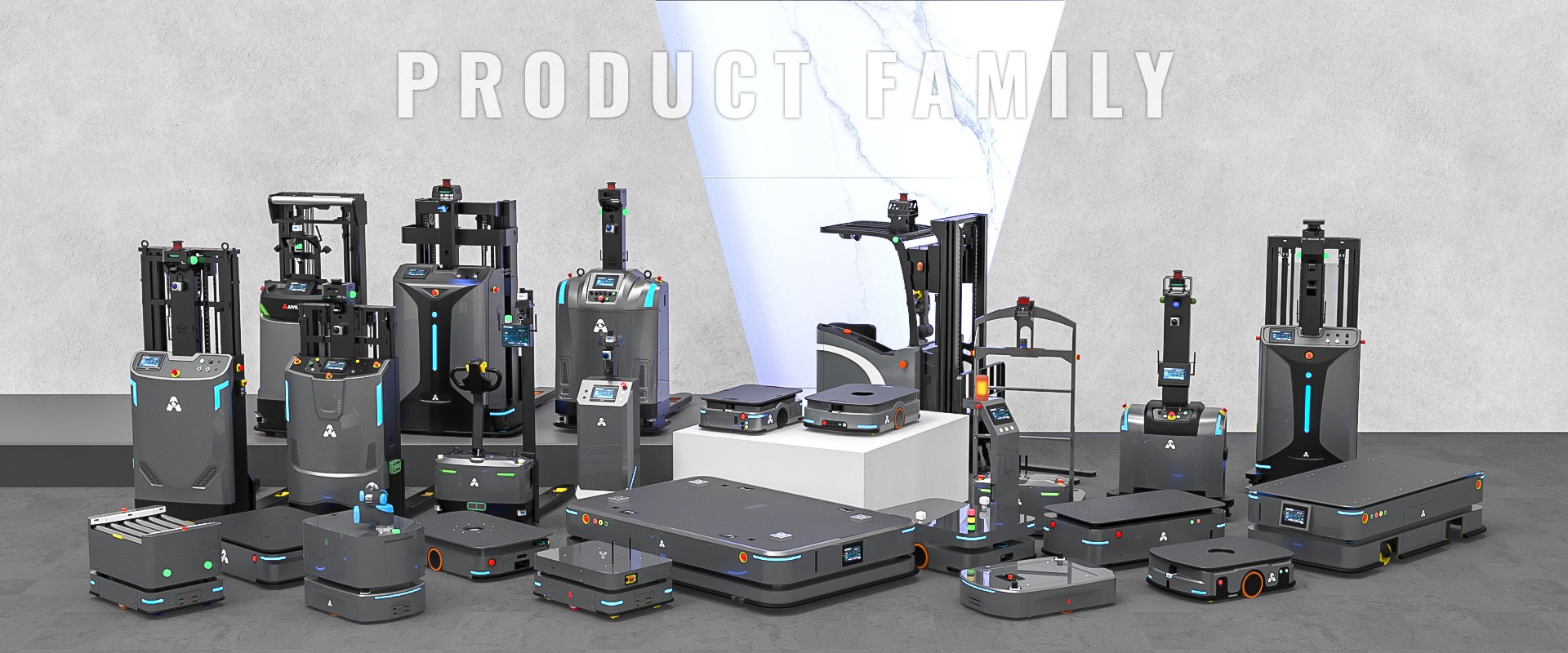

Why Marnix Is a Reference Factory for Laser SLAM AGC, AMR, and Smart Forklift Projects
Shenzhen Marnix Intelligent Technology Co., Ltd. builds autonomous mobile robots that drop into existing factories with minimal disruption—for end users and for the system integrators who serve them. The portfolio includes laser SLAM AMRs, jacking robots, smart forklifts, pallet AMRs, composite mobile robots, and compatible intelligent charging docks.
About ten years of AGV engineering
Practical experience with mobile robot chassis, navigation, top modules, fleet scheduling, and industrial deployment requirements.
SLAM lidar and vision fusion
±5 mm laser SLAM navigation without auxiliary tracks or floor QR codes, with optional QR-assisted docking at ±2 mm where required.
Manufacturer-level customization
Flexible engineering of chassis, payload, and top mechanisms—jacking units, rollers, forks, and 6-axis arms—to match your process rather than forcing a standard fit.
Fleet ecosystem, not a single robot
Intelligent scheduling over indoor Wi-Fi coordinates simultaneous task assignment, traffic control, and automatic charging with compatible smart docks.

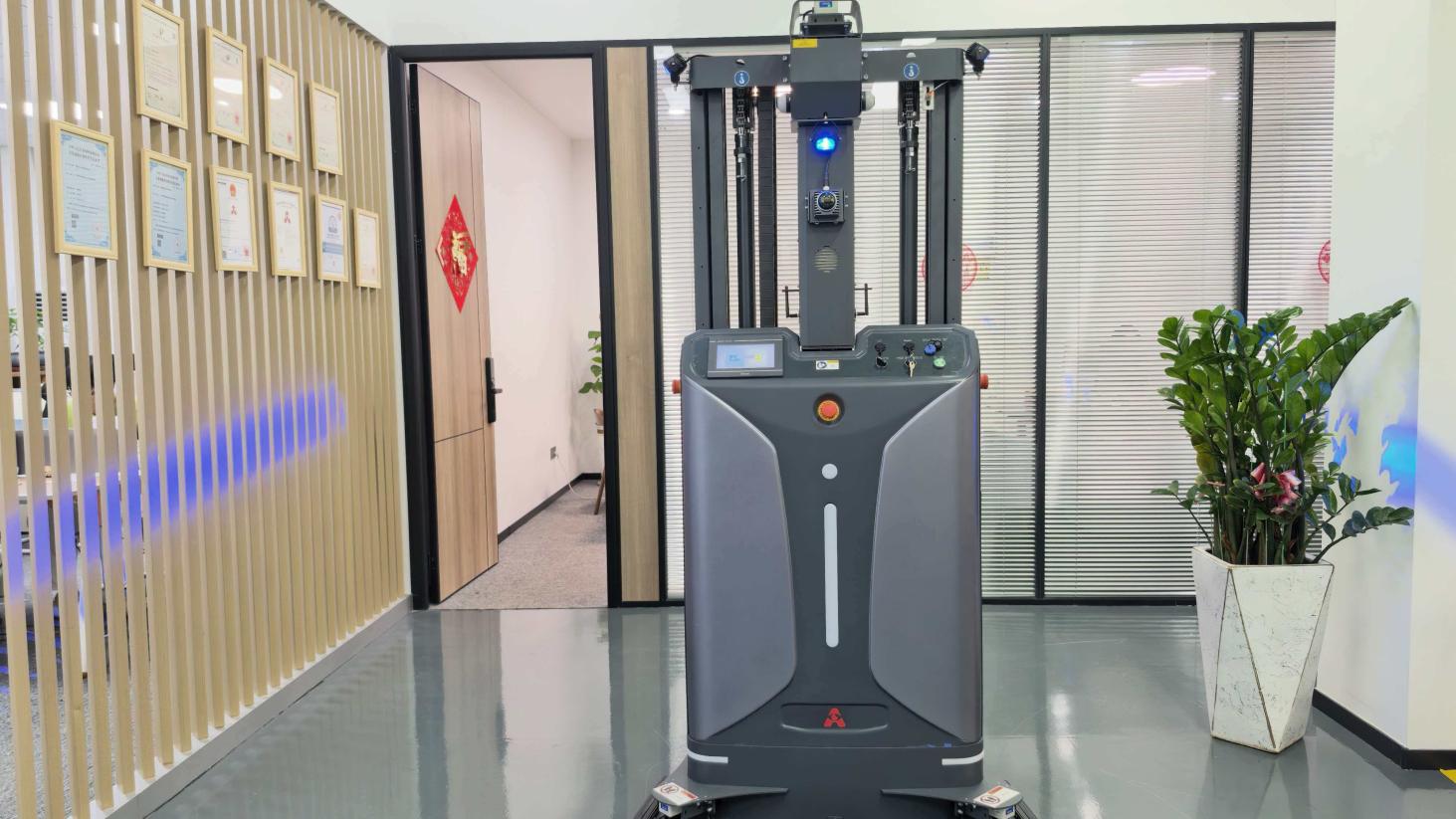
How to Match an Automated Guided Cart to the Real Workstation
The fastest way to reduce project risk is to map precision, payload, and handover method station by station before requesting a fleet quotation.

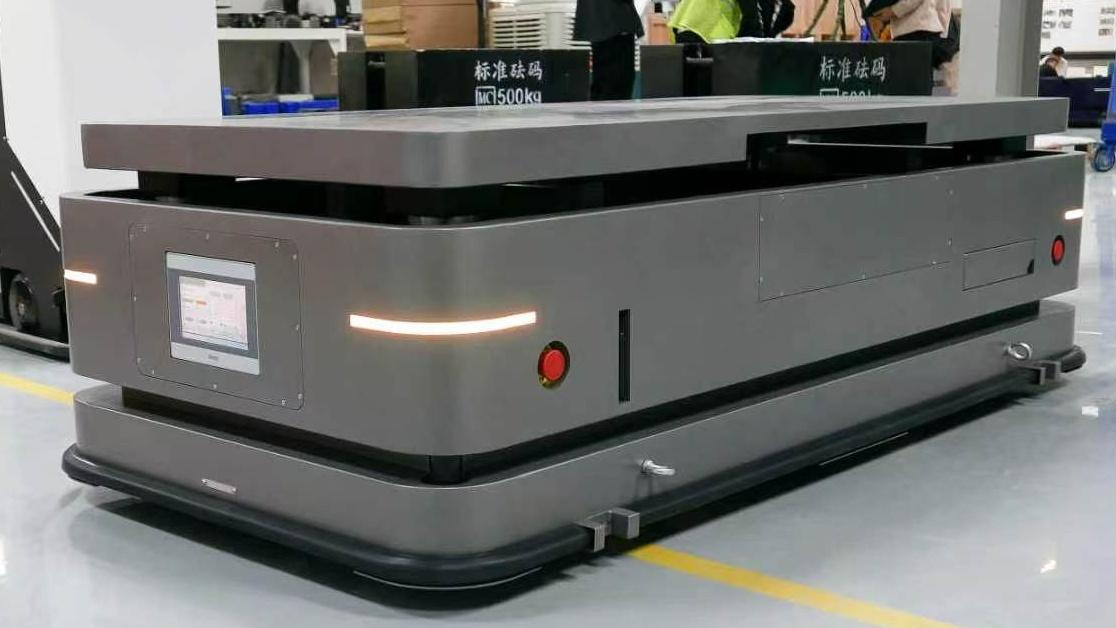
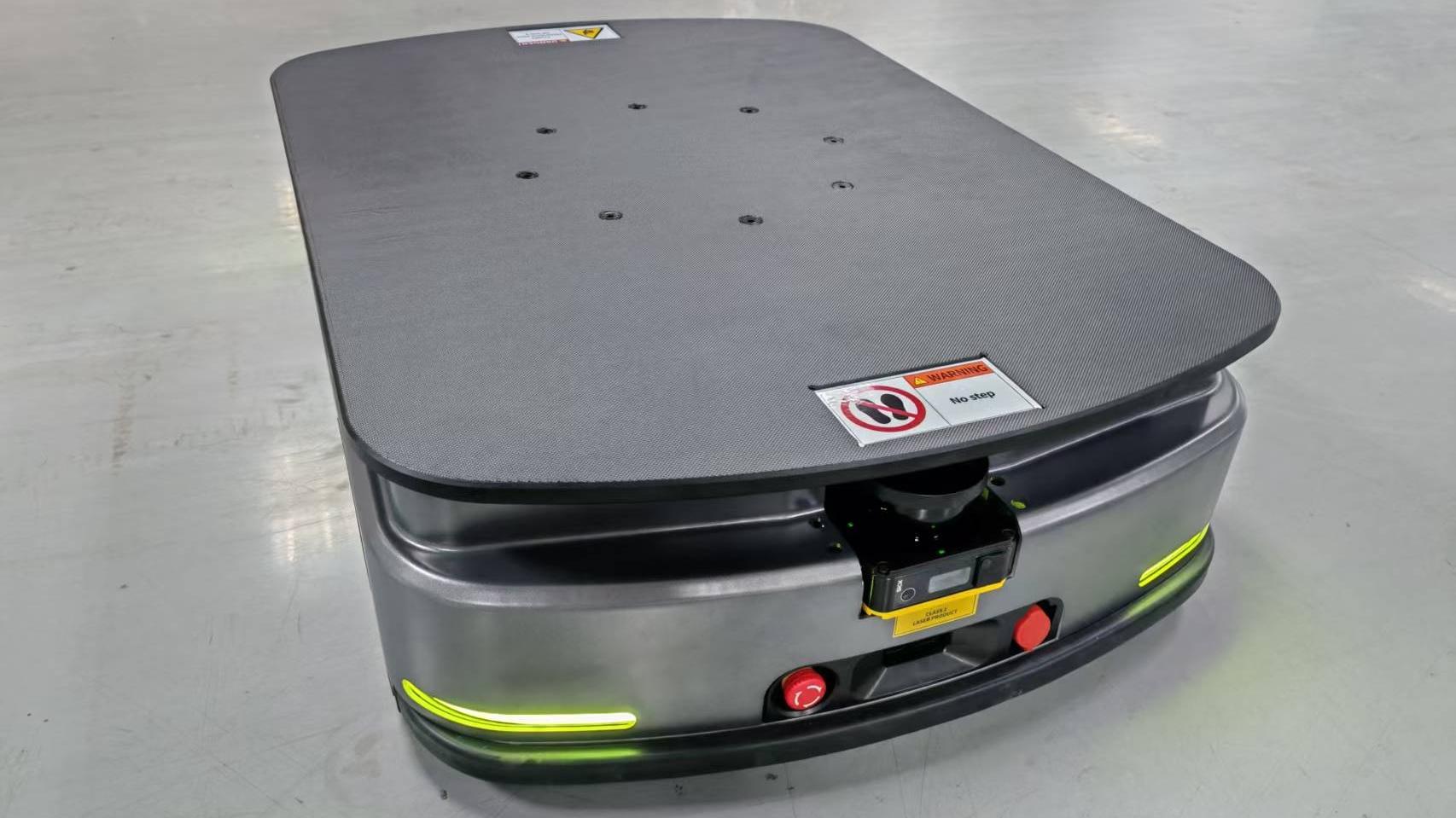
Most automation projects fail at interfaces, not at the robot’s top speed. A 1,500 kg lifting AGV may be technically capable of moving a rack, but if the rack feet, floor seams, elevator threshold, and charging-dock approach are not documented, the pilot will lose time. The same is true for a 2,000 kg smart forklift: pallet quality, fork entry clearance, aisle width, and human traffic rules determine whether the robot can sustain throughput.
Use the six-input RFP checklist below. It shortens technical evaluation and gives suppliers a fair basis for comparison.
Load profile
Maximum weight, footprint, center of gravity, and whether the load is rack, pallet, cart, or conveyor carrier.
Site layout
A CAD drawing or sketch with aisle widths, doors, slopes, elevator points, and charging-dock locations.
Throughput target
Missions per hour, peak periods, and shift pattern. These set fleet size and charging strategy.
Docking precision
Where ±5 mm is sufficient and where ±2 mm QR assist or arm-level repeatability is truly required.
Wi-Fi coverage
Access-point density and coverage quality across the robot operating area, including blind spots.
Equipment interfaces
Conveyors, machines, shelving, and top-module requirements such as rollers, forks, lifting units, or arms.
Common Questions About Automated Guided Cart Factories and Suppliers
Practical answers for engineering, procurement, and operations teams evaluating AGC, AGV, and AMR projects.
What navigation accuracy do Marnix AMRs achieve?
Using laser SLAM on natural features, Marnix AMRs reach ±5 mm positioning without magnetic tape, reflectors, or floor QR codes. Adding a QR code scanning camera raises accuracy to ±2 mm. Composite robots with a 6-axis arm can reach ±0.05 mm repeatability for demanding assembly or medical-device tasks.
Do I need to modify my factory floor?
Generally no for standard laser SLAM navigation. The robot maps the existing environment, so auxiliary tracks or full-floor QR codes are not required. QR labels are typically added only at stations where ±2 mm docking precision is needed.
Can the factory customize robots for my production line?
Yes. Manufacturer-level customization can cover chassis, payload, and top modules such as jacking units, roller conveyors, forklift forks, and 6-axis robotic arms. The goal is to connect the mobile robot directly to production equipment rather than forcing the process to adapt to a standard vehicle.
How are multiple robots coordinated?
An intelligent scheduling system manages the fleet over indoor Wi-Fi. It handles simultaneous task assignment, traffic control, route planning, and automatic charging with compatible smart charging docks. This matters when a project moves from one robot to a mixed fleet.
Which industries use these robots?
Semiconductors, 3C electronics, lithium batteries, photovoltaics, automotive parts, PCB, textiles, and medical devices. Marnix serves both end users and system integrators, so the deployment model may be direct or through an automation partner.
What should I prepare before requesting a proposal?
Share payload, rack or pallet dimensions, site layout, aisle widths, throughput target, docking precision, Wi-Fi coverage, and equipment interfaces. These six inputs determine most of the robot selection and shorten evaluation from weeks to days.
How do I compare total cost of ownership?
Compare installation, floor preparation, integration engineering, spare parts, charging infrastructure, energy consumption, training, maintenance, and expected uptime. A lower purchase price can become more expensive if the robot lacks local support or requires extensive floor modification.
How do I start a project evaluation?
Contact the Marnix team with your load profile, layout, throughput, and precision requirements. The team can recommend a robot configuration, top module, charging strategy, and pilot plan based on the application. Email: info@marnixbot.com.
Turn This Shortlist Into a Factory-Ready Robot Configuration
Share your load profile, layout, throughput target, and docking precision. The engineering team will map the right laser SLAM AMR, jacking robot, smart forklift, or composite mobile robot to your process.