Eight Industrial AMR Platforms for OEM, ODM and Wholesale Programs
Each platform below can be evaluated as a stand-alone robot or as part of a wider fleet program. The strongest procurement decision usually comes from matching payload, docking precision, top-module interface and service strategy to the actual workflow—not from choosing the highest headline specification.
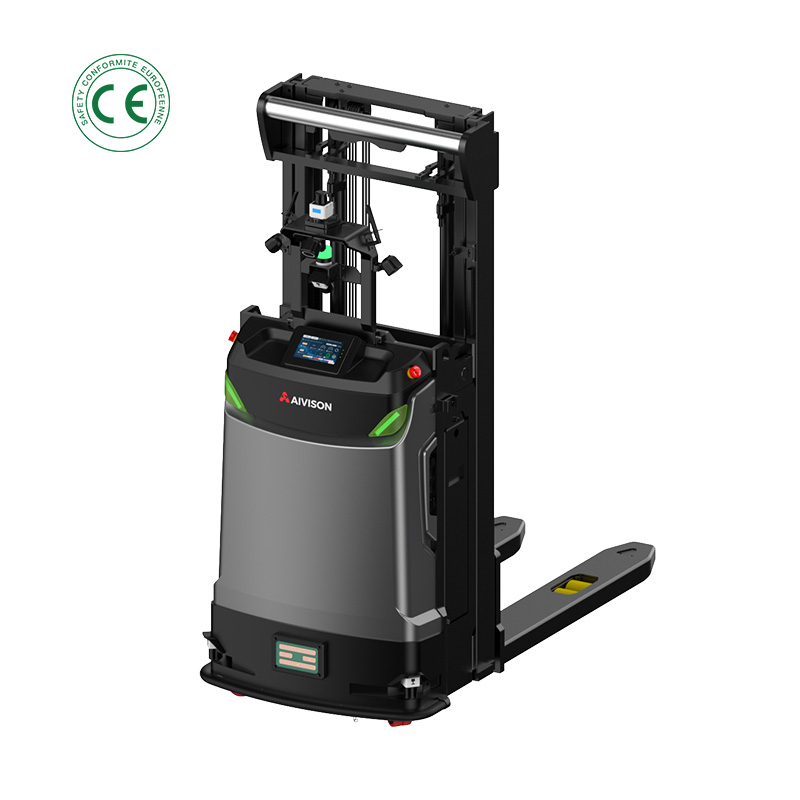
Aivison AMR Robot Whicle Automated Warehouse Automatico agv Logistics Industrial Guided Vehicles
Automated warehouse logistics vehicle for repetitive transfer, line-side feeding and guided material movement. A practical platform for OEM/ODM programs that need a proven mobile base with a configurable top interface.
View product details →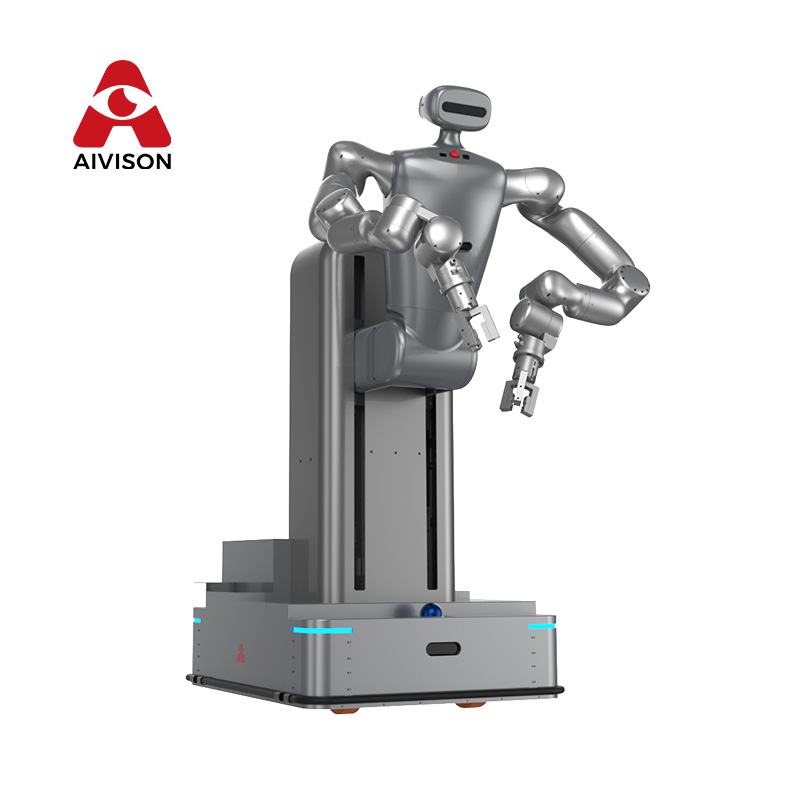
Omnidirectional Service Humanoid Robot Chassis Dual 7-DOF Arms Laser SLAM Navigation for Hospitality and Retail
Omnidirectional humanoid chassis with dual 7-DOF arms and laser SLAM navigation. Suitable for integrators exploring service robotics, retail assistance and interactive humanoid applications.
View product details →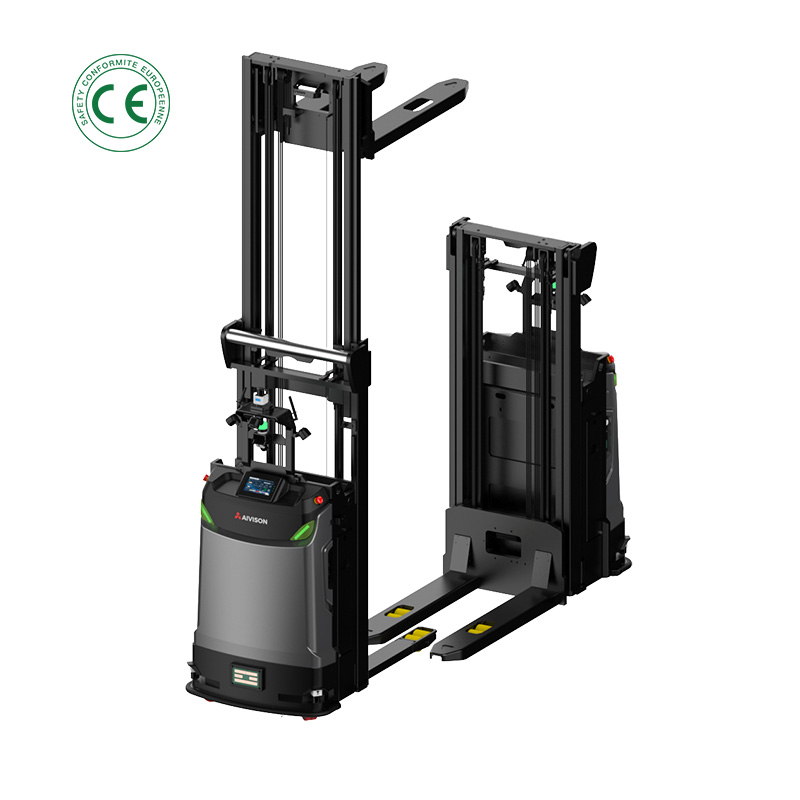
High-performance Intelligent Smart Automated Guided Vehicle 2000kg AMR Robot
High-performance 2000 kg intelligent automated guided vehicle. Recommended where payload stability, floor clearance, safety scanning and repeatable transfer cycles are primary procurement criteria.
View product details →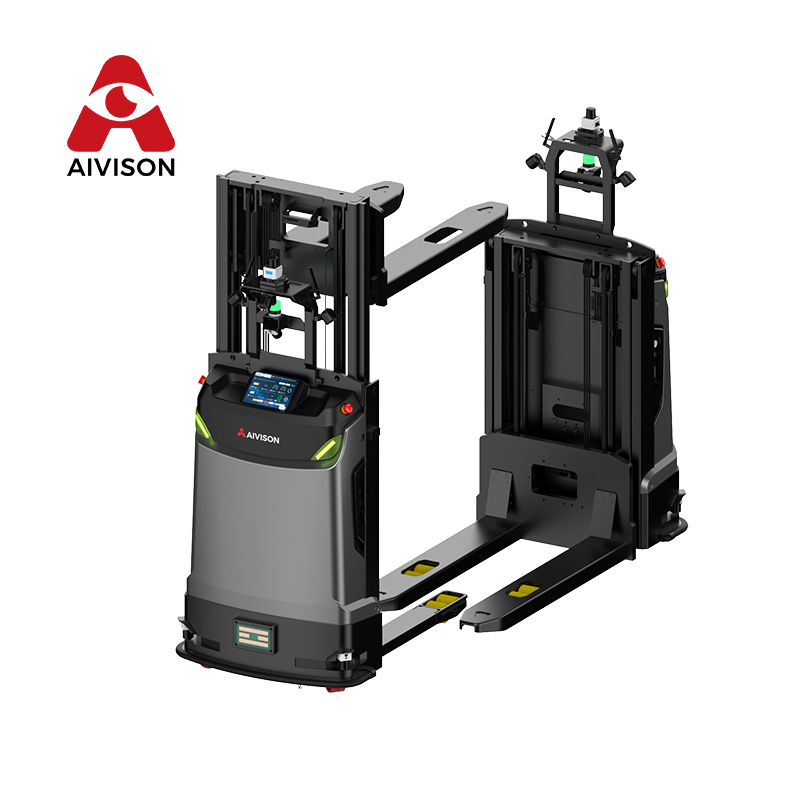
New Warehouse Autonomous Cars agv Robot 2000kg Load Capacity Stacker agv Robot
Stacker AGV with 2000 kg load capacity for warehouse pallet movement and stacking workflows. Evaluate mast height, pallet type, aisle width and QR or vision assist before configuration.
View product details →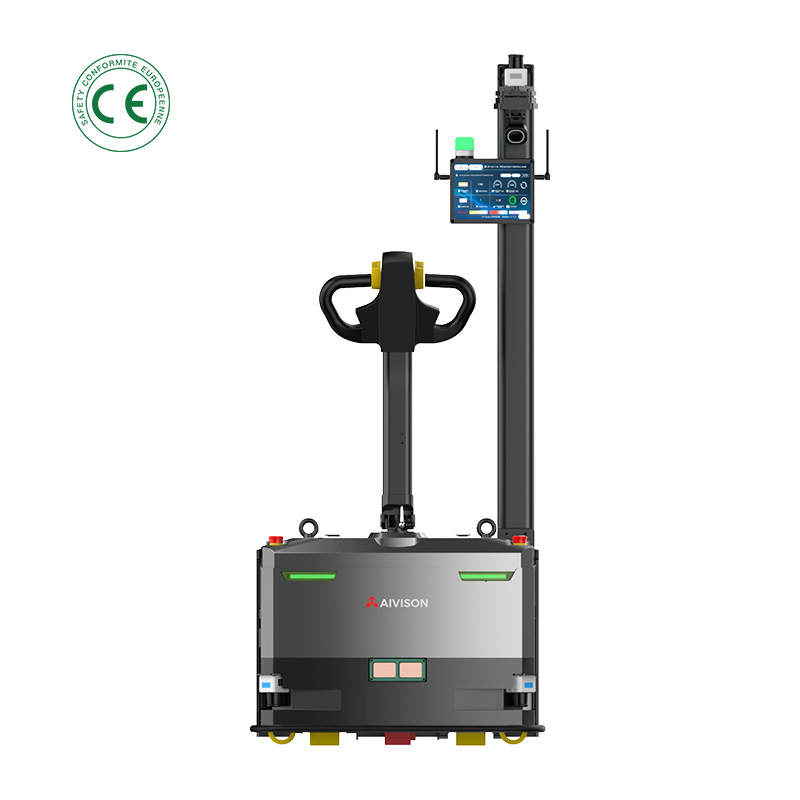
Autonomous Mobile Robot AGV CE Laser SLAM Navigation for Material Handling and Logistics
CE laser SLAM AMR for material handling and logistics. A natural fit for mixed human-vehicle environments, multi-shift operations and facilities that need fast mapping without floor reconstruction.
View product details →
Omnidirectional Humanoid Robot Chassis Dual 7-DOF Arms Laser SLAM Autonomous Warehouse AMR Mobile Platform
Omnidirectional warehouse AMR mobile platform with dual 7-DOF arms for R&D and composite robotics projects. Designed for integrators who need an open mobile base with high maneuverability.
View product details →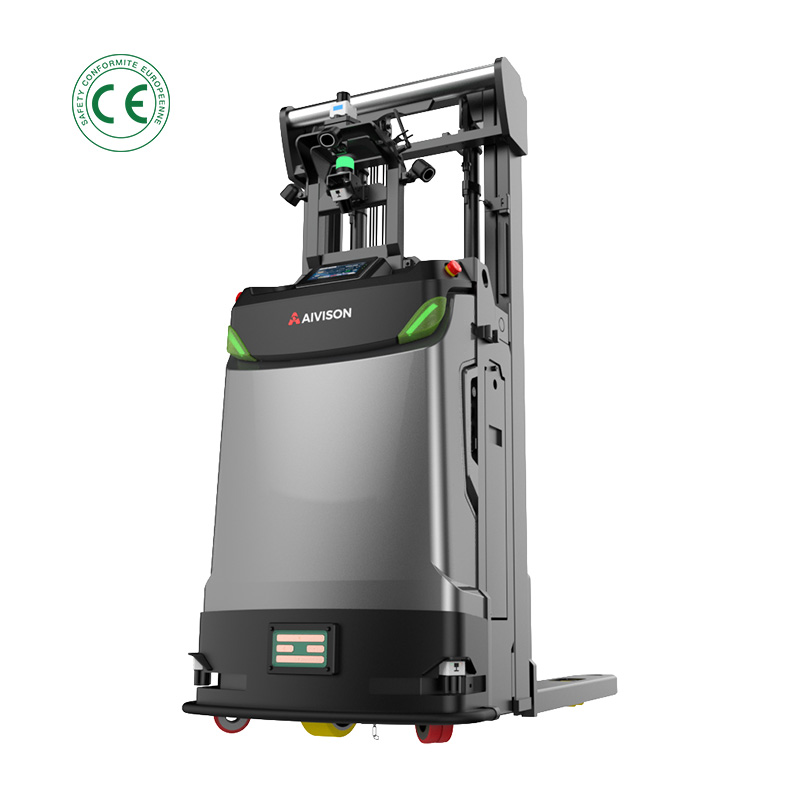
Smart Transport Robotic with Laser Navigation Reach 2000KG AGV Logistics Robots Warehouse Robot AMR
Laser-navigation AGV for logistics and warehouse transport up to 2000 kg. Consider route geometry, docking precision, charging strategy and traffic rules when sizing the fleet.
View product details →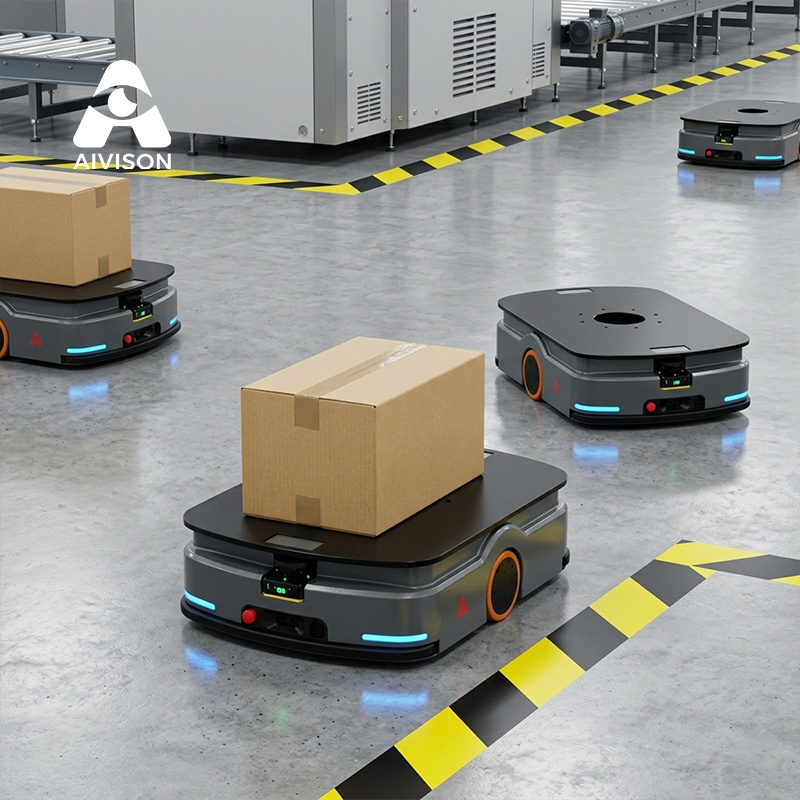
Autonomous Mobile AMR Robot 300kg Payload Laser Guided AGV for Carry Goods in Factory
Compact 300 kg payload laser-guided AMR for factory goods carrying. A sensible entry point for pilot lines, light material handling and multi-robot expansion after validation.
View product details →Industrial AMR Procurement Has Moved From “Robot Price” to “Program Risk”
An AMR is no longer a stand-alone catalogue item. It is one layer of an automation stack that includes navigation, safety sensors, fleet scheduling, charging, top-module tooling, PLC interfaces, Wi-Fi coverage, spare parts and service escalation.
That shift explains why serious buyers now evaluate OEM/ODM industrial AMR suppliers and wholesalers on evidence rather than brochure claims. A robot that works in a demo may still fail at the dock if docking tolerance, traffic rules, pallet condition or Wi-Fi coverage has not been engineered into the project. The most common avoidable cost drivers are over-specified accuracy, missing interface definitions, unclear floor ownership and spare-parts planning deferred until after installation.
A credible supplier should expose these trade-offs early. Our recommended approach is to match navigation accuracy to the station: laser SLAM on natural features at ±5 mm for trackless warehouse and line-side transport; SLAM plus QR code camera at ±2 mm for precision docking; and composite platforms with a 6-axis arm at ±0.05 mm repeatability for semiconductor and medical device assembly, where station calibration and tooling dominate the accuracy budget.
Shenzhen-based R&D and manufacturing with practical factory-floor experience.
Trackless positioning without magnetic tape, reflectors or floor QR codes.
End users and system integrators across three continents.
From semiconductor cleanrooms to textiles, PCB and medical devices.
Choose the Supply Model Before You Compare Prices
OEM, ODM and wholesale are not marketing labels. They describe how much engineering, documentation and lifecycle responsibility the supplier accepts. The correct model depends on whether you are building a brand, delivering an integration project or holding stock for repeat customers.
OEM for Distributors
Brand, colour, labels, packaging, manual, warning decals and a stable BOM. The supplier must be able to repeat the build without hidden substitutions.
ODM for Integrators
Custom chassis, top-module interface, payload support, charging strategy and software handshake. Engineering ownership must be clear from drawing to acceptance.
Wholesale for Repeat Demand
Repeatable SKUs, spare-parts kits, training material, certification files and multi-site forecasting. Wholesale works only when the supplier can support the installed base.
Integrator Support
Open APIs, fleet scheduling, station mapping, PLC and MES integration, plus escalation support when the project moves from pilot to production.
What a credible OEM/ODM AMR supplier should document
Ask for these items before accepting a quotation. If a supplier cannot provide them, the lowest price may carry the highest integration risk.
- Navigation accuracy test method and site acceptance criteria
- Safety concept, scanner coverage, obstacle avoidance and emergency-stop logic
- Top-module interface drawings, payload limits and centre-of-gravity assumptions
- Fleet software architecture, APIs, firmware update policy and cybersecurity responsibilities
- Spare-parts list, recommended stock levels, training plan and service escalation path
- Factory acceptance test plan, packaging requirements and incoming inspection checklist
Six Purchasing Shifts Reshaping Industrial AMR Supply
Procurement teams are becoming more sophisticated. They are no longer buying a single robot; they are buying a repeatable automation capability that must survive layout changes, shift patterns, audits and expansion.
1. Total Cost of Ownership Beats Sticker Price
Buyers now model integration, floor preparation, training, spares, downtime and software support. A lower-cost chassis with weak documentation can cost more over five years.
2. Mixed-Fleet Orchestration
Factories rarely run one robot type. Procurement now asks how jacking robots, forklifts and pallet AMRs share traffic rules, charging zones and task priorities.
3. Safety and Compliance Evidence
Declarations alone are not enough. Buyers request risk assessment files, scanner coverage, emergency-stop validation and change-control records for audit.
4. Modular Top Modules Reduce Risk
Instead of customising every chassis, buyers prefer a proven mobile base with jacking units, roller conveyors, forks or arms that can be validated separately.
5. Service Network and Spares Strategy
Wholesalers and integrators ask who owns first-line support, how spares are stocked and what happens when a site is thousands of kilometres away.
6. Data-Driven Pilot Validation
Pilots are now judged by mission completion rate, intervention frequency, charging ratio and response time—not by a successful one-off demonstration.
Where Industrial AMR Hardware and Software Are Heading
The next buying cycle will favour platforms that can be upgraded—not locked into one payload, one navigation method or one software stack.
Navigation Fusion
Laser SLAM remains the baseline, but QR cameras and vision improve docking where millimetres matter. Buyers should specify accuracy by station, not by brochure headline.
Composite Mobile Robotics
Mobile bases combined with 6-axis arms and roller modules move material and perform work at the station. Repeatability, tooling and calibration become part of the procurement scope.
Smart Forklifts and Stackers
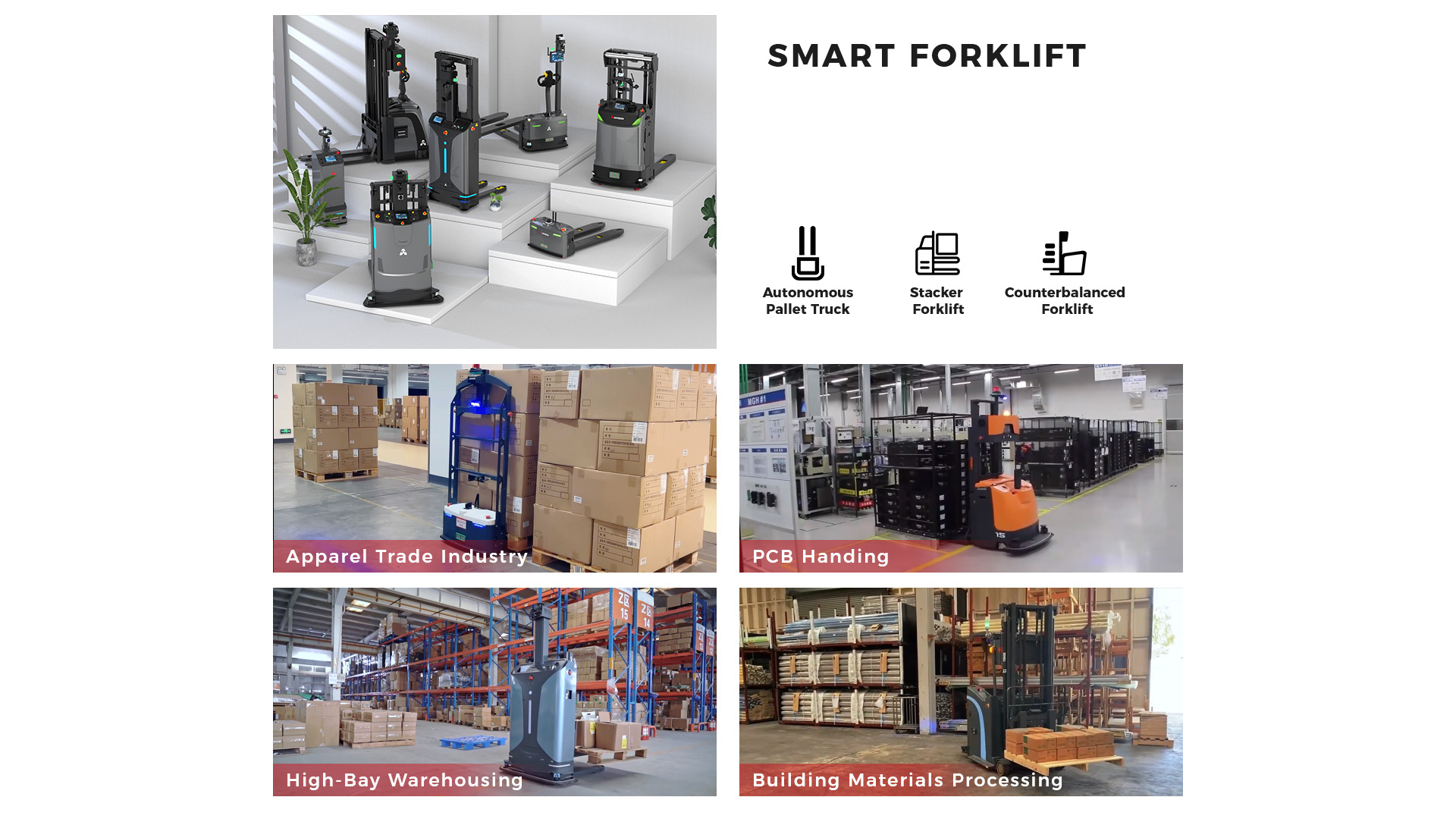
Pallet handling continues to move toward camera-assisted fork entry and higher payloads. The buying decision must include pallet quality, aisle width and mast clearance.
Battery and Charging Strategy
Opportunity charging and intelligent docks reduce the need for oversized batteries. Wholesalers should stock compatible charging hardware and define charging-zone traffic rules.
Fleet Software as a Product
Dispatch, traffic control, task prioritisation and API access are now evaluated as seriously as the robot. Open interfaces protect the buyer from single-vendor lock-in.
Omnidirectional and Humanoid Chassis
Service, retail and research teams are adopting omnidirectional bases and dual-arm chassis. These platforms need clear safety boundaries and realistic payload expectations.
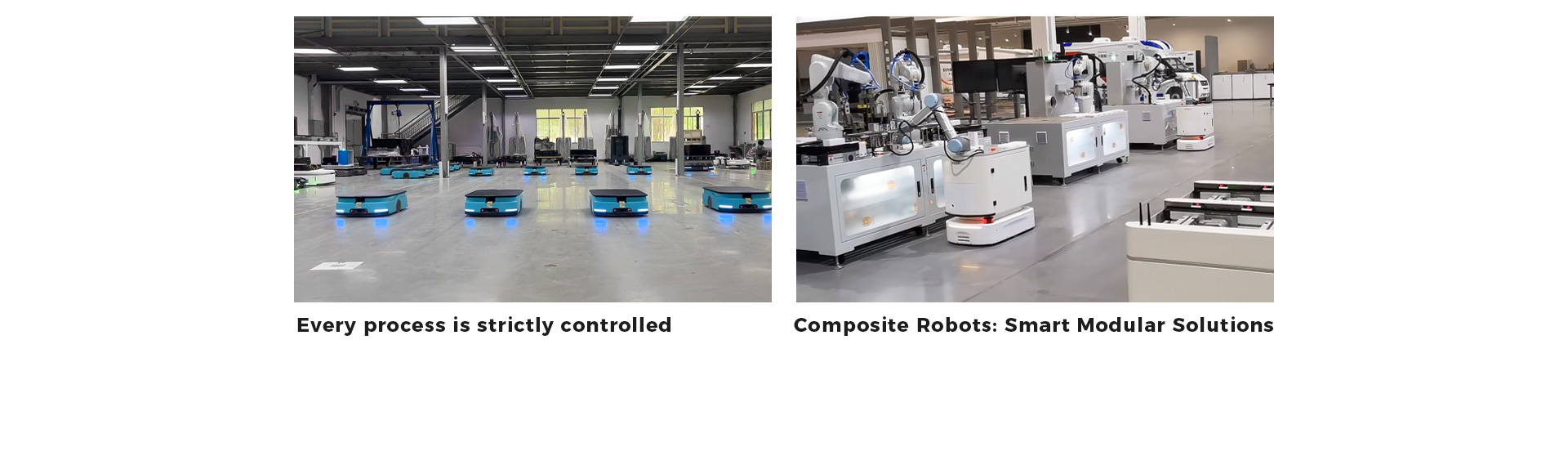
From “moving material” to “moving work”
Composite robots combine a laser SLAM mobile base with robotic arms, roller conveyors or custom top modules. For semiconductor, medical device and precision electronics applications, the buying question changes from “How fast can it move?” to “How repeatably can it hand over at the station?”
That requires calibration, tooling and interface discipline. The strongest programs separate mobile-platform validation from top-module validation, then test the integrated system under production conditions.
Why Marnix Is a Credible OEM/ODM Industrial AMR Supplier and Wholesale Partner
Shenzhen Marnix Intelligent Technology Co., Ltd. is a Shenzhen-based manufacturer with about ten years of AGV engineering experience. The company designs and manufactures laser SLAM AMRs, jacking robots, smart forklifts, composite mobile robots and intelligent charging docks for end users and system integrators.
Precision by Application
±5 mm laser SLAM, ±2 mm with QR assist and ±0.05 mm repeatability for composite arm configurations.
Manufacturer-Level Customization
Chassis, payload, jacking units, roller conveyors, forks and 6-axis arms can be engineered around the production line.
Complete AMR Portfolio
Jacking robots, smart forklifts, pallet AMRs, composite robots and compatible intelligent charging docks from one source.
Fleet Scheduling Over Wi-Fi
Intelligent scheduling coordinates simultaneous task assignment, traffic control and automatic charging for multi-robot operations.
Multi-Stage Quality Protocol
Intelligent inspections and operational stress testing target near-zero failure rates before shipment.
TÜV Rheinland Onsite Assessment
Company premises and operations have been verified by an independent inspection body.
Verified Supplier Credentials
Fortune 500 supplier status, verified multispecialty supplier credentials and transparent trade records.
Integrator and Wholesale Support
Products, solutions and documentation for system integrators, with low-MOQ customization for qualified projects.
Onsite Verified
Independent assessment evidence available for procurement review.
Fortune 500 Supplier
Procurement contract with a Fortune 500 company, assessed by third parties.
Verified Multispecialty
Multi-category robot procurement and low-MOQ customization capability.
Credit & Trade Records
Transparent credit index and transaction history for due diligence.
Where These AMRs Deliver Measurable Operational Value
Application fit is not a logo wall. It is a test of how the robot behaves under cleanroom constraints, pallet variability, narrow aisles, human traffic, changeovers and multi-shift operation.

Warehouse and high-shelf logistics: dynamic avoidance, millimetre-level docking and 24/7 operation with automatic charging.
Production-line material flow: coordinated fleets, optional QR-assisted docking and layout freedom without floor rework.
Semiconductor
Cleanroom logistics, wafer handling and precision docking. Use QR assist at ±2 mm or composite arm configurations at ±0.05 mm where station handover demands it.
3C Electronics
Line-side delivery and fast changeover. Roller modules and custom top interfaces can connect directly with assembly equipment and reduce manual handling.
Lithium Battery
Jacking robots and heavy-duty transfer for racks and carriers. Safety zoning, battery strategy and traffic rules are key during multi-shift operation.
Photovoltaic
Smart forklifts and vision-assisted pallet handling for large modules. Validate aisle width, pallet condition and outdoor-to-indoor transitions early.
Automotive Parts
2000 kg pallet movement, stacker workflows and multi-robot scheduling. Fleet software and charging-zone design determine uptime more than headline speed.
PCB
Roller conveyor interfaces and careful load transfer. Define ESD requirements, transfer height and handshake logic with the production line owner.
Textile
Long-distance transfer and repetitive warehouse movement. Laser SLAM reduces the cost of layout changes when storage zones are reorganised.
Medical Devices
Composite robots and traceable material flow. Tooling, calibration and documentation are as important as the mobile platform itself.
What to Prepare Before Requesting an OEM/ODM AMR Proposal
From our project experience, six inputs determine most of the robot selection. Sharing them upfront shortens evaluation from weeks to days and reduces the risk of an unrealistic quotation.
Load Profile
Maximum weight, footprint and centre of gravity of racks, pallets or carriers. Include the heaviest and most awkward load—not only the average load.
Site Layout
A CAD drawing or sketch with aisle widths, doors, slopes, lift points, charging zones and areas where people and forklifts share the route.
Throughput Target
Missions per hour, peak periods and acceptable wait time. These figures set fleet size, charging-dock count and route design.
Docking Precision
Where ±5 mm is enough and where ±2 mm QR assist or arm-level precision is required. Specify accuracy by station rather than by robot.
Wi-Fi and IT Rules
Existing access points, coverage quality and cybersecurity constraints. Fleet coordination depends on reliable indoor Wi-Fi and clear network ownership.
Equipment Interfaces
Conveyors, machines, elevators or shelving the robot must hand over to, plus any top-module, PLC or MES integration requirements.
Common Questions Buyers Ask Before Automating
Straight answers from a manufacturer perspective. Specifications should always be validated against your floor, loads and acceptance criteria.
What navigation accuracy do Marnix AMRs achieve?
Using laser SLAM on natural features, Marnix AMRs reach ±5 mm positioning without magnetic tape, reflectors or floor QR codes. Adding a QR code scanning camera raises accuracy to ±2 mm, and composite robots with a 6-axis arm reach ±0.05 mm repeatability.
Do I need to modify my factory floor?
No. Standard laser SLAM navigation maps your existing environment, so no auxiliary tracks or QR codes are required. QR labels are only added at stations where ±2 mm docking precision is needed.
Can Marnix customize robots for my production line?
Yes. As a manufacturer, Marnix customizes chassis and top modules such as jacking units, roller conveyors, forklift forks and 6-axis robotic arms to connect directly with production equipment. Low-MOQ customization is available for qualified projects.
How are multiple robots coordinated?
Robots are managed by an intelligent scheduling system over indoor Wi-Fi, enabling simultaneous task assignment, traffic control and automatic charging with compatible smart charging docks.
Which industries use Marnix robots?
Semiconductors, 3C electronics, lithium batteries, photovoltaics, automotive parts, PCB, textiles and medical devices—serving both end users and system integrators.
How do I start a project evaluation?
Email info@marnixbot.com with your payload, floor layout, throughput and docking precision requirements, or use the inquiry button on this page. Include equipment interfaces and Wi-Fi status to shorten engineering review.
Build a Safer, Lower-Risk Industrial AMR Program
Whether you need an OEM platform for distribution, an ODM top module for an integrator project or a wholesale AMR portfolio with spare-parts planning, the right starting point is a clear workflow brief.