OEM/ODM Heavy Duty AMR Wholesaler & Wholesalers
Laser SLAM AMRs, jacking robots, LiDAR navigation sensors, and smart forklifts for integrators, distributors, and warehouse automation teams—engineered for ±5 mm navigation, ±2 mm QR docking, and ±0.05 mm composite robot repeatability.
Recommended Heavy-Duty AMR & AGV Products for OEM/ODM Procurement
The eight products below are the first commercial screen for OEM/ODM heavy-duty AMR procurement. Each is selected for a distinct role inside a warehouse or production-line automation project—not simply to fill a catalog. Product URLs are kept as supplied; where your project requires a modified chassis, payload interface, top module, or fleet configuration, use the Inquire Now button so our engineers can map the requirement to the closest platform.
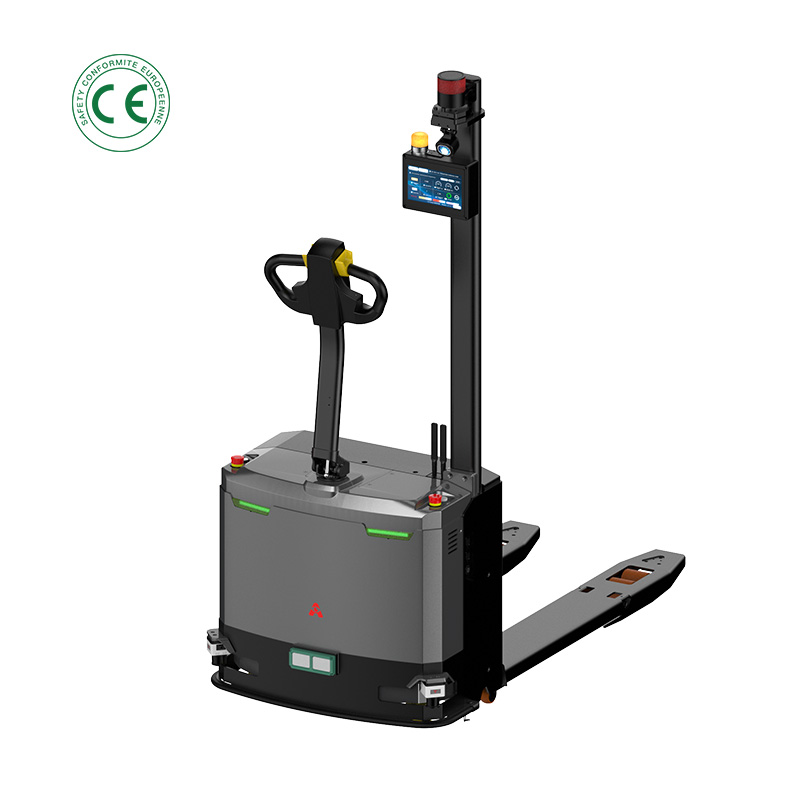
Autonomous Mobile Robot AMR AGV Forklift Pallet Stacker with CE Certificate
Recommended for project teams that need CE-documented pallet handling at line ends, buffer zones, and finished-goods transfer. The pallet stacker format bridges manual pallet flows and fully automated storage, making it a practical first unit for wholesalers building a heavy-duty AMR package.
- Laser SLAM navigation with ±5 mm positioning; optional QR camera for ±2 mm docking
- Pallet stacking, warehouse transfer, and production-line connection

Hot Selling Logistics Navigation Detector Sensor LiDAR
Recommended for OEM/ODM buyers and integrators that need a reliable LiDAR navigation detector supply line. Keeping a qualified sensor source shortens spare-part lead times and reduces the risk of firmware mismatch when a fleet expands.
- Navigation detector sensor for logistics AMR/AGV builds
- Manufacturer-direct sales and integration support
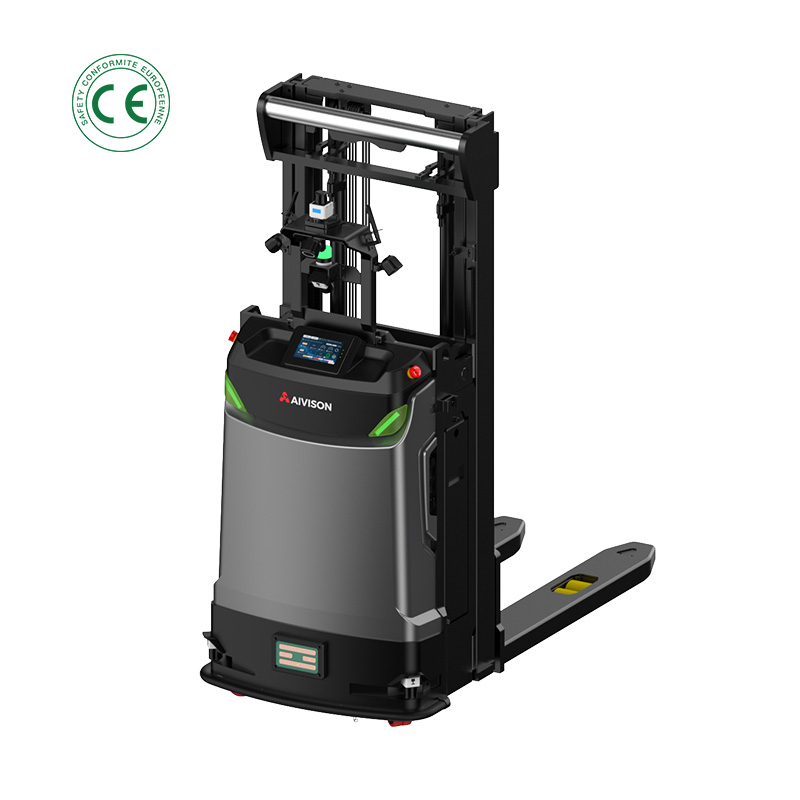
Aivison AMR Robot Vehicle for Automated Warehouse Logistics
Recommended as a general industrial automated warehouse platform for mixed layouts. It suits buyers who expect routes, storage zones, or line-side stations to change and therefore want laser SLAM mapping rather than fixed floor infrastructure.
- Natural-feature SLAM; no tape or reflector network required
- Multi-robot scheduling over indoor Wi-Fi; auto-charging compatible
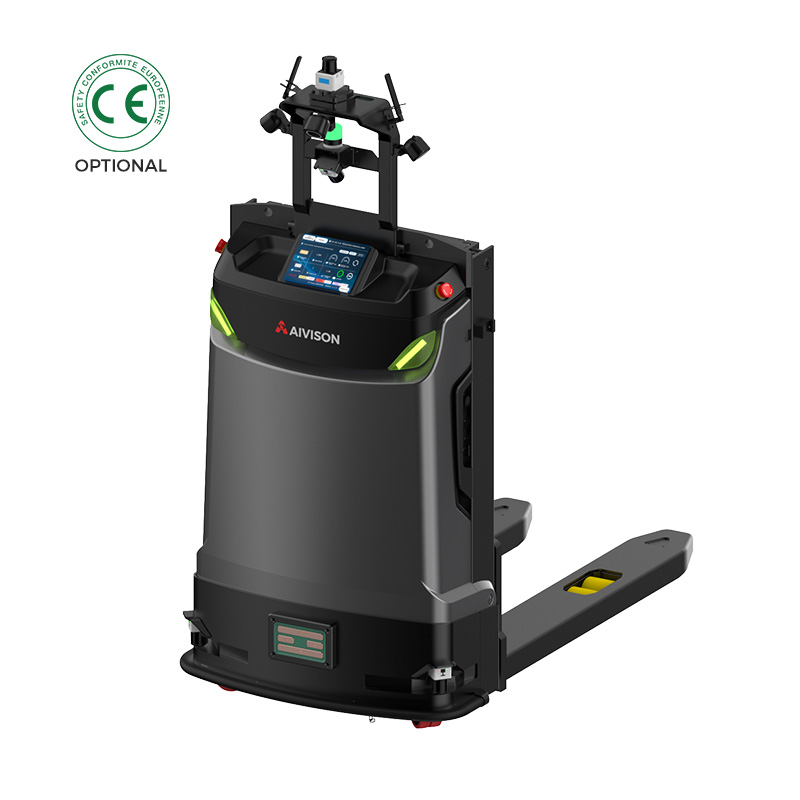
Automated Mobile Robot SLAM Lifting AGV Chassis
Recommended for OEMs and integrators that need the lifting chassis rather than a finished end product. The format is useful for lithium battery, 3C electronics, and light assembly lines where jacking/lifting handover must be designed around existing racks and equipment.
- SLAM lifting AGV chassis for jacking robot customization
- Custom top modules, payload decks, and equipment interfaces
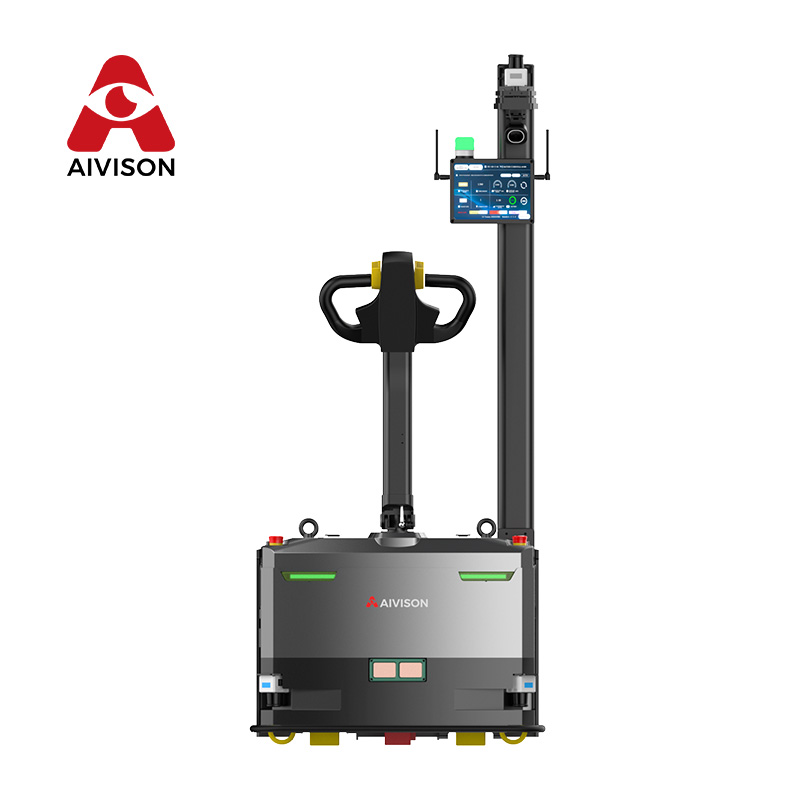
Movable Pallet AGV Robot Rack Shelf for Intelligent Robot Warehouse
Recommended for intelligent warehouses that move rack or shelf structures rather than only pallets. This approach can increase storage density and reduce non-value-adding travel when combined with fleet scheduling and charging docks.
- Movable pallet/rack shelf handling option
- Suited to high-density, reconfigurable warehouse zones
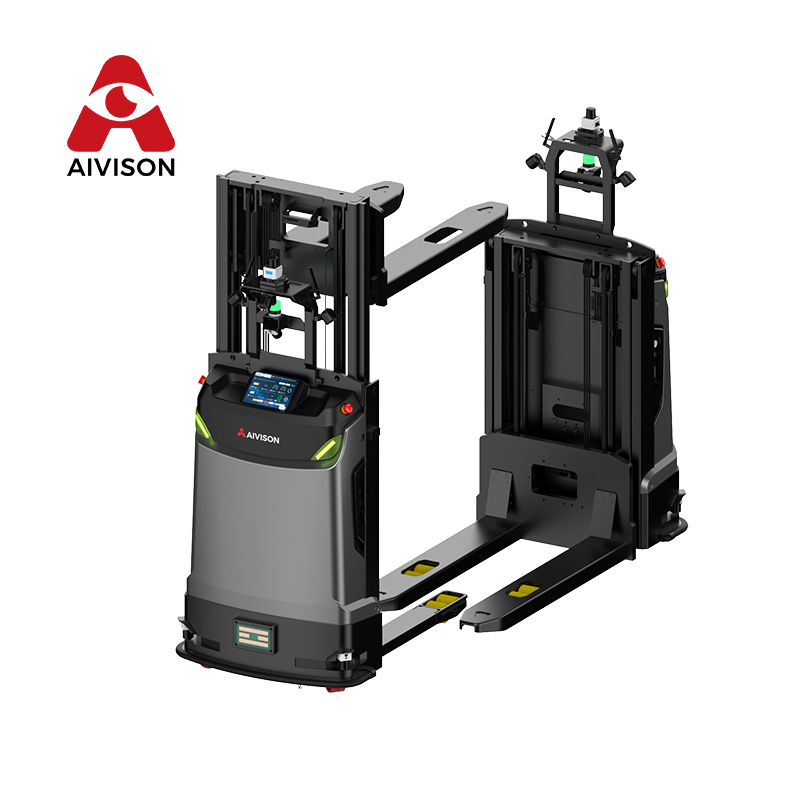
New Warehouse Autonomous Cars AGV Robot 2000 kg Load Capacity Stacker
Recommended for heavy-duty pallet flows in receiving, buffer storage, and end-of-line dispatch. A 2000 kg stacker class is appropriate when the buyer needs to move full pallets rather than small containers, while keeping autonomous operation and automatic charging.
- 2000 kg load capacity stacker AGV platform
- Heavy-duty warehouse transfer and pallet stacking

Aivison 1.5 Ton Autonomous Forklift Smart Delivery AMR Robot
Recommended as a smart forklift for repetitive pallet lifting, trailer/rack delivery, and line-side replenishment. The 1.5-ton class balances payload with aisle maneuverability and is often a better fit than a larger counterbalance truck in brownfield sites.
- 1.5-ton autonomous forklift with smart delivery capability
- Pallet handling with camera/vision-assist options
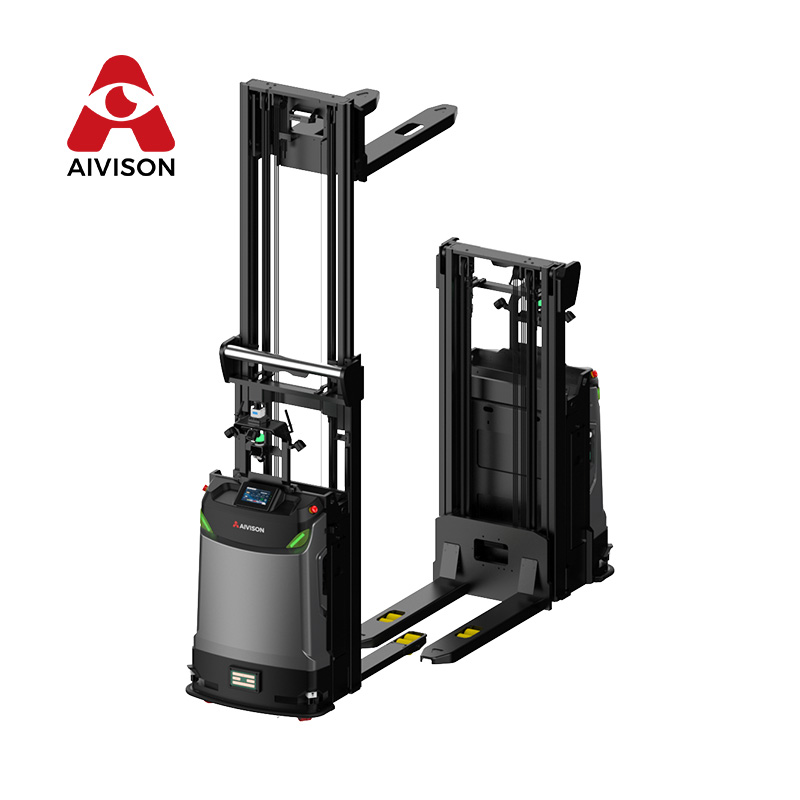
High Precision AGV Forklift with Full Servo Motor and 2000 kg Load
Recommended for precision docking and heavy-load forklift work where fork entry, load stability, and repeatable positioning are more important than lowest unit cost. Full servo motor control is especially relevant when the robot must hand over loads to production equipment or high-shelf locations.
- Full servo motor control with 2000 kg heavy load
- Laser-guided forklift for high-precision interfaces
Heavy-Duty AMR Program Numbers That Matter
Supplier evaluation for heavy-duty AMR programs should use verifiable numbers, not brochure language. The figures below reflect the operating profile Marnix publishes for OEM/ODM buyers and integrators: a decade-level engineering base, millimeter navigation tiers, a 200+ manufacturer deployment footprint, and composite robotics repeatability.
Years in AGV Engineering
Shenzhen-based R&D and manufacturing experience, with about a decade of AGV platform engineering behind the current AMR range.
Laser SLAM Navigation
Natural-feature navigation without magnetic tape, reflectors, or floor QR codes. Add a QR scanning camera only where ±2 mm docking is required.
Manufacturers Served
Deployments across three continents and eight core industries, from semiconductor cleanrooms to textile warehouses and medical device assembly.
Composite Robot Repeatability
AMR mobility combined with 6-axis arms and modular top mechanisms for semiconductor and medical device production interfaces.
Heavy-Duty AMR Procurement Trends: What Wholesalers and Integrators Should Plan For
The purchasing logic for heavy-duty AMRs is maturing. Buyers are shifting from isolated robot purchases to multi-year automation platforms; from lowest unit price to total cost of ownership; and from single-brand fleets to mixed-fleet orchestration. For wholesalers, this changes what must be proven before a purchase order is released.
TCO Moves Ahead of Unit Price
Procurement teams now ask for charging ratio, uptime assumptions, spare LiDAR availability, service response, and route-change cost. A lower-priced robot with poor fleet software or long spare-part lead times can cost more over three years than a better-integrated platform.
Mixed Fleets Become the Default
Warehouses rarely start from a blank floor. New AMRs must share traffic with existing AGVs, forklifts, and human pickers. Indoor Wi-Fi scheduling, traffic control, and clear handover rules are therefore more important than a single robot's top speed.
Brownfield Readiness Is a Qualification Criterion
Floor rework stops production. Laser SLAM that maps existing features—plus QR labels only at precision stations—lets wholesalers propose automation without weeks of infrastructure changes. That is a commercial advantage, not just a technical feature.
Third-Party Verification Shortens Procurement
TÜV Rheinland onsite assessment, Fortune 500 supply history, credit index, and transaction records reduce the burden on buying teams. For distributors, verifiable third-party trust often determines whether a new AMR line reaches the shortlist.
Information Gain: The 15% of an AMR RFQ That Decides Success
Most catalogs list payload and speed. Fewer show charging ratio, Wi-Fi handoff behavior, dock tolerance, top-module interface responsibility, spare LiDAR availability, or the exact station where ±2 mm QR assist stops being unnecessary. Including these details in the inquiry process can prevent over-specifying the entire site for one precision station and can shorten quotation cycles from weeks to days. Precision should be tiered by station, not bought at the robot level.
Product Development Trends: Where Heavy-Duty AMR Platforms Are Heading
Heavy-duty AMR development is consolidating around a few engineering themes. For OEM/ODM buyers, these trends determine which platforms remain adaptable after commissioning and which become difficult to expand.
Laser SLAM Plus QR at the Station
Natural-feature SLAM handles the route; QR code scanning is reserved for handover points that truly need ±2 mm. This hybrid approach lowers infrastructure cost while preserving precision where production interfaces demand it.
Modular Top Modules
Jacking units, roller conveyors, forklift forks, and 6-axis arms are becoming interchangeable over a shared chassis and navigation core. The result is faster customization for integrators and lower engineering risk for distributors.
Fleet Software and Auto Charging
Intelligent scheduling over indoor Wi-Fi, simultaneous task assignment, traffic control, and compatible charging docks are now part of the product, not an afterthought. Buyers should evaluate fleet software as carefully as the robot hardware.
Composite Robotics at ±0.05 mm
AMR mobility combined with robotic arms and multi-layer synchronization protocols creates a new class of composite mobile robot for semiconductor and medical device assembly, where repeatability matters more than raw travel speed.
Heavy-Duty Payload Classes
Demand is growing for 1.5-ton and 2000 kg class platforms that can move full pallets, racks, and production carriers. Builders are optimizing fork entry, load stability, servo control, and safety in mixed traffic rather than simply increasing motor size.
Industry-Ready Engineering
Cleanroom suitability, lithium battery line-side handling, photovoltaic module logistics, PCB transport, textile warehouse duty, and medical device assembly each require different top modules and safety assumptions. Platform flexibility is now a buying criterion.
How to Match Heavy-Duty AMR Navigation Precision to the Station
Over-specifying precision raises cost. Under-specifying it creates commissioning delays. Use the tiers below to align navigation, floor infrastructure, and docking tolerance with the actual work.
Precision Tiering for OEM/ODM AMR Projects
At warehouse-transfer level, ±5 mm laser SLAM is usually enough. At high-shelf storage or precision docking, ±2 mm with QR assist at the station is the practical upgrade. At composite assembly, ±0.05 mm repeatability with a 6-axis arm and calibrated station becomes relevant. The goal is not maximum precision everywhere; it is the lowest total cost that still meets the station requirement.
Bar lengths illustrate relative engineering emphasis across common project types, not a performance guarantee for every site.
RFQ Readiness Checklist
From our project experience, these six inputs determine most robot selection decisions. Sharing them upfront shortens evaluation and helps the supplier recommend the correct payload class, navigation tier, fleet size, and charging strategy.
Why Marnix for OEM/ODM Heavy-Duty AMR Wholesale Programs
Shenzhen Marnix Intelligent Technology Co., Ltd. is a manufacturer, not a trading intermediary. The company draws on about ten years of AGV engineering experience and builds laser SLAM autonomous mobile robots, jacking robots, smart forklifts, composite mobile robots, and intelligent charging docks in Shenzhen. That manufacturing position matters for OEM/ODM buyers because chassis, payload decks, top modules, firmware interfaces, and fleet software can be engineered together rather than assembled from unrelated suppliers.
- Complete platform portfolio from one source: jacking robots, pallet AMRs, smart forklifts, composite robots, LiDAR sensor options, and charging docks.
- Precision without mandatory floor rework: ±5 mm natural-feature SLAM; ±2 mm with QR scanning camera; ±0.05 mm repeatability for composite robots.
- Manufacturer-level customization: chassis, payload capacity, top mechanisms such as rollers, forks, jacking units, and 6-axis arms.
- Fleet coordination: intelligent scheduling over indoor Wi-Fi for simultaneous task assignment, traffic control, and auto-charging.
- Quality protocol: multi-stage intelligent inspections and operational stress tests aimed at near-zero failure in mission-critical lines.
- Verified trust: TÜV Rheinland onsite supplier assessment, a Fortune 500 procurement contract, verified multispecialty supplier status, and transparent credit/trade records.

Shared Navigation Core
Every platform shares SLAM navigation and fleet software logic, so mixed fleets of jacking robots, pallet AMRs, and smart forklifts can be coordinated from day one.
Manufacturing Depth
About ten years of AGV engineering and Shenzhen-based R&D allow chassis, payload decks, and top modules to be engineered as one system instead of sourced piecemeal.
Quality Before Shipment
Multi-stage intelligent inspections and thousands of operational stress tests target reliability before the robot reaches the customer floor. More than 200 manufacturers across three continents use the resulting platforms.
Integrator Support
System integrators receive customization guidance, interface coordination, and product combinations for complete automation projects rather than isolated robot units.
Charging Ecosystem
Compatible intelligent charging docks support 24/7 duty cycles and autonomous recharge, helping wholesalers offer a complete fleet package instead of robots alone.
Direct Engineering Contact
Project support coordinates technical questions, specifications, and documentation through evaluation and commissioning. Start with your load, layout, and throughput data.
Where Heavy-Duty AMR Wholesale Programs Deliver Value
Heavy-duty AMR value depends on the route, handover, and production rhythm. These application zones are where laser SLAM, ±2 mm docking, and modular top mechanisms create measurable operational fit.
Semiconductor
Cleanroom logistics, wafer handling, and composite robot assembly with ±0.05 mm repeatability.
3C Electronics
Line-side delivery, jacking transport, and custom top modules for fast product-change cycles.
Lithium Battery
Jacking robots, roller conveyors, and line-side logistics designed around battery production flow.
Photovoltaic
Module logistics and smart forklift handling for high-volume solar manufacturing environments.
Automotive Parts
Pallet handling, high-shelf storage, and mixed-traffic transfer with dynamic obstacle avoidance.
PCB
Roller conveyor AMR integration for automated load transfer across PCB production lines.
Textile
Warehouse transport where route changes and multi-robot scheduling matter more than fixed tracks.
Medical Devices
Composite mobile robots and calibrated handover for precision assembly and clean logistics.
Heavy-Duty AMR Wholesale, Customization, and Deployment Questions
Straight answers for OEM/ODM buyers, distributors, and integrators evaluating a heavy-duty AMR program.
What does OEM/ODM heavy-duty AMR wholesaling mean at Marnix?
It means standard production platforms can be adapted at the chassis, payload, top-module, firmware-interface, and fleet-software level. Distributors can build a multi-product AMR package; integrators can request jacking units, roller conveyors, forklift forks, 6-axis arms, or other equipment interfaces. The commercial goal is not to force one catalog SKU onto every site but to match the platform to the handling task, precision tier, and service model.
What navigation accuracy is realistic for heavy-duty AMRs?
Using laser SLAM on natural features, Marnix AMRs reach ±5 mm positioning without magnetic tape, reflectors, or floor QR codes. Adding a QR code scanning camera raises accuracy to ±2 mm at selected stations, and composite robots with a 6-axis arm reach ±0.05 mm repeatability. The key is to assign the right tier to each station rather than specifying maximum precision across the entire site.
Do I need to modify my factory floor before deployment?
No for standard laser SLAM navigation. The robot maps existing environmental features, so auxiliary tracks and blanket QR-code installation are not required. QR labels are only added at stations that need ±2 mm docking precision. This makes brownfield deployment more practical because production does not need to stop for a full floor rebuild.
Can you customize robots and top modules for my production line?
Yes. As a manufacturer, Marnix customizes chassis and top modules—including jacking units, roller conveyors, forklift forks, and 6-axis robotic arms—to connect directly with production equipment. This is especially relevant for lithium battery, 3C electronics, PCB, semiconductor, and medical device projects where the robot must hand over loads to existing machines or racks.
How are multiple robots coordinated and charged?
An intelligent scheduling system manages the fleet over indoor Wi-Fi, handling simultaneous task assignment, traffic control, and route coordination. Compatible intelligent charging docks allow autonomous recharge so fleets can support 24/7 duty cycles with fewer manual interventions. Buyers should share Wi-Fi coverage and peak throughput data early so fleet size and charging-dock count can be sized correctly.
Which industries have the strongest fit for these platforms?
Semiconductors, 3C electronics, lithium batteries, photovoltaics, automotive parts, PCB, textiles, and medical devices are core application areas. Each uses different top modules and precision tiers: for example, semiconductor and medical device work may require composite robots, while warehouse and high-shelf logistics often prioritize ±5 mm laser SLAM with selective ±2 mm QR docking.
How should a wholesaler evaluate total cost, lead time, and spare parts?
Compare more than the robot price: charging ratio, uptime assumptions, scheduled maintenance, LiDAR sensor availability, fleet-software licensing or support, top-module change cost, and local service response. A qualified spare-part path for navigation sensors and charging components matters because a stalled fleet has a higher cost than a slightly higher unit price. Third-party verification and trade history can also reduce due-diligence time.
How do I start a project evaluation?
Share your load profile, site layout or CAD drawing, throughput target, docking precision requirements, Wi-Fi coverage, and equipment interfaces. Email info@marnixbot.com or use the Inquire Now button. Our engineers will recommend a platform, top module, navigation tier, fleet configuration, and charging strategy for your application.
Turn Your Heavy-Duty AMR Requirement Into a Quotation-Ready Specification
Share your load profile, site layout, throughput target, docking precision, Wi-Fi coverage, and equipment interfaces. Our engineers will recommend a platform, top module, navigation tier, and fleet configuration.
info@marnixbot.com