8 Differential-Drive-Ready Robots for OEM/ODM Wholesale Programs
The eight platforms below come directly from the Marnix production range. They are not catalog-only products: chassis, payload interface, navigation stack, charging strategy, and top module can be configured for OEM branding, ODM engineering, and wholesale distribution. All product URLs are retained. If a specification does not match your load, floor, or docking target, use the inquiry button and an engineer will map the closest base platform.

Automatic Handling CE Certificate 2000kg Forklift Robot Vehicle Laser AGV for Large Load Goods-carrying
A 2,000 kg-class laser AGV forklift for large goods-carrying. Configure it for OEM fleets where stable pallet handling, CE documentation, and predictable service matter.
View product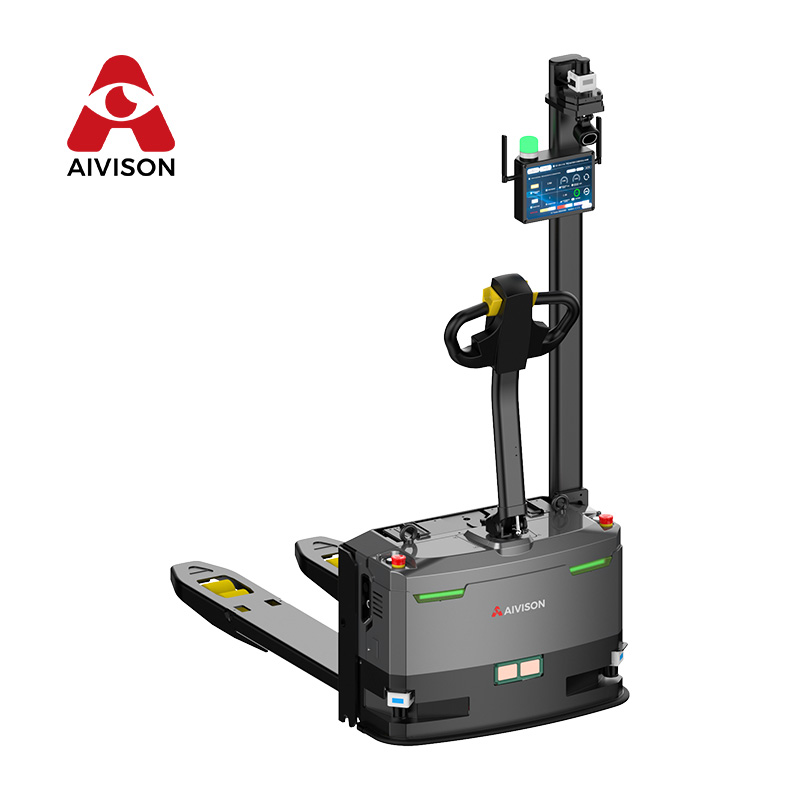
Laser SLAM Navigation Automated Guided Vehicle Forklift agv 1500kg Load Capacity
A 1,500 kg SLAM forklift for automated warehouse and line-side transport. A practical wholesale platform when your catalog needs a proven navigation base.
View product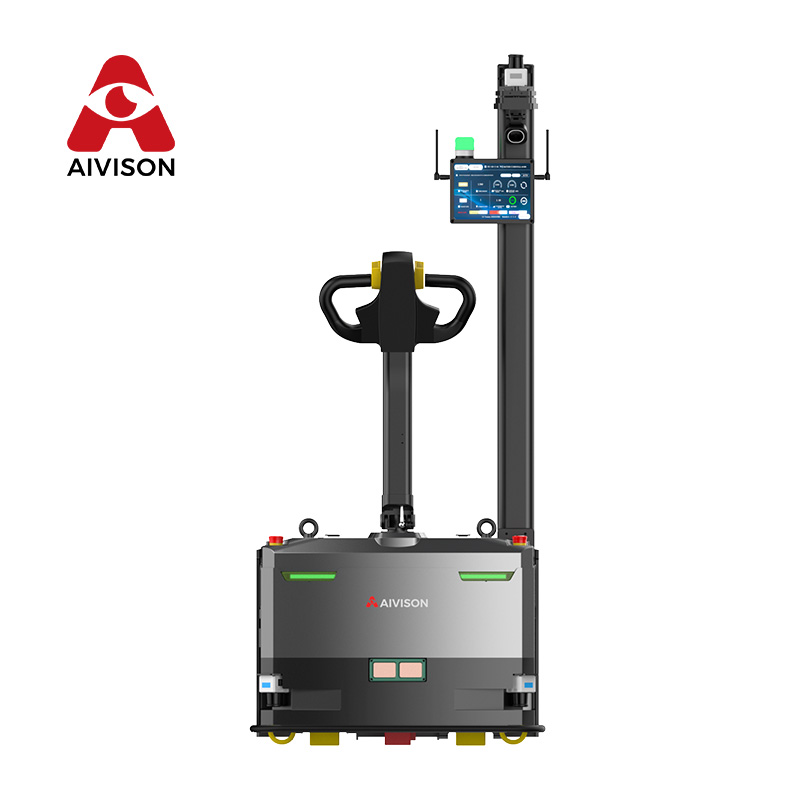
China Factory Movable Pallet Agv Robot Rack Shelf for Intelligent Robot Warehouse
A movable pallet rack robot for intelligent warehouses and dense storage. A strong ODM base for rack-to-rack transfer, buffer zones, and reconfigurable layouts.
View product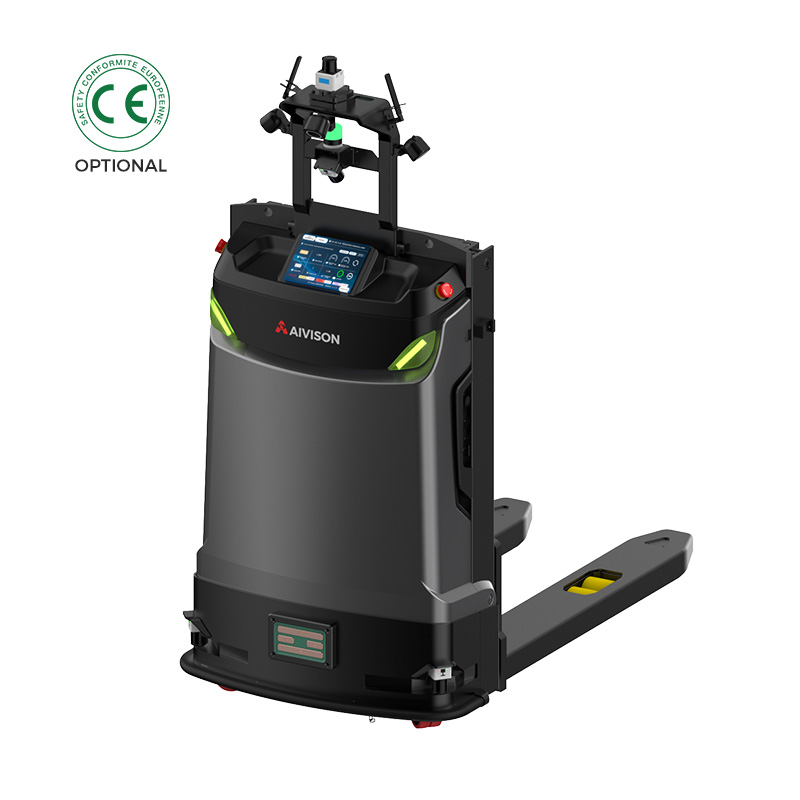
China Factory Automated Mobile Robot SLAM Lifting Wholesale AGV Chassis Vehicle
A SLAM lifting AGV chassis and private-label mobility layer for integrators. Add jacking, roller, or custom top modules without rebuilding the navigation core.
View product
New Warehouse Autonomous Cars agv Robot 2000kg Load Capacity Stacker agv Robot
A 2,000 kg autonomous stacker robot for warehouse pallet flow. Specify mast, fork, safety zones, and fleet interface around your racking and throughput.
View product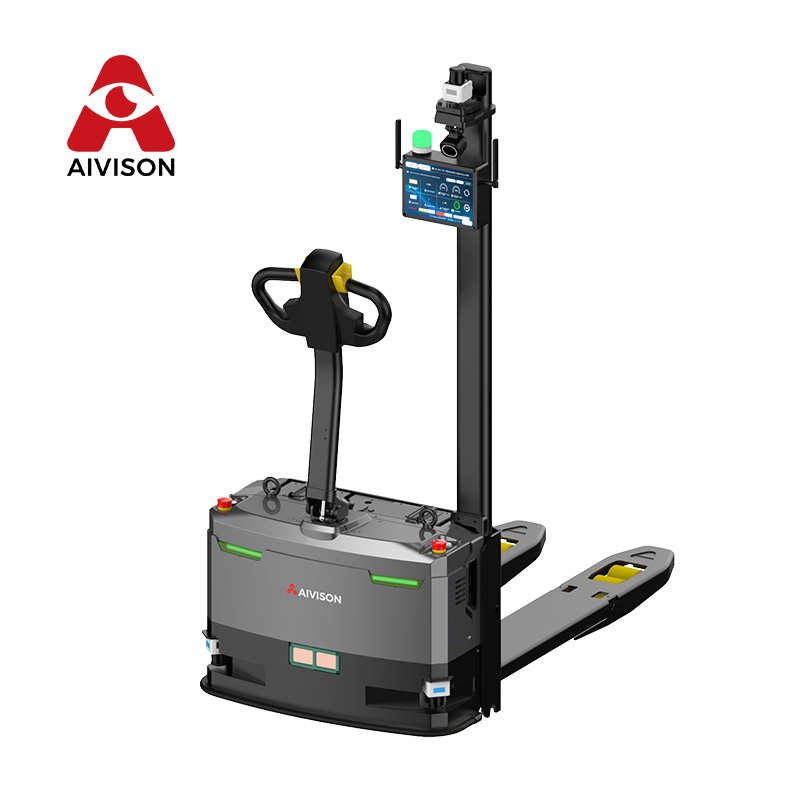
Aivison AGV Forklift High Quality Industrial Unmanned Pallet Forklift
An industrial unmanned pallet forklift for repetitive pallet movement. Customize branding, fleet interface, safety configuration, and documentation for distribution.
View product
AGV AMR Autonomous Forklift Smart Version Auto Mobile Transfer Stacker Robot
A smart autonomous forklift and stacker transfer robot for mixed-traffic warehouses. A fast-deployment option for OEM catalogs that need flexible pallet handling.
View product
Customizable 1500KG Traction Capacity AGV Autonomous Mobile Robot Amr with Lidar Guided Sensor
A 1,500 kg traction AMR with lidar guidance. A flexible mobile base for custom conveyors, rollers, lifting modules, and private-label fleet programs.
View productShenzhen-based R&D, customization, and manufacturing experience for mobile robot platforms.
Natural-feature navigation without magnetic tape, reflectors, or floor QR codes.
Deployments across three continents, from production lines to high-density warehouses.
Semiconductor, 3C, lithium battery, photovoltaic, automotive, PCB, textile, and medical.
Differential Drive Robots: The Practical Core of a Flexible AGV/AMR Fleet
At the engineering level, a differential drive robot uses two independently driven wheels to change heading. That eliminates a steering linkage and enables zero-radius turns in tight aisles. The mechanical simplicity is why differential drive remains a practical foundation for indoor AGV and AMR platforms. It is also why procurement teams must look beyond wheel layout: wheel diameter, tread, floor friction, center of gravity, safety laser fields, encoder quality, and the top module all influence whether a low-cost base becomes a high-uptime asset.
Most RFQs confuse three different questions: what load is moved, where the robot must dock, and how many missions per hour the line requires. Marnix addresses those questions through a precision ladder. Laser SLAM on natural features delivers ±5 mm navigation without magnetic tape or floor QR codes. Adding a QR-scanning camera raises docking accuracy to ±2 mm. Composite robots that combine an AMR base with a 6-axis arm reach ±0.05 mm repeatability for semiconductor and medical-device tasks. Buyers can therefore avoid fitting every station with precision infrastructure that only one station actually needs.
With about ten years of AGV engineering experience, Shenzhen Marnix Intelligent Technology Co., Ltd. supplies robots and complete solutions to end users and system integrators. The portfolio includes jacking robots, smart forklifts, pallet AMRs, lifting AGV chassis, stacker robots, composite mobile robots, and intelligent charging docks. More than 200 manufacturers across three continents and eight core industries have used these platforms. Verification includes a TÜV Rheinland onsite assessment and procurement records with a Fortune 500 company. For an OEM/ODM wholesaler, that combination shortens the path from catalog idea to documented, repeatable deployment.

Procurement Trends Reshaping OEM/ODM Differential Drive Robot Buying
Price still matters, but serious buyers now compare supplier capability, deployment risk, and total operating cost across the full robot fleet.
Total Cost of Ownership Replaces Headline Price
Procurement teams now ask for energy use per mission, wheel and brake life, spare-parts lead time, charger ratio, and remote diagnostics. A differential drive robot with a lower purchase price can lose on TCO if wheel wear or downtime is poorly understood. Ask for an uptime model, not only a quotation.
Modular Top Modules Become the Customization Unit
Rather than one-off vehicles, buyers want a proven SLAM chassis with a jacking unit, roller conveyor, forklift forks, or 6-axis arm. This reduces engineering risk for OEMs and allows a wholesaler to serve multiple industries from one platform family.
Mixed Fleets Need Scheduling Software
A warehouse rarely automates with a single machine. Indoor Wi-Fi fleet scheduling, traffic control, task dispatch, and automatic charging docks are now part of the purchase specification. Confirm that the supplier can coordinate simultaneous missions and mixed robot types.
Verified Supplier Evidence Is Risk Management
International buyers increasingly review TÜV Rheinland onsite assessment, Fortune 500 procurement history, trade capacity, credit index, and transaction records before releasing a PO. These signals reduce supplier risk when the robot will be branded, localized, or deployed through an integrator.
Product Development Trends: What the Next Generation Must Deliver
The differential drive base is mature. The next competitive gap is how precisely the platform integrates navigation, safety, charging, and application-specific top modules.
Sensor Fusion With Accuracy on Demand
Laser SLAM remains the baseline, but vision and QR cameras are being used selectively. The trend is not “more sensors everywhere”; it is a software-defined precision ladder where ±5 mm, ±2 mm, and ±0.05 mm are applied only where the process justifies the cost.
Open Interfaces and Fleet Interoperability
OEM/ODM buyers ask for APIs, I/O, conveyor handshakes, safety-zone configuration, and integration with MES, WMS, or an existing fleet manager. Suppliers that expose clean integration points become long-term platform partners.
Opportunity Charging and 24/7 Duty Cycles
Smart charging docks and battery strategy now determine fleet size. A robot that charges during natural gaps may reduce the number of units required, but only if route planning and charge scheduling are co-engineered.
Application-Specific Safety and Cleanroom Options
Semiconductor, lithium battery, photovoltaic, PCB, medical device, textile, and automotive environments impose different cleanliness, ESD, floor, and traffic constraints. The next generation will be configured by application package rather than sold as one generic model.
Why Marnix Fits OEM/ODM Differential Drive Robot Supply Programs
An OEM/ODM supplier must be more than a catalog. It needs engineering depth, verification evidence, and the ability to support integrators after the robot leaves the factory.
Manufacturer-Level Customization
Chassis, payload interface, navigation configuration, and top modules can be engineered around your production line instead of forcing a standard fit. Marnix supports private-label programs, integrator requirements, low-MOQ customization, and multi-category robot procurement.
Precision Without Unnecessary Floor Work
Standard laser SLAM maps existing environments and requires no auxiliary tracks, reflectors, or floor QR codes. QR labels are added only at stations that need ±2 mm docking, protecting project budgets while preserving high-shelf and wafer-handling accuracy.
Fleet Scheduling and Charging Ecosystem
Robots are coordinated by an intelligent scheduling system over indoor Wi-Fi for simultaneous task assignment, traffic control, and automatic charging with compatible smart docks. This is the difference between individual robots and a working fleet.
Quality Validation Before Shipment
Multi-stage intelligent inspections and thousands of operational stress tests target near-zero failure rates. For buyers, this translates into predictable commissioning, fewer spare-parts surprises, and stronger confidence when robots are deployed in mission-critical lines.
Third-Party Verified Credibility
TÜV Rheinland onsite assessment, Fortune 500 supplier history, verified multispecialty supplier status, and transparent credit and transaction records support procurement review. These are practical risk controls, not decorative badges.
Integrator-First Support Model
Marnix supplies robots and complete solutions to system integrators, with support for roller conveyors, jacking units, forklift forks, 6-axis arms, and custom top mechanisms. OEM/ODM partners can focus on the customer application while the mobility layer remains proven.
Match Navigation Accuracy to the Station, Not the Whole Factory
Over-specifying precision is one of the most common hidden costs in autonomous mobile robot projects. Use this three-tier framework during requirement review.
Laser SLAM — Standard Transfer
Natural-feature navigation for warehouses, line-side delivery, pallet transfer, and frequently changing layouts. No magnetic tape, reflectors, or floor codes are required. Best when the robot moves between zones and ordinary docking tolerance is sufficient.
SLAM + QR Camera — Precision Docking
QR labels are installed only where the process needs tighter handover, such as high-shelf storage, precision docking, or wafer handling. The rest of the route remains trackless, so floor infrastructure and maintenance stay focused on value-added stations.
Composite Robot — Assembly-Grade
An AMR base combined with a 6-axis arm and multi-layer synchronization protocols supports semiconductor, medical-device, and other assembly-grade tasks. Station calibration and process engineering are specified together, not bought as an afterthought.
Where Differential Drive Robots Deliver the Strongest Return
Trackless mobility is most valuable where layouts change, aisles are tight, and transport work is repetitive but not identical every hour.
Cleanroom logistics, wafer handling, and precision transfer where QR-assisted docking and composite robots reduce manual handling risk.
Line-side delivery and assembly support in fast-changing production zones where no floor tracks should interrupt reconfiguration.
Module and pack logistics, jacking transport, and production-line handover where stable movement and predictable takt time matter.
Module and pallet movement across large indoor areas, with fleet scheduling and auto charging for continuous shifts.
High-density warehousing, pallet transfer, and mixed-traffic logistics where forklifts, people, and robots share the floor.
Roller conveyor handoff and line-side buffering where automatic load transfer must connect directly to production equipment.
Warehouse transport and stock movement where quick mapping and layout freedom reduce dependence on fixed conveyors.
Assembly-grade repeatability and controlled material flow where composite mobile robots can support precision operations.
What to Prepare Before Requesting a Differential Drive Robot Quote
From our project experience, these six inputs determine most of the robot selection. Sharing them upfront shortens evaluation from weeks to days.
01. Load Profile
Maximum weight, rack or pallet footprint, center of gravity, and load stability. A differential drive base can be compact, but the top module and wheel loading must be engineered around the real load.
02. Site Layout
A CAD drawing or sketch with aisle widths, door clearances, slopes, elevator or lift points, traffic zones, and any floor condition that could affect wheel traction.
03. Throughput Target
Missions per hour, peak windows, shift pattern, and acceptable waiting time. This sets fleet size, route logic, and the ratio of robots to charging docks.
04. Docking Precision
Where ±5 mm is enough and where ±2 mm QR assist or ±0.05 mm composite assembly is required. Precision should be applied station by station.
05. Safety and Wi-Fi
Existing access points, coverage quality, mixed human and forklift traffic, safety laser zones, emergency-stop strategy, and any cleanroom or ESD requirement.
06. Equipment Interfaces
Conveyors, machines, shelving, racks, or WMS/MES systems the robot must hand over to. List any top-module need such as jacking, roller, forks, or a 6-axis arm.
OEM/ODM Differential Drive Robot Procurement FAQ
Straight answers for distributors, integrators, and factory owners evaluating a wholesale or private-label robot program.
Are all Marnix robots differential drive?
Not automatically. The drive and steering architecture is selected around the load, aisle, floor, and stability requirement. Differential drive is often the right foundation for compact indoor transport, jacking, and pallet AMR platforms. Heavy counterbalance or stacker tasks may require a different drive layout. The valuable supplier conversation is not “do you have differential drive?” but “which platform architecture is safest and most cost-effective for this mission?”
What navigation accuracy can be specified?
Laser SLAM on natural features delivers ±5 mm navigation without tape, reflectors, or floor QR codes. A QR-scanning camera raises docking accuracy to ±2 mm at selected stations. Composite robots with a 6-axis arm can reach ±0.05 mm repeatability. Buyers should map each station to the lowest precision tier that meets the process requirement.
Do we need to modify the factory floor?
Standard SLAM navigation maps the existing environment, so no auxiliary tracks or full-floor QR systems are required. QR labels are added only at stations where ±2 mm docking precision is needed. This is especially useful for existing factories that cannot stop production for infrastructure work.
Can we order private-label or ODM robots?
Yes. As a manufacturer, Marnix customizes chassis and top modules such as jacking units, roller conveyors, forklift forks, and 6-axis robotic arms. OEM/ODM programs can include branding, interface requirements, documentation, and low-MOQ customization. Integrators can source a proven mobility layer while keeping their own application software and customer relationship.
How many robots do we need, and how are they coordinated?
Fleet size is derived from missions per hour, travel distance, handover time, charging ratio, and peak demand. Robots are managed by an intelligent scheduling system over indoor Wi-Fi, enabling simultaneous task assignment, traffic control, and automatic charging with compatible docks. A simulation based on your layout is more reliable than a simple robot-count formula.
What information starts a project evaluation?
Send payload, load footprint, site layout, throughput target, docking precision, Wi-Fi coverage, safety constraints, and equipment interfaces. Marnix engineers can then recommend chassis, navigation tier, top module, charging strategy, and fleet size. Use the inquiry button to start the evaluation with the correct technical inputs rather than a generic price request.
Turn a Differential Drive Robot Requirement Into a Verified OEM/ODM Specification
Share your payload, layout, throughput, docking accuracy, and interface requirements with Marnix engineers. The team will map the correct chassis, navigation tier, top module, charging strategy, and fleet size for your wholesale, private-label, or integrator program.