8 Automated Pallet Transport Platforms for OEM/ODM Programs
Pallet transport is a system decision, not a single forklift purchase. These eight platforms cover the practical range of pallet handling, warehouse transfer, lifting, and composite automation requirements. Product URLs are preserved for direct technical review.
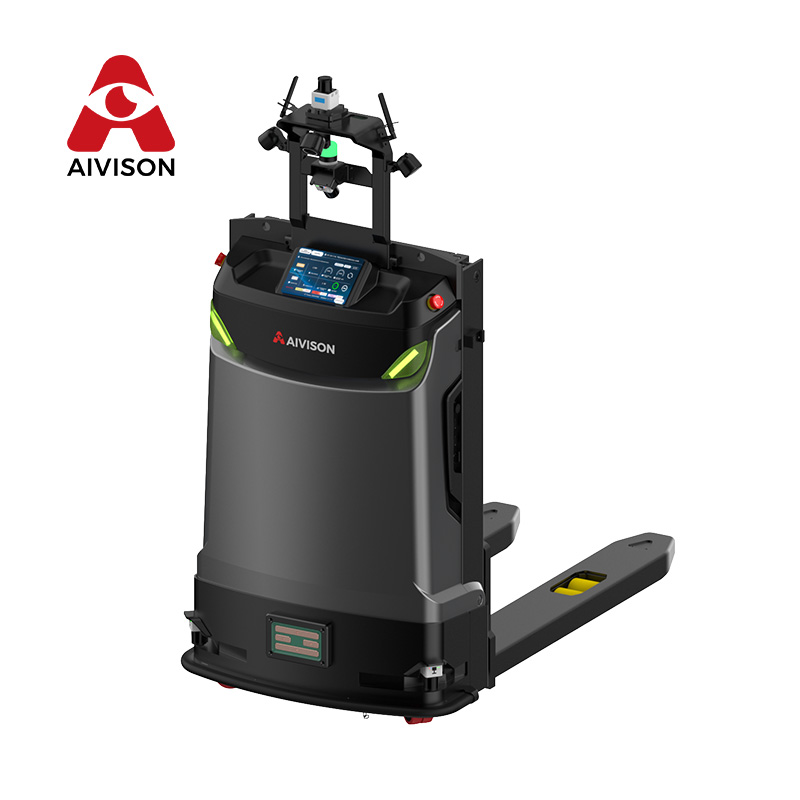
AGV AMR Autonomous Forklift Smart Version Auto Mobile Transfer Stacker Robot
A smart stacker format for unmanned pallet pickup, transfer, and drop-off. Best where a compact autonomous forklift must replace repetitive truck-to-line or line-to-buffer moves; add QR assist only at precision stations.
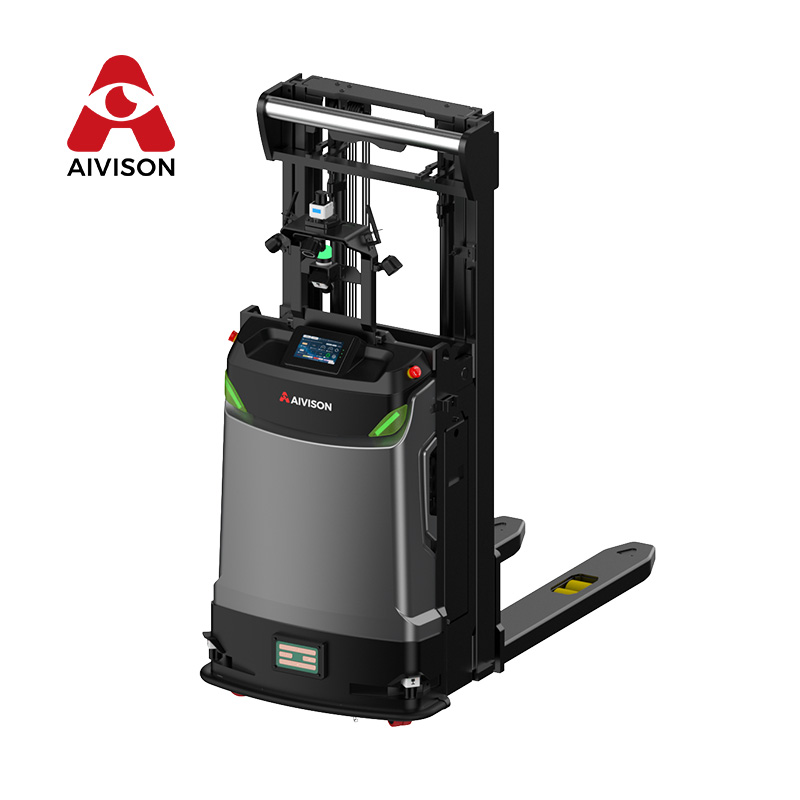
Heavy Load 2000KG Load Forklift Laser Guide AMR for Warehouse Pallet
A 2,000 kg laser-guided AMR for heavy pallets and dense storage. Recommended for high-bay warehouses and manufacturing sites where load stability, safe stopping distance, and long-duty cycles matter more than top speed.
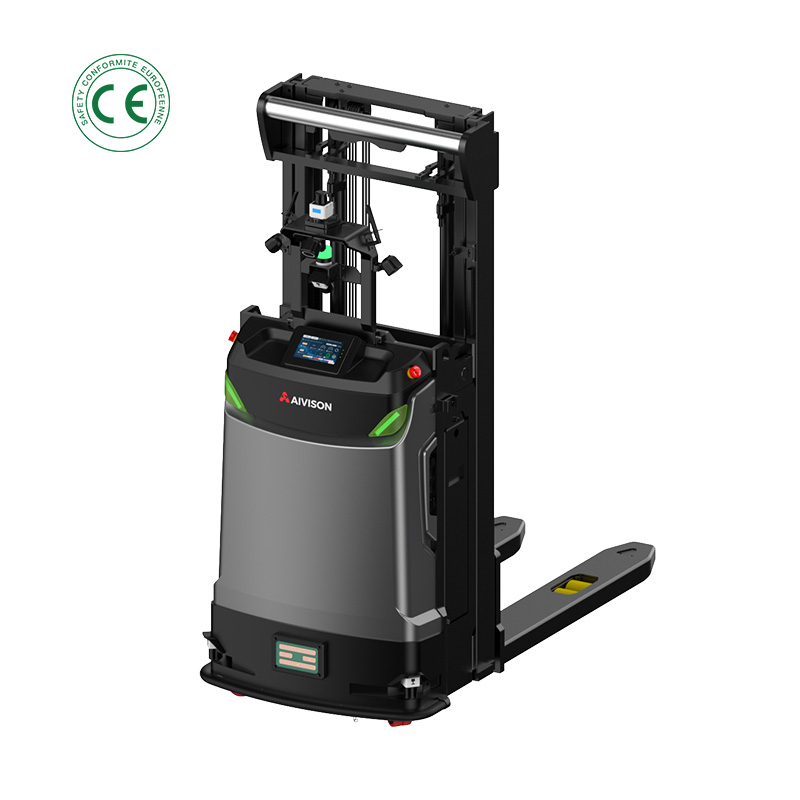
Aivison AMR Robot Whicle Automated Warehouse Automatico agv Logistics Industrial Guided Vehicles
A flexible warehouse logistics platform for automatic material flow. It suits multi-shift internal transport and can be paired with Marnix fleet scheduling, charging docks, and custom top modules for integrator projects.
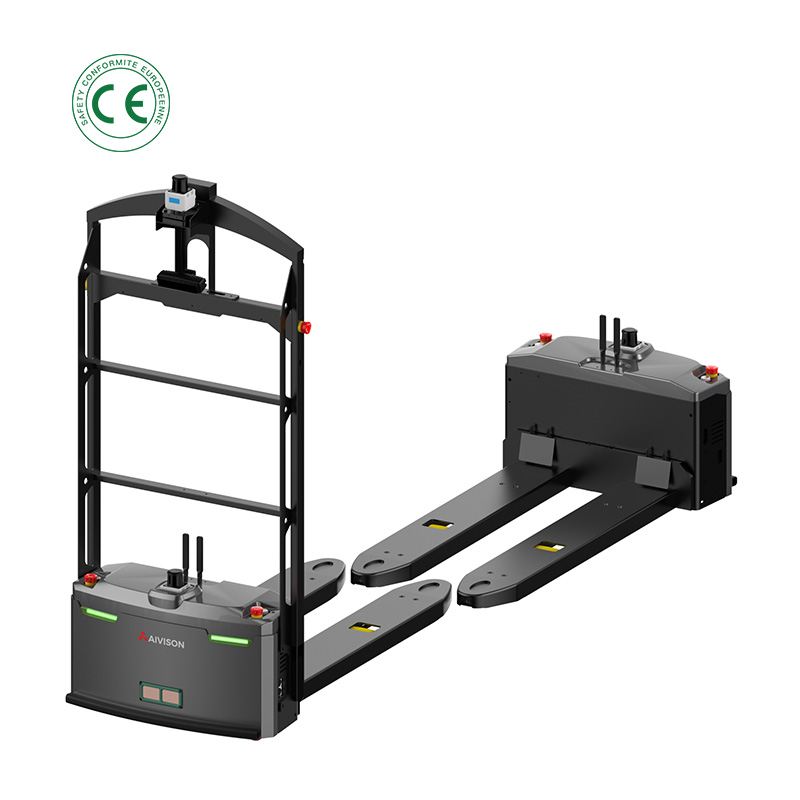
Warehouse Stacker CE Forklift AGV 800kg Load Capacity Light AMR Pallet
An 800 kg CE-oriented stacker for light pallets, narrow aisles, and export projects. This is the sensible starting point when a full 2,000 kg platform would over-specify the route, floor load, or safety envelope.
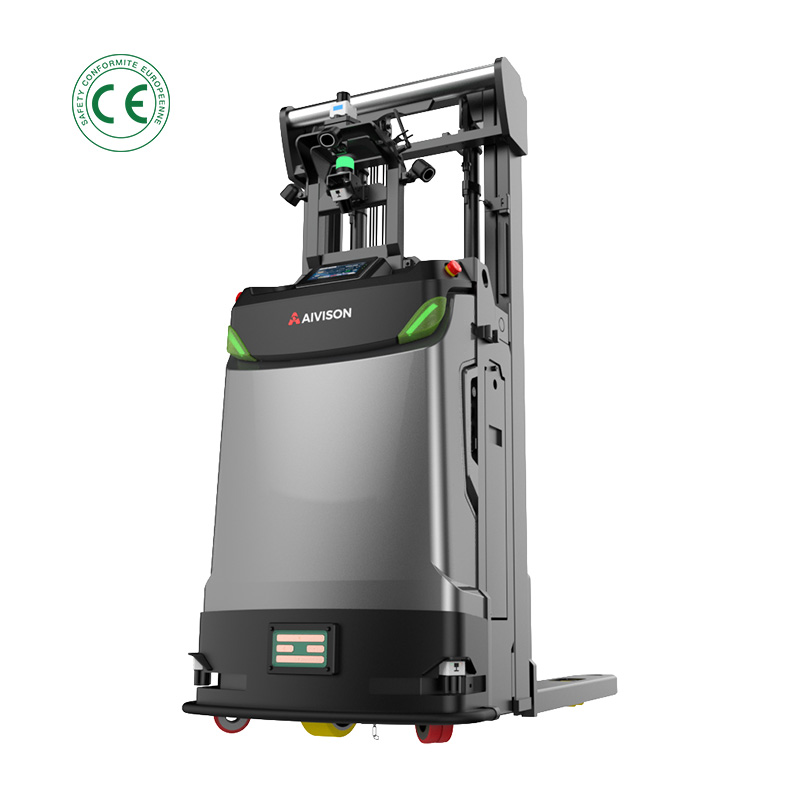
Smart Transport Robotic with Laser Navigation Reach 2000KG AGV Logistics Robots Warehouse Robot AMR
A 2,000 kg reach-style platform for warehouse routes that need height and reach. Specify rack interface, pallet condition, and docking tolerance before comparing quotes, because those details often decide fleet size.
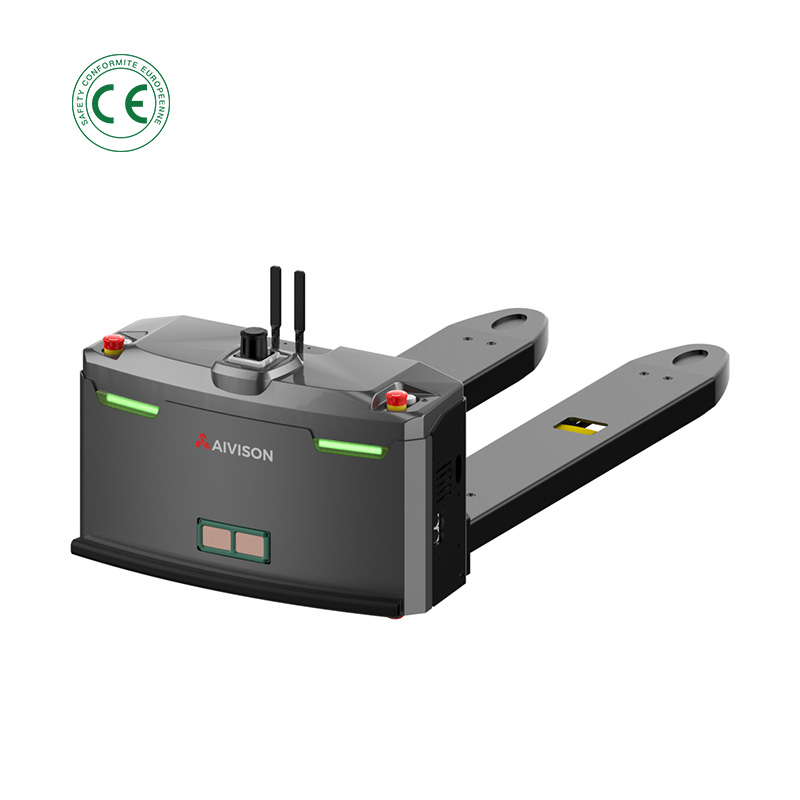
AMR Automated Warehouse Robot Logistics Automatic Industrial Logistics Robots AMR Robot
A general industrial warehouse AMR for standardized pallet and material movement. It is a practical entry point for buyers building a mixed fleet rather than a single-purpose automation cell.
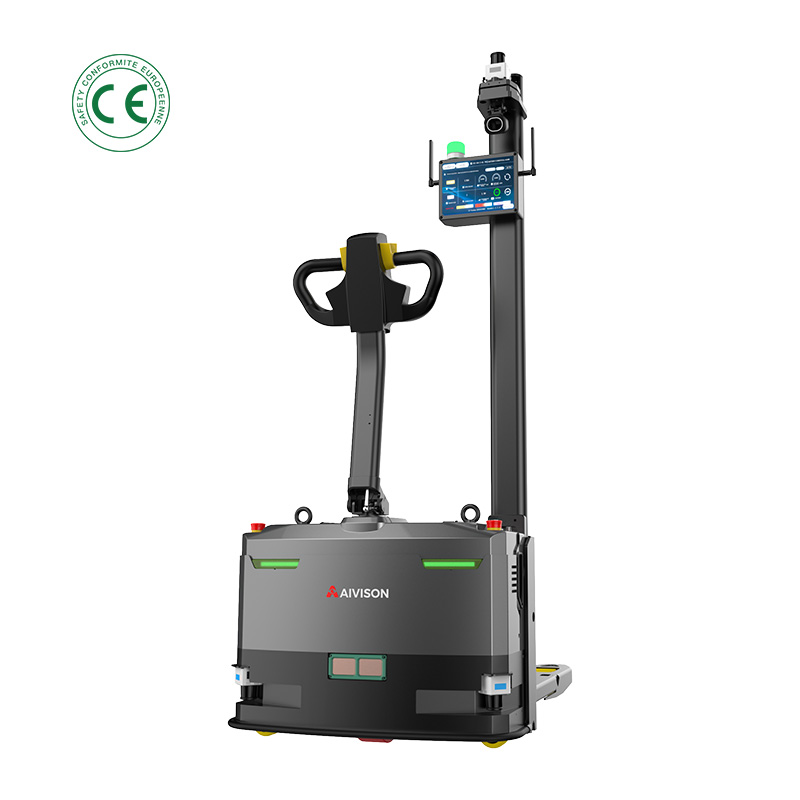
AIVISON CE Laser SLAM Navigation AGV 1500kg Warehouse Lifting Operations
A 1,500 kg laser SLAM lifting AGV for warehouse lifting operations and line-side buffers. It is useful where the load must be lifted, moved, and set down without floor-mounted guidance.

Omnidirectional Humanoid Robot Chassis Dual 7-DOF Arms Laser SLAM Autonomous Warehouse AMR Mobile Platform
A dual 7-DOF omnidirectional humanoid AMR chassis for advanced machine tending, research, and integrator-led composite automation. This is not a commodity pallet mover; it is a platform for high-value tasks.
Why Pallet Transport Automation Is a System Design Problem
Most pallet transport projects fail not because the robot cannot move a pallet, but because the specification is framed around one machine instead of the flow between docks. Buyers must define payload, pallet quality, aisle width, floor conditions, throughput peaks, charging windows, Wi-Fi coverage, safety zones, and the precision required at each handover. Marnix’s portfolio is built around this reality: one laser SLAM navigation core, multiple top modules, and the ability to add QR-assisted docking only where ±2 mm is genuinely needed.
With about ten years of AGV engineering experience in Shenzhen, Shenzhen Marnix Intelligent Technology Co., Ltd. has served more than 200 manufacturers across three continents and eight core industries, including semiconductor, 3C electronics, lithium battery, photovoltaic, automotive parts, PCB, textile, and medical devices. The company is not only selling a catalog of robots; it supports OEM/ODM customization, integrator programs, fleet scheduling over indoor Wi-Fi, intelligent charging docks, and multi-stage quality inspection.
The most profitable automation decision is usually not the highest specification. It is the lowest-friction specification that still meets every critical docking point. A buyer who maps precision by station can often avoid unnecessary floor markers, slow routes, and expensive validation cycles while still meeting high-shelf, machine-tending, or handover requirements.
Information gain begins with better questions: Which pallet moves are repeated, and which are exceptional? Where does a human currently correct misalignment? Which handover loses the most time? Which route changes with production seasonality? Answering these questions before requesting a quote often reduces total cost more than negotiating a lower robot price.
What Marnix Brings to an OEM/ODM Program
Laser SLAM AMRs, jacking robots, smart forklifts, pallet AMRs, composite robots, and compatible charging docks from one manufacturer—plus engineering support for integrators and wholesale channels.
- ±5 mm navigation without tracks, reflectors, or floor QR codes
- ±2 mm docking with optional QR code camera
- ±0.05 mm repeatability for composite robots with 6-axis arms
- Intelligent scheduling over indoor Wi-Fi
- Custom top modules: jacking, roller conveyor, forklift forks, robotic arms
- TÜV Rheinland onsite assessment and Fortune 500 supply experience
Match Pallet Transport Accuracy to the Real Cost of Over-Specification
Do not apply one accuracy target to an entire route. Map precision by station so that high-value handovers receive the right technology while general transfer remains efficient.
Laser SLAM on Natural Features
No tape, reflectors, or floor QR codes required. Best for warehouse transfer, line-side delivery, and frequent layout changes where speed of deployment matters.
SLAM + QR Code Camera
QR labels are added only where precision docking is needed. Best for high-shelf storage, precision handover, and wafer or carrier handling.
Composite AMR + 6-Axis Arm
Station calibration is required. Best for semiconductor and medical device assembly, machine tending, and operations where process repeatability—not pallet movement—is the constraint.
A common specification trap is over-building the whole route to the tightest tolerance. That can add floor markers, slower routes, and extra validation. The opposite mistake is under-building a critical dock. The right answer is layered precision: ±5 mm for general travel, ±2 mm only where the station demands it, and composite-arm precision only when the process itself requires repeatability.
Product Development Trends Reshaping Pallet Transport, 2025–2030
Automated pallet transport is moving from isolated robot purchases toward modular, serviceable, and precision-tiered systems. These six trends should shape product roadmaps and procurement questions.
Precision Tiering by Station
Buyers are moving away from one navigation accuracy for the whole site. They map critical docks and choose ±5 mm, ±2 mm, or ±0.05 mm according to process risk. This reduces floor work, commissioning time, and validation cost.
Mixed-Fleet Orchestration
Warehouses rarely replace every truck at once. They add AMRs beside existing fleets, so a scheduling layer that handles traffic, task priority, and charging windows becomes more important than a single robot’s top speed.
Modular Top Mechanisms
Jacking units, roller conveyors, forklift forks, and 6-axis arms turn the same chassis into different tools. OEM/ODM buyers increasingly request modules that connect directly to conveyors, racks, and production machines.
Energy-Aware Charging
With 24/7 duty, charging strategy affects fleet size. Smart docks and opportunity charging reduce battery swaps and keep robot availability predictable across shifts, especially in lean warehouses with limited spare space.
Data for Uptime, Not Dashboards
Procurement teams want event logs, mission history, and fault codes that shorten MTTR. Data is useful when it helps service teams act—not when it only fills a dashboard with metrics that no one uses.
OEM/ODM Co-Development
Integrators and distributors need product platforms they can adapt, not one-size-fits-all machines. Clear customization scope, documentation, validation tests, and spare-parts planning shorten go-to-market cycles.
What Wholesalers and Factory Buyers Will Ask For Next
Price comparison is shifting toward lifecycle value. The strongest suppliers will make pilot evidence, serviceability, and customization boundaries easy to evaluate.
TCO Replaces Sticker Price
The winning bid is evaluated on installation, floor work, energy, service, spare parts, and uptime. A lower robot price can lose once commissioning and downtime are included.
Pilot, Prove, Then Scale
Buyers start with one route or one line, measure availability and handover success, then expand. Wholesalers should package pilot documentation and a repeatable scale-up path.
Interoperability and Serviceability
Fleet software, charging docks, and top modules must be serviceable in the buyer’s environment. Ask for wiring diagrams, spare-parts lists, training, and escalation paths before purchase.
Local Support Velocity
As fleets grow, response time matters more than the sales promise. Distributors and OEM partners need clear warranty, spare-parts, and remote-support terms before they quote end users.
Inside the Marnix OEM/ODM Manufacturing Advantage
Marnix combines a proven navigation core with manufacturer-level customization, which matters for buyers who need a product platform—not a customized one-off that is difficult to support.
Full AMR Portfolio From One Source
Jacking robots, smart forklifts, pallet AMRs, composite robots, and intelligent charging docks share the same navigation and fleet logic. This simplifies mixed deployments and spare-parts planning.
Precision Without Unnecessary Rework
±5 mm with natural-feature laser SLAM, ±2 mm with QR assist, and ±0.05 mm repeatability for composite robots. Precision is applied at the station where it creates value.
Manufacturer-Level Customization
Chassis, payload, and top modules—jacking units, roller conveyors, forklift forks, and 6-axis arms—can be engineered around the production line instead of forcing a standard fit.
Verified Quality and Trade Record
TÜV Rheinland onsite assessment, Fortune 500 supply experience, 200+ manufacturers served, and multi-stage inspection with thousands of operational stress tests support lower deployment risk.

Applications include semiconductor cleanrooms, 3C electronics, lithium battery and photovoltaic production, automotive parts warehousing, PCB lines, textile warehouses, and medical device assembly. The same platforms support end users and system integrators, which matters for distributors that need a product story plus engineering backup. As a verified supplier to Fortune 500 companies and a partner to integrators, Marnix can support both private-label wholesale programs and project-specific OEM/ODM engineering.
What to Prepare Before Requesting an Automated Pallet Transport Quote
From project experience, these six inputs determine most robot selection decisions. Sharing them upfront shortens evaluation from weeks to days.
Payload and Load Center
Share maximum weight, pallet or rack footprint, overhang, and center of gravity. Load center affects stability as much as total kilograms.
Floor Plan and Aisle Widths
Provide CAD or a measured sketch with doors, slopes, charging zones, elevator or lift interfaces, and traffic crossings.
Throughput and Peaks
Give average and peak missions per hour, shift pattern, and acceptable wait time. These define fleet size and charger count.
Dock Precision Map
Mark each handover as ±5 mm, ±2 mm, or composite-arm precision. This prevents over-specifying the entire route.
Network and Safety
Confirm Wi-Fi coverage, human traffic, forklift crossings, and emergency response rules. Network quality directly affects fleet orchestration.
Equipment Interface
List conveyors, machines, racks, and software the robot must communicate with, including any top-module or arm requirements.
Automated Pallet Transport Procurement FAQ
Straight answers from the engineering perspective. For site-specific questions, include your load, layout, throughput, and docking precision targets.
What does OEM/ODM mean for automated pallet transport?
OEM/ODM can cover private-label manufacturing, chassis or top-module customization, software configuration, and documentation. Marnix supports manufacturer-level customization of chassis, payload, and top mechanisms such as jacking, roller, fork, and 6-axis arm modules. A serious OEM/ODM quote should define engineering ownership, validation tests, labeling, spare parts, and warranty boundaries.
Do I need tracks, reflectors, or floor QR codes?
No for standard laser SLAM. Natural-feature navigation uses the existing environment, so no auxiliary tracks or floor codes are required. QR labels are added only at stations that need ±2 mm docking accuracy. Composite robots with arms require station calibration for ±0.05 mm repeatability.
How do I choose between 800 kg, 1,500 kg, and 2,000 kg platforms?
Start with the real maximum load, load center, rack type, and aisle width, not the sales headline. An 800 kg light AMR fits narrow aisles and light pallets; 1,500 kg lifting AGVs suit line-side buffers; 2,000 kg platforms handle heavier warehouse pallets but need more space and safety validation. Overloading by “just in case” can reduce route options.
How many robots and chargers will I need?
Fleet size follows missions per hour, travel distance, handover time, charging strategy, and peak tolerance. Model average and worst-case peaks separately, then add opportunity charging. Marnix uses indoor Wi-Fi fleet scheduling and compatible smart charging docks to coordinate tasks and charging windows.
Can multiple robots work in the same area?
Yes. Marnix robots can be coordinated by an intelligent scheduling system over indoor Wi-Fi, enabling simultaneous task assignment, traffic control, and automatic charging. For mixed human and vehicle traffic, site layout, safety zones, and traffic rules should be reviewed during commissioning.
Which industries are the best fit?
The strongest fits are repetitive pallet or rack movement with stable routes and measurable handover points. Marnix serves semiconductor, 3C electronics, lithium battery, photovoltaic, automotive parts, PCB, textile, and medical device industries. Buyers with mixed traffic or high-shelf docking should request a precision map and pilot plan.
Build a Pallet Transport Program Around Your Real Dock Points
Share your load profile, layout, throughput target, and precision map. Marnix engineers can recommend the right combination of laser SLAM AMRs, smart forklifts, jacking robots, charging docks, and custom top modules—without forcing floor rework or unnecessary over-specification.
info@marnixbot.com