Recommended Omnidirectional Mobile Robots
Eight proven platforms from our OEM portfolio—each configurable with custom top modules, navigation packages, and fleet software. All URLs link directly to detailed specifications.

Humanoid Robot Chassis Dual 7-DOF Arms Laser SLAM Omnidirectional Navigation ROS2 Open Platform AMR
Dual 7-DOF arms with ±0.03 mm repeatability, laser SLAM, and ROS2 open platform for humanoid research and flexible manufacturing.
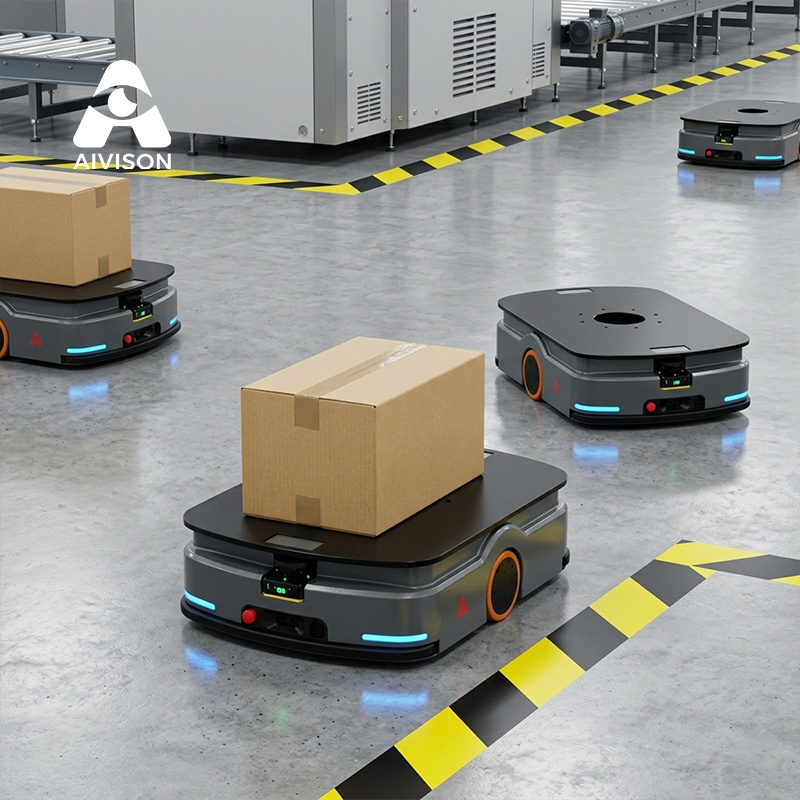
Autonomous Mobile AMR Robot 300kg Payload Laser Guided AGV for Carry Goods in Factory
Compact 300 kg payload AMR with laser guidance for narrow aisles and light material transport in factories.
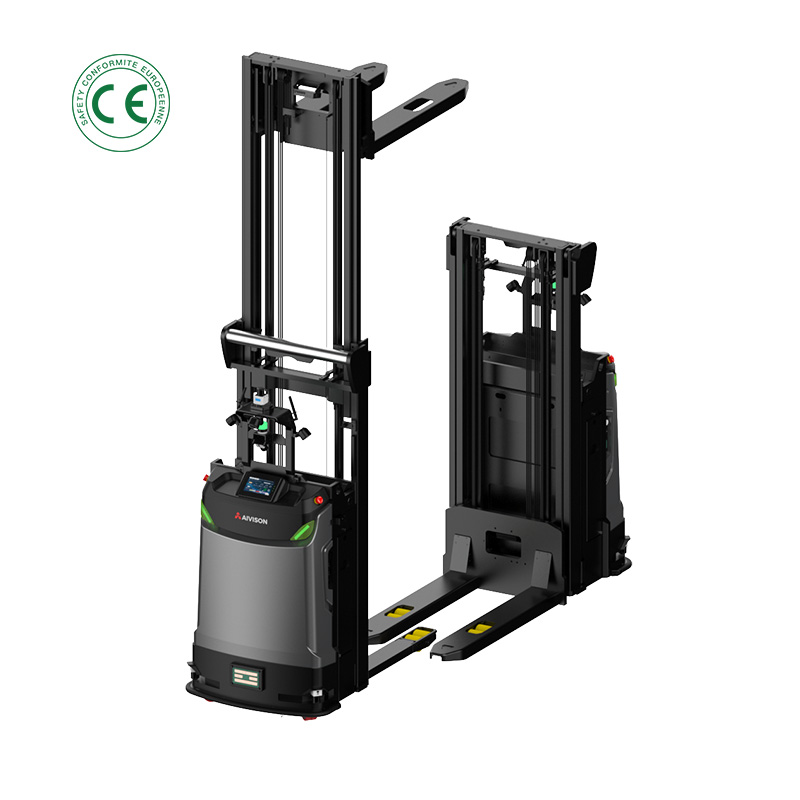
Factory AMR Robot AGV Robot Laser 2000kg Forklift AGV for Industrial Material Handling
2000 kg laser-guided forklift AMR for heavy-duty pallet handling and industrial material flow.

Aivison Stacker Truck Pallet Stacker Forklift Agv 1.5 Ton Autonomous Forklift Smart Deliver AMR Robot
1.5-ton autonomous stacker with smart delivery capabilities for warehouse and production logistics.
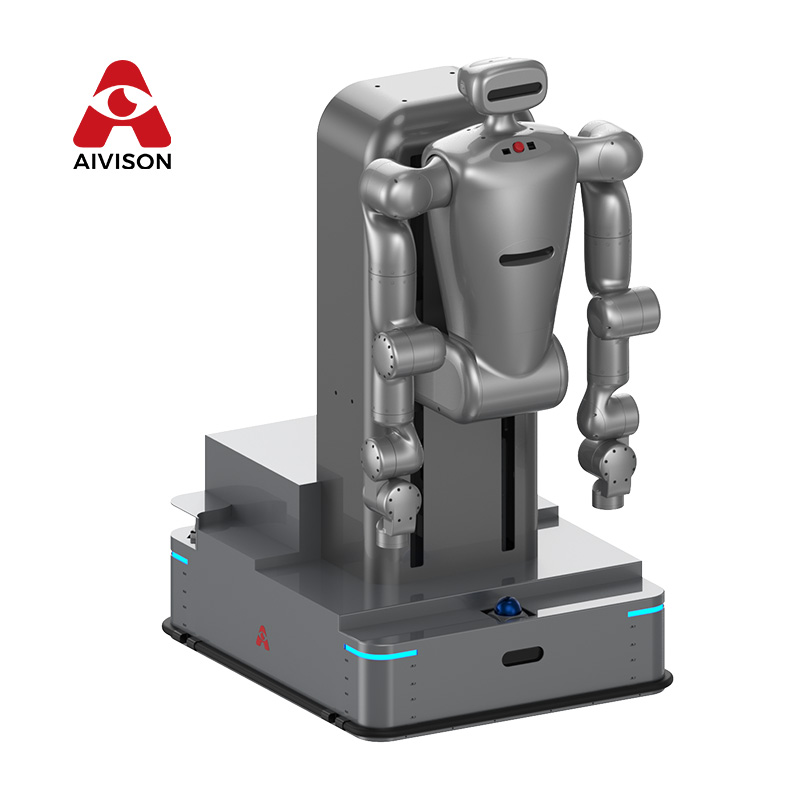
Omnidirectional Mobile Manipulator AMR Dual 7-DOF Arms ±0.03 mm Repeatability Laser SLAM Humanoid Robot Base
Omnidirectional mobile manipulator with dual arms, ±0.03 mm repeatability, ideal for precision assembly.
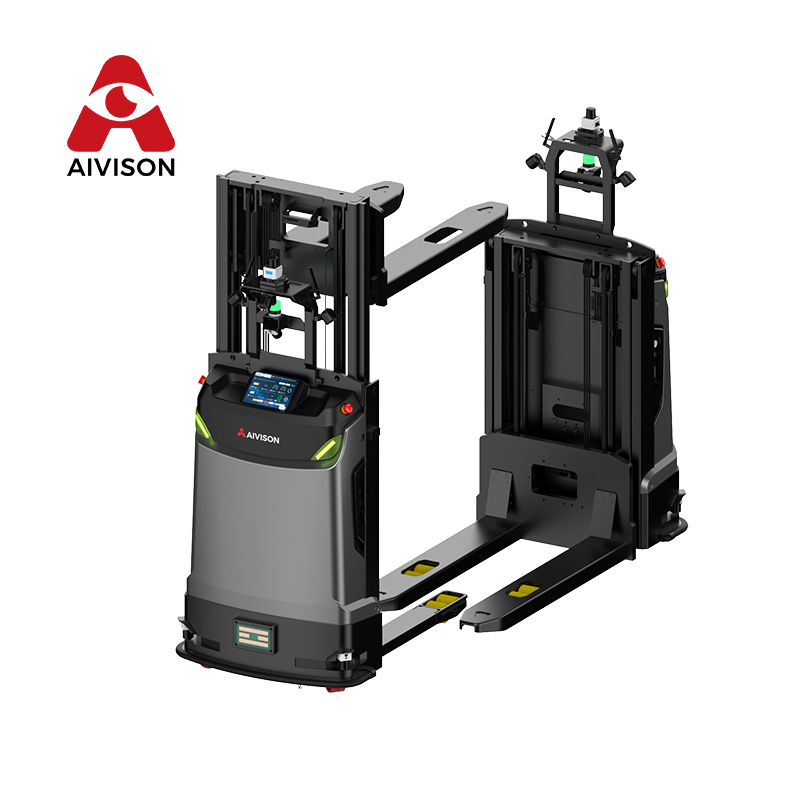
New Warehouse Autonomous Cars agv Robot 2000kg Load Capacity Stacker agv Robot
2000 kg load capacity stacker AGV for autonomous warehouse operations and high-throughput stacking.

Omnidirectional Humanoid Robot Chassis Dual 7-DOF Arms Laser SLAM Autonomous Warehouse AMR Mobile Platform
Humanoid chassis with dual 7-DOF arms and omnidirectional mobility for advanced warehouse automation.
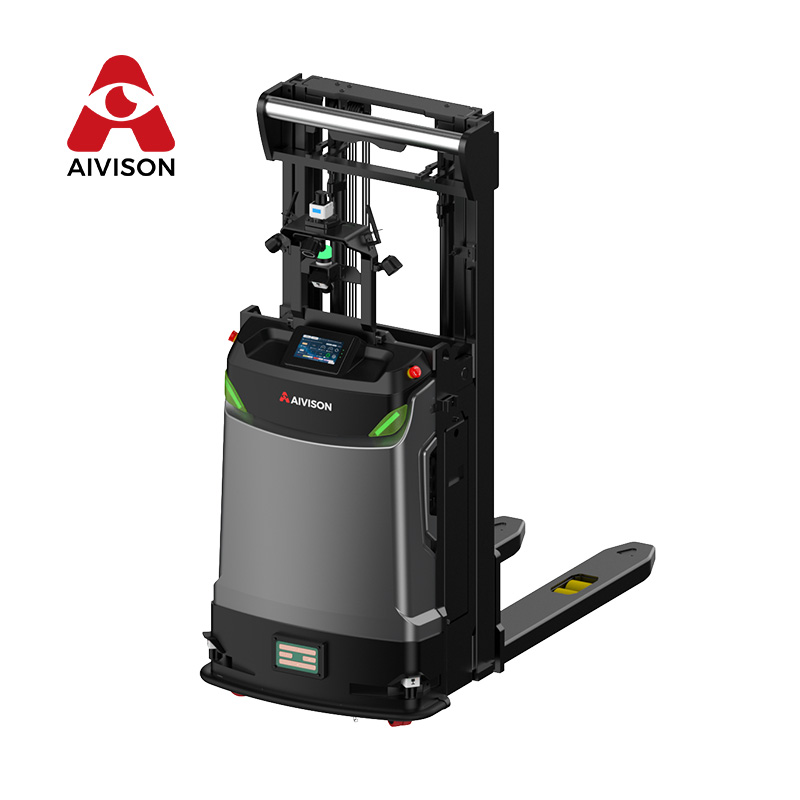
Heavy Load 2000KG Load Forklift Laser Guide AMR for Warehouse Pallet
Heavy-load 2000 kg laser-guided forklift AMR designed for warehouse pallet handling and stacking.
A Manufacturer That Engineers Robots Around Your Process
Shenzhen Marnix Intelligent Technology Co., Ltd. is not a trading company—we own the design, assembly, and quality testing of every robot. Nearly a decade of AGV engineering experience, 200+ manufacturers served, and deployments across three continents make us the OEM partner integrators trust.
10+ Years of AGV Engineering
With about ten years of hands-on AGV experience, our team has solved material flow challenges across eight core industries. This depth lets us anticipate integration issues before they arise and design chassis and top modules that work in real production environments.
Complete Omnidirectional Portfolio
From jacking robots and smart forklifts to composite mobile manipulators, we offer one of the widest OEM ranges in the industry. Every platform shares the same laser SLAM navigation core and fleet scheduling software, so mixed fleets work together from day one.
Precision Without Floor Rework
Our laser SLAM achieves ±5 mm positioning on natural features—no magnetic tape, reflectors, or floor QR codes. When a station requires higher precision, add a QR camera for ±2 mm, or a 6-axis arm for ±0.05 mm repeatability. You invest in robots, not floor infrastructure.
OEM-Level Customization
As a manufacturer, we customize chassis dimensions, payload capacity, and top mechanisms such as jacking units, roller conveyors, forklift forks, and robotic arms. Integrators rely on us to deliver robot platforms that match their end customers’ exact specifications.

Laser SLAM + Vision Fusion: Match Accuracy to Each Station
One of the most common mistakes in AMR procurement is over-specifying navigation accuracy. Not every station needs ±2 mm, and almost none need floor QR codes everywhere. Marnix’s modular navigation stack lets you deploy ±5 mm laser SLAM as the baseline, then add QR cameras or vision-assisted docking only where the task demands it. This approach minimizes installation cost while ensuring the precision your process requires.
01 Laser SLAM on Natural Features
Maps existing walls, pillars, and fixed equipment. No tape, reflectors, or floor codes. Ideal for warehouse transfer, line-side delivery, and facilities with changing layouts.
02 SLAM + QR Code Camera
Baseline SLAM plus QR labels only at precision docking stations. Perfect for high-shelf storage, wafer handling, and equipment interfacing where ±2 mm is mandatory.
03 Composite Robot with 6-Axis Arm
Combines omnidirectional mobility with robotic manipulation. Multi-layer synchronization protocols deliver repeatability for semiconductor and medical device assembly.
Dynamic Obstacle Avoidance
Safe operation in mixed human and vehicle traffic using lidar and vision fusion.
Wi-Fi Fleet Scheduling
Intelligent scheduling coordinates multiple robots over existing indoor Wi-Fi.
Auto Charging
Compatible smart charging docks enable 24/7 operation without manual intervention.
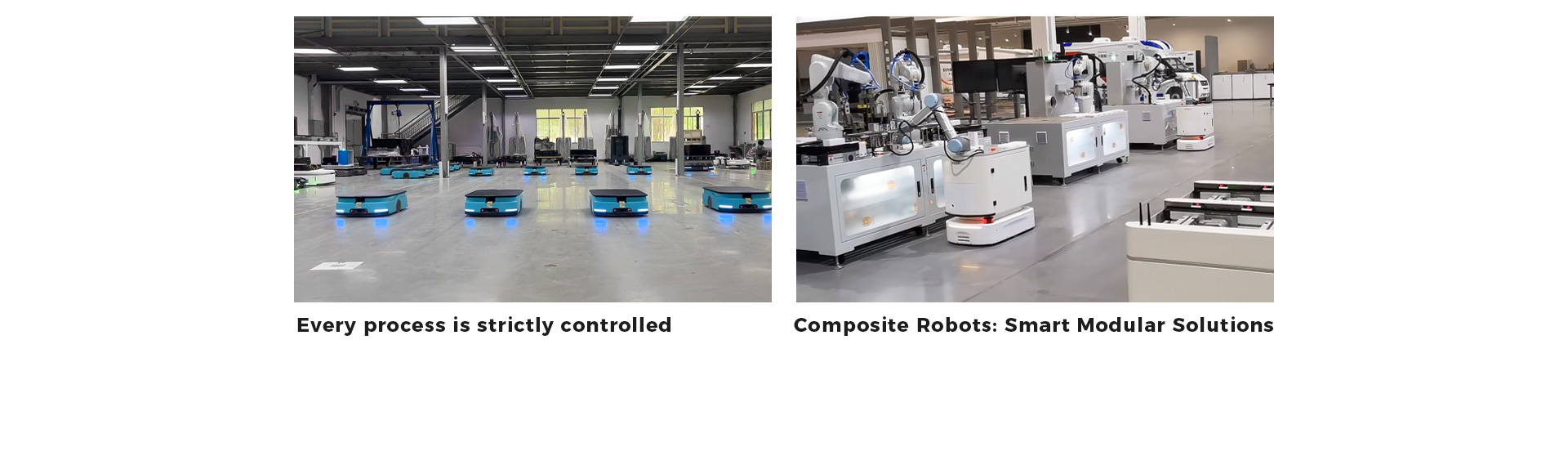
Omnidirectional Mobile Robot Trends Shaping 2025 and Beyond
The AMR market is moving fast. Based on our project pipeline and conversations with integrators worldwide, here are the trends that will define omnidirectional mobile robot adoption over the next three to five years.
Omnidirectional Mobility Becomes Standard
Demand for mecanum wheels and true omnidirectional motion is rising as factories reconfigure lines more frequently. Robots that can strafe, rotate in place, and navigate tight aisles reduce infrastructure changes and future-proof automation investments.
Modular Top Modules Drive Customization
Buyers increasingly want one chassis with interchangeable top modules—forklift, roller conveyor, jacking unit, or robotic arm. This modularity extends fleet life and allows a single AMR platform to serve multiple processes.
Fleet Intelligence and Interoperability
The value of a single robot is limited; the value of a coordinated fleet is transformative. Next-generation scheduling software will handle mixed fleets from multiple vendors, but proprietary systems with proven reliability remain the priority for mission-critical lines.
Energy Management and Opportunity Charging
As fleets scale, uptime depends on intelligent charging. Automated opportunity charging, battery health monitoring, and compatible charging docks are becoming selection criteria rather than afterthoughts.
What Buyers Evaluate When Sourcing OEM Omnidirectional Robots
Procurement teams today are more sophisticated than ever. Price per unit is no longer the deciding factor—total cost of ownership, integration effort, and long-term support matter just as much. Based on our experience with 200+ manufacturers, here are the evaluation criteria that separate successful deployments from stalled pilots.
Total Cost of Ownership (TCO)
Buyers calculate not just robot price, but installation, floor preparation, integration, training, and maintenance. Laser SLAM’s ability to work without floor modification often makes it the lower-TCO choice despite a higher upfront cost than tape-guided AGVs.
Flexibility and Scalability
The ability to add robots and reconfigure routes without rework is critical. Omnidirectional robots with SLAM mapping reduce the risk of obsolescence when production layouts change.
Integration Support and Documentation
Integrators need more than a robot—they need CAD models, communication protocols, electrical interfaces, and responsive engineering support. Manufacturers that provide these assets shorten project timelines significantly.
Verified Quality and Credentials
Third-party verification, such as TÜV Rheinland onsite assessment, and a track record as a Fortune 500 supplier provide assurance that the manufacturer can deliver consistent quality at scale.
Proven Applications Across Demanding Industries
Our omnidirectional mobile robots operate in some of the most demanding environments, from semiconductor cleanrooms to lithium battery production lines. Here are four examples of how custom OEM robots solve real material flow challenges.
Semiconductor & Electronics
Laser SLAM AMRs transport wafers and cassettes in cleanroom environments. With ±2 mm QR-assisted docking, robots interface precisely with production equipment while avoiding contamination.
Lithium Battery Production
Jacking robots and composite manipulators handle heavy cells and modules along lithium battery lines. Omnidirectional mobility allows operation in tight spaces between equipment.
Automotive Parts Warehousing
Smart forklifts with vision-assisted pallet recognition move parts between storage and assembly. 2000 kg payload models handle heavy racks, while laser SLAM eliminates guide tape.
Medical Device Assembly
Composite robots with 6-axis arms achieve ±0.05 mm repeatability for delicate assembly tasks. The omnidirectional chassis moves between stations without floor modifications.

Independently Verified Quality You Can Rely On
Reliability is engineered and verified before shipment. From multi-stage intelligent inspections to third-party credentials, here is the evidence that supports our commitment to quality.
TÜV Rheinland Onsite Assessment
Our facilities and processes have been independently assessed by TÜV Rheinland, confirming our manufacturing and quality management capabilities.
Fortune 500 Supplier
We are a verified supplier to a Fortune 500 company, with procurement contracts assessed by independent third parties.
Verified Multispecialty Supplier
Low-MOQ customization and multi-category robot procurement capability, verified through Alibaba.com’s supplier assessment.
Credit & Transaction Records
Transparent credit index and transaction history demonstrate our financial stability and track record in international trade.

Frequently Asked Questions About Custom OEM Omnidirectional Robots
Straight answers from our engineering team. Need project-specific guidance? Contact us directly—our specialists respond within one business day.
What navigation accuracy can Marnix AMRs achieve?
Laser SLAM on natural features achieves ±5 mm positioning without floor infrastructure. Adding a QR code scanning camera raises accuracy to ±2 mm, while composite robots with a 6-axis arm reach ±0.05 mm repeatability for precision assembly.
Do I need to modify my factory floor to deploy these robots?
No. Standard laser SLAM maps your existing environment, so no magnetic tape, reflectors, or QR codes are required for baseline navigation. QR labels are only added at stations where ±2 mm docking precision is needed.
Can you customize robots for our specific production line?
Yes. As an OEM manufacturer, we customize chassis dimensions, payload capacity, and top modules—jacking units, roller conveyors, forklift forks, and 6-axis robotic arms—to connect directly with your production equipment.
How are multiple robots coordinated in a fleet?
Our intelligent scheduling system manages the fleet over indoor Wi-Fi, handling simultaneous task assignment, traffic control, and automatic charging through compatible smart charging docks.
Which industries do you serve?
We serve semiconductors, 3C electronics, lithium batteries, photovoltaics, automotive parts, PCB, textiles, and medical devices, working with both end users and system integrators.
How do I start a project evaluation with Marnix?
Contact us with your load profile, floor layout, throughput target, docking precision requirements, and any equipment interface details. Our engineers will recommend the right configuration and provide a proposal.
Meet the Team Behind Your AMR Project
Real people who guide you from requirement analysis to commissioning.

Elaine Lee
Strategic AMR advocate who shows how automation transforms operations, with personalized guidance for each site.

Min Zhong
Passionate about innovation and skilled at helping clients redesign workflows around mobile robots.

Joe Zhang
Coordinates technical questions, specifications, and documentation throughout your project.

Arthur Wu
Responsive after-sales contact for shipping, spare parts, and ongoing service needs.
Ready to Engineer Your Custom Omnidirectional Robot Fleet?
Share your application requirements—payload, layout, throughput, and docking precision—and our engineers will respond with a tailored proposal.
Get Catalog