OEM / ODM · Laser SLAM · ±5 mm

Custom OEM Industrial Handling Robot Manufacturer & Exporters

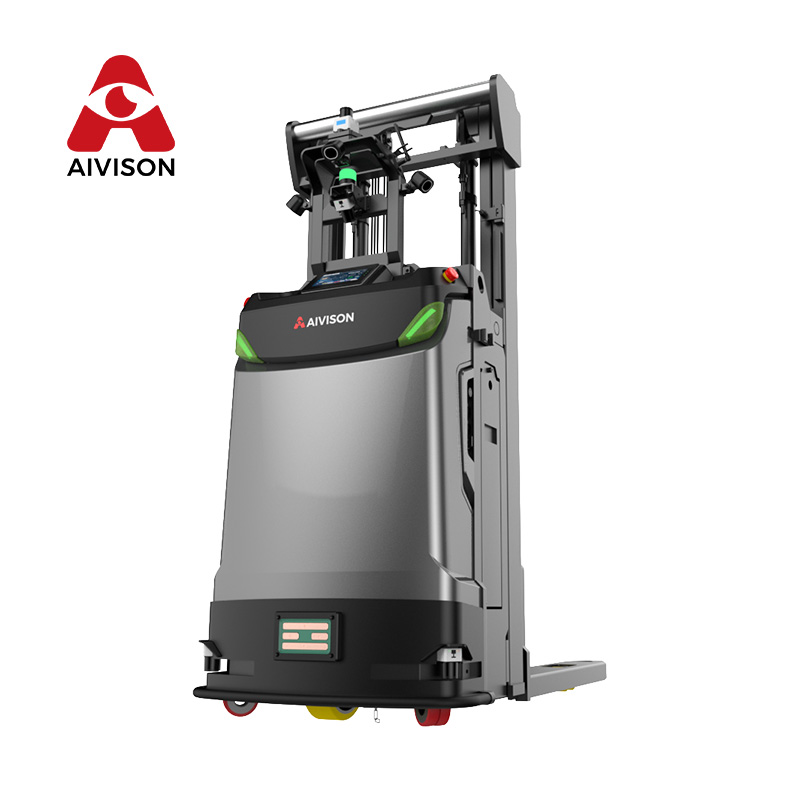
Laser SLAM AMRs, jacking robots and smart forklifts engineered in Shenzhen — ±5 mm navigation, ±2 mm QR-assisted docking and custom top modules for factories and integrators worldwide.

Product Recommendations

Eight Handling Robot Platforms Built to Be Customised

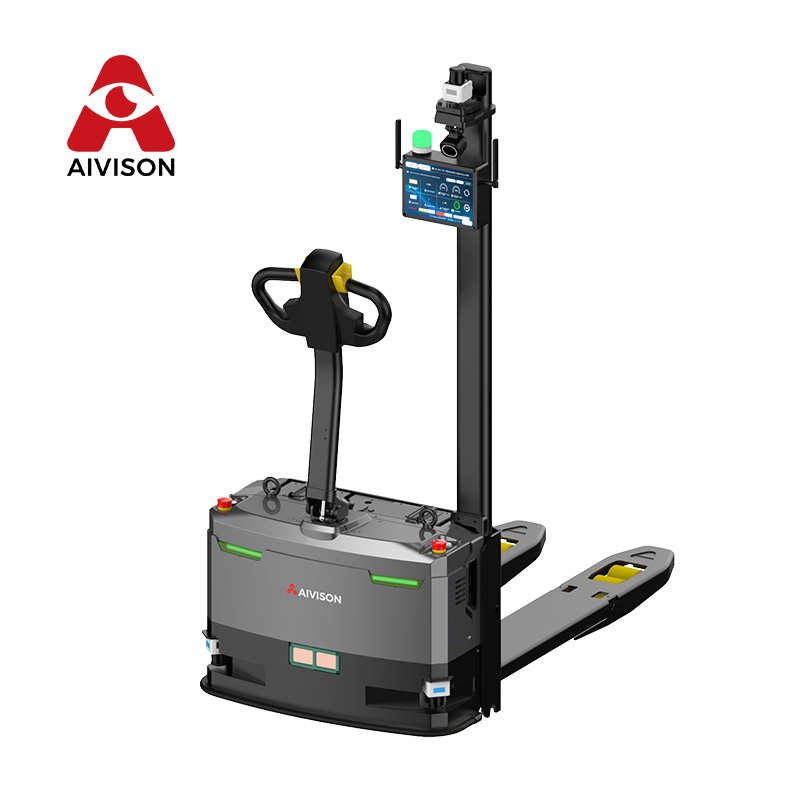
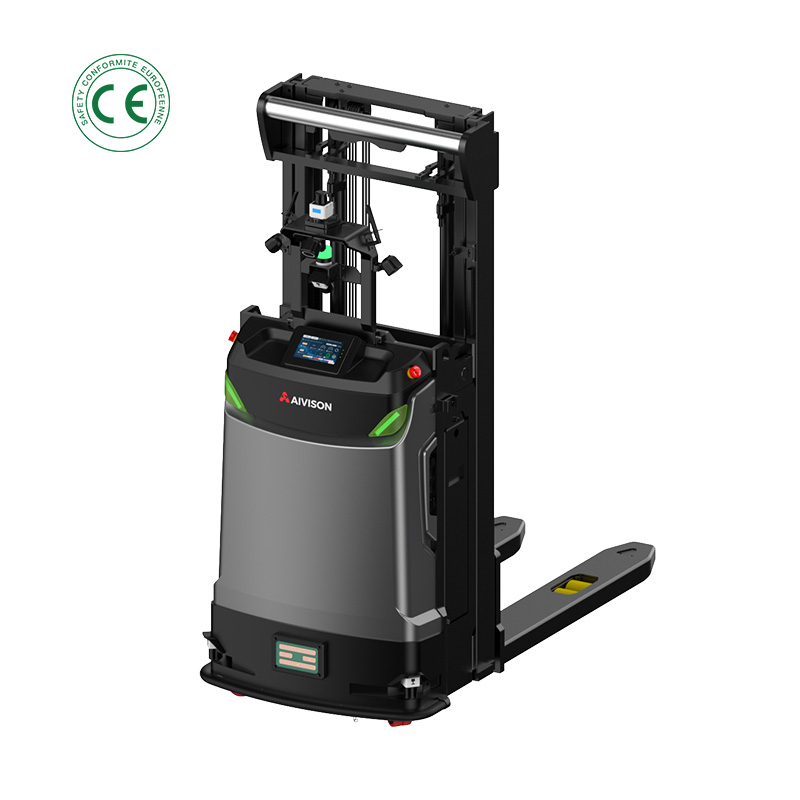
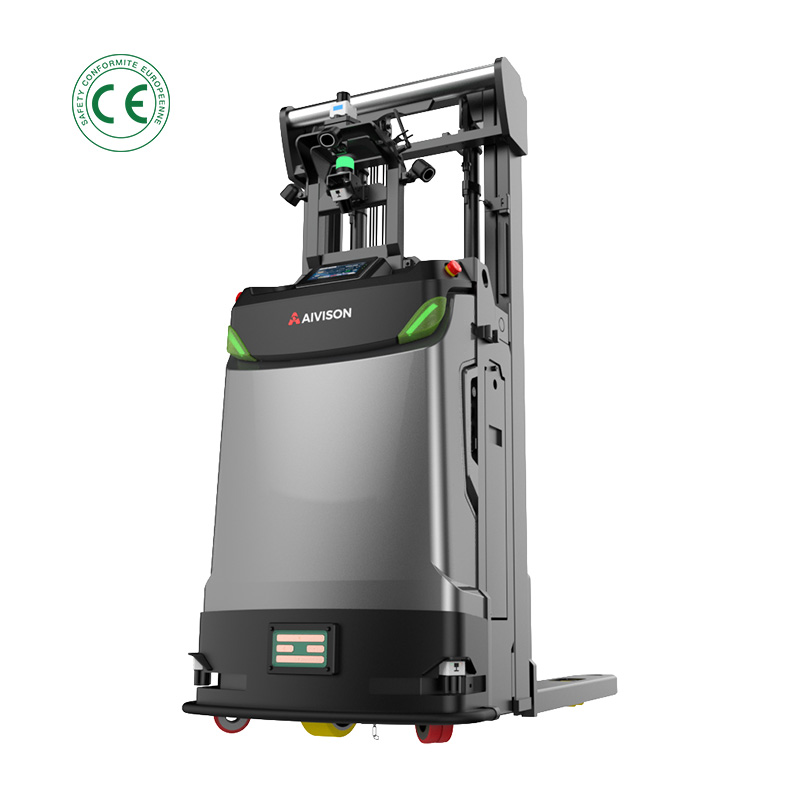
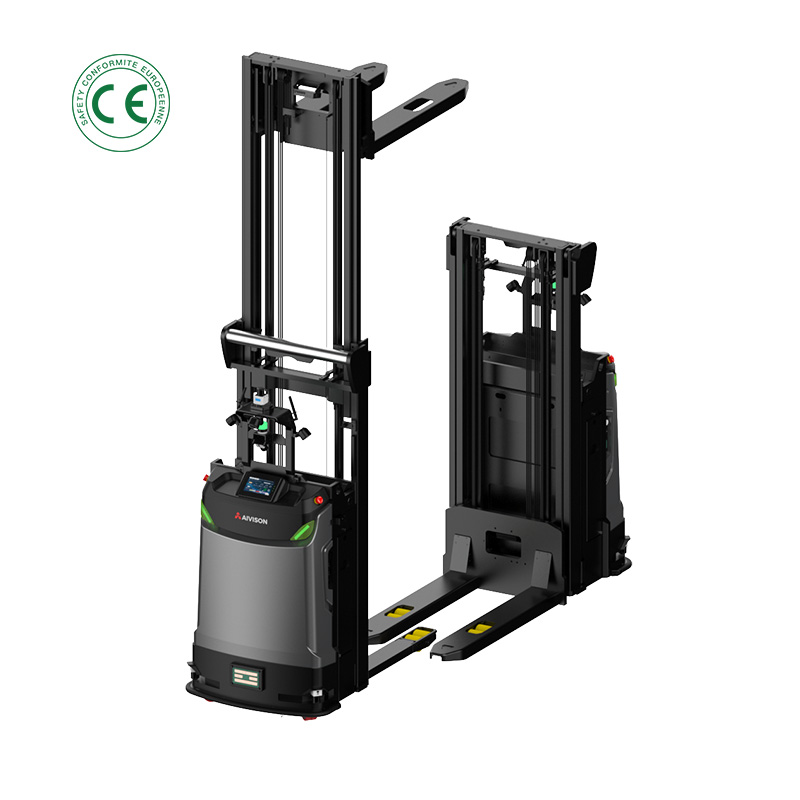
Every platform below shares one laser SLAM navigation core and one fleet-scheduling stack, so jacking robots, pallet AMRs and smart forklifts can run as a mixed fleet under a single controller. Payload, deck height, lifting stroke and top modules are specified per project.

Need a top module that does not exist yet? Our engineers build to your interface drawing.

Contact Us
10+Years of AGV EngineeringShenzhen R&D and manufacturing
±5 mmLaser SLAM NavigationNo tape, reflectors or floor codes
200+Manufacturers ServedAcross three continents
8Core IndustriesSemiconductor to medical devices
Market Overview

Custom OEM Industrial Handling Robots: What Serious Buyers Specify

Off-the-shelf AGVs rarely survive contact with a real production line. A rack that is 40 mm out of tolerance, a 1.9 m aisle, a Wi-Fi dead zone behind a mezzanine, or a docking station that needs ±2 mm instead of ±5 mm will expose every assumption built into a catalogue machine. That is why OEM handling robot programmes now start with the process, not the product: load profile, aisle geometry, docking tolerance, takt time, and the interfaces the robot must hand over to.

Shenzhen Marnix Intelligent Technology Co., Ltd. builds to that brief. Roughly ten years of AGV engineering sit behind a single laser SLAM navigation core, three precision tiers — ±5 mm on natural features, ±2 mm with QR assist, ±0.05 mm on composite robots with a 6-axis arm — and a manufacturing team that customises chassis, payload and top modules rather than forcing a standard platform onto your floor. Jacking units, roller conveyors, forklift forks and robotic arms are engineered per project, so the robot adapts to the line instead of the line being rebuilt around the robot.

This guide is written for the people who sign the purchase order: plant engineers, automation managers, procurement leads and system integrators. It covers the eight platforms we ship most often, the procurement trends reshaping budgets through 2028, the navigation and fleet-control roadmap, and the questions our engineers answer every week.


  • Semiconductor
  • 3C Electronics
  • Lithium Battery
  • Photovoltaic
  • Automotive Parts
  • PCB
  • Textile
  • Medical Devices
Manufacturer Advantages

Why Buyers Shortlist Marnix as an OEM Handling Robot Manufacturer

OEM means more than a logo on a chassis. It means engineering responsibility: who owns the mechanical interface, who validates the safety functions, and who can still supply a spare drive module in year five.

Shenzhen Marnix manufacturing floor with laser SLAM AMR assembly and testing
Assembly, calibration and full-load testing take place under one roof in Shenzhen, before any robot is crated for export.

Marnix operates as a manufacturer rather than a trading intermediary. Mechanical design, electrical engineering, firmware, fleet software, assembly and testing are handled by one team, which is why custom chassis and top modules can be engineered without breaking the warranty or the delivery schedule.

The company supports both end users and the system integrators who deliver turnkey automation. An integrator can take a proven navigation core, add its own branding, gripper or conveyor interface, and still rely on one source for spares, documentation and software updates.

  • Full portfolio: jacking robots, smart forklifts, pallet AMRs, composite robots and intelligent charging docks
  • Intelligent scheduling over indoor Wi-Fi with simultaneous multi-robot dispatch and traffic control
  • Multi-stage inspection and thousands of operational stress tests before shipment
  • Deployments for more than 200 manufacturers across three continents

A Decade of AGV Engineering

Around ten years of autonomous vehicle experience sits inside every chassis — from magnetic-tape AGVs to today's trackless laser SLAM platforms, with mechanical, electrical and software teams in one building.

Three Precision Tiers, One Core

Specify ±5 mm natural-feature SLAM for transport, add a QR camera for ±2 mm station docking, or move to a composite robot with a 6-axis arm for ±0.05 mm repeatability in semiconductor and medical assembly.

Manufacturer-Level Customisation

Chassis length, deck height, payload, lifting stroke, fork dimensions, roller pitch and arm mounting are engineered per project. Low-MOQ customisation gives integrators a platform they can brand and support.

Verified, Not Self-Declared

An onsite assessment by TÜV Rheinland, a procurement contract with a Fortune 500 company and transparent credit and transaction records support every quotation we issue.

  • TÜV Rheinland onsite assessmentTÜV Rheinland onsite assessment
  • Fortune 500 supplier badgeSupplier to a Fortune 500 company
  • Verified multispecialty supplier badgeVerified multispecialty supplier
Procurement Outlook

Procurement Trends Reshaping Handling Robot Purchases Through 2028

What buyers put in the RFQ has changed far more than the hardware. These six shifts decide which suppliers reach the shortlist.

Technology Roadmap

Where Industrial Handling Robot Technology Is Heading

The next buying cycle will be decided less by raw payload and more by navigation robustness, interface openness and uptime economics.

SLAM + Vision Fusion

Natural-feature laser SLAM removes tracks and reflectors, while forward and downward cameras add pallet recognition, QR docking and fine alignment. The practical result is faster commissioning and fewer floor modifications.

Precision Tiering

Instead of over-specifying accuracy everywhere, projects apply ±5 mm on travel routes and ±2 mm only at stations where a robot meets a conveyor or rack. Precision becomes a station-level decision, not a whole-site upgrade.

Composite Mobile Robots

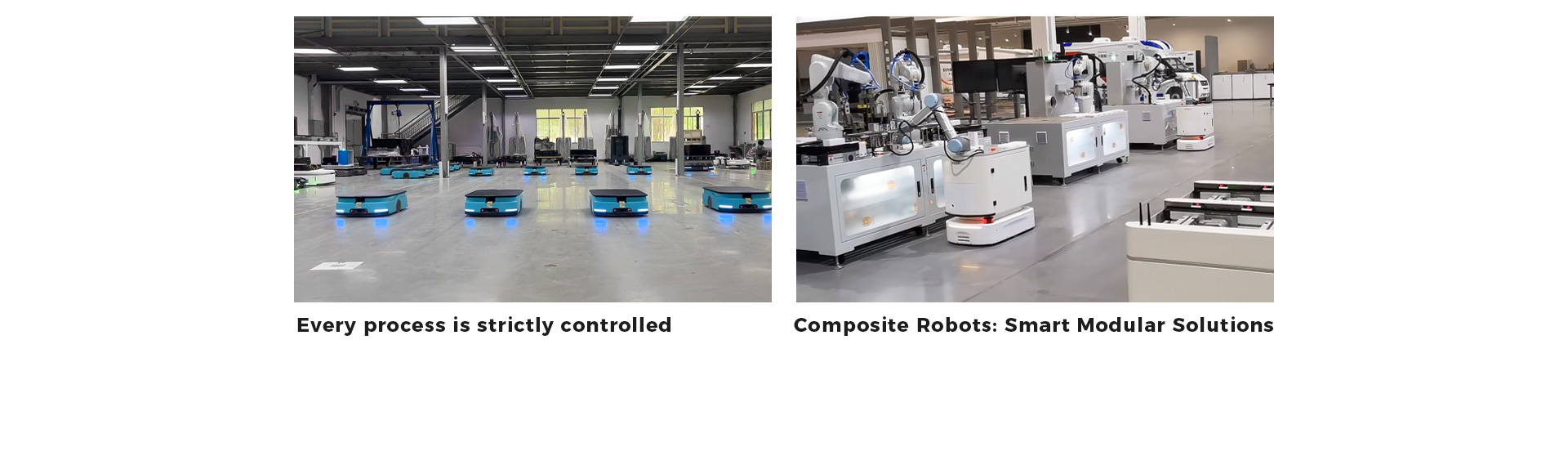
An AMR chassis plus a 6-axis arm and roller module closes the last metre between transport and machine tending, reaching ±0.05 mm repeatability for semiconductor, PCB and medical device assembly.

Wi-Fi and 5G Fleet Scheduling

Indoor Wi-Fi remains the default transport for task assignment and traffic control; private 5G is entering large sites where roaming density matters. Both depend on a scheduler that handles deadlocks and automatic charging.

AI Dispatch and Predictive Maintenance

Schedulers that learn congestion patterns, rebalance idle robots and flag battery or wheel wear before a failure are moving from pilot projects into standard fleet software — reducing the manual rescue calls that erode ROI.

Opportunity Charging Strategy

Smaller lithium packs combined with opportunity charging at conveyor handovers can cut battery cost and charger count. The trade-off is scheduling discipline — which is why charging logic now sits inside the fleet controller.

Composite mobile robot with a 6-axis arm and roller conveyor top module
Composite configuration: a standard SLAM chassis carrying a 6-axis arm and roller module for machine tending at ±0.05 mm repeatability.
Buyer's Framework

A Five-Input Brief That Cuts Evaluation from Weeks to Days

Most delays in robot procurement are information delays. Five inputs determine roughly 90% of platform selection, fleet size and quotation accuracy.

Laser SLAM

±5 mm

Transfer, line-side delivery and routes that change often.

Floor labels: none

SLAM + QR Camera

±2 mm

Precision docking at conveyors, racks and high-shelf stations.

Floor labels: stations only

Composite Robot

±0.05 mm

Machine tending and assembly with a 6-axis arm.

Station calibration
01

Load Profile

Maximum weight, footprint, centre of gravity and carrier type — rack, pallet, tote or custom fixture.

02

Layout & Aisles

CAD drawing or sketch with aisle widths, doors, slopes, lift access and Wi-Fi coverage.

03

Throughput Target

Missions per hour, peak surge and the charging window available between shifts.

04

Precision Map

Mark which stations genuinely need ±2 mm and where ±5 mm SLAM is sufficient.

05

Interfaces & Acceptance

WMS/MES handshakes, conveyor or machine signals, and the acceptance test criteria.

A practical acceptance protocol usually includes repeat-docking accuracy at the tightest station, 72 hours of continuous running, obstacle-avoidance scenarios in mixed traffic, Wi-Fi roaming between access points and a full charge cycle. Agree these criteria before assembly, not after delivery.
Procurement FAQ

Questions Buyers Ask Before Ordering Handling Robots

Straight answers from the engineering team — the same ones we give during a technical review.

What lead time should we plan for a custom OEM handling robot?

It depends on how far the platform departs from a proven configuration. A standard chassis with an existing top module moves quickly; a new module, additional safety validation or a full CE documentation package adds engineering and test time. The quotation states the schedule once drawings are approved, and sharing layout, payload and interfaces early is the single biggest factor in shortening it.

Can you customise payload, lifting height and top modules?

Yes. As a manufacturer we engineer chassis dimensions, deck height, payload, lifting stroke, fork size, roller pitch and arm mounting per project. Low-MOQ customisation is available for system integrators who need a differentiated platform rather than a rebadged catalogue unit, and mixed fleets can share one scheduler.

Which navigation accuracy do we actually need?

Use ±5 mm laser SLAM for transport and line-side delivery, ±2 mm QR-assisted docking where a robot must meet a conveyor or rack within a tight window, and ±0.05 mm composite robots for machine tending and assembly. Over-specifying QR everywhere adds floor labels that must be cleaned, replaced and re-mapped after every layout change.

Do we have to modify our floor or install reflectors?

No. Natural-feature SLAM maps the environment as it is, so no auxiliary tracks, reflectors or floor codes are required for standard navigation. QR labels are added only at stations that need ±2 mm precision, which is why pilot deployments are usually measured in days rather than weeks of civil work.

How do you size a fleet for a given throughput?

From missions per hour, average route length, load and unload time and peak surge — then add charger capacity and traffic constraints. We model the answer rather than quoting a round number, because two extra robots can be cheaper than one bottleneck at a lift lobby, and one oversized robot can be more expensive than two agile ones.

How do robots integrate with our WMS, MES or ERP?

The fleet scheduler exposes documented interfaces; VDA 5050, MQTT and REST are the common options. Integration can be delivered by us or by your integrator, who may prefer to own the traffic-control and task-dispatch layer while the robots remain under OEM warranty and software support.

What certification and export documentation is included?

Robots can be supplied with a CE documentation package, safety laser scanners conforming to IEC 61496, safety functions designed to ISO 13849-1 and a design review against ISO 3691-4. Export documentation includes commercial invoice, packing list, HS code and export-grade crating; destination-specific requirements are confirmed at quotation.

What does after-sales support look like for overseas buyers?

Remote diagnostics, module-level replacement designed for fast swap, recommended spare-part kits, commissioning support and operator or maintenance training. The objective is that a local technician can replace a drive module or sensor without waiting for an engineer to fly in, keeping mean time to repair measured in hours.

Brief Us on Your Line — Get a Robot Configuration, Not a Brochure

Send your load profile, layout, throughput target and docking tolerance. Our engineers will return the recommended platform, top module, fleet size and charging strategy for your site.

Contact Us Laser SLAM · ±5 mm · OEM / ODM · Global export