Custom OEM AMR Robot Manufacturers & Exporter
Engineering laser SLAM autonomous mobile robots, jacking robots, smart forklifts and composite platforms for factories and system integrators that require proven motion, custom top modules and reliable export support.
Eight Custom OEM AMR Robots for 2025–2030 Material Flow
Compare the catalog by task, not by brochure language. These eight platforms cover warehouse transfer, rack lifting, laser SLAM navigation, pallet handling, heavy-load forklift automation, open ROS2 development and conveyor-line handover.
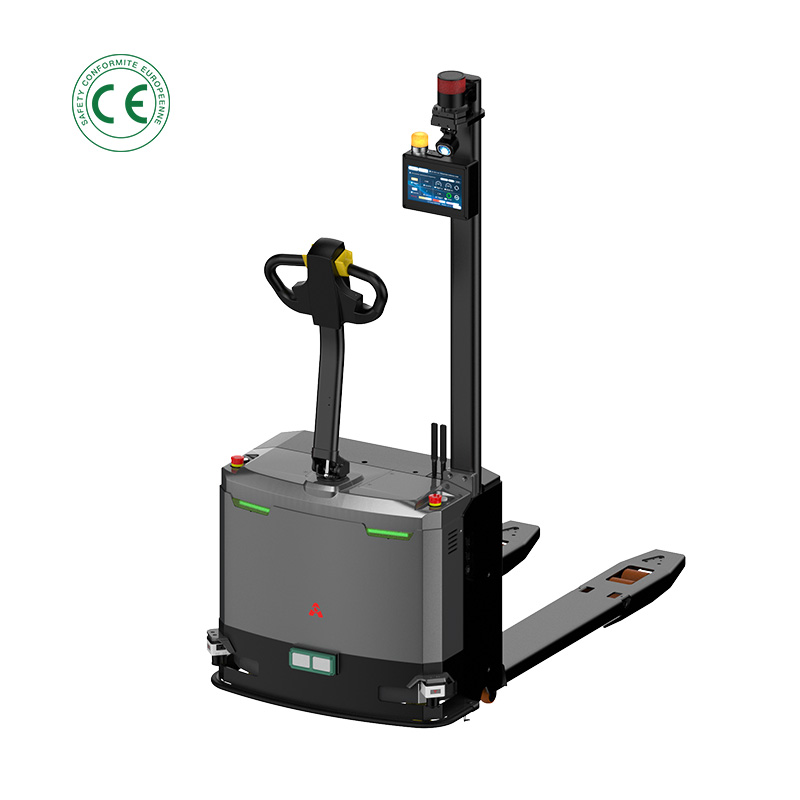
CE Certification Industrial AMR AGV Robot for Warehouse Automation Autonomous Material Handling Logistics
A practical starting point for mixed-traffic warehouse automation where CE-related compliance, autonomous material handling and fast route changes matter.
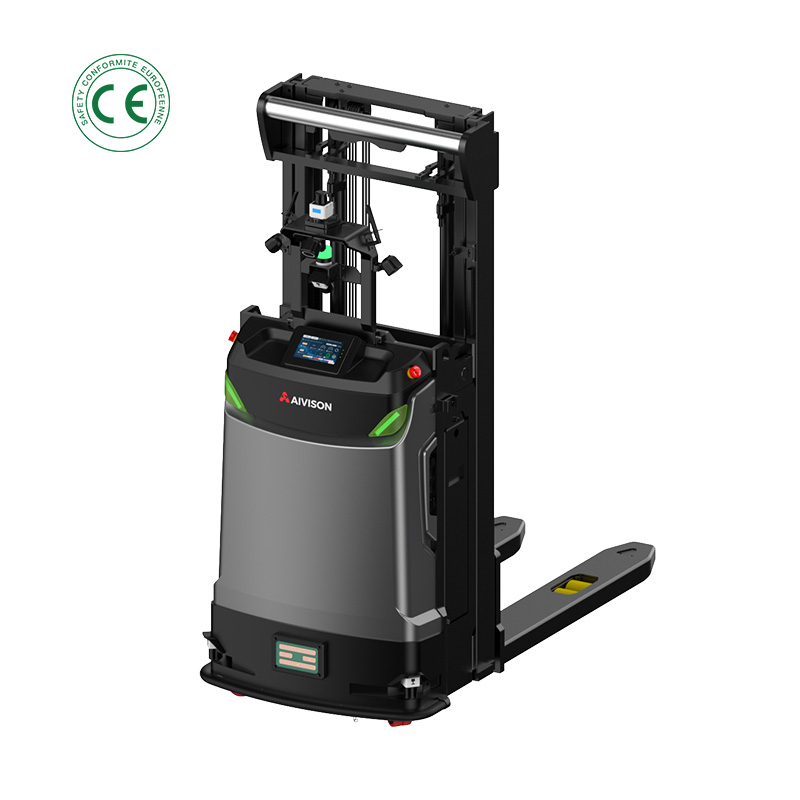
Aivison AMR Robot Whicle Automated Warehouse Automatico agv Logistics Industrial Guided Vehicles
An automated warehouse logistics vehicle for repetitive transfer routes, designed around stable fleet utilisation rather than one-off demonstration runs.

Humanoid Robot Chassis Dual 7-DOF Arms Laser SLAM Omnidirectional Navigation ROS2 Open Platform AMR
An open development platform for integrators exploring dual-arm service, inspection, machine tending and research-grade composite robot applications.
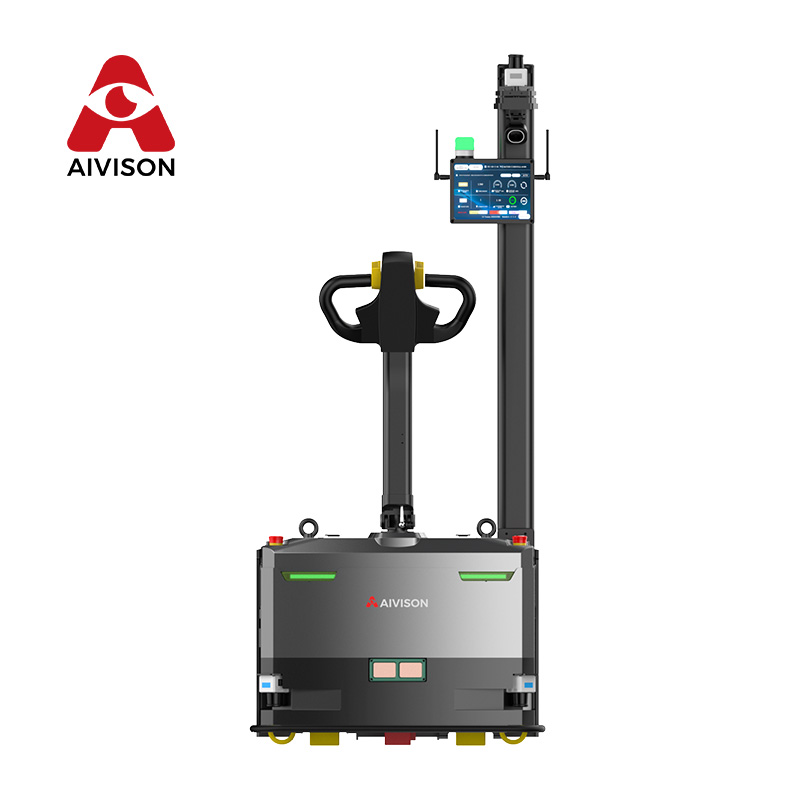
China Factory Movable Pallet Agv Robot Rack Shelf for Intelligent Robot Warehouse
Rack-and-shelf transport for intelligent warehouses, especially where goods move between storage zones, staging areas and line-side buffers.
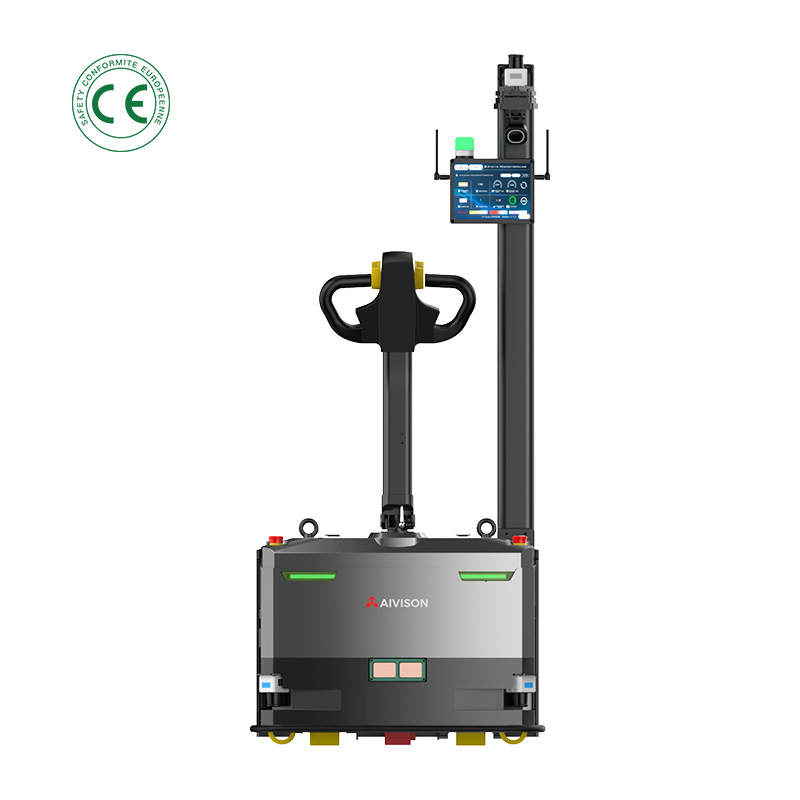
Autonomous Mobile Robot AGV CE Laser SLAM Navigation for Material Handling and Logistics
A core laser SLAM AMR for material handling and logistics, suited to sites that want trackless navigation without magnetic tape or extensive floor works.
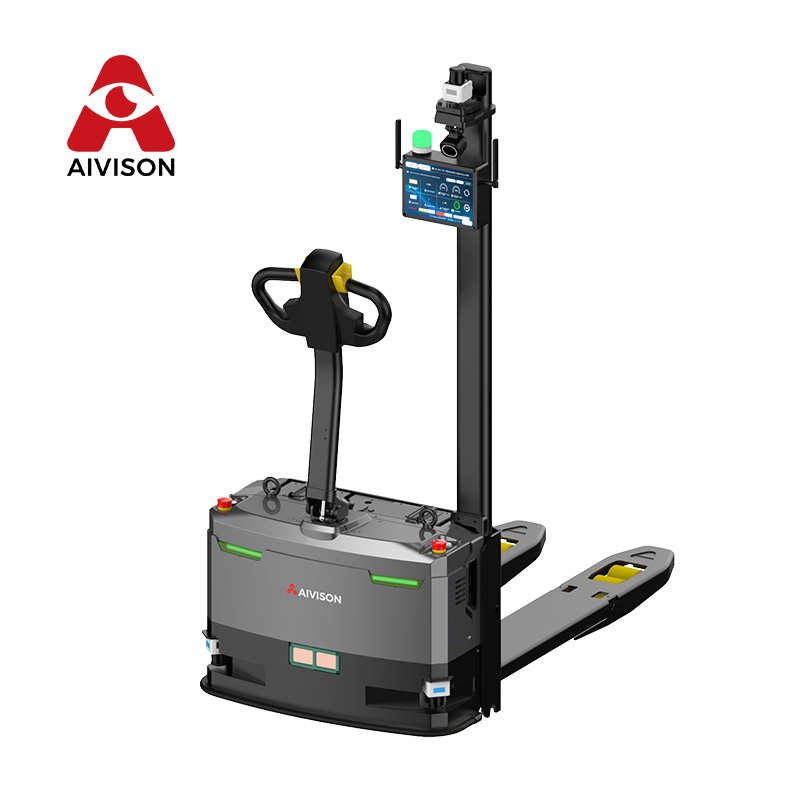
Aivison AGV Forklift High Quality Industrial Unmanned Pallet Forklift
An unmanned pallet forklift for organisations replacing repetitive counterbalanced truck trips with scheduled, repeatable autonomous handling.
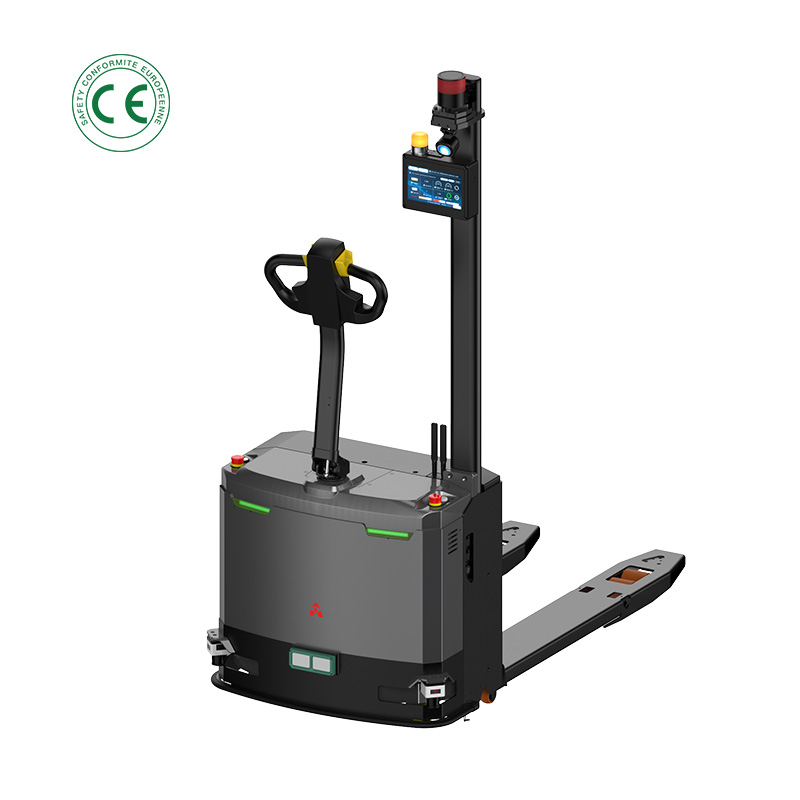
Automatic Handling CE Certificate 2000kg Forklift Robot Vehicle Laser AGV for Large Load Goods-carrying
A 2,000 kg-class laser AGV forklift robot for heavy pallet movement, where conventional manual forklift cycles create safety or labour bottlenecks.
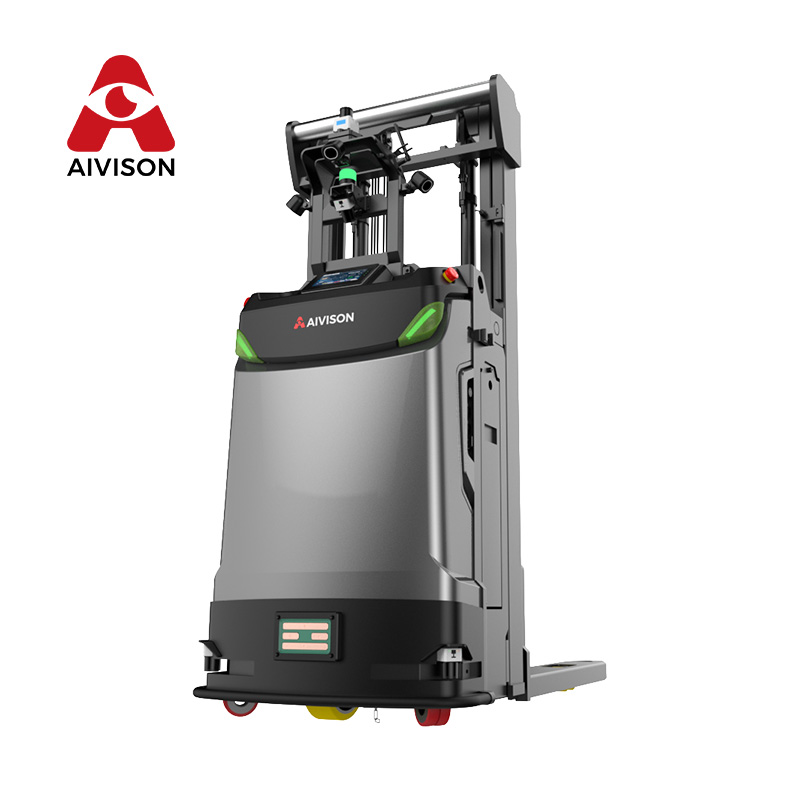
Autonomous Mobile Robots (AMR) Implement Cargo Transportation Between Warehouse and Conveyor Line
Designed for continuous cargo transport between warehouse buffers and conveyor lines, with top-module choices for automated loading and unloading handover.
Why a Custom OEM AMR Manufacturer Beats a Catalog-Only Supplier
Shenzhen Marnix Intelligent Technology Co., Ltd. is a Shenzhen-based AMR and AGV manufacturer with about ten years of AGV engineering experience. The company designs and manufactures laser SLAM autonomous mobile robots, jacking robots, smart forklifts, composite mobile robots and intelligent charging docks for factories, warehouses and system integrators worldwide.
A custom AMR programme should begin with the load, aisle width, docking tolerance, throughput target and handover equipment. It should not begin with a fixed chassis and a list of compromises. That is the practical difference between buying a robot and commissioning a material-flow asset. Marnix engineers around the real production line, with ±5 mm laser SLAM navigation, optional QR-assisted ±2 mm docking, and composite platforms reaching ±0.05 mm repeatability when an integrated arm or precision station requires it.
For exporters and integrators, this manufacturer-level flexibility reduces integration risk. Top modules such as jacking units, roller conveyors, forklift forks, camera systems and 6-axis arms can be matched to the process while the proven navigation core and fleet software remain consistent across the fleet.

Engineering Depth from the AGV Era
About a decade of AGV engineering informs chassis design, safety thinking, navigation tuning and serviceability—not just the outward appearance of an AMR.
Manufacturer-Level Customisation
Chassis, payload interface and top mechanisms can be engineered around the production process instead of forcing the process to fit a standard robot.
A Precision Ladder, Not a Single Claim
Use natural-feature SLAM for most transfer routes, add QR only at precision stations, and reserve composite arm calibration for genuinely micron-level tasks.
Fleet Scheduling over Indoor Wi-Fi
An intelligent scheduling system coordinates multiple robots, task assignment, traffic control and automatic charging with compatible smart charging docks.
Verified Supplier Credentials
Onsite supplier assessment by TÜV Rheinland, a procurement relationship with a Fortune 500 company, and more than 200 manufacturers served across three continents.
Export & Integrator Support
Robots, complete solutions and OEM support are supplied to end users and system integrators building automation projects for global markets.
AMR Procurement Trends Shaping 2025–2030 Buying Decisions
Procurement teams are moving from buying a single robot toward buying a repeatable material-flow capability. The strongest proposals now answer questions about uptime, integration, change management and lifecycle service.
Reconfigurable Fleets over Fixed Conveyors
Factories facing product changes prefer routes that can be remapped over conveyors and tracks that are costly to relocate. Trackless SLAM reduces the cost of changing layout after commissioning.
Total Cost of Ownership Becomes the Gate
The purchase price is only one line in the business case. Energy use, charging strategy, maintenance access, spare parts, uptime and labour redeployment now drive supplier selection.
Mixed Fleets and Open Integration
Buyers increasingly ask how robots communicate with conveyors, doors, elevators, MES systems and other vehicles. Open development platforms such as ROS2 are becoming part of the evaluation in research and composite robot projects.
Modular Top Modules as a Risk Control
A shared navigation core with different top modules allows one supplier to serve multiple stations. Jacking units, rollers, forks and arms can be matched to the process without multiplying software platforms.
Compliance and Traceability Move Earlier
CE-related requirements, safety reviews, inspection records and supplier credentials are being requested before technical selection. Verified assessment and transparent trade history shorten the qualification stage.
Serviceability Is Designed In
Battery access, wheel wear, sensor cleaning, fault diagnosis and spare-part availability are now procurement questions. High utilisation depends on serviceability as much as navigation accuracy.
Match AMR Navigation Accuracy to the Real Task
Most automation projects do not need one precision level everywhere. Use natural-feature laser SLAM for general movement, add QR assistance only at docking points that demand it, and reserve composite robot calibration for station-level tasks.
Illustrative Precision Allocation in AMR Projects
Based on Marnix project scoping experience across warehouse, line-side and composite robot applications. Actual project mix depends on product, station design and throughput.
The commercial benefit of a precision ladder is straightforward: less floor infrastructure, faster deployment and fewer precision points to maintain. A common error is to specify QR codes or reflectors everywhere when only two or three stations require tight docking.
For warehouse transfer, line-side replenishment and buffer transport, laser SLAM at ±5 mm is usually sufficient and requires no auxiliary tracks or floor QR codes. Where a robot must dock to a high-shelf station, charging interface or precise conveyor stop, a QR scanning camera can raise accuracy to ±2 mm only where needed.
Composite mobile robots combine autonomous mobility with upper-level mechanisms such as robotic arms and roller conveyors. With multi-layer synchronisation and station calibration, they can support ±0.05 mm repeatability for semiconductor and medical device production tasks that would otherwise demand a fixed robot cell.
| Configuration | Positioning accuracy | Floor setup | Best-fit tasks |
|---|---|---|---|
| Laser SLAM on natural features | ±5 mm | No magnetic tape, reflectors or floor QR codes | Warehouse transfer, line-side delivery, frequent layout changes |
| SLAM plus QR code camera | ±2 mm | QR labels only at precision docking points | High-shelf storage, precise docking, wafer handling, conveyor stops |
| Composite AMR with 6-axis arm | ±0.05 mm | Station calibration at the working point | Semiconductor, medical device assembly and high-precision tending |
Product Development Trends in Custom OEM AMR Robots
The next generation of AMR buying decisions will be shaped less by raw payload claims and more by how well the platform absorbs change, integrates with existing equipment and remains serviceable over a long duty cycle.
SLAM + Vision Fusion at the Edge
Lidar remains essential for stable mapping and obstacle detection, while cameras add pallet recognition, QR docking and process verification. Fusion improves utility without forcing floor modifications.
Accuracy Laddering by Station
Robots will be specified with different precision levels along the same route: ±5 mm for travel, ±2 mm for docking and arm-level repeatability only where assembly requires it.
Composite Robots with Modular Arms
Mobile manipulators combine the reach of a robot arm with the flexibility of an AMR. Modular arm, roller and jacking interfaces allow one chassis family to serve multiple production tasks.
Higher Payload, Higher Duty Cycle
From compact 300 kg pallet platforms to 2,000 kg-class forklift robots, buyers are selecting payload classes around real operating cycles, charging windows and safety distances rather than peak load alone.
Charging Infrastructure as Part of the Product
Automatic charging docks, opportunity charging and fleet-level energy scheduling are becoming part of the AMR system design, especially for 24/7 warehouses and multi-shift production lines.
Deployment Documentation as a Feature
Map management, handover records, safety checks and integration documents reduce commissioning risk. A manufacturer that supplies clear deployment evidence is easier to qualify and audit.
Where Custom AMR Robots Deliver Measurable Value
Custom OEM AMR projects perform best where material flow is repetitive, safety-critical, labour-constrained or difficult to scale with manual equipment.
Warehouse & High-Shelf Logistics
Dynamic obstacle avoidance supports mixed human and vehicle traffic. Millimeter-level positioning meets high-shelf docking demands, while automatic charging supports continuous operation.
Production-Line Material Flow
Line-side delivery and buffer transport keep takt time stable. Coordinated fleets handle simultaneous tasks, while optional QR assist provides ±2 mm handover at critical stations.
Electronics, Semiconductor & PCB
Clean, repeatable movement between process equipment and inspection stations is valuable in 3C electronics, semiconductor, lithium battery, photovoltaic and PCB production environments.
Automotive Parts & Heavy Pallets
AGV forklifts and heavy-load laser AGVs reduce repetitive truck trips for automotive parts, large pallets and goods-carrying tasks where safety and consistency are priorities.
What to Prepare Before Requesting a Custom AMR Proposal
From project experience, six inputs determine most of the robot selection. Sharing them upfront can shorten evaluation from weeks of clarification to a focused engineering review.
Load Profile
Maximum weight, footprint, centre of gravity and whether the load is a pallet, rack, shelf, carrier or custom fixture.
Site Layout
CAD drawing or marked sketch with aisle widths, doors, slopes, elevator handovers and restricted zones.
Throughput Target
Missions per hour, peak periods, shift pattern and expected growth. These set fleet size and charging strategy.
Docking Precision
Identify where ±5 mm is sufficient and where ±2 mm QR assist or arm-level repeatability is genuinely required.
Wi-Fi and Fleet Scale
Existing access points, coverage quality and the number of robots expected to operate together in the same traffic area.
Equipment Interfaces
Conveyors, machines, doors, lifts or shelving the robot must hand over to, plus any top-module or software interface needs.
Custom OEM AMR Robot Buying Questions
Direct answers from the engineering and export team for buyers comparing AMR manufacturers, AGV suppliers and system integrators.
What navigation accuracy do Marnix AMRs achieve?
Using laser SLAM on natural features, Marnix AMRs reach ±5 mm positioning accuracy without magnetic tape, reflectors or floor QR codes. Adding a QR code scanning camera raises docking accuracy to ±2 mm, and composite robots with a 6-axis arm can reach ±0.05 mm repeatability for station-level tasks.
Do I need to modify my factory floor?
No. Standard laser SLAM navigation maps the existing environment, so no auxiliary tracks or floor QR codes are required for normal travel. QR labels are added only at stations where ±2 mm docking precision is needed.
Can Marnix customise robots for my production line?
Yes. As a manufacturer, Marnix customises chassis and top modules such as jacking units, roller conveyors, forklift forks, camera systems and 6-axis robotic arms so the robot can connect directly with production equipment.
How are multiple robots coordinated?
Robots are managed by an intelligent scheduling system over indoor Wi-Fi, enabling simultaneous task assignment, traffic control and automatic charging with compatible smart charging docks.
Which industries use Marnix robots?
Semiconductors, 3C electronics, lithium batteries, photovoltaics, automotive parts, PCB, textiles and medical devices. Marnix serves both end users and system integrators building automation projects.
How do I start a project evaluation?
Email info@marnixbot.com with your payload, floor layout, throughput, docking precision and equipment-interface requirements. The engineering team can then recommend a suitable chassis, top module and navigation configuration.
What about delivery lead time and export support?
Lead time depends on the robot platform, custom top module and project scope. After the requirement is frozen, the schedule and documentation requirements are confirmed in writing. Marnix supports exporters, integrators and end users with export-oriented communication and project coordination.
How is quality verified before shipment?
Robots go through multi-stage intelligent inspections and operational stress testing. Supplier credentials include onsite assessment by TÜV Rheinland, trade records and a procurement relationship with a Fortune 500 company. Final CE-related compliance depends on the configured robot and destination market.
Build a Custom AMR Programme Around Your Actual Material Flow
Share the load, layout, throughput and docking requirements with our engineers. We will help you choose between laser SLAM, QR-assisted docking, jacking, forklift, conveyor-handover and composite robot configurations—without adding unnecessary floor infrastructure.
info@marnixbot.com