8 Warehouse Automation Robots for Global Buyers and Integrators
Use this shortlist to compare payload, navigation, docking precision and integration fit. Each product URL is preserved from the original range so buyers can move from evaluation to a technical conversation without losing context.

Omnidirectional Mobile Manipulator AMR Dual 7-DOF Arms ±0.03 mm Repeatability Laser SLAM Humanoid Robot Base
A high-precision composite platform for semiconductor, medical device and precision assembly cells that need mobility plus dual-arm manipulation.
View product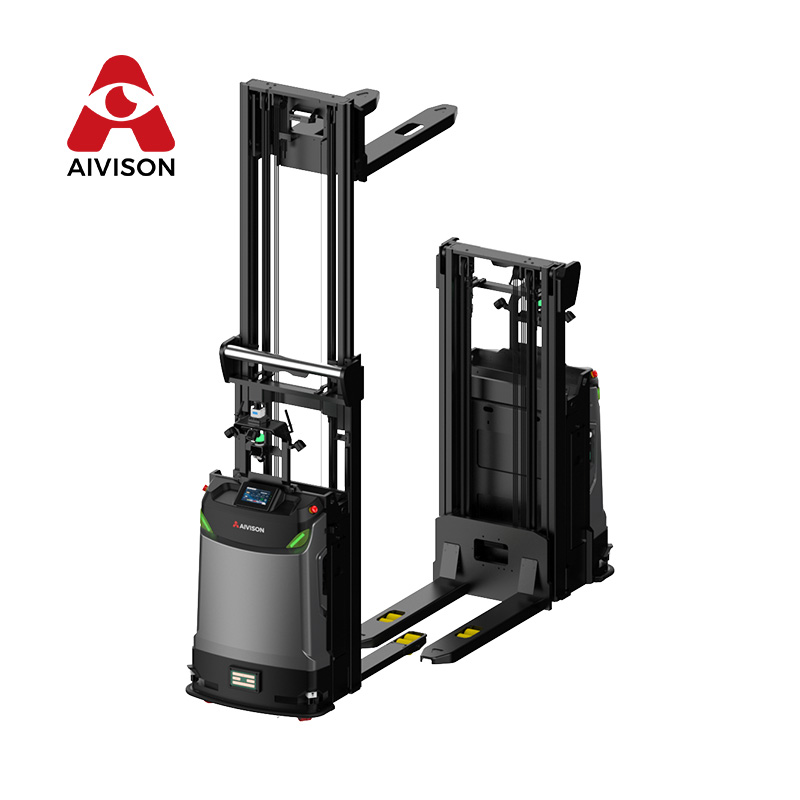
High Precision agv Forklift Full Servo Motor Controlled Laser Forklift with Heavy Load 2000kg
A servo-controlled laser AGV forklift for 2,000 kg pallet handling, high-bay storage and finished-goods dispatch in mixed traffic.
View product
Customizable 1500KG Traction Capacity AGV Autonomous Mobile Robot Amr with Lidar Guided Sensor
A customizable 1,500 kg traction AMR for tow-and-transfer duty, line-side replenishment and long-distance horizontal transport.
View product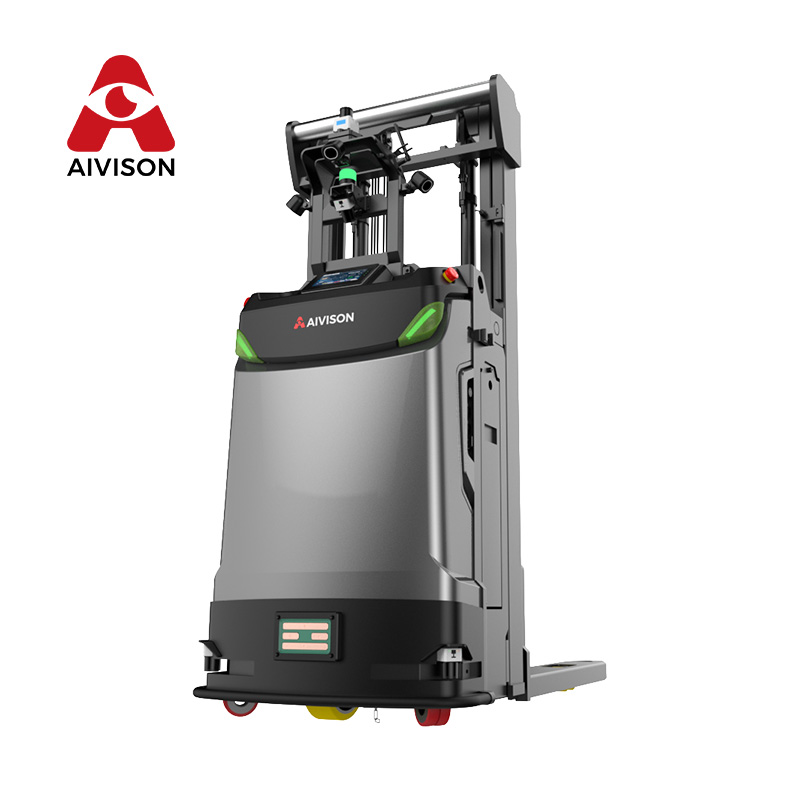
Autonomous Mobile Robots (AMR) Implement Cargo Transportation Between Warehouse and Conveyor Line
A production-proven AMR configuration for scheduled and on-demand cargo transfer between warehouse buffers and conveyor lines.
View product
Automatic Handling CE Certificate 2000kg Forklift Robot Vehicle Laser AGV for Large Load Goods-carrying
A CE-certified automatic forklift robot for large-load goods carrying up to 2,000 kg, with laser navigation and controlled fork entry.
View product
Warehouse Robot Robotics 2000KG CE Warehousing Automatic Forklift Stacking AGV
A stacking-focused AGV forklift for automated put-away and retrieval at height in distribution centers and finished-goods stores.
View product
Omnidirectional Service Humanoid Robot Chassis Dual 7-DOF Arms Laser SLAM Navigation for Hospitality and Retail
An omnidirectional service robot chassis with dual 7-DOF arms for hospitality, retail and service concepts that need natural movement around people.
View product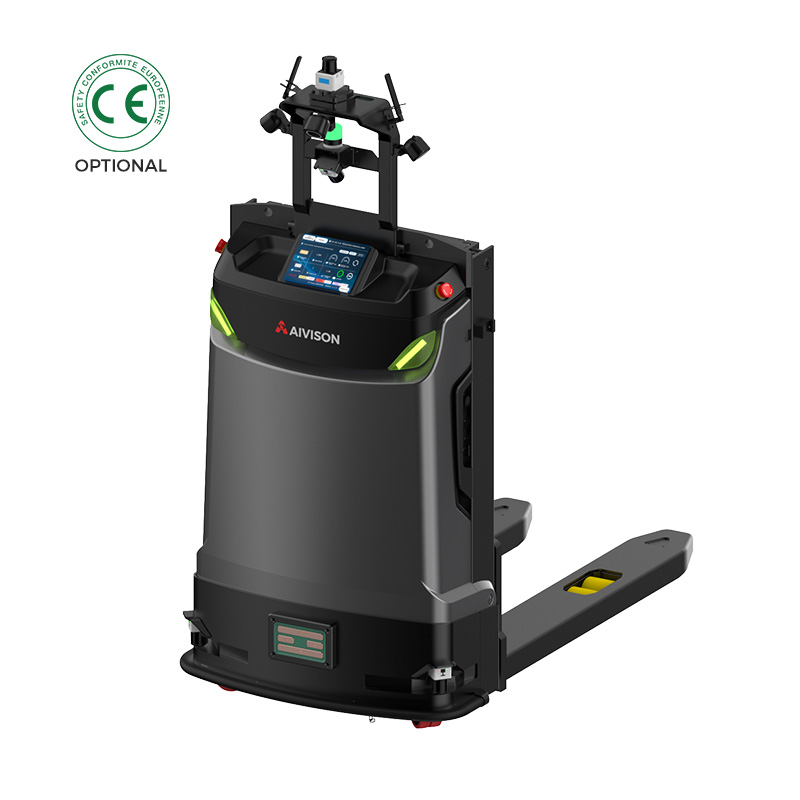
China Factory Automated Mobile Robot SLAM Lifting Wholesale AGV Chassis Vehicle
A wholesale-ready SLAM lifting AGV chassis for integrators and distributors that need a reliable mobility base for custom top modules.
View productWhat Separates a Reliable China Warehouse Automation Robot Supplier from a Catalogue Seller
The difference is rarely visible on a price sheet. It appears during layout mapping, station docking, fleet expansion, spare-parts planning and the first peak season after commissioning.
Years in AGV Engineering
Shenzhen-based R&D and manufacturing experience across AMR, AGV and smart forklift platforms.
Laser SLAM Accuracy
Trackless navigation on natural features, without magnetic tape, reflectors or floor QR codes.
Manufacturers Served
Deployments across three continents, from end users to system integrators and wholesale partners.
Core Industries
Semiconductor, 3C electronics, lithium battery, photovoltaic, automotive parts, PCB, textile and medical devices.

A Shenzhen AMR Manufacturer Engineering Robots Around Real Production Lines
Shenzhen Marnix Intelligent Technology Co., Ltd. draws on about ten years of AGV manufacturing experience to build autonomous mobile robots that fit existing factories with minimal disruption. That matters for end users and for the system integrators who must deliver a working material flow, not just a machine.
The portfolio covers jacking robots, smart forklifts, pallet AMRs, composite mobile robots, custom AGV chassis and compatible intelligent charging docks. A single supplier can therefore connect the navigation core, the top module and the fleet software without handing the buyer a chain of integration risk.
AGV Engineering Depth
About ten years of AGV engineering in Shenzhen, not a catalogue-only trading operation. The range covers laser SLAM AMRs, jacking robots, smart forklifts, composite robots and charging docks.
Trackless Precision
Laser SLAM maps natural features to reach ±5 mm. Optional QR cameras reach ±2 mm, while composite robots with a 6-axis arm reach ±0.05 mm repeatability for precision assembly.
Manufacturer-Level Customization
Custom payloads, jacking units, roller conveyors, forklift forks and robotic arms can be engineered around existing racks, machines and conveyors, with low-MOQ customization for integrators and wholesalers.
Fleet Scheduling and Uptime
An intelligent scheduling system coordinates robots over indoor Wi-Fi, with traffic control, simultaneous task assignment and automatic charging through compatible smart docks.
Match Precision to the Station, Not to the Whole Building
Many warehouse automation projects over-specify navigation and then pay for floor infrastructure they do not need. A better approach is to use trackless laser SLAM as the baseline and add QR or arm-level precision only where the process requires it.
Laser SLAM on Natural Features
No magnetic tape, reflectors or floor QR codes. Best for warehouse transfer, line-side delivery and sites that change layout frequently.
SLAM + QR Code Camera
QR labels are added only at selected stations. Ideal for high-shelf storage, precision docking, conveyor handover and wafer handling.
Composite Mobile Robot
An AMR base combined with a 6-axis arm and station calibration for semiconductor, medical device and precision assembly tasks.
Illustrative navigation accuracy comparison
Bar length is illustrative, not a linear scale. The correct configuration depends on docking tolerance, cycle time and station design.
Proven in Complex, Mixed-Traffic Environments
Warehouses, high-bay storage and production lines where people, forklifts and robots share the same floor — and where downtime is not an acceptable learning curve.
Warehouse and High-Shelf Logistics
Dynamic obstacle avoidance for mixed traffic, millimeter-level positioning for high shelves and 24/7 operation with automatic charging.
Production-Line Material Flow
Coordinated fleets, optional QR docking for ±2 mm handover and layout freedom that avoids rebuilding routes every time a line changes.
Cleanroom and Precision Manufacturing
Semiconductor, 3C electronics, medical devices and photovoltaic production where stable transfer and composite arm precision matter.
Mixed-Traffic and Service Environments
Omnidirectional chassis and dual 7-DOF arms support hospitality, retail and humanoid service concepts with laser SLAM navigation.
- Semiconductor
- 3C Electronics
- Lithium Battery
- Photovoltaic
- Automotive Parts
- PCB
- Textile
- Medical Devices
How Warehouse Automation Robots Will Be Bought in the Next Cycle
Procurement is shifting from a one-off machine purchase to a fleet-capability decision. Buyers now ask manufacturers and wholesalers to prove total cost of ownership, integration openness, compliance evidence and long-term support.
Total Cost of Ownership First
Price per robot is only the entry point. Energy use, charging ratio, spare-parts lead time, uptime and service response are becoming standard RFQ criteria.
Fleet Interoperability and APIs
Mixed fleets need open scheduling, traffic control and WMS or MES integration. Buyers are avoiding automation islands that cannot scale across buildings.
Verified Compliance and Provenance
Independent assessment, CE documentation, trade history and credit records are now used to screen suppliers before a technical RFQ is released.
Pilot-to-Platform Partnerships
Wholesale partners want a low-risk pilot, then a repeatable platform with MOQ flexibility, documentation, training, spare parts and multi-category procurement.
What this means when selecting a China warehouse automation robot wholesaler
Choose a supplier that can show manufacturing depth, navigation evidence, customization capability, fleet software and post-shipment support. A wholesaler that only resells boxes cannot reduce integration risk when a line layout changes or a new top module is needed.
Where AMR, AGV and Smart Forklift Platforms Are Heading
The next generation of warehouse automation robots will be judged less by a single specification and more by how well sensing, top modules, software and serviceability work as one system.
SLAM + Vision Fusion
Laser SLAM remains the baseline, but vision and QR assists are used selectively to improve pallet recognition, docking and station-level precision.
Composite Robotics
AMR bases are being combined with 6-axis arms, roller conveyors, jacking units and forklift forks to complete more tasks in one mobile platform.
Software-Defined Fleets
Scheduling, traffic control, charging and integration APIs increasingly determine throughput. The robot becomes part of a software-managed material flow.
Energy and Safety Engineering
Automatic charging, low failure rates, safer mixed-traffic behaviour and modular service access are becoming core buying criteria for 24/7 duty.
What to Prepare Before Requesting an AMR or AGV Proposal
From project experience, six inputs determine most of the robot selection. Sharing them upfront shortens evaluation from weeks to days and prevents a supplier from quoting a platform that cannot meet the real station tolerance.
Load Profile
Maximum weight, footprint, centre of gravity and load stability for racks, pallets or carriers. Include the heaviest and most awkward item, not only the average.
Site Layout
CAD drawing or sketch with aisle widths, doors, slopes, elevator or lift points, charging locations and any restricted zones. Layout changes are easier to plan before mapping.
Throughput Target
Missions per hour, peak periods and acceptable dwell time. This sets fleet size, charging ratio and the number of docking stations required.
Docking Precision
Where ±5 mm is enough, where ±2 mm QR assist is required and where an arm-level ±0.05 mm process demands a composite mobile robot.
Wi-Fi and Fleet Scale
Access-point coverage, roaming quality and the number of robots expected in the first year and after expansion. Fleet scheduling depends on a stable indoor network.
Equipment Interfaces
Conveyors, machines, shelves or pallet stands the robot must hand over to, plus any top-module needs. Include safety, CE documentation and spare-parts expectations.
E-E-A-T Signals Buyers Can Verify Before Ordering
Independent checks reduce sourcing risk. The following points are part of the company profile and can be reviewed before a pilot, sample order or wholesale framework is agreed.
TÜV Rheinland Onsite Assessment
Company premises and operations have been verified through an independent onsite assessment.
Supplier to a Fortune 500 Company
Procurement contract with a Fortune 500 company, assessed by independent third parties and supported by trade history.
Verified Multispecialty Supplier
Low-MOQ customization and multi-category robot procurement capability support integrators and wholesale partners.
Credit and Transaction Records
Transparent credit index and transaction-level history help buyers evaluate commercial reliability before a project starts.
Questions Buyers Ask Before Automating a Warehouse
Direct answers from the engineering side of warehouse automation projects. For a project-specific recommendation, share your load profile, layout and precision target.
What should I look for in China top warehouse automation robot manufacturers and wholesalers?
Look for manufacturing depth, proven navigation accuracy, customization capability, fleet scheduling software, after-sales support and independent verification. A strong wholesaler should be able to explain which robot configuration fits your station tolerance, not simply quote the lowest price per unit.
What navigation accuracy do Marnix AMRs achieve?
Using laser SLAM on natural features, Marnix AMRs reach ±5 mm positioning without magnetic tape, reflectors or floor QR codes. Adding a QR code scanning camera raises accuracy to ±2 mm, and composite robots with a 6-axis arm reach ±0.05 mm repeatability.
Do I need to modify my factory floor to deploy the robots?
No. Standard laser SLAM navigation maps your existing environment, so no auxiliary tracks or QR codes are required. QR labels are only added at stations where ±2 mm docking precision is needed.
Can Marnix customize robots for my production line?
Yes. As a manufacturer, Marnix customizes chassis and top modules such as jacking units, roller conveyors, forklift forks and 6-axis robotic arms to connect directly with production equipment. This is especially relevant for integrators and wholesale partners.
How are multiple robots coordinated?
Robots are managed by an intelligent scheduling system over indoor Wi-Fi, enabling simultaneous task assignment, traffic control and automatic charging with compatible smart charging docks.
Which industries and regions use Marnix robots?
Semiconductors, 3C electronics, lithium batteries, photovoltaics, automotive parts, PCB, textiles and medical devices are core industries. More than 200 manufacturers across three continents have been served, including end users and system integrators.
Ready to Compare Warehouse Automation Robot Configurations?
Share your payload, aisle layout, throughput target and docking precision. Our engineers can recommend the right AMR, jacking robot, smart forklift or composite platform — and explain where ±5 mm, ±2 mm or ±0.05 mm repeatability is actually required.
No extra script is attached to this contact button; it uses the existing live-chat trigger only.