What Buyers Really Mean by “Under Rack AMR”
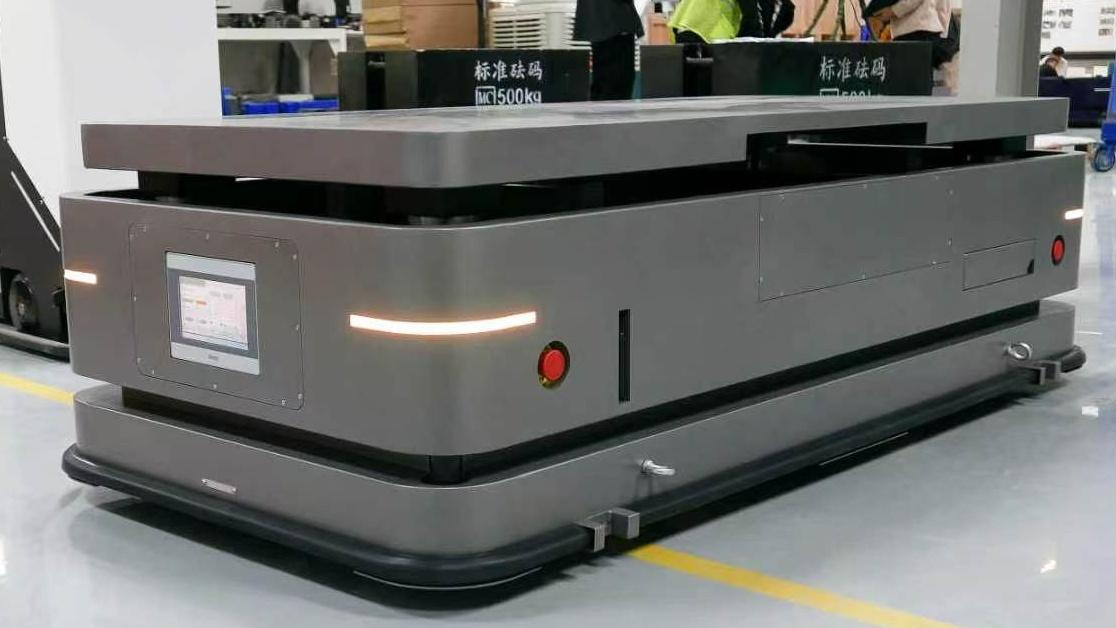
In semantic search, an under rack AMR is rarely just a generic mobile robot. The phrase describes a low-profile autonomous mobile robot that drives beneath a rack, shelf, cart or pallet carrier, lifts the load, and transports it without fixed tracks. Buyers searching for China top under rack AMR exporter & exporters typically compare load capacity, lifting height, navigation accuracy, floor clearance, safety sensors, fleet scheduling, charging strategy and overseas service evidence.
That intent is different from buying a standard transfer AGV. An under-rack platform has to match the rack footprint, enter and exit cleanly, lift with stable centre-of-gravity control, and dock repeatedly at line-side stations. In practice, the best specification is not always the highest headline payload; it is the configuration that keeps takt time stable across shifts while avoiding unnecessary floor infrastructure.
For export buyers, the real information gain comes from linking product selection to deployment risk. A credible China exporter should be able to explain when ±5 mm laser SLAM is sufficient, where ±2 mm QR-assisted docking earns its cost, how Wi-Fi fleet scheduling handles mixed traffic, and which top module converts a mobile chassis into a production-ready rack-handling asset.
Under Rack AMR vs. Traditional Under Rack AGV
A traditional under-rack AGV often depends on magnetic tape, markers or fixed routes. A modern under-rack AMR maps natural features with laser SLAM, supports dynamic obstacle avoidance, and can be re-routed when production layouts change. The practical export advantage is faster commissioning, lower floor rework, and easier expansion from one aisle to a full fleet.
Eight Under Rack AMR & Rack-Carrying Products to Shortlist
These eight platforms represent the practical export range for rack lifting, pallet handling, line-side delivery, warehouse transfer and high-precision forklift automation. Every card preserves the original product URL for direct evaluation.
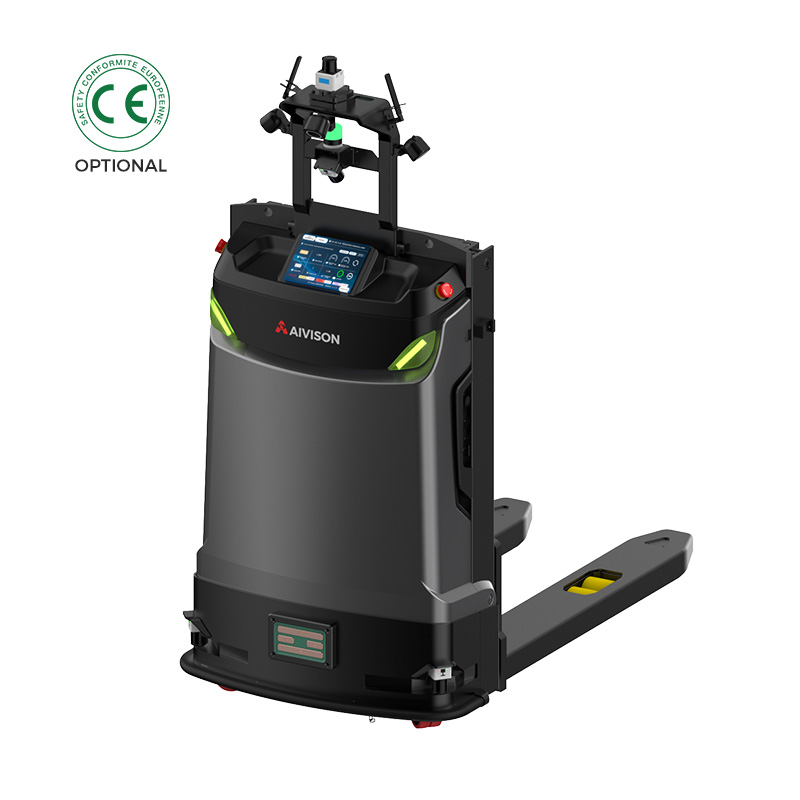
China Factory Automated Mobile Robot SLAM Lifting Wholesale AGV Chassis Vehicle
Low-profile lifting chassis for rack-to-line transfer, configured around laser SLAM navigation and flexible top-module integration.

New Warehouse Autonomous Cars agv Robot 2000kg Load Capacity Stacker agv Robot
Heavy-load autonomous stacker platform for warehouses that need reliable pallet and rack movement with reduced manual forklift dependency.

High-performance Intelligent Smart Automated Guided Vehicle 2000kg AMR Robot
General-purpose intelligent AMR for demanding internal logistics, suited to mixed-traffic environments and scalable fleet deployment.

Warehouse Robot Robotics 2000KG CE Warehousing Automatic Forklift Stacking AGV
Automatic stacking AGV forklift for export projects that need CE-oriented documentation, heavy load capacity and repetitive warehouse handling.
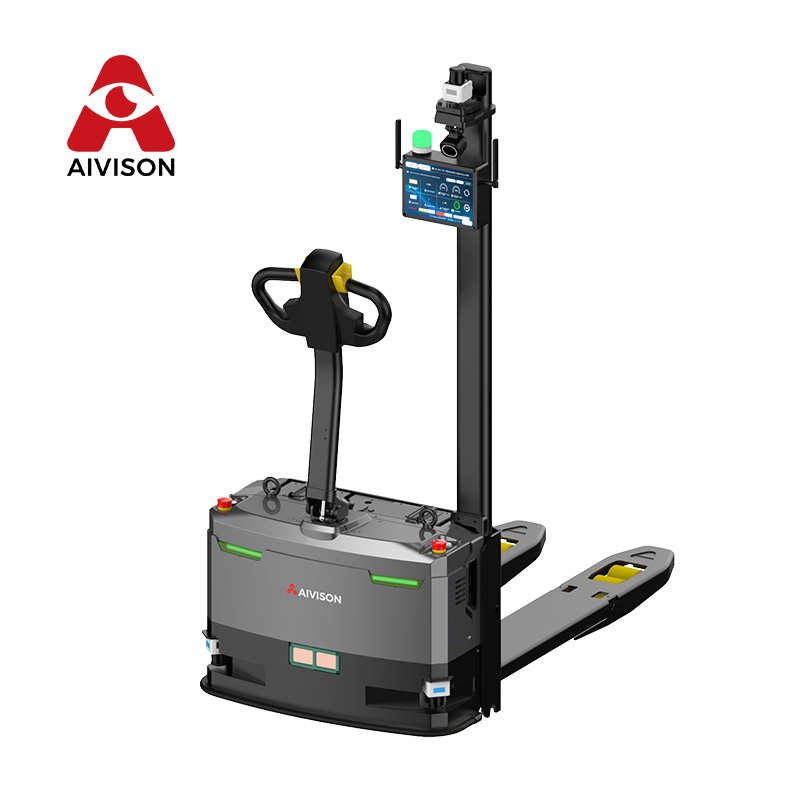
Aivison AGV Forklift High Quality Industrial Unmanned Pallet Forklift
Industrial unmanned pallet forklift for repetitive put-away and retrieval, with integration potential for warehouse execution systems.
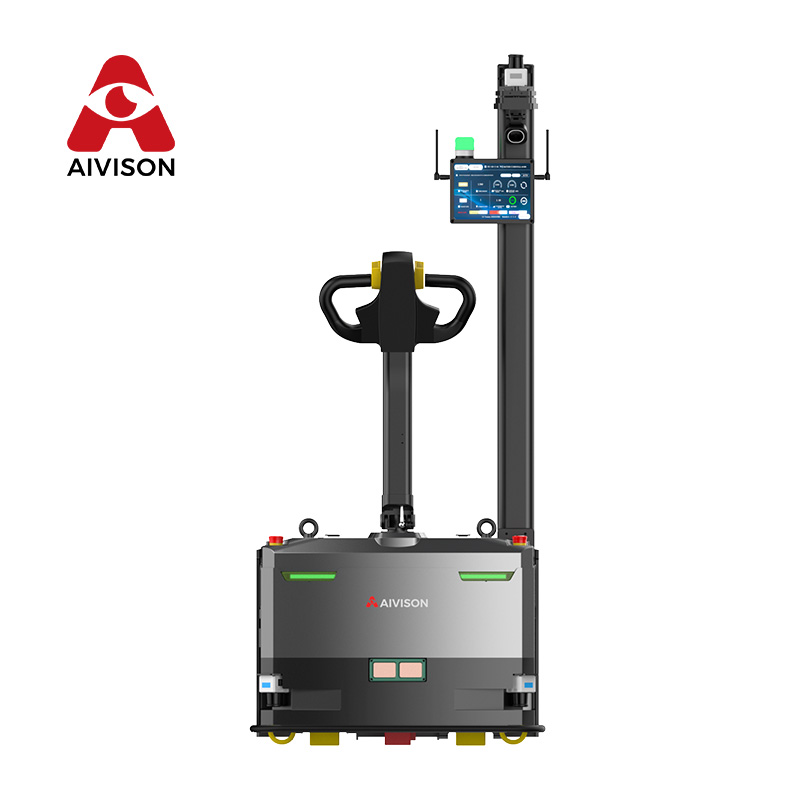
China Factory Movable Pallet Agv Robot Rack Shelf for Intelligent Robot Warehouse
Movable pallet rack and shelf concept for intelligent warehouses where under-rack mobility replaces fixed aisle-to-aisle handling logic.
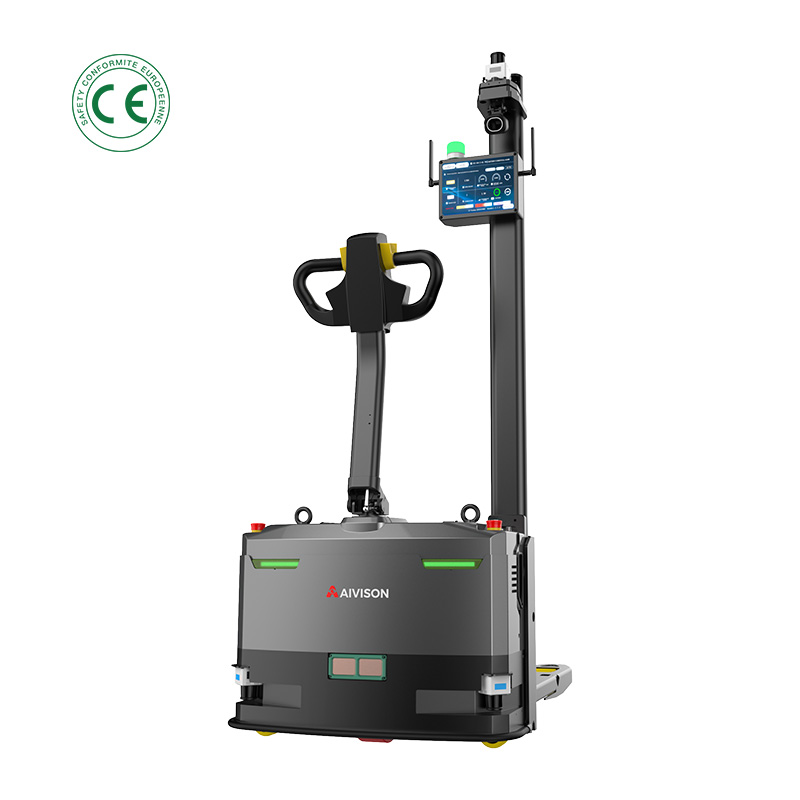
AIVISON CE Laser SLAM Navigation AGV 1500kg Warehouse Lifting Operations
Laser SLAM lifting AGV for warehouse operations that balance payload, precision and route flexibility without fixed tracks.
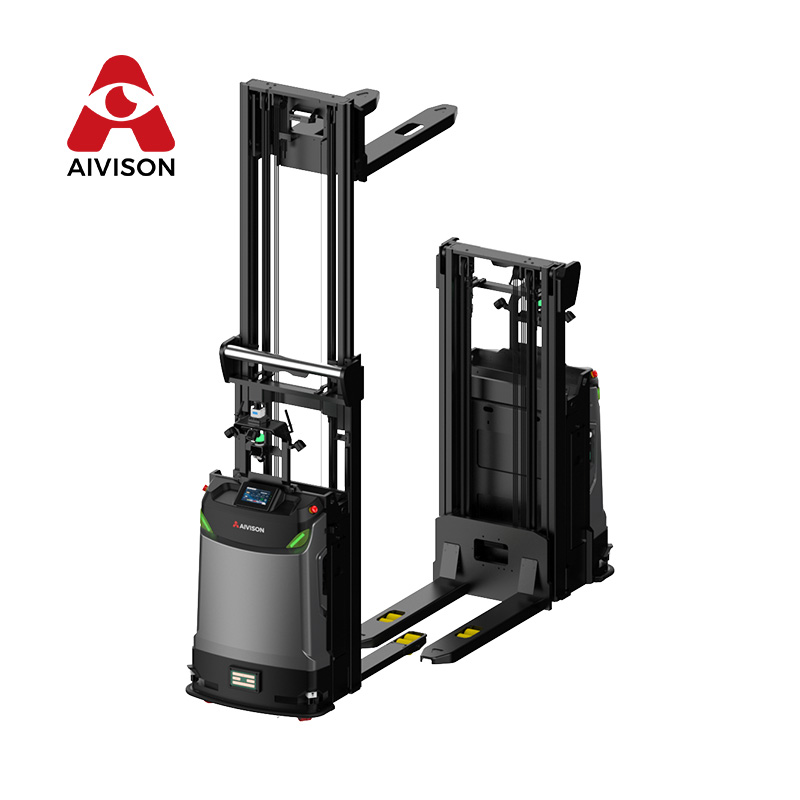
High Precision agv Forklift Full Servo Motor Controlled Laser Forklift with Heavy Load 2000kg
Full-servo laser forklift for high-precision pallet entry, designed for heavy loads and repeatable automated handling cycles.
2026 Procurement Trends for Under Rack AMR Export Buyers
Purchasing behaviour is shifting from isolated robot purchases toward fleet-level programmes with documented performance, open integration and lifecycle support.
Fleet-first procurement
Buyers increasingly ask for multi-robot scheduling, traffic control and charging strategy before selecting a single model. The export evaluation now focuses on fleet uptime, not only unit price.
Modular top modules
Jacking units, roller conveyors, forklift forks and robotic arms are procured as configurable modules. This shortens integration time and lets one chassis platform serve multiple production lines.
Precision on demand
Most under-rack routes run well at ±5 mm laser SLAM. Buyers add QR-assisted docking only where rack entry, high-shelf transfer or station handover genuinely needs ±2 mm repeatability.
Interoperability and Wi-Fi
Indoor Wi-Fi fleet scheduling, interface documentation and mixed-fleet coordination are becoming tender requirements. Export buyers want confidence that robots can be added without replacing the control layer.
Energy and auto-charging
Procurement models now include opportunity charging, intelligent charging docks and battery cycle assumptions. Energy strategy directly affects fleet size and 24/7 operating feasibility.
Export-grade evidence
Independent assessment reports, trade history, credit records, safety documentation and spare-parts commitments are now part of exporter shortlisting, especially for Fortune 500 supply chains.
Product Development Trends Shaping the Next Under Rack AMR
The next generation of under-rack platforms will be judged less on raw motion and more on deployment speed, data transparency, safety maturity and integration depth.
SLAM plus vision fusion
Laser SLAM handles mapping and navigation, while cameras add pallet recognition, QR docking and anomaly detection. The result is higher tolerance for real-world rack variation without forcing floor rework.
Lower profile, higher payload
Chassis design is becoming thinner and more rigid to enter low-clearance racks while carrying heavier loads. Better centre-of-gravity control improves lifting stability and reduces rack sway during transport.
Digital-twin commissioning
Simulation and digital-twin workflows help validate routes, traffic rules and charging cycles before shipment. Export projects benefit from shorter on-site commissioning and clearer performance baselines.
Battery intelligence
State-of-health monitoring, opportunity charging and charge-dock management turn battery data into fleet planning intelligence. Buyers can model how many robots are needed at peak versus off-peak periods.
Safety-first mixed traffic
Dynamic obstacle avoidance, zone-speed logic, audible and visual warnings, and emergency-stop design are moving from options to baseline expectations in factories shared by people and forklifts.
Composite robot expansion
Mobile chassis are increasingly combined with 6-axis arms, roller conveyors and machine-tending modules. Composite robots extend under-rack mobility into precision assembly, semiconductor and medical-device workflows.
Matching Navigation Precision to Each Station
Over-specifying precision adds cost; under-specifying it creates commissioning delays. Use this matrix to separate transport accuracy from docking accuracy.
| Configuration | Accuracy | Floor Requirement | Best-fit Application |
|---|---|---|---|
| Laser SLAM on natural features | ±5 mm | No magnetic tape, reflectors or floor QR codes | Warehouse transfer, rack-to-line delivery, frequently changing layouts |
| Laser SLAM plus QR code camera | ±2 mm | QR labels only at precision stations | High-shelf docking, precision rack entry, station handover |
| Composite mobile robot with 6-axis arm | ±0.05 mm repeatability | Station calibration | Semiconductor, medical-device assembly and machine tending |
For most under-rack transport routes, ±5 mm laser SLAM is enough to remove tracks and keep routes flexible. Add QR-assisted ±2 mm docking only where the rack, shelf or production interface demands it. For composite robots that perform assembly or machine tending, evaluate arm repeatability separately from vehicle navigation accuracy.
Why Marnix Is a Credible China Under Rack AMR Exporter
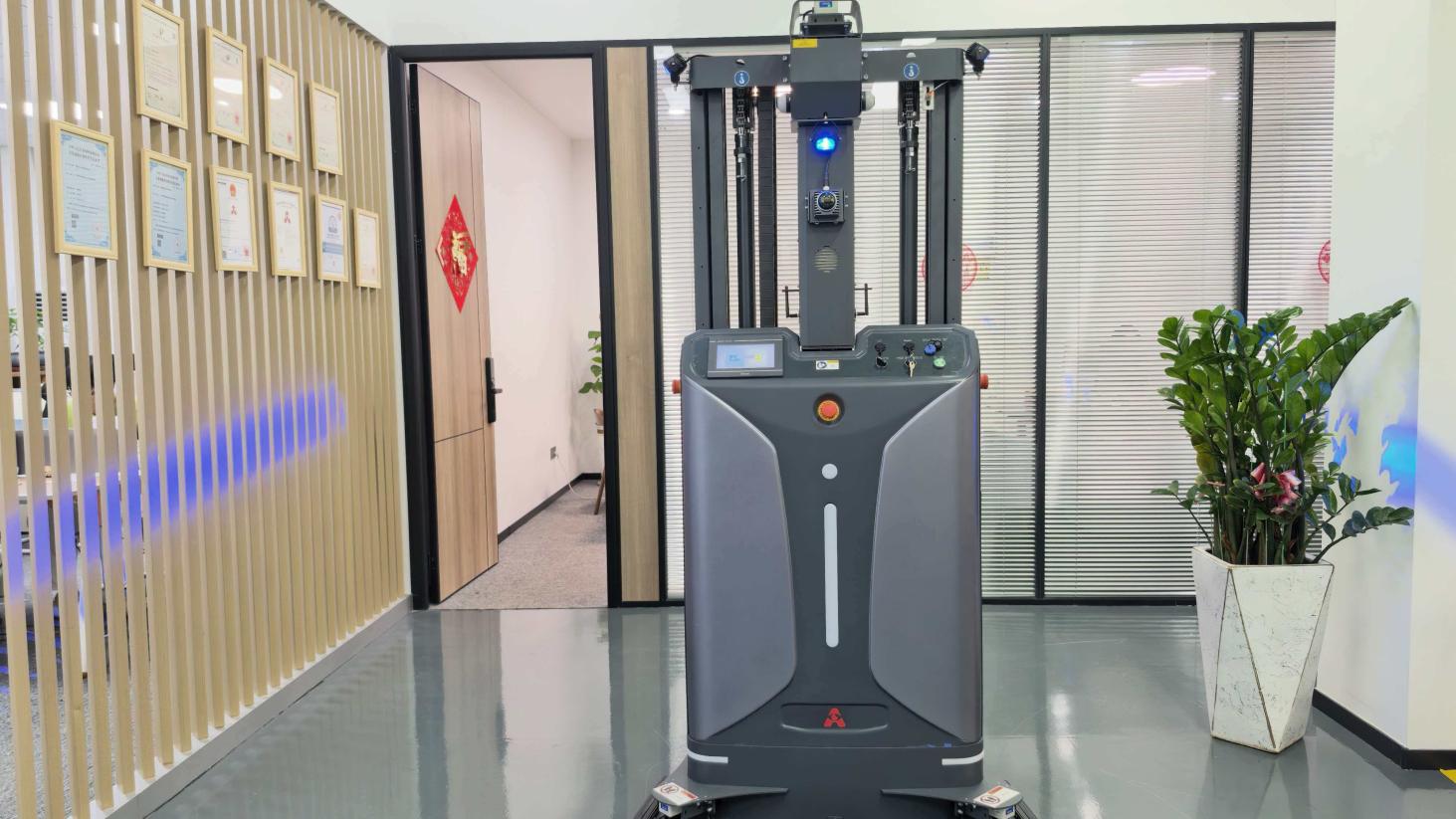
Shenzhen Marnix Intelligent Technology Co., Ltd. combines manufacturer-level customization with a full mobile robot portfolio and independently assessed supplier credentials.
Manufacturer-level engineering
About ten years of AGV engineering experience in Shenzhen, with R&D and manufacturing focused on laser SLAM AMRs, jacking robots, smart forklifts and charging docks.
Complete modular ecosystem
Jacking units, smart forklifts, pallet AMRs, composite robots, QR cameras, fleet scheduling and intelligent charging docks come from one engineering source.
Verified export credentials
TÜV Rheinland onsite supplier assessment, Fortune 500 supplier evidence, verified multispecialty supplier status and transparent credit and trade records.
Integrator and global support
OEM and ODM support for system integrators, Wi-Fi fleet scheduling for multi-robot projects, and custom top modules built around real production-line interfaces.


Where Under Rack AMRs Deliver Measurable Payback
Deployment value appears when the robot solves a repetitive, precision-sensitive or safety-sensitive movement that currently consumes people, forklifts or floor space.
Semiconductor
Cleanroom-compatible transport and precision docking for wafer carriers and line-side stations.
3C Electronics
Fast, repeatable movement of racks and material between assembly cells and test stations.
Lithium Battery
Jacking AMRs support line-side logistics where stable, scheduled delivery matters to takt time.
Photovoltaic
Automated module and pallet transfer for high-volume solar manufacturing environments.
Automotive Parts
Rack and pallet movements between receiving, storage and assembly feeding zones.
PCB
Roller conveyor and custom top modules for automated load transfer between process machines.
Textile
Repetitive carton, roll or pallet transport where manual handling creates bottlenecks.
Medical Devices
Composite robots with robotic arms support precision assembly and controlled material flow.
Under Rack AMR Procurement FAQ for Export Buyers
These are the questions that most often determine whether an under-rack project moves from inquiry to a reliable, serviceable deployment.
What is an under rack AMR, and how is it different from an under rack AGV?
An under-rack AMR is a low-profile autonomous mobile robot that drives beneath a rack, shelf or carrier, lifts it and moves it without fixed tracks. An under-rack AGV traditionally relies on magnetic tape, markers or fixed paths. The AMR approach maps natural features with laser SLAM, supports dynamic obstacle avoidance and can be re-routed when the layout changes. For export buyers, this usually means less floor rework, faster commissioning and easier expansion from a pilot aisle to a full fleet.
What navigation accuracy should I specify for rack lifting and docking?
Use ±5 mm laser SLAM as the baseline for transport, rack-to-line delivery and general warehouse movement. Specify ±2 mm QR-assisted docking only where the rack entry, high-shelf handover or production interface demands it. If a robotic arm performs assembly or machine tending, discuss arm repeatability separately; composite robots can reach much finer repeatability than the vehicle itself. The correct answer is driven by station tolerance, not by a single headline number.
Do I need to modify my floor or install magnetic tape?
Standard laser SLAM navigation maps the existing environment, so magnetic tape, reflectors and floor QR codes are not required for normal transport. QR labels can be added only at stations that need ±2 mm docking precision. Before shipment, confirm aisle width, floor flatness, door thresholds, slopes, lift interfaces and Wi-Fi coverage. This information prevents commissioning surprises and helps the exporter recommend the correct chassis and sensor configuration.
How do I calculate the right under rack AMR fleet size?
Start with missions per hour, average route distance, lift and docking time, charging windows and peak-period demand. A single robot may be sufficient for a pilot, but production lines usually need redundancy for breaks, maintenance and battery cycles. Share a CAD layout or sketch with aisle widths, pick-up and drop-off points, elevator or lift constraints, and throughput targets. A manufacturer can then model cycle time and recommend fleet size instead of guessing from payload alone.
Can a China exporter customize the top module for my rack?
Yes, if the supplier is a manufacturer rather than a trading intermediary. Customization can include jacking units, roller conveyors, forklift forks, lifting platforms, sensor brackets and even 6-axis robotic arms. Provide rack dimensions, load weight, centre of gravity, entry clearance and the interface the robot must hand over to. The exporter should confirm whether the customization is mechanical only or also requires software, safety and commissioning changes.
What should I verify before choosing a China under rack AMR exporter?
Check manufacturing evidence, not only catalogue images. Look for an onsite assessment report, credit and trade records, product documentation, safety approach, spare-parts availability and references in your industry. Confirm whether the exporter has engineering control over navigation, fleet scheduling and top modules. For high-value projects, ask for a factory audit, a video walkthrough of the assembly and testing area, and a clear commissioning plan covering mapping, integration and operator training.
What are typical lead times, MOQ and export documents?
Lead time depends on whether the robot is a standard chassis or a custom top-module project. Standard configurations are usually faster, while custom rack interfaces require engineering review, sampling and testing. MOQ can be low for verified multispecialty suppliers, but mixed-fleet projects should be quoted as a configuration package. Export documents commonly include commercial invoice, packing list, bill of lading or airway bill, certificate of origin where applicable, and product documentation required by the destination market.
How is after-sales support handled for overseas projects?
Ask for the support model before purchase: remote diagnostics, spare-parts list, warranty terms, software update policy and local partner availability. Under-rack AMRs are operational equipment, so response time matters. A practical export package should include operator training, maintenance schedules, troubleshooting guides and a clear escalation path. For multi-robot fleets, confirm how fleet software is backed up and how map changes are managed after the original commissioning engineer leaves site.
What ROI should I model for an under rack AMR project?
Model labour redeployment, reduced forklift dependency, lower product damage, improved takt-time consistency and space utilization. Avoid comparing only robot price against one operator salary. Include integration, charging infrastructure, spare parts, training, maintenance and downtime risk. The strongest business case usually comes from a repetitive route with stable demand, high manual handling frequency and a clear safety or quality benefit. Pilot measurements should establish baseline cycle time before full deployment.
Information to Send Before You Request a Quote
Sharing these four inputs up front helps an exporter respond with a realistic configuration instead of a generic price.
Load profile
Maximum weight, rack footprint, centre of gravity, lifting height and whether the load is a rack, shelf, pallet or custom carrier.
Site layout
CAD drawing or sketch with aisle widths, doors, slopes, lift or elevator interfaces and pick-up and drop-off stations.
Throughput target
Missions per hour, peak periods, operating shifts and desired charging window so fleet size and charging docks can be calculated.
Precision requirement
Which stations can use ±5 mm SLAM, which require ±2 mm QR assist and whether a robotic arm or conveyor interface is needed.
Request an Engineering-Led Under Rack AMR Quote
Send your payload, rack drawing, aisle layout, throughput target and docking precision. Our team can recommend a suitable under-rack AMR, jacking robot, smart forklift or composite platform—and clarify whether ±5 mm laser SLAM, ±2 mm QR docking or a custom top module fits your project.