Eight Intralogistics Robot Platforms to Shortlist First
Start with the material flow, not the catalog. These eight platforms cover lifting, pallet transfer, high-payload transport, precision manipulation, flexible warehouse logistics, and custom automation projects.
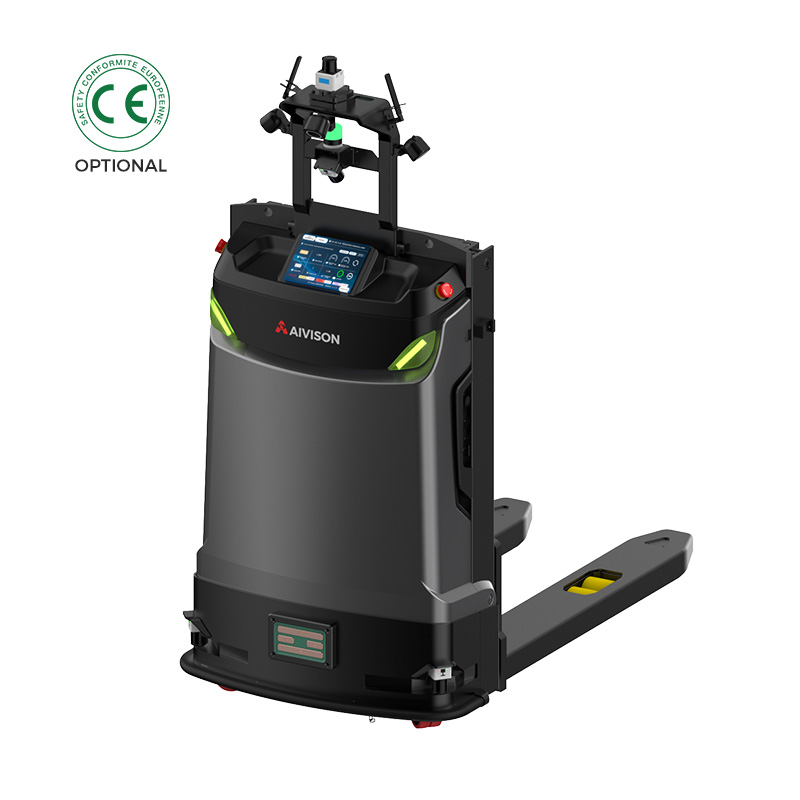
China Factory Automated Mobile Robot SLAM Lifting Wholesale AGV Chassis Vehicle
Recommended for rack lifting, line-side replenishment, and production buffer transport where the robot must map natural features without floor tape or reflectors.
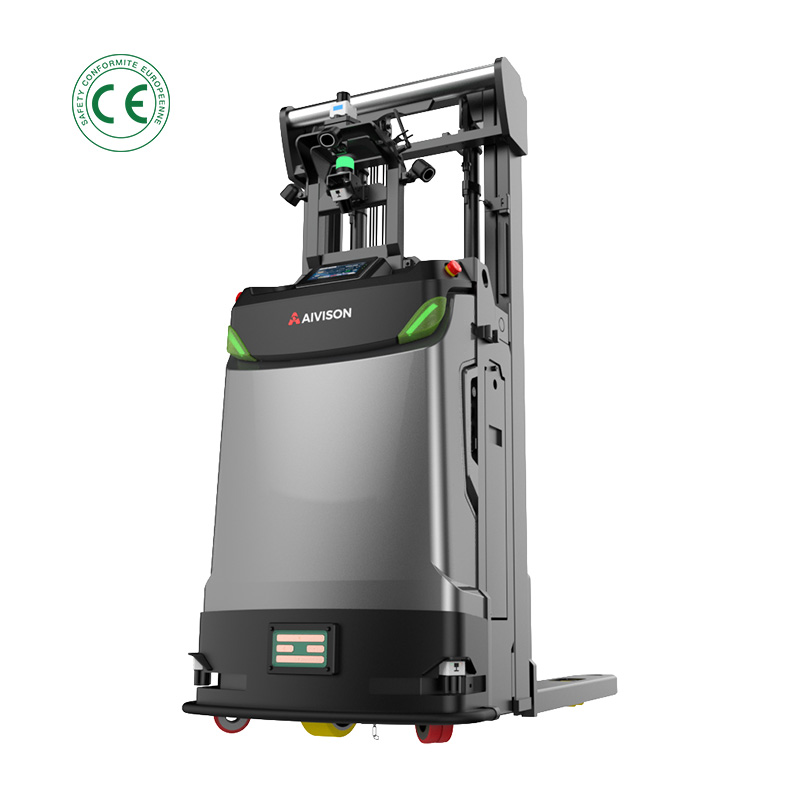
Smart Transport Robotic with Laser Navigation Reach 2000KG AGV Logistics Robots Warehouse Robot AMR
A higher-payload laser navigation platform for warehouses and factories moving heavy carriers between receiving, storage, and dispatch areas.
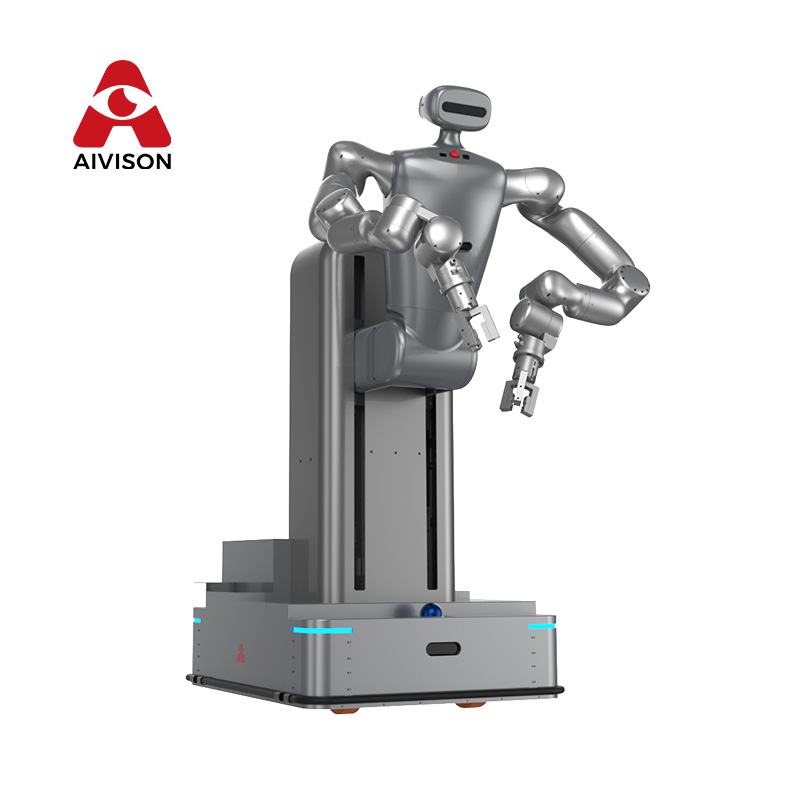
Omnidirectional Service Humanoid Robot Chassis Dual 7-DOF Arms Laser SLAM Navigation for Hospitality and Retail
An omnidirectional chassis with dual arms for service environments, retail demonstration, hospitality support, and research or integrator projects.
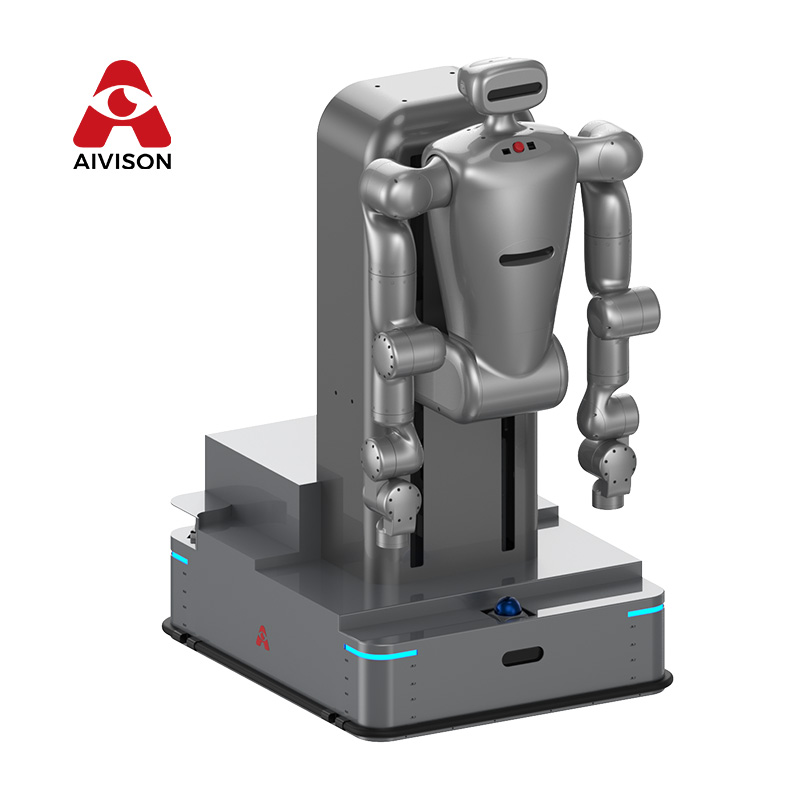
Omnidirectional Mobile Manipulator AMR Dual 7-DOF Arms ±0.03 mm Repeatability Laser SLAM Humanoid Robot Base
For integrators building precision pick-and-place, machine tending, laboratory handling, or composite mobile robot applications.
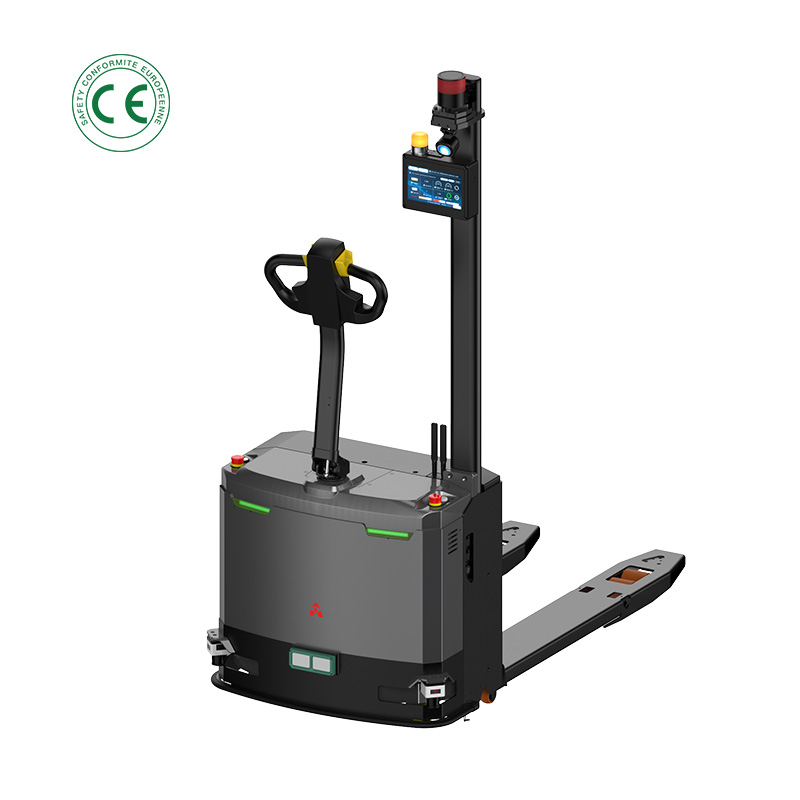
Automatic Handling CE Certificate 2000kg Forklift Robot Vehicle Laser AGV for Large Load Goods-carrying
Recommended for pallets and large goods-carrying tasks that require forklift-style handling with laser navigation and CE-oriented configuration.
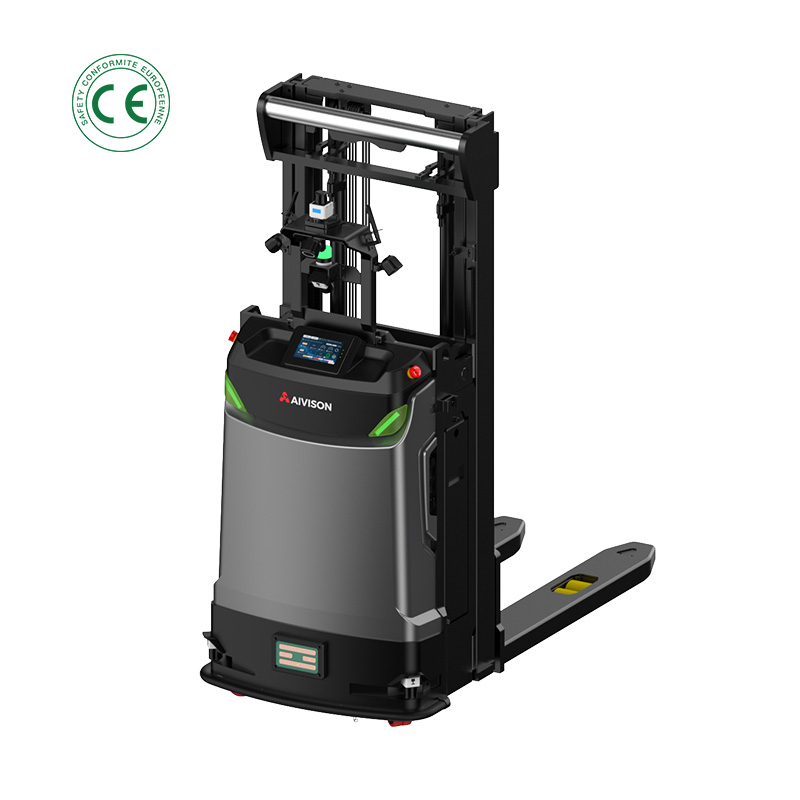
Aivison AMR Robot Whicle Automated Warehouse Automatico agv Logistics Industrial Guided Vehicles
A warehouse-focused AMR for repetitive transfer tasks where fast deployment, fleet scheduling, and predictable material flow matter.
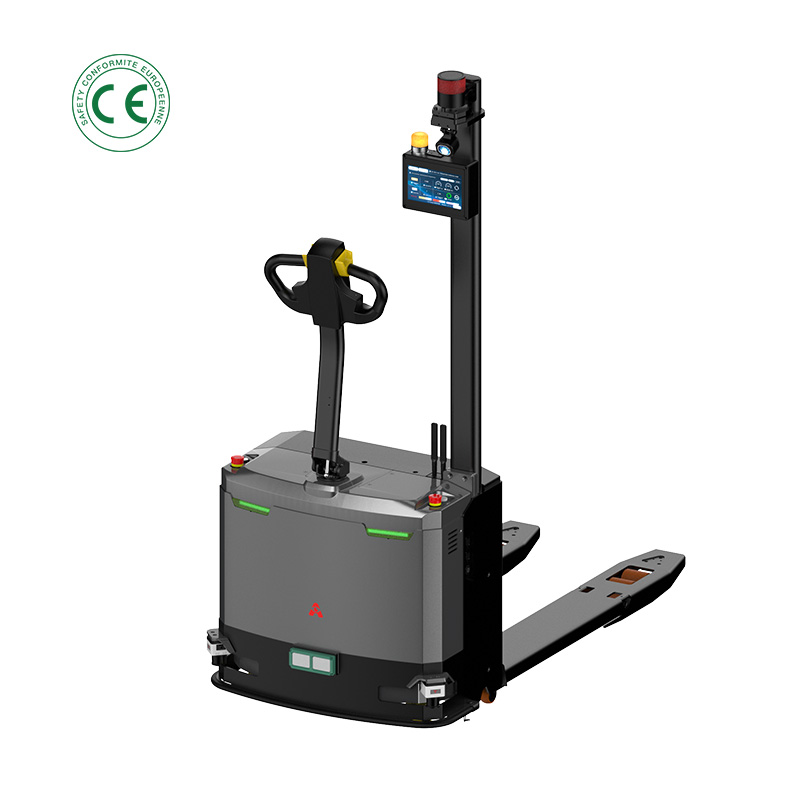
Autonomous Mobile Robot AMR AGV Forklift Pallet Stacker CE Certificate for Smart Warehouse and Production Line Automation
For smart warehouses and production lines that require autonomous pallet stacking, lifting, transport, and handover between zones.
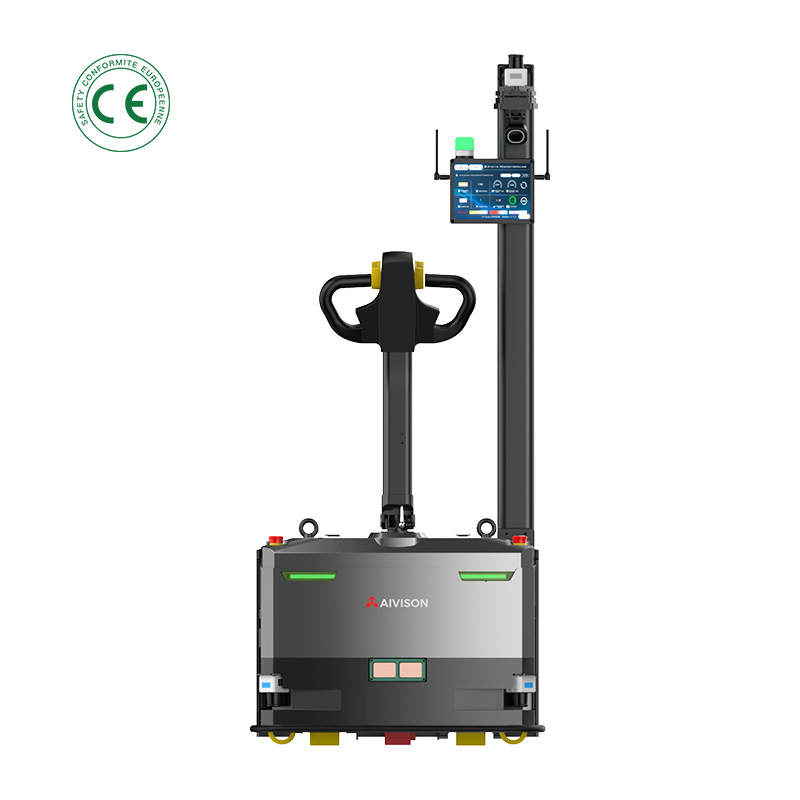
Autonomous Mobile Robot AGV CE Laser SLAM Navigation for Material Handling and Logistics
A general-purpose material handling platform for factories and warehouses that need trackless navigation and flexible route changes.
How to Evaluate China Top Intralogistics Robot Manufacturers & Manufacturer
The phrase “China top intralogistics robot manufacturers & manufacturer” usually reflects commercial-investigation intent. Buyers are not simply looking for a robot photo; they are trying to judge whether a supplier can engineer, customize, deliver, integrate, and support an automated material flow.
China’s intralogistics robot market is broad. It includes autonomous mobile robots, automated guided vehicles, jacking robots, autonomous forklifts, pallet stackers, composite mobile manipulators, charging docks, and fleet scheduling software. A low unit price can look attractive in a spreadsheet, but the real cost is created by integration friction: inaccurate docking, unstable Wi-Fi scheduling, excessive site modification, poor documentation, spare-part delays, and top modules that do not connect cleanly to production equipment. For that reason, serious procurement teams evaluate a manufacturer through five lenses: navigation precision, load and interface fit, fleet coordination, customization depth, and verified delivery capability.
Navigation is the first decision because it defines how much site work is required. Natural-feature laser SLAM is appropriate for warehouse transfer, line-side delivery, and areas where layout changes are frequent. It typically reaches around ±5 mm positioning at Marnix without magnetic tape, reflectors, or floor QR codes. Where high-shelf storage, precise docking, or machine handover requires more certainty, a QR code scanning camera can raise accuracy to ±2 mm. For semiconductor, medical device assembly, or composite mobile manipulator projects, arm-level repeatability becomes the governing specification, with Marnix composite configurations engineered around high-precision synchronization and top-module integration.
The second decision is payload strategy. A 300 kg light AMR pallet robot may be more efficient than a full forklift in narrow aisles, while a 2000 kg laser forklift robot is more appropriate for large load goods-carrying, pallet stacking, and heavy warehouse flows. The third decision is interface design. Jacking units, roller conveyors, forklift forks, and 6-axis arms each solve a different handover problem. The fourth decision is fleet coordination. A single robot demonstration is not a deployment; multiple robots must be scheduled over indoor Wi-Fi with traffic control, task assignment, and automatic charging. The fifth decision is supplier reliability. A manufacturer should be able to show engineering experience, custom project capability, testing discipline, third-party assessment, trade history, and a support path after shipment.

Information gain: precision should be matched to the station, not the brochure
Over-specifying navigation accuracy can increase cost and deployment time. Under-specifying it can cause repeated docking failures. A practical RFQ separates transport routes from docking stations: use natural-feature laser SLAM for movement, add QR assistance only where ±2 mm handover is necessary, and reserve composite arm precision for value-critical operations. This right-sizing approach is the difference between buying a robot and buying a reliable material-flow system.
- Transport route: ±5 mm laser SLAM is usually sufficient.
- High-shelf or machine docking: consider QR-assisted ±2 mm precision.
- Composite manipulation: evaluate arm repeatability, calibration, and safety case.
Match the Robot Architecture to the Material Flow
Use these six application profiles to shortlist the right product family before requesting a formal proposal.
Rack Lifting & Line-Side Replenishment
Choose a low-profile jacking robot when racks or shelves must be lifted and transported without changing the rack. This is common in lithium battery, 3C electronics, and assembly lines where space and takt time are tightly controlled.
Heavy Pallet & Large Load Goods-Carrying
Choose a 2000 kg laser forklift AMR or pallet stacker when loads are palletized, fork entry is required, and the facility needs autonomous handling without a fixed rail system.
High-Shelf Precision Logistics
Use laser SLAM plus QR-assisted docking when the robot must position precisely at high-shelf storage, conveyor handover, or machine load/unload stations. This limits floor labels to critical points only.
Composite Mobile Manipulation
Select an omnidirectional mobile manipulator when movement, positioning, and manipulation must be combined. Confirm arm repeatability, top-module control, safety zones, and the interface to existing production equipment.
Service, Retail & Research Chassis
An omnidirectional humanoid-style chassis with dual arms can support hospitality, retail demonstration, education, or research. Treat it as a development platform and define software, safety, and support requirements clearly.
Custom AGV Chassis for Integrators
For system integrators, the highest-value option is often a custom chassis with a standard SLAM navigation core and a project-specific top module. This reduces engineering risk while preserving differentiation.
What Will Shape Intralogistics Robot Procurement Through 2030
Buyers are moving from “Can I buy a robot?” to “Can this robot fleet remain productive after the first project?” These procurement shifts favor manufacturers with platforms, documentation, and customization depth.
Total Cost of Ownership Becomes the Default Metric
Procurement teams increasingly compare installation labor, floor modification, integration hours, spare parts, uptime, software support, and expansion cost—not just the quoted robot price. A system with repeatable deployment logic wins over a lower-priced unit with project-specific risk.
Modular Top Modules Reduce Future Lock-In
A common navigation chassis with interchangeable jacking units, roller conveyors, forks, and arms allows factories to standardize maintenance while adapting each robot to a different process. Procurement will reward suppliers that expose modular interfaces rather than one-off machines.
Fleet Interoperability Becomes a Tender Requirement
Buyers increasingly ask how robots are scheduled over indoor Wi-Fi, how charging is assigned, how traffic is controlled, and whether mixed robot types share one dispatch layer. Fleet software is now part of the procurement decision, not an afterthought.
Right-Sized Accuracy Replaces Overspecification
More buyers are separating transport precision from docking precision. This reduces unnecessary floor labels and shortens commissioning. Suppliers that can explain when to use ±5 mm laser SLAM, ±2 mm QR assist, or arm-level precision will win more technical trust.
Safety, Certificates, and Third-Party Verification
Safety is no longer a paperwork issue added at the end. CE-oriented configurations, risk assessment, mixed-traffic behavior, emergency stop logic, and independent supplier verification are becoming baseline expectations in serious automation projects.
Pilot-First Buying With Data-Driven Acceptance
Instead of replacing an entire process at once, buyers are running a measured pilot with clear KPIs: successful lifts per shift, docking success rate, charging ratio, intervention count, and response time. Acceptance criteria are increasingly written into the PO.
The Next Generation of Intralogistics Robots Will Be Judged by Adaptability
Robot hardware is converging around a stable navigation core. Differentiation is shifting toward software coordination, top-module flexibility, safety validation, and serviceability.
SLAM, Vision, and QR Fusion
Future AMRs will combine natural-feature laser SLAM, vision-assisted pallet recognition, and QR code docking only where precision is required. The design goal is not “more sensors” for its own sake; it is predictable behavior with less infrastructure.
AI-Assisted Fleet Scheduling
Intelligent scheduling over indoor Wi-Fi will become more predictive: assigning tasks by location, battery state, congestion, and process priority. Buyers will expect fleet dashboards and integration APIs rather than isolated robot controllers.
Composite Mobile Manipulators
AMR mobility combined with 6-axis or dual 7-DOF arms creates a new class of equipment for machine tending, assembly support, and laboratory logistics. The key development challenge is not mobility—it is repeatable manipulation and safe, synchronized handover.
Opportunity Charging and 24/7 Duty
Automatic charging docks and smarter battery strategy allow robots to take charging opportunities between tasks. Procurement teams should ask how charging affects fleet size, peak throughput, and battery lifecycle—not simply whether a dock is available.
Safety-Rated Mixed-Traffic Behavior
Robots must operate safely near people, manual forklifts, conveyors, and other robots. Development is moving toward safety-rated sensing, predictable stopping behavior, zone control, and documentation that supports customer risk assessments.
Digital Twin and Faster Commissioning
Simulation-based planning, digital maps, and standardized integration interfaces shorten site work. Suppliers that provide clean CAD, I/O definitions, software APIs, and commissioning checklists will reduce project risk for integrators and end users.
Why Shenzhen Marnix Is a Manufacturer to Evaluate Against These Criteria
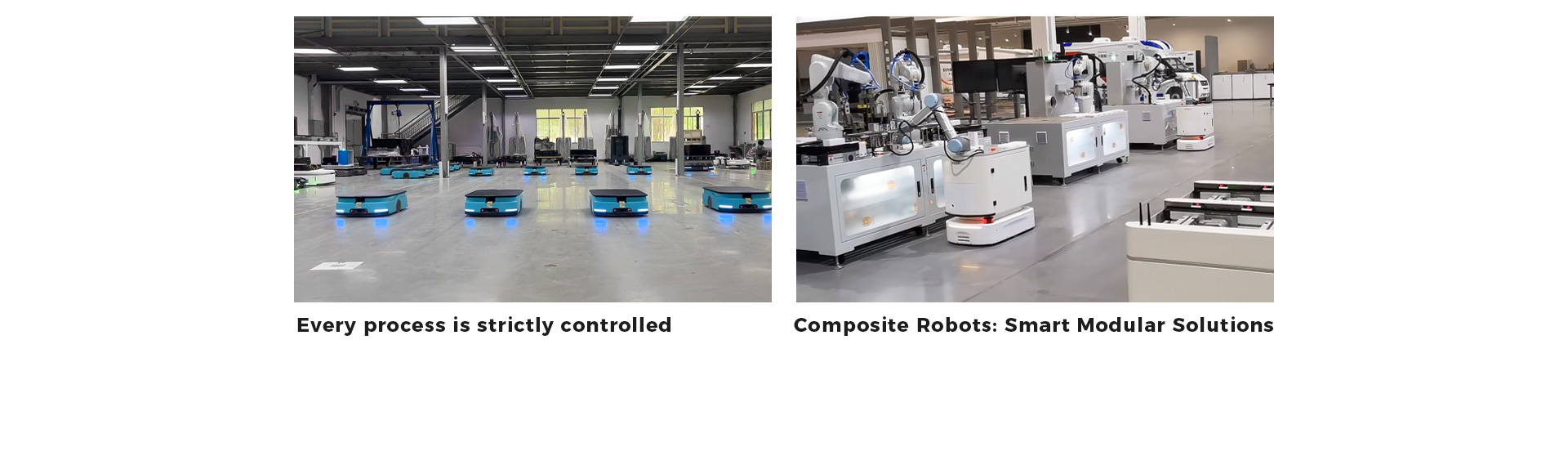
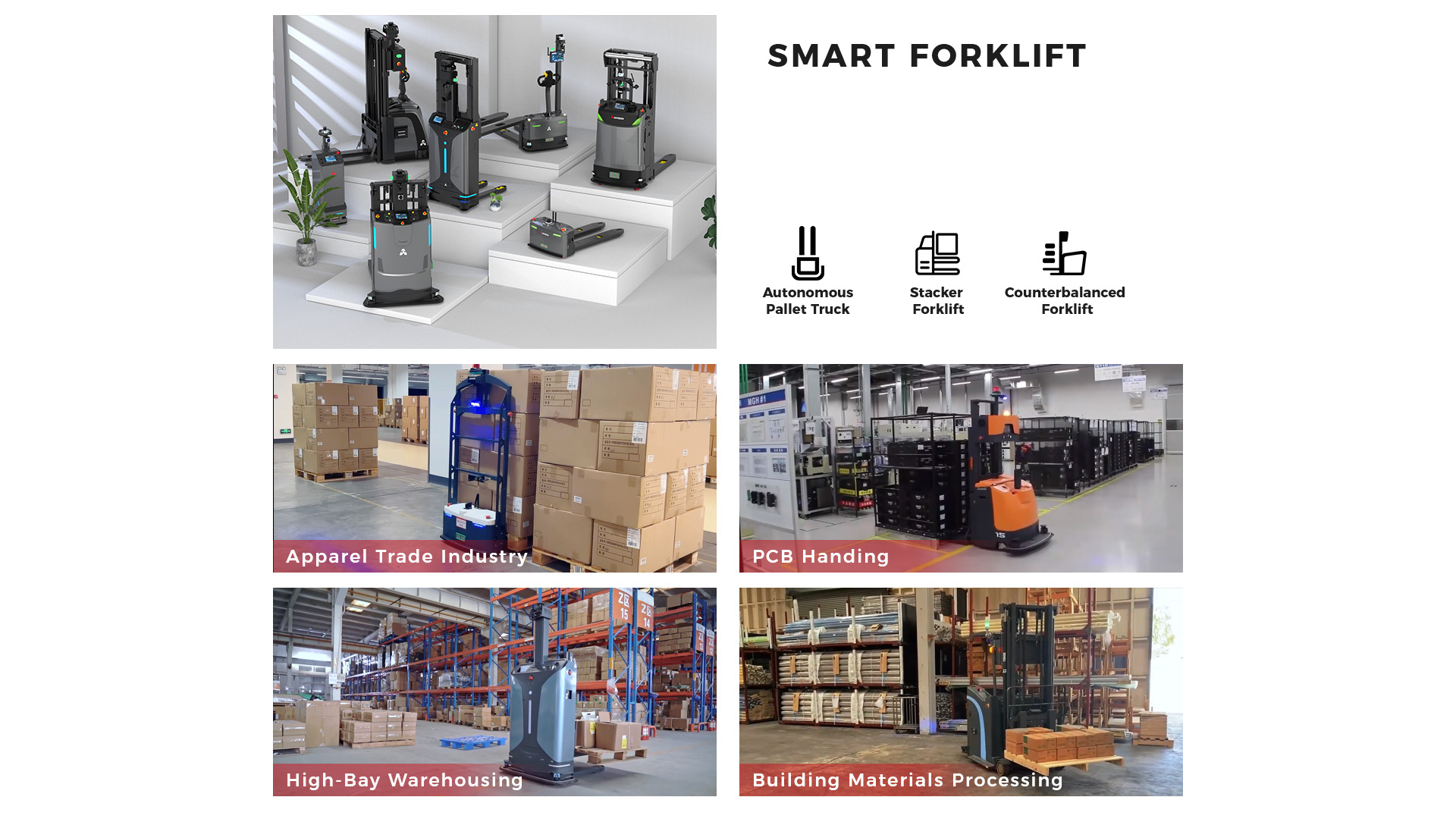
Shenzhen Marnix Intelligent Technology Co., Ltd. is a Shenzhen-based manufacturer of laser SLAM AMRs, jacking robots, smart forklifts, composite mobile robots, and intelligent charging docks. The company draws on about ten years of AGV engineering experience and serves both end users and system integrators.
Marnix products are engineered around real production lines rather than a single catalog model. Standard laser SLAM navigation reaches around ±5 mm without auxiliary tracks, reflectors, or floor QR codes. A QR scanning camera can raise docking accuracy to ±2 mm, while composite robots with a 6-axis arm are configured for high-precision synchronization and top-module integration. The portfolio covers jacking units, roller conveyors, forklift forks, and robotic arms, supported by an intelligent scheduling system over indoor Wi-Fi and compatible smart charging docks.
For buyers, the practical advantage is customization depth. Chassis, payload, and top mechanisms can be adapted to the process instead of forcing the process to accept a standard robot. This matters most for semiconductor, 3C electronics, lithium battery, photovoltaic, automotive parts, PCB, textile, and medical device projects where handover details determine success.

About Ten Years of AGV Engineering
Long-term experience in mobile robot development and manufacturing helps shorten requirement analysis, prototype review, and commissioning planning.
Precision Ladder: ±5 mm, ±2 mm, ±0.05 mm
Laser SLAM handles trackless transport. QR assistance supports high-precision docking. Composite configurations target arm-level repeatability for advanced production tasks.
Complete Product Portfolio
Jacking robots, pallet AMRs, smart forklifts, composite robots, and charging docks share a navigation and fleet-coordination foundation.
Manufacturer-Level Customization
Top modules such as roller conveyors, jacking units, forks, and arms can be engineered for project-specific equipment interfaces and integrator requirements.
Verified Credentials and Trade Records
Onsite assessment by TÜV Rheinland, supplier status to a Fortune 500 company, verified supplier profile, credit index, trade capacity, and transaction history provide external reference points for due diligence.
Global Deployment Experience
More than 200 manufacturers across three continents have deployed Marnix robots in warehouse, logistics, and production environments.


What to Prepare Before Contacting a Chinese Intralogistics Robot Manufacturer
Project speed improves when the technical basics are shared at the first contact. These six inputs determine most of the robot selection and deployment effort.
01. Load Profile
Provide maximum weight, rack or pallet footprint, center of gravity, and whether the load is lifted, towed, forked, or transferred by conveyor.
02. Site Layout
Share a CAD drawing or sketch with aisle widths, doors, slopes, elevators, charging locations, and areas where people and manual forklifts operate.
03. Throughput Target
Define missions per hour, operating shifts, peak periods, and desired response time. This directly affects fleet size and charging strategy.
04. Docking Precision
Identify where ±5 mm transport accuracy is enough and where ±2 mm QR-assisted docking or arm-level repeatability is required.
05. Wi-Fi and Scheduling
Confirm indoor Wi-Fi coverage and whether robots must share a fleet controller with other equipment or existing automation software.
06. Equipment Interfaces
List conveyors, machines, shelving, safety systems, or software the robot must hand over to, including required top modules and I/O signals.
Frequently Asked Questions About China Intralogistics Robot Procurement
These are the questions engineering and procurement teams typically ask before a factory visit, sample task, or formal quotation.
What navigation accuracy can Marnix AMRs achieve?
Using laser SLAM on natural features, Marnix AMRs reach around ±5 mm positioning without magnetic tape, reflectors, or floor QR codes. Adding a QR code scanning camera raises docking accuracy to ±2 mm, and composite robots with a 6-axis arm are configured for high-precision repeatability in advanced production tasks.
Do I need to modify my factory floor before deployment?
No. Standard laser SLAM maps the existing environment, so auxiliary tracks and floor QR codes are not required for general transport. QR labels are added only at stations where ±2 mm docking precision is necessary, which keeps infrastructure cost and layout disruption under control.
Can the robot be customized for my production line?
Yes. As a manufacturer, Marnix customizes chassis and top modules such as jacking units, roller conveyors, forklift forks, and 6-axis robotic arms. This allows the robot to connect directly with production equipment and to support system integrators building project-specific automation.
How are multiple robots coordinated in one facility?
Robots are managed by an intelligent scheduling system over indoor Wi-Fi. The fleet controller handles simultaneous task assignment, traffic control, and charging coordination with compatible intelligent charging docks, so mixed robot types can share a consistent operating logic.
Which industries are the best fit for these robots?
Typical deployments include semiconductor, 3C electronics, lithium battery, photovoltaic, automotive parts, PCB, textile, and medical device manufacturing. The common thread is repetitive material movement where precision, uptime, and integration with existing equipment matter.
How should I start a project evaluation?
Prepare the load profile, site layout, throughput target, docking precision, Wi-Fi coverage, and equipment interface requirements. Share these with the manufacturer’s engineering team so the first proposal is based on the real material flow rather than a generic catalog model. Use the Contact Us button on this page to begin.
Send Your Layout, Payload, and Throughput for an Engineering-Led Robot Recommendation
If you are comparing China top intralogistics robot manufacturers & manufacturer options, the most useful next step is a technical review of your site. Share your required load, docking precision, fleet size, and production-line interface, and Marnix engineers can recommend a suitable laser SLAM AMR, jacking robot, smart forklift, or composite mobile manipulator configuration.
Contact Us