Industrial Mobile Robots Selected for Real Material-Flow Scenarios
These eight platforms cover high-load pallet transfer, line-side logistics, lifting operations, precision docking and open-platform robotics. Every product URL from the original range is preserved so engineering teams can move directly from comparison to specification review.
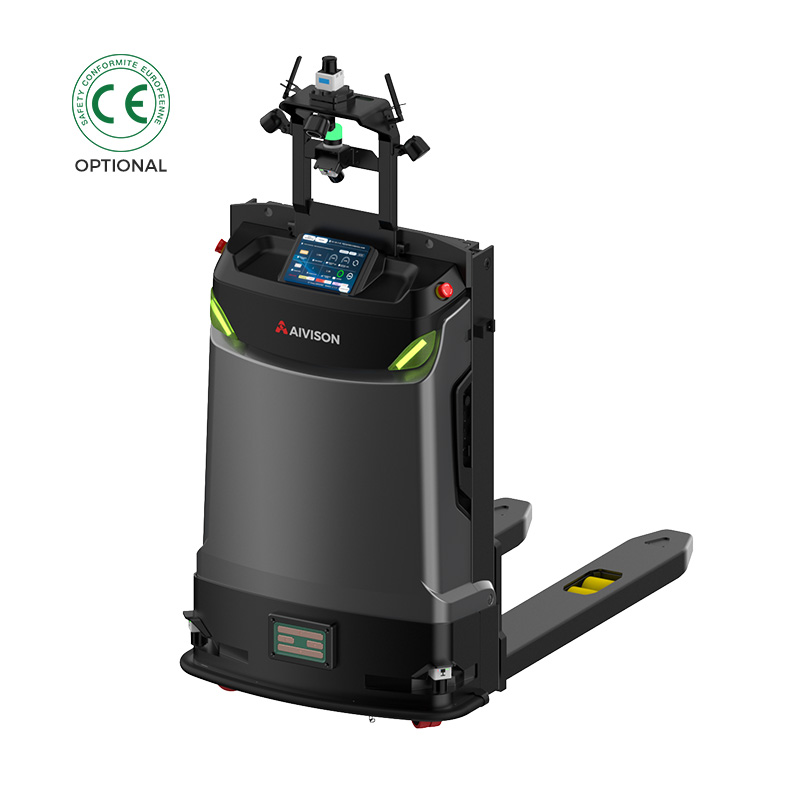
AGV AMR Warehouse Automatic Guided Vehicle 1500kg 2000kg AGV Robot Forklift
For warehouses moving racks and pallets at 1,500–2,000 kg with trackless SLAM navigation and mixed-traffic adaptability.
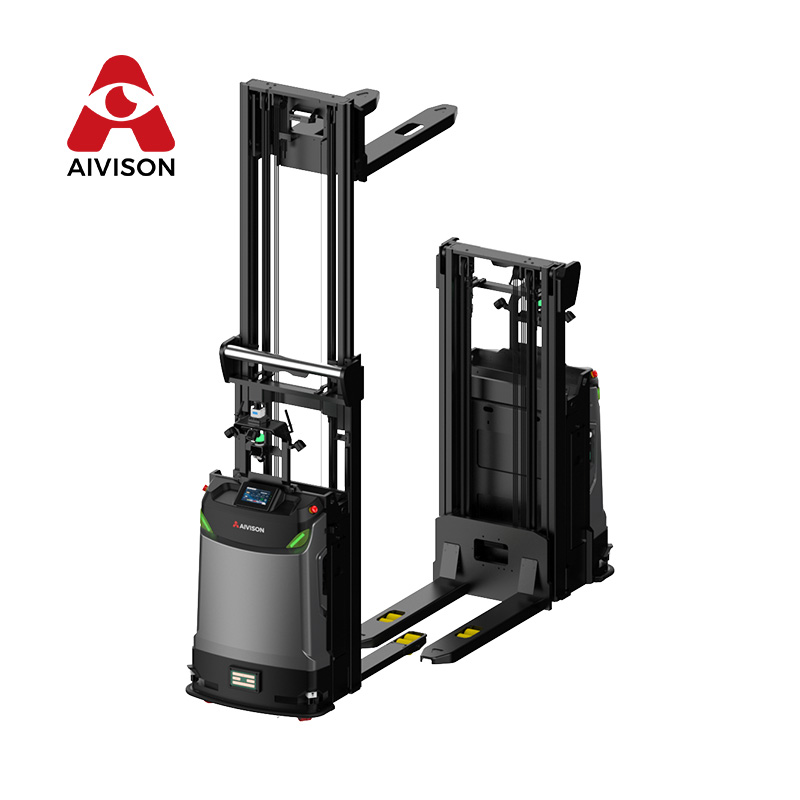
High Precision agv Forklift Full Servo Motor Controlled Laser Forklift with Heavy Load 2000kg
Full-servo laser forklift for precise heavy-load pick, transfer and put-away where control response and repeatability matter.

Humanoid Robot Chassis Dual 7-DOF Arms Laser SLAM Omnidirectional Navigation ROS2 Open Platform AMR
Open AMR platform with dual 7-DOF arms and ROS2 compatibility for research, flexible handling and composite automation.

Laser SLAM Navigation Automated Guided Vehicle Forklift agv 1500kg Load Capacity
SLAM-guided forklift with 1,500 kg load capacity for unmanned warehouse transport without magnetic tape or reflectors.
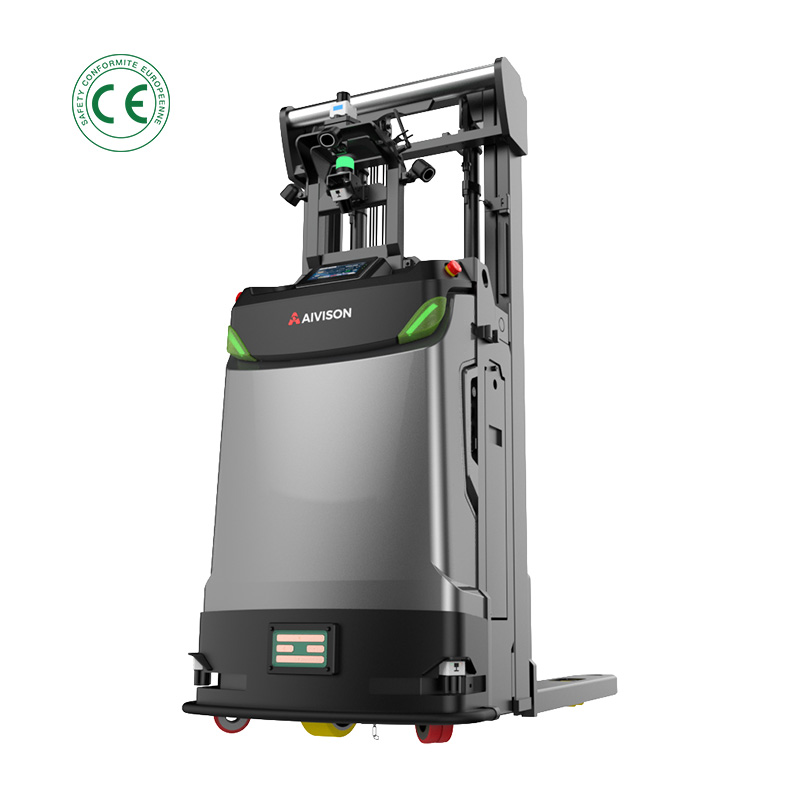
Smart Transport Robotic with Laser Navigation Reach 2000KG AGV Logistics Robots Warehouse Robot AMR
Laser-navigation reach AMR for 2,000 kg logistics tasks, designed for high-throughput warehouse flows and repetitive transfer.
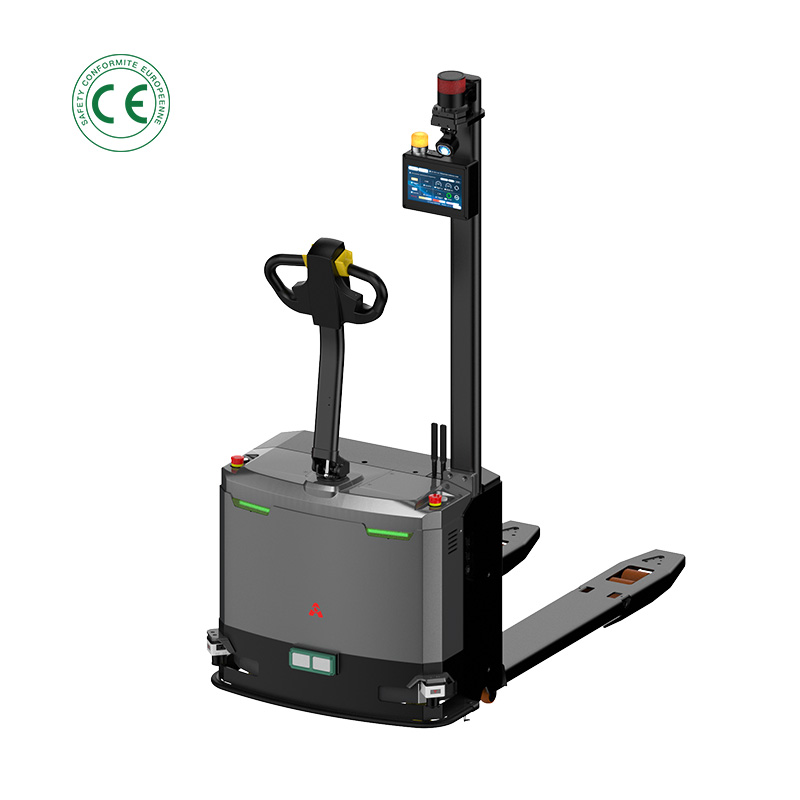
CE Certification Industrial AMR AGV Robot for Warehouse Automation Autonomous Material Handling Logistics
CE-certified industrial AMR/AGV option for warehouse automation, autonomous material handling and scalable fleet deployment.
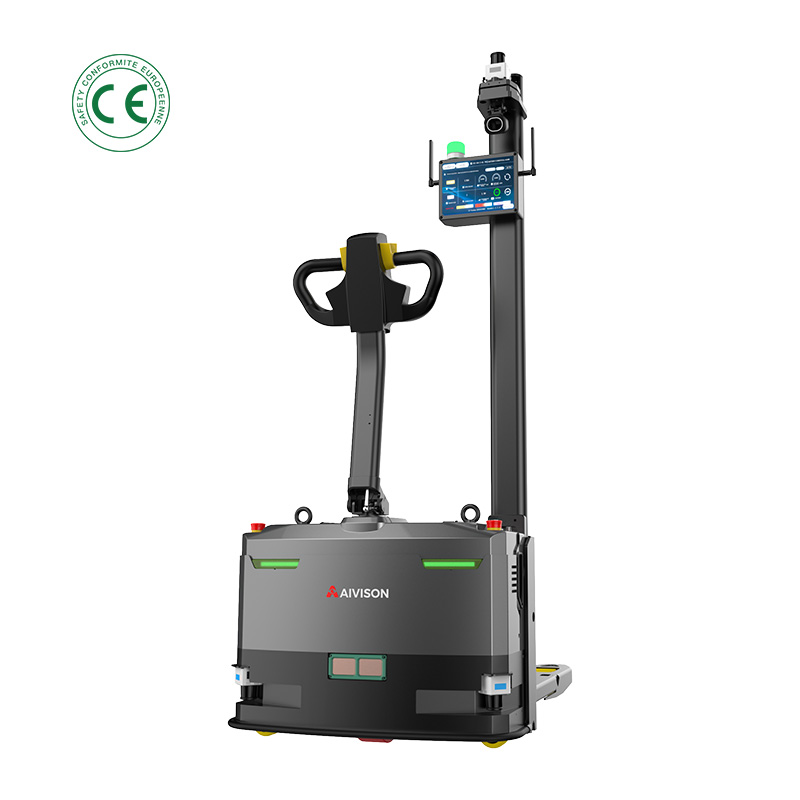
AIVISON CE Laser SLAM Navigation AGV 1500kg Warehouse Lifting Operations
CE laser SLAM lifting AGV for 1,500 kg warehouse lifting operations, line-side staging and repetitive material movement.
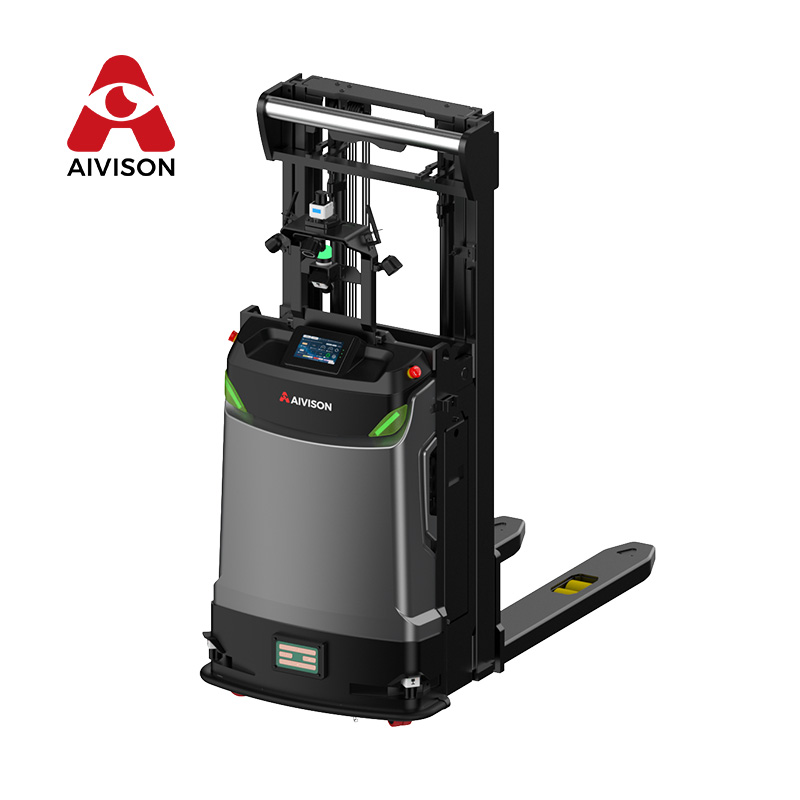
Heavy Load 2000KG Load Forklift Laser Guide AMR for Warehouse Pallet
Laser-guided pallet AMR forklift with 2,000 kg heavy-load handling for warehouse pallets and high-duty transfer cycles.
Why the “China Top Industrial Mobile Robot Supplier & Suppliers” Shortlist Needs a New Evaluation Standard
Industrial buyers no longer ask whether autonomous mobile robots can work in a factory. The sharper question is how quickly a supplier can prove application fit, navigation precision, integration depth and lifecycle support without forcing costly floor reconstruction. That shift has changed the way procurement teams compare a China industrial mobile robot supplier. Price remains relevant, but it is now weighed against commissioning speed, fleet software, spare-parts strategy, safety evidence and the supplier’s ability to customize the robot around an existing production line.
For a serious China Top Industrial Mobile Robot Supplier & Suppliers evaluation, the strongest proposals usually reveal four things early: a clear navigation architecture, a realistic payload and docking specification, evidence of quality control, and a practical path from a single robot to a coordinated fleet. Shenzhen Marnix Intelligent Technology Co., Ltd. addresses those points through approximately ten years of AGV engineering experience, a product range that includes laser SLAM AMRs, jacking robots, smart forklifts, composite mobile robots and intelligent charging docks, and a stated capability to customize chassis and top modules for end users and system integrators.
This page is structured as a compact buyer’s white paper rather than a simple product list. It explains where each robot type fits, which procurement trends are reshaping AMR projects, how product development is moving from “trackless navigation” to “modular automation,” and what information a buyer should prepare before requesting a quote. The goal is information gain: fewer vague claims, more decision-ready detail.
Supplier Snapshot
- Company: Shenzhen Marnix Intelligent Technology Co., Ltd.
- Location: Shenzhen, Guangdong, China
- Core range: Laser SLAM AMR, jacking robot, smart forklift, composite mobile robot, charging dock
- Navigation: ±5 mm laser SLAM; ±2 mm with QR-assisted docking; ±0.05 mm composite-robot repeatability
- Verification: TÜV Rheinland onsite supplier assessment; Fortune 500 supply record stated on the original site
- Reach: 200+ manufacturers across three continents
- Contact: info@marnixbot.com
Manufacturer-Level Advantages That Reduce AMR Project Risk
For buyers comparing industrial mobile robot suppliers, the most valuable advantages are the ones that shorten engineering review and reduce deployment uncertainty.
Ten Years of AGV Engineering, Manufacturer Direct
Marnix draws on about ten years of AGV manufacturing experience in Shenzhen. Direct engineering access helps buyers discuss payload, chassis layout, top modules and fleet behavior before a standard catalog model is forced into an unsuitable process.
Precision Without Forced Floor Rework
Laser SLAM on natural features supports ±5 mm positioning without magnetic tape, reflectors or floor QR codes. Where a station needs tighter handover, a QR scanning camera raises accuracy to ±2 mm, so precision is applied only where it creates value.
Custom Top Modules for Integrators
Manufacturer-level customization covers jacking units, roller conveyors, forklift forks and 6-axis robotic arms. This matters to system integrators that need a mobile platform to connect directly with conveyors, machines, shelving or production equipment.
Fleet Scheduling and Auto Charging
An intelligent scheduling system coordinates robots over indoor Wi-Fi for simultaneous task assignment, traffic control and automatic charging with compatible smart docks. This supports the step from a single pilot robot to a coordinated material-flow system.
Verification Beyond a Product Brochure
The original site states an onsite supplier assessment by TÜV Rheinland, a Fortune 500 supply record and a multi-stage quality protocol with operational stress tests. For procurement teams, third-party verification and traceable trade history reduce supplier-risk review time.
Application Experience Across Eight Industries
Marnix robots are positioned for semiconductor, 3C electronics, lithium battery, photovoltaic, automotive parts, PCB, textile and medical device environments. That breadth helps buyers benchmark similar handling tasks, traffic conditions and precision requirements.
Which Industrial Mobile Robot Should You Shortlist?
A logical AMR shortlist starts with the material-flow problem, not the robot name. Use the three procurement paths below to narrow the eight-product range.
Pallet, Rack and Forklift Automation
Shortlist the 1500kg–2000kg warehouse AGV/AMR forklift, the full-servo 2000kg laser forklift and the heavy-load 2000kg pallet AMR forklift. This path suits receiving, put-away, transfer and pallet handling where load stability, floor traffic and fork-entry reliability drive success.
Warehouse and Production-Line Transfer
Compare the 1500kg laser SLAM AGV forklift, the 2000kg laser-navigation reach AMR and the CE-certified industrial AMR/AGV. These are relevant when the project needs repeatable delivery, mixed human and vehicle traffic, and a practical upgrade path to coordinated fleet scheduling.
Lifting, Docking and Composite Automation
Review the AIVISON CE 1500kg laser SLAM lifting AGV and the dual 7-DOF arm ROS2 open-platform AMR. Where the robot must hand over to equipment, combine a proven SLAM chassis with QR-assisted docking, roller conveyors, jacking units or a 6-axis arm.
Industrial Mobile Robot Procurement Trends Buyers Should Plan For
The next procurement cycle will favor suppliers who can prove total operating value, not only a robot’s headline payload or navigation accuracy.
Total Cost of Ownership Replaces Sticker Price
Procurement teams now model charging ratio, uptime, spare-parts consumption, map maintenance and service response alongside purchase cost. A lower-priced robot with weak fleet software can become the more expensive project after commissioning.
Modularity Becomes a Contract Requirement
Buyers increasingly ask whether the same chassis can accept jacking, roller, fork or arm modules. Modularity protects the investment when production changes and reduces the need to re-engineer the entire automation project.
Mixed-Fleet Orchestration Moves to the Center
Single-robot pilots are giving way to coordinated fleets. Suppliers must explain how tasks are assigned, how traffic is controlled over Wi-Fi, how charging is scheduled and how different robot types share the same operating area.
Precision Is Tiered, Not Overspecified
±5 mm laser SLAM is sufficient for many transfer routes, while ±2 mm QR-assisted docking is reserved for precision stations and ±0.05 mm composite-robot repeatability is used only in demanding assembly. Tiering precision controls cost and floor complexity.
Verification Evidence Speeds Supplier Approval
TÜV Rheinland onsite assessment, credit records, trade history and quality inspection data help buyers compare suppliers on reliability. Evidence of quality systems can be as important as a product demonstration.
Service Coverage and Lead Time Are Scored
Global service access, technical documentation, spare-parts planning and remote support influence the final supplier score. For integrators, fast engineering communication often matters more than a very broad but poorly supported catalog.
Indicative Evaluation Weighting for an AMR Supplier Scorecard
This is a practical procurement model for comparing industrial mobile robot suppliers; adjust weights to reflect line criticality, payload risk and integration scope.
Where Industrial AMR and AGV Technology Is Moving Next
The industrial mobile robot is becoming a modular automation platform: navigation, safety, scheduling and top-module engineering are converging.
SLAM Plus Vision Fusion
Laser SLAM remains the backbone for trackless navigation, but vision fusion is increasingly used for pallet recognition, obstacle classification and station-level docking confidence.
Composite Mobile Robots
AMR mobility is being combined with 6-axis arms, roller conveyors and other upper-level mechanisms. Multi-layer synchronization protocols can deliver ±0.05 mm repeatability for semiconductor and medical device production.
Fleet Software as a Differentiator
Hardware specifications are easier to compare than scheduling logic. Buyers should ask for task assignment rules, traffic-control behavior, charging strategy and expansion limits before selecting a fleet platform.
Charging Strategy and 24/7 Duty
Opportunity charging, compatible smart docks and battery behavior directly influence fleet availability. Procurement should model charging time against shift patterns instead of treating the dock as an accessory.
Open Platforms and ROS2 Readiness
Universities, research teams and integrators increasingly value open platforms. ROS2 availability, sensor access and documentation quality help teams build custom applications without reverse-engineering the robot.
Modular Top Mechanisms
Jacking units, roller conveyors, forks and arms turn a mobile chassis into a task-specific machine. This reduces integration risk because the supplier can test mobility and load-handling behavior together.
Where ±5 mm, ±2 mm and ±0.05 mm Fit
Matching navigation accuracy to the task is one of the most effective ways to control project cost. This table summarizes the configurations described in the original Marnix material.
| Configuration | Accuracy | Floor Setup | Best-Fit Tasks | Procurement Note |
|---|---|---|---|---|
| Laser SLAM on natural features | ±5 mm | No tape, reflectors or floor QR codes | Warehouse transfer, line-side delivery, layout changes | Lowest infrastructure burden; ideal first pilot |
| SLAM plus QR code camera | ±2 mm | QR labels only at precision stations | High-shelf storage, precision docking, wafer handling | Adds precision where the process actually needs it |
| Composite robot with 6-axis arm | ±0.05 mm | Station calibration | Semiconductor and medical device assembly | Use for high-value handover and assembly tasks |
Industrial Robot Applications Across Eight Core Environments
Different industries impose different constraints: cleanroom discipline, high-shelf precision, heavy pallet traffic, long shifts or line-side handover. A supplier with cross-industry experience can benchmark risk earlier.

Semiconductor
Cleanroom-compatible AMR projects where navigation stability, traceability and precise handover matter.
3C Electronics
Line-side material delivery, fixture transport and repetitive transfer in space-constrained production areas.
Lithium Battery
Jacking and transfer robots for rack movement, staging and production-line logistics.
Photovoltaic
Module and pallet movement where stable throughput and safe traffic behavior are prioritized.
Automotive Parts
Pallet handling, warehouse transfer and sequenced delivery for high-duty parts logistics.
PCB
Roller-conveyor top modules and line-side handover for automated board movement.
Textile
Warehouse transport and repetitive material movement across long aisles and multi-shift operations.
Medical Devices
Composite robot applications where high repeatability and controlled handover support assembly quality.
Quality, Verification and Supply-Chain Confidence
In AMR procurement, reliability is not a single specification. It is a chain of design validation, assembly control, testing, documentation and service response.

Manufacturing and assembly capability supports chassis customization, top-module integration and project-specific engineering.

Multi-stage intelligent inspections and operational stress tests are positioned to reduce commissioning surprises.
TÜV Rheinland Onsite Assessment
The original supplier profile cites an onsite supplier assessment by TÜV Rheinland, helping buyers validate company premises and operations.
Fortune 500 Supply Record
A stated procurement relationship with a Fortune 500 company provides additional context for procurement due diligence.
Multi-Stage Quality Protocol
Intelligent inspections and thousands of operational stress tests target near-zero failure rates before shipment.
200+ Manufacturers, Three Continents
Cross-regional deployments give engineering teams a broader base for application benchmarking and service planning.
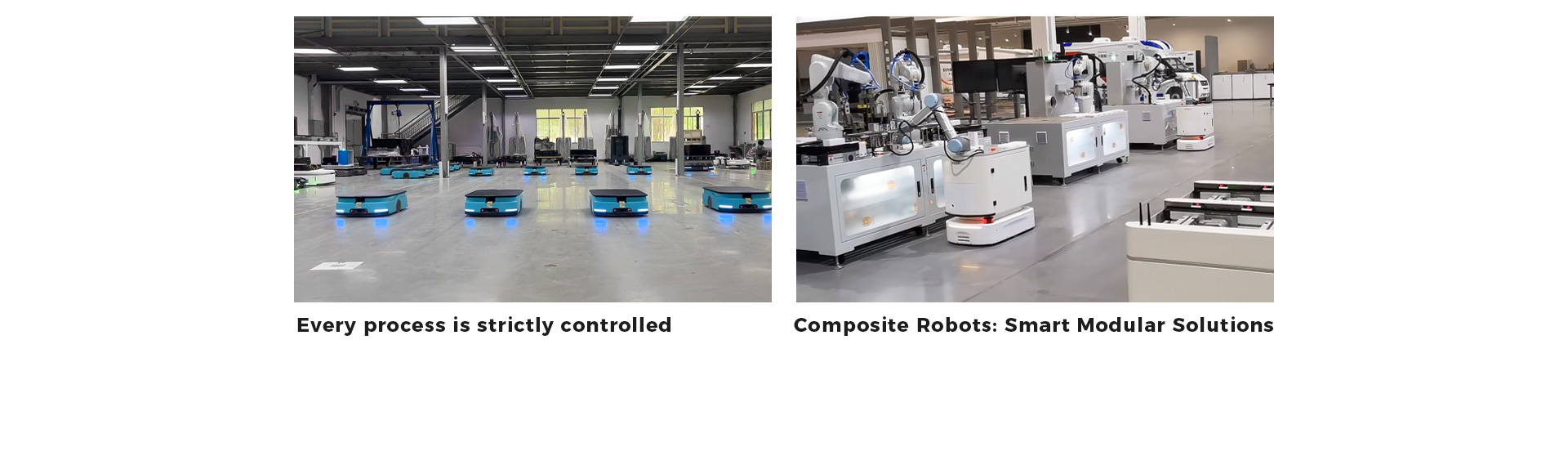
Composite mobile robots combine autonomous mobility with modular top mechanisms for demanding production handover.
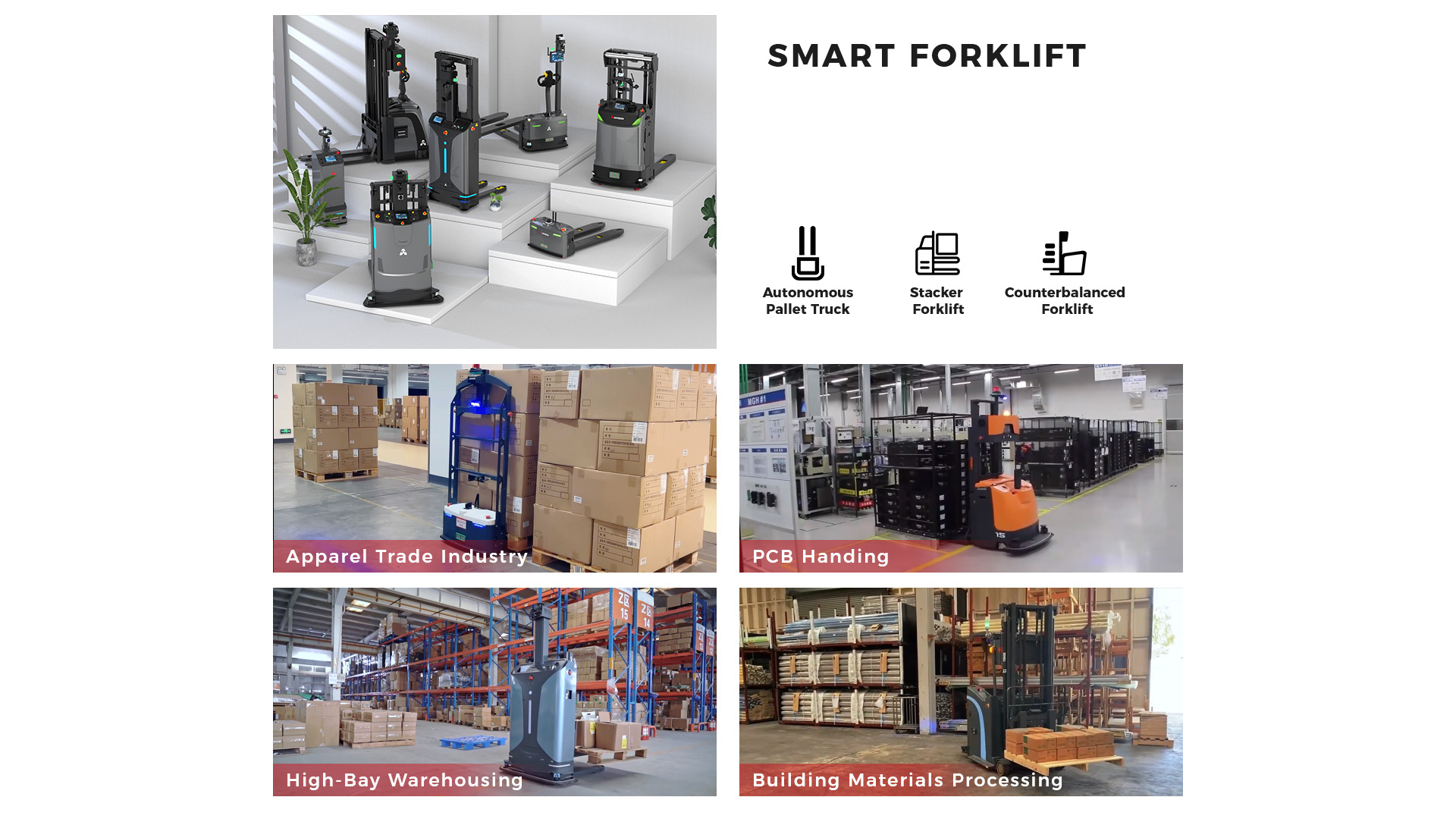
Smart forklifts and AMRs can be coordinated to support production-line material flow and warehouse transfer.
What to Prepare Before Requesting an AMR Proposal
A well-prepared inquiry shortens evaluation from weeks to days. These six inputs determine most robot selection and fleet-sizing decisions.
Load Profile
Maximum weight, footprint and center of gravity of racks, pallets or carriers. Include maximum dimensions and any overhang.
Site Layout
CAD drawing or sketch with aisle widths, doors, slopes, elevator or lift points, and any mixed pedestrian traffic zones.
Throughput Target
Missions per hour, peak periods and shift pattern. These inputs set fleet size, charging ratio and dock count.
Docking Precision
Identify where ±5 mm is sufficient and where ±2 mm QR assist or arm-level ±0.05 mm repeatability is required.
Wi-Fi and Software
Existing access points, coverage quality and IT requirements for fleet scheduling, task dispatch and system integration.
Equipment Interfaces
Conveyors, machines, shelving and handover points, plus any top-module needs such as rollers, forks or arms.
Industrial Mobile Robot Supplier FAQ
Straight answers to the questions most often raised during AMR supplier evaluation and project scoping.
What navigation accuracy do Marnix AMRs achieve?
Using laser SLAM on natural features, Marnix AMRs reach ±5 mm positioning without magnetic tape, reflectors or floor QR codes. Adding a QR code scanning camera raises accuracy to ±2 mm, and composite robots with a 6-axis arm reach ±0.05 mm repeatability.
Do I need to modify my factory floor?
No. Standard laser SLAM navigation maps the existing environment, so auxiliary tracks and floor QR codes are not required. QR labels are added only at stations where ±2 mm docking precision is needed.
Can robots be customized for my production line?
Yes. As a manufacturer, Marnix customizes chassis and top modules such as jacking units, roller conveyors, forklift forks and 6-axis robotic arms to connect directly with production equipment.
How are multiple robots coordinated?
An intelligent scheduling system manages robots over indoor Wi-Fi, enabling simultaneous task assignment, traffic control and automatic charging with compatible smart charging docks.
Which industries use these industrial mobile robots?
Semiconductors, 3C electronics, lithium batteries, photovoltaics, automotive parts, PCB, textiles and medical devices. Marnix serves both end users and system integrators.
How do I start a project evaluation?
Send the load profile, layout, throughput target and docking precision requirements to info@marnixbot.com, or request the current catalog through the inquiry button on this page. Our team can then recommend a robot configuration and next-step review.
Request the Latest Industrial Mobile Robot Catalog
Share your payload, layout, throughput and docking precision requirements. Our engineering team can recommend a laser SLAM AMR, jacking robot, smart forklift or custom composite platform for your project.
Project evaluation contact: info@marnixbot.com