China Top Autonomous Robot Exporters & Wholesalers
An evidence-led sourcing guide to laser SLAM AMRs, jacking robots, smart forklifts and composite mobile robots from Shenzhen manufacturing clusters—written for wholesalers, system integrators and factory procurement teams.
Eight Autonomous Robot Products Recommended for Wholesale Buyers
These platforms cover material handling, jacking, heavy-duty forklift automation, warehouse stacking, lidar sourcing and humanoid composite robotics. Every product URL below is preserved for direct review.
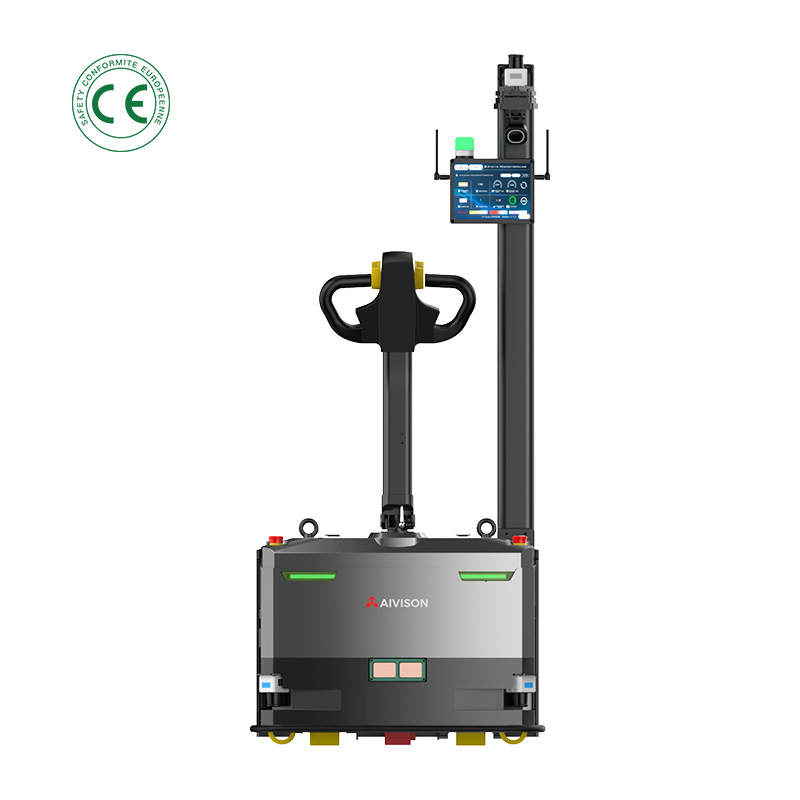
Autonomous Mobile Robot AGV CE Laser SLAM Navigation for Material Handling and Logistics
A general-purpose export platform for trackless material handling. Natural-feature laser SLAM maps the existing site, while fleet software coordinates multi-robot dispatch.

Hot Selling Logistics Navigation Detector Sensor Lidar Manufacturers Direct Sales
Lidar and navigation detector sourcing for wholesalers, integrators and robot builders. Direct-from-manufacturer supply supports repeat orders, spare parts planning and custom projects.
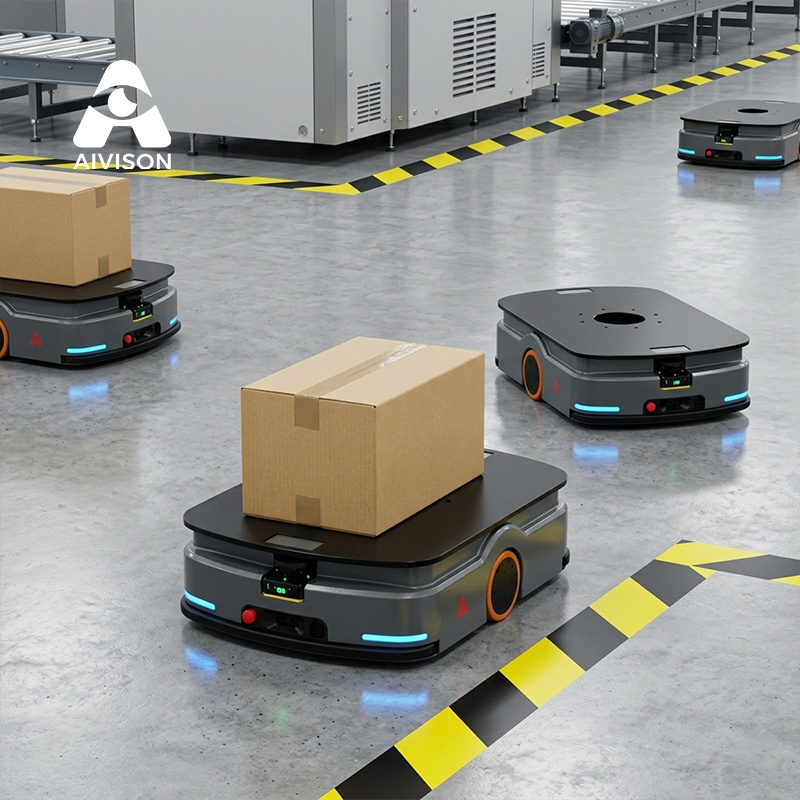
Autonomous Mobile AMR Robot 300kg Payload Laser Guided AGV for Carry Goods in Factory
A compact laser-guided AMR for light pallets, line-side replenishment and narrow aisles where full-size forklifts are inefficient or unsafe.
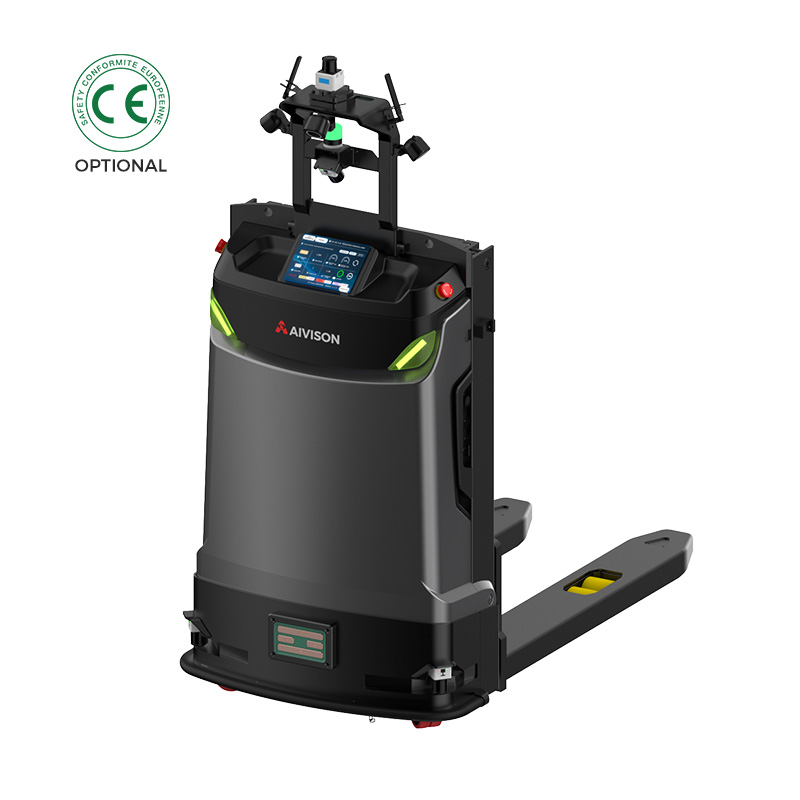
China Factory Automated Mobile Robot SLAM Lifting Wholesale AGV Chassis Vehicle
An OEM-friendly lifting AGV chassis for integrators. Keep the proven SLAM drive platform and customize the top module around your rack, shelf or production interface.
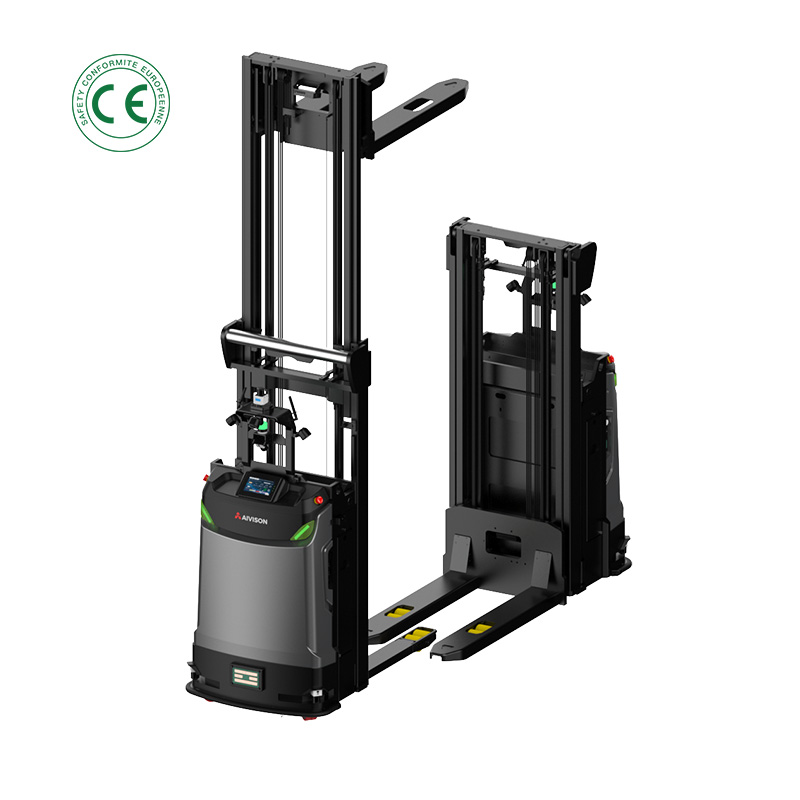
Factory AMR Robot AGV Robot Laser 2000kg Forklift AGV for Industrial Material Handling
A heavy-payload laser forklift AGV for industrial material handling. Designed for repetitive pallet movement, automatic fork entry and safe operation in mixed traffic.
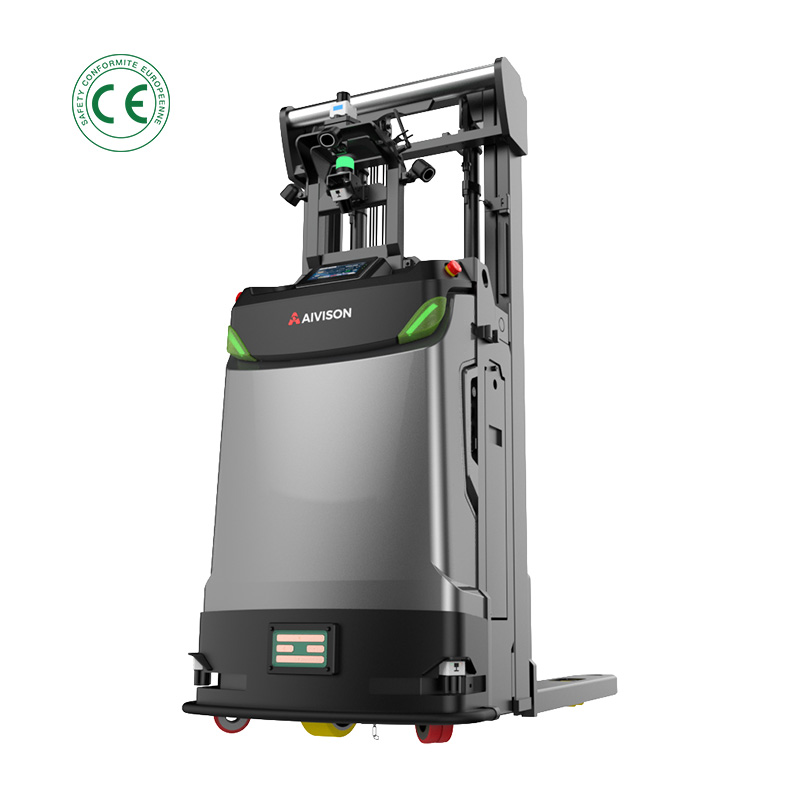
Smart Transport Robotic with Laser Navigation Reach 2000KG AGV Logistics Robots Warehouse Robot AMR
A laser-navigation reach platform for warehouse logistics. Supports pallet transfer, high-throughput handling and dynamic avoidance in shared human-robot zones.

Omnidirectional Humanoid Robot Chassis Dual 7-DOF Arms Laser SLAM Autonomous Warehouse AMR Mobile Platform
An advanced composite platform combining omnidirectional mobility with dual 7-DOF arms. Suitable for flexible automation, machine tending, research and precision assembly projects.
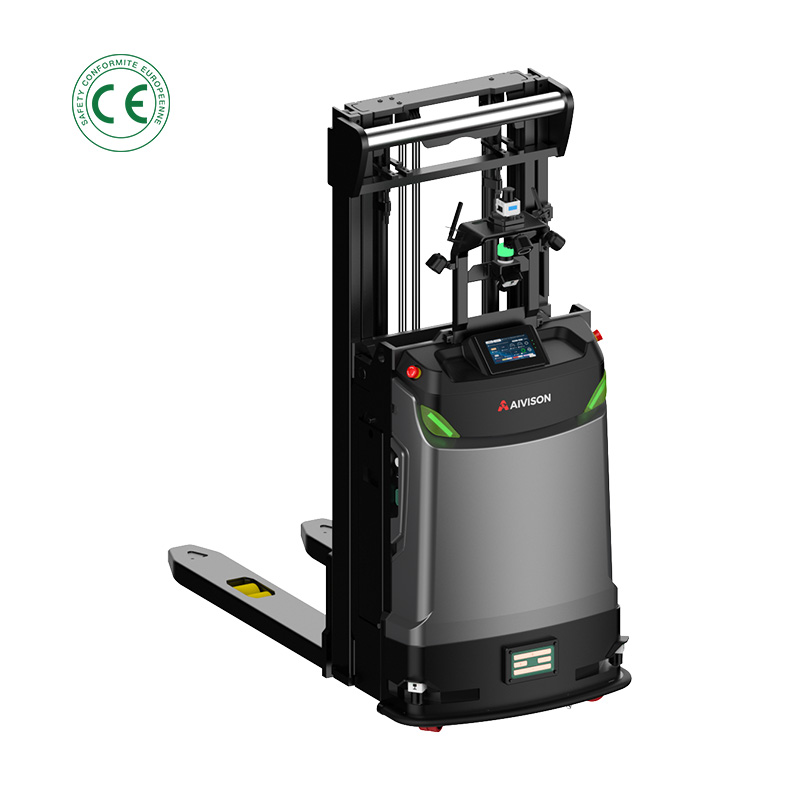
Warehouse Robot Robotics 2000KG CE Warehousing Automatic Forklift Stacking AGV
A CE warehousing automatic forklift AGV for stacking and repetitive pallet handling. Built for throughput stability, fleet scheduling and reduced dependence on manual forklifts.
How to Compare China Autonomous Robot Exporters & Wholesalers
The search intent behind “China top autonomous robot exporters & wholesalers” is not a simple supplier list. Most buyers need proof of manufacturing depth, export readiness, customization capability and after-sales reliability.
China remains the world’s most concentrated supply base for autonomous mobile robots because the country combines lidar supply, chassis fabrication, battery systems, motion control, fleet software and fast factory access within a compact industrial network. For export buyers, however, the category is uneven. A trading company can quote a robot; only a manufacturer with field data can support custom top modules, floor-free deployment, fleet scheduling and spare-parts continuity across multiple sites.
The strongest evaluation model is to separate the robot into four layers: navigation, drive chassis, payload interface and service. Navigation determines whether the site needs magnetic tape, reflectors or QR labels. The chassis determines payload, aisle width and safety. The payload interface—jacking, rollers, forks or robotic arms—decides whether the robot can connect directly to production equipment. Service determines whether a wholesale order becomes an operational asset or a maintenance burden.
Shenzhen Marnix Intelligent Technology Co., Ltd. is a useful benchmark for this evaluation. The company draws on about ten years of AGV engineering experience, builds laser SLAM AMRs, jacking robots, smart forklifts and charging docks, and supplies both end users and system integrators. Its published positioning emphasizes ±5 mm laser SLAM accuracy without auxiliary tracks, ±2 mm with QR assist, and ±0.05 mm repeatability for composite robots with a 6-axis arm.
For wholesalers, the practical question is not “Who has the lowest unit price?” It is “Who can deliver a repeatable platform, documented testing, customization discipline and responsive support after the container leaves China?” That is where information gain matters: verified factory evidence, application-specific references and a clear engineering handover process reduce procurement risk far more than a generic catalog claim.
Exporter vs. Trader
Ask for factory verification, engineering ownership, test records, export documentation and a named project contact. A verified exporter should explain how the robot will be integrated, not only quote a specification sheet.
Wholesaler Economics
Evaluate total fleet cost: charging docks, spare parts, Wi-Fi coverage, commissioning, software updates and uptime. A shared SLAM core with swappable top modules simplifies mixed-fleet procurement and inventory planning.
Integrator Fit
System integrators need CAD files, interface definitions, I/O behavior, safety logic and commissioning support. The best China robot wholesaler acts as an engineering partner, not a blind drop-shipper.
Product Procurement Trends: What Wholesale Buyers Are Changing
Buyers of autonomous robots are moving from one-off equipment purchases toward fleet-level sourcing. The winning suppliers will be those who can document reliability, support modular expansion and localize service.
Fleet TCO Over Unit Price
Wholesalers now compare charging dock count, energy consumption, spare-parts kits, uptime and software support alongside the robot price. Fleet economics beat catalog discounts.
Buyer priority signalModular Mixed Fleets
One proven SLAM chassis with jacking, roller, fork or arm modules reduces engineering risk and lets wholesalers serve multiple industries without maintaining unrelated platforms.
Buyer priority signalVerified Compliance
CE-related documentation, third-party onsite assessment, test reports and traceability are becoming standard procurement requirements for enterprise and Fortune 500 buyers.
Buyer priority signalLocalized After-Sales
Overseas warehouses, integrators and distributors expect spare-parts planning, remote diagnostics and commissioning guidance—not just a machine shipped from Shenzhen.
Buyer priority signalProduct Development Trends: Where Autonomous Robots Are Moving Next
The next buying cycle will reward robots that reduce floor infrastructure, connect with production equipment and coordinate as fleets—not isolated machines.
Natural-Feature SLAM + QR Assist
Laser SLAM handles most travel without tape or reflectors. QR labels are added only where ±2 mm docking is needed, avoiding full-floor rework while protecting precision stations.
Composite Robots & Arms
AMR mobility plus 6-axis arms, roller conveyors and machine interfaces enables true production-line automation. These systems can reach ±0.05 mm repeatability in calibrated stations.
Fleet Intelligence
Indoor Wi-Fi scheduling, traffic control, task assignment and automatic charging are becoming must-have capabilities. A mixed fleet should coordinate from day one on a shared control layer.
Energy Autonomy
Intelligent charging docks and opportunity charging support 24/7 duty cycles. Buyers should size docks by peak throughput, not by average shift demand, to prevent hidden waiting time.
Match Navigation Precision to the Station, Not the Whole Factory
Over-specifying precision adds cost without improving throughput. Use a tiered strategy: natural-feature SLAM for travel, QR assist for high-precision docking, and composite arms only where process handover truly requires sub-millimeter repeatability.
Why Shenzhen Marnix Is a Verified China Robot Manufacturer
For export buyers, Marnix combines AGV engineering tenure, manufacturer-level customization and independently assessed supplier credentials.

Shenzhen Marnix Intelligent Technology Co., Ltd. is a Shenzhen-based manufacturer with about ten years of AGV engineering experience. Its portfolio includes laser SLAM autonomous mobile robots, jacking robots, smart forklifts, pallet AMRs, composite mobile robots and intelligent charging docks. The company serves both end users and system integrators across semiconductors, 3C electronics, lithium batteries, photovoltaics, automotive parts, PCB, textiles and medical devices.
What makes Marnix relevant to China top autonomous robot exporters & wholesalers is not only product breadth. The company has been assessed onsite by TÜV Rheinland, is described as a supplier to a Fortune 500 company and reports more than 200 manufacturers served across three continents. For wholesale buyers, these signals reduce supplier risk before the first purchase order.
Manufacturer, Not a Catalog Trader
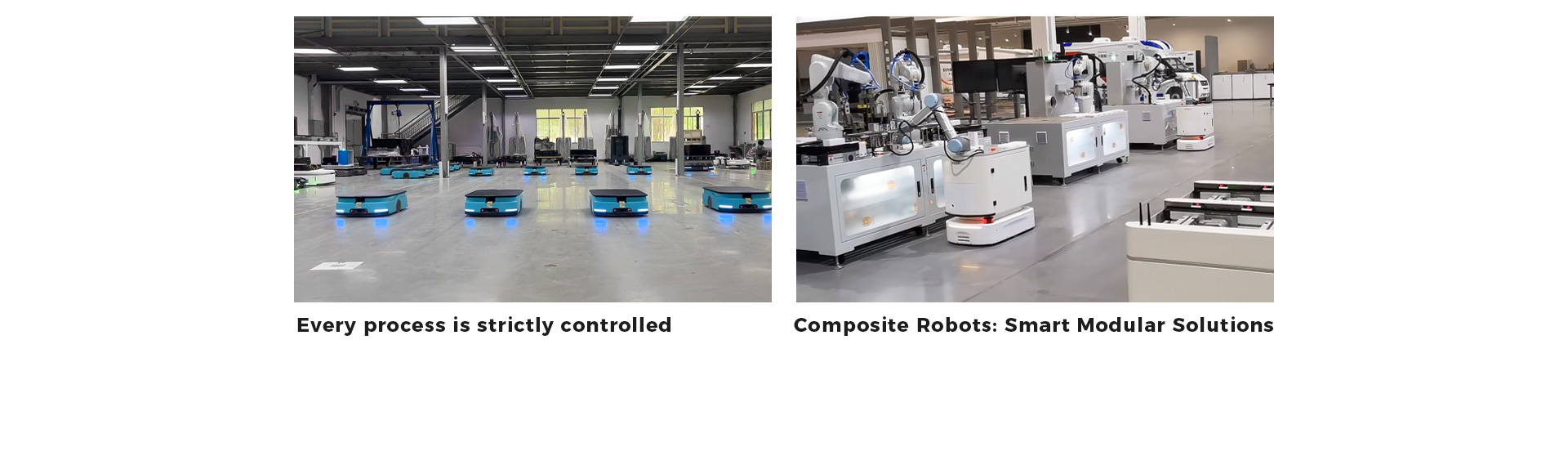
Engineering, assembly, testing and customization are handled around real production requirements, including OEM/ODM support for integrators.
Precision Without Floor Rework
Laser SLAM reaches ±5 mm without auxiliary tracks; QR assist upgrades docking to ±2 mm only where the process demands it.
Custom Top Modules
Jacking units, roller conveyors, forklift forks and 6-axis robotic arms connect robots directly to production equipment.
Verified Export Trust
TÜV Rheinland onsite assessment, Fortune 500 supply background, credit history and trade records support enterprise procurement.



What to Prepare Before You Request an Autonomous Robot Quote
From Marnix project experience, six inputs determine most of the robot selection. Sharing them upfront shortens evaluation from weeks to days.
Weight, Footprint, Center of Gravity
Provide the maximum weight and dimensions of racks, pallets or carriers, plus any unstable or overhanging loads.
Aisles, Doors, Slopes, Lifts
Share a CAD drawing or sketch showing aisle widths, door clearances, floor quality, ramp gradients and elevator or lift transfer points.
Missions per Hour and Peak Demand
Average and peak throughput determine fleet size, charging dock count and whether opportunity charging is required.
Where ±5 mm Is Enough
Identify stations that truly need ±2 mm QR assist or arm-level precision. Avoid adding floor infrastructure across the entire route.
Fleet Scheduling Dependability
Map access points and signal quality across the robot operating area. Weak coverage can undermine multi-robot dispatch and traffic control.
Conveyors, Machines, Shelving
List every handover point and specify whether the robot needs rollers, forks, a jacking unit or a robotic arm.
Frequently Asked Questions About China Autonomous Robot Wholesale
Direct answers for wholesalers, integrators and factory buyers comparing autonomous robot exporters in China.
What should I verify before choosing a China autonomous robot exporter?
Verify factory status, engineering ownership, testing records, export documentation, spare-parts support and third-party assessments. A credible exporter should explain navigation accuracy, floor requirements, fleet scheduling, charging strategy and commissioning responsibilities in writing.
What is the difference between an autonomous robot exporter and a wholesaler?
An exporter manufactures or sources robots for cross-border delivery and handles documentation and logistics. A wholesaler focuses on resale, batch pricing and inventory. The strongest partners combine both roles with engineering support, customization and after-sales continuity.
How accurate are laser SLAM AMRs without QR codes?
Marnix laser SLAM AMRs reach approximately ±5 mm positioning using natural site features, without magnetic tape, reflectors or floor QR codes. Adding a QR scanning camera at selected stations raises docking accuracy to approximately ±2 mm.
Do I need to modify my factory floor before deployment?
No for standard laser SLAM navigation. The robot maps existing features and routes. QR labels are only added at stations where ±2 mm docking precision is required, so most aisles and travel paths require no floor rework.
Can robots be customized for OEM/ODM and system integrator projects?
Yes. Manufacturer-level customization includes chassis configuration, payload capacity and top modules such as jacking units, roller conveyors, forklift forks and 6-axis robotic arms. This allows direct connection with production equipment and third-party automation systems.
How are multiple robots coordinated and charged?
An intelligent scheduling system manages the fleet over indoor Wi-Fi, handling simultaneous task assignment, traffic control and automatic charging. Compatible smart charging docks support continuous 24/7 duty when dock quantity is sized correctly for peak throughput.
Which industries are most suitable for these autonomous robots?
Common deployments include semiconductors, 3C electronics, lithium batteries, photovoltaics, automotive parts, PCB, textiles and medical devices. Applications range from warehouse transfer and high-shelf logistics to production-line material flow and precision assembly support.
How do I start a project evaluation with Marnix?
Prepare your load profile, site layout, throughput target, docking precision and equipment interface list. Then send an inquiry through the button on this page or email info@marnixbot.com. The engineering team can recommend a robot configuration and fleet plan based on those inputs.
Request a Factory-Ready Autonomous Robot Configuration
Share your payload, route, throughput and precision requirements. Our team will review the right AMR, jacking robot, smart forklift or composite platform for your market and application.