China Top Autonomous Mobile Robot Manufacturers & Wholesaler
A buyer-focused, engineering-backed guide to laser SLAM AMRs, jacking robots, smart forklifts, composite mobile robots, and intelligent charging docks for wholesale programs, OEM projects, and system integrators.
8 Autonomous Mobile Robot Products for Wholesale and Integration
The platforms below share a laser SLAM navigation core, scheduling logic, and charging ecosystem. Buyers can compare payloads, form factors, floor interaction, and precision options without changing the software stack.
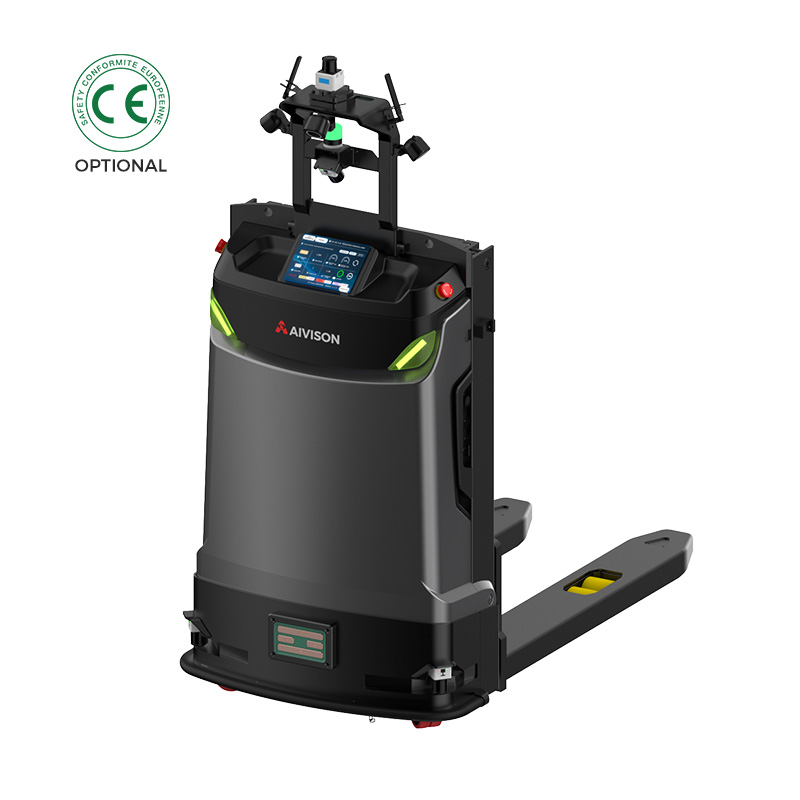
A CE-certified industrial AMR/AGV platform for autonomous warehouse transfer, material handling, and logistics flow. Configure rollers, lifting units, or custom interfaces for line-side supply.
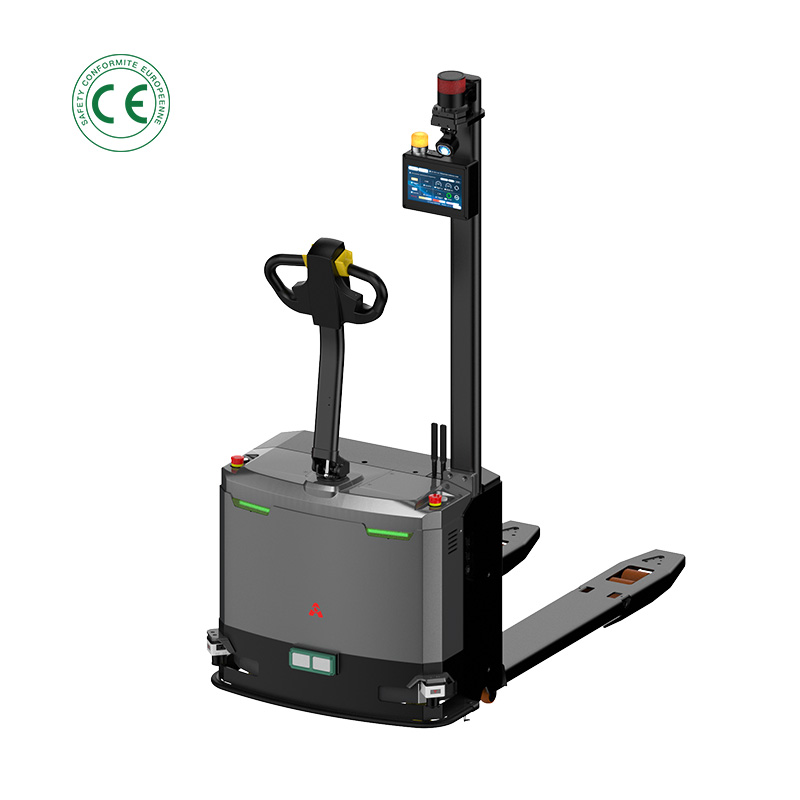
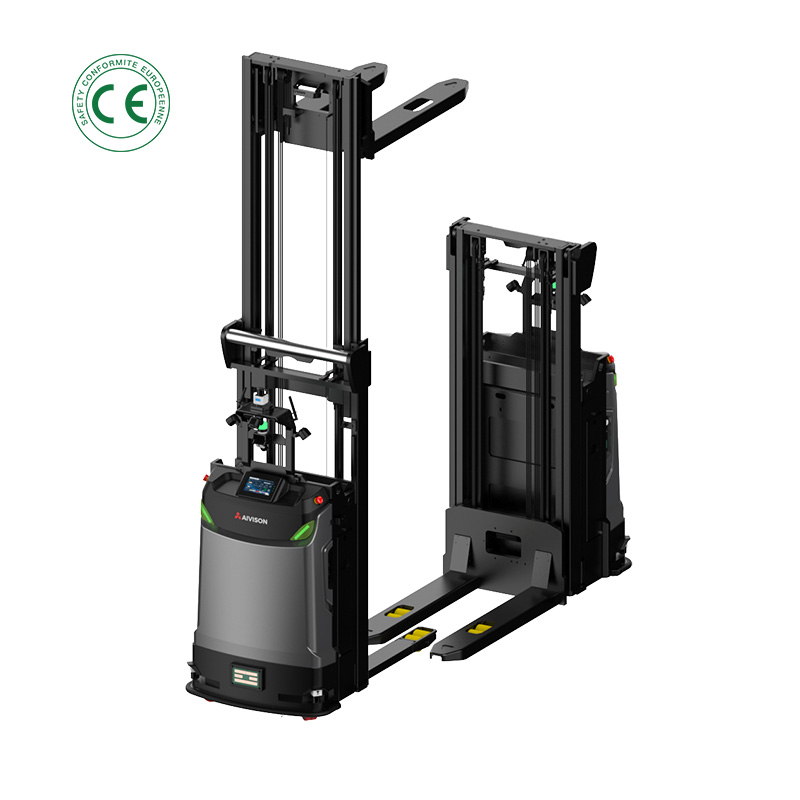
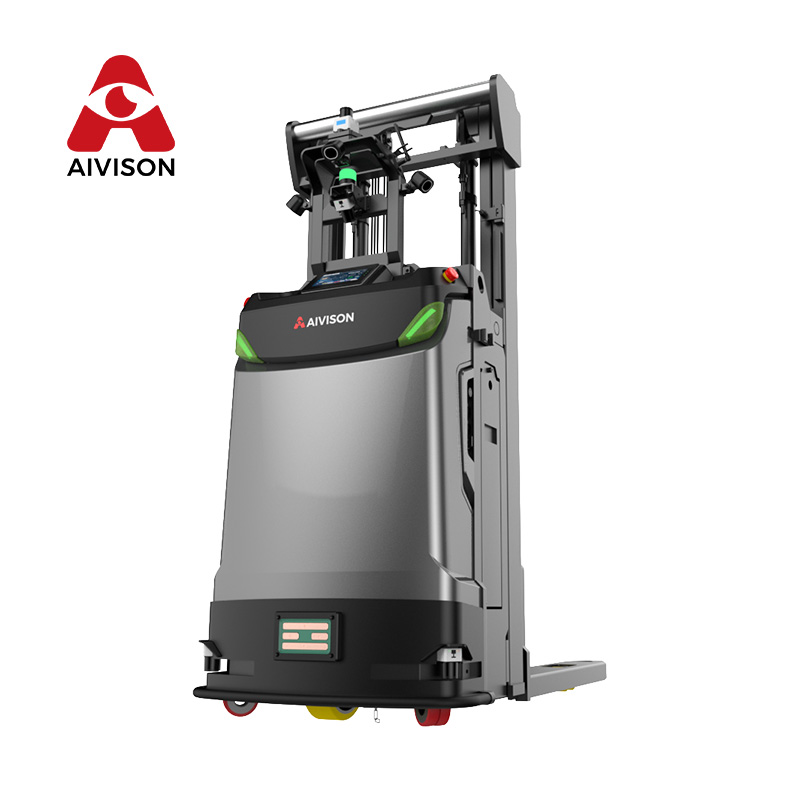
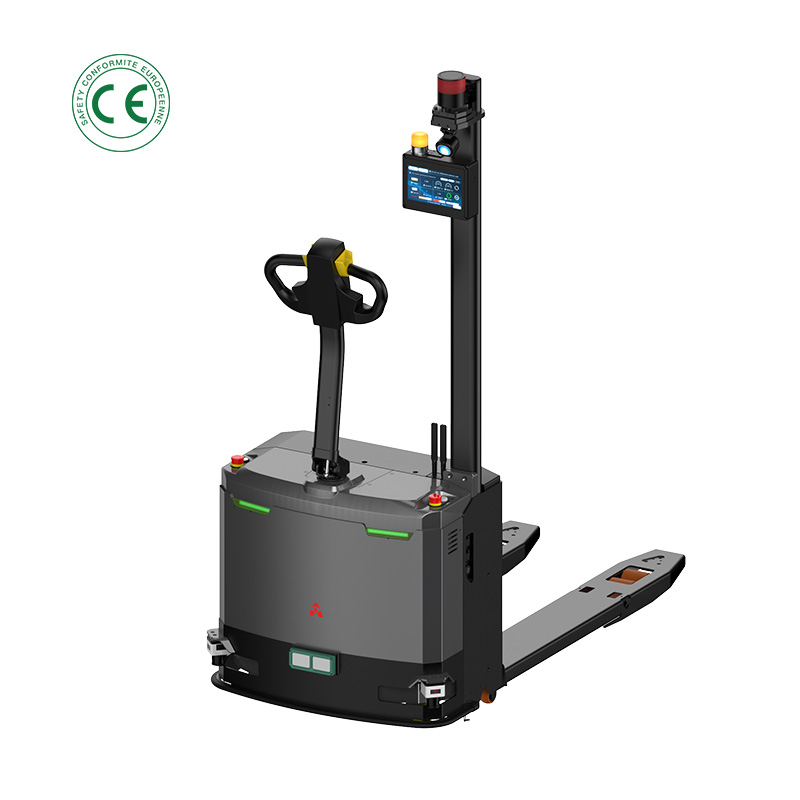
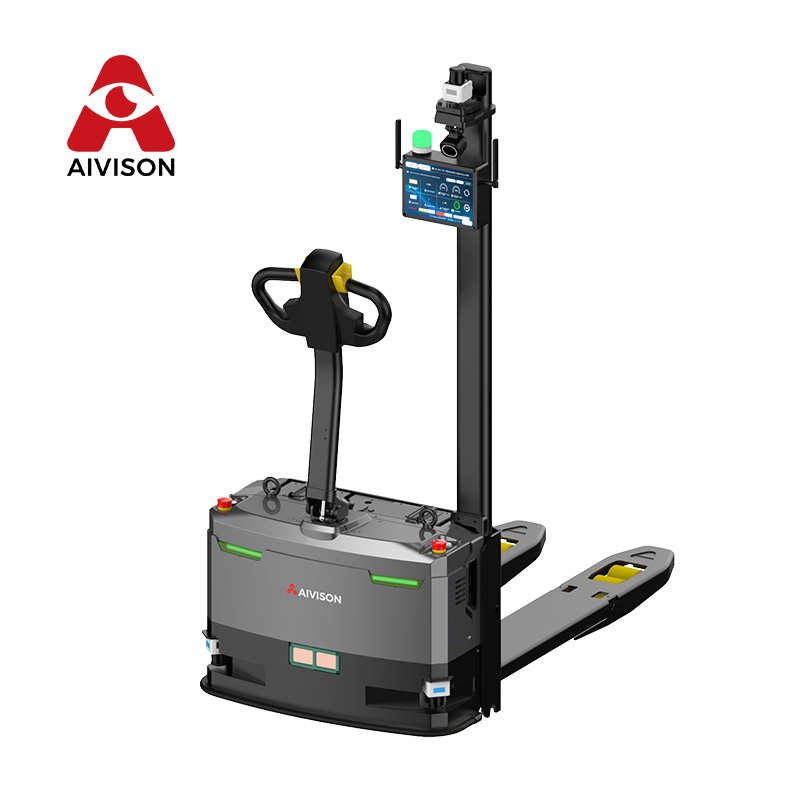
A 1.5-ton autonomous forklift and stacker AMR for pallet movement, smart delivery, and unmanned stacking. Suited to warehouses that need horizontal transport plus pallet engagement.
A 2,000 kg intelligent AGV/AMR platform for heavy material flow. The high-performance chassis supports stable navigation in mixed-traffic environments and accepts custom top modules.
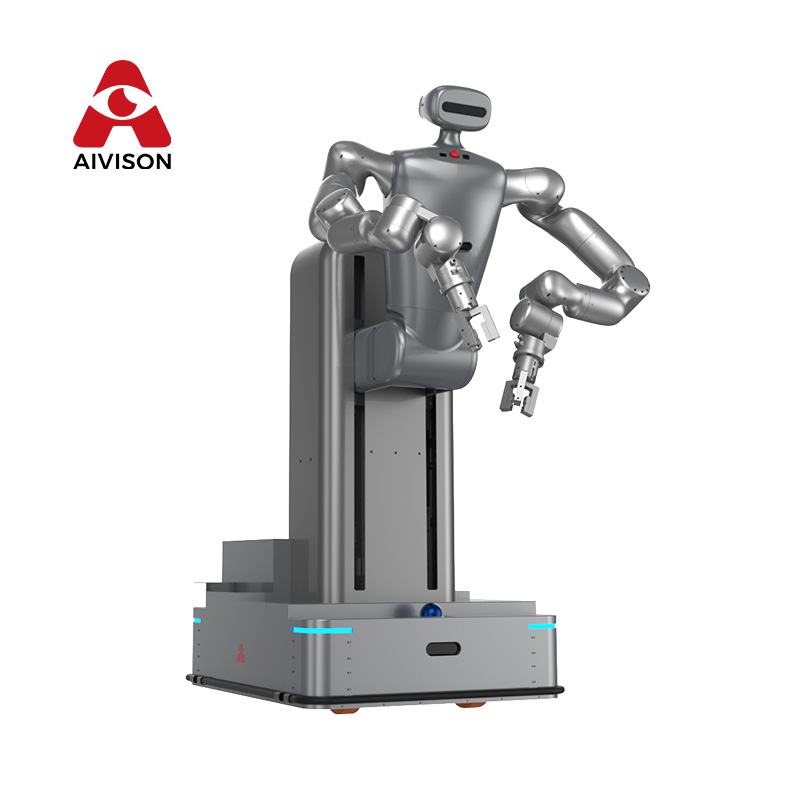
An omnidirectional service humanoid robot chassis with dual 7-DOF arms and laser SLAM navigation. Ideal for integrators exploring hospitality, retail, and human-robot interaction pilots.
An AMR solution for cargo transfer between warehouse zones and conveyor lines. It reduces manual handover, keeps buffers under control, and synchronizes material flow with production schedules.
A 2,000 kg laser AGV forklift robot with CE certificate for large-load goods carrying. Designed for repeated pallet handling, heavy components, and long-distance transport.
A China-factory SLAM lifting AGV chassis for wholesale and OEM programs. Integrators can add their own top module, branding, and control logic while retaining proven navigation.
An industrial unmanned pallet forklift for reliable pallet handling. Vision-assisted fork entry and laser navigation support stable operation in busy warehouses and production areas.
Why China Top Autonomous Mobile Robot Manufacturers & Wholesalers Are Rewriting Factory Logistics
China’s AMR cluster is no longer defined by low-cost hardware alone. Shenzhen and the Greater Bay Area have built a dense supply base for lidar, SLAM algorithms, servo drives, batteries, safety sensors, and fleet software.
For procurement teams, the real question is not whether a Chinese AMR can meet industrial standards. It is which manufacturer can document navigation accuracy, safety behavior, customization depth, export readiness, and lifecycle support in a way that survives due diligence. A warehouse manager wants uptime and layout fit. A system integrator wants APIs and top-module flexibility. A purchasing team wants price, MOQ, lead time, spare parts, and after-sales clarity. A credible China AMR wholesaler should answer all four.
This guide treats autonomous mobile robots as an engineering procurement decision, not a catalog download. It reflects the project logic behind laser SLAM AMRs, jacking robots, smart forklifts, composite mobile robots, and intelligent charging docks—and the information gain that matters when comparing suppliers: a precision-tier framework, an RFQ checklist, a total-cost view, and verifiable company evidence.
10+Years in AGV EngineeringShenzhen-based R&D and manufacturing experience.
±5 mmLaser SLAM AccuracyNo tracks, reflectors, or floor QR codes required.
200+Manufacturers ServedDeployments across three continents.
8Core IndustriesFrom semiconductor cleanrooms to textiles.
Procurement Trends
China AMR Wholesale Trends Shaping 2025–2030
The next buying cycle will reward suppliers who can prove measurable outcomes, not only publish payload charts. These are the procurement shifts to include in your supplier scorecard.
Outcome-Based TCO
Buyers are replacing price-per-unit comparisons with cost per successful mission. Charging, maintenance, integration, uptime, and rejected handovers belong in the calculation.
Modular Wholesale Programs
Integrators want a stable navigation chassis with interchangeable jacking, roller, fork, and arm modules. Common parts shorten customization and simplify spare-parts planning.
Mixed-Fleet Orchestration
Single-robot demos are giving way to Wi-Fi-coordinated fleets with traffic control and automatic charging. Fleet size is calculated from peak throughput, not aisle count.
Verified Supplier Due Diligence
Third-party onsite assessment, Fortune 500 supplier records, trade history, and documented service levels now carry as much weight as a specification sheet.
Technology Roadmap
Product Development Trends Buyers Should Specify Now
An AMR purchase made today will operate for years. Build these six technical expectations into the RFQ so the platform remains expandable as material flow changes.
Accuracy Tiering by Station
Laser SLAM delivers ±5 mm on natural features. Add QR scanning only at stations requiring ±2 mm. Composite robots with a 6-axis arm reach ±0.05 mm repeatability.
Sensor Fusion and Avoidance
Dynamic obstacle avoidance is a baseline requirement in mixed human and forklift traffic. Specify stopping behavior, warning zones, and recovery logic.
Composite Mobile Robotics
Autonomous mobility plus modular manipulation is moving from pilot projects to production. Roller conveyors, lifting units, forks, and arms extend one chassis across tasks.
Autonomous Charging
24/7 duty depends on opportunity charging and compatible docks. The fleet controller should schedule recharge windows without disrupting peak throughput.
Fleet Software Integration
Ask for task APIs, traffic-zone configuration, KPI logs, and compatibility with MES, WMS, or ERP layers. Software lock-in is a lifecycle cost.
Safety and Standardization
Document emergency-stop logic, speed limits in shared zones, load stability, and commissioning checks. Safety evidence should be verifiable before shipment.
Selection Matrix
Match Robot Architecture to the Actual Buying Intent
Most over-specification comes from applying one precision target to every station. Use the matrix below to separate transport, docking, and manipulation requirements.
Procurement Intent
Recommended Platform
Navigation / Precision
Commercial Rationale
General warehouse transfer
Laser SLAM AMR / industrial AMR AGV
±5 mm with natural features
Fast deployment and easy route changes without floor rework.
Rack, shelf, or cage movement
Jacking robot / lifting AMR
±5 mm; optional QR assist at ±2 mm
Low-profile lifting reduces manual handling and line-side waiting.
Pallet handling and stacking
Smart forklift / unmanned pallet forklift
Laser SLAM with vision assist
Unmanned pallet flow, stable fork entry, and reduced forklift labor.
High-shelf or machine docking
SLAM AMR plus QR camera
±2 mm at selected stations
Precision only where needed; avoids full-floor infrastructure cost.
Precision assembly or machine tending
Composite mobile robot with 6-axis arm
±0.05 mm repeatability
Combines mobility with manipulation for semiconductor and medical work.
Company Advantages
Marnix Company Advantages: The Evidence Behind the Wholesale Offer
Shenzhen Marnix Intelligent Technology Co., Ltd. builds laser SLAM AMRs, jacking robots, smart forklifts, composite mobile robots, and intelligent charging docks for end users and integrators.
±0.05 mmComposite robot repeatability
Marnix draws on about ten years of AGV engineering experience and a manufacturer-level approach to customization. The company’s portfolio is designed around a complete AMR range, sensor-fusion navigation, precision without floor rework, and flexible chassis or top-module engineering.
Complete AMR portfolio: jacking robots, pallet AMRs, smart forklifts, composite robots, and charging docks from one source.
SLAM lidar + vision fusion: robots are coordinated by an intelligent scheduling system over indoor Wi-Fi for simultaneous multi-robot dispatch.
Precision without floor rework: ±5 mm with no auxiliary tracks or codes; optional QR scanning reaches ±2 mm where docking demands it.
Manufacturer-level customization: chassis, payload, jacking units, roller conveyors, forklift forks, and 6-axis arms configured around the production line.
Application-Led Engineering
Robot configuration starts with load profile, aisle width, throughput, docking precision, and equipment interfaces—not a fixed catalog number.
Navigation Accuracy Ladder
Specify ±5 mm for transport, ±2 mm for high-precision stations, and ±0.05 mm for composite manipulation without overbuying infrastructure.
Fleet Scheduling
Indoor Wi-Fi scheduling supports task assignment, traffic control, and coordinated charging across mixed AMR fleets.
Quality Protocol
Multi-stage intelligent inspections and operational stress tests target near-zero failure rates before shipment.
Integrator Support
OEM chassis, modular top mechanisms, branding, and control integration help system integrators deliver local automation projects.
Global Service Mindset
Export documentation, spare-parts planning, and remote project support are positioned around multi-site deployments.
TÜV Rheinland Onsite AssessmentCompany premises and operations verified by an independent inspection body.View report
Supplier to Fortune 500Procurement contract with a Fortune 500 company, assessed by independent third parties.Trade history
Verified Multispecialty SupplierLow-MOQ customization and multi-category robot procurement capability.Trade capacity
Credit & Transaction RecordsTransparent credit index and transaction-level history for buyer due diligence.Credit index
Applications and ROI
Where Autonomous Mobile Robots Earn Their Place
The fastest ROI usually comes from repetitive, high-frequency moves where human travel and waiting dominate. Precision docking and composite tasks form the next wave.
Semiconductor
Cleanroom material transfer, wafer handling, and precision docking options.
3C Electronics
Line-side delivery, small-parts movement, and fast layout changes.
Lithium Battery
Jacking robots, roll-cage transfer, and line-side production logistics.
Photovoltaic
Module and pallet movement for heavy loads and repetitive transfer.
Automotive Parts
Sequencing, pallet handling, and warehouse-to-line transfer.
PCB
Roller conveyor integration and machine-to-machine linking.
Textile
Warehouse transport, repeated moves, and labor reduction.
Medical Devices
Clean logistics, composite precision assembly, and controlled handling.
Procurement FAQ
FAQ: China Autonomous Mobile Robot Procurement, Wholesale, and Integration
These are the questions that most often decide whether an AMR project moves from inquiry to on-site commissioning.
What should I verify in a China AMR manufacturer before ordering?
Verify the company’s engineering depth, actual deployments, customization capability, spare-parts process, export documentation, and after-sales service level. Third-party evidence matters: Marnix publishes a TÜV Rheinland onsite assessment, trade history, credit index, and transaction-level records for due diligence.
How do I choose between a jacking robot, smart forklift, and pallet AMR?
Use a jacking robot when the load sits on racks or shelves that the robot can lift from underneath. Use a smart forklift or unmanned pallet forklift for pallets that require fork entry and stacking. Use a lighter pallet AMR for compact loads and narrow aisles where full forklift dimensions are impractical.
What navigation accuracy is sufficient for my project?
±5 mm laser SLAM is sufficient for general transfer and line-side delivery. Add a QR code scanning camera to reach ±2 mm at high-shelf or machine docking stations. Composite robots with a 6-axis arm reach ±0.05 mm repeatability for precision assembly and machine tending.
Do AMRs require magnetic tape, reflectors, or floor QR codes?
No for standard laser SLAM navigation. The robot maps natural features in the existing environment, so there is no need for auxiliary tracks or full-floor codes. QR labels are added only at specific stations where ±2 mm docking precision is required.
Can Marnix customize chassis and top modules?
Yes. As a manufacturer, Marnix customizes chassis and top modules including jacking units, roller conveyors, forklift forks, and 6-axis robotic arms. Integrators can also discuss OEM branding, control interfaces, and repeat wholesale programs.
How many robots and charging docks will I need?
Fleet size depends on peak throughput, travel distance, load exchange time, battery cycle, and opportunity-charging strategy. A small fleet in one shift may need fewer docks than a 24/7 warehouse with concentrated peaks. The fleet scheduling system coordinates dispatch and charging across the site.
What information should be included in an RFQ?
Include payload, load footprint and center of gravity, site layout, aisle widths, doors, slopes, elevators, throughput target, docking precision, Wi-Fi coverage, equipment interfaces, destination country, safety requirements, and project timeline. These inputs determine robot selection faster than a generic request for a quotation.
How do I start a project or wholesale discussion?
Send your load profile, layout, throughput, docking precision, and destination market to info@marnixbot.com. Our engineers can recommend a platform, navigation configuration, fleet size, charging strategy, and top-module option. You can also use the inquiry button on this page to begin the conversation.
Next Step
Request a Wholesale AMR Configuration and Project Review
Share your load profile, site layout, throughput target, docking precision, and destination country. Marnix engineers will recommend a robot platform, navigation configuration, fleet size, charging strategy, and top-module option. For OEM and integrator programs, include branding, control interface, and annual volume.