2025 Buyer White Paper · Shenzhen AGV / AMR Manufacturing

China Top Automated Guided Vehicle Manufacturer & Exporters

A practical sourcing guide for global buyers comparing automated guided vehicles, laser SLAM AMRs, jacking robots and smart forklifts from China. Explore eight recommended models, navigation accuracy choices, procurement trends and the engineering advantages behind Shenzhen Marnix Intelligent Technology Co., Ltd.

Recommended AGV & AMR Products

8 Automated Guided Vehicle and Mobile Robot Models for Global Procurement

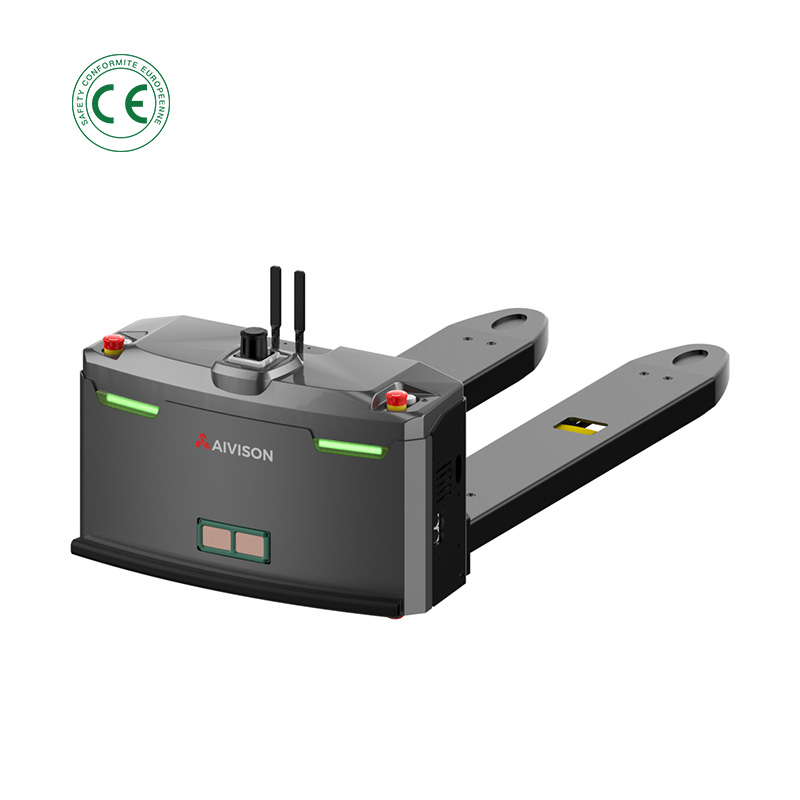
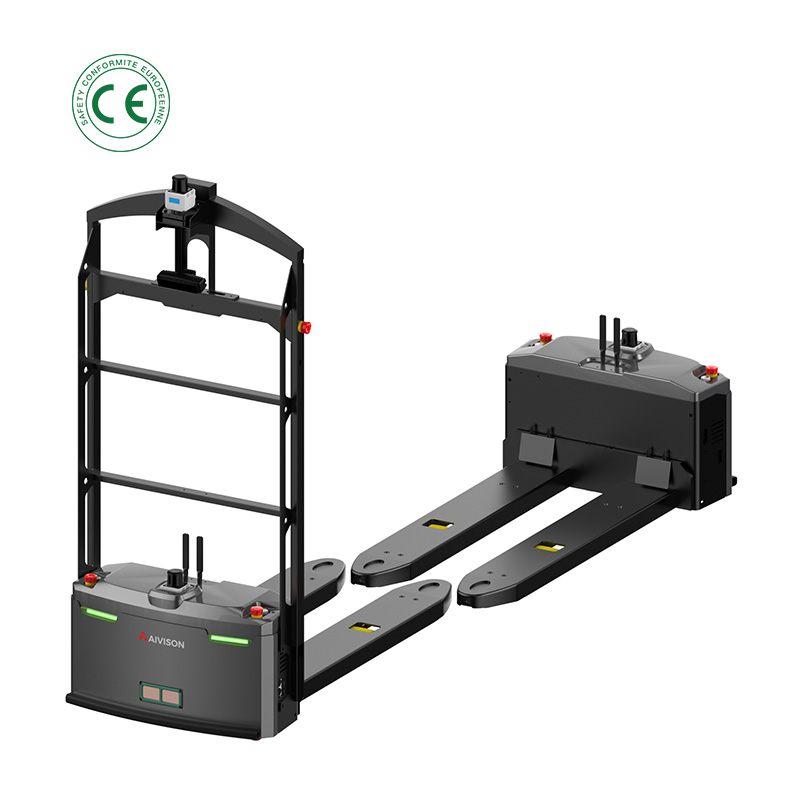
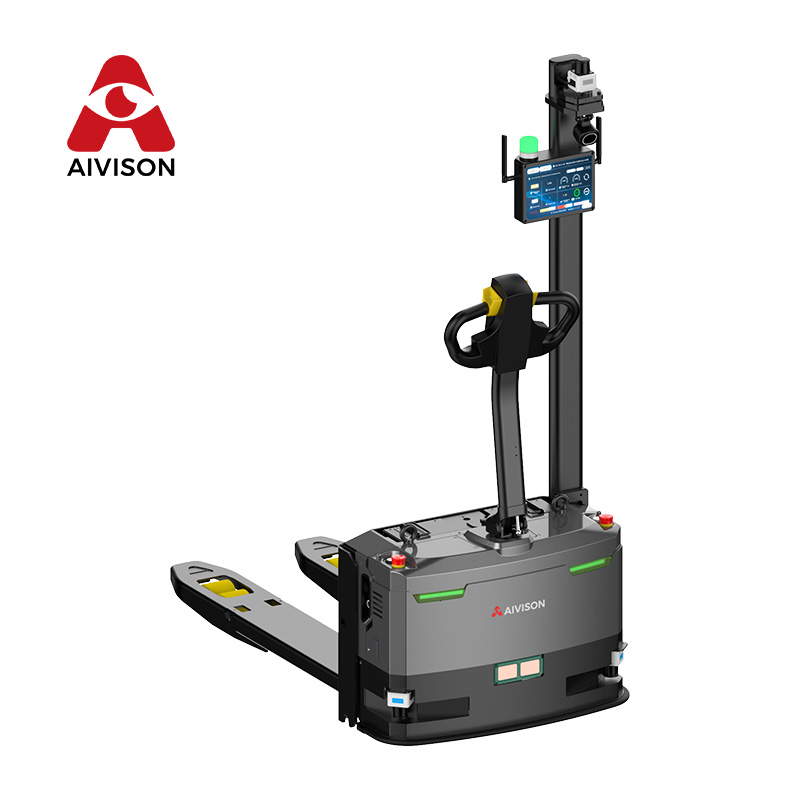
The product range below covers lidar navigation, 2000 kg CE forklift AGVs, warehouse AMRs, lithium-battery platforms, dual-arm service robots, 1.5-ton autonomous forklifts and 1500 kg traction robots. Each platform is evaluated by payload, navigation method, docking precision, floor impact, fleet capability and customization potential.

10+Years in AGV EngineeringShenzhen R&D and manufacturing
±5 mmLaser SLAM NavigationNo tracks, reflectors or floor codes
200+Manufacturers ServedEnd users and system integrators
3Continents with Active DeploymentsGlobal export and service support
Shenzhen Marnix Intelligent Technology Co., Ltd. mobile robot manufacturing team and facility
Shenzhen Marnix Intelligent Technology Co., Ltd. builds laser SLAM AMRs, jacking robots, smart forklifts and charging docks for factories and integrators worldwide.
Enterprise Advantages

Why This Shenzhen AGV Manufacturer Is a Credible Export Partner

Shenzhen Marnix Intelligent Technology Co., Ltd. draws on about ten years of AGV manufacturing experience to build autonomous mobile robots that fit existing factories with minimal disruption. The company serves both end users and system integrators, with a product portfolio that spans jacking robots, smart forklifts, pallet AMRs, composite mobile robots and compatible intelligent charging docks.

For procurement teams, the difference is not only the robot itself. It is the ability to match navigation accuracy to the station, customize the chassis and top module, coordinate multiple robots over indoor Wi-Fi, and verify the supplier through independent assessments and transaction records. That combination is the practical meaning of E-E-A-T in industrial equipment sourcing: real engineering experience, documented expertise, verifiable authority and reliable delivery.

The company has served more than 200 manufacturers across three continents and has been assessed onsite by TÜV Rheinland. Its robots are used in semiconductor, 3C electronics, lithium battery, photovoltaic, automotive parts, PCB, textile and medical device environments.


Complete AMR Portfolio

Jacking robots, smart forklifts, pallet AMRs, 800 kg to 2000 kg platforms, composite robots and charging docks from one manufacturing source.

SLAM Lidar + Vision Fusion

Natural-feature navigation maps the existing site. Optional QR camera upgrades docking to ±2 mm where production stations require it.

Precision Without Floor Rework

Standard laser SLAM reaches ±5 mm without magnetic tape, reflectors or floor QR codes, reducing shutdown risk during deployment.

Manufacturer-Level Customization

Chassis, payload, jacking units, roller conveyors, forklift forks and 6-axis arms can be engineered around your process rather than a standard fit.

Fleet Scheduling and Auto Charging

An intelligent scheduling system coordinates tasks, traffic and charging over indoor Wi-Fi, supporting 24/7 duty with compatible smart docks.

Multi-Stage Quality Protocol

Intelligent inspections and thousands of operational stress tests target near-zero failure rates before shipment, protecting mission-critical lines.

TÜV Rheinland Onsite Assessment

Company premises and operations verified by an independent inspection body.

View Assessment

Supplier to Fortune 500

Procurement contract with a Fortune 500 company, assessed by independent third parties.

Trade History

Verified Multispecialty Supplier

Low-MOQ customization and multi-category robot procurement capability for integrators.

Trade Capacity

Credit and Transaction Records

Transparent credit index and transaction level history for pre-qualification.

Credit Index
Navigation Technology

Match Navigation Accuracy to the Station, Not the Sales Brochure

Most AGV buyers over-specify navigation and then pay for floor infrastructure they do not need. A better method is to separate transport routes from precision docking stations, then choose the lowest-cost configuration that satisfies the task.

±5 mm

Laser SLAM on Natural Features

No tape, reflectors or floor QR codes. Best for warehouse transfer, line-side delivery and factories that change layouts frequently.

Lowest infrastructure cost
±2 mm

SLAM + QR Code Camera

QR labels are added only where precise docking is required, such as high-shelf storage, machine tending or wafer handling.

Targeted precision
±0.05 mm

Composite Robot with 6-Axis Arm

Mobile manipulation for semiconductor and medical device assembly using station calibration and multi-layer synchronization protocols.

Highest process accuracy
Marnix factory quality control and robot testing for AGV navigation accuracy
Multi-stage inspections and stress testing verify navigation, safety and uptime before shipment.
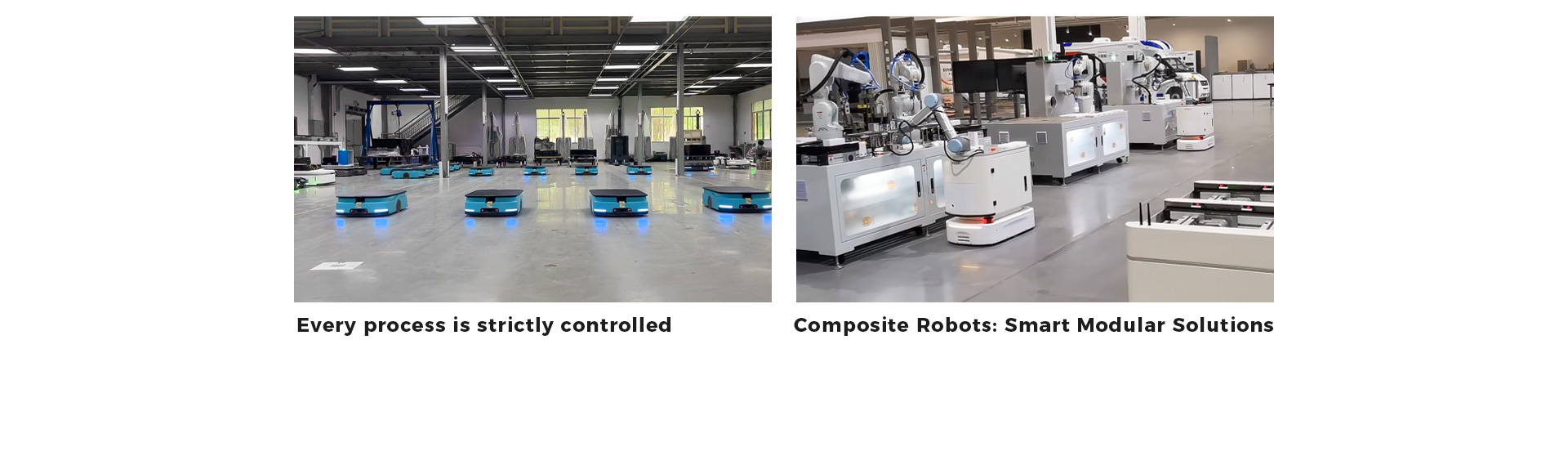
Composite mobile robot with six-axis arm and roller modules for precise production logistics
Composite robots combine autonomous mobility with roller conveyors, jacking units or robotic arms.
Procurement Trends

2025–2027 AGV Procurement Trends: What Smart Buyers Are Changing

The buying conversation is moving from “Which robot is cheapest?” to “Which deployment creates the most reliable material flow at the lowest total cost of ownership?” These are the shifts visible in recent AGV and AMR project discussions.

From Single Machines to Interoperable Fleets

Buyers increasingly ask how robots share routes, traffic rules, charging stations and task queues. Fleet software is now part of the product decision, not an afterthought.

Total Cost of Ownership Replaces Sticker Price

Procurement teams compare installation downtime, floor modification, spare parts, service response and expected uptime—not only the unit price of the AGV.

No-Infrastructure Navigation Reduces Risk

Laser SLAM avoids magnetic tape and fixed tracks, shortening deployment and reducing the risk of production interruption during layout changes.

Safety Evidence Is Reviewed Earlier

Safety functions, obstacle avoidance, emergency stop logic and CE-related documentation are being reviewed during supplier shortlisting, not after price negotiation.

Serviceability and Spare-Parts Planning

Global buyers ask for remote support, spare-parts lists, maintenance intervals and local service coordination before placing a repeat order.

Modular Top Modules and Integrator Collaboration

System integrators prefer a proven chassis plus customizable top modules so they can interface robots with conveyors, machines, racks and arms.

Indicative Buyer Priorities in Recent AGV/AMR Project Discussions

Qualitative project signals from Marnix discussions, not a market-wide statistical survey.

Total cost of ownership
31%
WMS / MES integration
24%
Safety and compliance
18%
Local service response
16%
Custom top module
11%
Product Development Trends

Where AGV and AMR Technology Is Heading Next

Automated guided vehicles are becoming less like isolated carts and more like connected mobile automation nodes. The next procurement cycle will reward manufacturers that can combine navigation, safety, fleet orchestration and mechanical customization in one platform.

SLAM + 3D Vision Fusion

Lidar remains the backbone for stable positioning, while vision adds pallet recognition, obstacle classification and better performance in mixed human traffic.

Fleet Orchestration and Traffic Control

Multiple robots must share routes, avoid deadlocks and coordinate handover. Scheduling software over indoor Wi-Fi becomes a core part of uptime.

Lithium Battery and Opportunity Charging

Larger lithium battery capacity, compatible charging docks and opportunity charging reduce downtime and allow 24/7 duty cycles.

Composite Mobile Manipulation

AMRs with 6-axis arms, roller conveyors and jacking units solve harder automation problems by connecting directly to production equipment.

Simulation-First Deployment

Digital models of routes, traffic and throughput help buyers validate fleet size and charging strategy before physical installation.

Cybersecurity and OT Integration

Robot fleets increasingly connect to WMS, MES and production networks, so secure interfaces and clear data ownership are becoming procurement requirements.

Applications

Industries Where AGV and AMR Projects Prove ROI

Mobile robots create the most value where material movement is repetitive, labor availability is unstable, quality depends on consistent handling, or factory layouts change frequently.

Semiconductor

Cleanroom transport, wafer handling and precision docking.

3C Electronics

Line-side delivery, assembly transfer and light material handling.

Lithium Battery

Jacking robot transport and line-side logistics for cell production.

Photovoltaic

Module transfer, warehouse movement and smart forklift handling.

Automotive Parts

Pallet handling, sequencing and production-line replenishment.

PCB

Roller conveyor AMRs and automated transfer between process steps.

Textile

Warehouse transport and repetitive material movement across shifts.

Medical Devices

Clean handling, precise transfer and composite robot assembly support.

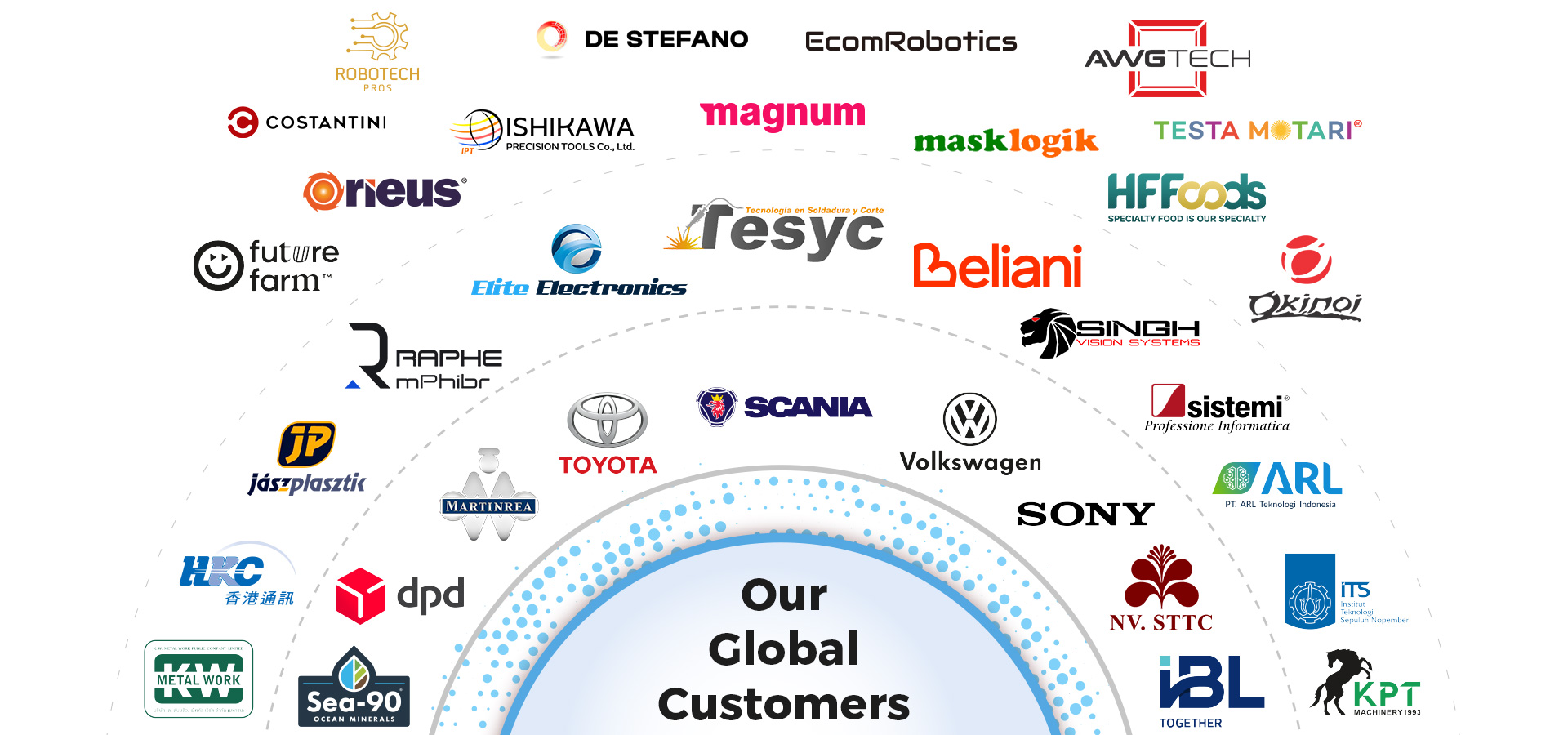
Marnix AGV and AMR customers and industry applications overview
Deployments span semiconductor, 3C electronics, lithium battery, photovoltaic, automotive parts, PCB, textile and medical device industries.
Buyer Guide

What to Prepare Before Requesting an AGV Quote

From our project experience, six inputs determine most of the robot selection. Sharing them upfront shortens evaluation from weeks to days and helps the manufacturer recommend the right chassis, navigation level and fleet size.

01

Load Profile

Maximum weight, footprint and center of gravity of racks, pallets or carriers to be moved.

02

Site Layout

A CAD drawing or sketch with aisle widths, doors, slopes and elevator or lift points.

03

Throughput Target

Missions per hour and peak periods—this sets fleet size and charging dock count.

04

Docking Precision

Where ±5 mm is enough and where ±2 mm QR assist or arm-level precision is required.

05

Wi-Fi Coverage

Existing access points and coverage quality across the robot operating area.

06

Equipment Interfaces

Conveyors, machines or shelving the robot must hand over to, plus any top-module needs.

AGV Procurement FAQ

Questions Buyers Ask Before Automating Material Flow

Straight answers from an AGV manufacturer’s engineering and export team. For project-specific recommendations, share your load, layout, throughput and precision requirements.

What navigation accuracy do Marnix AMRs achieve?

Using laser SLAM on natural features, the AMRs reach ±5 mm positioning without magnetic tape, reflectors or floor QR codes. Adding a QR code scanning camera raises accuracy to ±2 mm, and composite robots with a 6-axis arm reach ±0.05 mm repeatability.

Do I need to modify my factory floor?

No for standard laser SLAM navigation. The robot maps the existing environment, so no auxiliary tracks or QR codes are required. QR labels are only added at stations that need ±2 mm docking precision.

Can Marnix customize robots for my production line?

Yes. As a manufacturer, Marnix customizes chassis and top modules such as jacking units, roller conveyors, forklift forks and 6-axis robotic arms to connect directly with production equipment.

How are multiple robots coordinated?

An intelligent scheduling system manages the fleet over indoor Wi-Fi, handling simultaneous task assignment, traffic control and automatic charging through compatible smart charging docks.

Which industries use Marnix robots?

Semiconductors, 3C electronics, lithium batteries, photovoltaics, automotive parts, PCB, textiles and medical devices, serving both end users and system integrators.

How can I contact Marnix for a project evaluation?

Email info@marnixbot.com with your payload, floor layout, throughput and docking precision requirements, or use the quote button on this page to start a live conversation.

Turn Your Material Flow Analysis into a Right-Sized AGV Fleet

Share your load profile, floor layout, throughput target and docking precision. The engineering team can recommend the right AGV, AMR, jacking robot or smart forklift configuration—and explain where ±5 mm, ±2 mm or ±0.05 mm precision is actually needed.

Get a Quote