8 Robot Platforms for Rotational Jacking, Rack Handling and Warehouse Automation
These are production-ready platforms from the original Marnix catalog. Use them as building blocks for line-side logistics, high-shelf storage, cleanroom transfer, pallet movement and custom top-module projects.
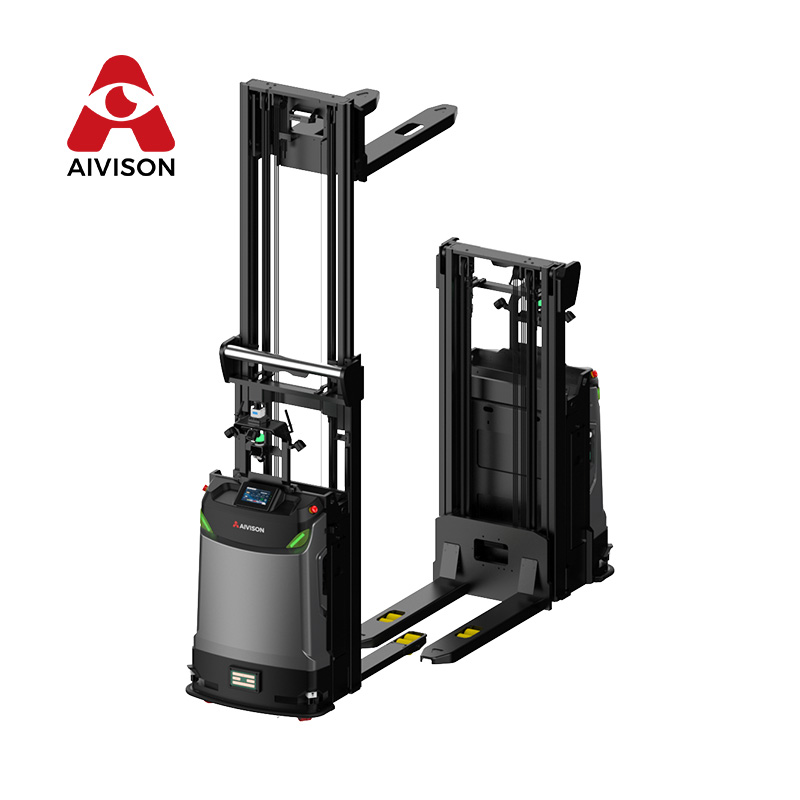
High Precision AGV Forklift Full Servo Motor Controlled Laser Forklift with Heavy Load 2000kg
Heavy-load pallet handling with servo control and laser navigation for demanding production and warehouse interfaces.
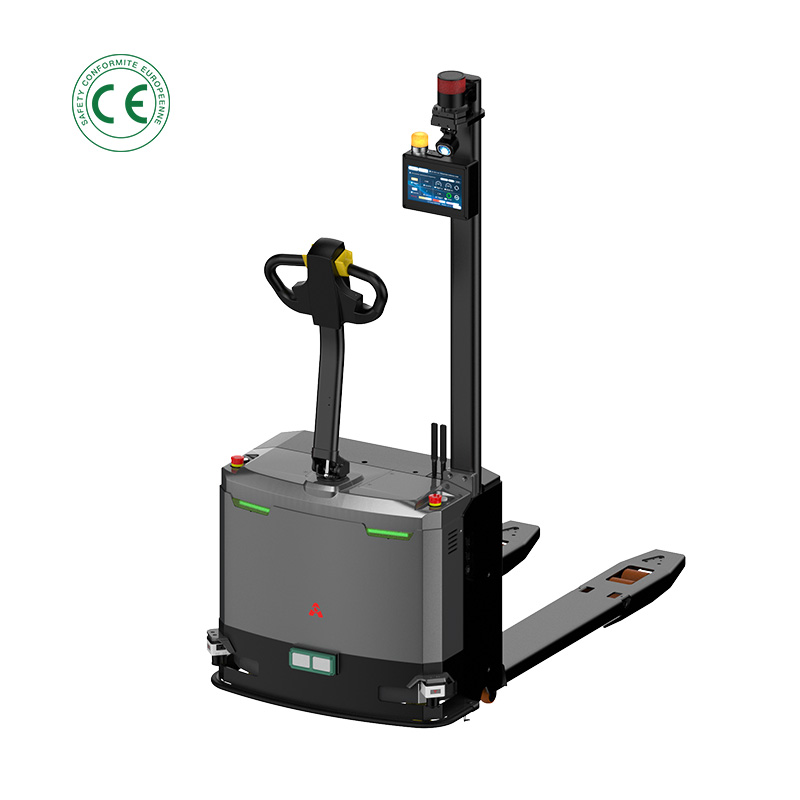
CE Certification Industrial AMR AGV Robot for Warehouse Automation Autonomous Material Handling Logistics
Autonomous material handling for warehouses that need CE-oriented documentation and flexible layouts.
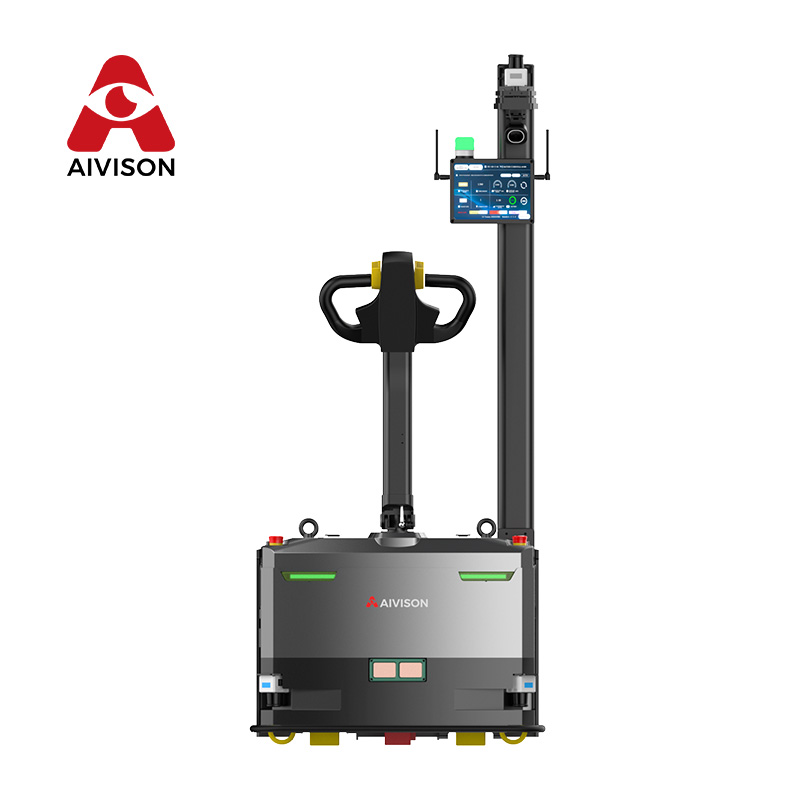
China Factory Movable Pallet AGV Robot Rack Shelf for Intelligent Robot Warehouse
Rack and shelf movement for intelligent warehouses where floor space must be used flexibly.

Hot Selling Logistics Navigation Detector Sensor Lidar Manufacturers Direct Sales
Navigation sensor option for integrators evaluating lidar performance, field of view and mapping reliability.

Laser SLAM Navigation Automated Guided Vehicle Forklift AGV 1500kg Load Capacity
A 1,500 kg SLAM-guided forklift for flexible pallet transfer without fixed tracks.

Omnidirectional Humanoid Robot Chassis Dual 7-DOF Arms Laser SLAM Autonomous Warehouse AMR Mobile Platform
A composite mobile platform for advanced research, flexible assembly and humanoid-style manipulation.
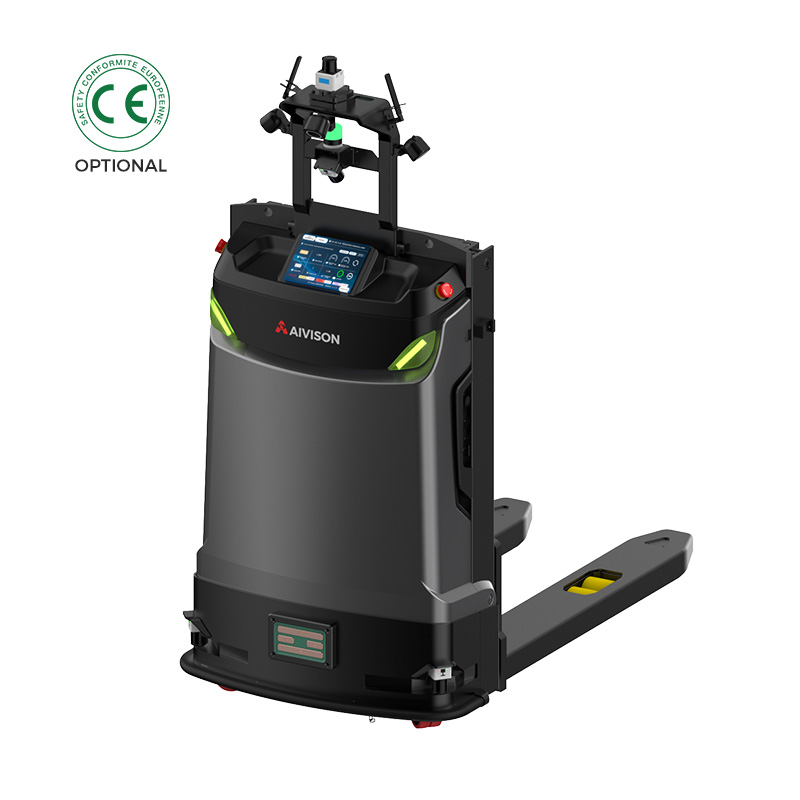
China Factory Automated Mobile Robot SLAM Lifting Wholesale AGV Chassis Vehicle
SLAM lifting chassis for integrators and wholesalers building custom jacking or top-module robots.
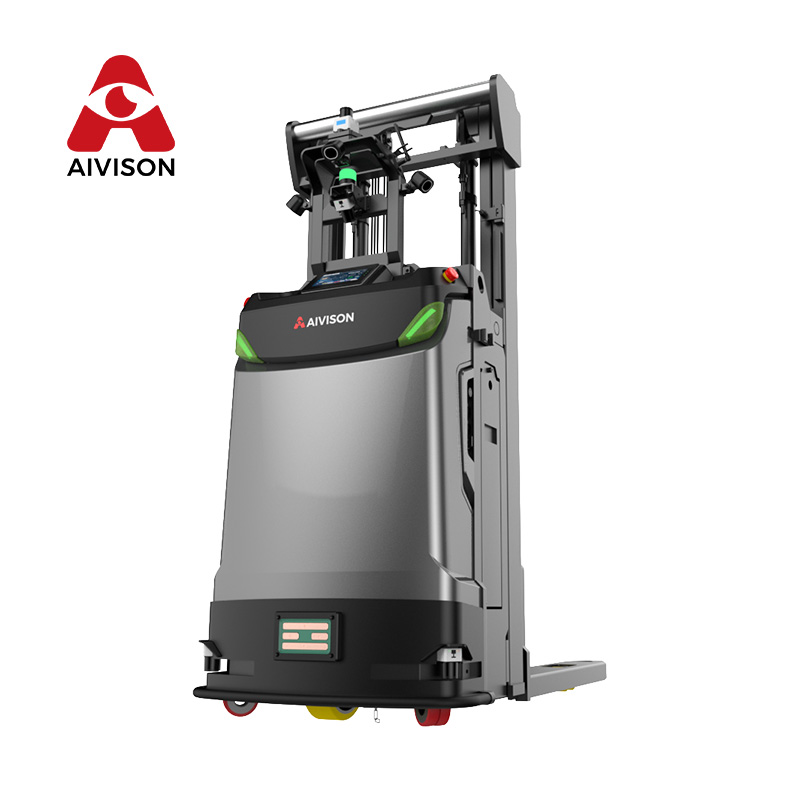
Autonomous Mobile Robots (AMR) Implement Cargo Transportation Between Warehouse and Conveyor Line
AMR cargo transfer for connecting warehouse buffers with conveyor lines and production interfaces.
Shenzhen-based R&D and manufacturing experience.
No tracks, reflectors or floor QR codes for standard navigation.
Deployments across three continents.
From semiconductor cleanrooms to textiles and medical devices.

What “China Best Rotational Jacking Robot Manufacturers” Means for Serious Buyers
The search phrase China best rotational jacking robot manufacturers carries strong commercial intent. Buyers are not looking for a generic robot definition; they are comparing suppliers, checking engineering depth and trying to reduce project risk. That is why a credible manufacturer page must answer procurement questions, not just publish a product list.
A rotational jacking robot is usually a mobile platform with a lifting and rotation-capable top module designed to engage, lift and orient racks, trolleys or carriers. The rotation function matters in confined pick-and-drop zones where the load must be presented to a machine, conveyor or operator at a specific angle. The engineering challenge is not the rotation bearing alone. It is the combination of payload, center of gravity, floor flatness, lift stroke, docking tolerance, safety sensing and fleet traffic control.
Shenzhen Marnix Intelligent Technology Co., Ltd. is a Shenzhen manufacturer with about ten years of AGV engineering experience. Its portfolio includes laser SLAM autonomous mobile robots, jacking robots, smart forklifts, composite mobile robots, custom AGV chassis and intelligent charging docks. The original site states ±5 mm laser SLAM navigation, ±2 mm with QR assist, ±0.05 mm repeatability for composite robots with a 6-axis arm, more than 200 manufacturers served across three continents, and independent verification through a TÜV Rheinland onsite supplier assessment.
Experience, expertise and verification in one place
For E-E-A-T evaluation, buyers should look for evidence that connects experience with verification: engineering years, deployment industries, customization capability, independent assessment, trade history and real acceptance data. Marnix publishes these signals on its site, including a Fortune 500 supplier credential, a verified multispecialty supplier profile, credit index and transaction records. This guide is written from the perspective of the application engineering team, and it deliberately avoids promising one universal “best” configuration. The best rotational jacking robot is the one that matches your load, layout, throughput and docking tolerance.
- Manufacturer-level customization: chassis, payload and top modules such as jacking units, roller conveyors, forklift forks and 6-axis arms.
- Precision without floor rework: natural-feature SLAM at ±5 mm; QR labels only where ±2 mm docking is required.
- Fleet coordination: intelligent scheduling over indoor Wi-Fi for simultaneous task assignment, traffic control and automatic charging.
How Rotational Jacking Robot Procurement Is Changing
Buyer intent is shifting from “buy a robot” to “buy a validated material-flow outcome.” These four procurement trends should shape your next RFQ.
TCO and Acceptance-Based Buying
Price per robot is giving way to landed cost, uptime, charging ratio, spare parts availability and service response. Ask for mean time between failures, recommended spares, commissioning scope, warranty terms and a written acceptance test.
Mixed Fleets and Software Integration
Few factories want one isolated robot. They want a fleet that shares maps, routes, traffic rules and charging logic. Evaluate WMS, MES and conveyor interfaces early, especially when multiple integrators are involved.
Precision on Demand
Over-specifying QR codes and floor targets adds cost. Start with natural-feature SLAM at ±5 mm, add QR assist at selected stations for ±2 mm, and reserve ±0.05 mm composite robots for semiconductor or medical assembly tasks that truly require it.
Modular Top Modules and OEM Co-Development
Procurement teams increasingly co-develop the interface rather than force-fit a standard robot. Jacking, roller, fork and arm modules must be defined with mechanical drawings, electrical interfaces, safety validation and production-line handover logic.
From Trackless AMR to Composite Mobile Robotics
The technology roadmap for rotational jacking robots is moving toward less floor infrastructure, more software coordination and tighter integration with production equipment.
Navigation Accuracy Ladder
Match precision to the station, not the whole factory.
Illustrative Project TCO
Typical range for planning—not a quotation. Always request a site-specific model.
SLAM + Vision Fusion
Natural-feature mapping, dynamic obstacle avoidance and camera-assisted docking reduce dependence on tracks and reflectors. Marnix uses laser SLAM as the baseline and adds QR or vision where precision or pallet recognition requires it.
Composite Mobile Manipulation
Autonomous mobility plus 6-axis arms, roller systems and custom top modules creates a single robot that can move, lift, orient and hand over. The original site cites ±0.05 mm repeatability for composite robots in semiconductor and medical device production.
Energy and Charging Logic
24/7 duty depends on opportunity charging and compatible intelligent charging docks. Buyers should ask for charging-ratio calculations, battery health monitoring and the effect of peak throughput on fleet size.
Fleet Operating Systems
Wi-Fi scheduling, traffic control, route optimization and KPI dashboards are becoming as important as payload. Ask how the system handles blocked aisles, charger queues, manual intervention and future expansion.
Why Marnix Is a Credible Manufacturer for Integrators and End Users
The original company profile provides verifiable strengths that matter in a supplier comparison: manufacturing experience, customization, precision options, fleet software and independent assessment.
Shenzhen R&D and Manufacturing
About ten years of AGV engineering experience, with laser SLAM AMRs, jacking robots, smart forklifts and charging docks engineered in Shenzhen for factories and integrators worldwide.
Complete AMR Portfolio
Jacking robots, smart forklifts, pallet AMRs, automated warehouse vehicles, composite robots and compatible charging docks from one source, supported by one navigation and fleet software core.
Precision Without Floor Rework
±5 mm laser SLAM on natural features, ±2 mm with QR code camera assist, and ±0.05 mm repeatability for composite robots with 6-axis arms. No auxiliary tracks or reflectors are required for standard navigation.
Manufacturer-Level Customization
Flexible engineering of chassis, payload and top mechanisms such as jacking units, roller conveyors, forklift forks and robotic arms to connect directly with production equipment.
Fleet Coordination and Auto Charging
An intelligent scheduling system manages robots over indoor Wi-Fi, enabling simultaneous task assignment, traffic control and automatic charging through compatible smart charging docks.
Independent Verification and Quality
TÜV Rheinland onsite supplier assessment, Fortune 500 supplier credential, verified multispecialty supplier status, credit and transaction records, more than 200 manufacturers served across three continents, and multi-stage intelligent inspections and operational stress tests.

Where Rotational Jacking Robots and AMRs Deliver Measurable ROI
Mixed human and vehicle traffic, high-shelf storage, line-side delivery, cleanrooms and precision handover are the environments where the right configuration matters most.
Semiconductor
Cleanroom logistics, wafer handling and QR-assisted precision docking.
3C Electronics
Line-side material delivery and fast changeover in assembly areas.
Lithium Battery
Jacking robot transport for rack and carrier movement in production lines.
Photovoltaic
Module logistics, pallet transfer and vision-assisted forklift handling.
Automotive Parts
Pallet handling, warehouse transfer and mixed-traffic material flow.
PCB
Roller-conveyor top modules for automatic load transfer between machines.
Textile
Warehouse transport where routes change and fixed tracks are impractical.
Medical Devices
Composite robots for assembly tasks that need repeatable, precise handover.
For system integrators, the value is not only the robot. It is the ability to obtain a customizable chassis, documented interfaces, a compatible charging dock and fleet scheduling support without coordinating multiple unrelated suppliers.
From Requirement to Commissioning: A Practical Project Path
A disciplined workflow reduces schedule risk and makes supplier comparison fair.
Collect Site Data
Load profile, rack footprint, aisle width, floor condition, doors, slopes, lifts, Wi-Fi coverage, docking tolerance and peak throughput.
Simulate and Configure
Select laser SLAM, QR-assist or composite precision; define the top module; calculate fleet size and charging ratio; review traffic rules.
Factory Acceptance
Verify multi-stage inspections, stress tests, interface logic, safety response, top-module operation and documentation before shipment.
Commission and Improve
Map validation, route tuning, operator training, acceptance testing, spare parts planning and KPI review after ramp-up.
Six Criteria for Comparing Rotational Jacking Robot Manufacturers
Use a weighted scorecard instead of comparing only headline payload or price. The lowest quote can become the most expensive project when integration and service are underestimated.
Navigation and Precision Fit
Confirm whether ±5 mm natural SLAM is sufficient, or whether selected stations need ±2 mm QR assist. Ask for the exact acceptance method and test surface.
Load and Top-Module Engineering
Check payload at the required lift height, center of gravity, rotation or orientation needs, floor clearance and the mechanical interface with racks or conveyors.
Fleet Software and Interfaces
Request evidence of multi-robot scheduling, traffic control, charging logic, WMS or MES integration and future expansion capability.
Safety and Mixed-Traffic Design
Review obstacle detection, emergency stop behavior, speed limits in shared aisles and operator recovery procedures. Safety must be validated in the actual layout.
Service, Spares and Training
Ask for spare-parts lists, remote support process, warranty scope, response times, training materials and the recommended preventive-maintenance schedule.
Verified Credentials
Check independent onsite assessment, trade records, customer references and quality-test evidence. Marnix provides TÜV Rheinland assessment, Fortune 500 supplier status and transparent credit and transaction records.
Rotational Jacking Robot Procurement FAQ
Direct answers for buyers comparing China manufacturers, negotiating technical specifications and preparing an internal business case.
What is a rotational jacking robot, and when should I choose it over a standard jacking AMR?
A rotational jacking robot combines a mobile chassis, a lifting mechanism and a rotation-capable top module. Choose it when a rack, trolley or carrier must be lifted and presented at a specific angle, or when the pick-and-drop zone is too confined for a standard jacking approach. If rotation is not required, a standard jacking AMR is usually simpler and more cost-effective. Always validate load center of gravity, floor flatness, lift stroke and safety clearance.
Why should I consider a China manufacturer for this type of robot?
China has a mature mobile-robot supply chain, strong customization capability and competitive engineering speed. However, buyer protection depends on verification. Look for independent onsite assessment, trade history, customer references and documented acceptance tests. Marnix cites a TÜV Rheinland onsite supplier assessment, Fortune 500 supplier status, verified supplier credentials and credit and transaction records.
What navigation accuracy can Marnix robots achieve?
The original technical information states ±5 mm with laser SLAM on natural features, without magnetic tape, reflectors or floor QR codes. Adding a QR code scanning camera raises accuracy to ±2 mm at selected stations. Composite robots with a 6-axis arm can reach ±0.05 mm repeatability for precision assembly and handover tasks.
Do I need to modify my factory floor before deployment?
No for standard laser SLAM navigation. The robot maps existing natural features, so auxiliary tracks and floor QR codes are not required. QR labels are added only where a station needs ±2 mm docking precision. A smooth, well-maintained floor is still recommended for stable lifting and driving performance, and the final acceptance test should use your real floor conditions.
Can Marnix customize the chassis and top module for my production line?
Yes. As a manufacturer, Marnix customizes chassis and top modules such as jacking units, roller conveyors, forklift forks and 6-axis robotic arms. This allows the robot to connect directly with conveyors, machines, racks or production equipment rather than forcing a standard platform into a non-standard process.
How many robots do I need for my throughput target?
Start with a peak-hour move count and a realistic single-robot throughput at your site. Fleet size = peak moves per hour ÷ (single-robot moves per hour × sustainable utilization). For example, 120 peak moves ÷ (30 moves × 0.80 utilization) = 5 robots before adding spare capacity for charging, blocking and future growth. Always simulate with your CAD layout and traffic rules.
How are multiple robots coordinated and charged?
An intelligent scheduling system manages the fleet over indoor Wi-Fi, handling simultaneous task assignment, traffic control and automatic charging with compatible smart charging docks. Buyers should ask how the system handles blocked aisles, charger queues, manual intervention and future fleet expansion.
How do I verify quality and start a project evaluation?
Request independent assessment records, trade history, customer references, test reports, spare-parts lists and a written acceptance test. Then provide your load profile, site layout, throughput target and docking precision. For Marnix, send these inputs to info@marnixbot.com or request the catalog through the inquiry button. The engineering team can then recommend the navigation mode, top module, fleet size and charging configuration.
Build a Defensible Business Case for Your Next Rotational Jacking Robot Fleet
Share your CAD layout, load profile, throughput target and docking tolerance. The application engineering team will return a configuration with navigation mode, top module, fleet size and estimated charging ratio—so your internal review is based on data, not brochure claims.