China Best Automatic Guided Vehicle Factory & Wholesalers
A buyer-side white paper for laser SLAM AGVs, AMRs, jacking robots, smart forklifts, charging docks and the wholesalers who supply them. Built around verified factory credentials, product-fit logic, procurement risk and real material-flow economics.
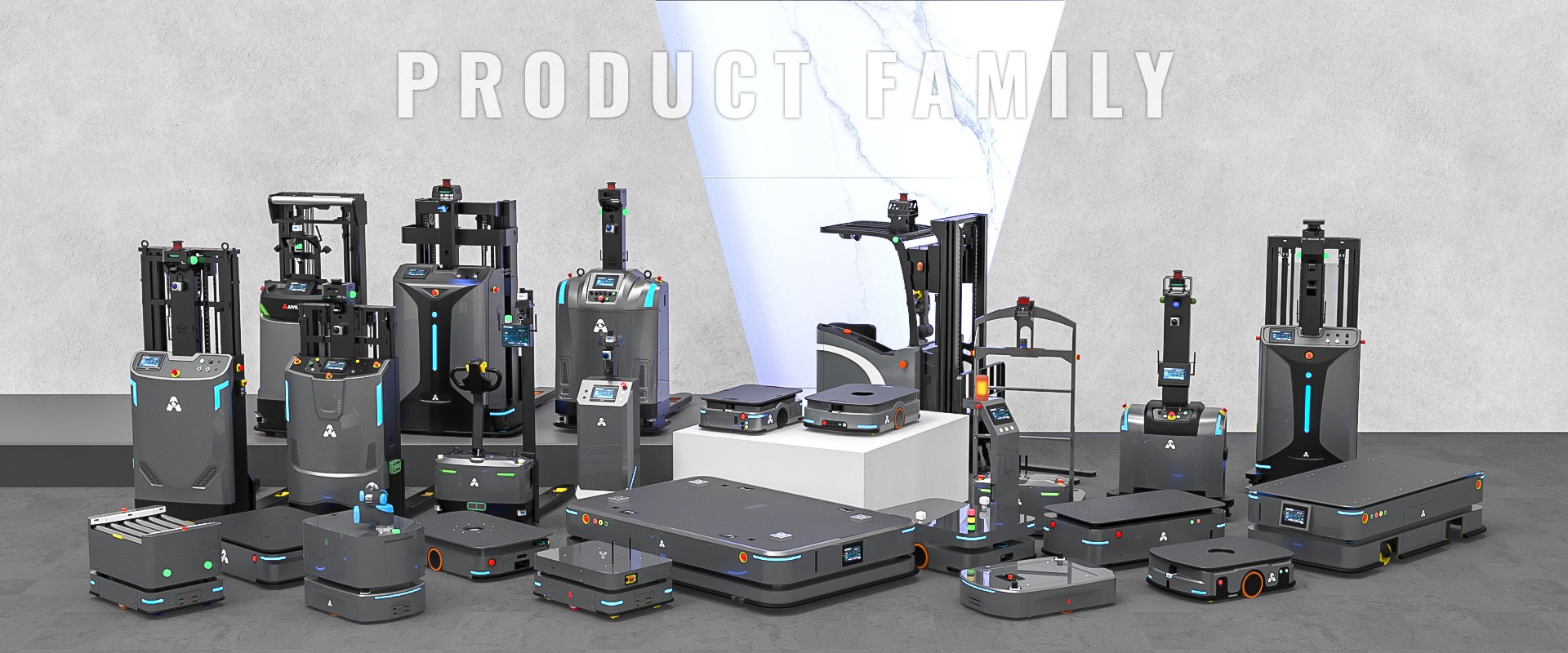
8 Product Recommendations from a China Automatic Guided Vehicle Factory
These eight platforms are a practical starting point for wholesalers, system integrators and factory buyers comparing China AGV factories. Each link is preserved from the product range so technical teams can review specifications, payload options and customization potential directly.

Omnidirectional Mobile Manipulator AMR Dual 7-DOF Arms ±0.03 mm Repeatability Laser SLAM Humanoid Robot Base
Recommended for flexible machine tending, research platforms and complex handling where mobile navigation and dual-arm dexterity must work together.
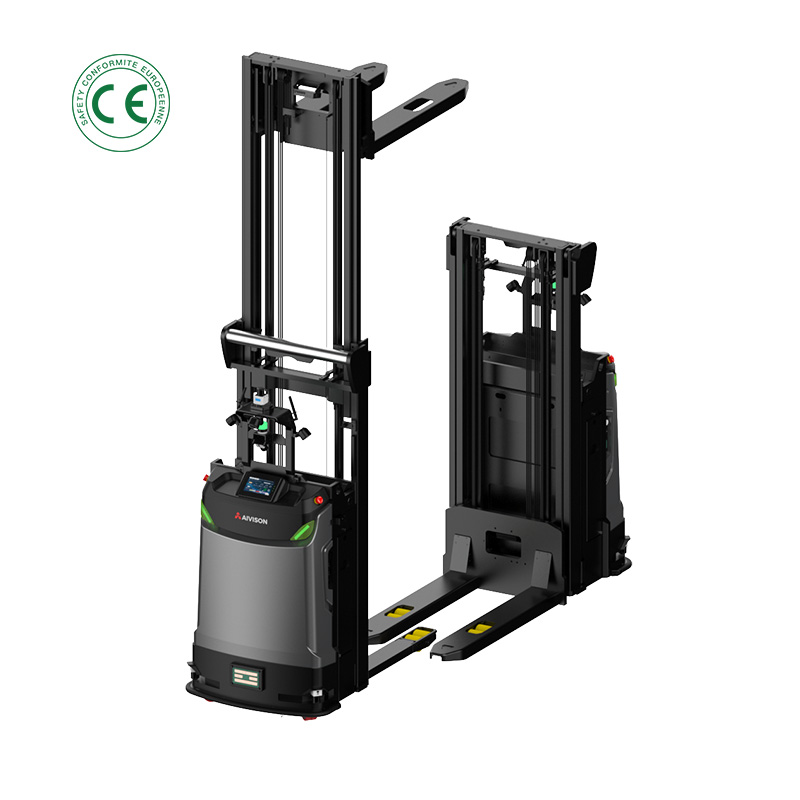
Factory AMR Robot AGV Robot Laser 2000kg Forklift AGV for Industrial Material Handling
A strong fit for pallet movement, line-side replenishment and warehouse transfer where a 2,000 kg laser-guided forklift replaces repetitive manual trips.

Hot Selling Logistics Navigation Detector Sensor Lidar Manufacturers Direct Sales
Useful for OEMs and integrators that need navigation-sensing hardware as part of a broader AGV/AMR build or replacement strategy.
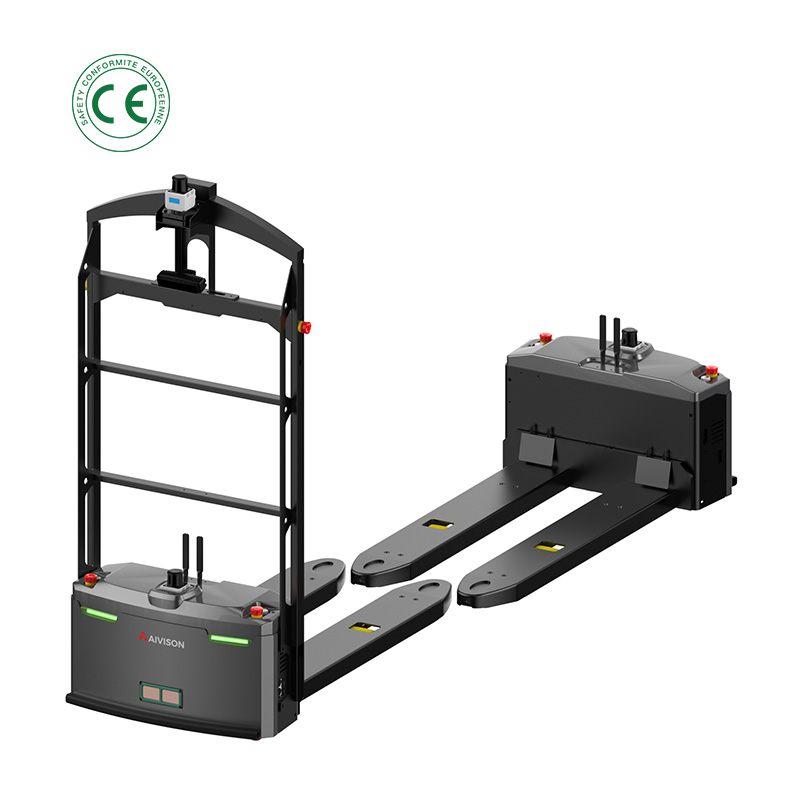
Aivison Customized 800kg Warehouse AGV Robot Lithium Battery AMR
An intermediate payload option for warehouses and production lines that need lithium-battery operation, layout flexibility and customized load interfaces.
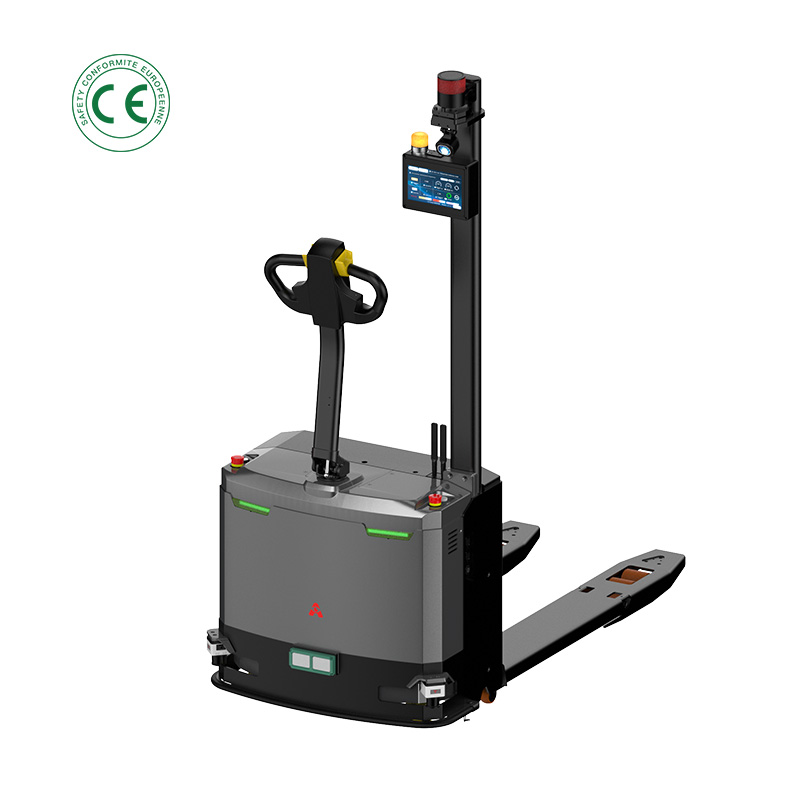
Autonomous Mobile Robot AMR AGV Forklift Pallet Stacker CE Certificate for Smart Warehouse and Production Line Automation
Recommended where CE-certified pallet stacking, smart warehouse flow and production-line automation are evaluated in the same project.

Warehouse Robot Robotics 2000KG CE Warehousing Automatic Forklift Stacking AGV
A heavy-duty stacking AGV for high-throughput warehouses that need automated fork entry, reliable pallet placement and documented CE compliance.

AI-Ready Humanoid Robot Chassis Dual 7-DOF Arms Omnidirectional Drive ROS2 Laser SLAM Open Development Platform
Best suited to R&D teams, robotics labs and advanced integrators that need an open ROS2 development platform rather than a fixed-function AGV.
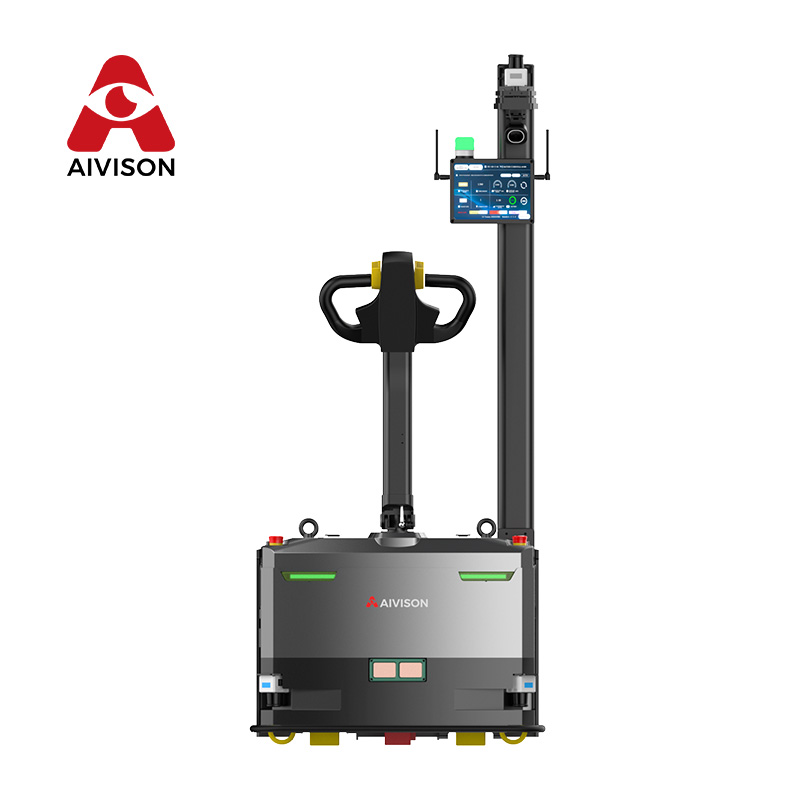
China Factory Movable Pallet Agv Robot Rack Shelf for Intelligent Robot Warehouse
A rack-focused solution for intelligent warehouses that want to combine mobile robots with movable pallet storage and reconfigurable floor zones.
What “Best” Should Mean When You Compare China AGV Factories
“Best” is not a badge a supplier can self-award. In automatic guided vehicle procurement, best means the factory can prove navigation performance, custom engineering depth, fleet coordination, quality control and after-sales support with evidence that survives technical due diligence.
Years in AGV engineering
Shenzhen-based R&D and manufacturing experience across mobile robot platforms.
Laser SLAM accuracy
Natural-feature navigation without magnetic tape, reflectors or floor QR codes as standard.
Manufacturers served
End users and integrators across three continents, from factories to warehouses.
Core industries
Semiconductor, 3C electronics, lithium battery, photovoltaic, automotive parts, PCB, textile and medical devices.
For wholesalers, the risk is different from end users. A wholesaler may aggregate product options and speed up quotation, but the underlying factory still controls engineering quality, software stability, spare parts and documentation. The strongest China AGV sourcing strategy is therefore not “factory versus wholesaler”; it is a factory-backed wholesale model with transparent specifications, traceable credentials and a documented acceptance process.

China AGV Factory & Wholesaler Due Diligence: The 8 Signals That Matter
Shenzhen Marnix Intelligent Technology Co., Ltd. is a useful case study because its stated capabilities cover the full chain buyers should verify: a complete AMR portfolio, laser SLAM and QR-assisted precision, composite mobile robots, intelligent charging docks and multi-robot scheduling over indoor Wi-Fi.
The company reports approximately ten years of AGV experience and more than 200 manufacturers served across three continents. Those claims should still be tested during sourcing, but they provide a concrete benchmark for what a serious China automatic guided vehicle factory should be able to document.
Information gain for buyers: request evidence for each signal below, then score the factory and its wholesaler partners consistently. This converts subjective “best factory” claims into a comparable procurement decision.
Engineering depth
Look for proven navigation logic, sensor fusion, controller design and customization history, not only an assembled robot catalogue. Ten years of AGV engineering is a meaningful starting point, but ask for project examples and failure-analysis procedures.
Portfolio breadth
A factory that builds jacking robots, smart forklifts, pallet AMRs, composite robots and charging docks can support mixed-fleet projects and reduce integration friction across warehouse and production zones.
Precision architecture
±5 mm with laser SLAM is sufficient for many transfer tasks; QR-assisted docking can reach ±2 mm; composite robots with a 6-axis arm can target ±0.05 mm repeatability. The point is to match accuracy to the station, not over-specify every route.
Manufacturer-level customization
Top modules such as jacking units, roller conveyors, forklift forks and robotic arms should be engineered around your production interface. A genuine factory can discuss chassis, payload, safety and control changes together.
Fleet coordination
Multi-robot dispatch, traffic control and charging coordination should be demonstrated, not left to the integrator. Ask how the scheduling system performs under blocked aisles, peak demand and Wi-Fi roaming.
Verifiable credentials
TÜV Rheinland onsite assessment, Fortune 500 supply history, credit index and transaction records help separate a real manufacturer from a trading presentation. Always check scope, date and relevance to your product category.
Wholesaler enablement
For wholesalers, confirm OEM/ODM support, spare parts lists, multilingual documentation, package dimensions, training material and escalation channels. A low unit price is not a channel strategy if after-sales support is undefined.
Project handover
Commissioning, mapping, route validation, operator training and acceptance testing should be planned before shipment. Ask for a handover checklist and a response-time target for technical questions.
How AGV and AMR Technology Is Developing in 2026–2030
The next buying cycle will reward factories that make navigation smarter, hardware more modular and software more open. These six trends should influence your product roadmap and your supplier questions.
Natural-feature SLAM and sensor fusion
Factories increasingly prefer robots that map existing environments instead of installing tape, reflectors or floor codes everywhere. Laser SLAM plus vision can reduce infrastructure cost while preserving precision at critical stations.
Modular top modules
One navigation chassis will support jacking, roller, conveyor, fork and robotic-arm modules. This modularity helps wholesalers stock fewer base platforms while offering more application configurations to end users.
Fleet intelligence and interoperability
Buyers are asking how robots from multiple vendors will coexist. A robust scheduling layer, clear APIs and honest documentation of integration limits will become differentiators in wholesale and system-integrator channels.
Safety in mixed traffic
Dynamic obstacle avoidance, speed management, blind-zone sensing and clear emergency-stop logic matter more as robots share floors with people, forklifts and manual carts. Safety evidence should be part of the quotation package.
Autonomous charging and energy uptime
Intelligent charging docks and opportunity charging make 24/7 duty realistic. Procurement should model battery cycle life, charging ratio, dock quantity and power availability together, not as separate line items.
AI-ready and humanoid-adjacent platforms
Open ROS2 development platforms, dual-arm mobile manipulators and humanoid bases will expand from labs into advanced production. Buyers should distinguish stable material-handling products from R&D platforms with different support expectations.
Buyer priority shift: what factory evaluations will emphasize
Future AGV Procurement Trends for Factories and Wholesalers
The strongest RFQ in 2026 is no longer “cheapest AGV.” It is a verifiable material-flow system with a service model, safety documentation and a total-cost view. These procurement shifts will shape supplier selection over the next buying cycle.
Total cost of ownership over sticker price
Evaluate mapping time, changeover effort, charging infrastructure, spare parts, training and downtime exposure. A slightly higher robot price can be cheaper over five years if the factory provides better documentation and support.
Software-first evaluation
Ask for scheduling logic, task assignment, traffic rules, data export and recovery after network loss. Software is where mixed-fleet complexity appears, and it should be demonstrated during the pilot rather than assumed.
Mixed-fleet and multi-brand planning
Factories rarely automate one process only. Procurement teams will ask how new AGVs coexist with existing conveyors, lifts, MES/WMS layers and other mobile robots. Clear interface ownership prevents integration disputes.
Compliance and documented safety
CE claims, onsite assessment reports, risk analysis, emergency-stop design and operator training should be indexed in the supplier file. Documentation is part of the product, especially for wholesalers reselling into regulated markets.
Service-level and spare-parts commitments
Ask for response windows, warranty scope, recommended spare-parts kits, remote diagnostic capability and training materials. Local service partners should be identified before purchase, not after an outage.
Factory-backed wholesale collaboration
Wholesalers that can provide factory engineering support, consistent documentation and project escalation become more valuable than pure traders. End users increasingly expect channel partners to answer technical questions, not only quote prices.
Before You Buy: A Factory and Wholesaler Verification Framework
Use these six checkpoints to structure a pilot, compare bids and reduce integration risk. They are especially useful when sourcing through a China AGV wholesaler that represents one or more factories.
Technical fit matrix
Map payload, rack footprint, center of gravity, aisle width, docking precision and throughput to the proposed model. Confirm whether ±5 mm laser SLAM is sufficient or whether QR-assisted ±2 mm docking is required.
Documented bill of materials
Request key component brands, battery chemistry, lidar specification, controller version, charging interface and top-module drawings. A factory should be able to explain what changes when the configuration changes.
Acceptance-test protocol
Define success before the pilot: route completion, docking repeats, traffic blocking, recharge behavior, handover to conveyors, operator intervention rate and data logs. Acceptance should be evidence-based and signed.
Site readiness review
Check Wi-Fi coverage, floor flatness, charging power, fire routes, lift/elevator interfaces and mixed-traffic rules. Laser SLAM reduces floor infrastructure, but it does not remove the need for operational planning.
Commercial and service terms
Compare warranty, delivery milestones, software updates, training, spare-parts availability and technical escalation. For wholesale channels, clarify who owns the customer relationship and who answers engineering questions.
Credential and reference check
Verify TÜV Rheinland onsite assessment, Fortune 500 supply history, credit index and transaction records where available. Then ask for a reference project with similar throughput, floor layout or top-module complexity.

Where China Automatic Guided Vehicles Are Winning in Real Operations
The same navigation core can serve very different industries when the top module, docking strategy and service plan are matched to the process. These are the eight application clusters most often evaluated by Marnix and similar China AGV factories.
Semiconductor
Cleanroom-friendly transfer and precision docking where QR assist or composite-arm repeatability may be needed.
3C Electronics
Line-side delivery, rack transport and repetitive handling in fast-changing assembly layouts.
Lithium Battery
Jacking robots and AMRs for production-line logistics, with attention to safety, uptime and charging strategy.
Photovoltaic
Module logistics and warehouse transfer where large loads, route stability and mixed traffic are critical.
Automotive Parts
Pallet handling, line feeding and warehouse-to-production transfer using forklift AGVs and pallet AMRs.
PCB
Roller-conveyor top modules and automated load transfer between process equipment and buffers.
Textile
Warehouse transport and repetitive movement across long distances, where 24/7 operation and simple routes matter.
Medical Devices
Precision assembly support and controlled material movement, often using composite robots with robotic arms.
Why Marnix Is a Credible China AGV Factory Benchmark
Credibility should be inspectable. Marnix’s stated advantages combine engineering scope, customization depth and third-party verification signals that matter to end users, integrators and wholesale partners.

TÜV Rheinland onsite assessment
Independent onsite assessment of company premises and operations supports supplier verification before purchase.

Supplier to Fortune 500
Procurement contract history with a Fortune 500 company, independently assessed, strengthens the reference case for larger projects.

Verified multispecialty supplier
Low-MOQ customization and multi-category robot procurement capability support both project buyers and channel partners.
Credit and transaction records
Transparent credit index and transaction-level history help verify commercial reliability and ongoing trade activity.
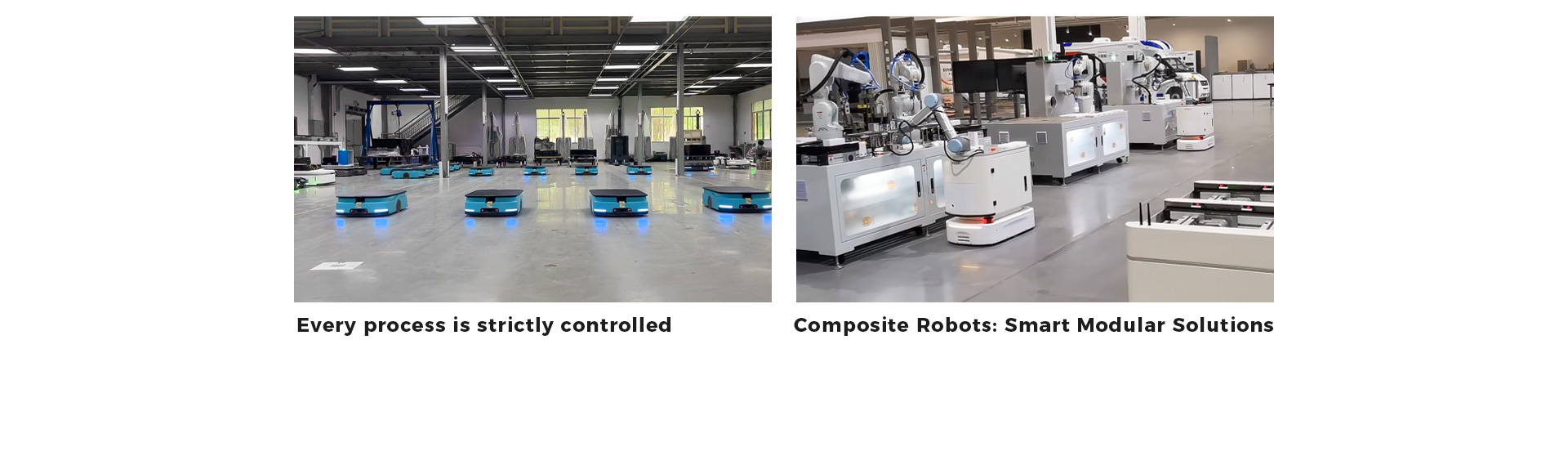
The factory’s complete portfolio also includes jacking robots, smart forklifts, pallet AMRs, composite robots, intelligent charging docks and fleet scheduling, with ±5 mm laser SLAM navigation, ±2 mm QR-assisted precision where required and ±0.05 mm composite-robot repeatability for precision production tasks.
Common Questions When Buying AGVs from China Factories and Wholesalers
These are the questions that most often decide whether a factory evaluation becomes a successful pilot. The answers below reflect the Marnix product and capability information shown across this guide.
What does “China best automatic guided vehicle factory” actually mean?
It should mean a factory can prove engineering depth, navigation performance, customization, quality control, credentials and after-sales support. Use a scorecard rather than relying on the word “best.” Verify onsite assessment, reference projects, test protocols, spare-parts plans and actual robot configurations before committing.
What navigation accuracy is realistic for AGV and AMR projects?
Laser SLAM on natural features can deliver ±5 mm positioning without magnetic tape, reflectors or floor QR codes. Adding a QR code scanning camera can raise accuracy to ±2 mm for precision docking, while composite robots with a 6-axis arm can reach ±0.05 mm repeatability for specialized assembly tasks.
Do I need to modify the factory floor before deployment?
Standard laser SLAM navigation maps the existing environment, so auxiliary tracks and floor codes are generally not required. QR labels are added only at stations where higher precision is needed. Floor condition, aisle width, Wi-Fi coverage and operational rules should still be reviewed during site readiness planning.
Should I buy from a factory or a China AGV wholesaler?
Buy from a factory when engineering customization, direct technical answers and software configuration are critical. Buy through a wholesaler when you need aggregation, faster commercial handling or local market support, but confirm the factory behind the offer. The best wholesale partner will provide transparent factory documentation, technical escalation and spare-parts access.
Can AGV robots be customized for my production equipment?
Yes. Manufacturer-level customization can include chassis changes, payload adaptations, jacking units, roller conveyors, forklift forks and 6-axis robotic arms. The goal is to connect directly with production equipment and existing racks or pallets instead of forcing the process to fit a standard robot.
How are multiple robots coordinated and charged?
An intelligent scheduling system can manage simultaneous task assignment, traffic control and routing over indoor Wi-Fi. Compatible smart charging docks support automatic charging so fleets can maintain 24/7 duty. During procurement, ask for a demonstration of blocked-route handling, charge scheduling and network recovery behavior.
What should be included in an AGV pilot acceptance test?
Include route completion, docking repeatability, payload stability, obstacle avoidance, mixed-traffic response, charging behavior, task handover, operator intervention rate and data log review. Agree on measurable pass/fail criteria before the pilot begins, and tie final payment or rollout approval to those results.
Which industries should consider these systems, and how do I start?
Semiconductor, 3C electronics, lithium battery, photovoltaic, automotive parts, PCB, textile and medical device operations all use mobile robots for repetitive material flow. Start with payload, layout, throughput, docking precision, Wi-Fi coverage and equipment-interface details, then request a configuration review from the factory.
Turn your material-flow challenge into a verified robot pilot
Share your payload, layout, throughput and docking requirements with the factory team. A focused review can identify whether laser SLAM, QR-assisted docking, a jacking robot, a smart forklift or a composite mobile robot is the right starting point.