CE Certified Omnidirectional Jacking Robot Factory & Exporters
Shenzhen Marnix Intelligent Technology Co., Ltd. engineers laser SLAM AMRs, omnidirectional jacking robot platforms, smart forklifts and composite mobile robots for export-grade factory automation. Standard natural-feature navigation reaches ±5 mm; QR-assisted docking reaches ±2 mm; composite platforms with a 6-axis arm reach ±0.05 mm repeatability.
Eight Omnidirectional Jacking, AMR and Smart Forklift Platforms
Buyers searching for a CE certified omnidirectional jacking robot factory and exporters usually need more than a chassis price. They need a platform that can be integrated with racks, conveyors, pallets, lifts, safety systems and fleet software. The products below preserve the original manufacturer catalogue URLs and provide a practical shortlist for end users, system integrators and OEM buyers.
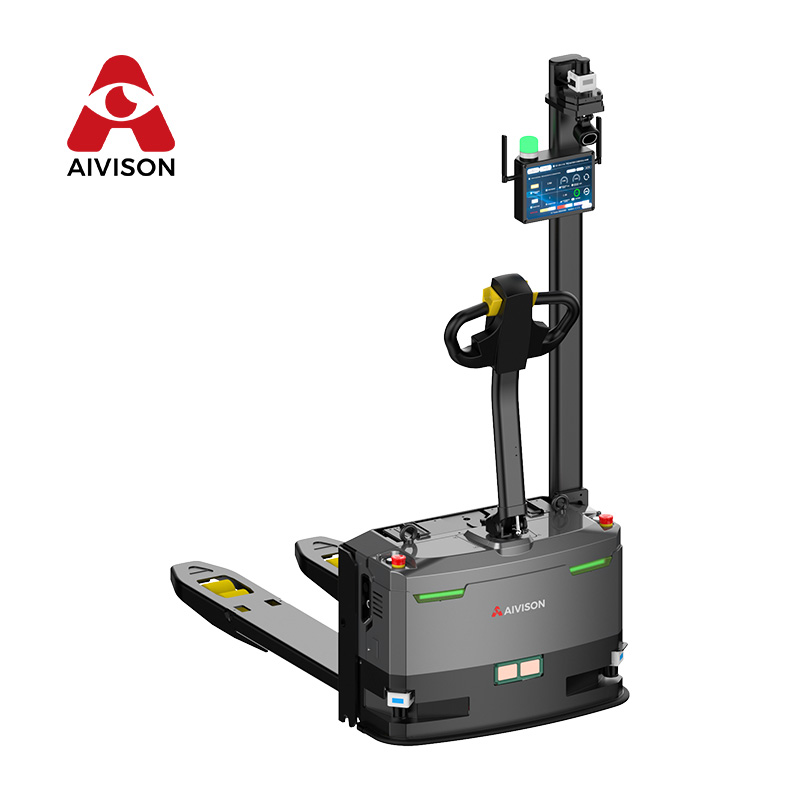
Laser SLAM Navigation Automated Guided Vehicle Forklift agv 1500kg Load Capacity
Recommended for pallet and rack movement where natural-feature mapping, fast route changes and 1500 kg handling are the first filters.
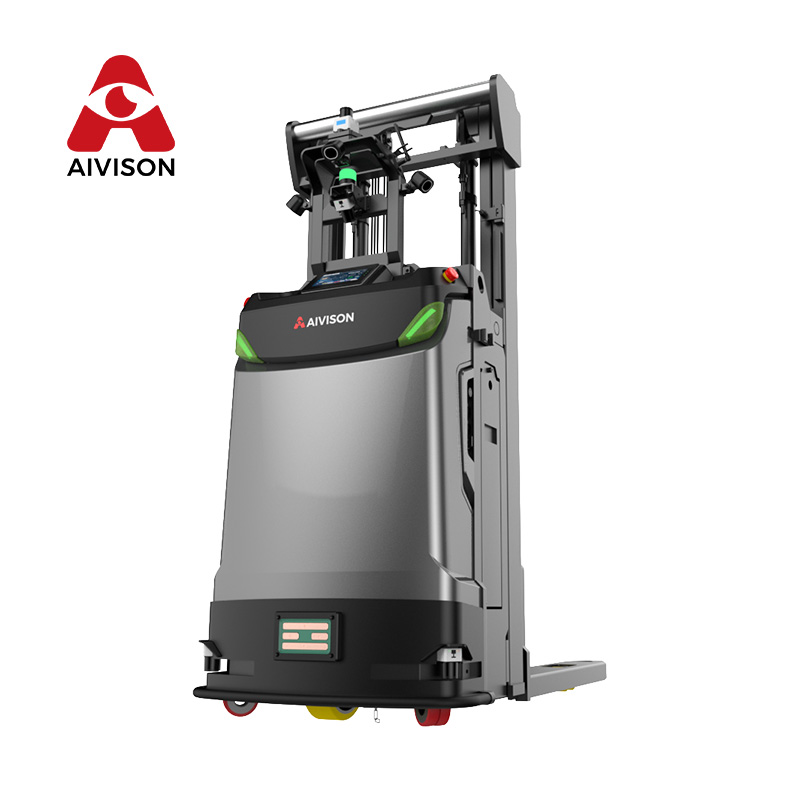
Autonomous Mobile Robots (AMR) Implement Cargo Transportation Between Warehouse and Conveyor Line
Best suited to conveyor handover and warehouse-to-line transfer where repeatable docking and fleet traffic control matter.

High-performance Intelligent Smart Automated Guided Vehicle 2000kg AMR Robot
A strong candidate for heavier internal logistics, high-duty cycles and factories that expect future line layout changes.

Automatic Handling CE Certificate 2000kg Forklift Robot Vehicle Laser AGV for Large Load Goods-carrying
Relevant for export projects that require CE-oriented documentation review for a 2000 kg automatic forklift configuration.
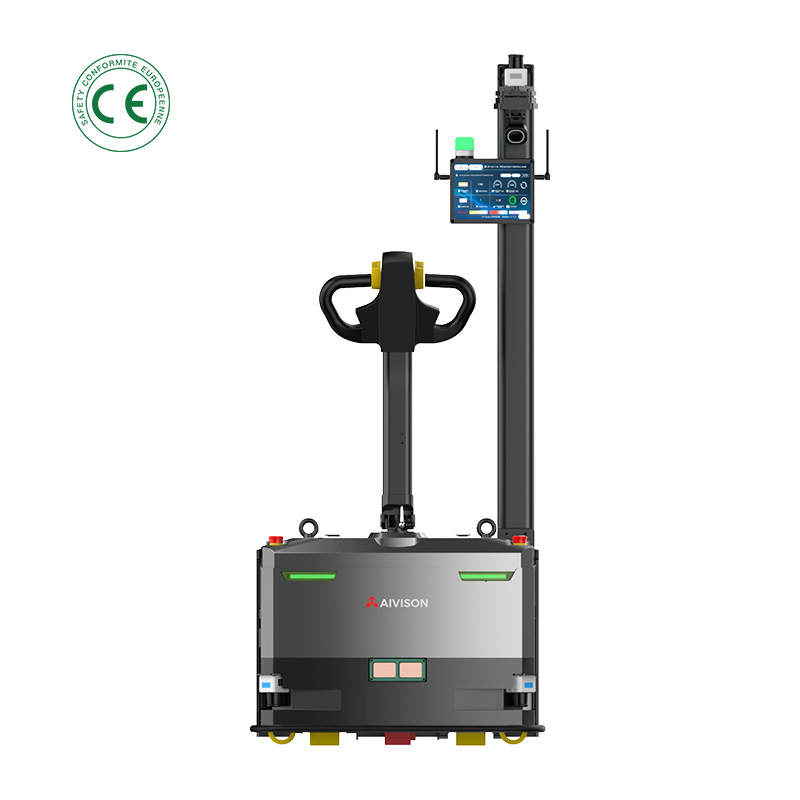
Autonomous Mobile Robot AGV CE Laser SLAM Navigation for Material Handling and Logistics
A versatile platform for material handling and logistics when buyers need trackless navigation and flexible project scaling.

New Warehouse Autonomous Cars agv Robot 2000kg Load Capacity Stacker agv Robot
Recommended for warehouse stacker duties and high-bay workflows where load stability, docking discipline and uptime dominate ROI.

Omnidirectional Humanoid Robot Chassis Dual 7-DOF Arms Laser SLAM Autonomous Warehouse AMR Mobile Platform
For advanced integration, research lines and composite automation where an omnidirectional chassis with dual 7-DOF arms is required.
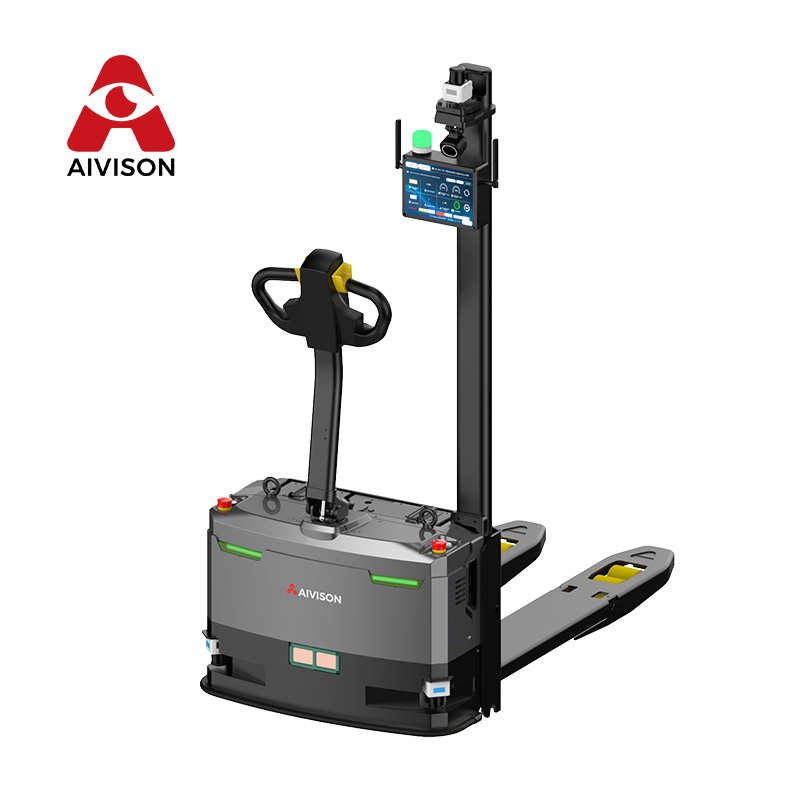
Aivison AGV Forklift High Quality Industrial Unmanned Pallet Forklift
An industrial unmanned pallet forklift option for buyers who prioritise pallet handling, operational simplicity and export support.
What a “CE Certified Omnidirectional Jacking Robot Factory” Should Prove
An omnidirectional jacking robot is not a commodity cart. It is a safety-relevant machine that interacts with racks, conveyors, elevators, people and fleet software. Export buyers should evaluate the supplier’s evidence, not only the catalogue photo.
For buyers comparing exporters of CE certified omnidirectional jacking robots, the most useful information gain is a structured way to separate a buildable, documentable, serviceable platform from a low-cost vehicle that creates hidden integration risk. Shenzhen Marnix draws on about ten years of AGV engineering and manufactures laser SLAM AMRs, jacking robots, smart forklifts, pallet AMRs, composite mobile robots and intelligent charging docks. The portfolio is supported by an intelligent scheduling system over indoor Wi-Fi, simultaneous multi-robot dispatch, automatic charging and custom top modules such as jacking units, roller conveyors, forklift forks and 6-axis robotic arms.
The phrase “CE certified” should be treated as a documentation and conformity question, not a decorative badge. A responsible supplier will confirm the exact model, configuration, safety functions, intended use and destination market; then provide the applicable Declaration of Conformity, technical file evidence, risk assessment, traceability and commissioning recommendations. For driverless industrial trucks, project teams often review safety functions against standards such as EN ISO 3691-4 and related functional safety requirements, depending on the configuration and market. Ask for written evidence before placing a deposit.
Why Marnix Is Relevant to Export-Grade Procurement Teams
The company’s original advantages are engineering-led: a complete AMR portfolio, laser SLAM plus vision fusion, precision without floor rework, manufacturer-level customization and verified trade credentials.
Laser SLAM + Vision Fusion
Natural-feature navigation reaches ±5 mm without magnetic tape, reflectors or floor QR codes. Where stations need higher precision, a QR code scanning camera can raise docking accuracy to ±2 mm.
Manufacturer-Level Customization
Chassis, payload and top mechanisms can be engineered around the production line: jacking units, roller conveyors, forklift forks and 6-axis arms. This is an OEM/ODM advantage for integrators.
Precision Without Floor Rework
Standard SLAM maps the existing factory. QR labels are added only at decisive stations, reducing retrofit cost and avoiding unnecessary disruption to live production.
Fleet Scheduling Over Wi-Fi
An intelligent scheduling system coordinates multiple robots over indoor Wi-Fi with simultaneous task assignment, traffic control and automatic charging through compatible smart docks.
Independently Verified Credentials
TÜV Rheinland onsite supplier assessment, Fortune 500 supplier history, verified multispecialty supplier status and transparent credit and transaction records support export due diligence.
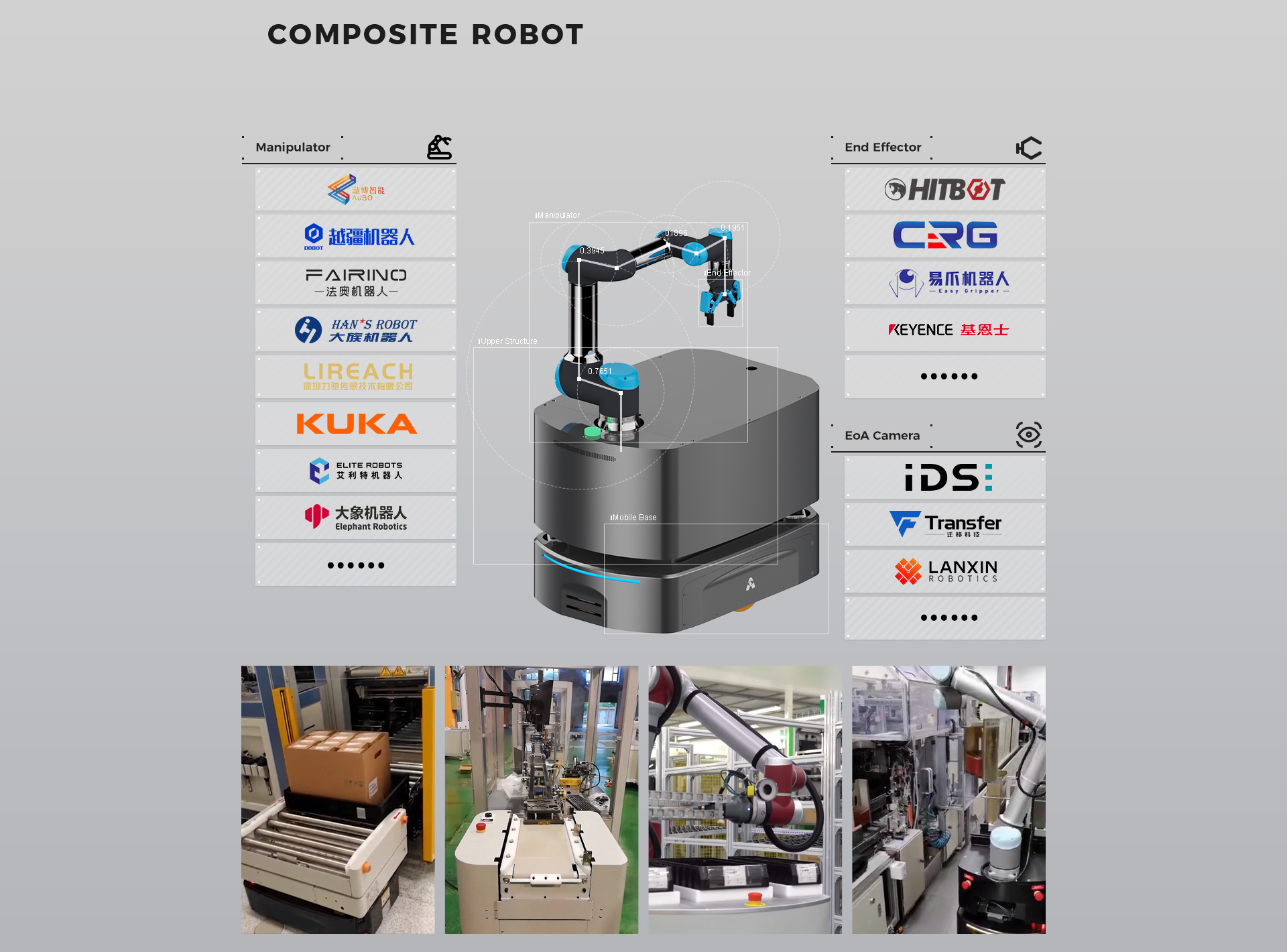
Composite Robotics Capability
Composite mobile robots combine autonomy with modular arms and roller systems. Multi-layer synchronization protocols target ±0.05 mm repeatability for semiconductor and medical-device production.
Match Navigation Accuracy to the Station, Not the Brochure
Over-specifying precision can add cost and complexity. Under-specifying it can stop a project at commissioning. Use a station-by-station accuracy plan.
Laser SLAM on Natural Features
Recommended for warehouse transfer, line-side delivery, frequent layout changes and mixed traffic. No auxiliary tracks, reflectors or floor codes are required. This is usually the most cost-effective specification for general material flow.
SLAM + QR Code Camera
Use where docking must be tighter at selected stations: high-shelf storage, precision transfer, wafer handling or automated conveyor handover. QR labels are added only where needed, balancing precision and retrofit cost.
Composite Robot with 6-Axis Arm
For semiconductor, medical-device assembly and other high-value operations where the robot must not only move but also manipulate. Station calibration and integration engineering are part of the evaluation, not an afterthought.
Designed for Mixed-Traffic Factories, Not Demo Bays
Robots deliver value only when the supplier understands the operating environment: people, forklifts, aisle widths, Wi-Fi coverage, docking stations, charging strategy and maintenance access.

From Line-Side Delivery to High-Bay Logistics
The original Marnix application data confirms deployments in warehouses, high-bay storage and production lines where people, forklifts and robots share the same floor. The practical implications for buyers are clear: safety validation, traffic rules and charging strategy must be designed before the first robot arrives.
- Dynamic obstacle avoidance for mixed human and vehicle traffic.
- Millimeter-level precision for high-shelf and station docking demands.
- 24/7 operating design with automatic charging through compatible smart docks.
- Layout freedom to re-map routes without floor rework when the line changes.
Connect the Robot Directly to Production Equipment
Custom top mechanisms solve harder automation problems: robotic arms, roller conveyors, jacking units and forklift forks can connect with production equipment rather than forcing the line to adapt to a standard vehicle.
Recommended Omnidirectional Jacking Robot Configurations by Use Case
Use these shortlists as a starting point for a technical inquiry. The final configuration should be confirmed against payload, rack geometry, aisle width, throughput, docking precision and safety requirements.
General Line-Side Delivery
Shortlist the laser SLAM automated guided vehicle forklift with 1500 kg capacity when natural-feature mapping and frequent route changes matter more than maximum payload.
Warehouse-to-Conveyor Handover
Use the AMR cargo transportation platform for warehouse and conveyor-line transfer, especially where repeatable handover and fleet scheduling reduce waiting time.
Heavy Pallet and Stacker Work
Compare the 2000 kg intelligent AMR and 2000 kg stacker AGV when the project involves heavier loads, high-duty cycles and strict uptime expectations.
Advanced Composite Automation
Review the omnidirectional humanoid chassis with dual 7-DOF arms when the application requires mobility plus manipulation or a future-ready research platform.
Omnidirectional Jacking Robot Procurement Trends for Export Buyers
Purchase decisions are shifting from “Can a robot move a load?” to “Can this fleet remain safe, documented, serviceable and financially attractive for seven years?”
CE and Standards Evidence Moves Upstream
Procurement teams increasingly request the technical file, risk assessment, Declaration of Conformity, safety-function description and commissioning plan before the purchase order, not after shipment.
TCO Replaces Unit Price
Energy consumption, charging-dock count, spare-parts strategy, floor modification, integration labour and uptime support now shape the business case more than the bare robot price.
Modular Top Modules Reduce Re-Engineering
Buyers prefer a proven SLAM chassis with swappable jacking, roller, fork or arm modules. This protects the fleet investment when the product mix or line layout changes.
Mixed-Fleet Interoperability Becomes Mandatory
Factories seldom automate only one process. Fleet software must coordinate multiple robots, traffic zones, charging tasks and handover points without creating isolated automation islands.
Safety Validation for Mixed Traffic
Human-aware navigation, emergency stop logic, speed zoning and blind-corner behaviour are now part of factory acceptance testing. The project plan must include a shared-traffic risk review.
Integrator-Led Procurement Gains Scale
System integrators want OEM support, documentation packages, mechanical interfaces and predictable customization. Factories that support integrators well tend to shorten end-user deployment cycles.
Where Omnidirectional Jacking Robot Technology Is Heading
The next specification cycle will be shaped by navigation robustness, composite manipulation, charging intelligence and lifecycle serviceability.
Natural-Feature SLAM + Vision Fusion
More layouts will be mapped from existing features, with vision helping robots understand pallets, racks and dynamic obstacles. The goal is faster commissioning and fewer floor changes.
QR Assistance Where Precision Pays
Rather than covering a floor with codes, buyers will use QR assistance only at high-value docking points. This keeps ±2 mm capability without paying for unnecessary infrastructure.
Composite Mobile Robots with Arms
AMR mobility is converging with 6-axis arms, roller conveyors and machine-tending modules. This expands automation into semiconductor, medical-device and precision assembly work.
Fleet Orchestration and Auto Charging
Intelligent scheduling, Wi-Fi coordination and compatible charging docks will be evaluated as part of the platform, not as separate add-ons. Uptime becomes a software and energy-management outcome.
Inside the Shenzhen Marnix Manufacturing and Support Model
Shenzhen Marnix Intelligent Technology Co., Ltd. is a Shenzhen-based manufacturer with approximately ten years of AGV engineering experience. The company builds laser SLAM AMRs, jacking robots, smart forklifts, composite mobile robots and intelligent charging docks for end users and system integrators. Its original quality claims include multi-stage intelligent inspections, thousands of operational stress tests and a target of near-zero failure rates for mission-critical lines.
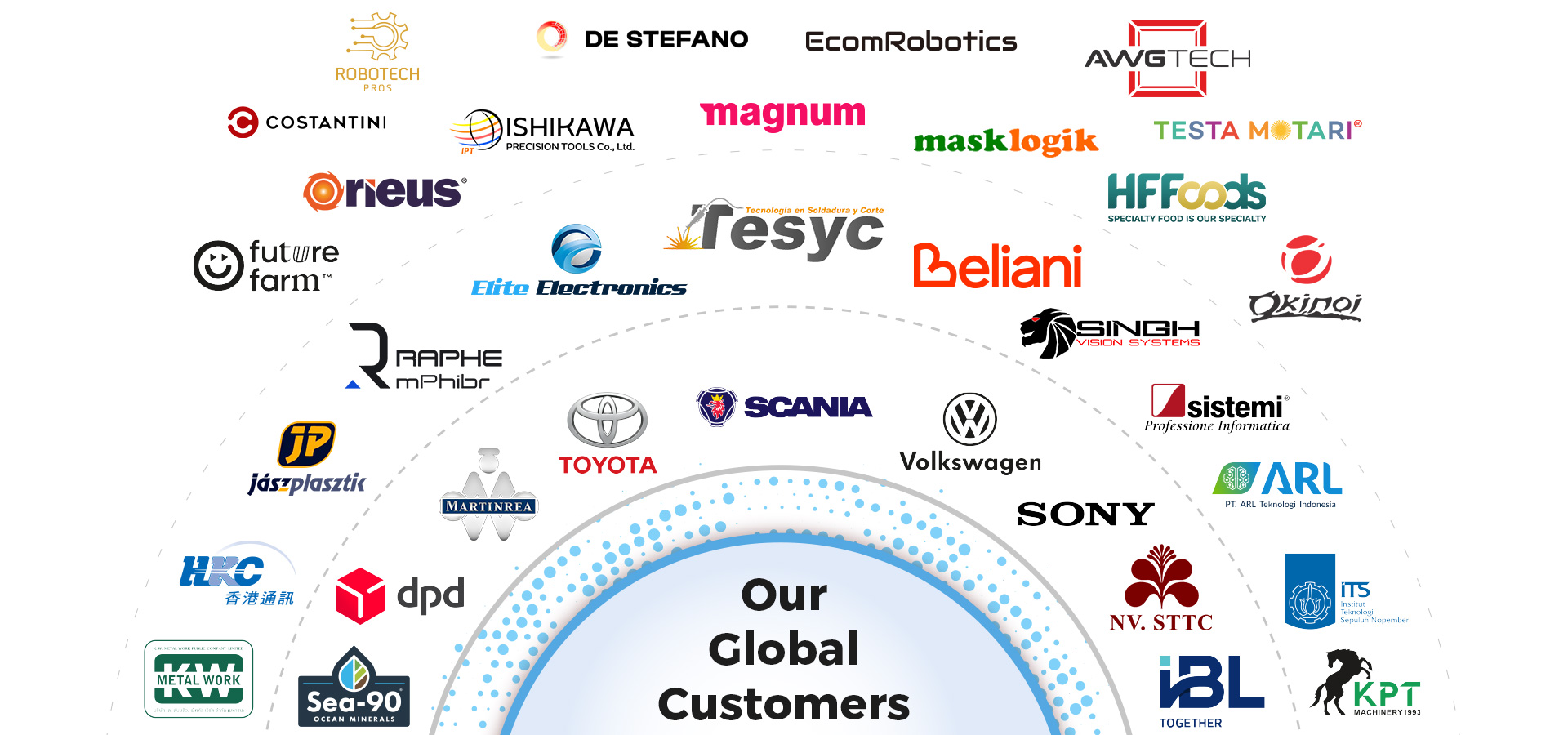
For export buyers, the practical advantage is not a single specification. It is the combination of a modular navigation core, customizable top mechanisms, fleet scheduling, automatic charging and a factory team that can discuss the application rather than only quote a vehicle. The company reports more than 200 manufacturers served across three continents and a client base that includes logistics and manufacturing companies, with Fortune 500 supplier history and TÜV Rheinland onsite assessment.
- Complete AMR portfolio: jacking robots, smart forklifts, pallet AMRs, composite robots and charging docks.
- Integrator support for OEM/ODM chassis and top-module engineering.
- Model-specific CE documentation should be requested and reviewed for the exact configuration and market.


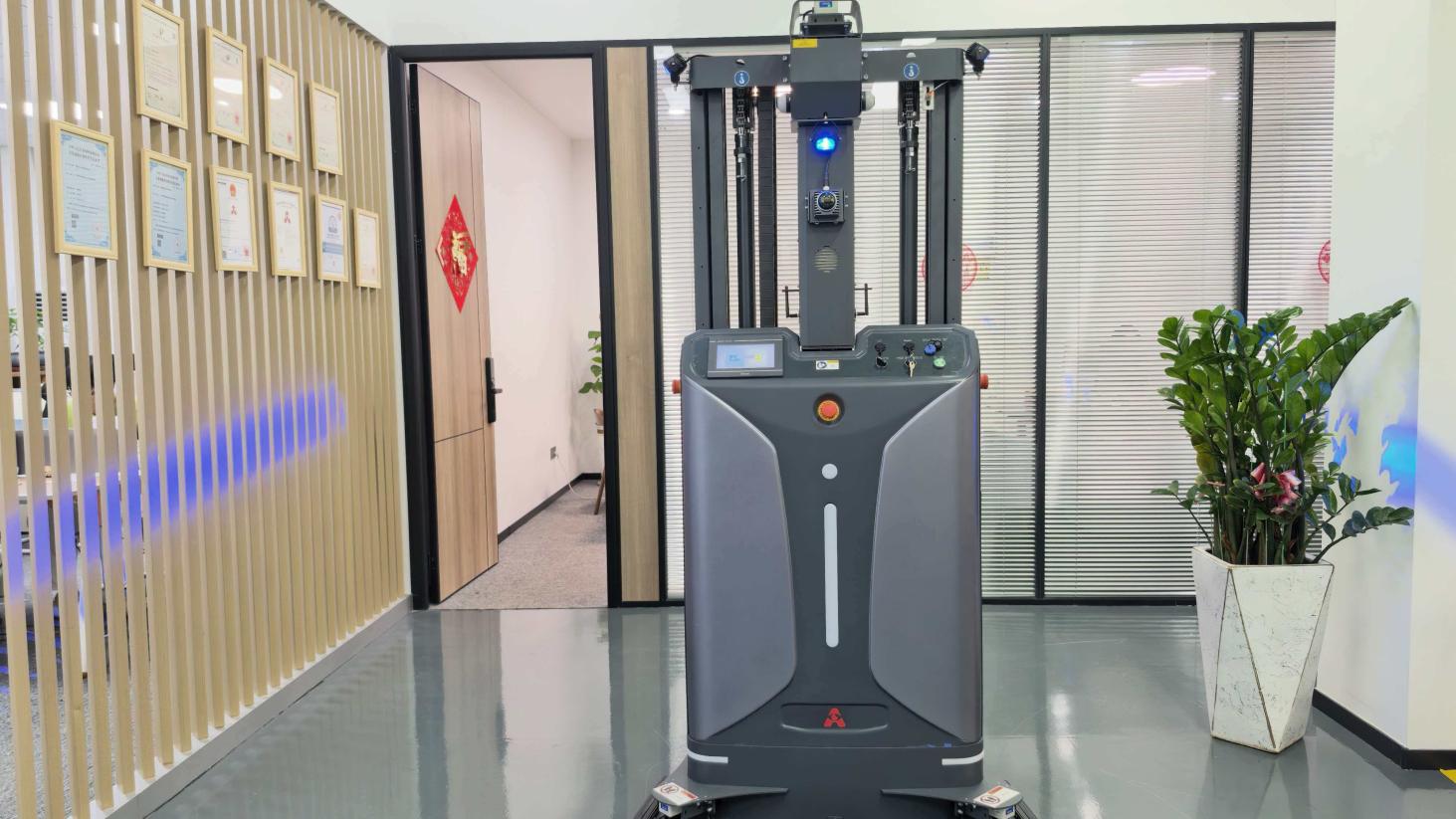
What to Prepare Before Requesting an Export Proposal
From Marnix project experience, six inputs determine most of the robot selection. Sharing them upfront shortens evaluation from weeks to days and reduces costly re-quotes.
01. Load Profile
Maximum weight, footprint, centre of gravity and rack or pallet condition. Confirm whether the load is stable, open, soft or high-value.
02. Site Layout
CAD drawing or sketch with aisle widths, doors, slopes, lift points, charging locations and any restricted mixed-traffic zones.
03. Throughput Target
Missions per hour, peak periods and shift pattern. These set fleet size, charging-dock count and buffer requirements.
04. Docking Precision
Identify where ±5 mm is enough, where ±2 mm QR assistance is required, and where an arm-level operation is necessary.
05. Wi-Fi and Charging
Access-point coverage, dead zones, charging room availability and the desired ratio of robots to smart charging docks.
06. Equipment Interfaces
Conveyors, machines, elevators or shelving the robot must hand over to, plus any top-module or PLC communication requirements.
CE Certified Omnidirectional Jacking Robot FAQ for Procurement Teams
Direct answers to common questions from end users, distributors and system integrators evaluating a factory and exporter.
What does “CE certified” mean for an omnidirectional jacking robot?
It should mean that the exact model and configuration have been assessed against the applicable directives and standards for its intended use and market. Ask for the Declaration of Conformity, technical file evidence, risk assessment, safety-function description, traceability and commissioning recommendations. Do not accept a generic catalogue badge as proof for every configuration.
What navigation accuracy can the robot achieve?
Laser SLAM on natural features reaches ±5 mm without magnetic tape, reflectors or floor QR codes. Adding a QR scanning camera can raise station docking accuracy to ±2 mm. Composite robots with a 6-axis arm target ±0.05 mm repeatability through integration and calibration.
Do I need to modify the factory floor?
Normally no. Standard SLAM maps the existing environment, so auxiliary tracks and floor codes are not required. QR labels are added only at selected stations where ±2 mm docking precision is needed. This helps live factories avoid disruptive floor works.
Can the top module be customized for my production line?
Yes. As a manufacturer, Marnix can engineer chassis and top modules such as jacking units, roller conveyors, forklift forks and 6-axis robotic arms. Provide the load, interface height, handover method and communication requirements so the design can be reviewed.
How are multiple robots coordinated?
An intelligent scheduling system manages the fleet over indoor Wi-Fi. It can coordinate simultaneous task assignment, traffic control and automatic charging with compatible smart charging docks. The site Wi-Fi survey is an important part of project preparation.
Which industries are the best fit?
The portfolio is used in semiconductor, 3C electronics, lithium battery, photovoltaic, automotive parts, PCB, textile and medical-device environments. The right configuration depends on cleanroom requirements, payload, docking precision and the mix of people and vehicles.
How should I compare exporters fairly?
Compare on a common scope: payload at the actual centre of gravity, navigation accuracy by station, safety functions, top module, number of charging docks, fleet software, spare-parts list, documentation package, commissioning support and warranty terms. A low robot price can hide integration and lifecycle cost.
How do I start a project evaluation?
Send your payload, layout drawing, throughput target, docking precision requirement, Wi-Fi condition and equipment interfaces. The Marnix team can then recommend a platform, precision level, fleet size and next-step documentation request for the exact export configuration.
Ready to Shortlist a CE-Oriented Omnidirectional Jacking Robot?
Share the load profile, layout, throughput, docking precision and interface requirements. The factory team can map the application to a laser SLAM AMR, jacking robot, smart forklift or composite mobile platform and clarify the documentation review path for your destination market.
Inquiry & Configuration Support
For end users, distributors and system integrators. No extra script is added to the inquiry button; the site’s configured live-chat behavior remains in control.
Inquire Now Please include the robot task, payload, rack or pallet type, aisle width, docking target and destination country for the fastest technical response.