
What Is an AMR with Robotic Arm for Auto Parts Assembly?
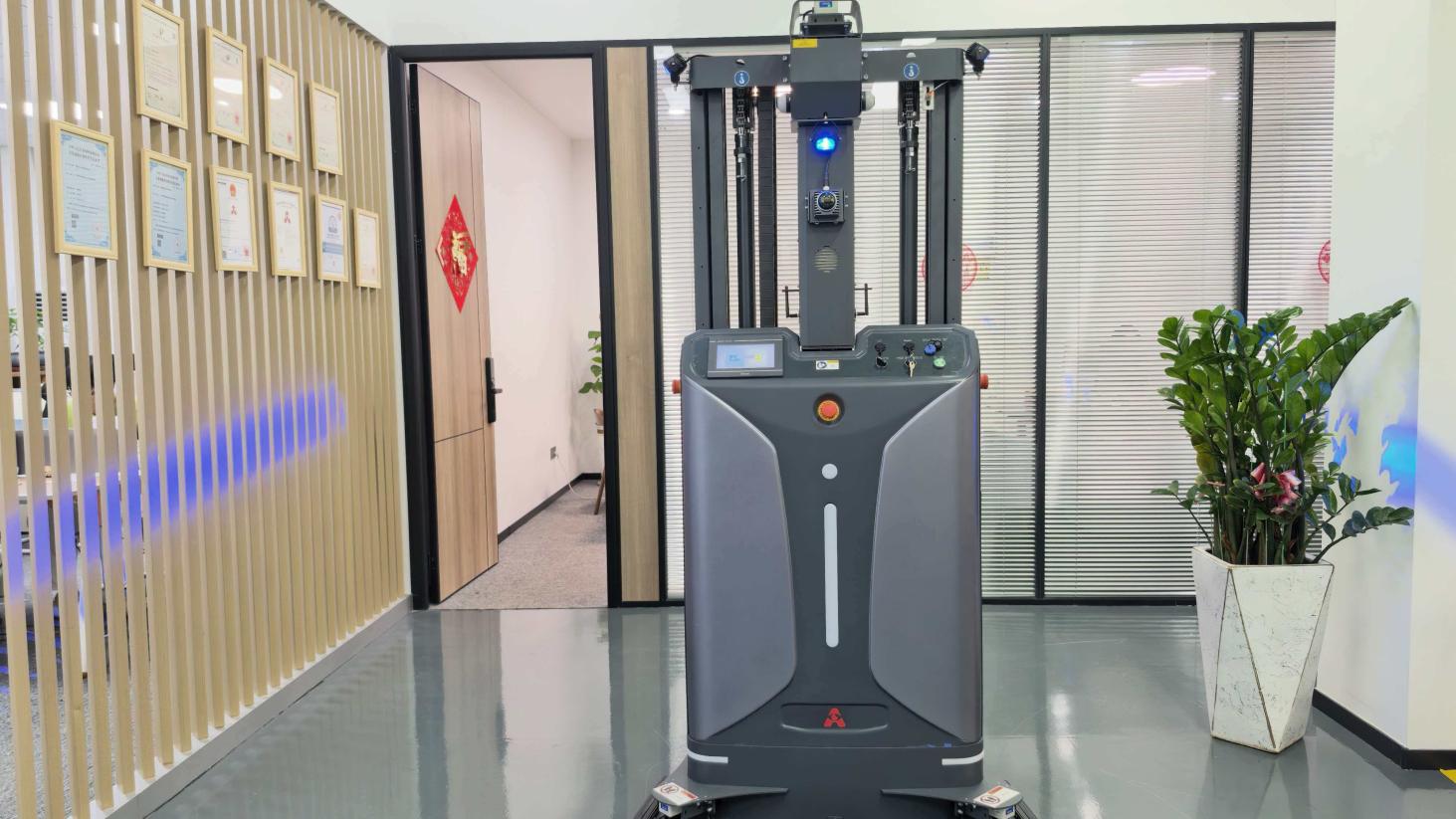
An AMR with robotic arm for auto parts assembly is a mobile manipulator that combines an autonomous mobile robot base with a robotic arm, end effector, vision and safety system. The AMR navigates between assembly stations, racks, kitting carts, machines and inspection areas without fixed tracks. The arm then performs pick-and-place, machine tending, screwdriving, press-fit support, lubrication, labeling, inspection or finished-part transfer at the point of use.
For global procurement teams, the value is not simply replacing a worker with a robot. The stronger business case is reducing work-in-process, stabilizing cycle time, preventing ergonomic strain, improving traceability and making automation reconfigurable when vehicle models, part variants or volume mixes change.
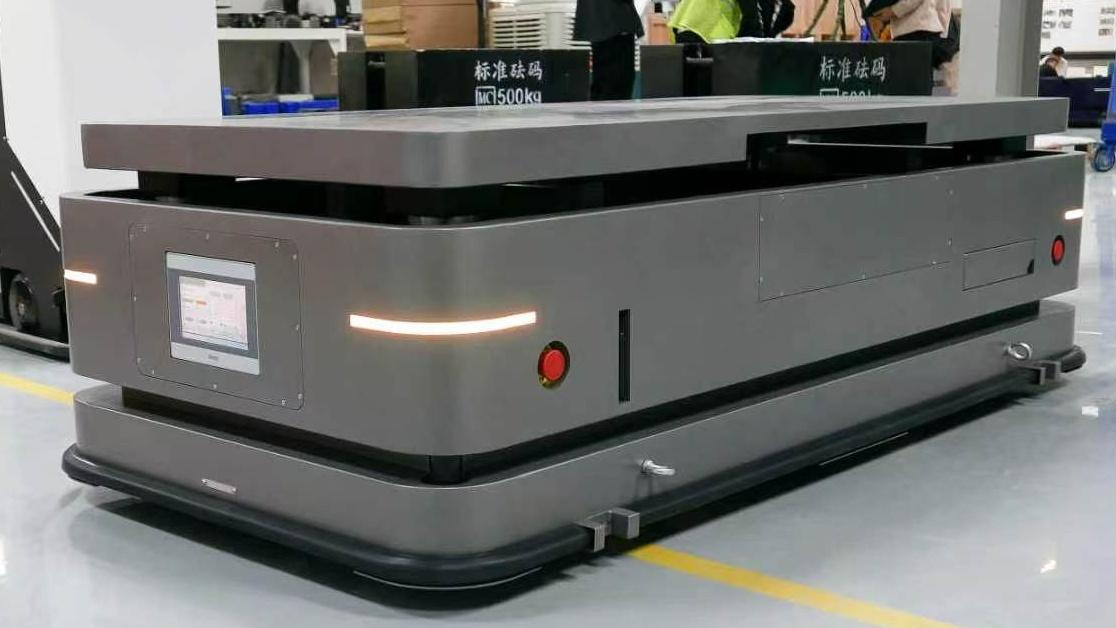
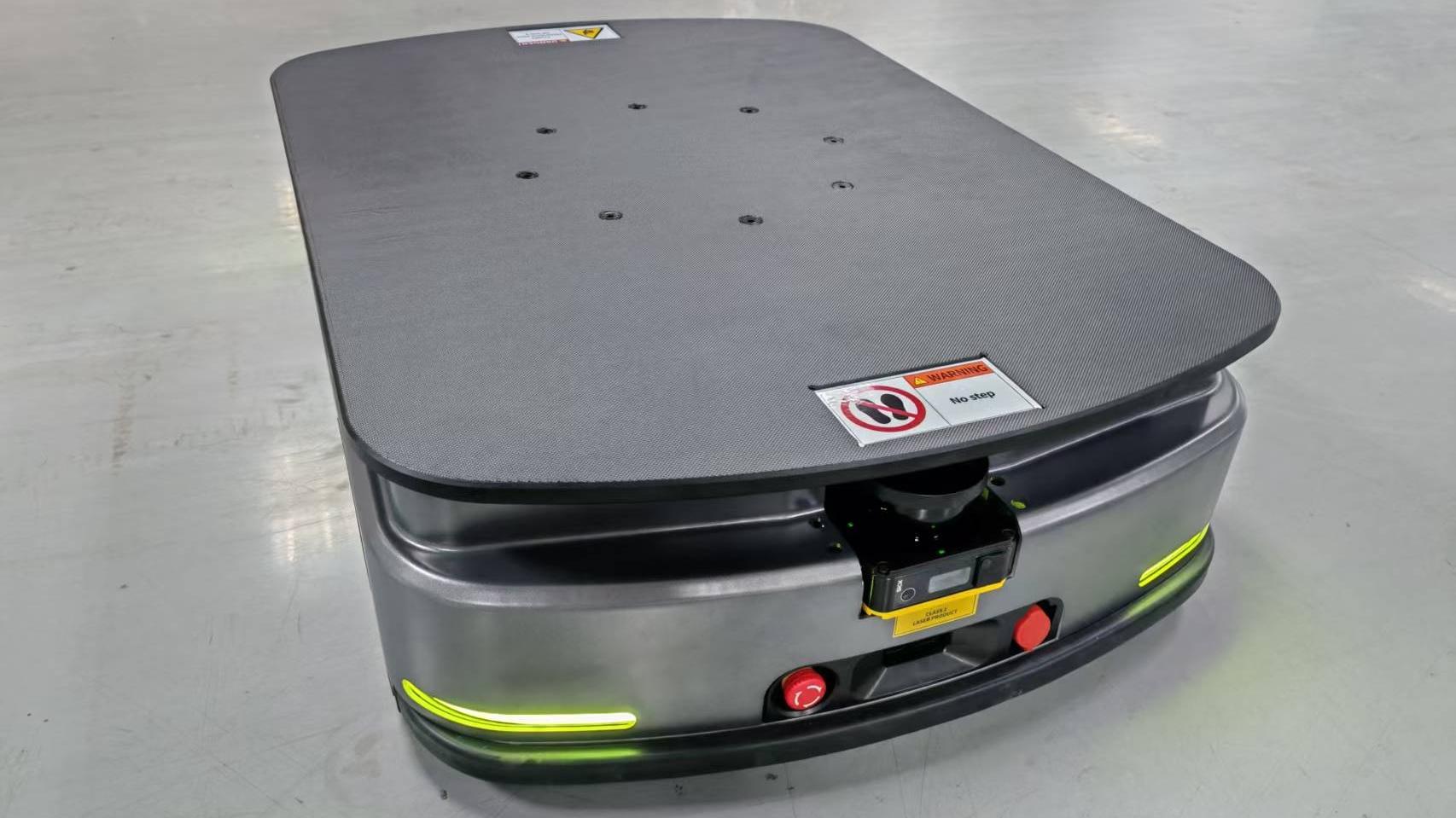
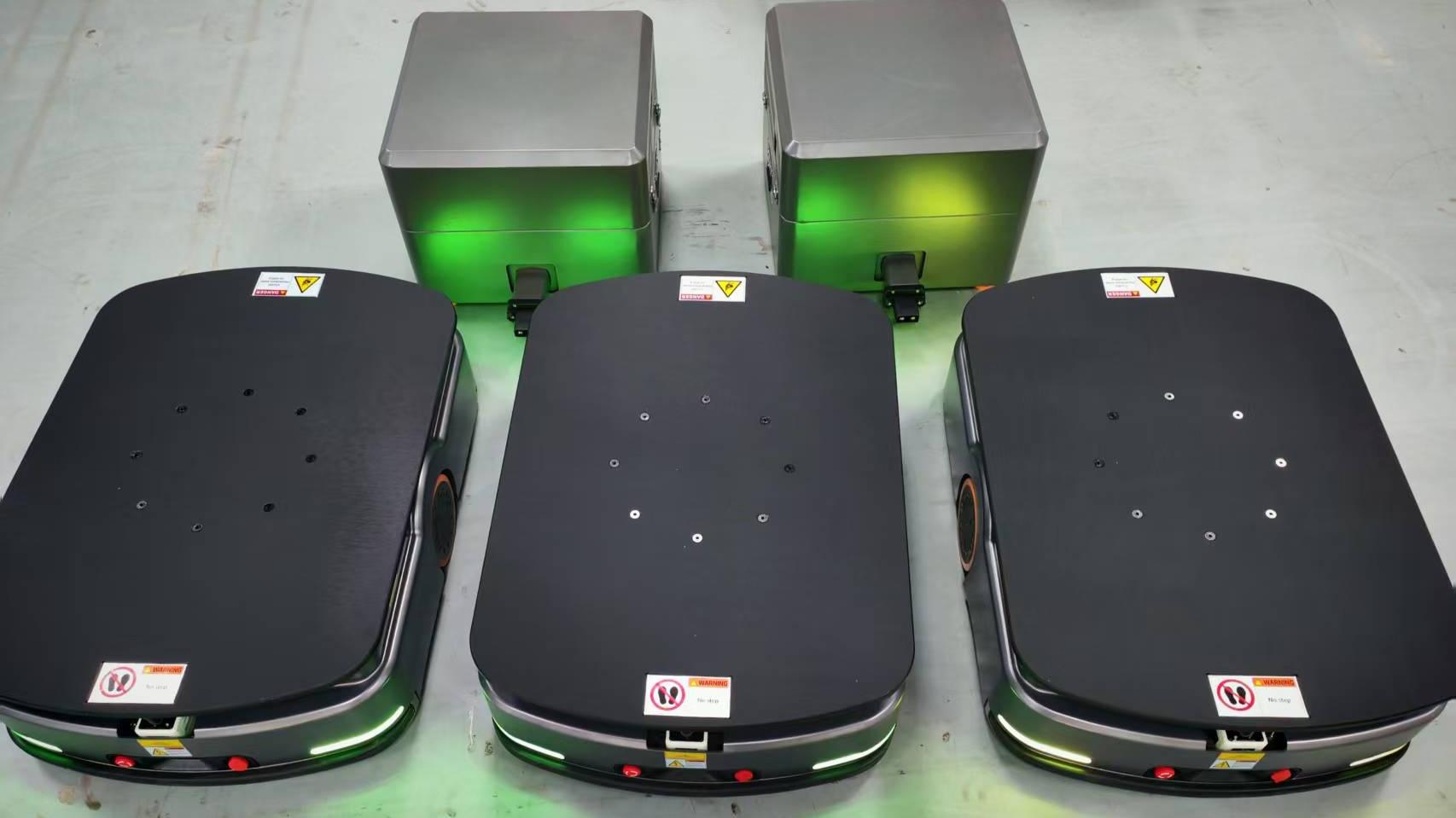
Automotive parts assembly is a difficult environment for fixed automation. A single plant may run dozens of part families, multiple packaging formats and frequent engineering changes. Fixed robots are efficient at high-volume, repeatable stations, but they become expensive when the station itself must move or when conveyors and fixtures change with every model year. A conventional AMR solves transport but still depends on people to load, unload, position or operate equipment. A mobile manipulator closes that gap by carrying both the material and the manipulation capability to the workstation.
Buyers often search for this product using several related terms: AMR with robotic arm for auto parts assembly, mobile manipulator, robotic arm AMR, composite mobile robot, 6-axis arm AMR or automotive assembly automation robot. The technical meaning is similar, but the specification is not. A reliable evaluation starts with the task, part presentation, cycle time and interface, not with the robot platform alone.
Where a mobile manipulator creates the clearest value
- Line-side kitting and sequencing: deliver the correct parts, tray or subassembly to a workstation and use the arm for presentation or transfer into the fixture.
- Machine tending: load and unload presses, ovens, testing machines or assembly equipment where the operator currently walks between machines.
- Flexible assembly operations: support screwdriving, lubrication, press-fit assistance, vision inspection and small-part pick-and-place at stations that do not justify a fixed robot.
- Heavy subassembly transfer: move component assemblies between zones while keeping orientation and traceability data attached to the part.
- High-mix production: redeploy the mobile manipulator to another line when demand changes, instead of rebuilding a dedicated automation cell.
- Inspection and labeling: scan, measure, label or record quality data at the point where the part is produced.
Where a fixed robot or conventional AMR still wins
A fixed robot remains the better choice for extremely short cycle times, very high annual volume, repeated identical motions and simple guarding. A conventional AMR is often sufficient when the only requirement is transport and a human or fixed machine will handle the part. A mobile manipulator is most attractive when the factory needs both movement and manipulation with a reasonable redeployment path.
Information gain for buyers: specify by process capability, not by robot category. Define the part, the task, the cycle time, the docking tolerance and the safety zone first. Then decide whether the correct system is a ±5 mm SLAM AMR, a ±2 mm QR-assisted docking robot, a calibrated ±0.05 mm composite robot, or a simple transport AMR.